
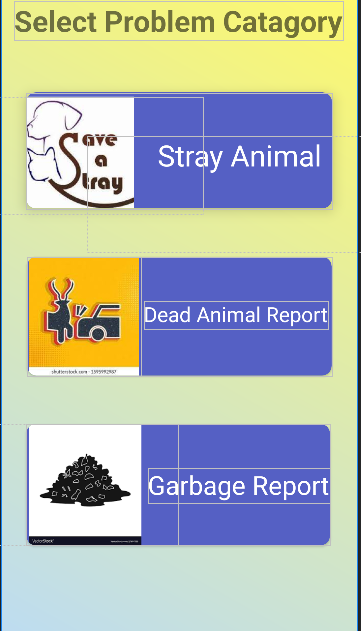
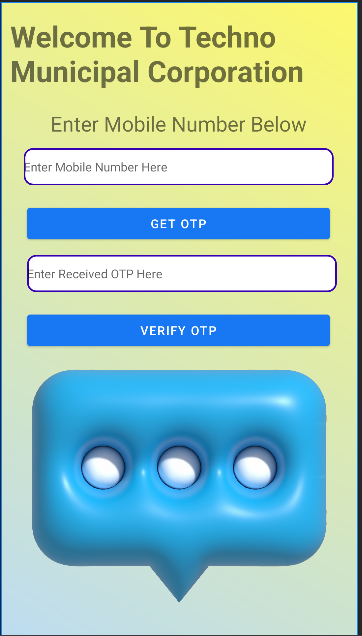
Inspiration
Our inspiration came from the growing need for efficient inter-departmental cooperation within urban governance. The challenge of siloed operations across various municipal departments prompted us to develop a solution that fosters collaboration, optimizes resource sharing, and streamlines project management at the city level.
What it does
- Enhancing AI Integration: Incorporating AI for smarter project suggestions, resource allocation, and trend analysis.
- Mobile App Development: Building a mobile version of the platform to increase accessibility for field workers and on-the-go collaboration.
- Global Expansion: Scaling the platform to other cities, adapting it to different urban governance models and regional requirements.
How we built it
We leveraged modern web technologies including Next.js for the front-end, MongoDB for data storage, and React-Leaflet for the GIS map integration. The backend is built using Node.js and Express.js, with Docker for containerization, enabling easy deployment and scalability. The platform is hosted on Azure, ensuring a robust, cloud-based solution for seamless access and performance.
Challenges we ran into
- Data Integration: Merging disparate datasets from different departments with varying formats was challenging, requiring custom data processing and normalization.
- Real-time Collaboration: Ensuring real-time communication within the forum and between departments required robust synchronization.
- User Adoption: Getting different departments to adopt the platform was challenging due to resistance to change and familiarity with legacy systems.
Accomplishments that we're proud of
- Cross-Departmental Cooperation: Successfully created a platform where multiple departments can collaborate on projects, improving efficiency.
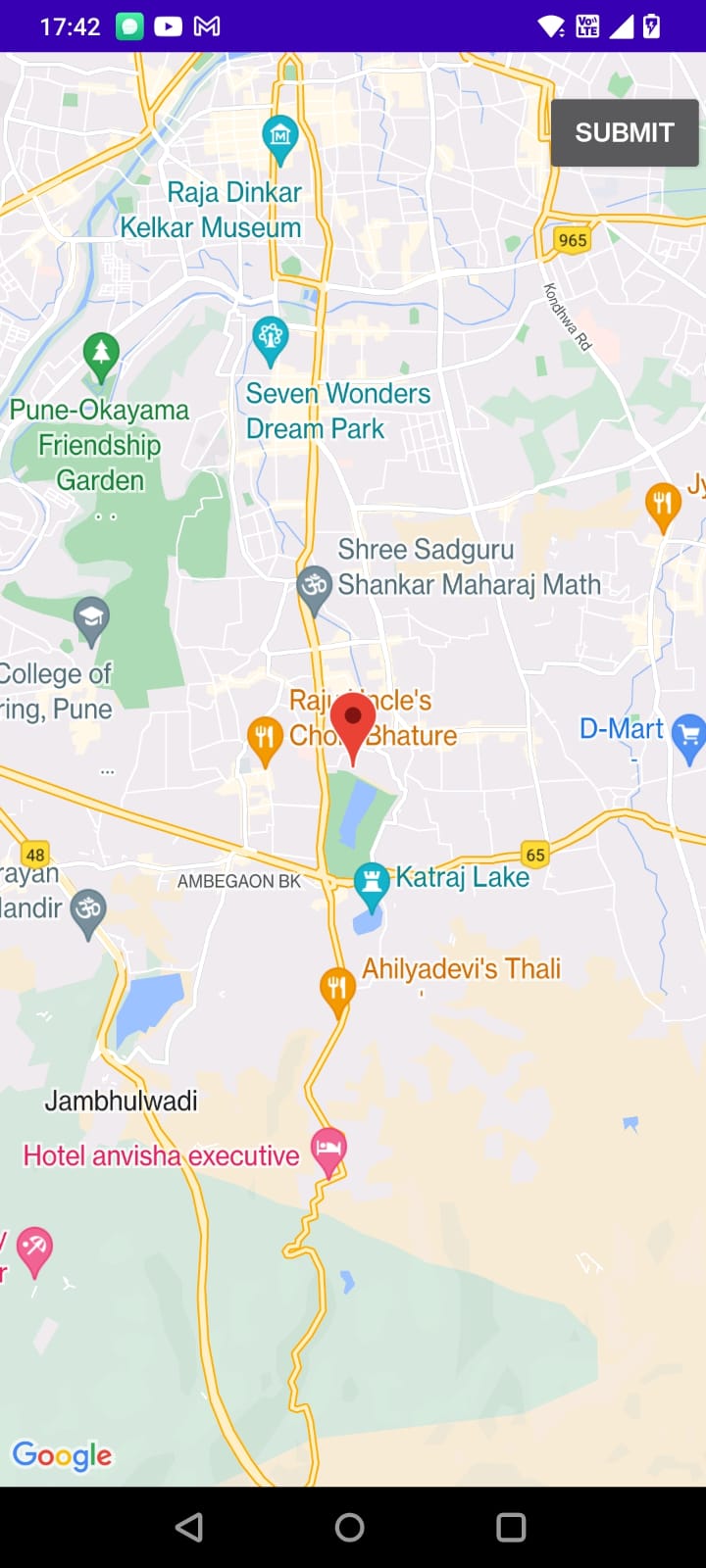
- GIS Integration: The integration of the React-Leaflet GIS map has enhanced spatial awareness, linking data with specific locations, which has been particularly useful for urban planning and resource allocation.
- Scalable Design: Built the platform to scale easily, capable of handling growing city-wide data without performance issues.
What we learned
- Data Normalization: The importance of data standardization when integrating datasets from different sources.
- User-Centric Design: Designing interfaces that are intuitive for non-technical municipal employees was crucial for user adoption.
- Collaboration and Communication: Ensuring smooth inter-departmental communication and collaboration is key to the success of municipal projects.
What's next for Techno Municipal Corporation
- Enhancing AI Integration: Incorporating AI for smarter project suggestions, resource allocation, and trend analysis.
- Mobile App Development: Building a mobile version of the platform to increase accessibility for field workers and on-the-go collaboration.
- Global Expansion: Scaling the platform to other cities, adapting it to different urban governance models and regional requirements.

Log in or sign up for Devpost to join the conversation.