-
-
Thumbnail
-
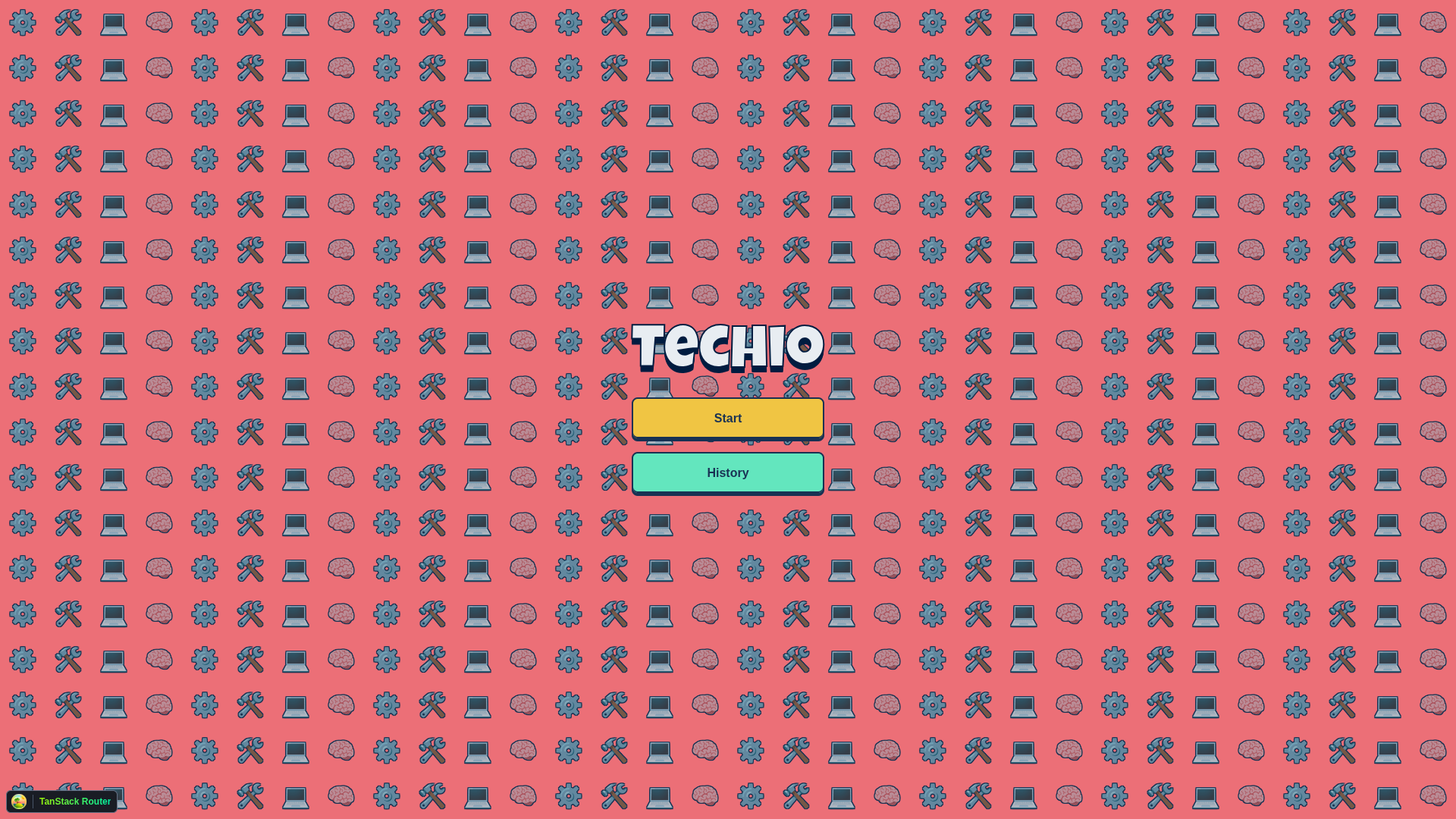
home page
-
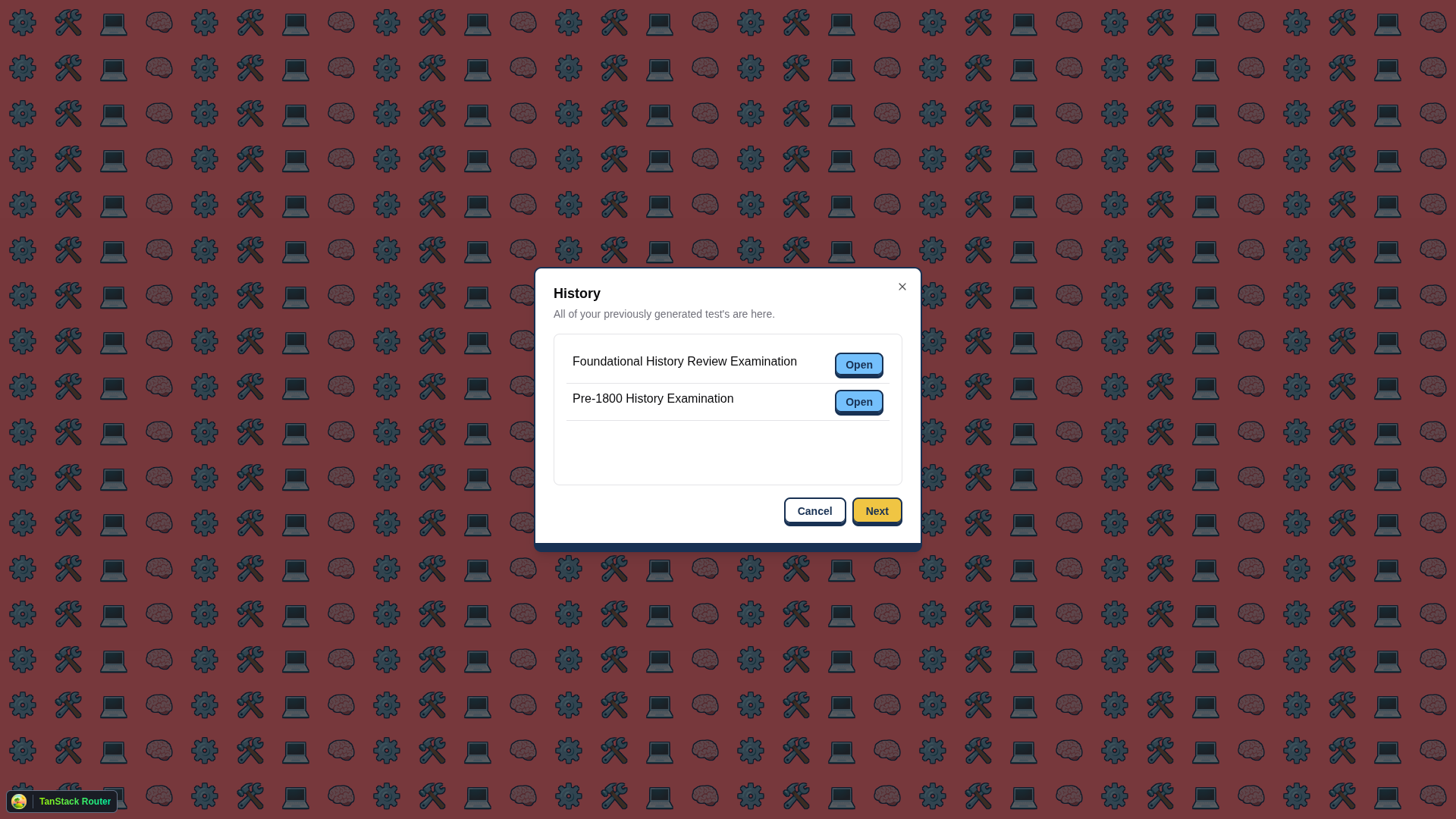
history
-
test
-
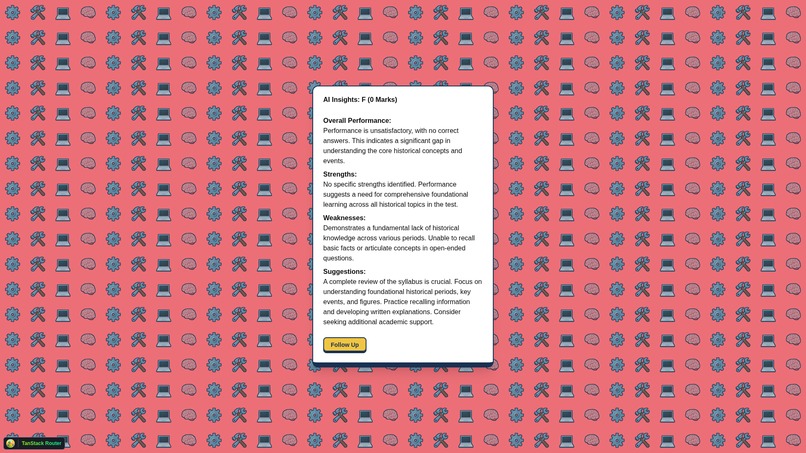
ai insight
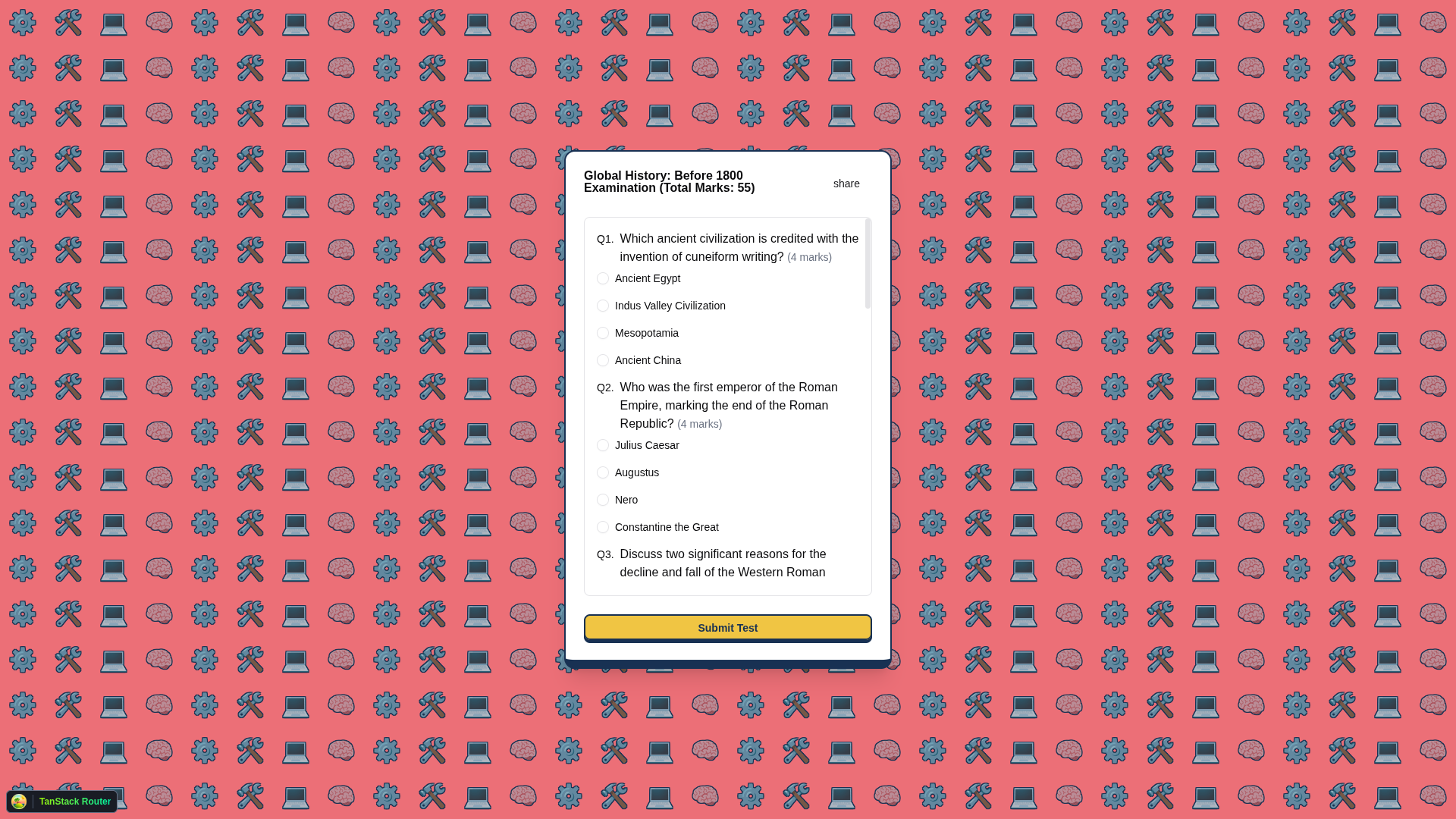
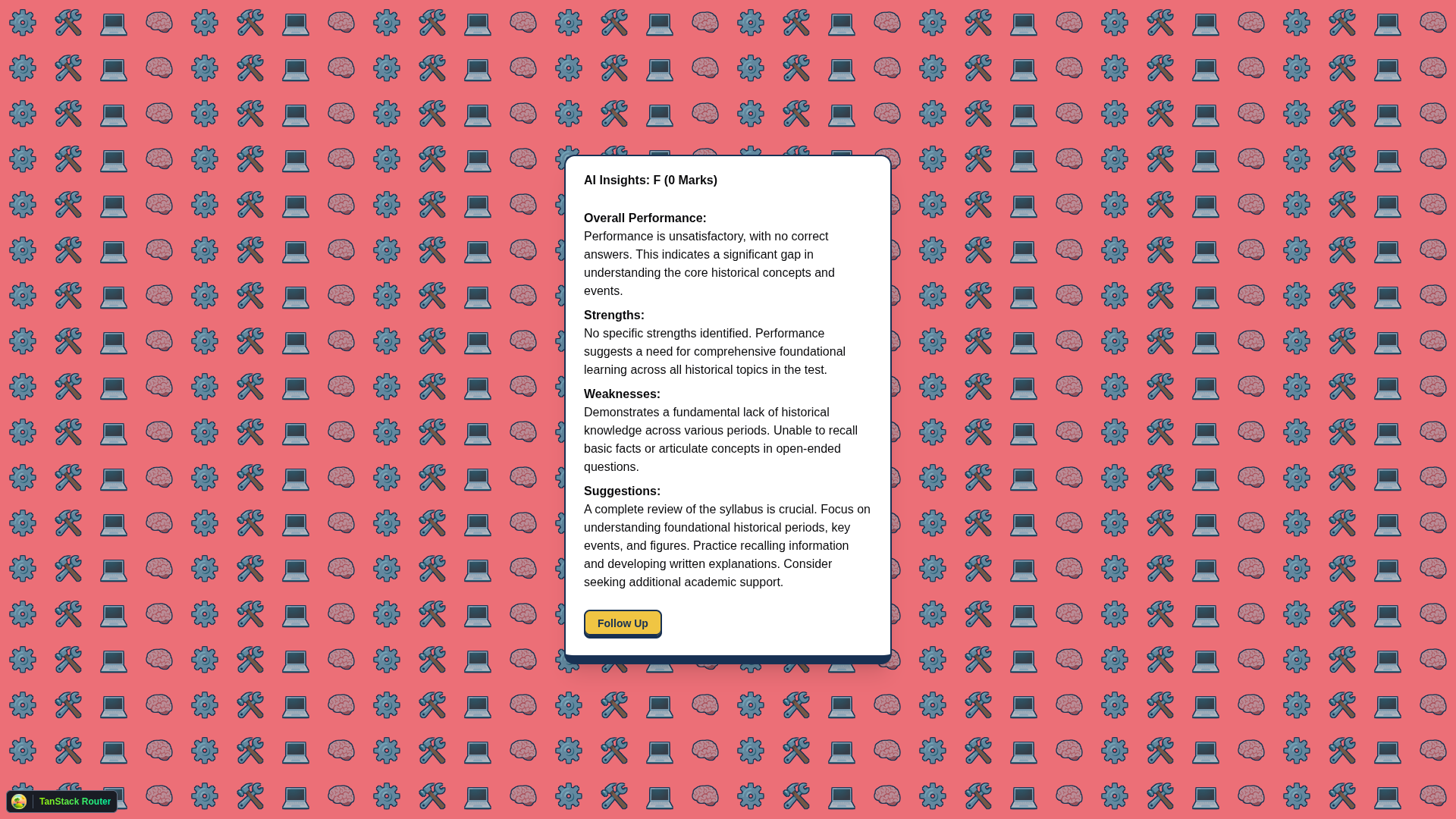
Inspiration
When preparing for exams or brushing up on a topic, we often turn to large language models (LLMs) like ChatGPT or Gemini. While they're powerful, the experience isn't ideal for actual practice. You ask for questions you get a wall of text. You try answering them then you manually prompt again for analysis or grading. The flow breaks down quickly, and it never quite feels like you're being tested or improving in a structured way.
Creating proper question papers manually takes time. Evaluating yourself is even harder. I realized there’s no good tool that combines the power of AI with a test-like experience. That’s when Techio was born to turn LLMs from passive assistants into active examiners, creating a focused, frictionless way to practice smarter, not harder.
What is Techio?
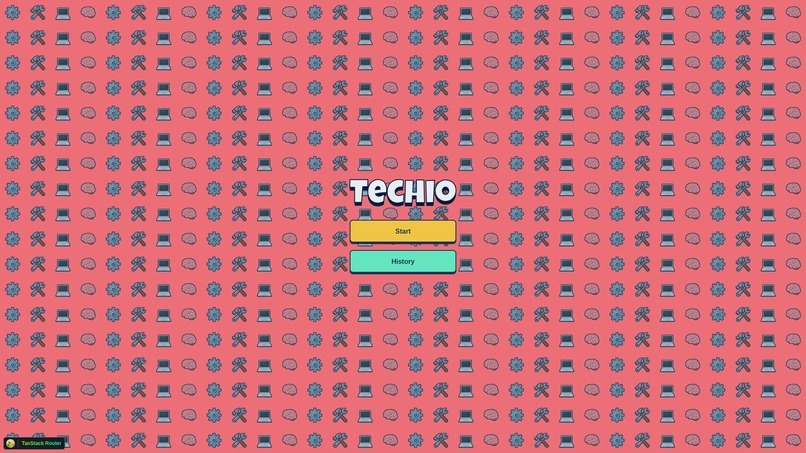
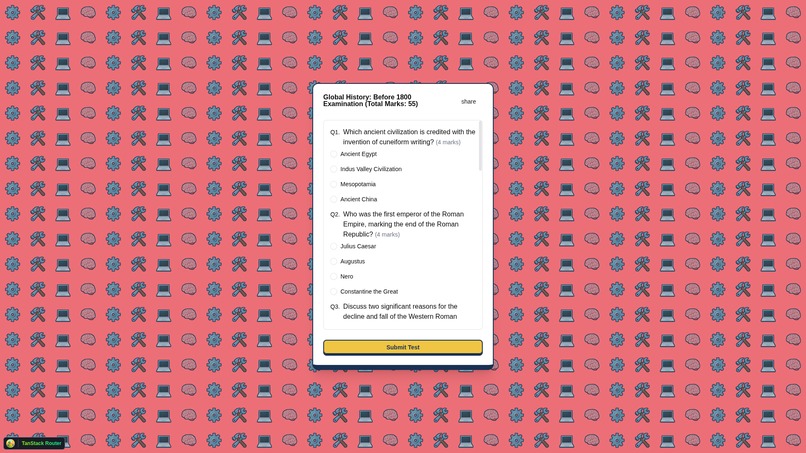
Techio is an AI-powered preparation platform that allows anyone to generate high-quality, personalized question papers in seconds. Just type in a topic or concept, and Techio creates a full test including MCQs and descriptive questions no setup, no manual formatting.
Users can immediately take the test, receive AI-generated feedback analyzing their strengths, weaknesses, and likely areas of improvement, and even share the test with friends using temporary links all without needing to log in.
What makes Techio unique is its speed, simplicity, and the intelligence behind its core features:
- AI-powered question generation
- Instant smart feedback (AI Insights)
- Temporary, link-based test sharing with peer access
- Lightweight memory-based sharing service (Go microservice)
How we built it
I focused on keeping the project technically innovative yet dead simple. Our tech stack:
Frontend:
- TypeScript,
- React,
- Tailwind CSS
Backend:
- Hono,
- Nodejs,
- Gemini AI (via Google GenAI API)
Microservice:
- Go, for in-memory store temporary test sharing
Accomplishments that we're proud of
One thing I’m really proud of is replacing a full database like MongoDB with a custom solution.
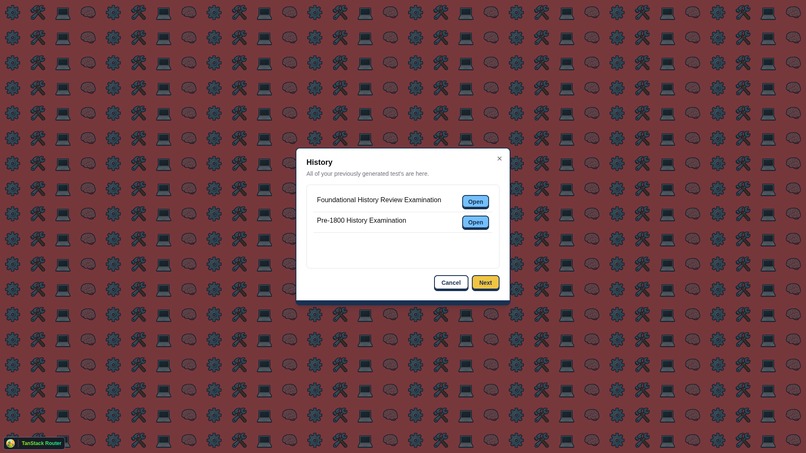
At first, I planned to use MongoDB to store the test data. But later, I built a small Go microservice that stores the tests in memory for a short time. This made sharing tests with others faster and much simpler and it almost feels like peer-to-peer sharing.
It also helped me learn more about how microservices work and how to keep things lightweight and efficient.
What's next for Techio
The journey doesn’t end here. I’m planning to take Techio even further with:
Peer-to-Peer Test Sharing: I want to remove all centralized storage and build a system where users can share tests directly with friends using browser-based peer-to-peer technologies like WebRTC — making it feel truly local and private.
Installable: Techio will be turned into a Progressive Web App (PWA) so users can install it like a native app.
Smarter AI Experience: From generating follow-up questions to more accurate feedback and performance tracking, the AI experience will become more helpful and personalized.
Cleaner UX and More Control: Users will have better control over test formats, time limits, and even difficulty levels — all in a faster, smoother UI.
Built With
- ai
- go
- hono
- llms
- react
- typescript

Log in or sign up for Devpost to join the conversation.