Inspiration
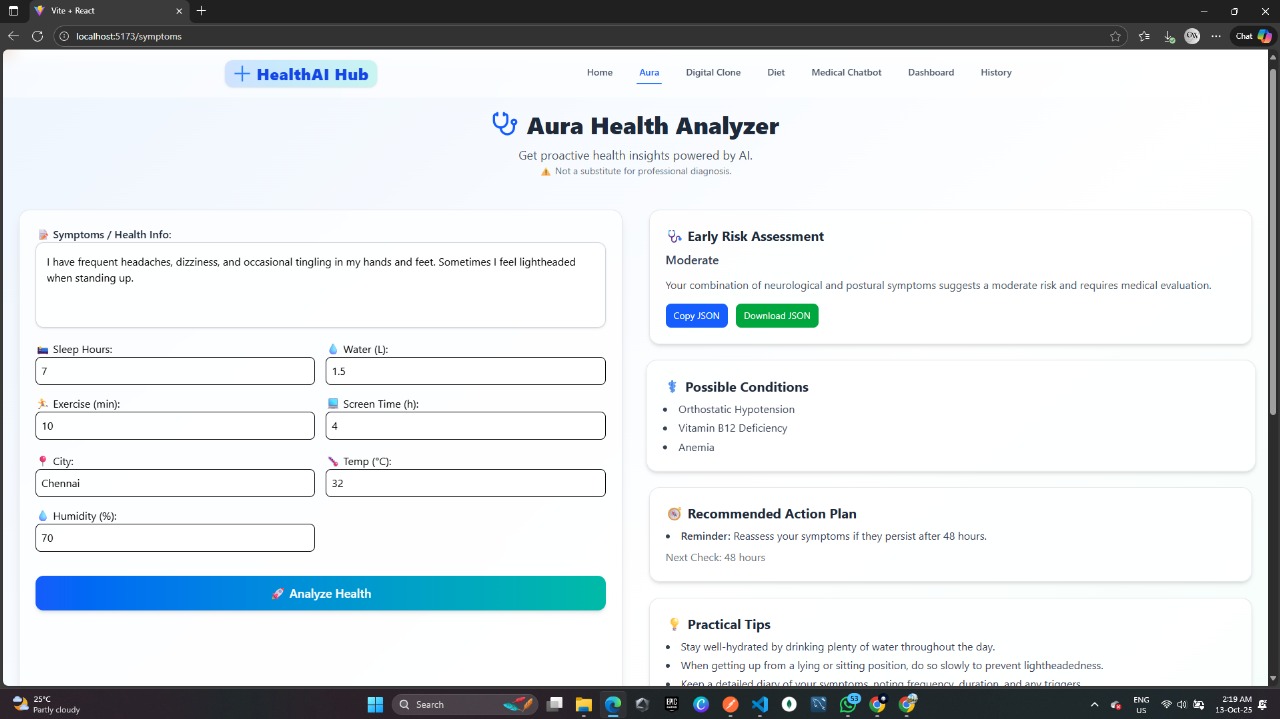
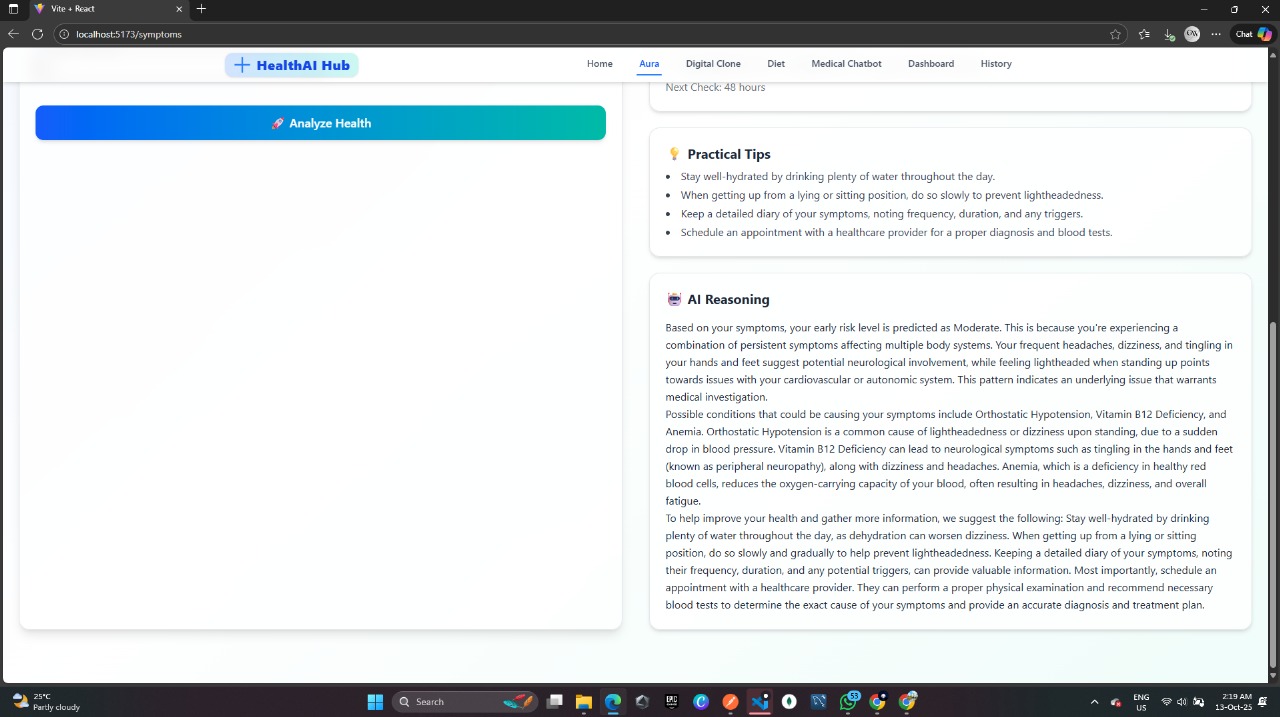
Maintaining a healthy diet can be overwhelming, especially with busy schedules, varying health conditions, and dietary restrictions. We wanted to create an AI-powered dietician that provides personalized, science-backed meal plans for everyone, making nutrition guidance accessible, affordable, and practical. The idea came from seeing friends struggle with meal planning and healthy eating habits.
What it does
AI Dietician takes user inputs such as:
Age, weight, height
Activity level
Health goals (weight loss, muscle gain, maintenance)
Dietary preferences and restrictions
It generates:
Personalized daily meal plans
Nutritional breakdowns (calories, protein, fats, carbs)
Recipe suggestions
Weekly grocery lists
Health tips based on the user’s goals
The tool combines scientific formulas like BMR and TDEE with AI-generated meal suggestions to ensure accuracy and usability:
BMR = 10W + 6.25H - 5A + s, \quad s = +5\text{(male)}, -161\text{(female)}
TDEE = BMR \times \text{Activity Factor}
How I built it
Tech Stack:
Frontend: HTML, CSS, JavaScript / React
Backend: Python (Flask / FastAPI)
AI: OpenAI / HuggingFace model for meal suggestions
Database: Firebase / MongoDB (for storing user preferences)
Steps:
Designed a user-friendly interface for input collection.
Implemented BMR and TDEE calculations to estimate caloric needs.
Integrated AI to generate structured, personalized meal plans.
Pulled nutritional data from open datasets for accuracy.
Displayed results in an intuitive dashboard.
Tested with multiple profiles for reliability.
Challenges I ran into
Getting AI to output consistent, structured meal plans.
Handling diverse dietary restrictions while keeping recommendations practical.
Integrating scientific calculations with AI outputs.
Designing a clean UI that accommodates many input parameters.
Ensuring portion sizes and caloric values remained realistic.
Accomplishments that I'm proud of
Built a fully functional AI dietician within a hackathon timeframe.
Integrated nutrition science with AI-generated personalized recommendations.
Designed a simple, intuitive, and accessible user interface.
Developed support for multiple diet types, including vegan, vegetarian, diabetic-friendly, and high-protein diets.
Successfully created a tool that can genuinely help people make healthier dietary choices.
What I learned
Prompt engineering for AI to generate structured outputs.
Nutrition science, including BMR, TDEE, and macronutrient calculations.
Integrating backend logic, databases, and AI models.
Designing user-friendly interfaces for complex applications.
Importance of inclusivity and accessibility in tech solutions.
What's next for Tech innovators
Adding progress tracking (weight logs, weekly progress charts).
Implementing voice-based input for accessibility.
Optimizing weekly meal plans using reinforcement learning.
Multi-language support for global users.
Expanding recipe suggestions with preparation time filters and dietary goals.


Log in or sign up for Devpost to join the conversation.