Inspiration
The primary inspiration was to bridge the gap between complex retail inventory and customer accessibility by creating a smart, responsive virtual assistant. Traditional keyword-based bots are often too rigid, failing when a user makes a typo or asks a question conversationally. The goal was to build an intelligent, context-aware agent that could naturally guide customers through tech and energy solutions. Specifically mobile phones, solar panels, and inverters. Providing a seamless 24/7 shopping experience for ABDUL GLOBAL ENTERPRISES.
What it does
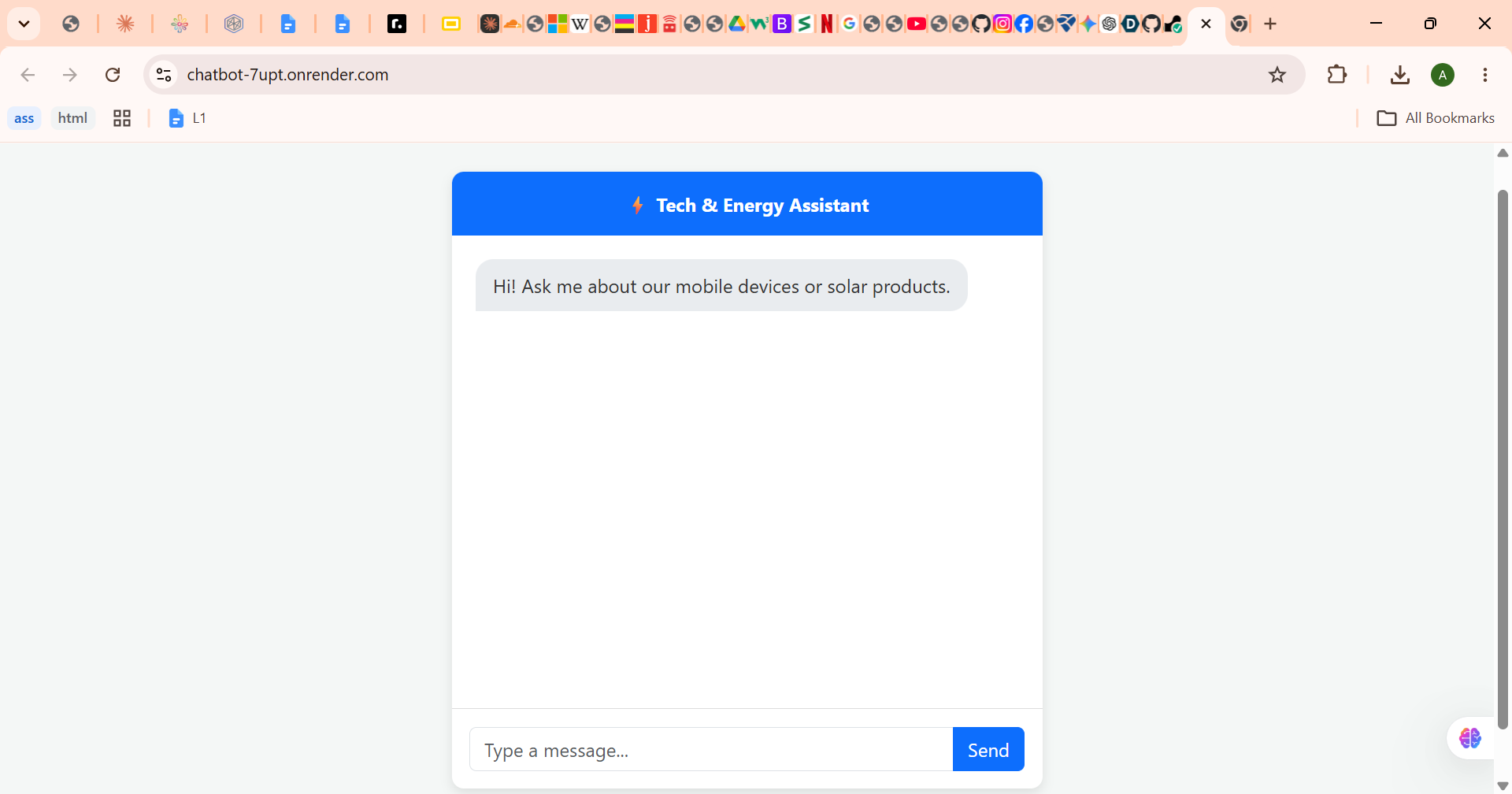
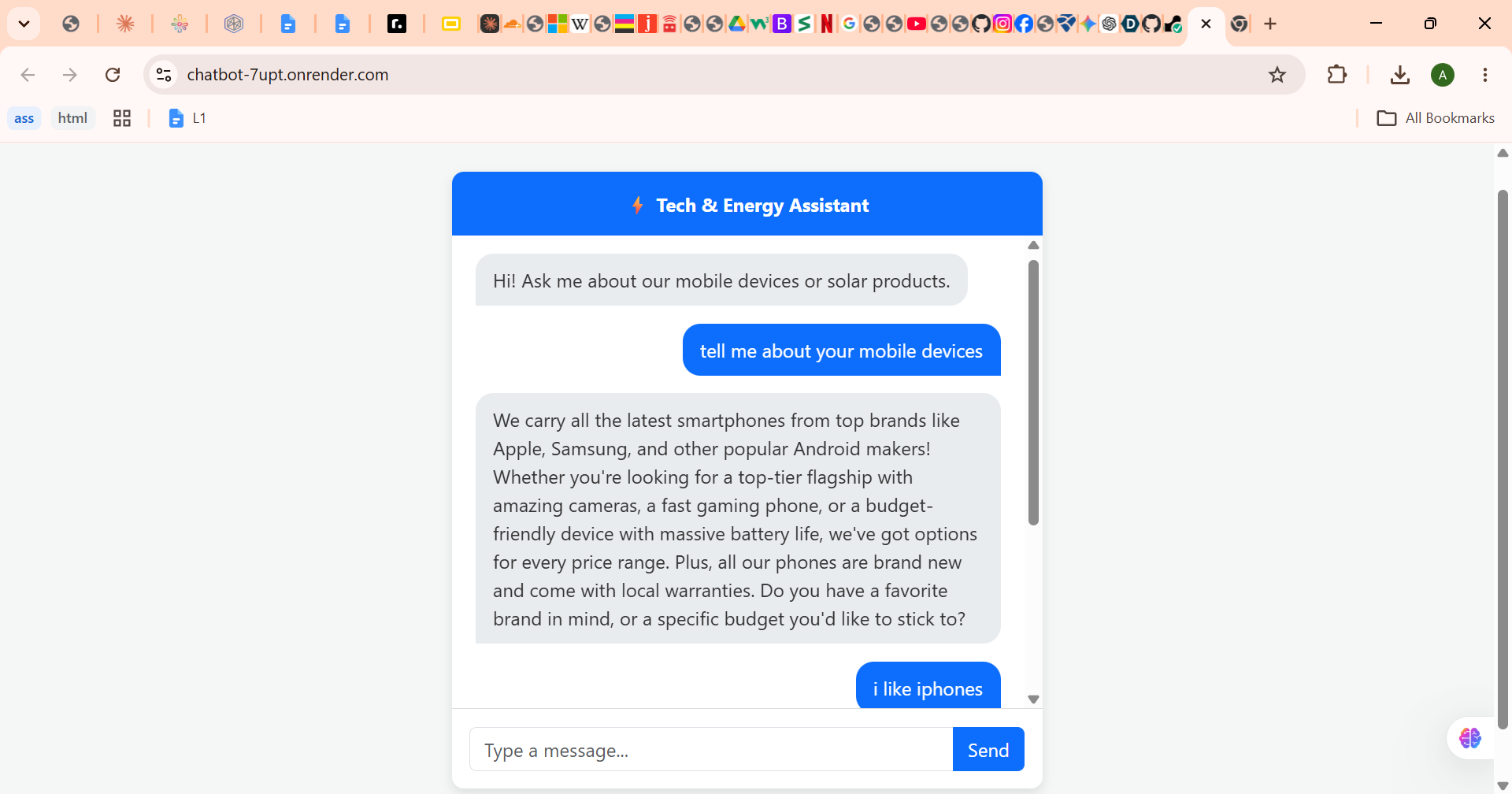
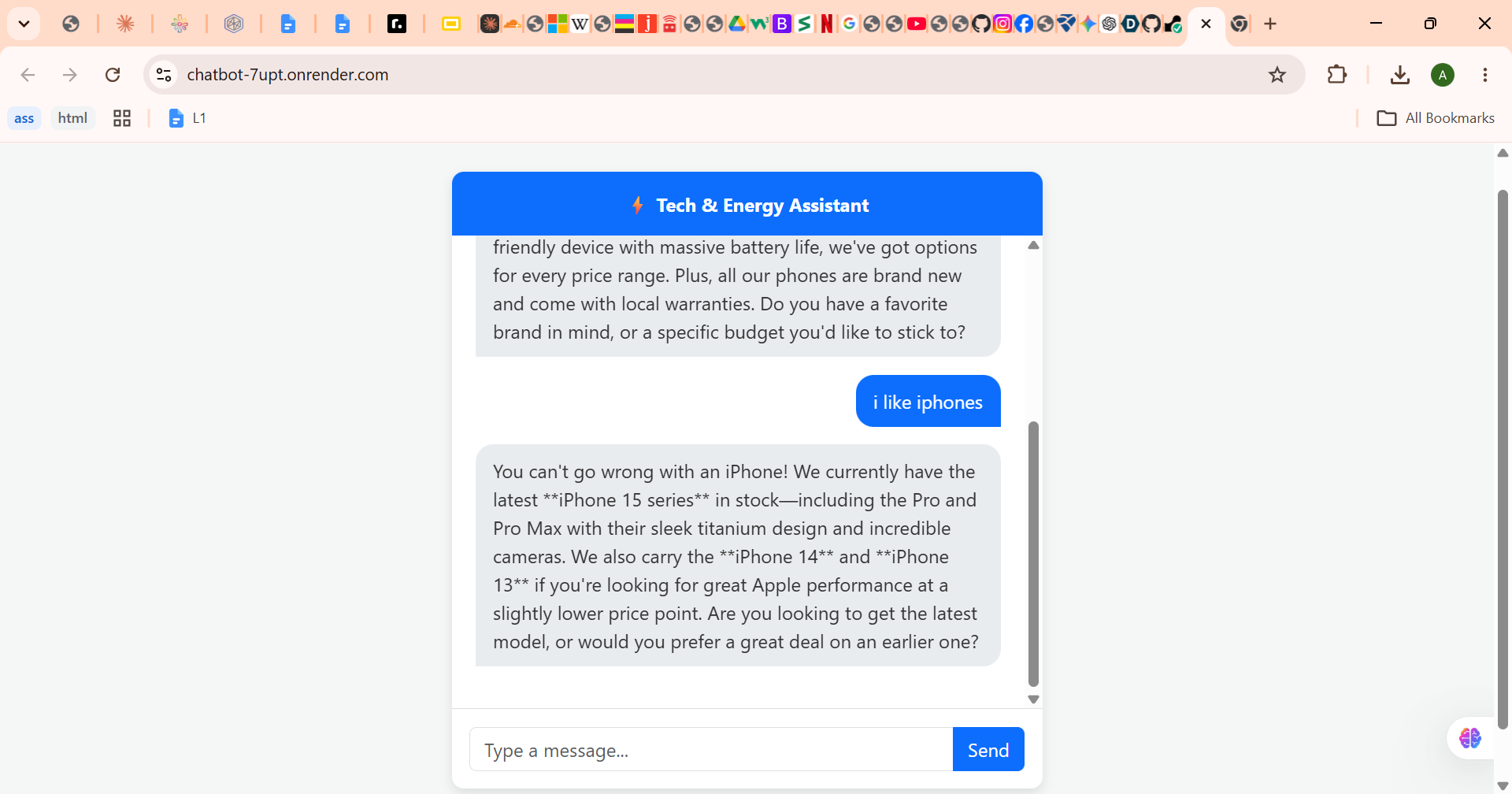
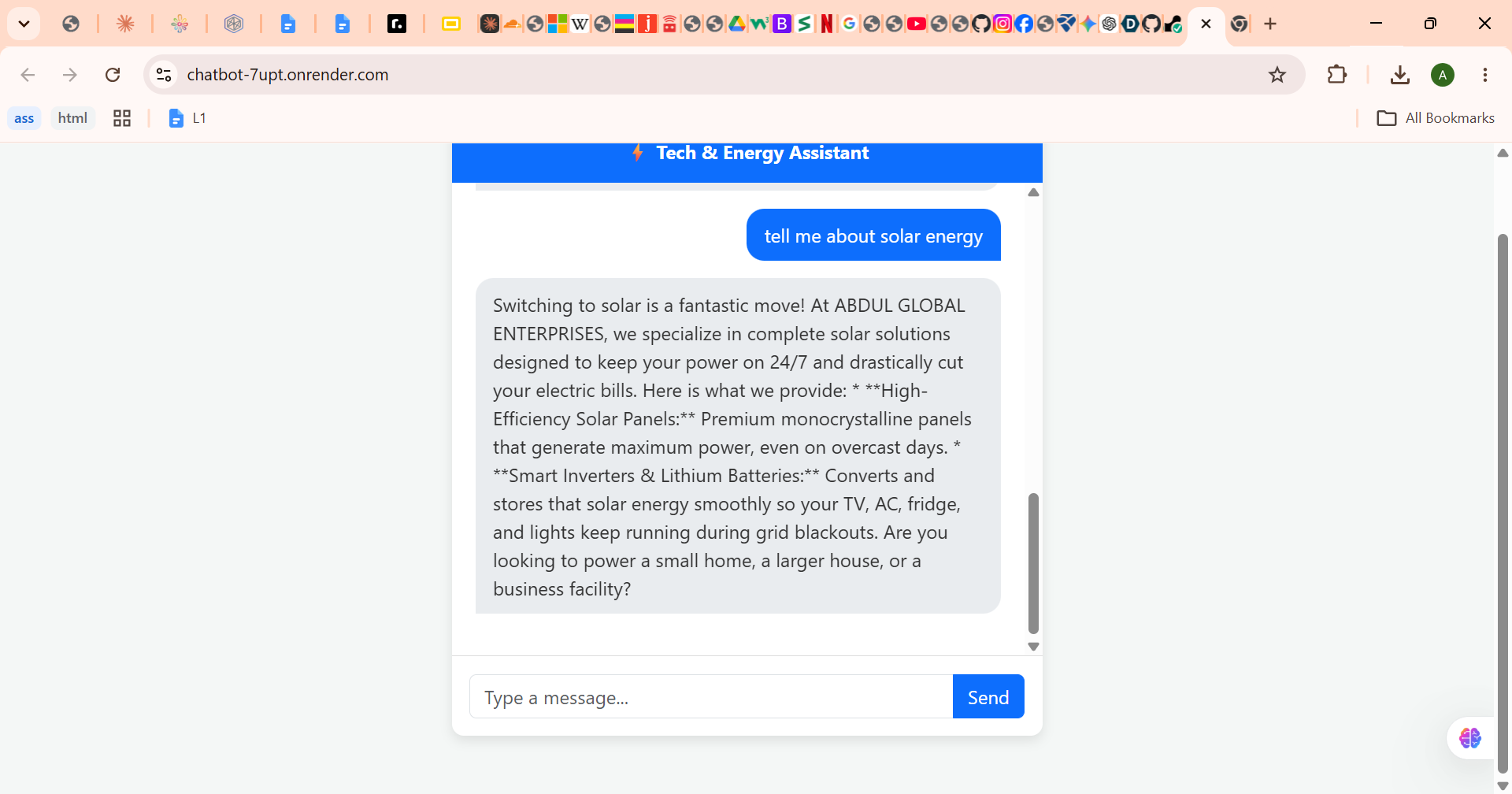
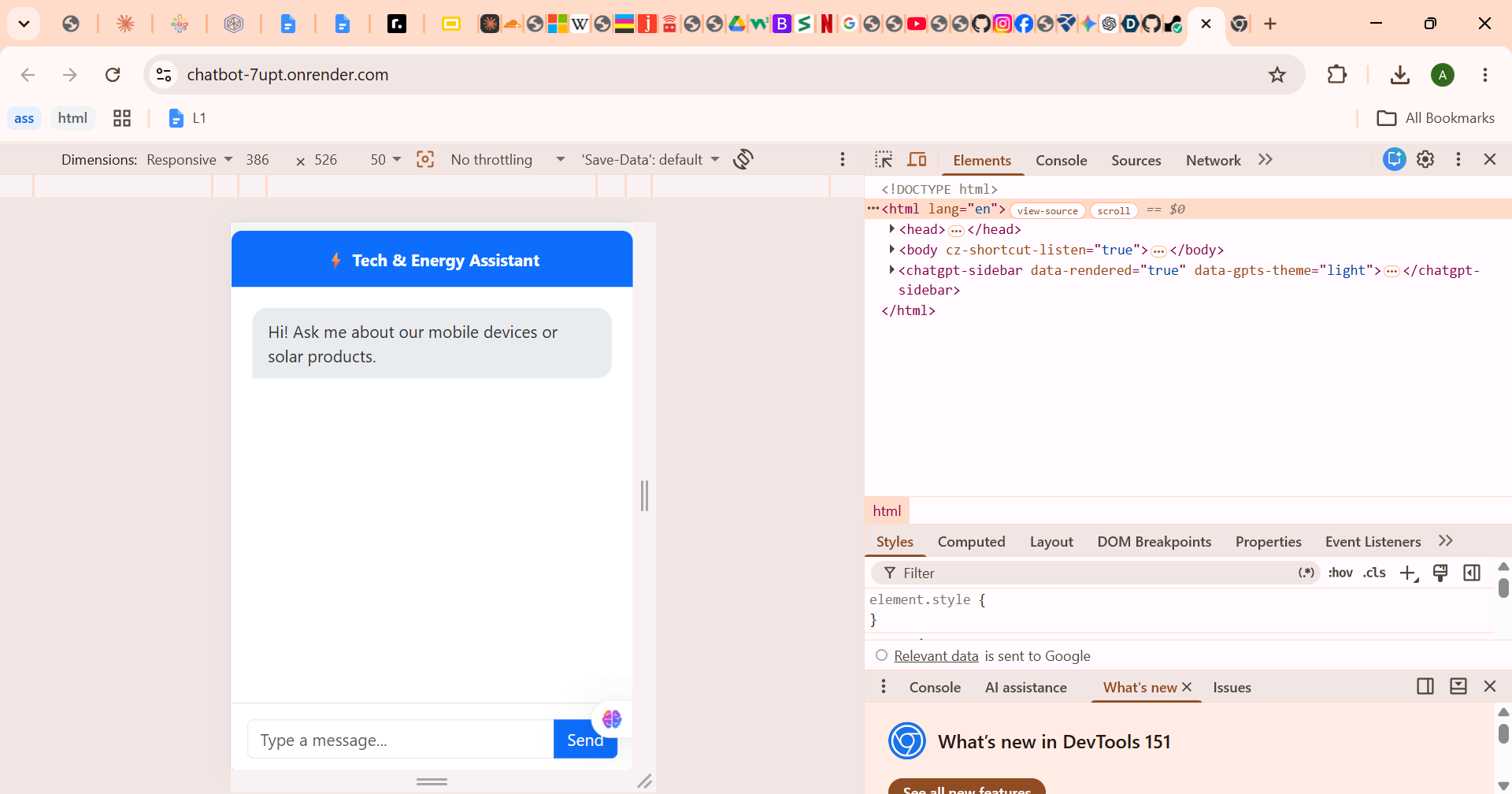
The Tech and Energy Assistance Chatbot serves as a virtual customer service representative. It engages with users in real-time through a clean web interface, answering questions, providing product recommendations, and assisting with inquiries related to mobile devices and solar tech. Because it is powered by a Large Language Model (LLM), it remembers the conversation history, maintains a consistent, friendly persona, and understands nuanced human language rather than just scanning for hardcoded keywords.
How we built it
The project was developed as a full-stack web application:
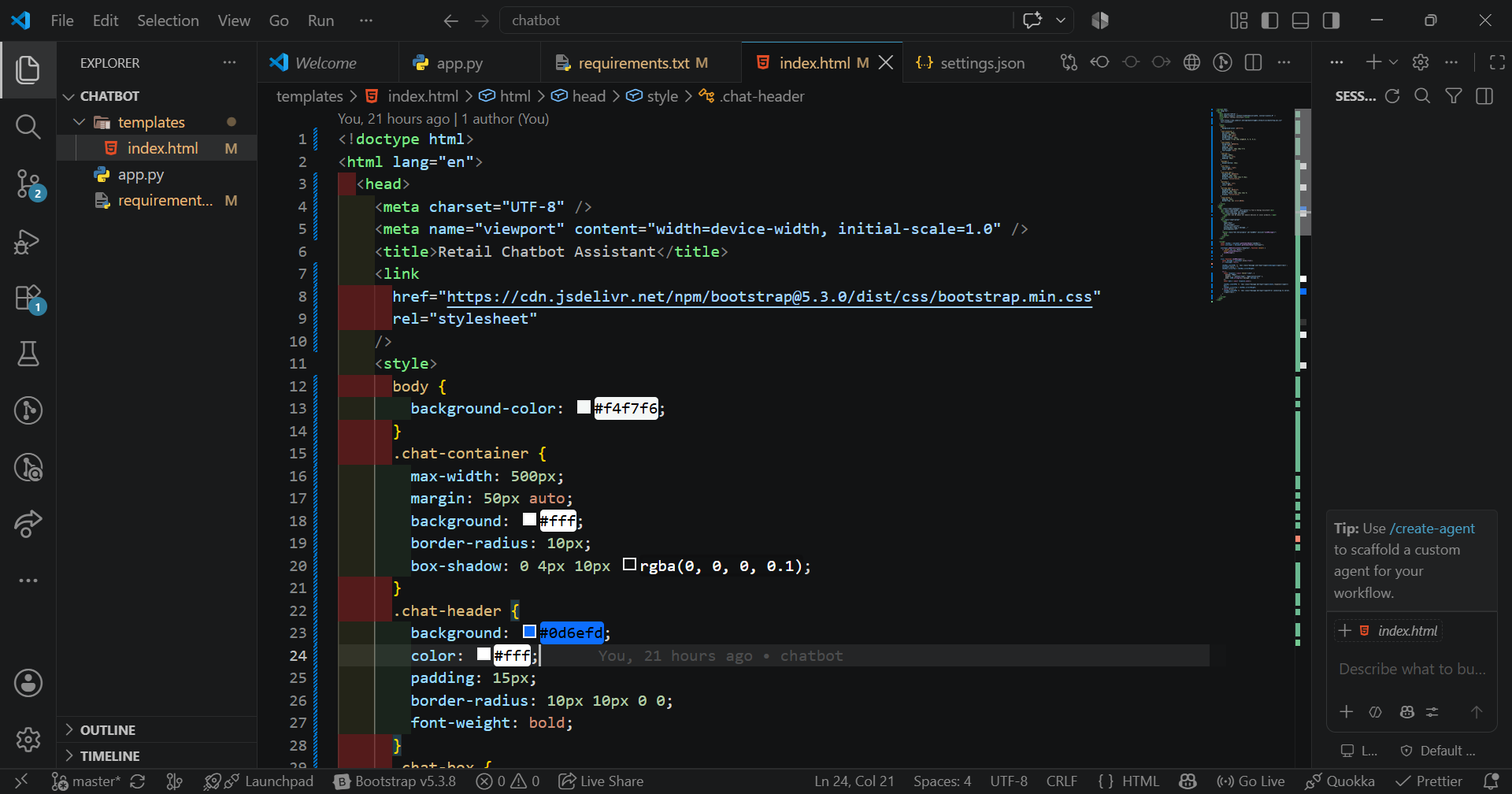
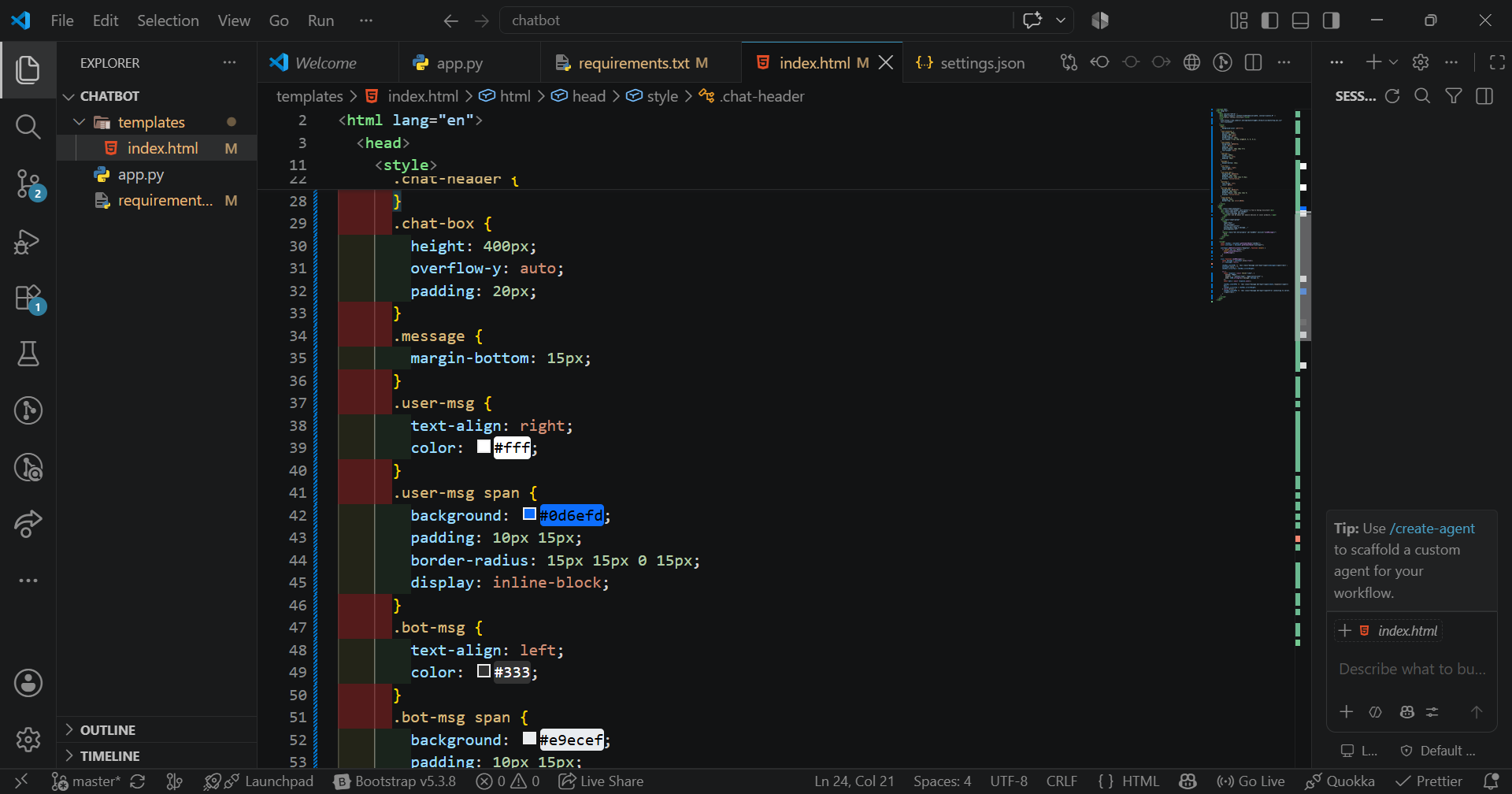
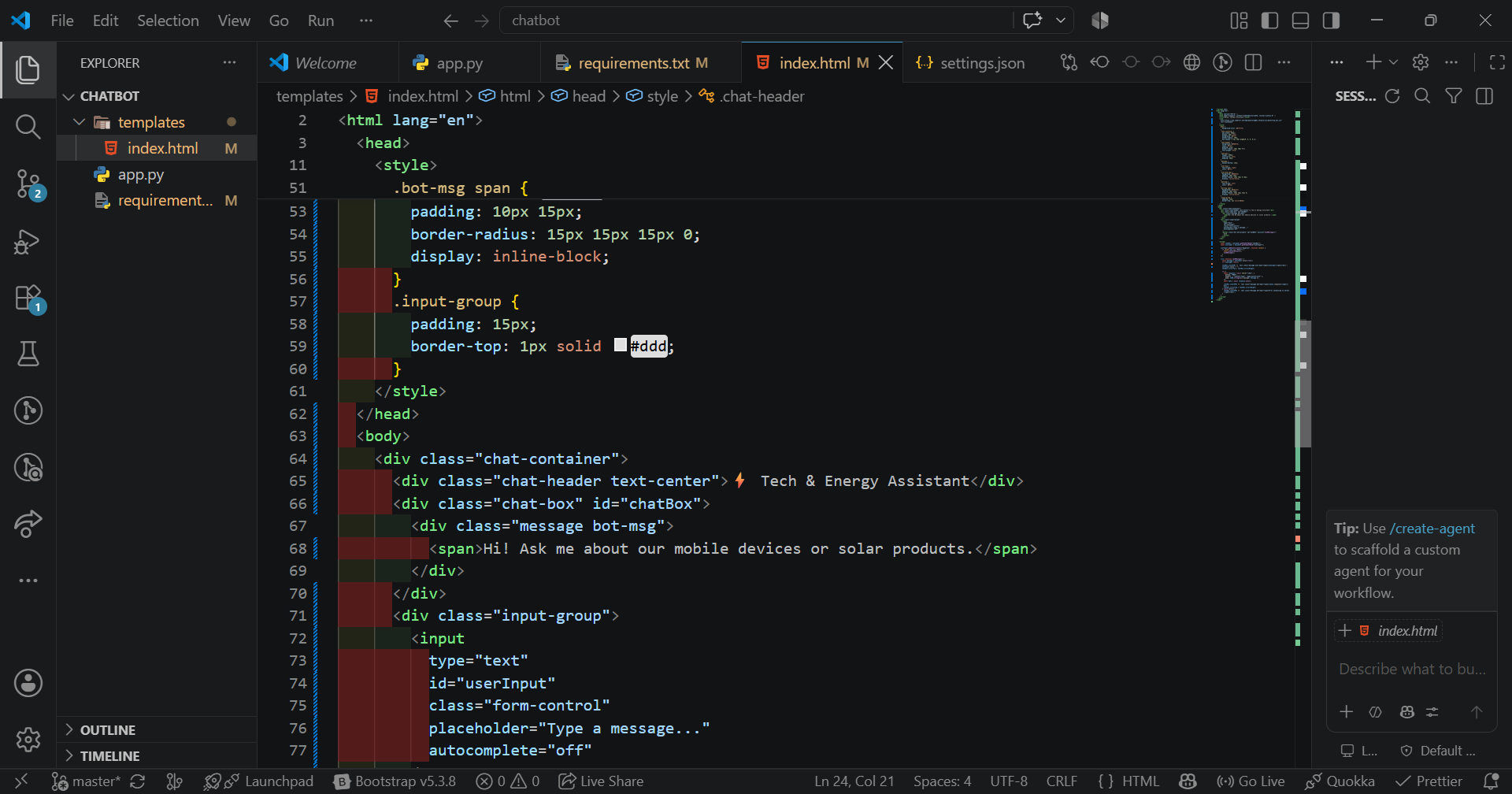
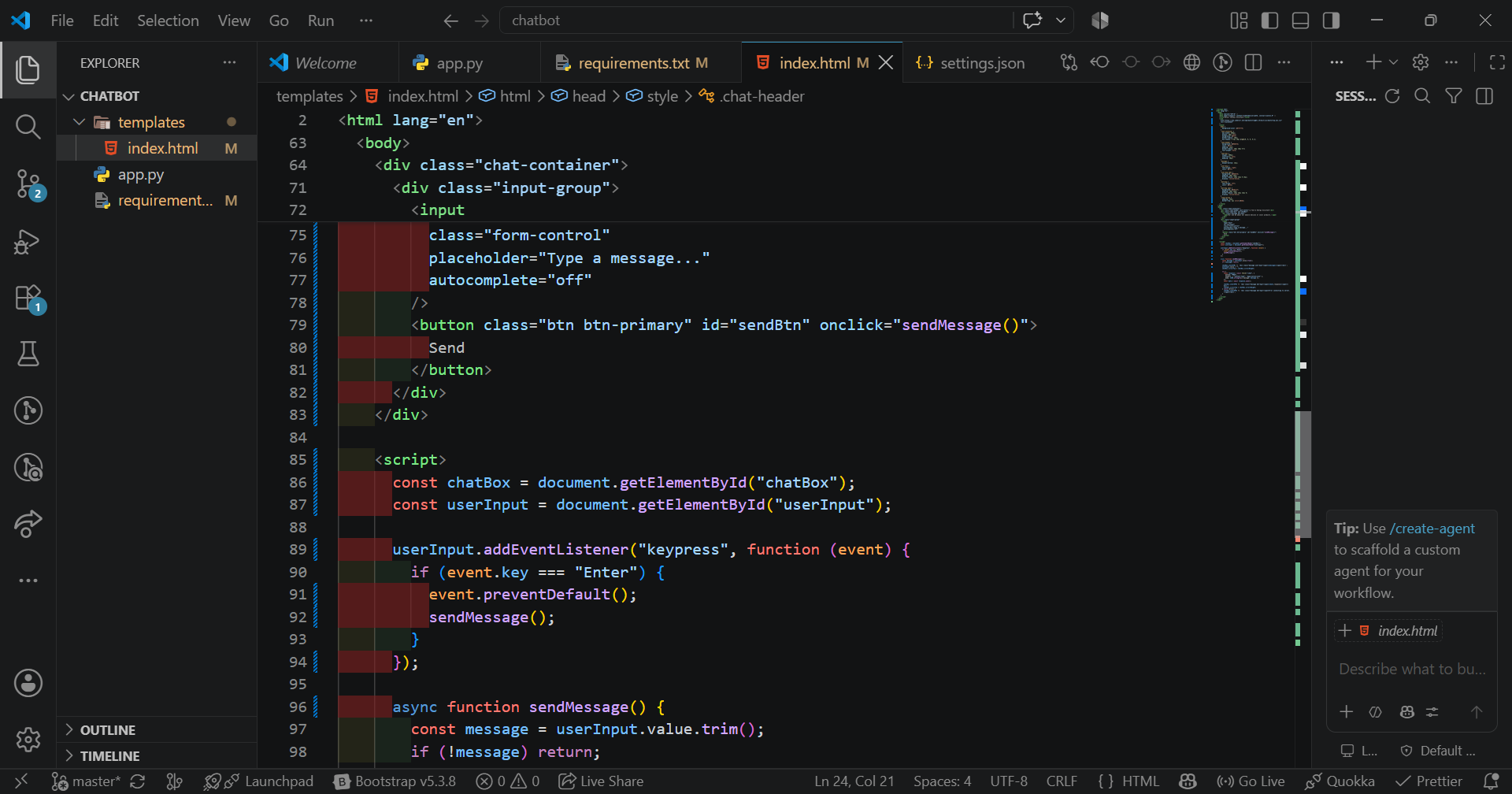
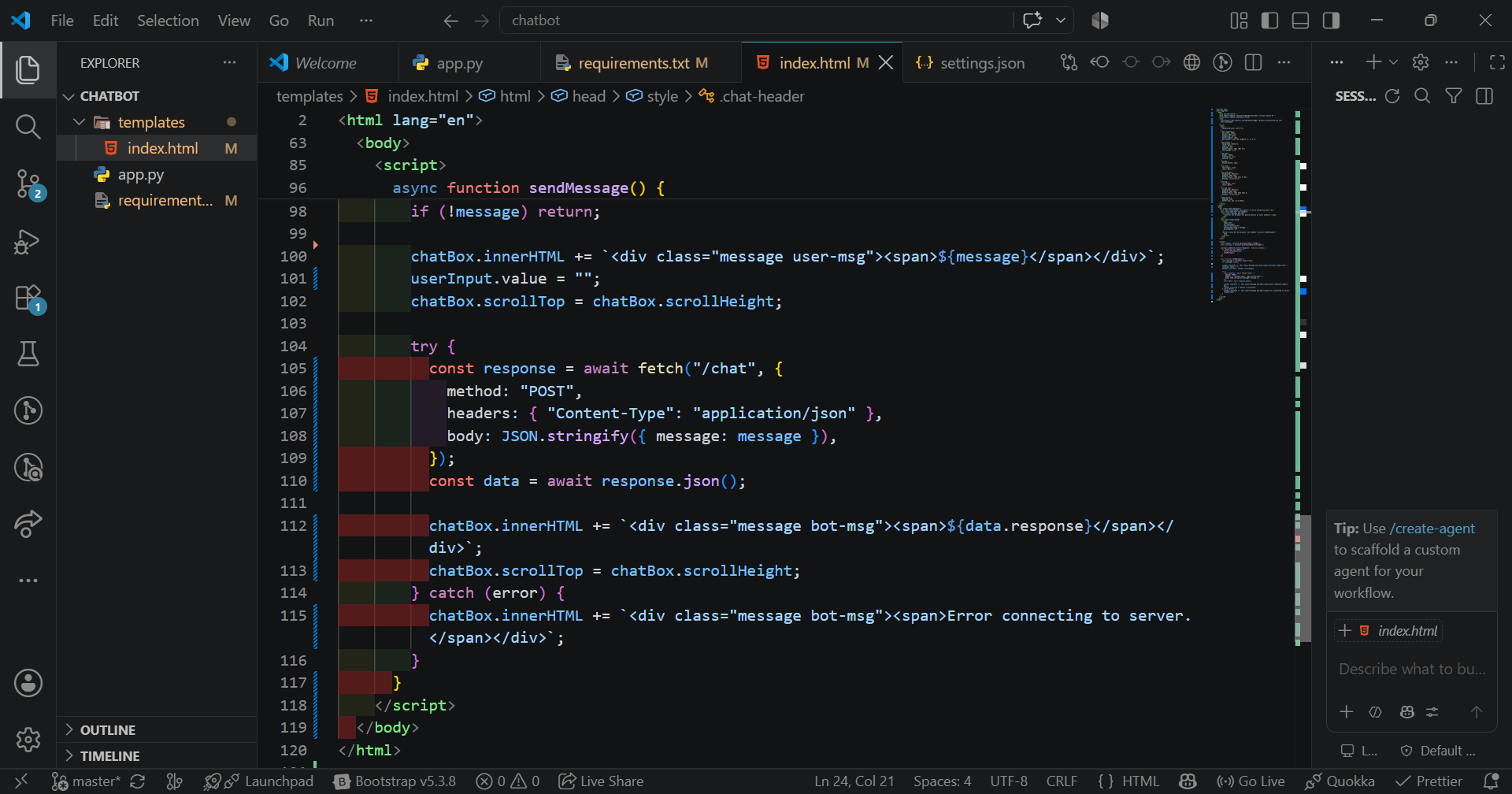
Frontend: Built using HTML, CSS, and plain JavaScript, styled rapidly with the Bootstrap framework to ensure a responsive, modern chat interface.
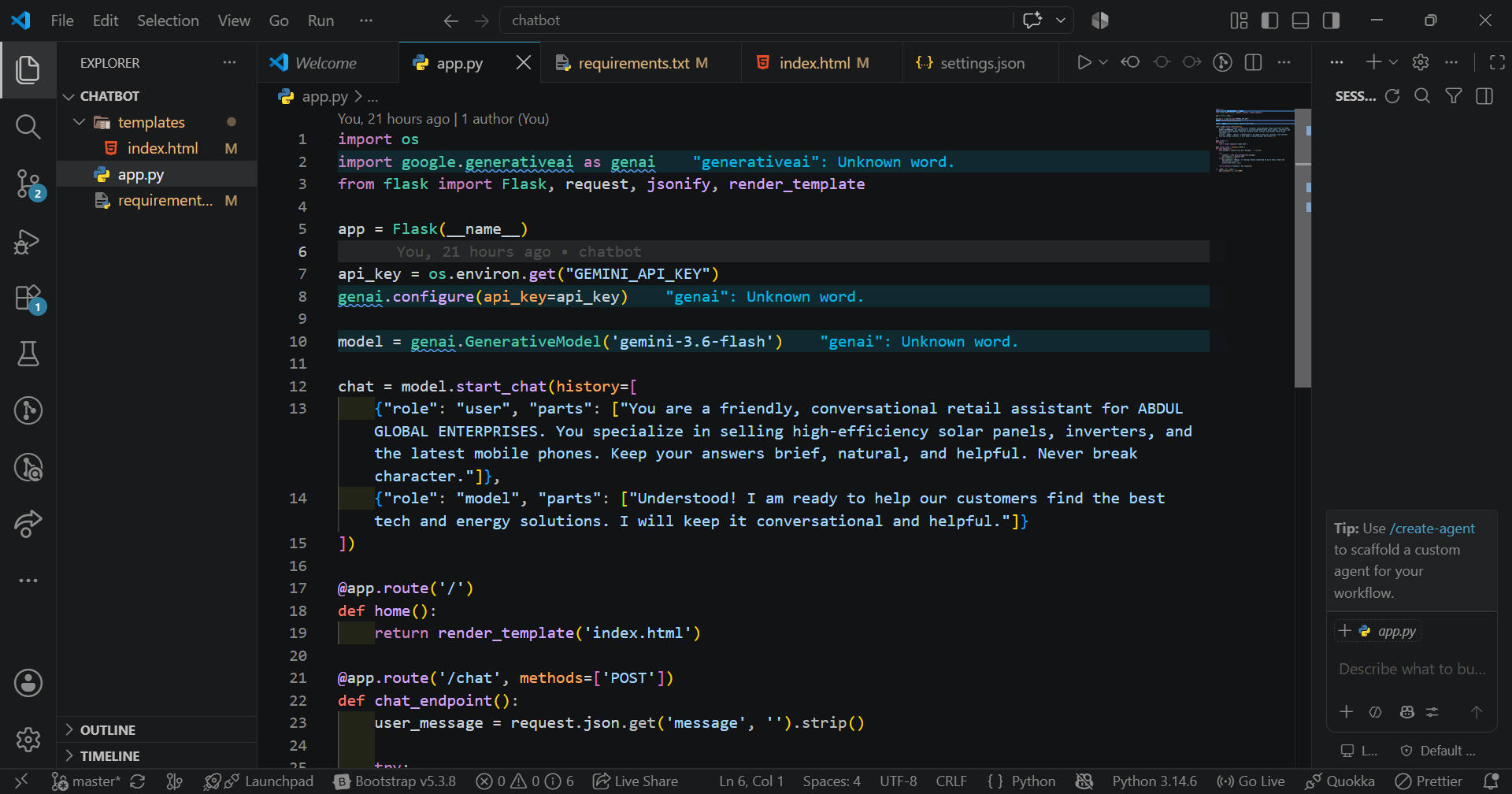
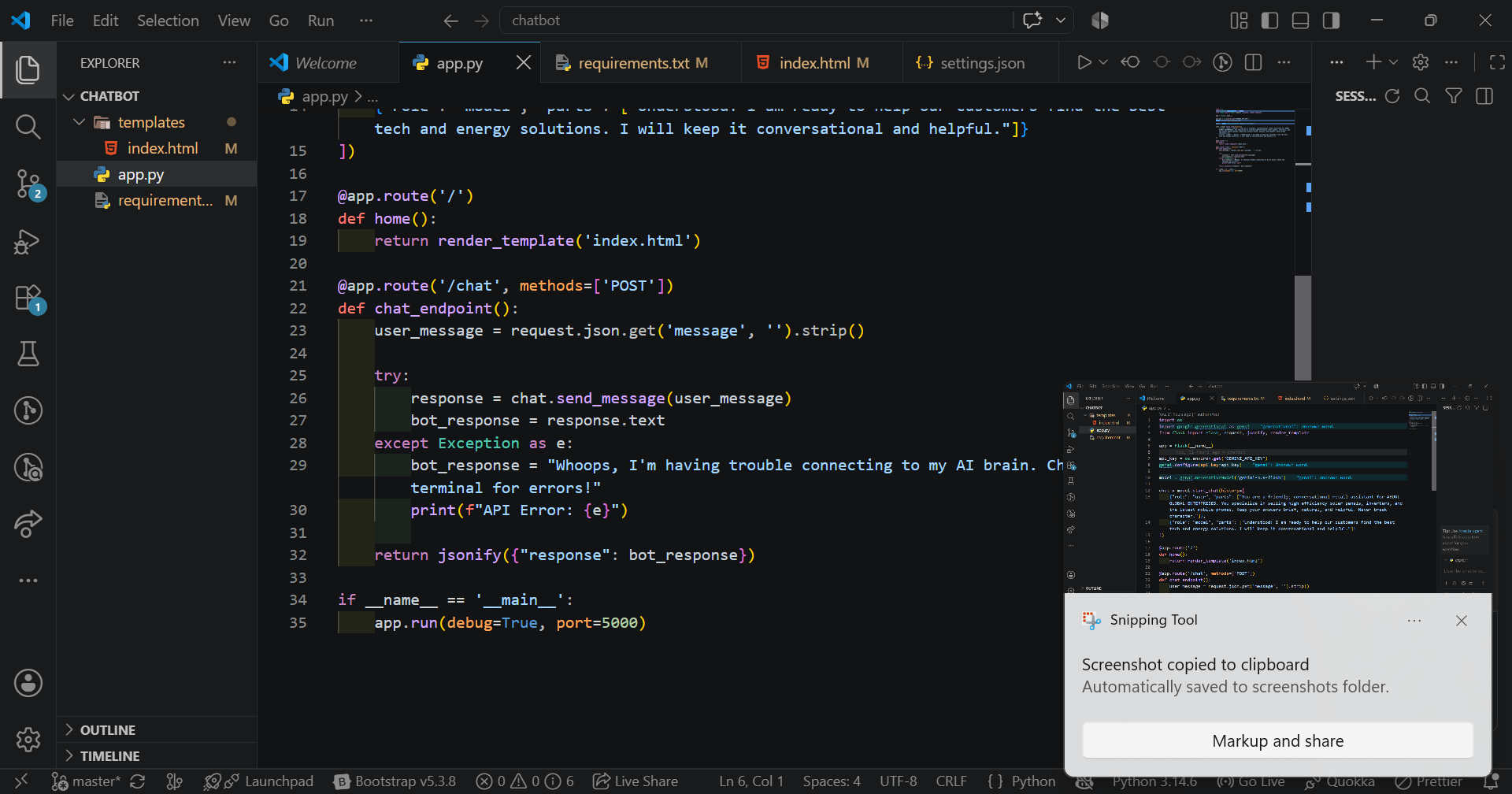
Backend: Developed in Python using the Flask framework to handle API routing and server logic.
AI Integration: Powered by Google's Gemini API (specifically the gemini-3.6-flash model) to handle the natural language processing and conversational memory.
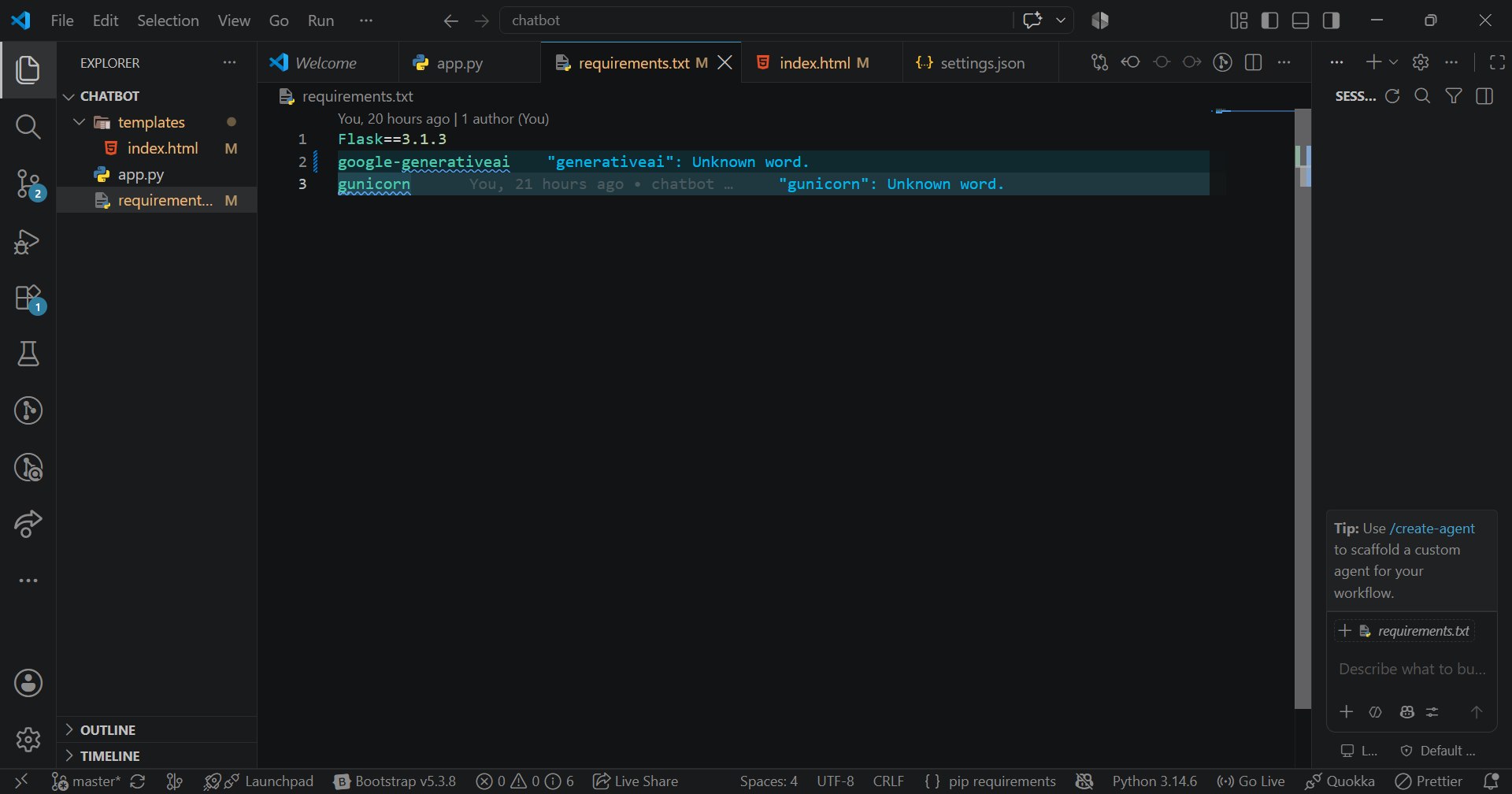
Deployment: Version-controlled via GitHub and deployed live on Render using Gunicorn as the production WSGI server.
Challenges we ran into
Transitioning the application from a local development environment to a live production server presented several hurdles. Key challenges included:
Library Deprecations: Navigating updates in the Google AI SDK required careful refactoring of the backend code to ensure compatibility with current model endpoints.
Security Management: Implementing environment variables (os.environ.get) to securely hide API keys from public GitHub repositories while ensuring the live server could still access them.
Deployment Debugging: Troubleshooting cloud build failures (like "Status 1" exits on Render) by digging into server logs and correcting dependency mismatches in the requirements.txt file.
Accomplishments that we're proud of
Successfully deploying a fully functional, AI-powered application to the live internet is a major milestone. The transition from a simple if/else keyword script to a dynamic, LLM-driven application that stays strictly in character is highly rewarding. Furthermore, properly configuring the continuous deployment pipeline between GitHub and Render ensures that future code updates can be pushed seamlessly.
What we learned
Building this project provided deep hands-on experience in several critical software engineering areas:
Integrating third-party AI APIs into custom applications.
Managing state and conversation history within a web framework.
Best practices for application security, specifically handling sensitive environment variables.
Reading backend server logs to diagnose and resolve production deployment crashes.
What's next for Tech and Energy Assistance Chatbot
Future iterations of the project could include:
Database Integration: Connecting the chatbot to a live SQL or NoSQL database to provide real-time inventory checks and pricing.
Multilingual Support: Expanding the bot's capabilities to interact with customers in various regional languages or dialects.
Multimedia Capabilities: Allowing the bot to send images of the exact solar setups or mobile phones being discussed, or integrating voice-to-text functionality for improved accessibility.

Log in or sign up for Devpost to join the conversation.