-
-
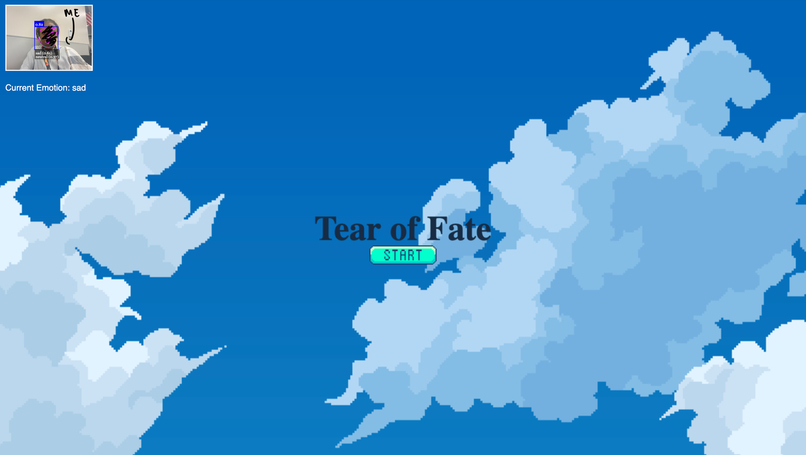
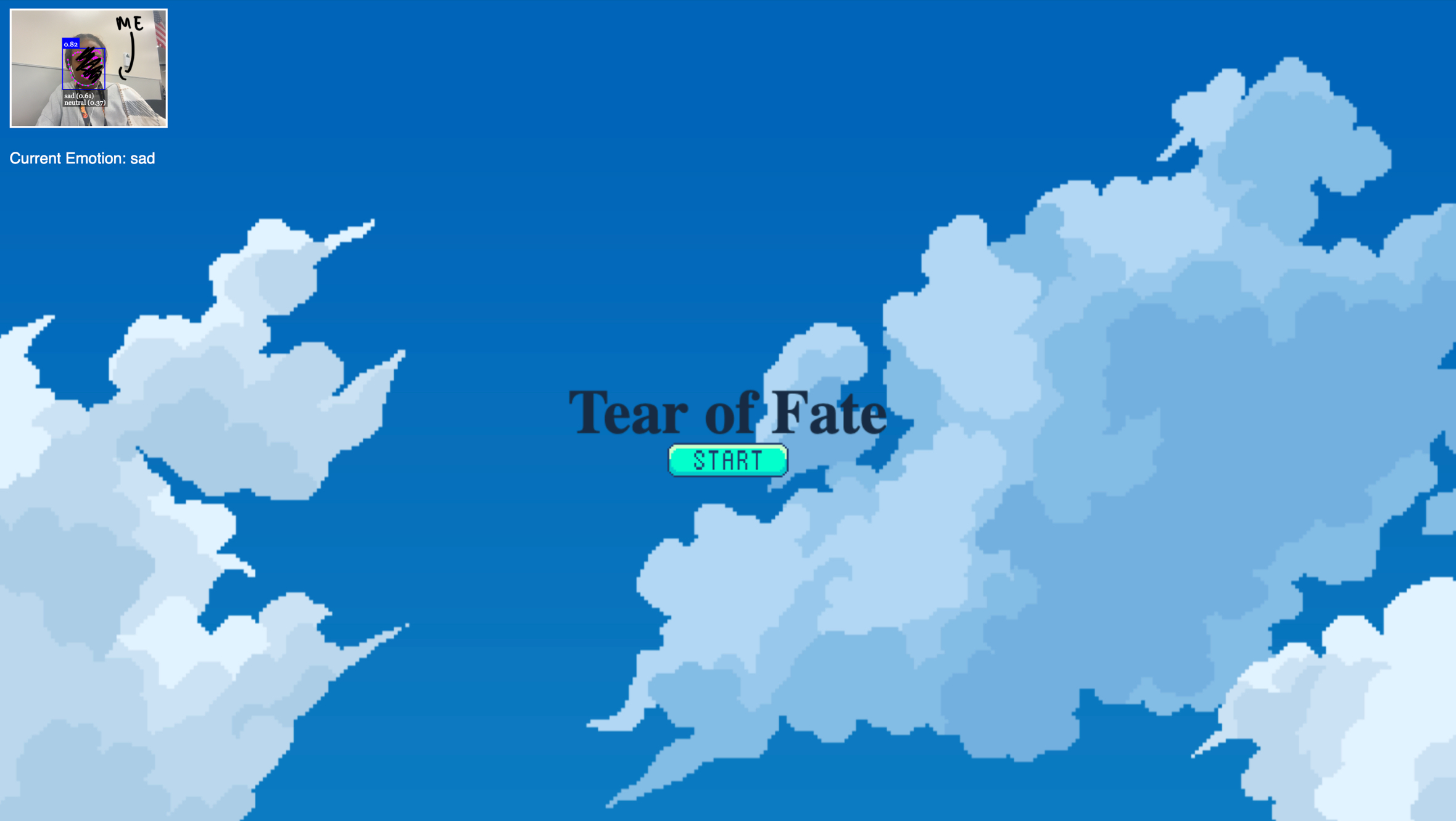
home page
-
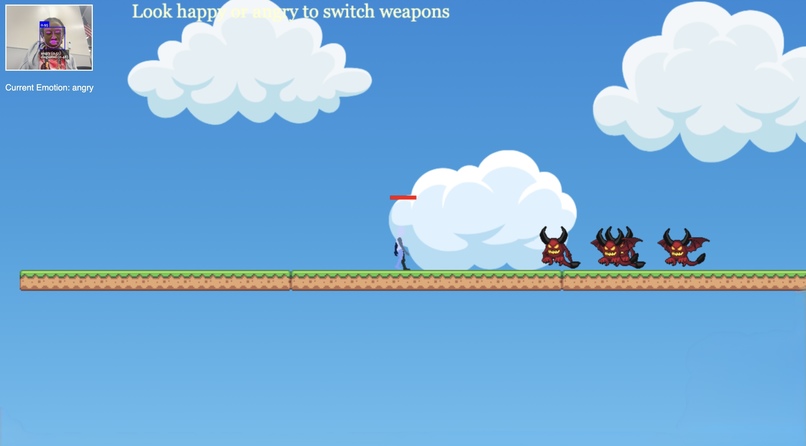
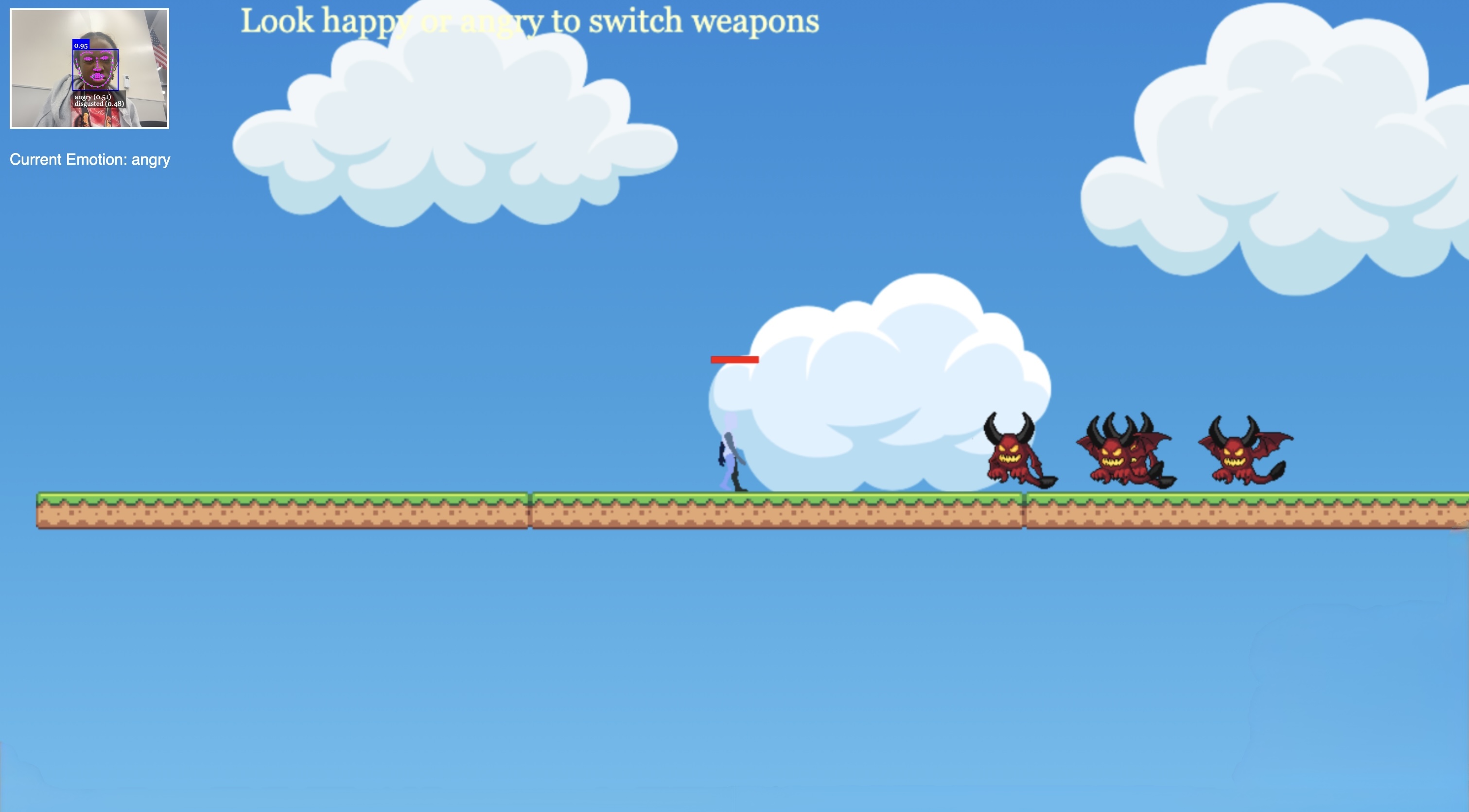
angry weapon
-
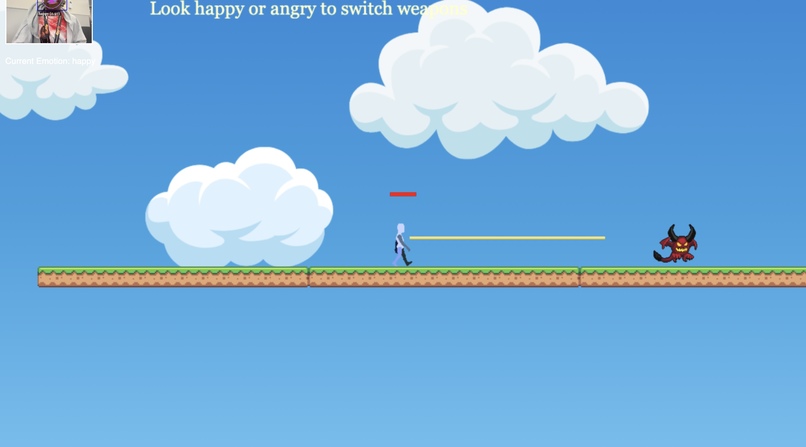
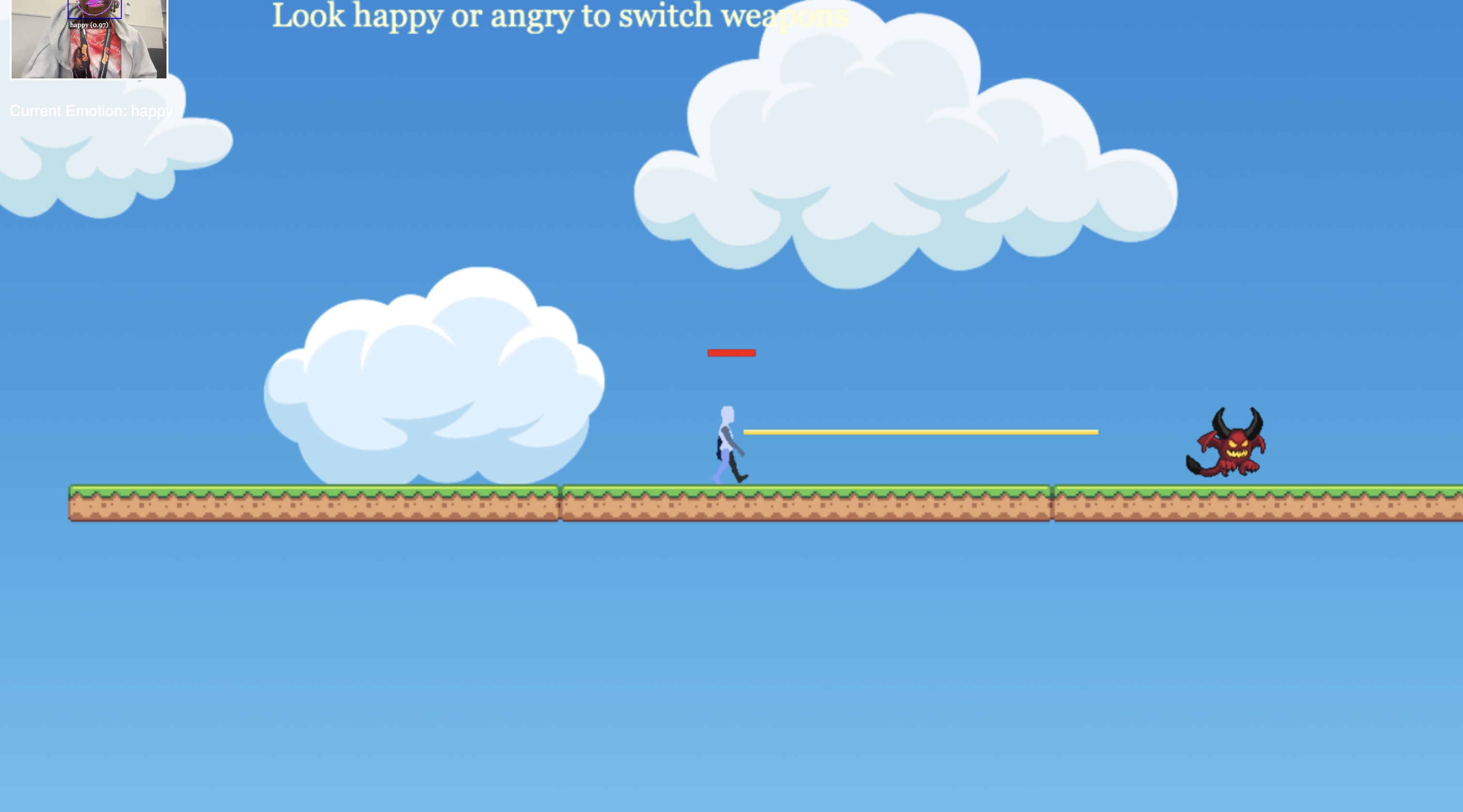
happy weapon
-
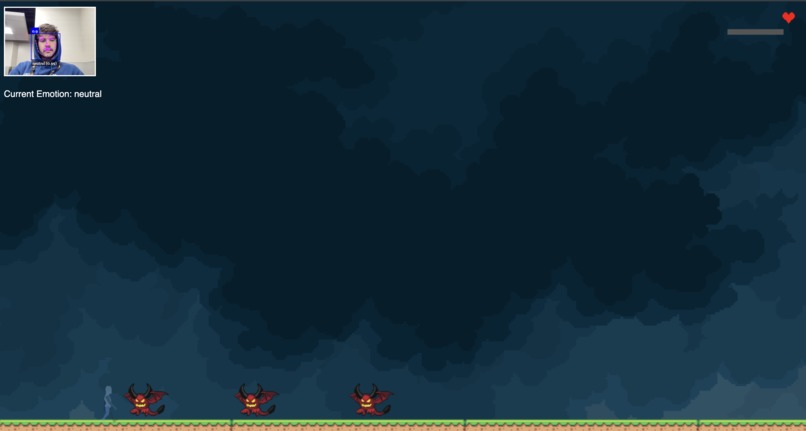
level2
-
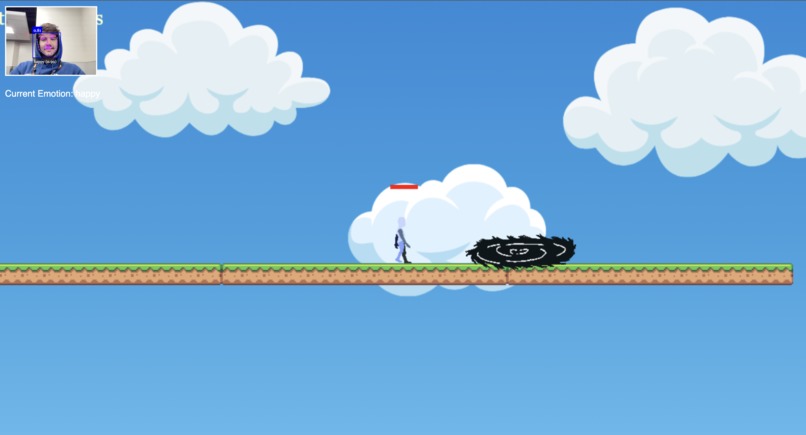
vortex
Inspiration
Our goal was to explore how games can express emotions beyond simple mechanics, where a player's feelings might be reflected in movement and color. We were inspired by the idea that emotions like joy, anger, and sorrow could drive gameplay, not just simple reacting. Tear of Fate is a way to turn inner feelings into an interactive experience.
What it does
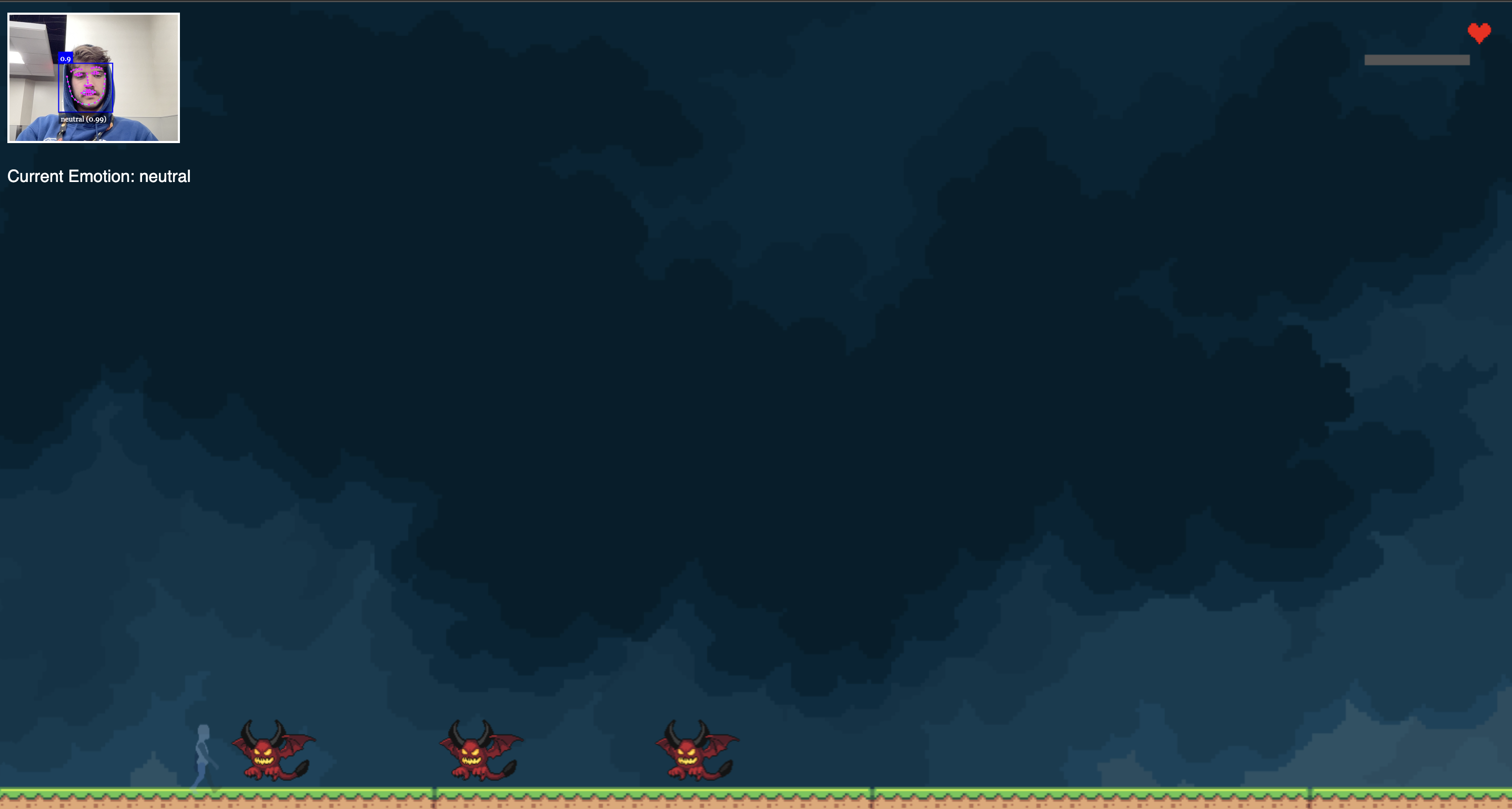
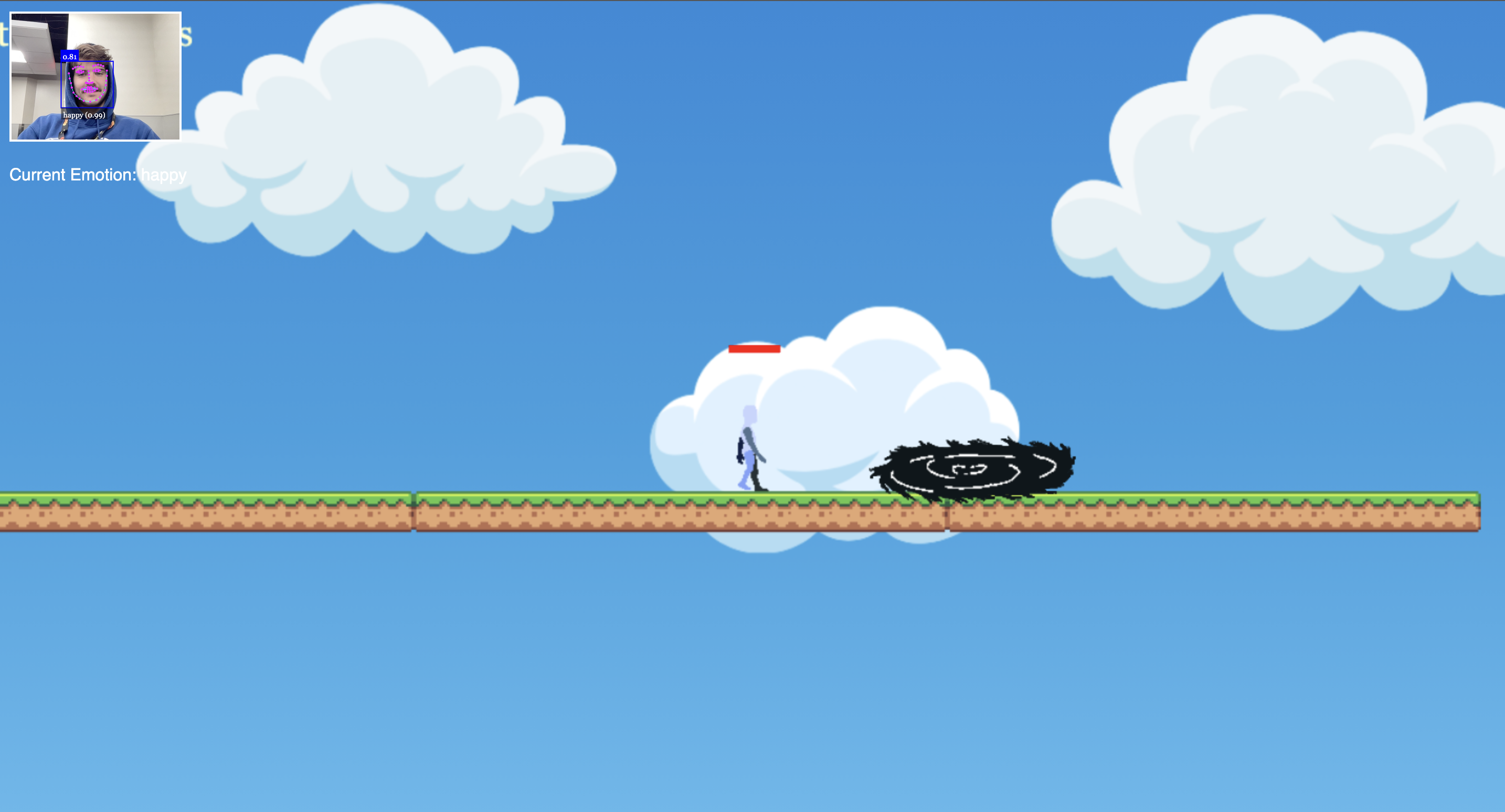
Tear of Fate is a 2D game where you gain your abilities through your facial expressions. Players navigate through shifting worlds — from bright, joyful skies to darker, stormy landscapes, all while battling inner "demons" that symbolize the "demons" inside of us we all face at one point in time. The player’s attacks, movement speed, and visuals change based on their emotional state, letting them literally play through their feelings.
How we built it
We built Tear of Fate using Phaser, a 2D game framework for JavaScript. Our team handled animations, combat, and scene transitions using sprite sheets and a custom state machine for attacks. We also integrated face-api.js, a JavaScript API built on top of TensorFlow.js, essentially detecting faces, to analyze users' emotions throughout the game. The assets were created and animated in Procreate, Canva, and sprites we were able to find for free on the net. We also started implementing A2A (Agent-to-Agent) communication to simulate emotional AI behavior for enemies, though it’s still in progress.
Challenges we ran into
- Managing Phaser scene order and physics collisions
- Synchronizing animations and emotional states
- Git merge conflicts and file overwrites between branches
- Time– we had a working prototype, but not enough time to integrate A2A fully
Accomplishments that we're proud of
- Built a playable emotional platformer in the span of 36 hours
- Designed a dynamic state machine connecting animations and emotions
- Learned how to coordinate as a team using Git and Phaser under pressure
- Utilizing new libraries without prior information, and gaining a basic understanding of them while working with them
What we learned
We learned the importance of planning early and how to coordinate with one another (overall growing our teamwork skills). We also discovered how emotional design can make gameplay more personal, and how even simple mechanics (i.e., jumping or attacking) can carry deeper meaning when tied to a player’s inner state.
What's next for Tear of Fate
We plan to finish integrating A2A emotional AI, add more emotion-driven levels, and expand on the story of emotional healing. We also want to polish the art and include sound design that responds to emotional shifts.
Built With
- css
- face-api.js
- google-adk
- html
- javascript
- phaser.js
- python


Log in or sign up for Devpost to join the conversation.