-
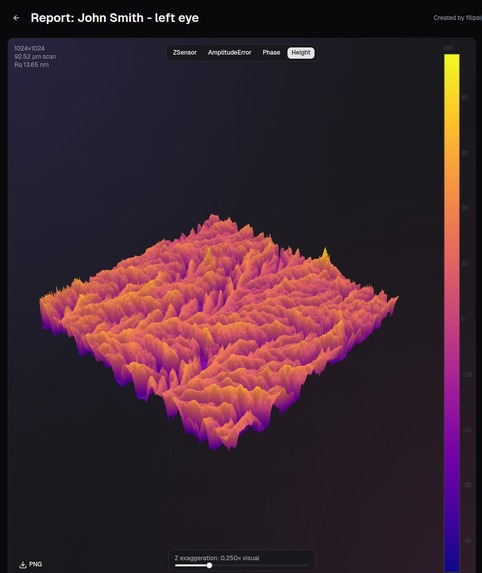
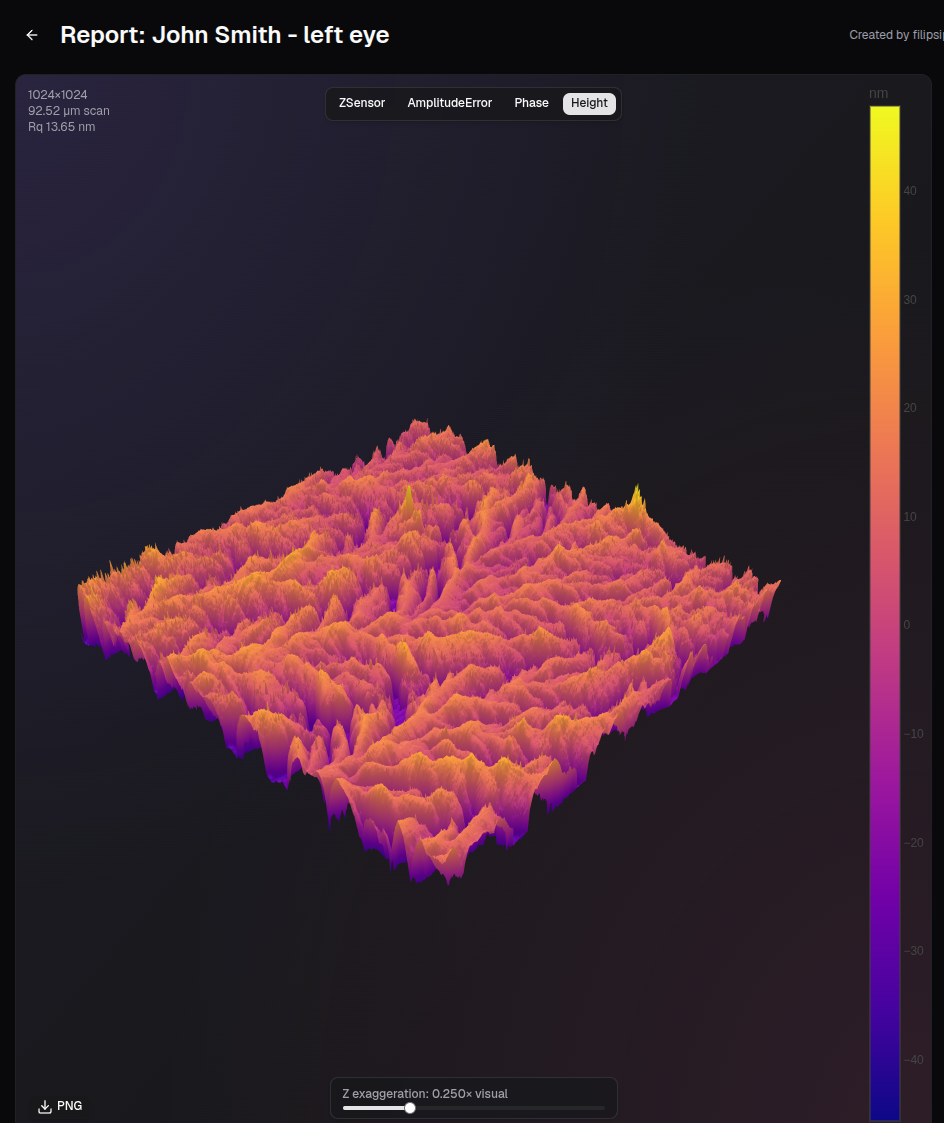
Analyzed Tear
-
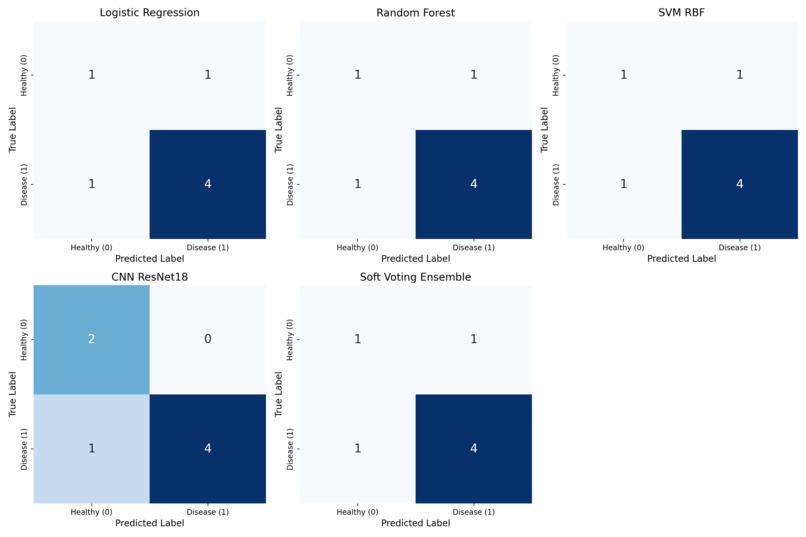
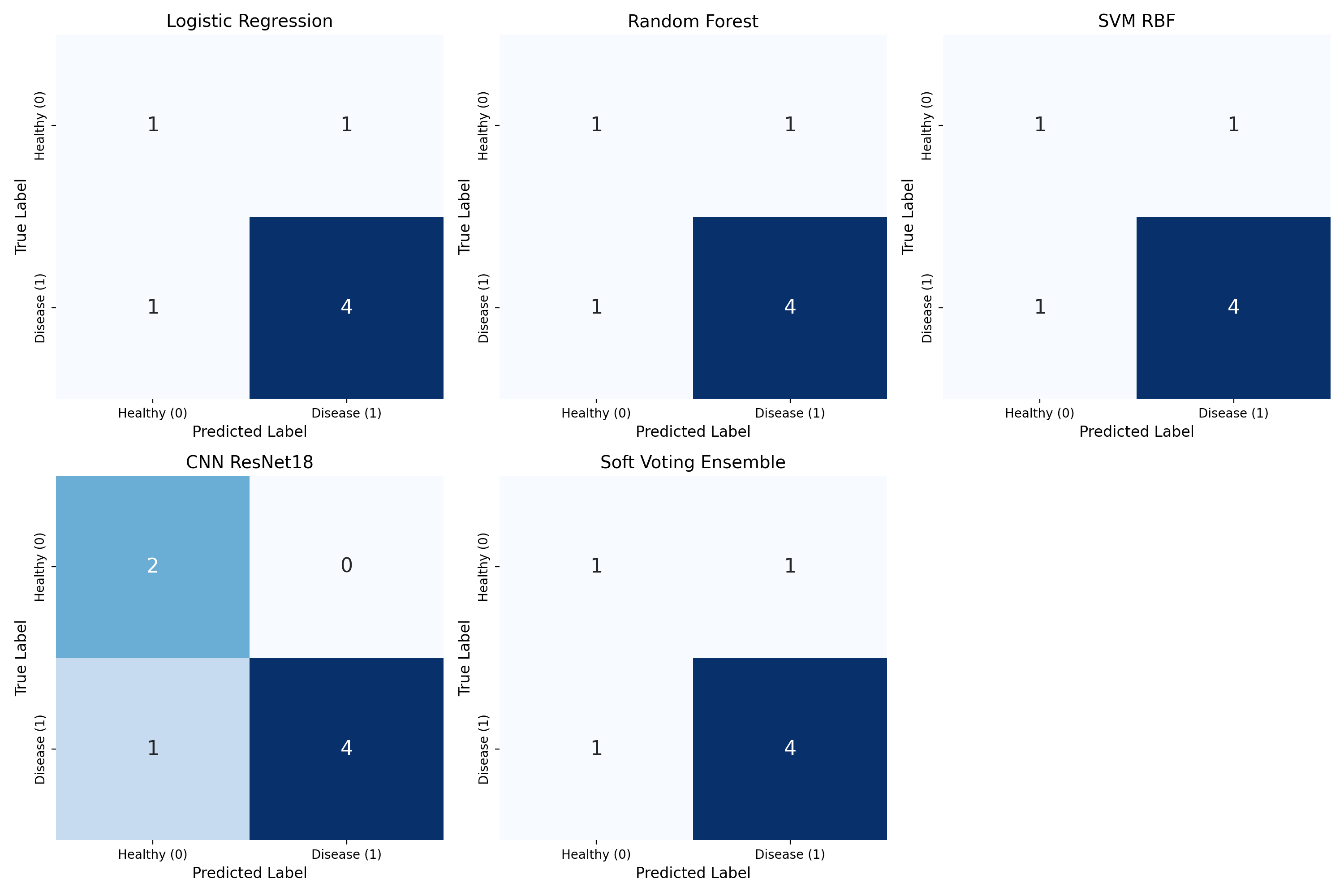
Confusion Matrices
-
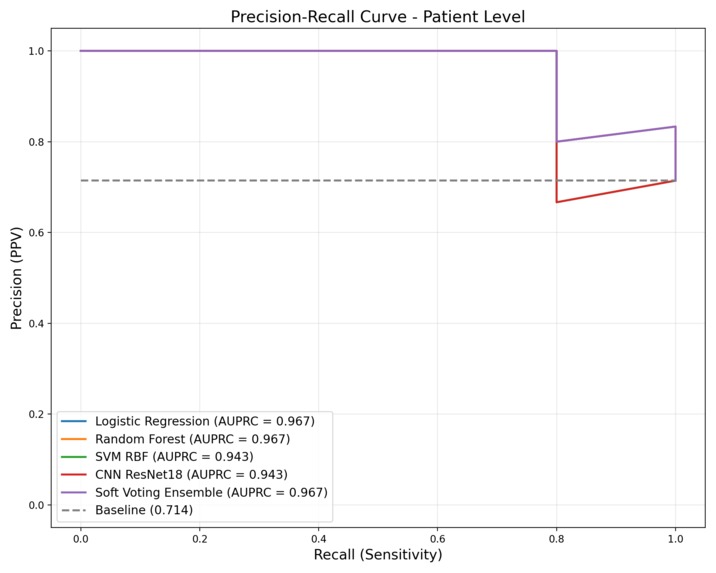
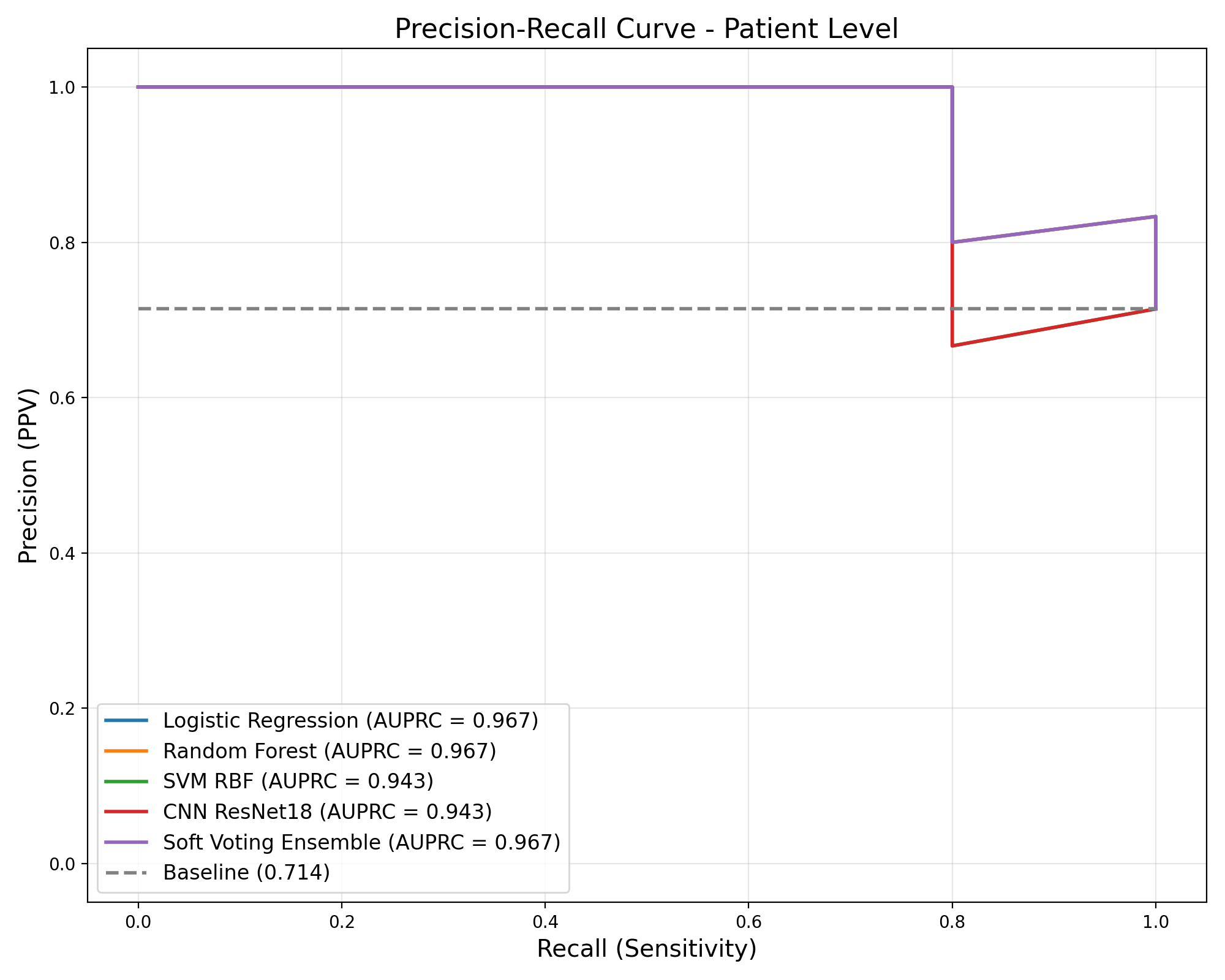
PR Curve
-
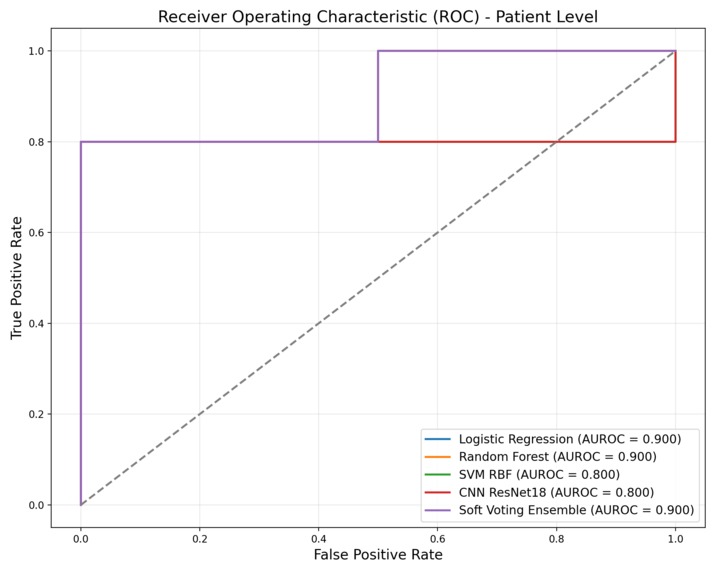
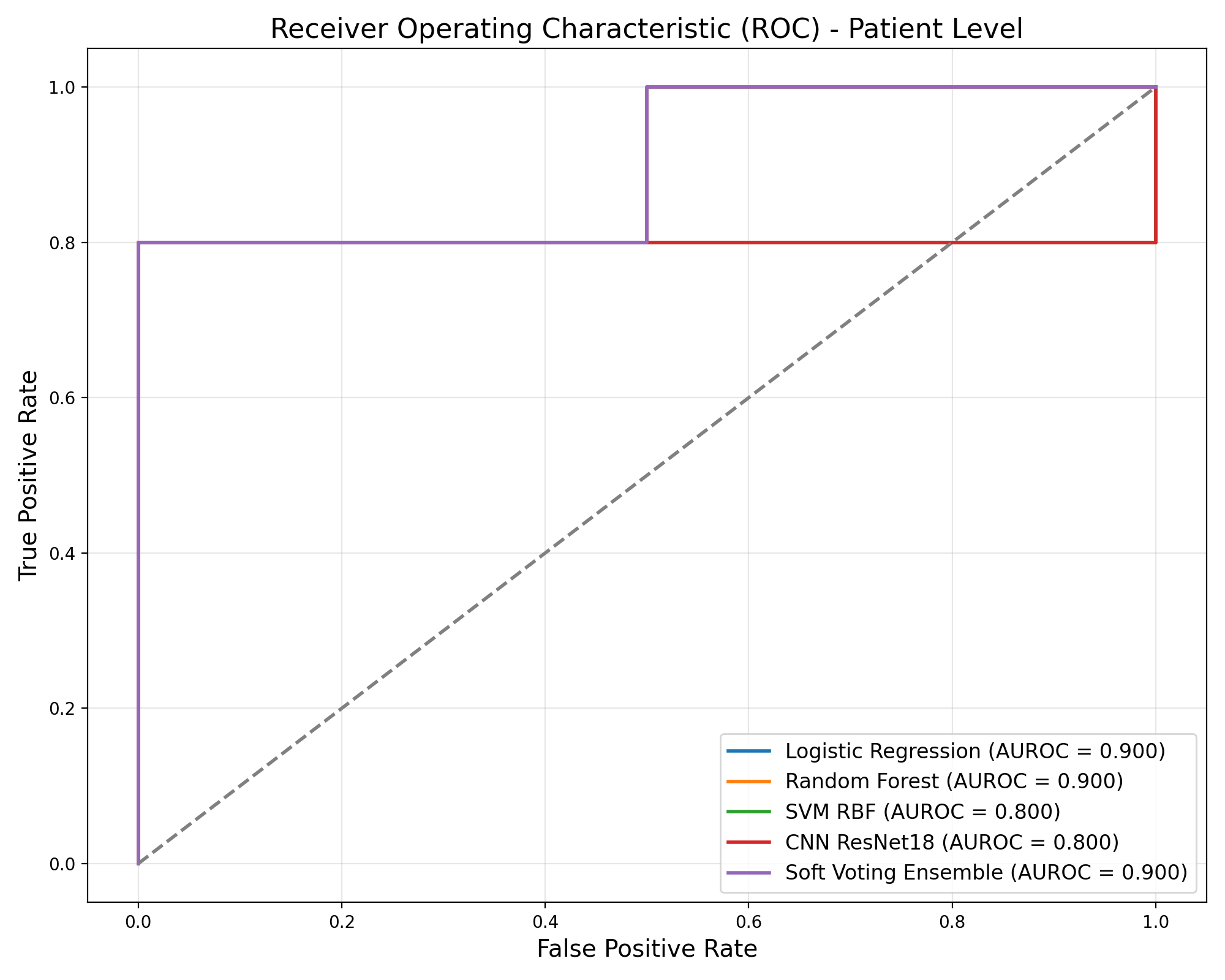
ROC Curve
Inspiration
Right off the bat, when the challenge was being pitched we were intrigued by the possibility of discovering the body's secrets from with a non-invasive method. But the more we dug in, the more we fell in love with the idea.
There is something deeply fascinating about the idea of a single tear - something so small, so human, so overlooked - could hold the answer to a diagnosis that could otherwise take years. Tears are not just emotion. They are data. They carry proteins, lipids and biomarkers that the body quietly leaks without meaning to.
We are drawn to the bleeding edge. To places medicine has not even looked yet. To the places hidden in plain sight that nobody thought to follow. Tear analysis sits right at the frontier - a field that mainstream diagnostics have not even scratched.
That is what drove us to build Tear Apart. Not just because it is interesting, but because it really works, and it could mean less invasive procedures, earlier diagnoses and answers for people who have been waiting way too long for them.
What it does
Tear Apart is a platform that transforms a single tear into a powerful diagnostic window - without a single needle, vial or invasive measure.
The user uploads a microscopy of a tear directly into the platform. From there Tear Apart takes over. Behind the scenes an ensemble of classification methods is run from classical machine learning to more specialized proprietary techniques - each analyzing the sample from a different angle. A weighted voting system is utilized to synthesize all of their outputs into a signle, confident verdict compensating for the blind spots of any one given method.
Tear Apart does not just spit out a result, it shows its work.
Challenges we ran into
Even thought the provided dataset initially did seem large enough we soon realized it was not the case. We could feel the limitations especially on samples of the tears of people with diabetes. There are only 4 different people and because we need to use part of the dataset to train and part of the dataset to test, it makes it necessary for us to use the dataset to it's full potential.
Firstly, we needed to get as much data as possible, that's why we decided to read a data several different ways. Literally. As the orientation of the images does not really matter, we could rotate and flip the image as much as we wanted and we would end up with some of the 12 possible orientations which drastically extended the dataset.
Secondly, there are many ways to analyse and attempt to classify "unknown" samples. We managed to implement 7 different classifying methods. Why that matters is the fact that various methods can be better at classifying some than others. That's where the "main" vote method comes. Using different weights it decides on the classification based on the results on all of the other methods.
What's next for Tear Apart
The work does not stop here - if anything it is just beginning.
In the short term our focus is data, the current dataset while enough to prove the concept has real limitations - particularly in the diversity and volume of samples. We want to expand it bringing more patients and studying more diseases.
We also have plans for refinement of our classification methods and weighting system - squeezing out every last bit of accuracy and reliability our approach has to offer.
Our long term vision is greater. Imagine a patient recieving a small at home kit in the mail. No appointment. No clinic. No needle or some other invasive method. The patient follows a simple set of instruction, they collect the sample and mail it off to the lab. A short while later their results appear online - clear, detailed, actionable.
That is the future we are building towards. Diagnostic medicine meeting people where they are. Cheaper, faster, less intimidating and more precise than anything that came before it. A model where early detection is not reserved only for the rich and famous, but something everyone has access to.
Tears were always here with us, we just did not listen to them. So join us and Tear Apart the future of diagnostic medicine with us.
Built With
- amazon-web-services
- atomic-force-microscopy
- claude
- cuda
- feature-engineering
- flask
- medtech
- numpy
- pandas
- python
- pytorch
- random-forest
- redbull
- resnet18
- scikit-learn
- scikitlearn
- seaborn
- supabase
- trpc
- typescript

Log in or sign up for Devpost to join the conversation.