-
-
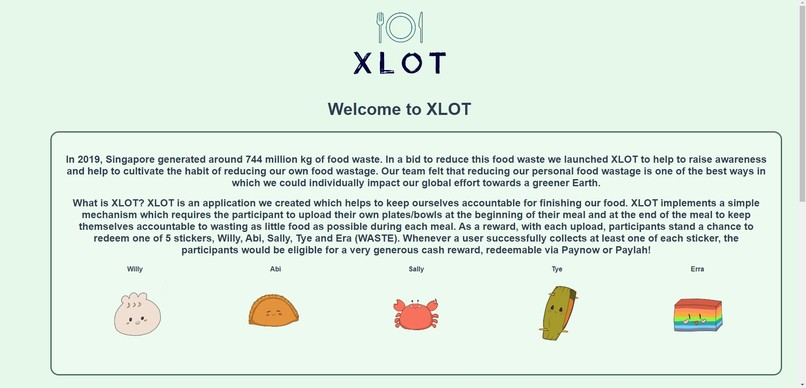
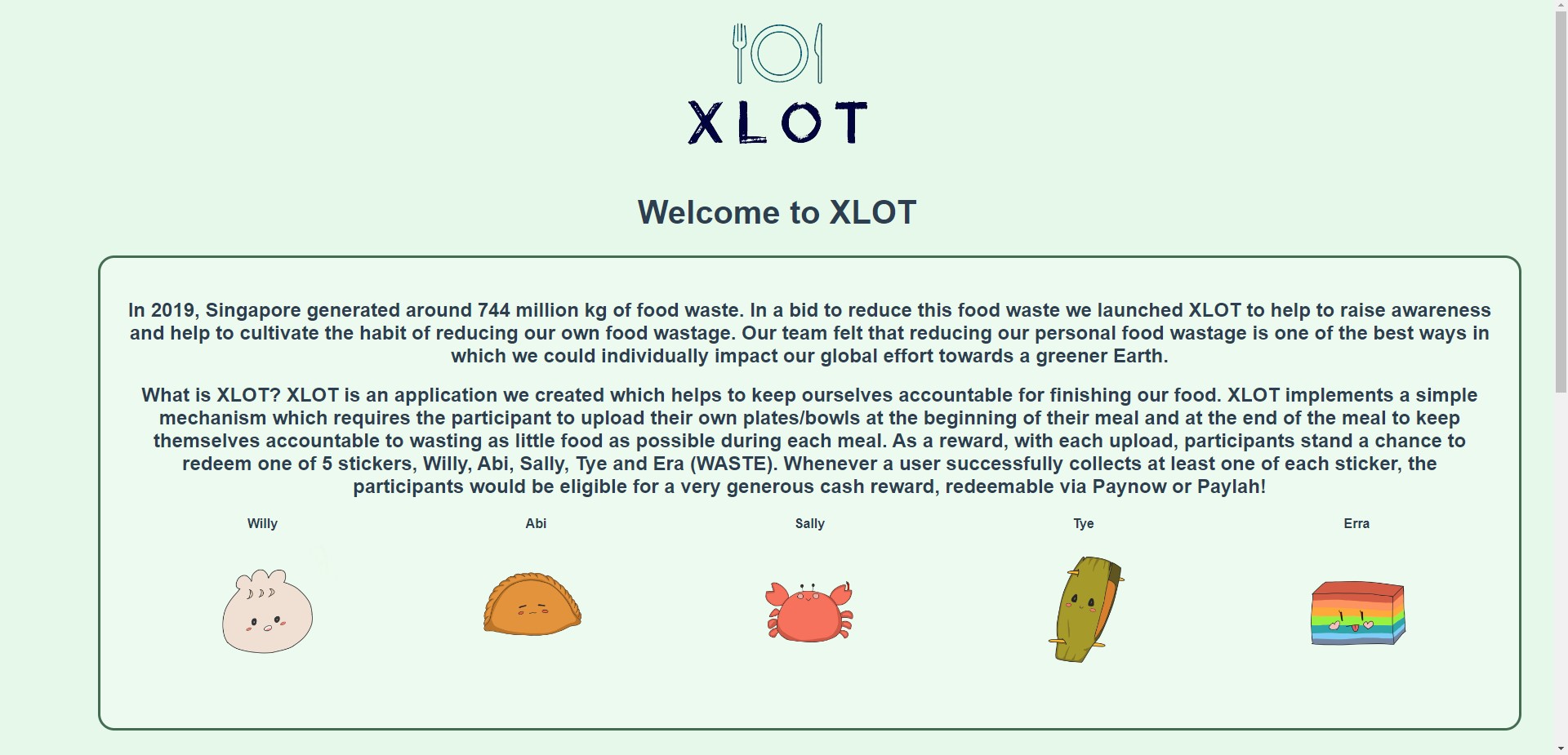
A short description about our project and introduction of our 5 characters for users to find out more about our app and our vision
-
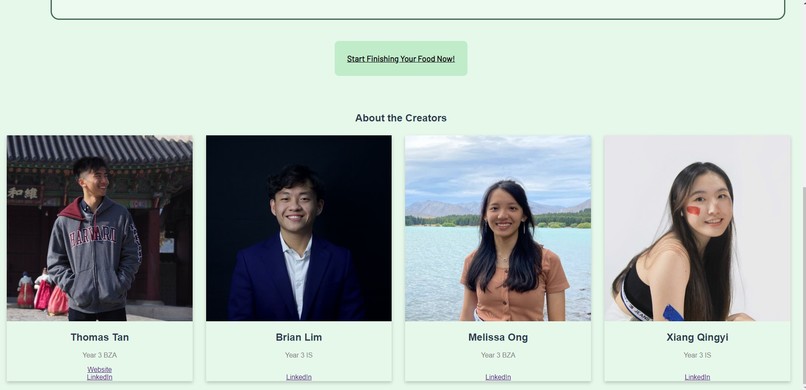
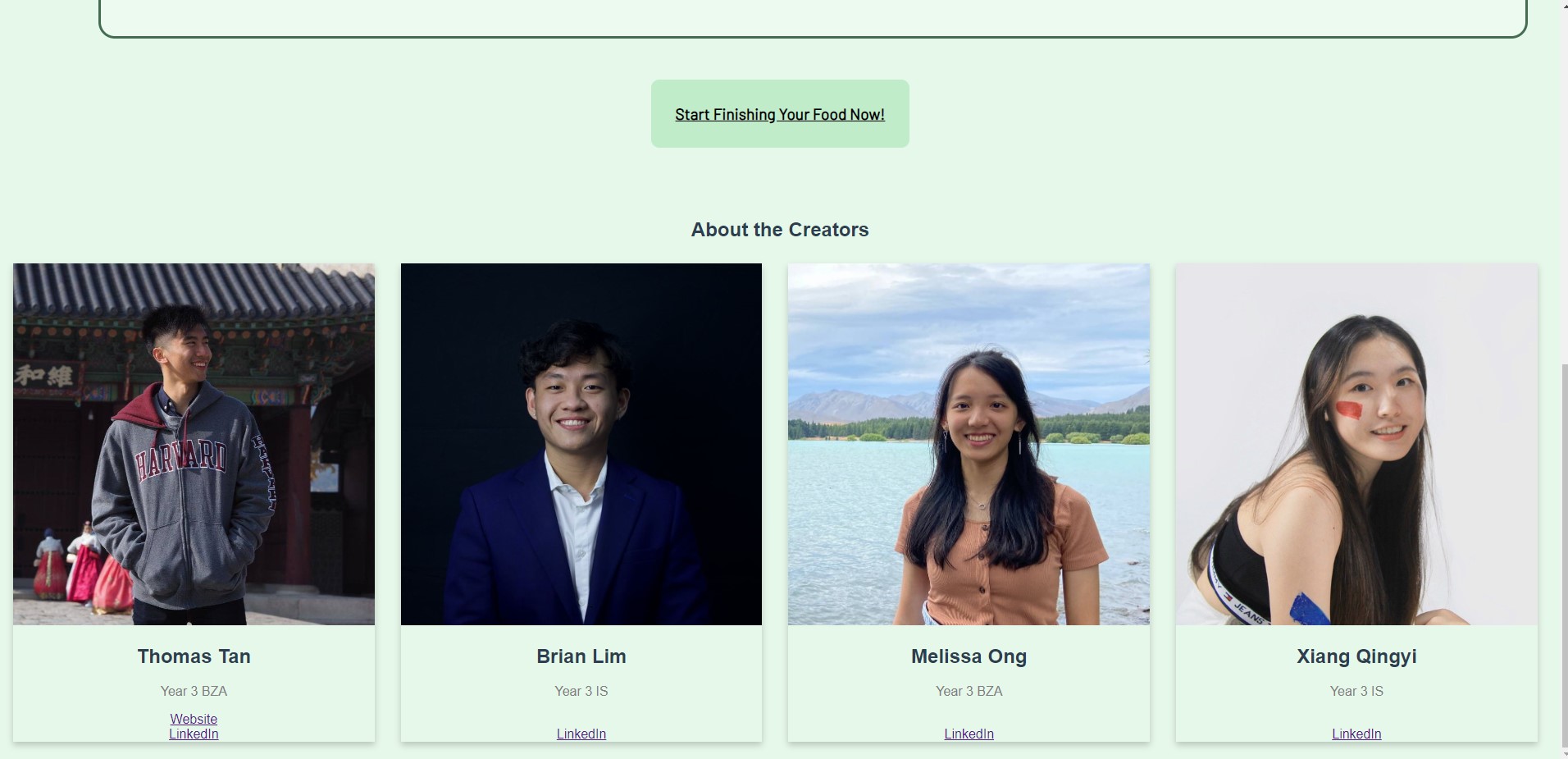
A short introduction to the 4 creators of the app
-
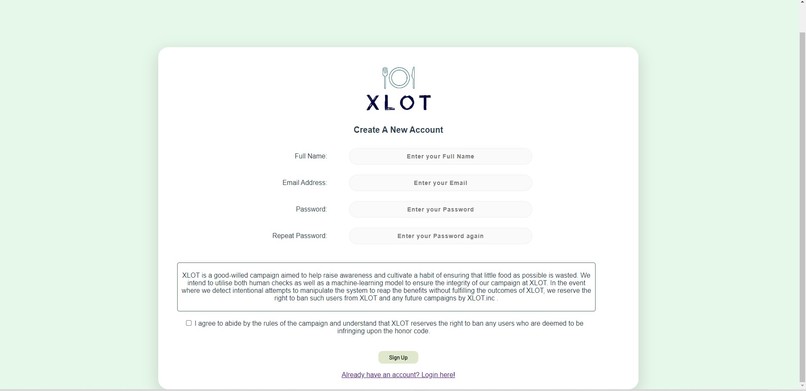
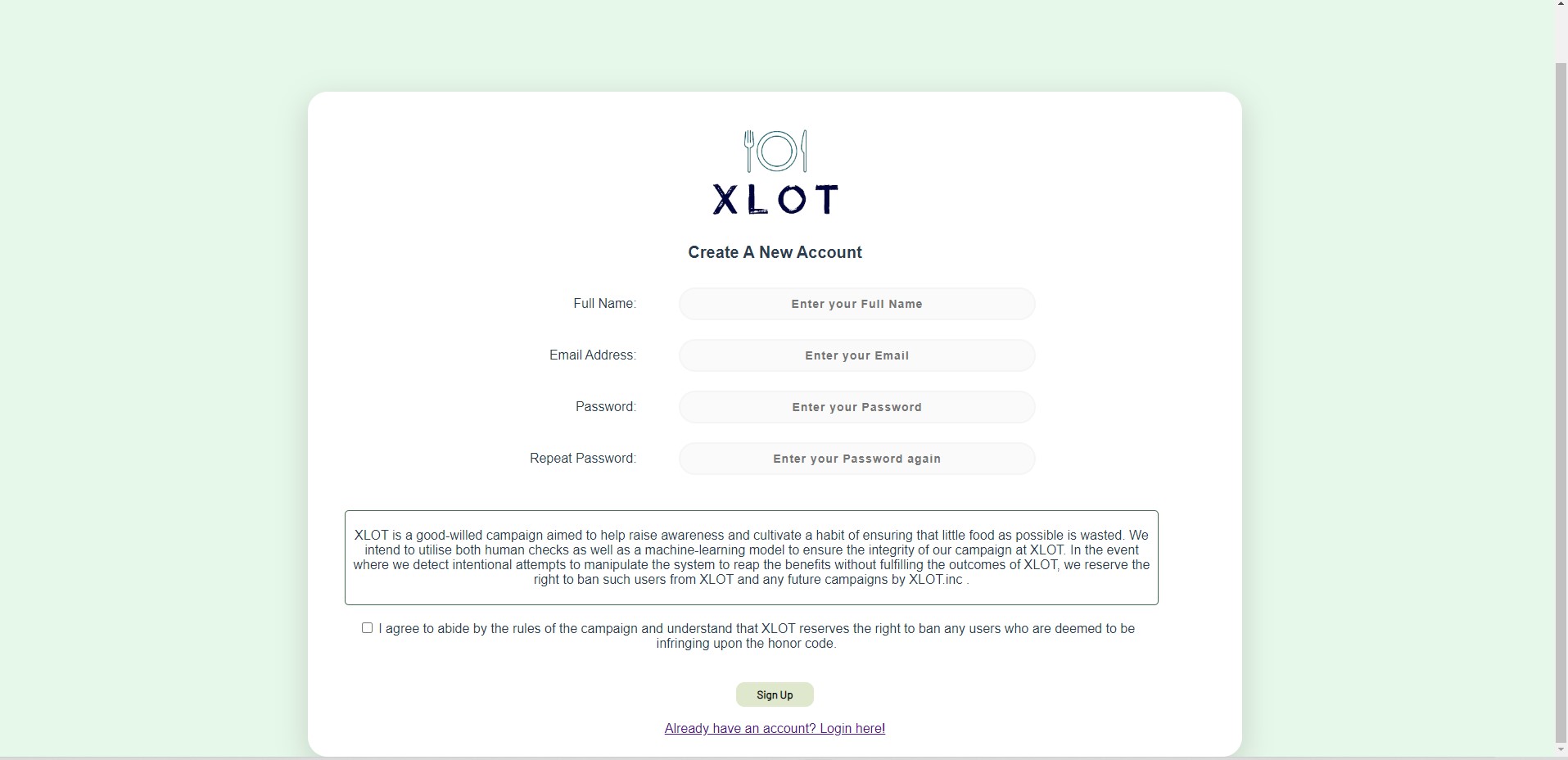
Registration page for the users. A short honor code is introduced to ensure our users uphold integrity when using our app.
-
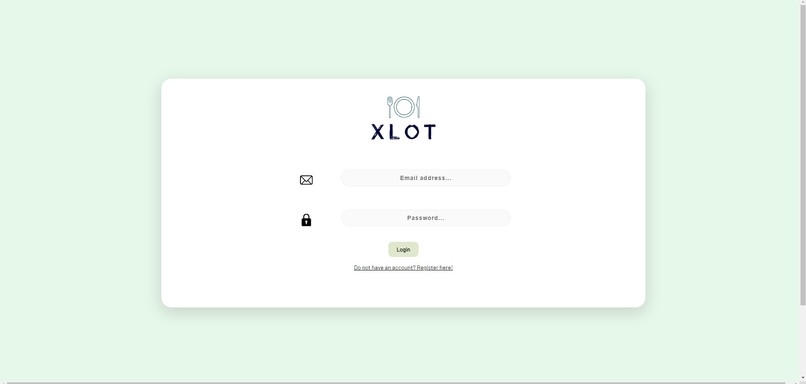
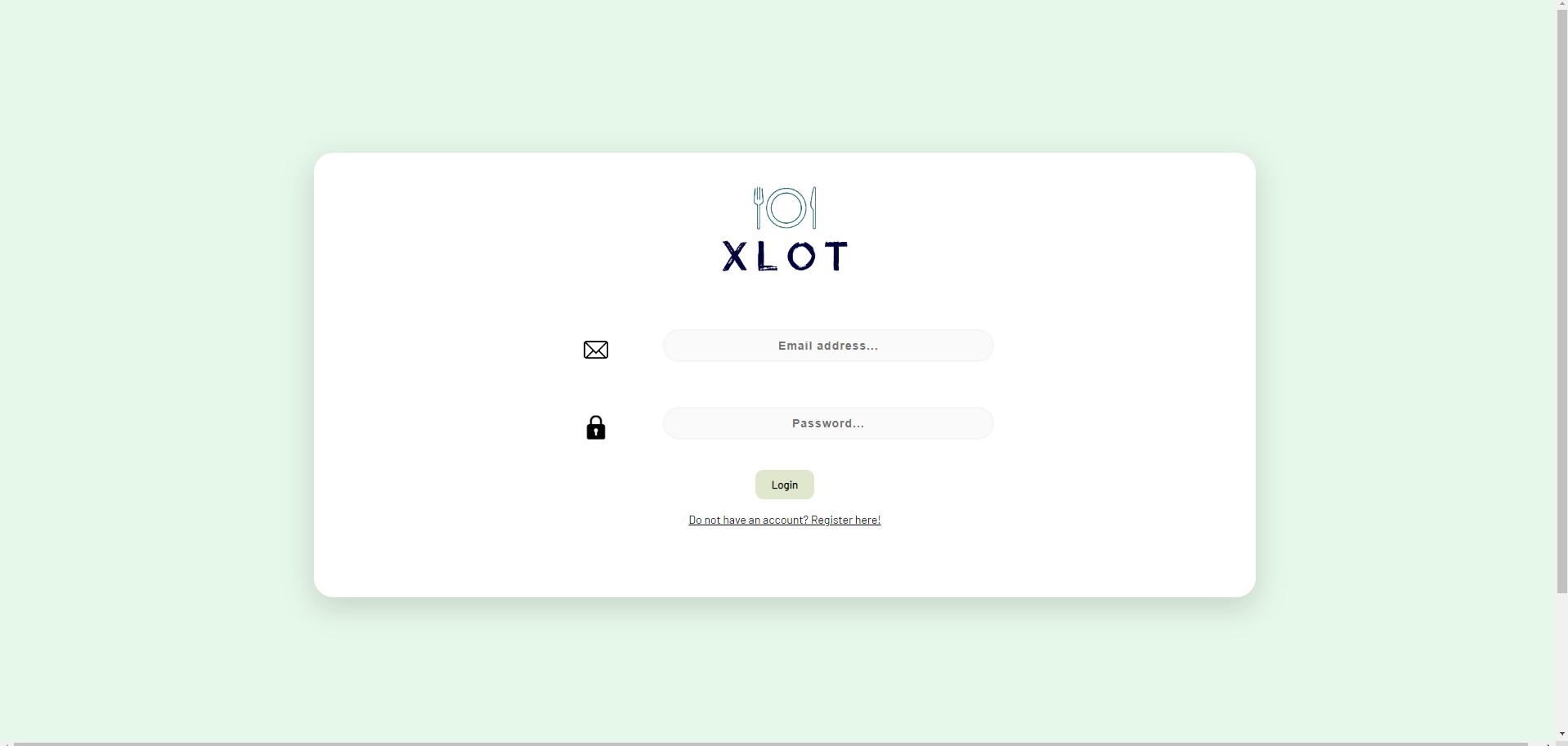
Login page for the users.
-
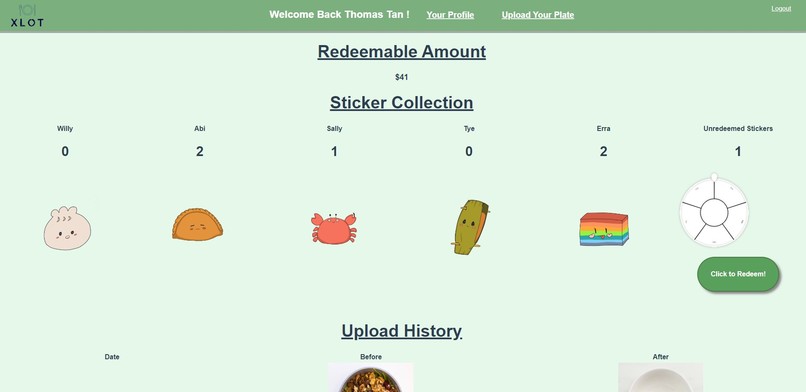
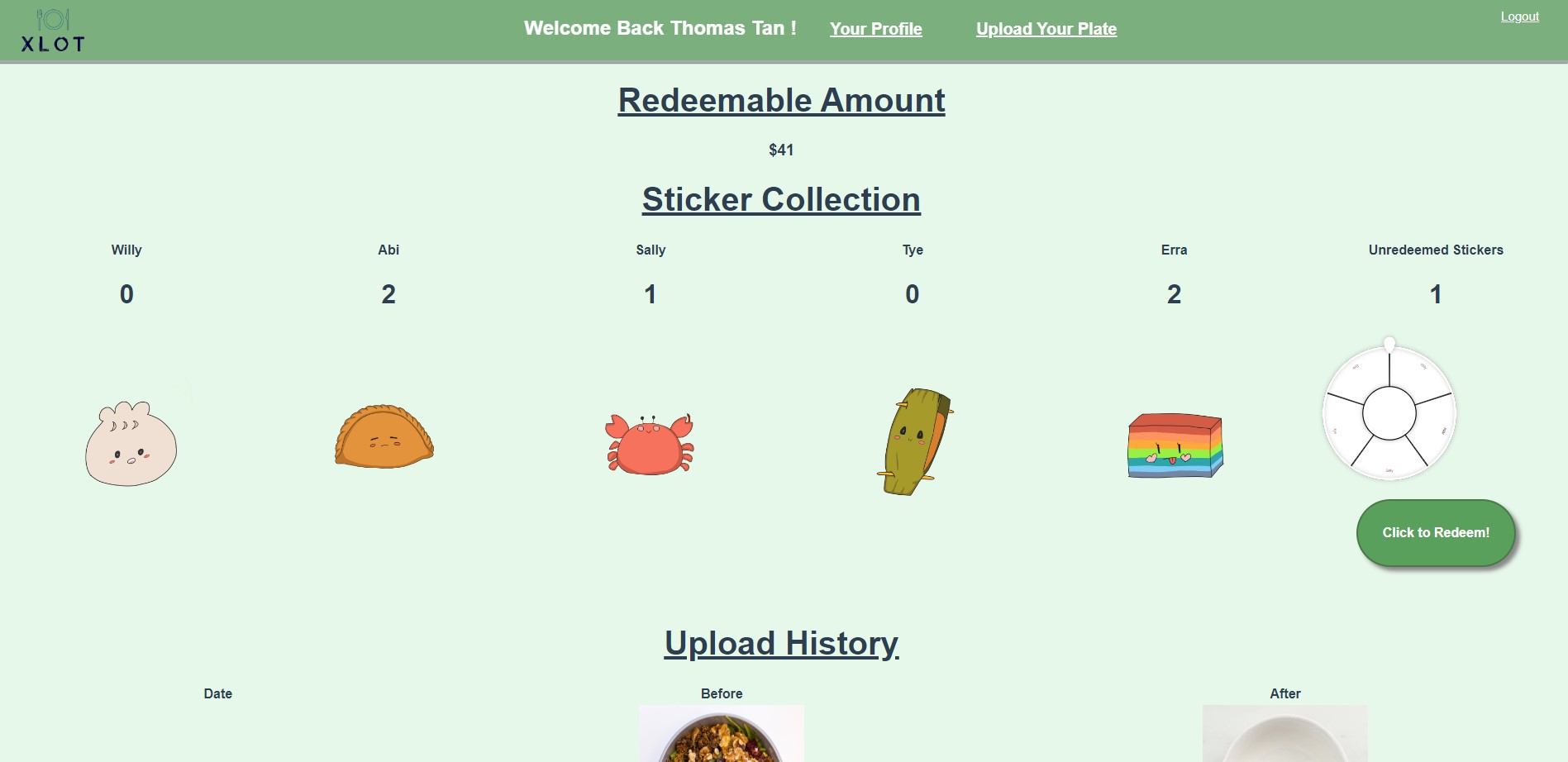
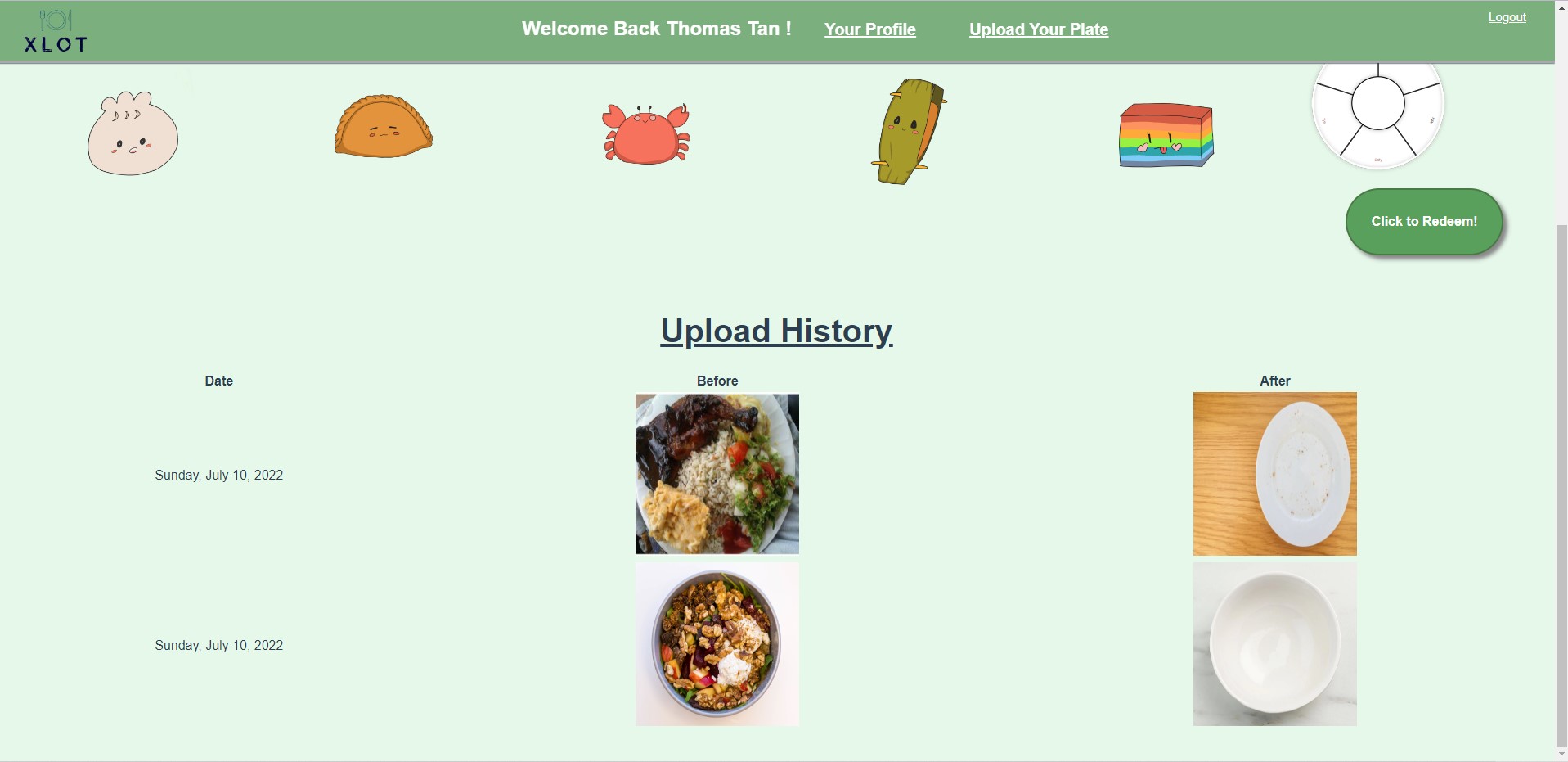
Profile page. Users can view the 'Redeemable Amount' , which represent the total cash reward they have earned, and sticker collection
-
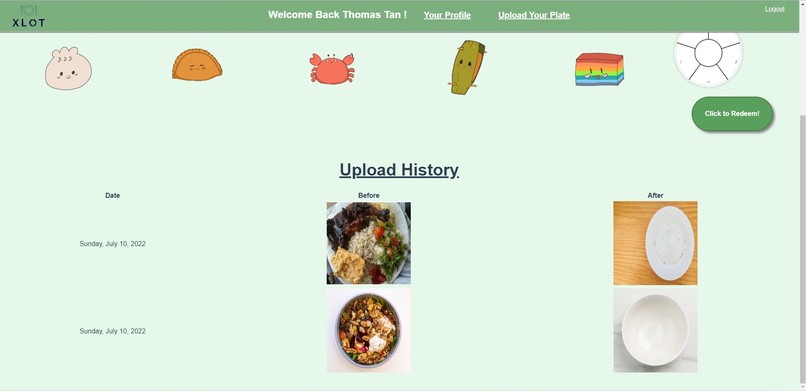
Below 'Sticker Collection', users can view their Upload History to keep track of their progress in working towards zero food waste
-
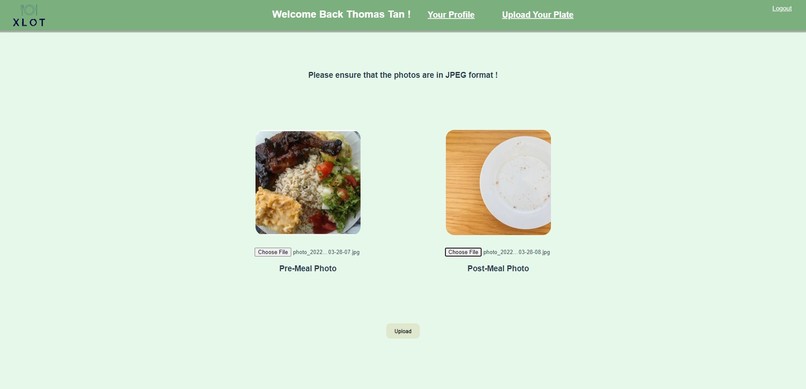
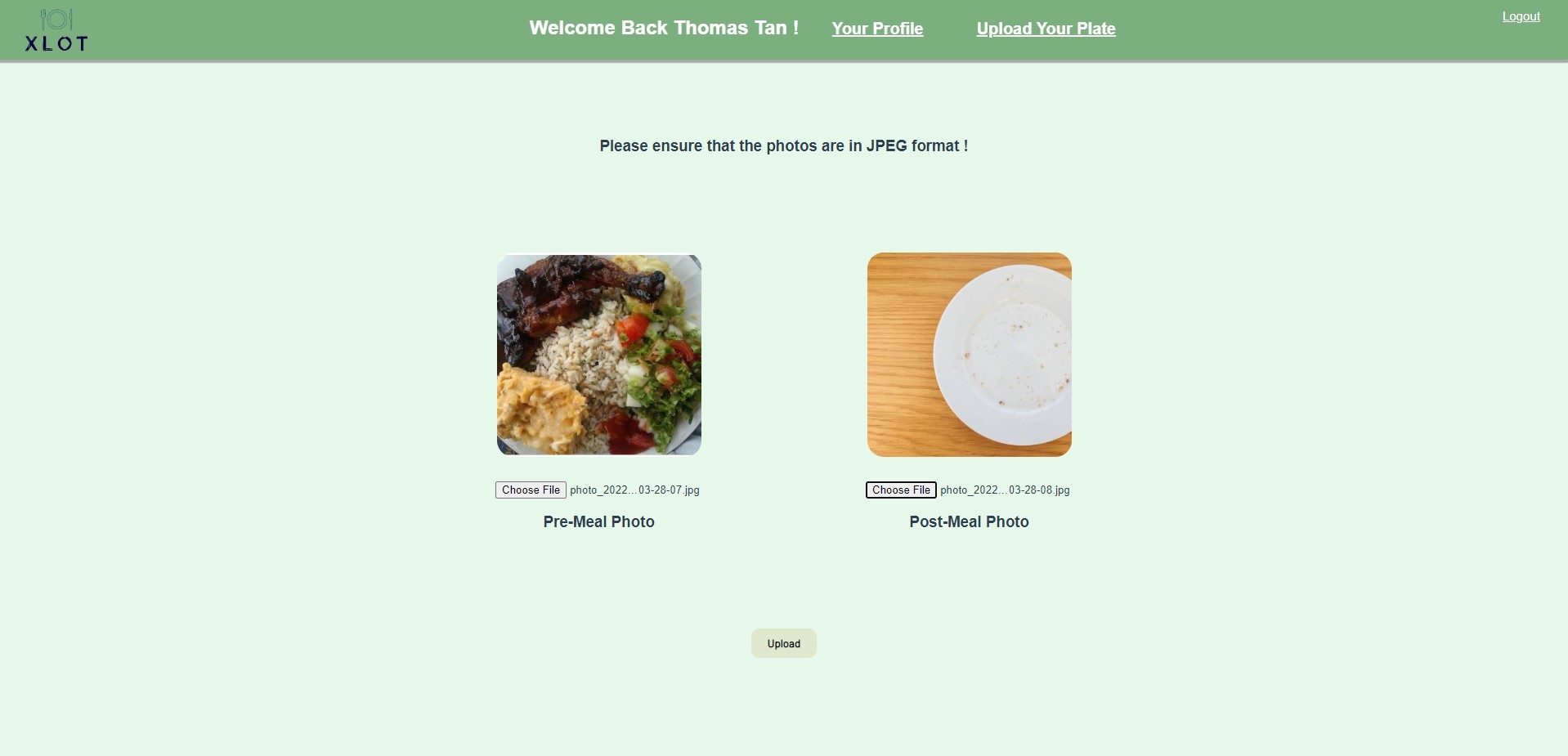
Upload Photo Page. Users can upload a photo of their food before consumption, and after finishing their food. They have to upload both.
Chosen Problem Statement
- Environment
- Qn1: In 2019, Singapore generated around 744 million kg of food waste. How can we tackle this growing problem and encourage Singaporeans to cut down on unnecessary food waste?
Inspiration
Personally our group felt that we wanted to engage ourselves in a problem statement where there could be a very deliberate and personal impact on our users. In this regard, we felt that food wastage was one area which impacts everyone, as naturally we would all have our experiences with food wastage and it feels like a tangible aspect of our lives which we could change. In our initial research and understanding of this problem, we felt that much of the reasons why food wastage still remains a pertinent problem is due to the fact of habit and perhaps convenience, where many of us may not be able to fully comprehend the gravitas and significance of the food scarcity problem facing our society today. With that in mind, we wanted to try to create an application which veered away from the traditional methods of raising awareness for food wastage, such as educational campaigns or case studies of examples where food scarcity is a ravaging issue, however we felt that such campaigns did little benefit towards changing the mindsets and habits of the many of us. Thus, we came up with a slightly gamified project with financial incentives as well, which aimed at being a fun yet habit changing application to steer our users to become more aware and deliberate about reducing our food wastage.
What it does
What is XLOT? XLOT is an application we created which helps to keep ourselves accountable for finishing our food. XLOT implements a simple mechanism which requires the user to upload their own plates/bowls at the beginning of their meal and at the end of the meal to keep themselves accountable to wasting as little food as possible during each meal. As a reward, with each upload, users will obtain a randomized sticker. Users will then spin a wheel to reveal which one of the 5 stickers they won. The 5 characters are Willy, Abi, Sally, Tye and Erra (WASTE). Whenever a user successfully collects at least one of each sticker, the participants would be eligible for a very generous cash reward, redeemable via Paynow or Paylah! Hence the more meals they finish, they closer they are to a cash reward.
How can it help solve Singapore's food wastage issue
Our hack aims to encourage Singaporeans to finish their meals thus reduce the overall food wastage. Having a photo library in our user's profile also encourages them to look back at their journey towards zero food waste and allow them to keep themselves accountable. In the context of Singapore, we spent quite some time researching on marketing strategies used in Singapore, and found that a few of the popular and successful ones were the "huat pals" challenge by Google Pay as well as the "Zodiac" challenge done by grab. We wanted to tap on these initiatives because of how well it plays towards the Singaporean culture. With Singaporeans interested to win such prizes, we feel that the incentive actually create an avenue for Singaporeans to put in effort towards reducing their food wastage since we feel that it does not require tremendous effort on their part. Additionally, the 5 characters - Willy, Abi, Sally, Tye and Erra are actually Bao, Curry Puff, Chilli Crab, Otah, Kueh Lapis respectively, which are all food unique to Singapore. This appeals to the Singaporean community more as it provides a more personal touch.
How we built it
We built the webapp using Vue.js as our frontend and Firebase as our backend. We have four main roles, frontend developer, backend developer, UI/UX and Product Manager, these four roles are dedicated to each of our members. A brief overview of our process involved examining the problem statement, doing research into our target audience and problem, planning and developing our application and then deploying and testing.
Challenges we ran into
Our team consists of two Business Analytics (BZA) and two Information System (IS) students. The tech stacks that we are competent in are vastly different. Hence, we had to accommodate and learn new technology stacks within a restricted time. Furthermore, dealing with new tech stacks would mean that we would have to allocate more time to debug issues. Another challenge we faced was to come up with a minimum viable product within a short period of time and decide what are the key features we want to include.
Accomplishments that we're proud of
Despite the time restrictions, we were able to build an app that we have envisioned for the hackathon. Moreover, many ideas were thrown out during the brainstorming process and everyone had different preferences on how to approach the problem statements. Despite the differing opinions, we were able to compromise with one another and work towards a common vision.
What we learned
From this hackathon, we have gained a tremendous amount of knowledge. We learn to be more confident in learning and applying new tech stacks in a short span of time. It is also evident that team work is important especially when such a project requires the collective effort from each individual in a team. We also grow to become more confident in creating a deliverable web app even though only had one day to plan and execute the project.
What's next for teamQties
We will be continuing to include additional features for our app such as a machine learning model which will detect whether the upload photos are adhering to our requirements

Log in or sign up for Devpost to join the conversation.