-
-
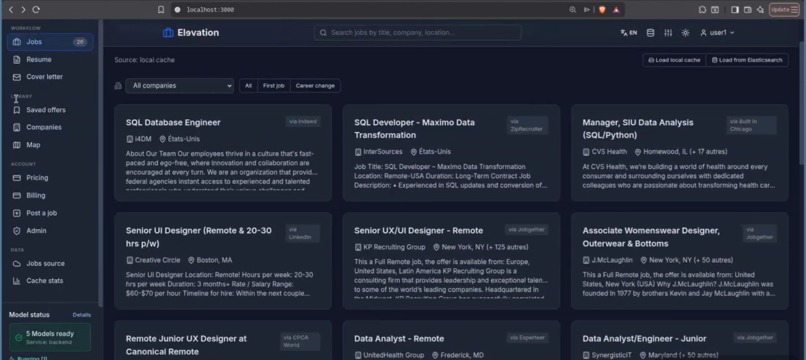
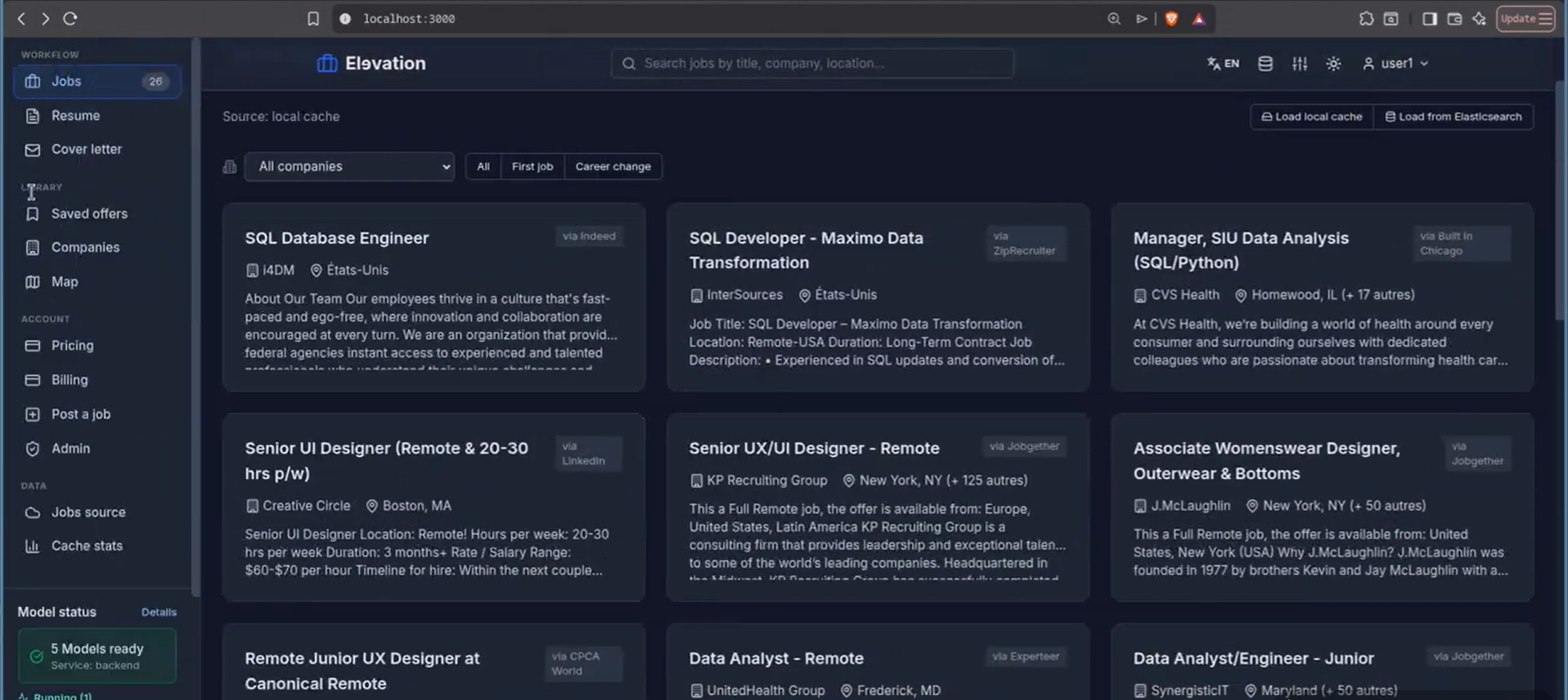
landing page
-
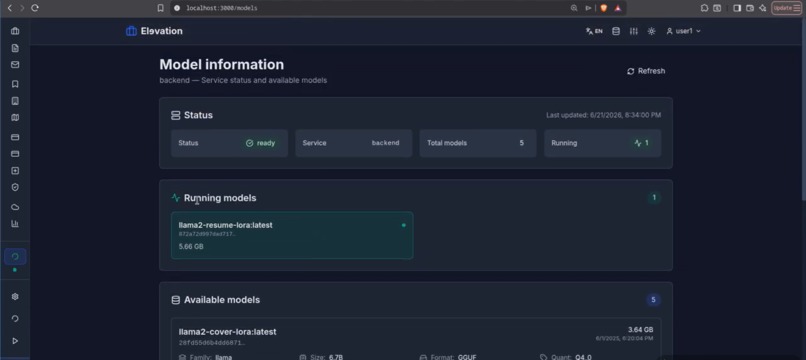
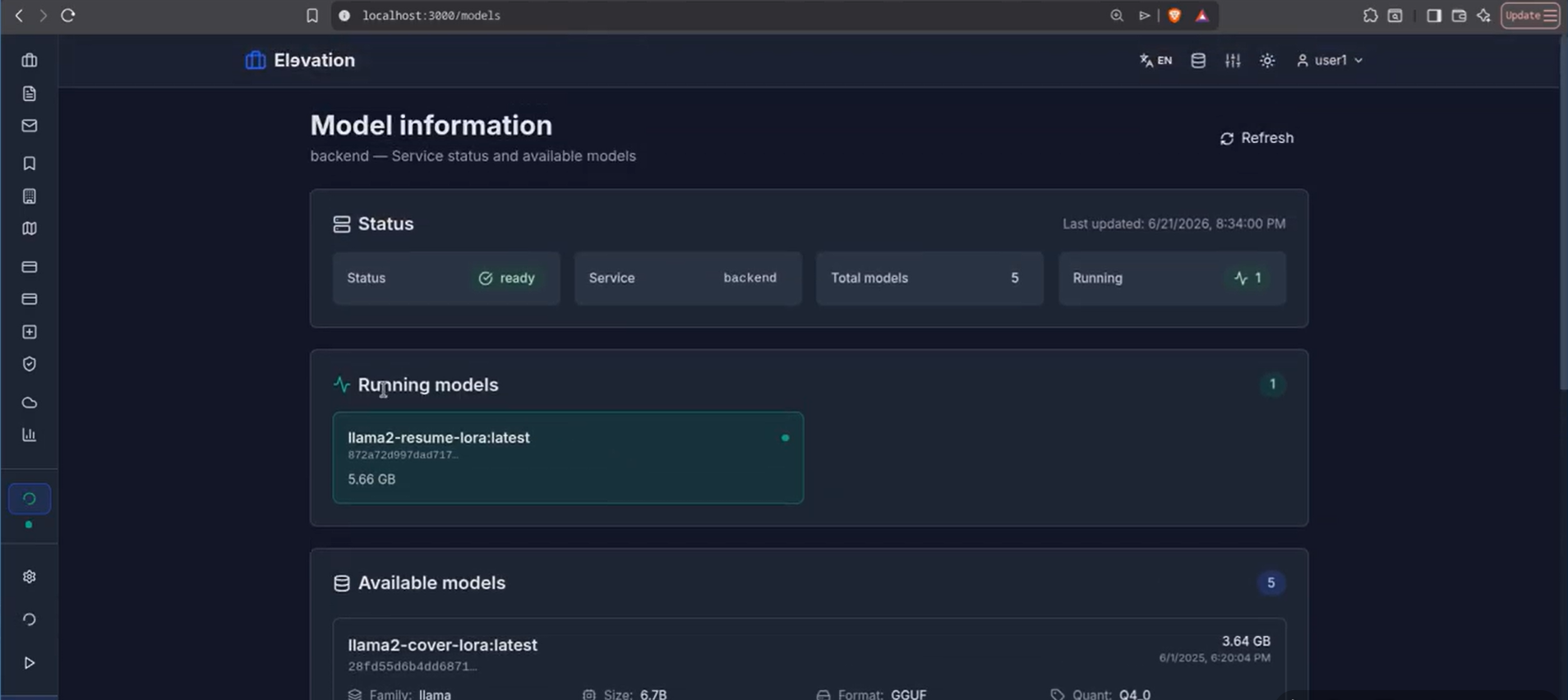
AI models
-
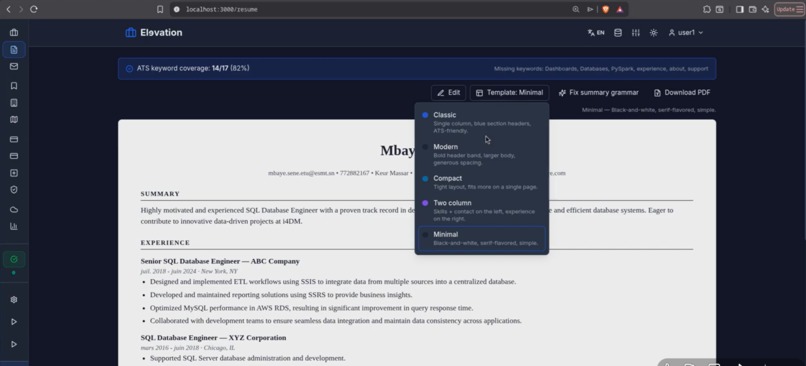
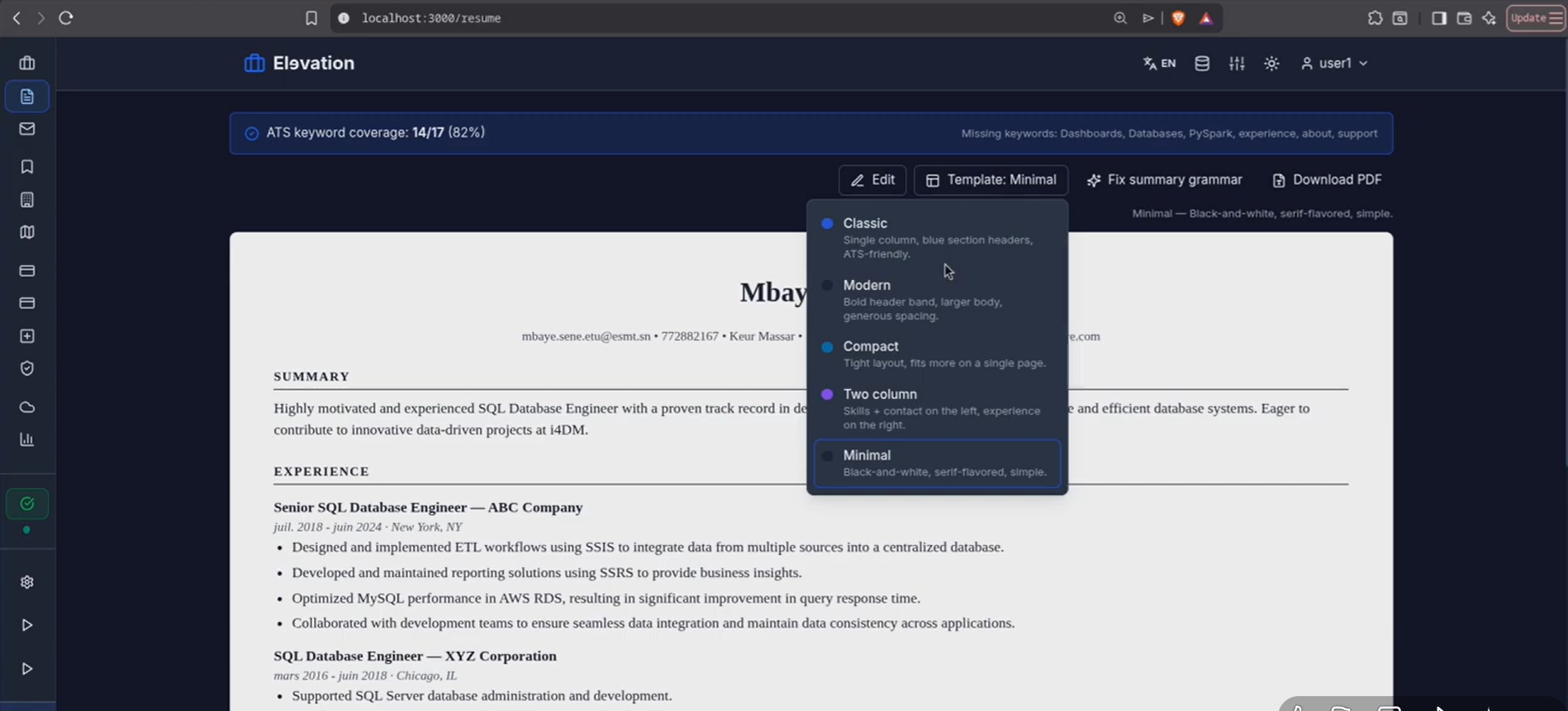
resume 01
-
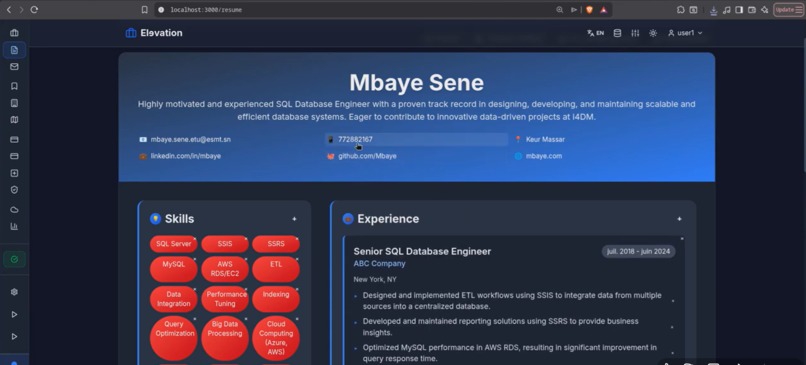
resume 02
-
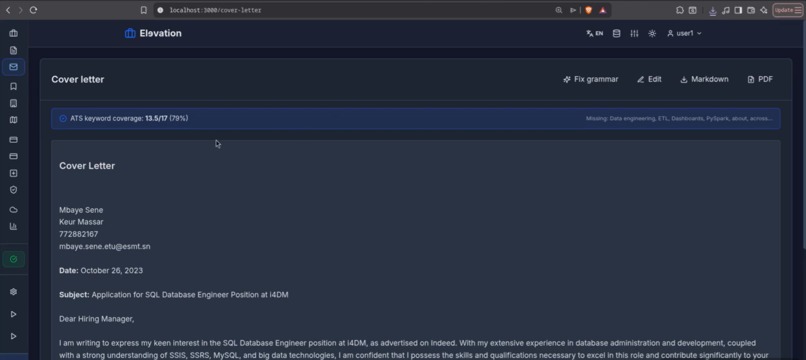
cover letter
Inspiration
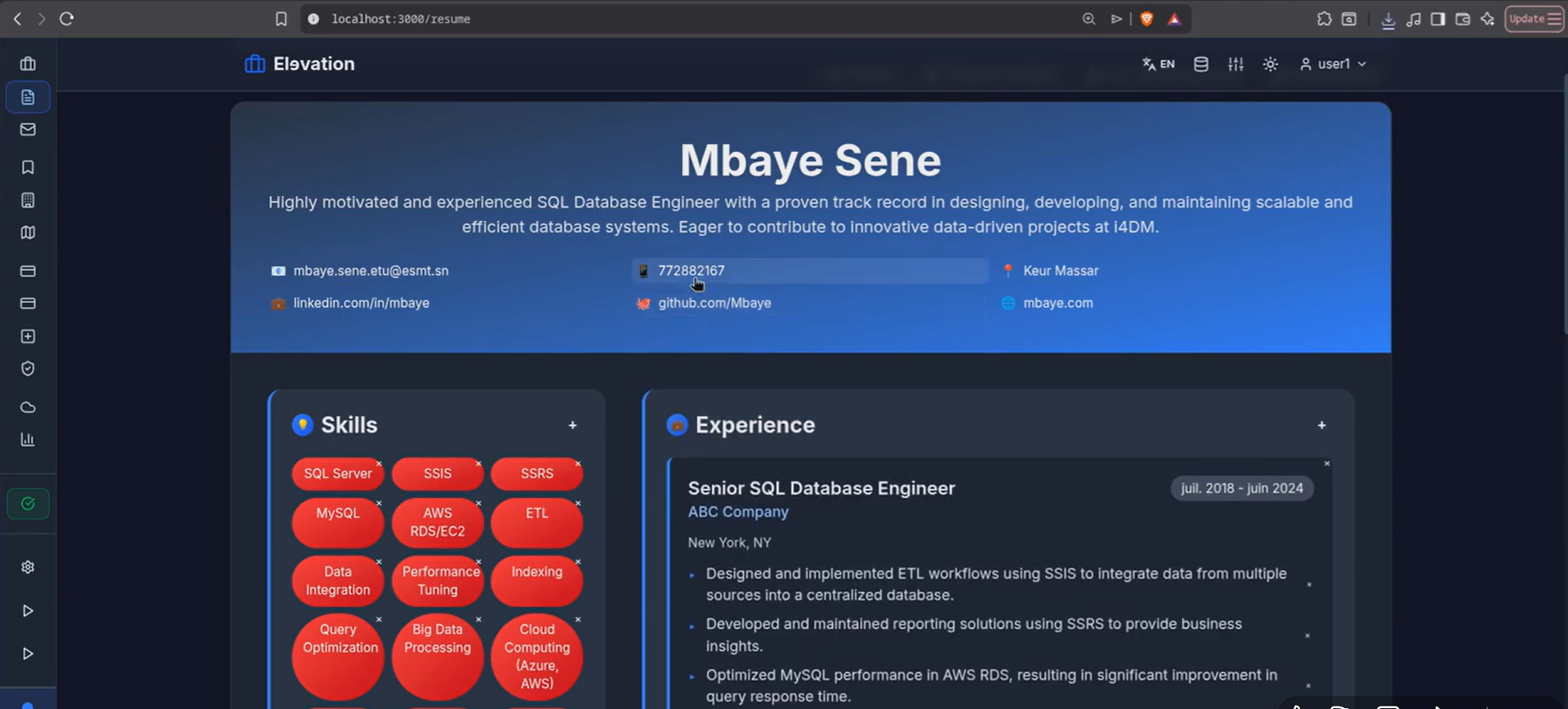
Regional workforce development agencies are fighting an algorithmic uphill battle. They are tasked with improving community employment rates and building resilient local economies, yet the citizens they serve are continuously filtered out by automated corporate Applicant Tracking Systems (ATS). The systemic problem isn't a lack of talent within our communities, rather, it is the absence of institutional tools to make that talent legible to algorithmic gatekeepers. We realized that if public sector career counselors had access to scalable, locally hosted AI infrastructure, they could bypass this bottleneck, shifting their limited resources from tedious resume reviews to high-impact, proactive career coaching.
What it does
This is exactly what out AI solution does: Elevation is a scalable AI-powered decision-support and processing engine designed for workforce development agencies and nonprofit coalitions. Rather than acting as a simple consumer app, it serves as institutional infrastructure that bridges the gap between community talent and corporate hiring algorithms.
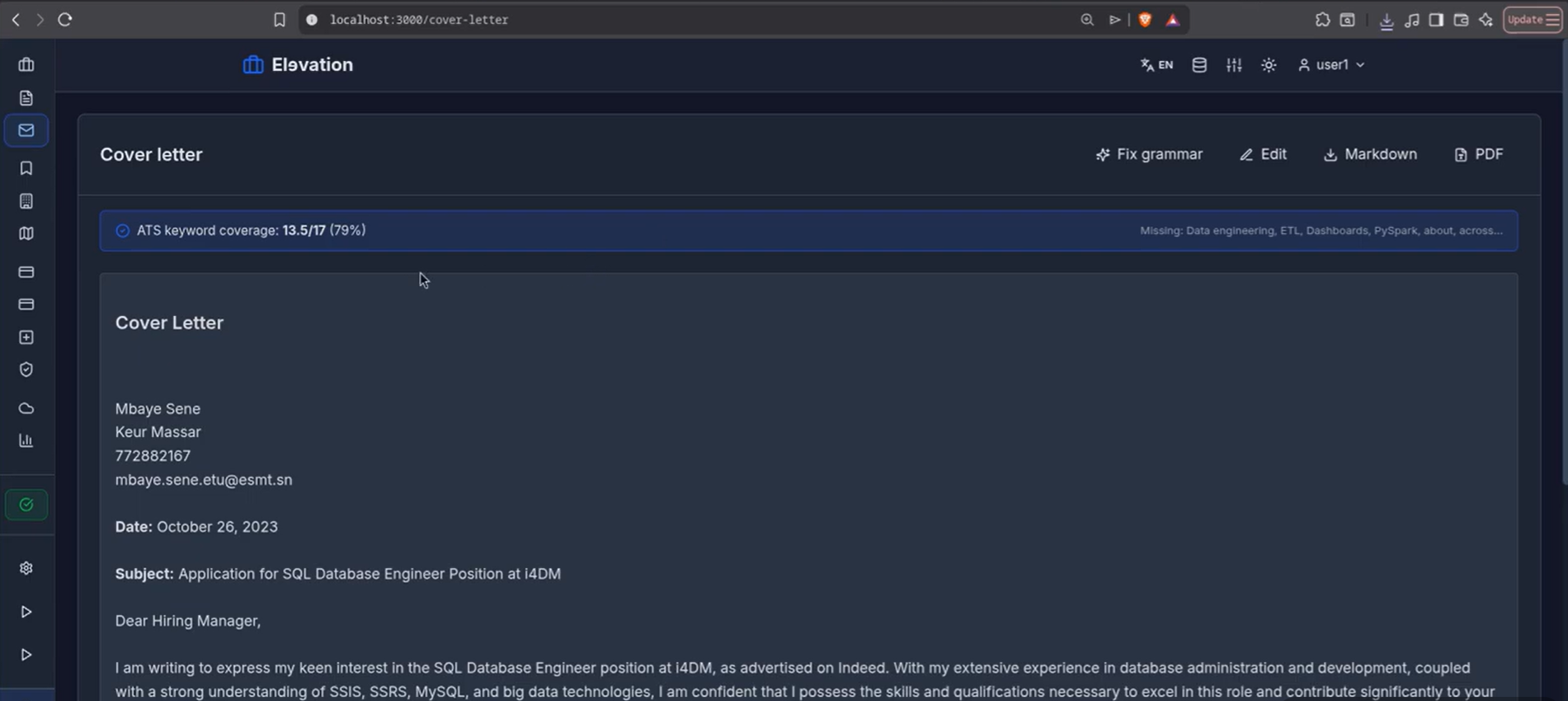
The system allows public sector career advisors to input constituent data and local job market descriptions. Elevation’s locally hosted, fine-tuned LLM engine then automatically generates ATS-optimized resumes and cover letters perfectly adapted to specific roles. By automating the algorithmic compliance of job applications, Elevation empowers institutions to massively increase regional job placement rates, ensuring that every community member's application reaches a human decision-maker.
How we built it
First, we collected job offers from the Serpapi Google Jobs API. Then, we generated personal user data using Faker. Afterwards, we combined those two datasets, and ran it through a loop in the Gemini api to generate resumes and cover letters for the training data. Then, using that training data, we trained two Llama2 instances: one for the resume, and one for the cover letter. Then, we created a REST API and a React Typescript frontend for using the resulting models in resume and cover letter generation, using user supplied data.
Challenges we ran into
We tried to use deepseek r1 1.5b model, but the results were not satisfying enough. Then, we switched to Llama2, which generated good resumes and cover letters. The main challenge was to produce a model lightweight enough to run on CPU, and be trained on GoogleColab free tier TPU, while passing ATS filters.
Accomplishments that we're proud of
We successfully fine tuned large language models that generated resumes and cover letters containing all the required keywords needed by the Applicant Tracking Systems using free resources, and used them locally without depending on any external provider, on consumer CPU.
Decision Impact
Before Elevation, candidates were forced to spend hours agonizing over keyword optimization, manually rewriting their resumes and cover letters for every single application just to guess what an algorithm wanted to see. Because Elevation exists, the user is completely freed from the tedious, anxiety-inducing guesswork of algorithm-pleasing. The most significant change is a dramatic shift in their job-hunting strategy: instead of wasting time deciding how to phrase their experience to bypass a bot, the user now only needs to decide which opportunities genuinely align with their career goals. It removes the friction of the application process, allowing them to apply to more roles efficiently and with the confidence that their documents are perfectly optimized to reach a human recruiter's desk.
What we learned
We learned how to fine tune large language models using limited resources, and how to deploy them locally. We also learned how to adapt job application documents so that they go past the Applicant Tracking Systems.
What's next for Elevation
Deploy that application so that it can be monetized, or open sourced, so that every IT professional can be sure their application documents will be examined by a real human. Also, make the platform apply directly to the job offers, so that very little human interaction is required.
Built With
- bun
- colab
- express.js
- faker
- linux
- node.js
- ollama
- python
- pytorch
- serpapi
- typescript


Log in or sign up for Devpost to join the conversation.