
Inspiration
Inadequate waste sorting practices hinder recycling efforts, leading to inefficiencies and health risks for manual workers. To address this, implementing advanced waste sorting technologies like AI-powered bins or robotic systems can automate the process, improving efficiency, and accuracy, and promoting recycling for a cleaner and healthier environment.
What it does
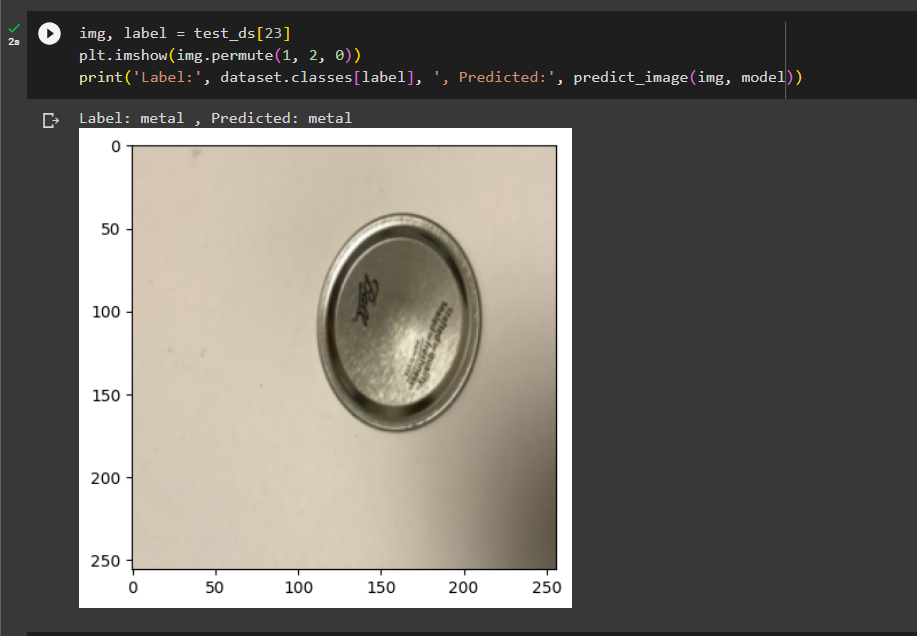
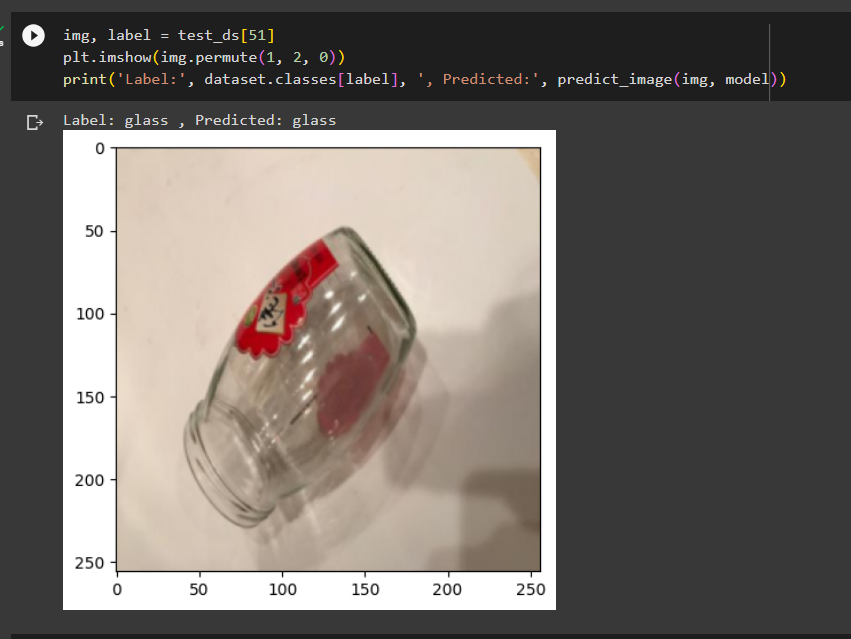
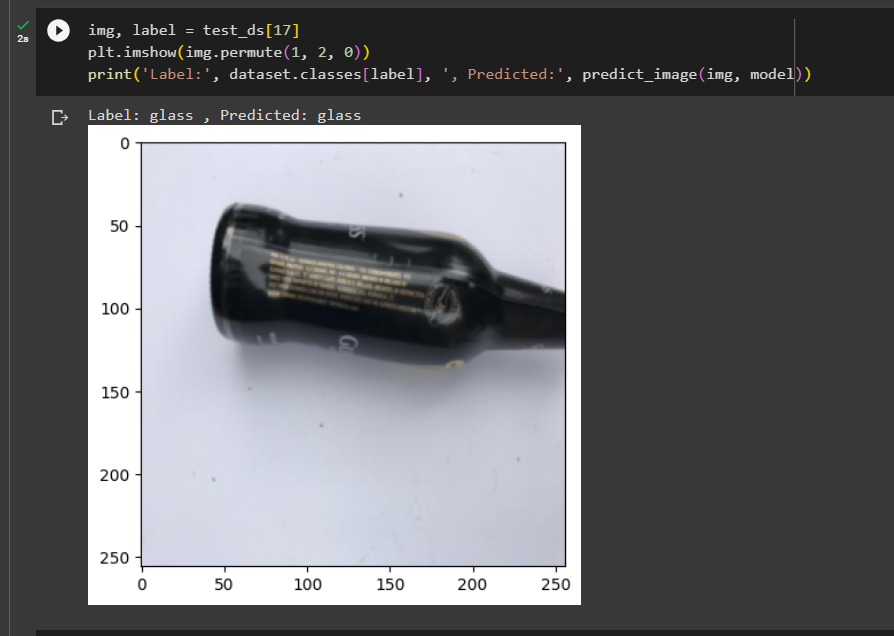
Our webcam captures pictures of waste materials and provides input to our waste sorting model. The waste sorting algorithm is trained with a large amount of dataset and it performs the operations according to the given algorithm and it sorts waste material into different categories.
How we built it
We built it using the PyTorch library. We used computer vision and neural network technologies.
Challenges we ran into
We were facing some errors in our code, we had to think about it for a long time and then finally we succeed to run it. Also making our model more accurate was another challenge, for that, we decided to use a huge dataset.
Accomplishments that we're proud of
In the start, we were facing many issues and errors, but after discussing with each other and with the guidance of mentors we gain the ability to solve errors.
What we learned
The biggest thing we learned from this is we got experience in thinking and working on the same problem for such a long period of time. During this 48 hours, we were only thinking about our solution and building it.
What's next for Team766_AI-Powered Waste Sorting
We are planning to install our software model with some hardware like bin or a robot.


Log in or sign up for Devpost to join the conversation.