-
-
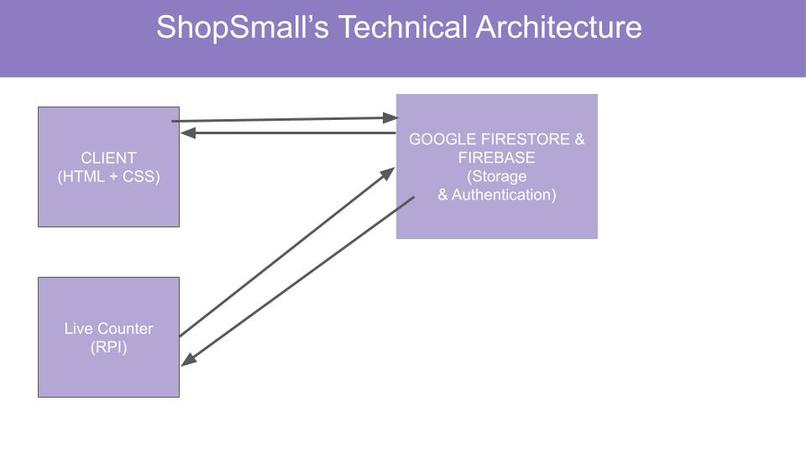
Technical Architecture
-
-
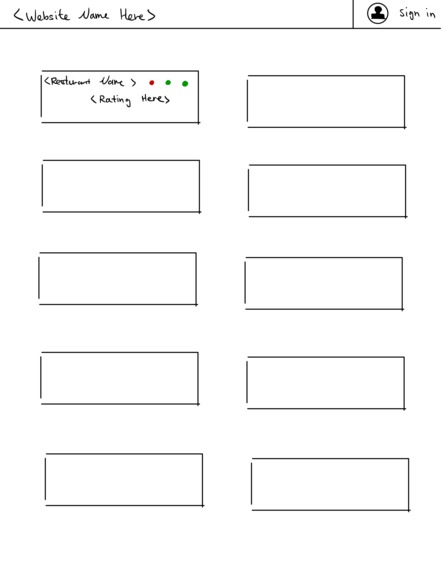
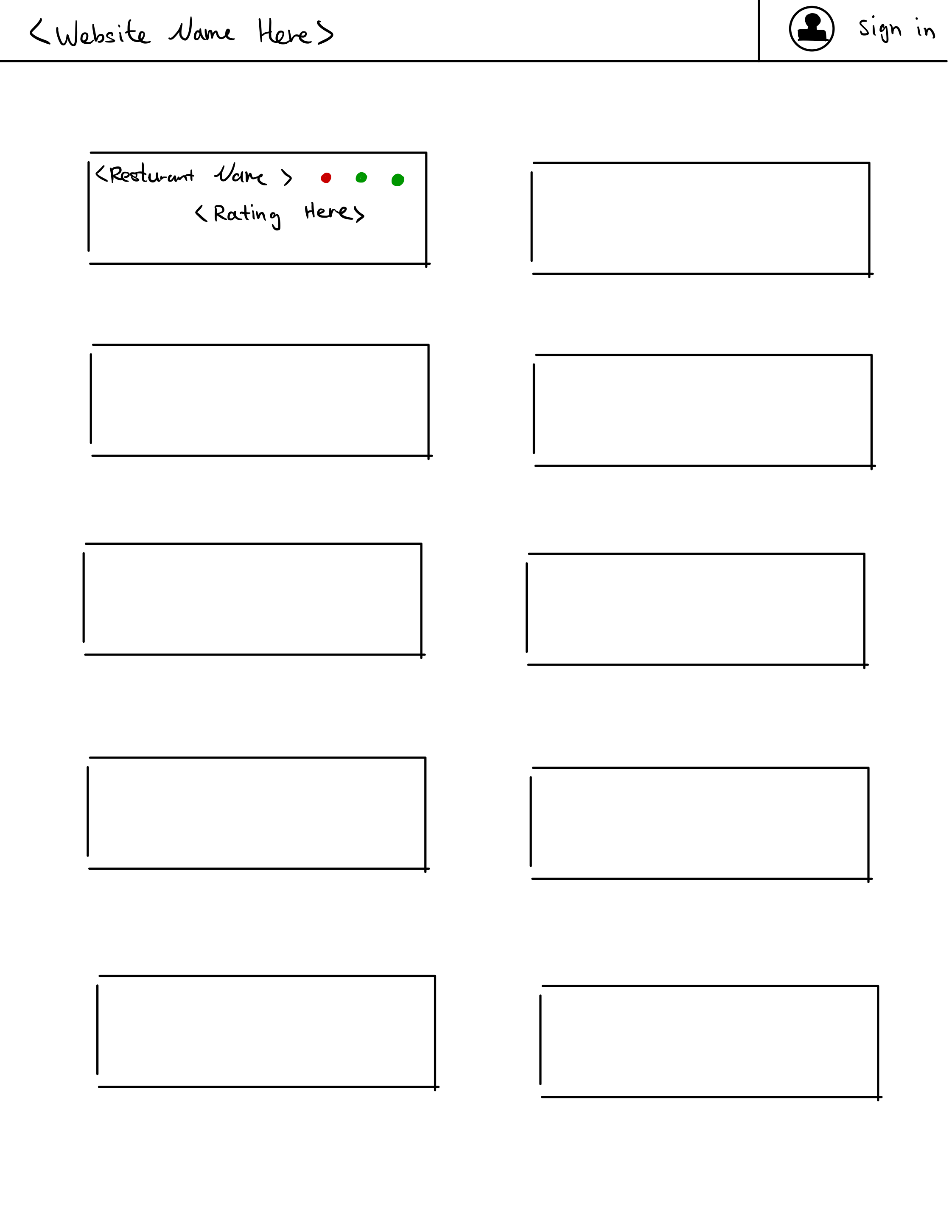
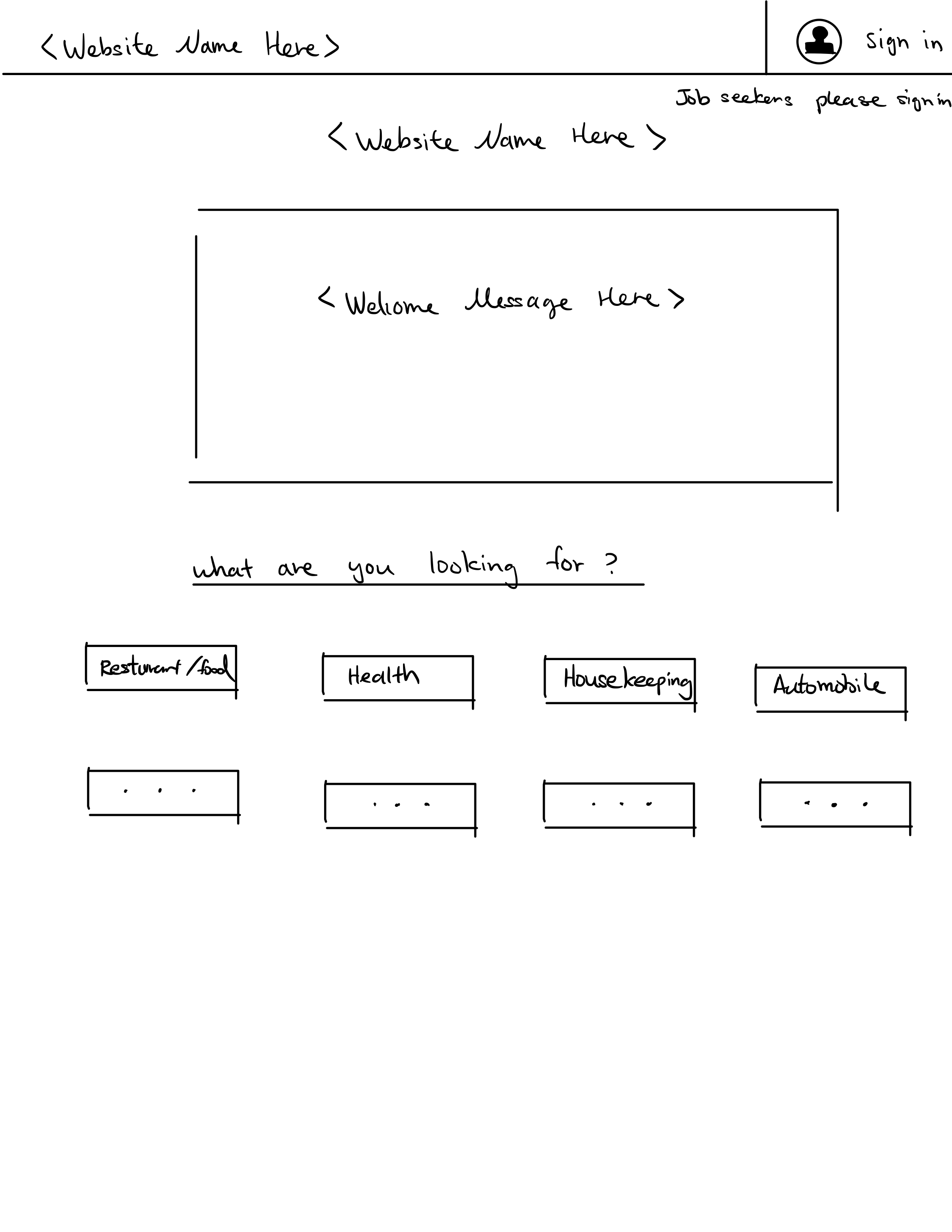
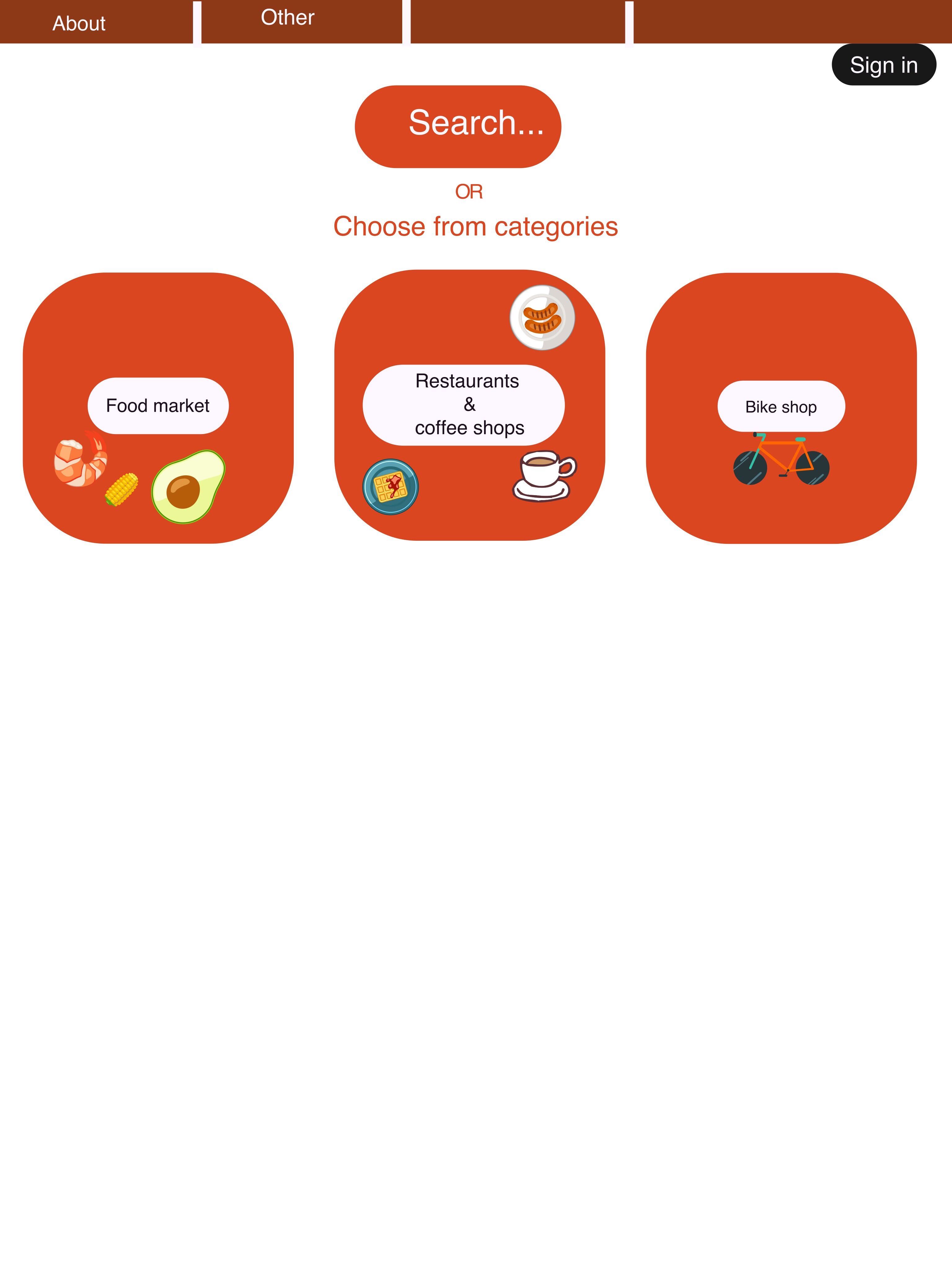
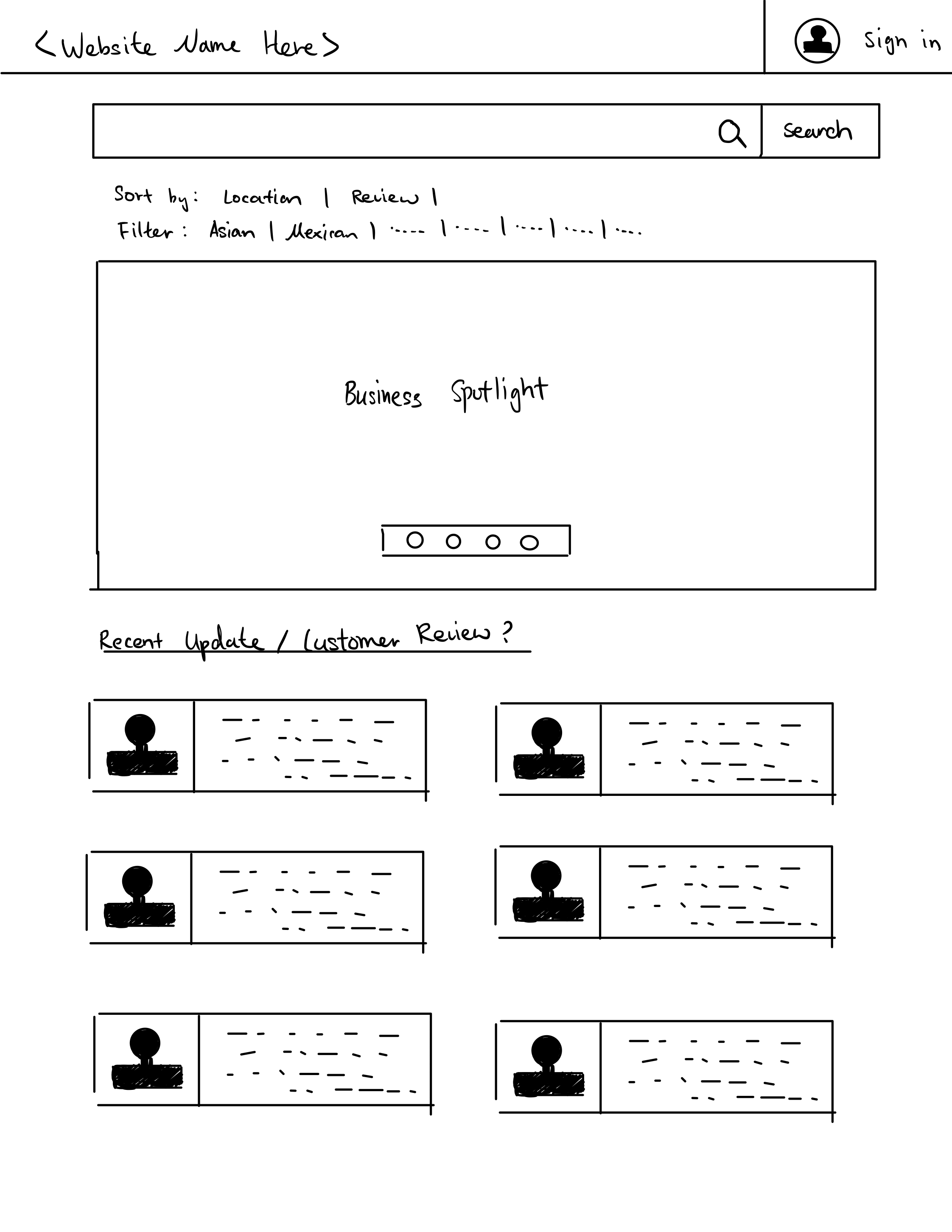
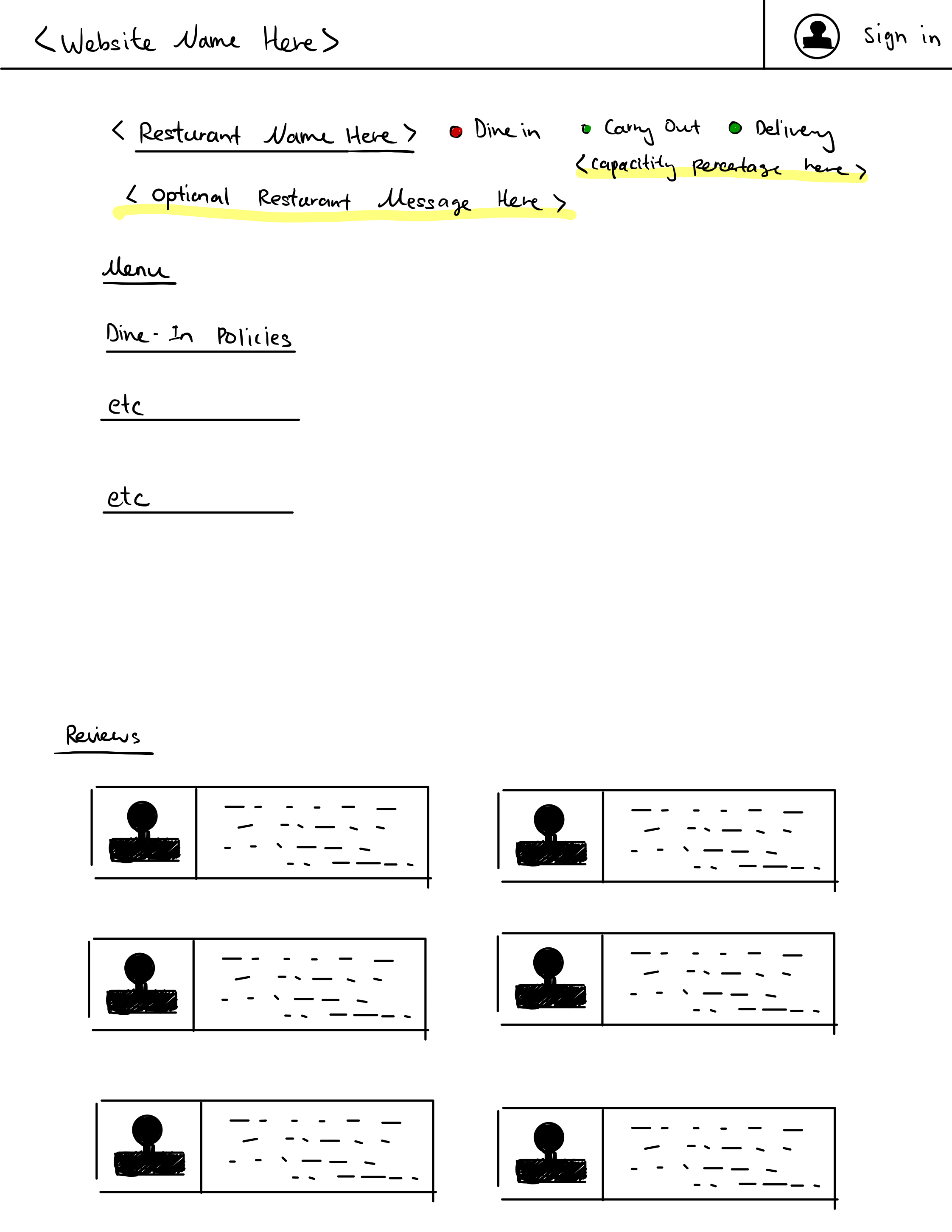
Mockup design 3
-
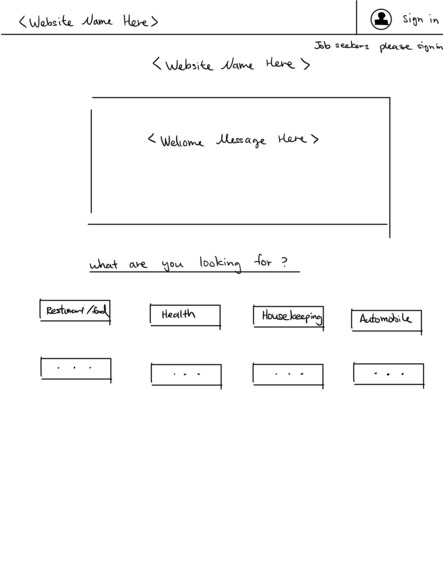
Mockup design 1
-
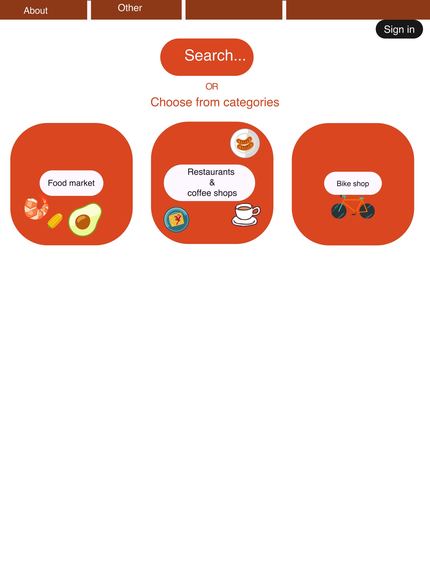
Mockup design 5
-
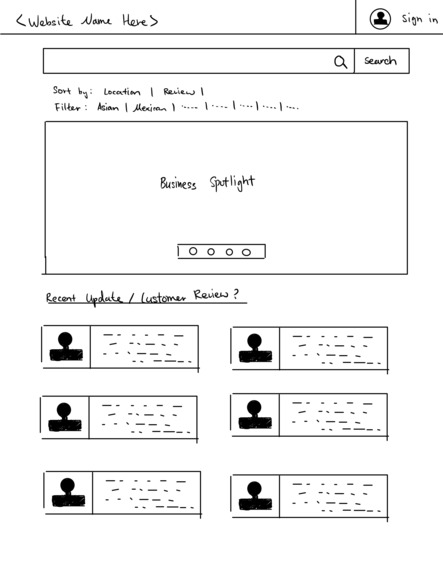
Mockup design 2
-
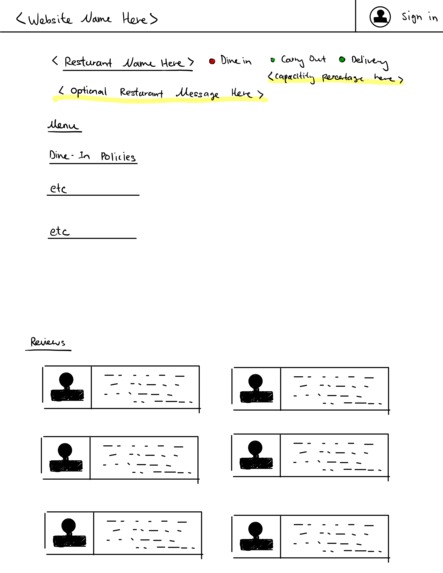
Mockup design 4
Overview
COVID has impacted various aspects of our lives but one of the most impacted ones are small businesses and restaurants. Small businesses that previously relied on foot traffic and dine-ins, are now facing obstacles of informing their customers on the new hours, schedule changes and regulations, and the precautionary actions they are taking which are resulting in financial struggles for the business. Team Universal came up with a unique solution: ShopSmall. ShopSmall is a hands-on, digital experience that connects small businesses to "small shoppers" during and after a time of social distancing. This website provides real time data and information to consumers focusing on local businesses in their area. Our product operates mainly online but we have a physical component for the customers. The online website is a form of easy communication between businesses and customers. Shopsmall is not simply a temporary solution to a pandemic but instead is a permanent improvement to communication from business to consumer. Businesses will still be able to reap the benefits from our website well after the pandemic is over.
Team Members
Eliza Vardanyan(Project Manager, Software engineer, Senior Business and Computer Science @Earlham College) Eliza was responsible for keeping track of submission documents, initiating team meetings. She created Trello for project management purposes, as well as worked on developing the website with the rest of Pro squad members.
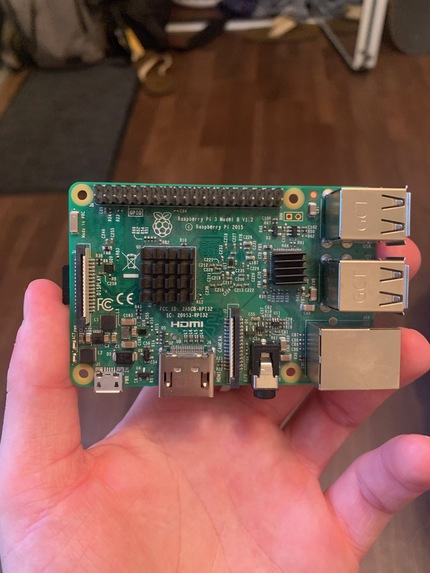
Rhys Buckmaster (Software engineer, Senior Mechanical Engineering @ Purdue University) Rhys was responsible for building the customer counter. He built a circuit so that Raspberry Pi could communicate with two sensors and send that data to a database. Rhys also wrote the code in Python on the RPI so that the customer counter could accurately track the amount of people in a building.
Hyang (Susie) Seo (software engineer @ Rose-Hulman) Susie was responsible for establishing the connection between the front end of the website to the back end (Firebase) in terms of storing data received from front end, and registering users for authentication. She was also responsible for creating the forms in which businesses and customers would register for their data.
Tim Murchison (Business Analyst, Senior Economics @DePauw University) Tim was responsible for analyzing the small business market sector. This included exploring online scholarly articles, making customer calls and doing product research. Tim also helped with Go squad business models.
Taylor Graber (Marketing, Senior International Business & Finance @ Grace College) Taylor was responsible for helping Go Squad with all models, such as Customer Personas and Business Model. She and one of her team members combined their ideas to create the product outline and everyone added on to the features.
How did you decide on this customer segment, problem, and solution?
We thoroughly watched and discussed challenge videos made by the SMEs. By identifying the businesses that were mostly impacted by the COVID, we identified the issues they were facing: Businesses had to pay extra for employers to manually count number of customers at their restaurant/stores There was a lack of updated information to customers such as hours, required regulations , dine-in/carryout/delivery availability (raises additional expenses to hire someone for an online platform updates) There was a lack of customer feedback There was a lack of job postings/spread of information Small business are making less money than before Covid-19
We came up with multiple approaches to solving the issue. After much research and discussions with our coaches and professionals, we have narrowed down the solutions to features that were the targeting and solving the most important obstacles for small businesses and restaurants. We focused on communication between business and consumer and we focused on helping them save money/ cut costs. After creating the prototype drawing of the product and asking for feedbacks, we polished our idea and came to the final version of ShopSmall
How did your team build and iterate on the solution?
We identified what features we wanted to highlight and made a research on what could represent those in their best way. We ended up choosing to use Visual Studio Code to create from scratch our website in HTML, CSS and JS languages. To make collaboration more efficient we chose Github repository for working on our code.
We care for our businesses and customers which is why we have chosen Google Firebase authentication security reasons. Why Google Firebase? After some research, we found out that Firebase SDK allows easy storage of any type of data, varying from images to content generated by users and all this with flexibility, high security and scalability. In addition to this, we have used Google Firestore as a storage for all the business and customer profile information that gets into our website.
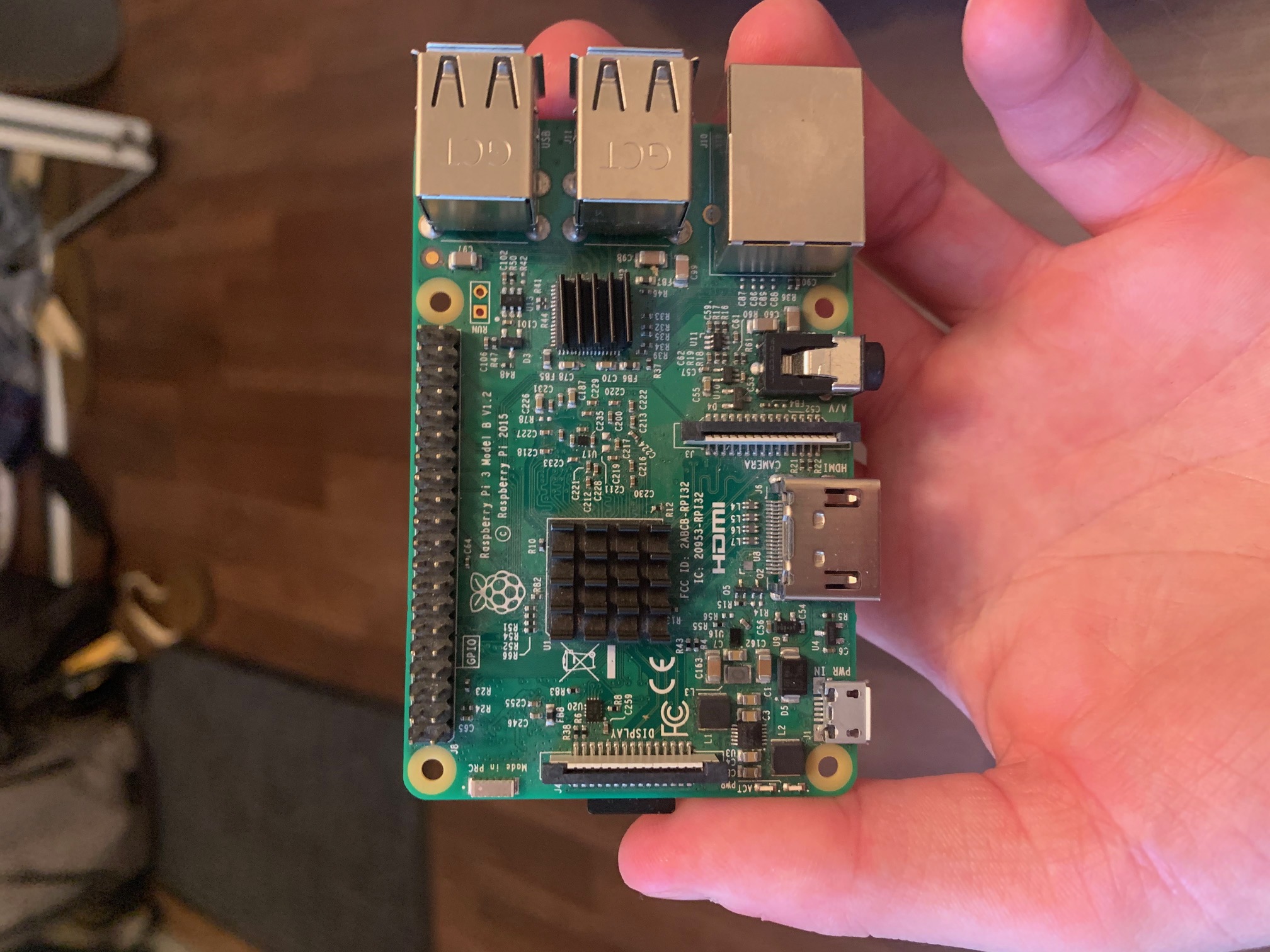
For our unique feature of live customer counters we have chosen Python 3 language to program the RPI(Raspberry Pi microcontroller) which was sending the customer count data to Google Firestore, to our storage.
Key Metrics
Marketing
Our primary form of marketing would be word of mouth advertising. We can do this both through the customer (small businesses) and the consumer (website users). We promote this idea by giving promotions to small businesses who bring two new businesses to sign up for a monthly subscription. For every two new businesses they bring, they will receive one free month of data user feedback. This incentive encourages the small businesses to talk about ShopSmall to other small businesses. The consumers will naturally tell others about their experience with this app. The more users we have using the website the more exposure these small businesses will get, bring them new customers. We will also promote and create social media page.
- Over 60 visitors that clicked on website link
- Social media has 50 followers (instagram)
Customer Discovery + Product
- 21 Phone interviews from small business owners
- 150 emails to potential consumers if they would use a website like ours
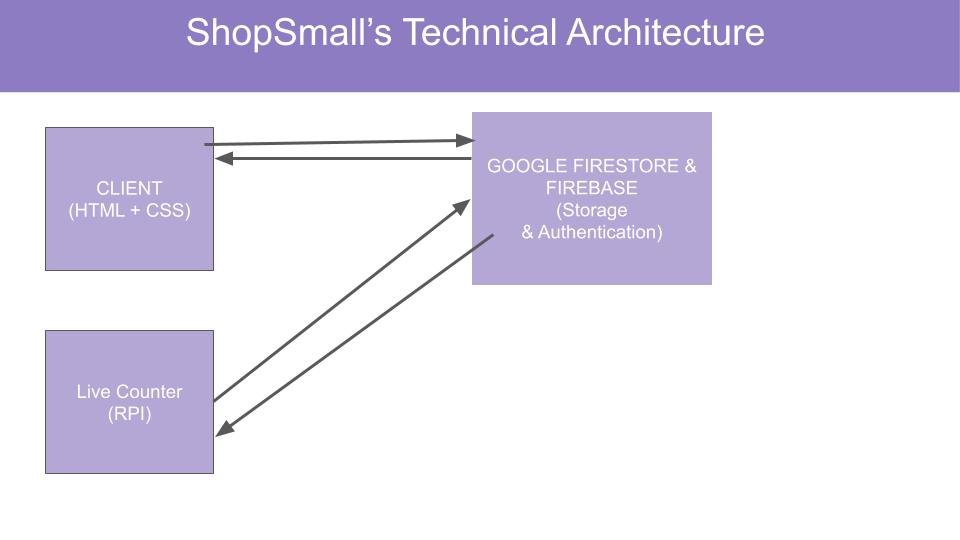
Technical Architecture
CLIENT(HTML + CSS) ----> GOOGLE FIREBASE & FIRESTORE ---> CLIENT (UX PAGE)
LIVE COUNTER(RPI) --->Google FIREBASE & FIRESTORE ---> WEBSITE (CLIENT)
(Have a look at our Image Gallery for the graphical representation of Technical Architecture and Mockup design)
Key Tools, Libraries, and Frameworks
Web Application
- HTML - we used HTML to create the template of the website
- JS - we used JS to make out HTML website template more dynamic
- CSS - we used CSS to style our website
- Google Firebase and Firestore - we used Firestore to store all the data from customer and business authentication and registration
- Visual studio - we used VS code editor to share our code and collaboration on Github smoothly and efficiently
- Github repository to efficiently share our code and changes
- materialize.css library for web development style Live counter
- Raspberry Pi microcontroller - we used RPI to read data from two pairs of photoresistor sensors
- noSQL database (Firebase) - FIrebase was used to collect the data from RPI
- Python 3 - we used Python 3 to program our RPI
If you had another 5 weeks to work on this, what would you do next?
- We would survey people from regions outside of Indianapolis and in the case of positive responses we would consider to expand into areas beyond Indianapolis (regions all around the U.S.)
- In order to succeed in our business we want to attract larger organizations and promote small businesses to them.
- Our prototype of the website needs many improvements. Improving some of the existing features as well transforming it into a mobile app for both iOS and Android phone versions
- With the little amount of time we were not able to build location services. Our next phase of development would include location services both on website and mobile apps.
- We were able to provide businesses that were matched with customer’s preferences. To take this to another stage we would add a feature for customers of following favorite small businesses.
- Although businesses can put their businesses on the website they do not have a profile specifically for them. For the next stage of this project we would add a feature for businesses to have a profile where they would see the number of customers following them, some statistics ( subscription plan based) as well as feedback from customers.






Log in or sign up for Devpost to join the conversation.