-
-
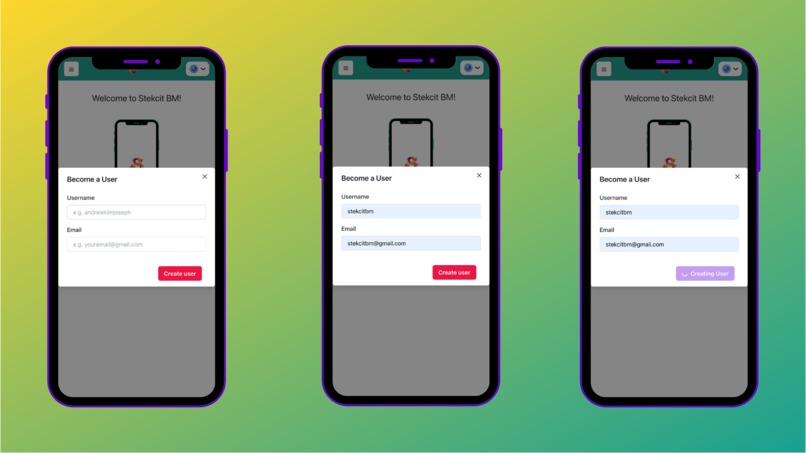
User flow
-
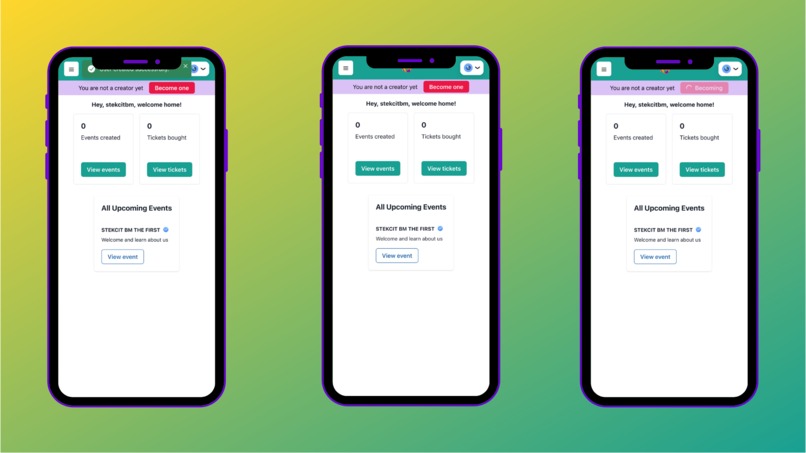
User flow
-
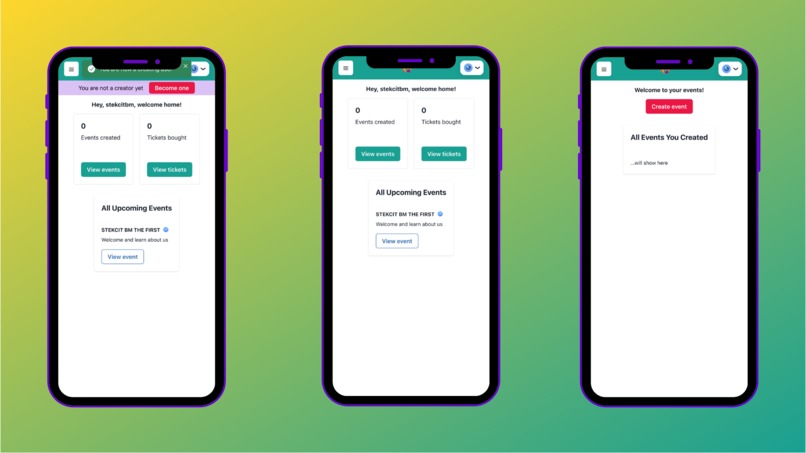
User flow
-
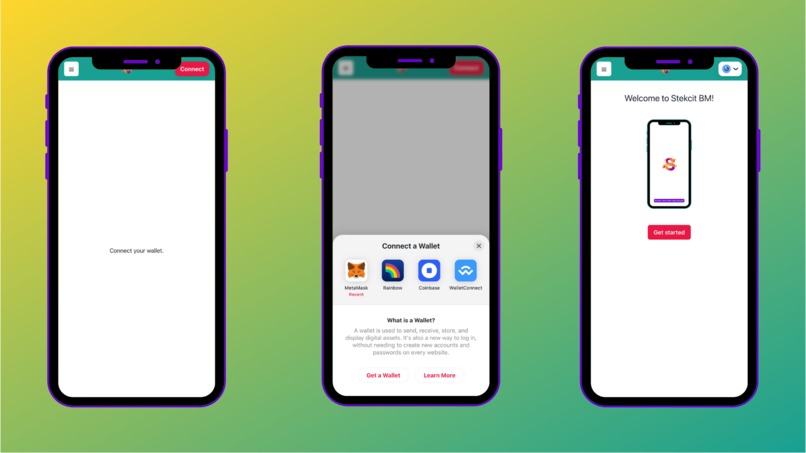
User flow
-
User flow



Inspiration
There are fewer non-financial blockchain products, and we feel the need to pioneer the non-financial use cases of the blockchain.
What it does
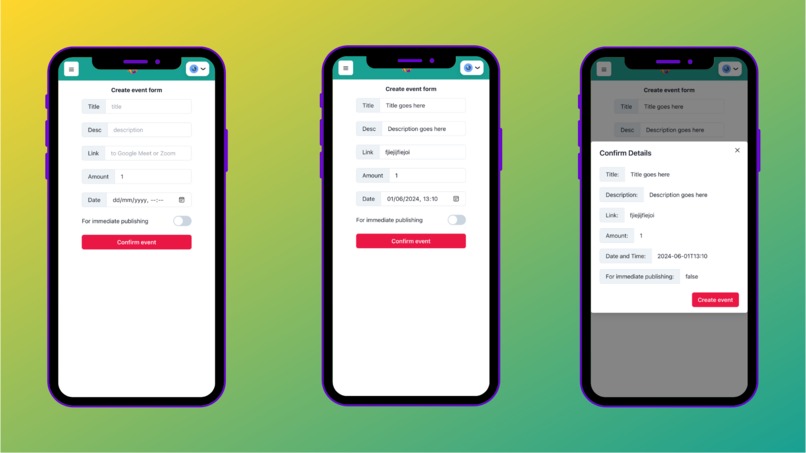
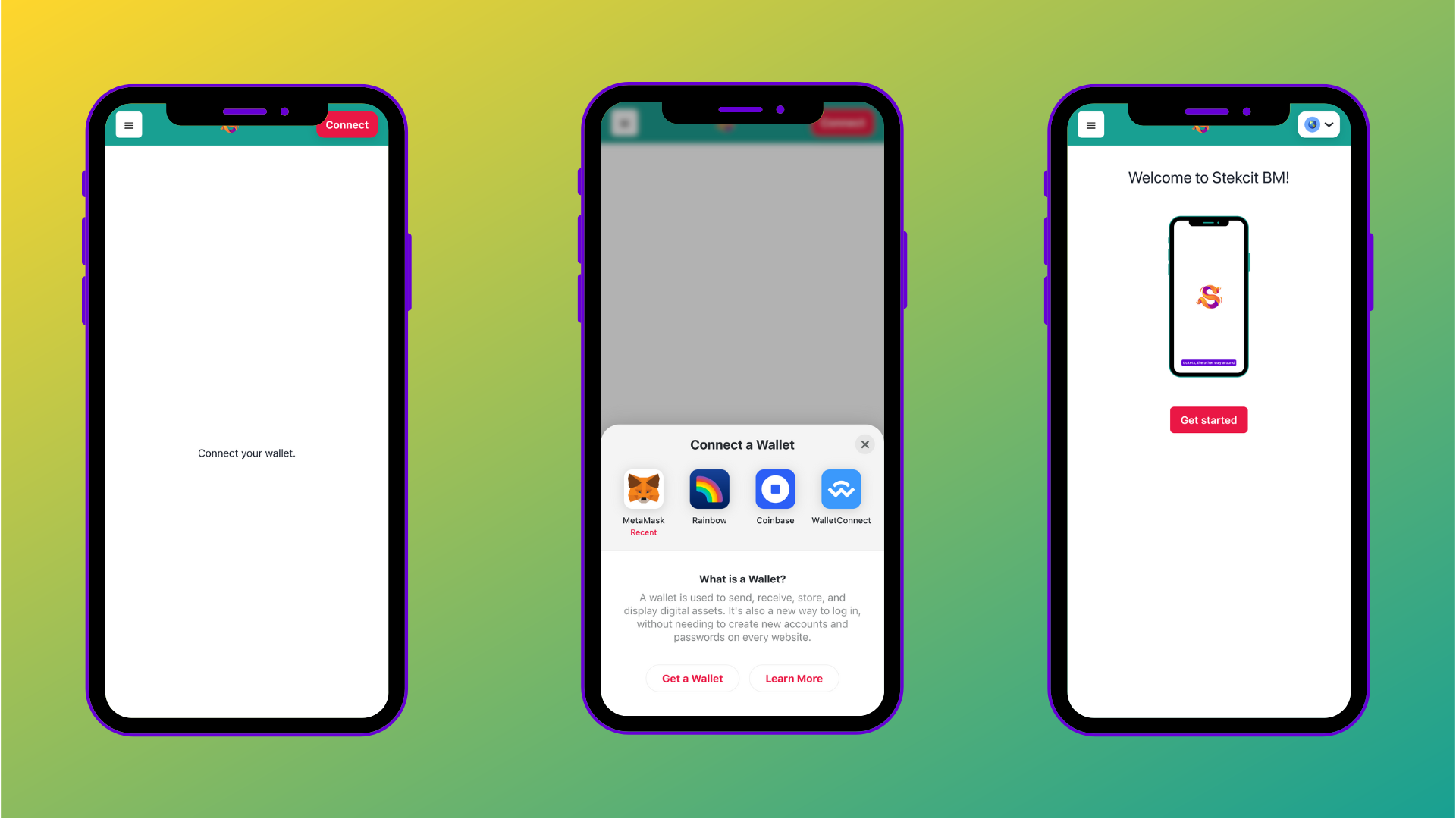
Stekcit allows creators to publish events and promote them to potential attendees. The attendees then buy tickets, and after the event, the creators get a share of the ticket revenue.
How we built it
For the first week of the hackathon, our focus was finding a problem worth solving. The second week consisted mainly of learning Chainlink’s and sponsor technologies, and we chose to use Chainlink VRF and Avalanche as our network. The third week was all about writing the smart contracts and integrating the technologies. The final week was about rendering the UI using Next.js, and putting together visuals for the project for a successful submission.
Challenges we ran into
Learning the technologies was not an easy task. CCIP, for example, took us at least a day, and we still don’t have a hang on it. We also learned Chainlink Functions, and although our preliminary test and script simulation was successful, we met a blocker when trying to integrate it with our application. We were only successful with Chainlink VRF, which made it to the final version of our product.
Accomplishments that we're proud of
Putting together the MVP is notable for us, seeing that we only had one technical person on the team. We’re also glad to have participated, because we are better now than we were four weeks ago.
What we learned
Planning is the most important bit of leading a successful hackathon. If you don’t have a clear - and itemized - plan, you will end up working in circles, and never really closing a project.
What's next for Stekcit - tickets, the other way around
Beyond the hackathon, we look to put ourselves out there, especially before potential users (creators and attendees). We want validation through practical use cases, which means gaining traction and being on the right path to building a successful business.


Log in or sign up for Devpost to join the conversation.