Inspiration
We were inspired by a simple problem: real estate platforms often give every user the same overwhelming experience, even though different roles need different tools, workflows, and priorities. Agents, admins, homeowners, and buyers all interact with the system differently, but most dashboards still expect users to figure out what matters on their own. We wanted our project to make that experience smarter, more personalized, and more action-oriented from the very beginning.
What it does
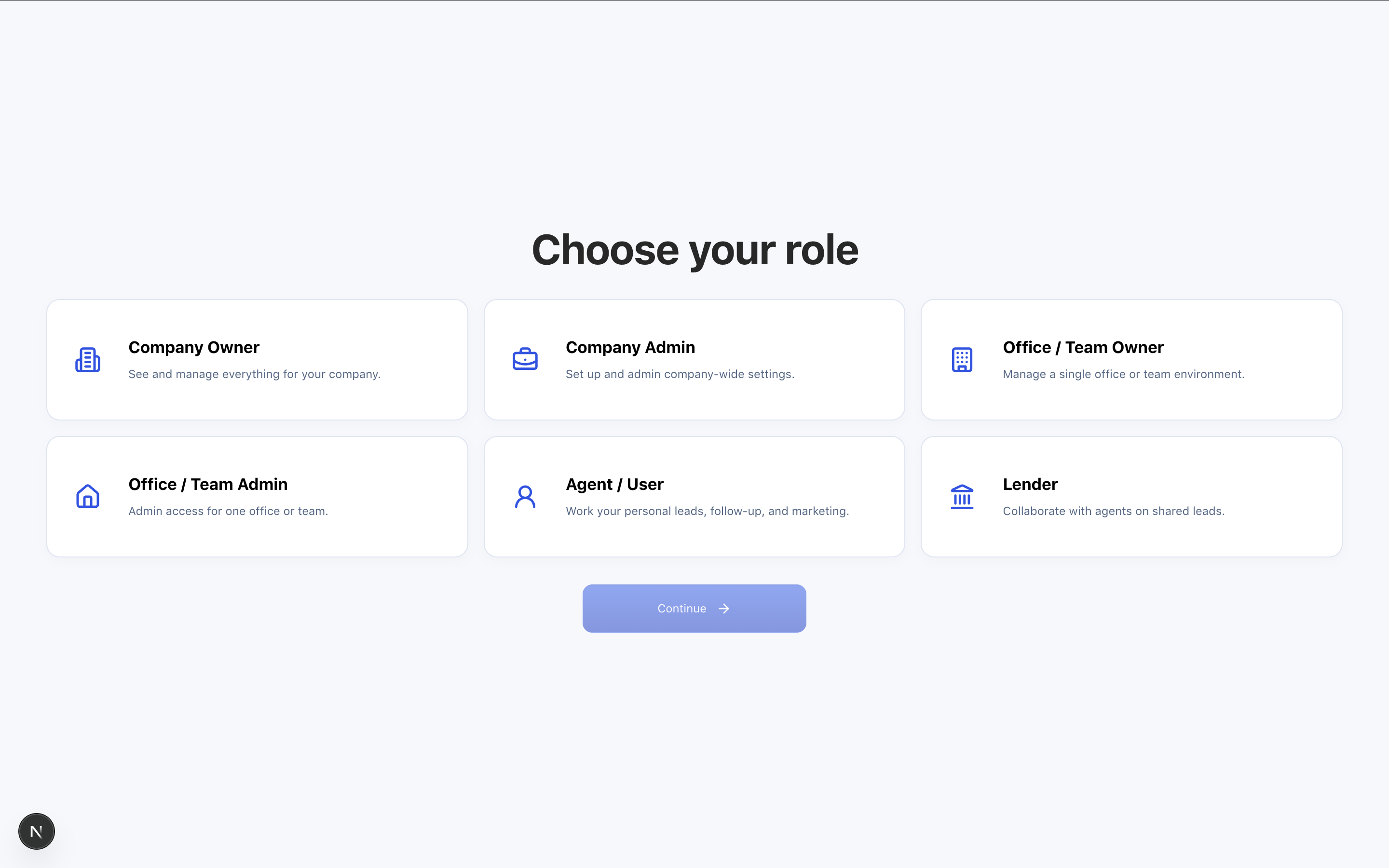
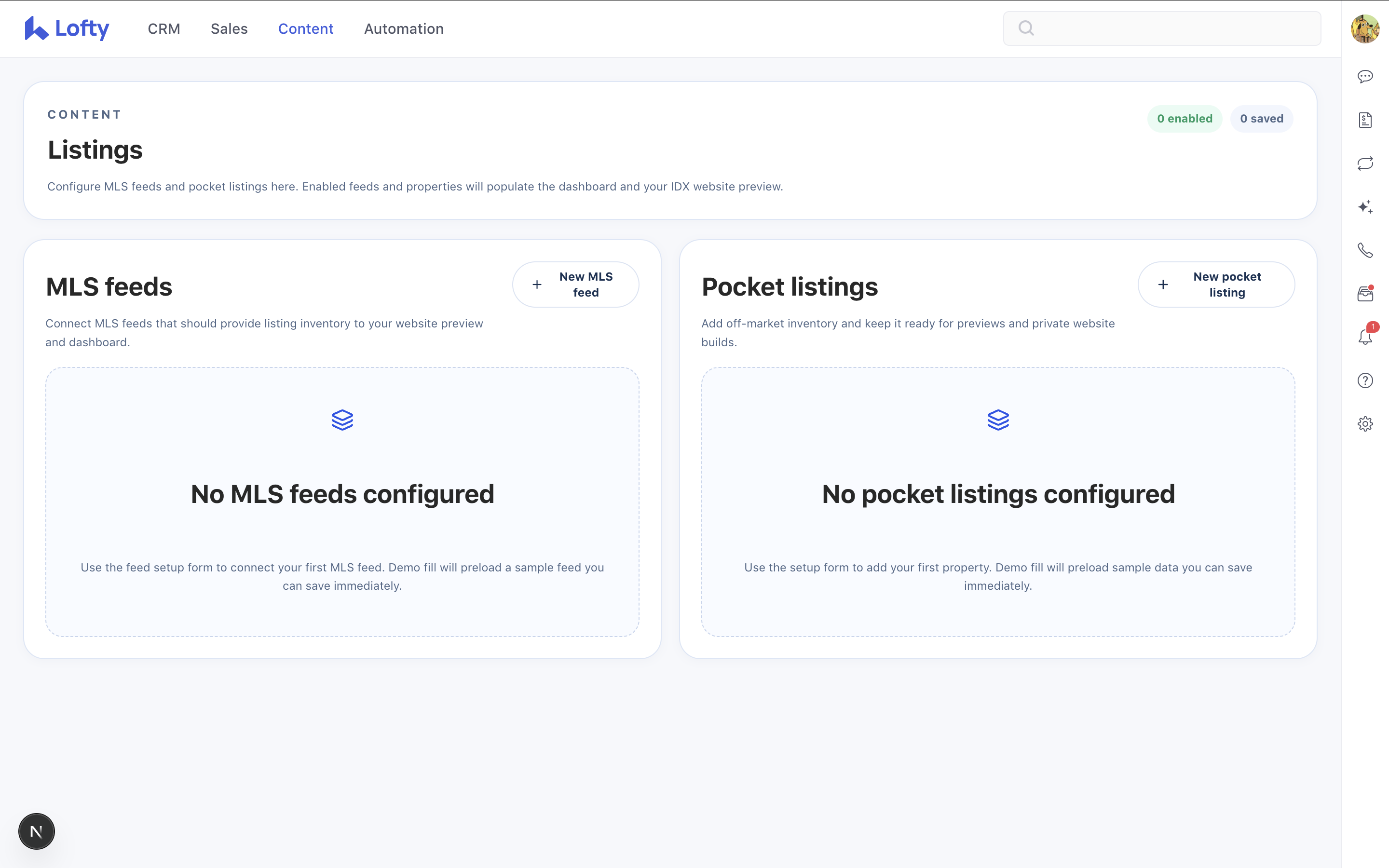
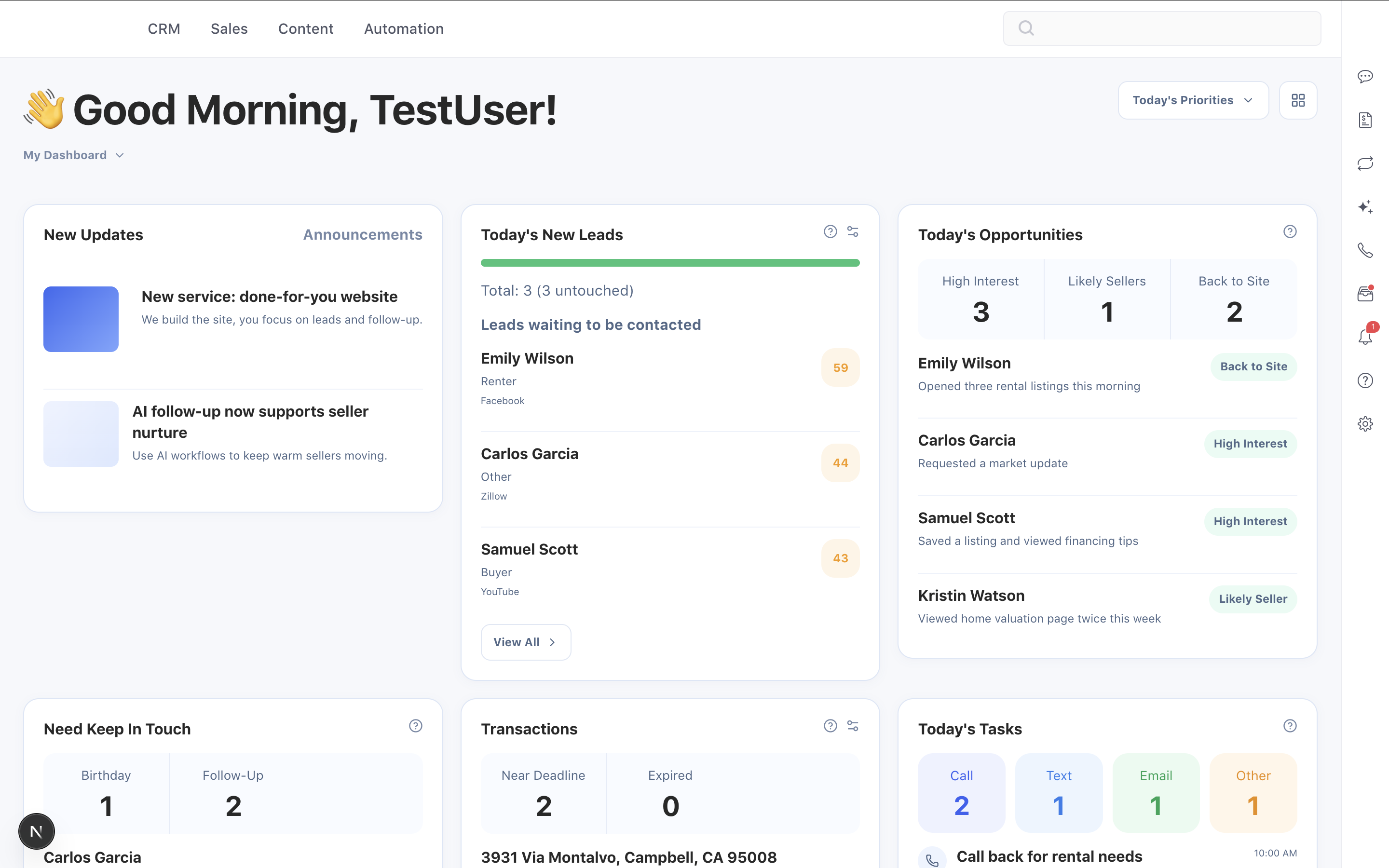
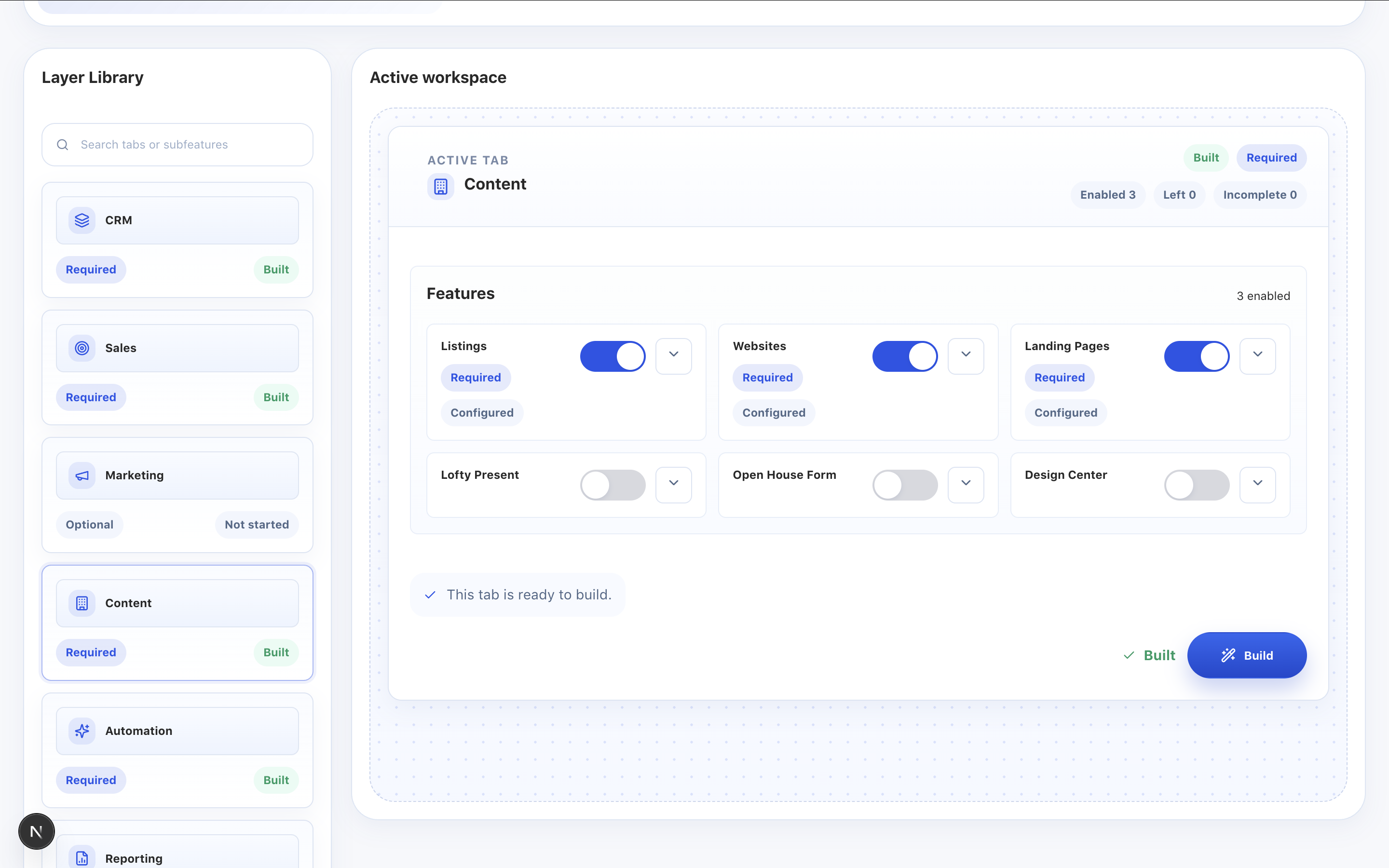
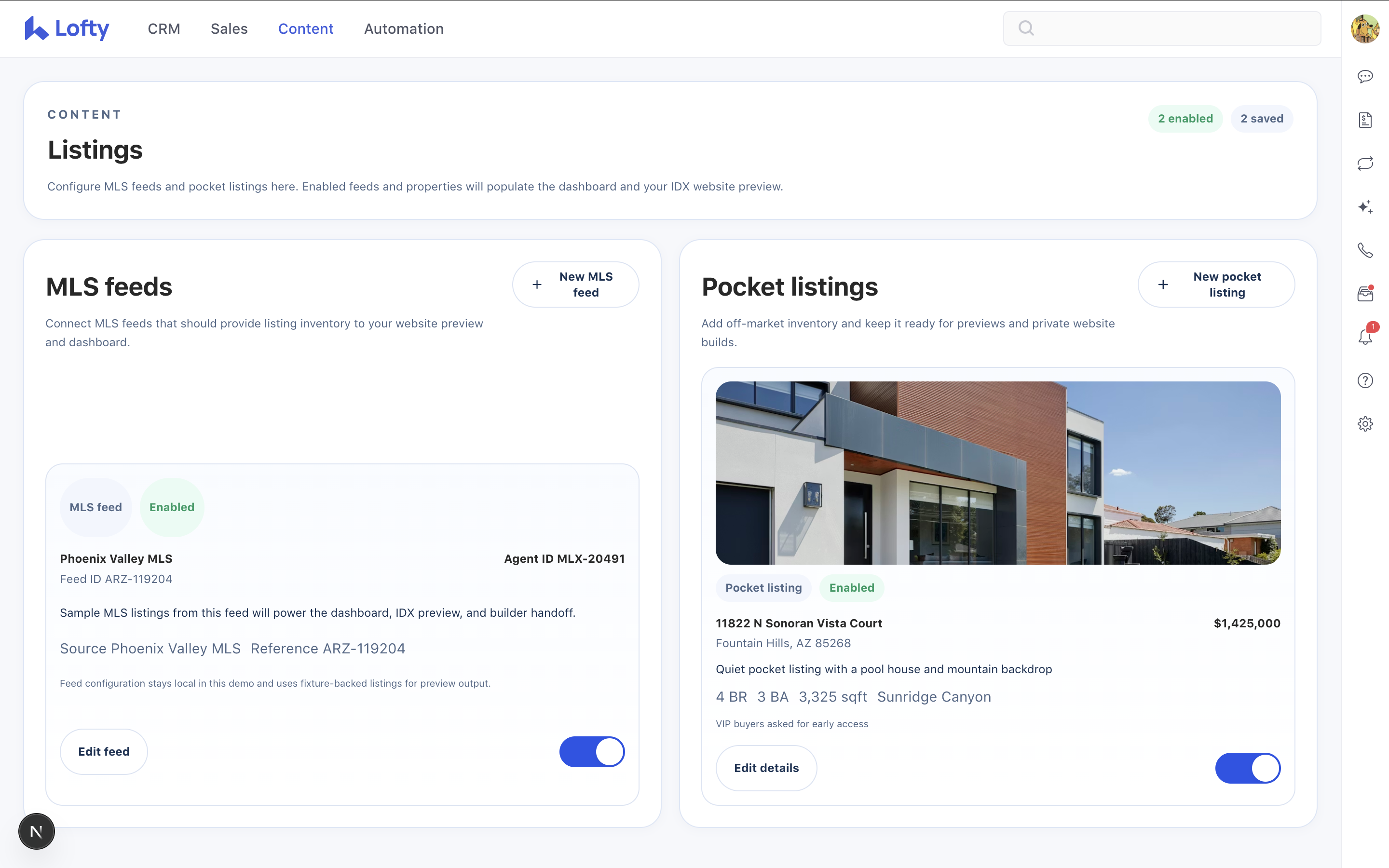
Our project reimagines the first user experience as an AI-native workspace that adapts itself to the person using it. The first core feature is a dynamic dashboard builder that configures the user’s workspace based on their role. Instead of showing every feature to every user, our system surfaces the tools that are most relevant to that person and lets them toggle optional features on or off. This makes the platform feel more focused, less overwhelming, and more useful immediately.
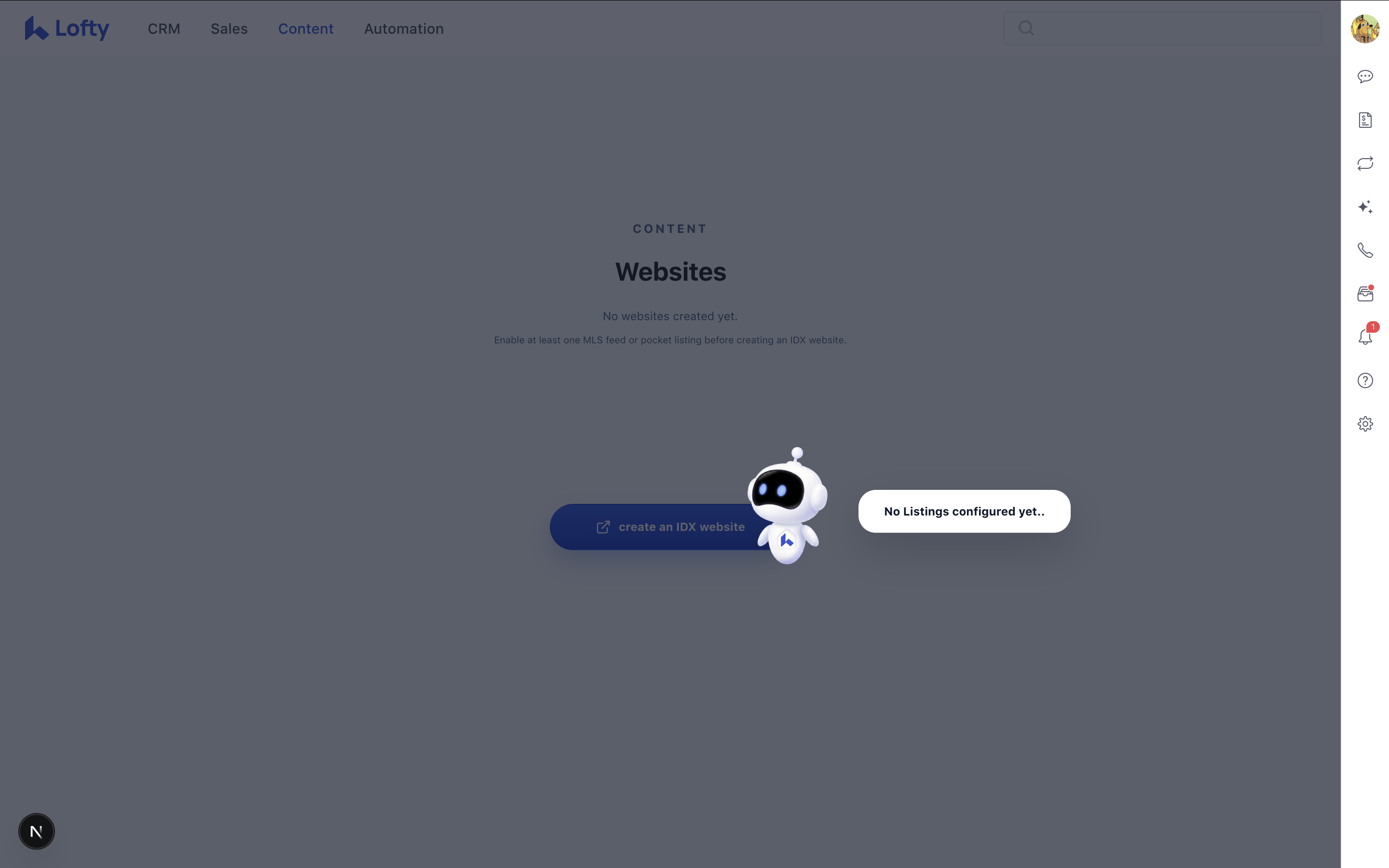
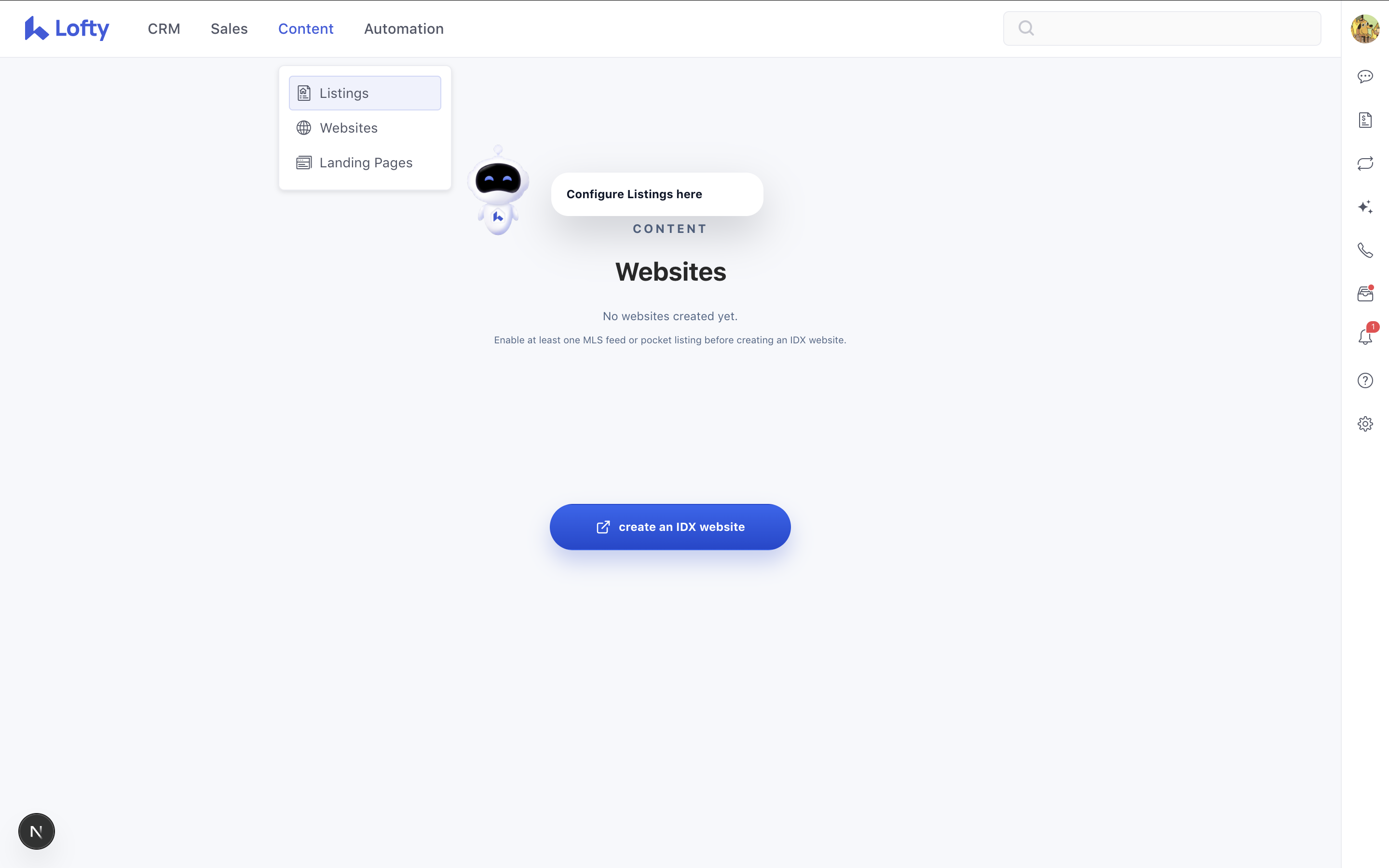
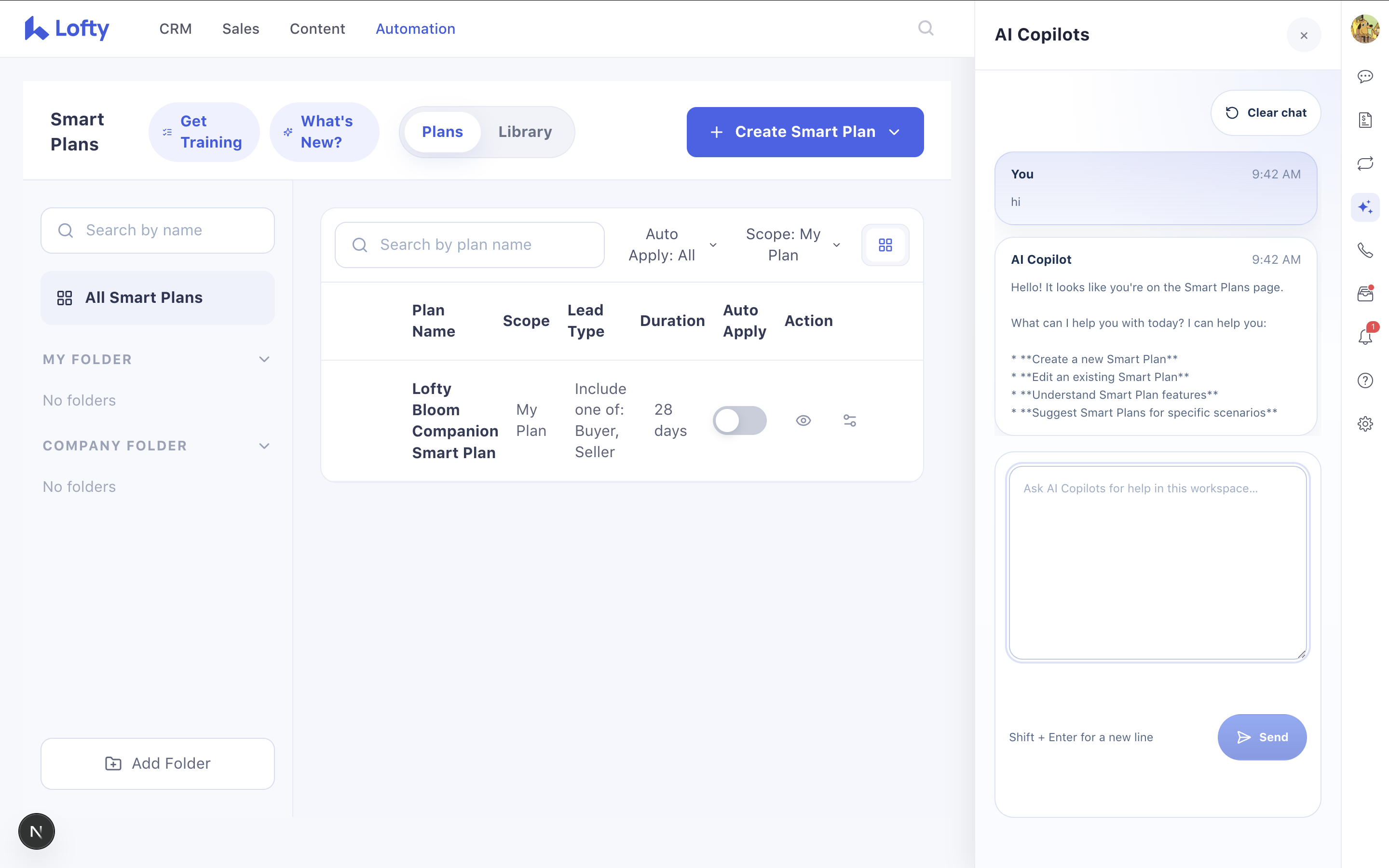
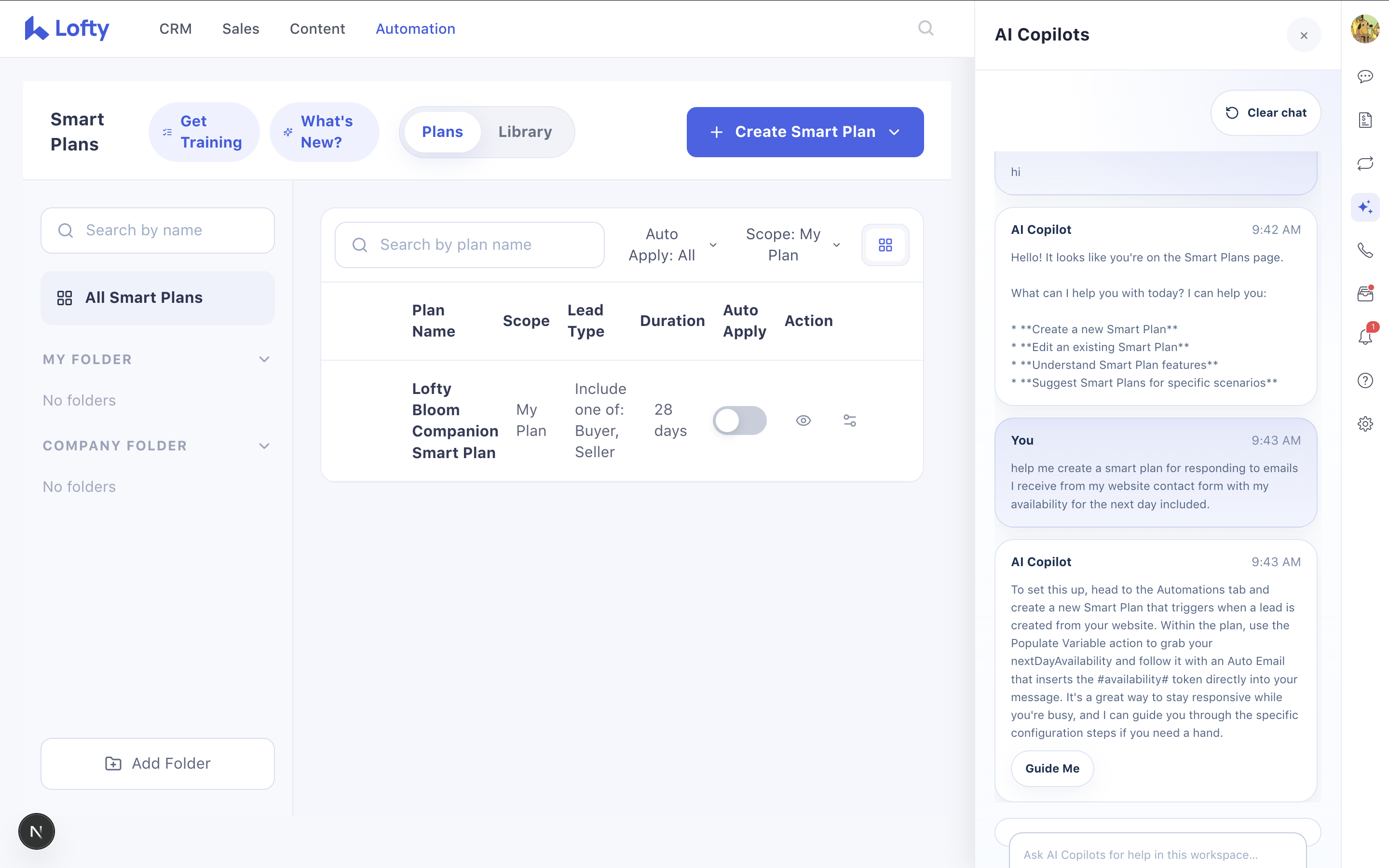
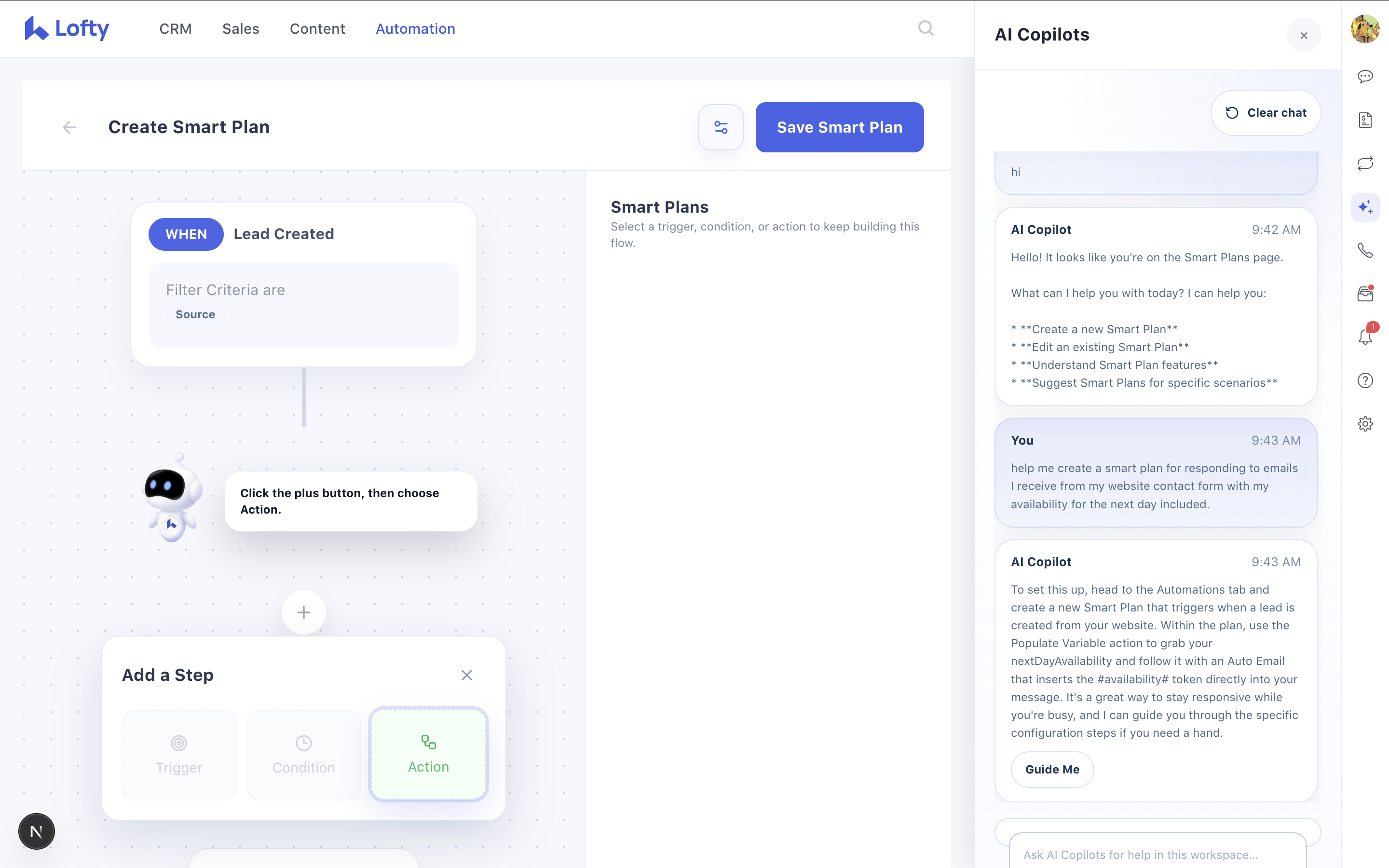
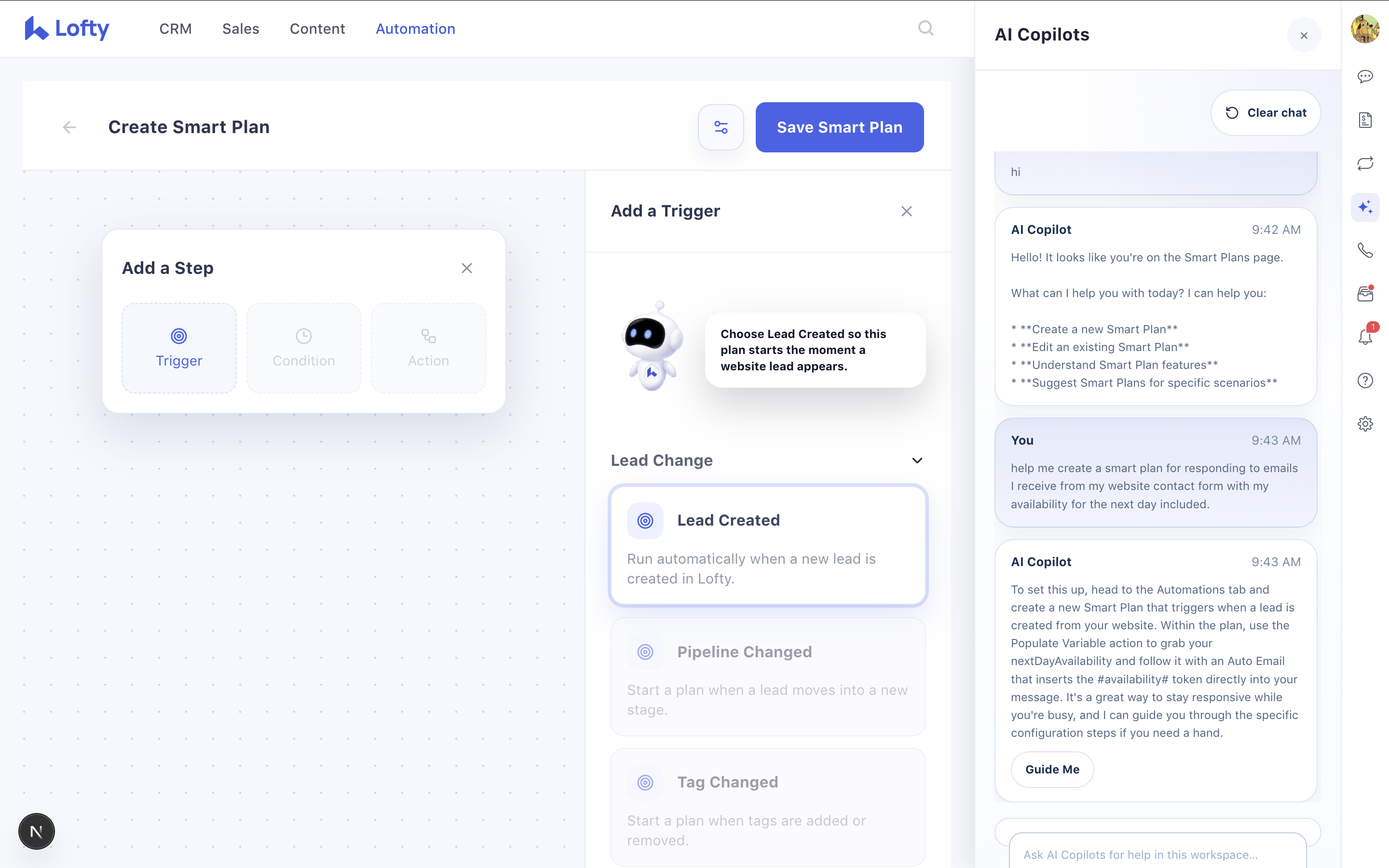
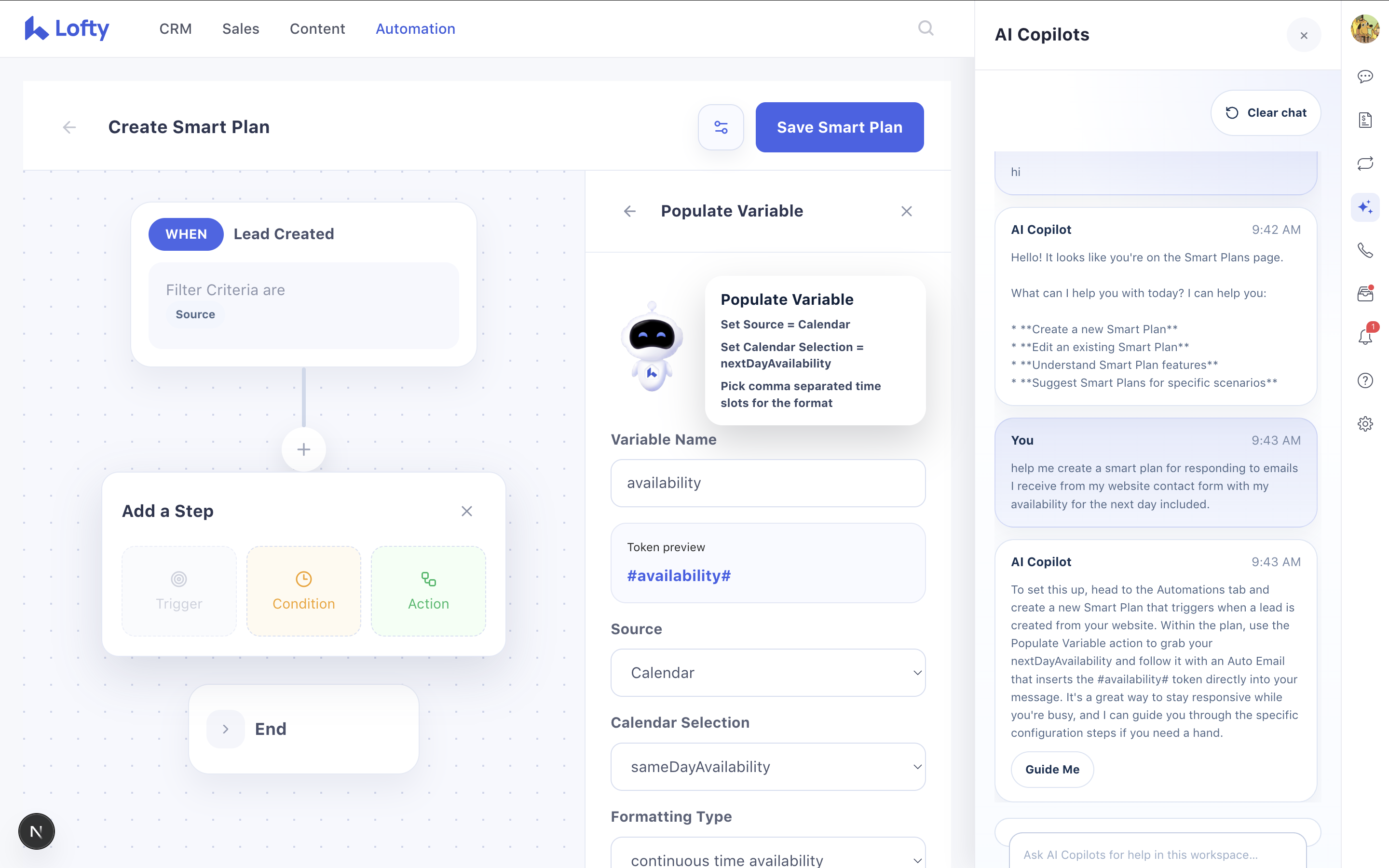
The second core feature is an AI assistant that does more than answer questions. Rather than acting like a passive chatbot, it actively helps guide the user through the dashboard to complete tasks. It can explain what different parts of the workspace do, help users navigate the right tools, and support them as they move through workflows. Our goal was to make the assistant feel like a product guide and action partner, not just a question-answering interface.
The third core feature is a negotiation agent designed for real estate deal coordination. In many transactions, communication gets fragmented across buyer agents, seller agents, homeowners, and potential buyers. Our negotiation agent helps keep everyone aligned by tracking the state of the negotiation and making the latest context easier to understand. Instead of leaving people confused about where the deal stands, it creates a clearer shared picture of what has been offered, what is still pending, and where the conversation is moving.
How we built it
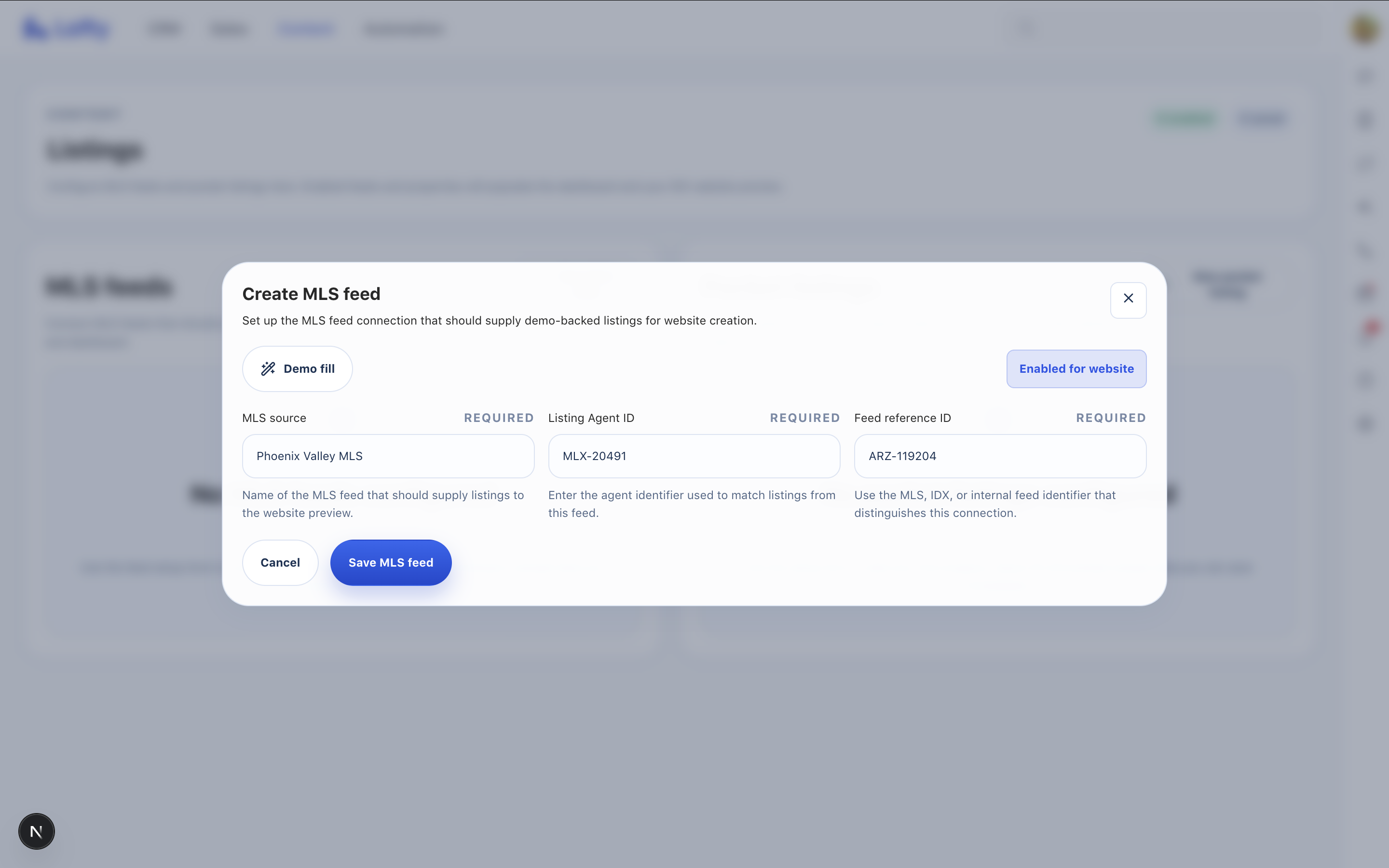
We built our prototype as a coded demo using TypeScript, React, and Next.js. We used realistic seeded data and config-driven logic to simulate different user roles, dashboard states, and negotiation scenarios. We also integrated AI-powered workflows to support guided assistance and negotiation analysis, along with backend infrastructure for managing app state and communication data.
Challenges we ran into
One of the biggest challenges we faced was balancing intelligence with clarity. We wanted the experience to feel adaptive and proactive, but not confusing or overly automated. Personalizing the dashboard meant deciding which features should be essential, which should be optional, and how much control users should have over customization. Building the AI assistant also required us to think carefully about trust: users need guidance that is helpful and actionable, not vague or intrusive. For the negotiation agent, the challenge was making a complex multi-party process feel simple, transparent, and easy to follow.
What we learned
What we learned is that AI-native design is not just about adding AI features into an existing interface. It is about reshaping the experience around context, relevance, and action. A better dashboard is not one with more widgets; it is one that understands who the user is and helps them focus on what matters. A better assistant is not one that talks more; it is one that helps the user move forward. And a better negotiation experience is not one with more messages; it is one where everyone can stay aligned.
We also used AI tools during the hackathon to move faster and improve the quality of our work. We used Codex to accelerate implementation and refine technical flows, and we used Gemini to support ideation, iteration, and copy development throughout the project.
In the end, our project is our vision for a more intelligent real estate platform: one that adapts to the user, guides them through work, and reduces confusion in one of the most communication-heavy parts of the industry.
Built With
- config-driven
- data
- demo
- elevenlabs
- gemini
- local
- lucide
- models
- next.js
- openrouter
- prototyping
- react
- realistic
- seeded
- supabase
- typescript

Log in or sign up for Devpost to join the conversation.