
Inspiration
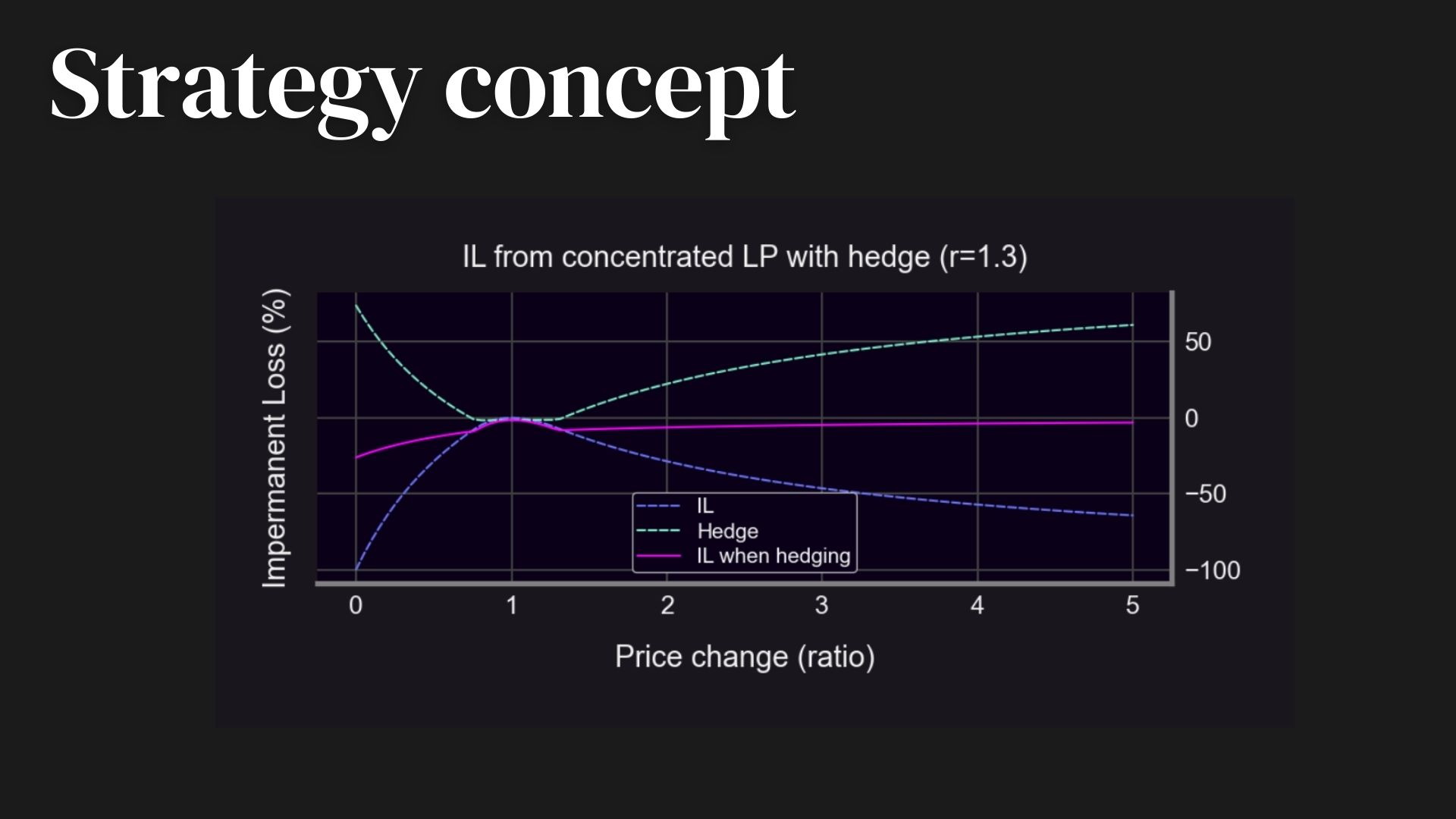
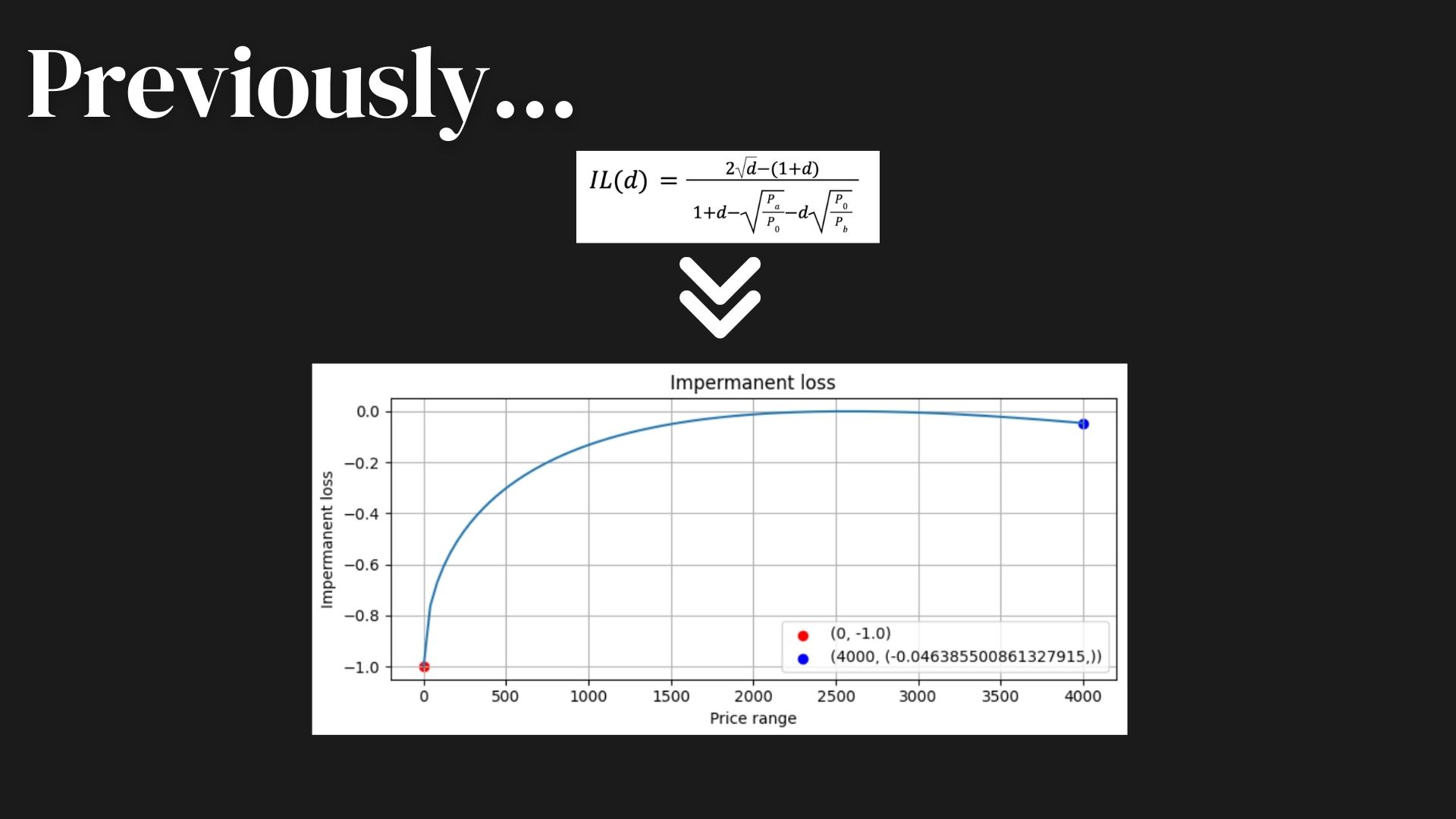
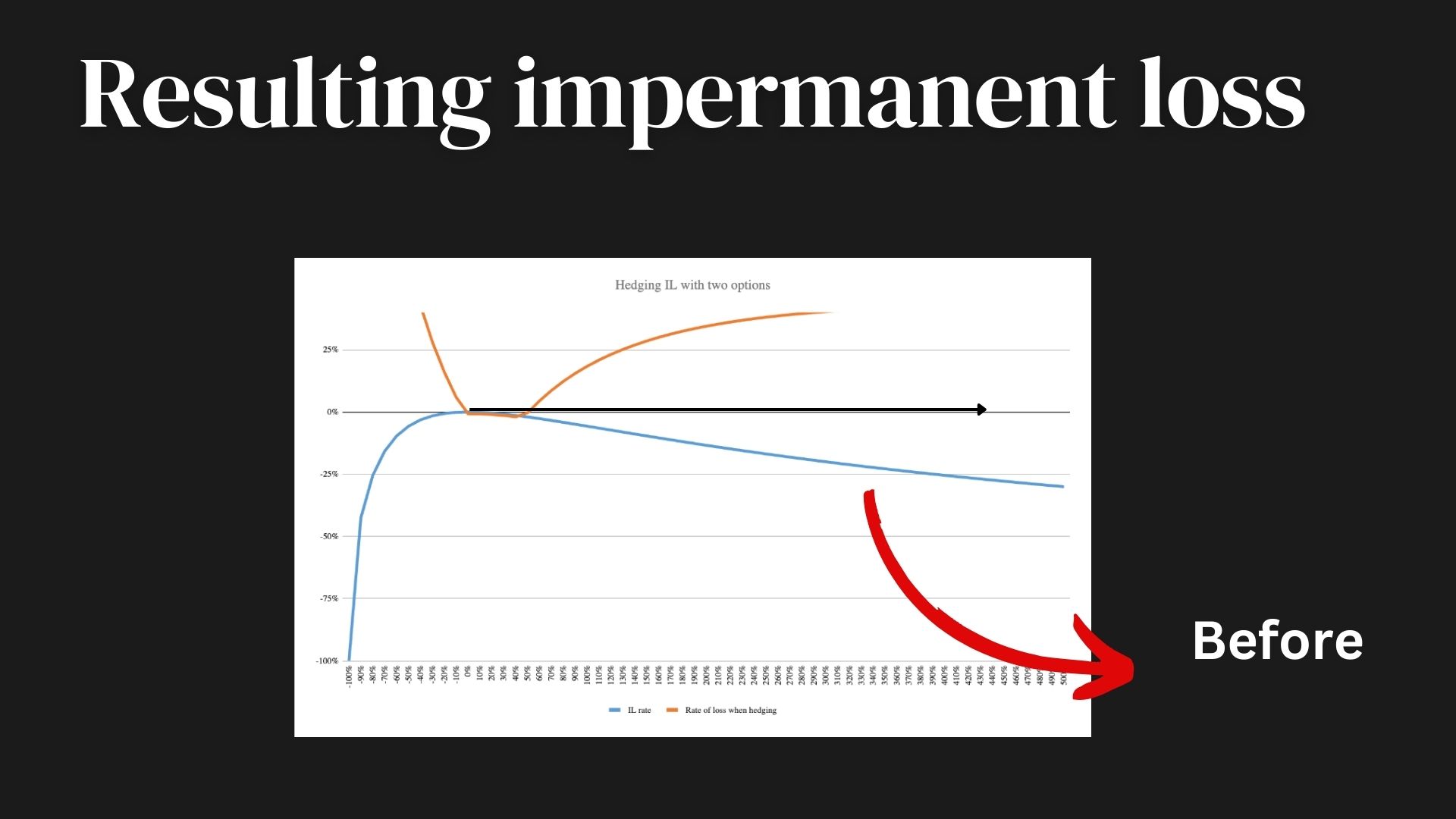
Following the model of Uniswap V3, the impact of impermanent loss for LPs becomes more pronounced, particularly in cases when liquidity is concentrated.
What it does
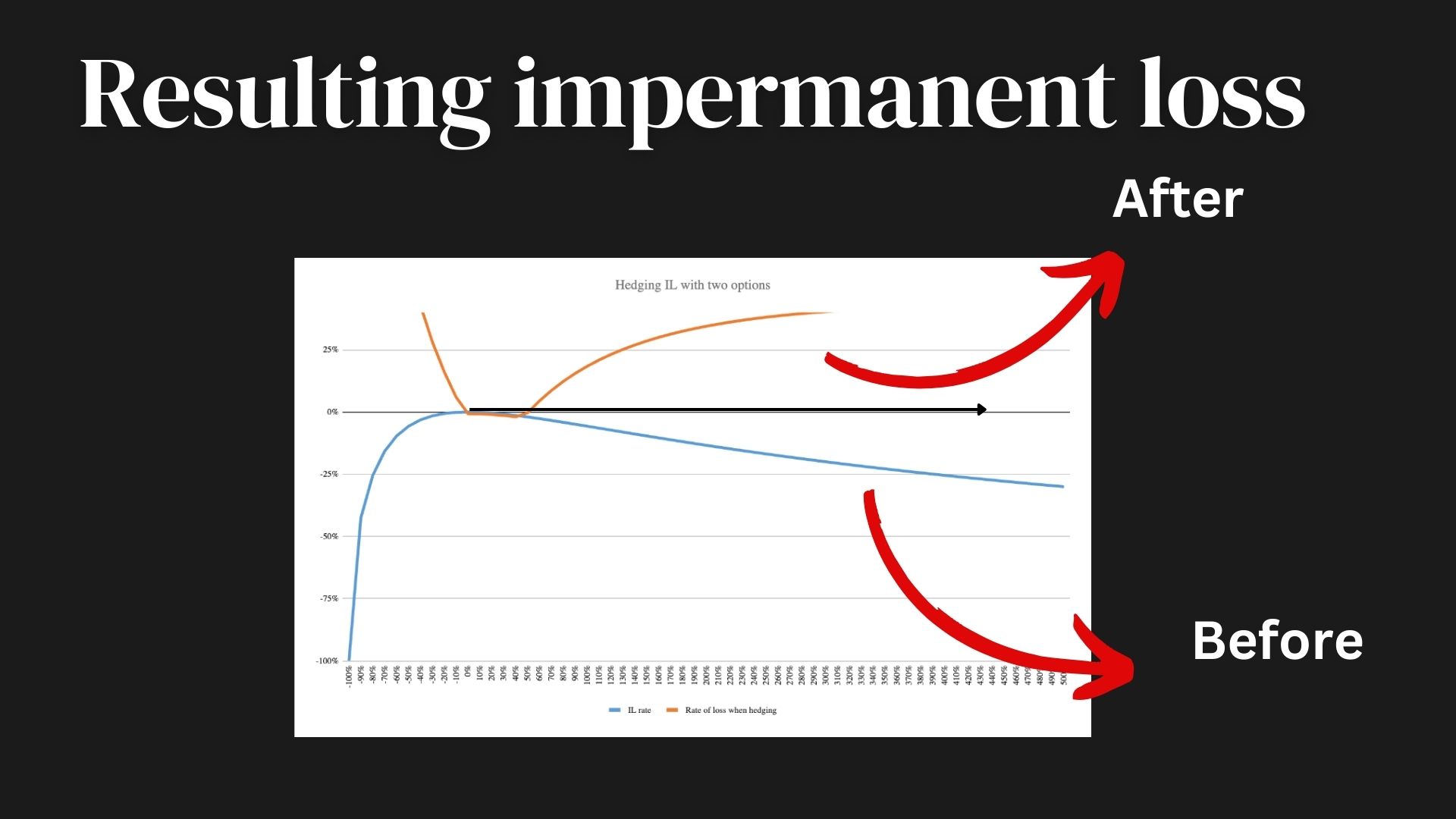
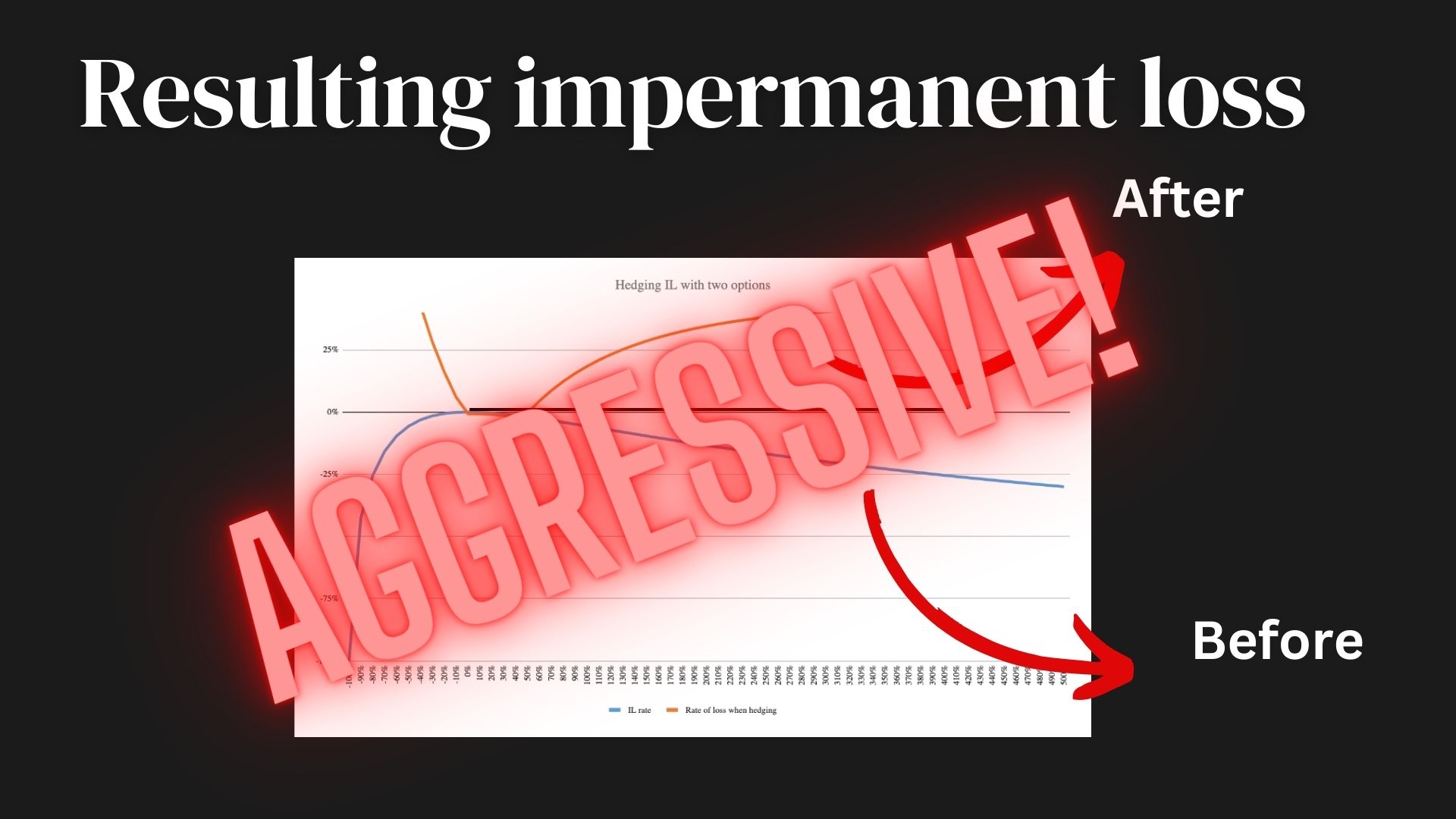
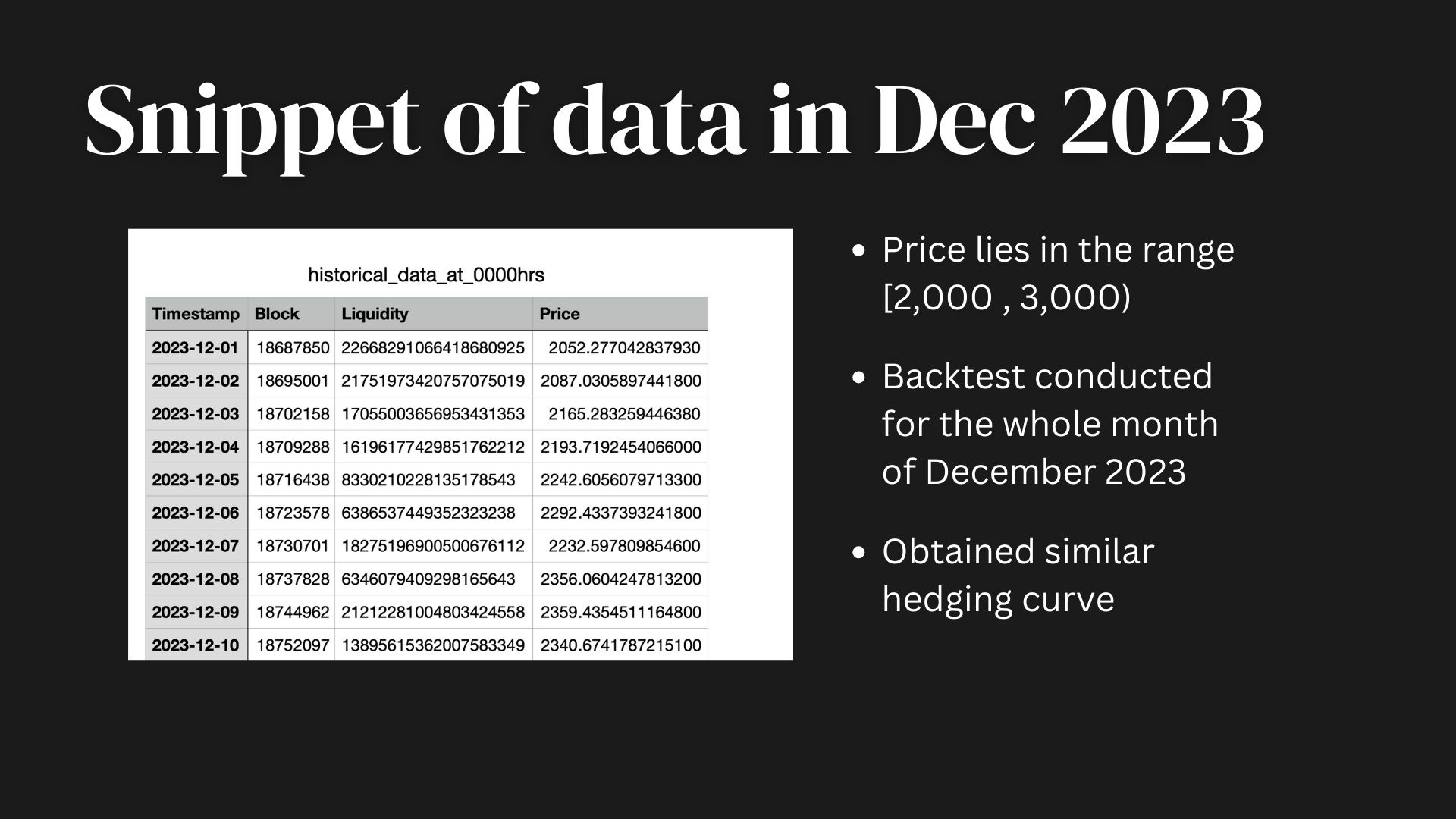
Our project models the impermanent loss and suggest strategies to optimise LPs' returns using long strangle option strategy and backtest it.
How we built it
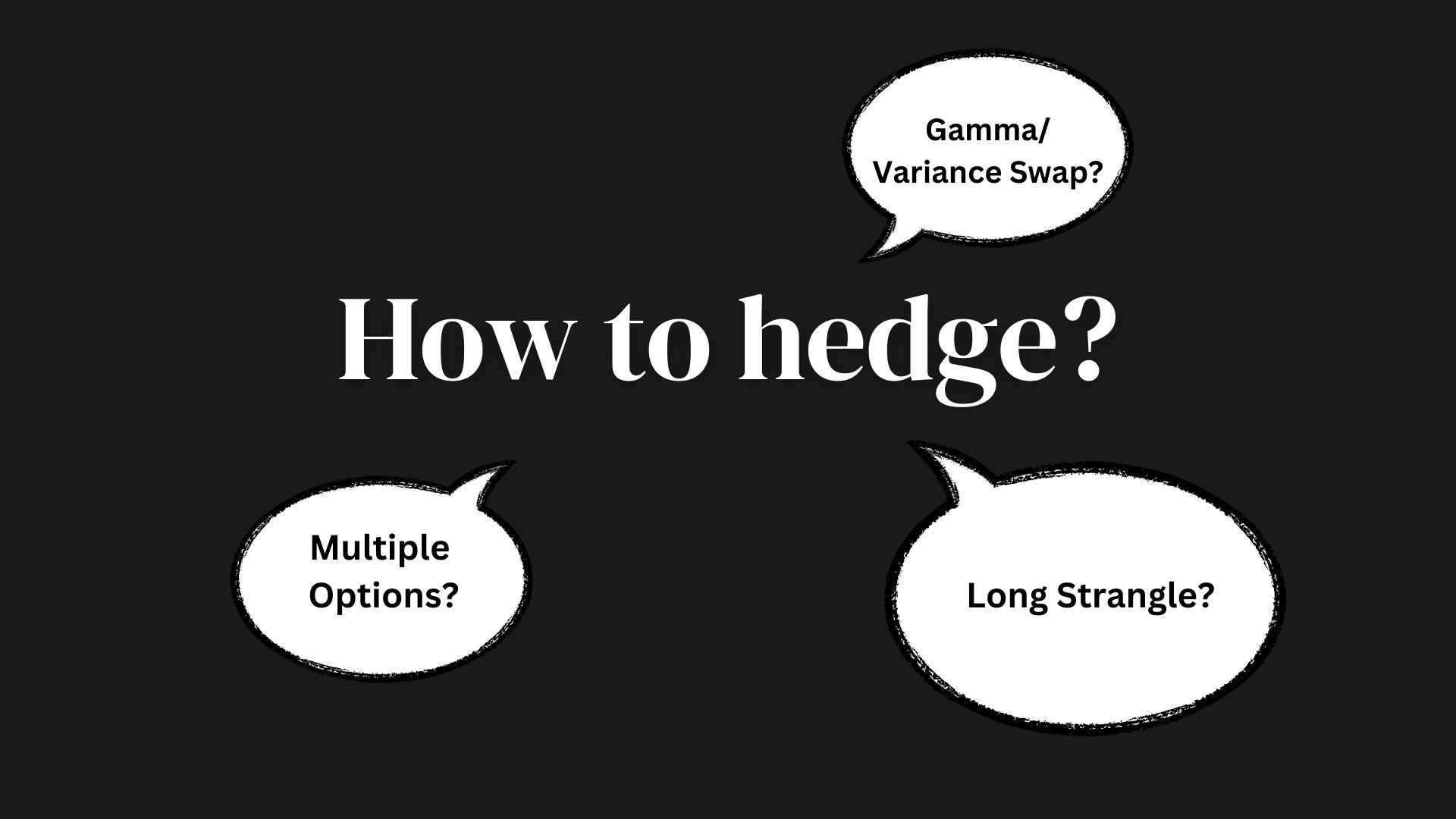
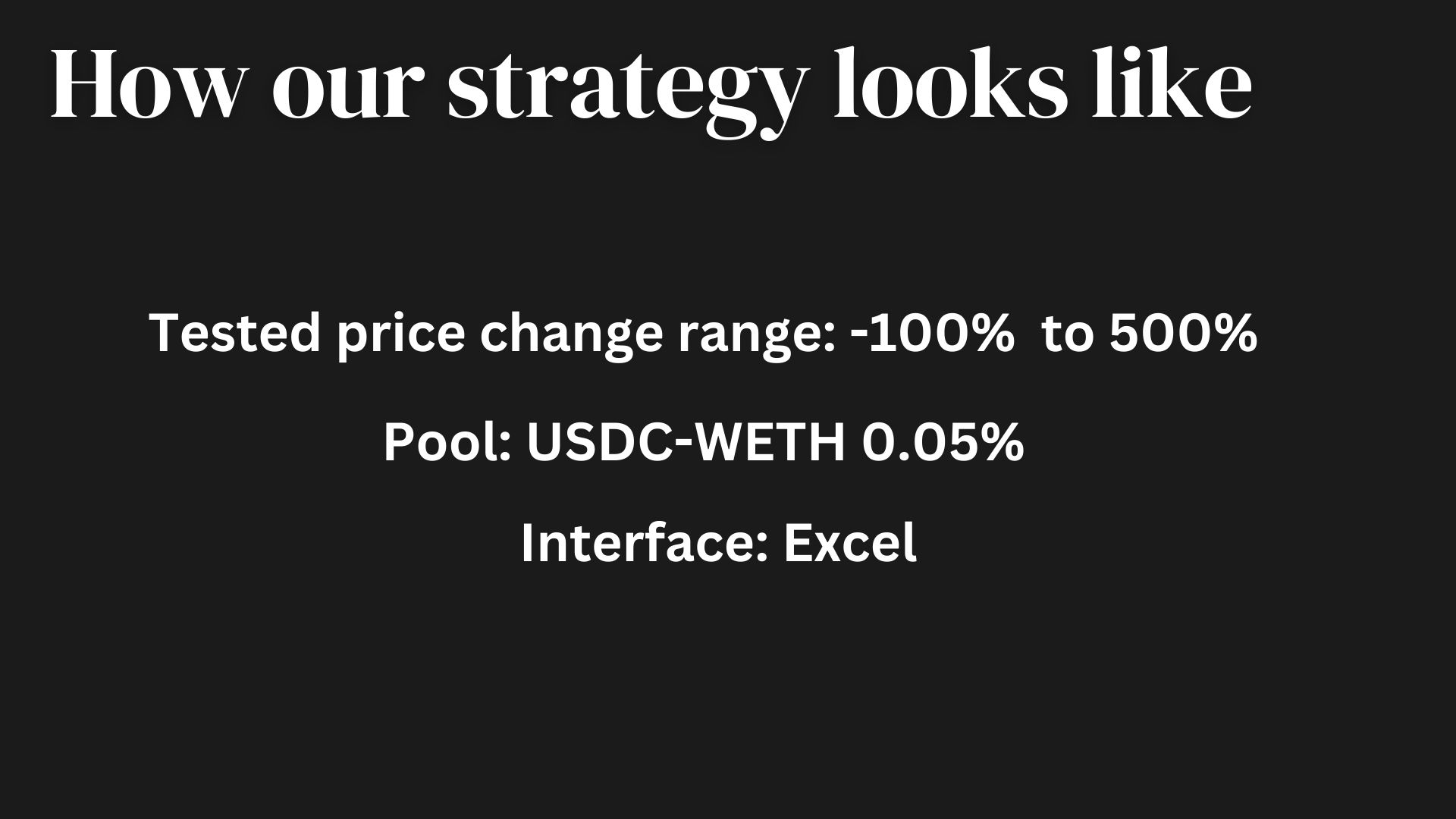
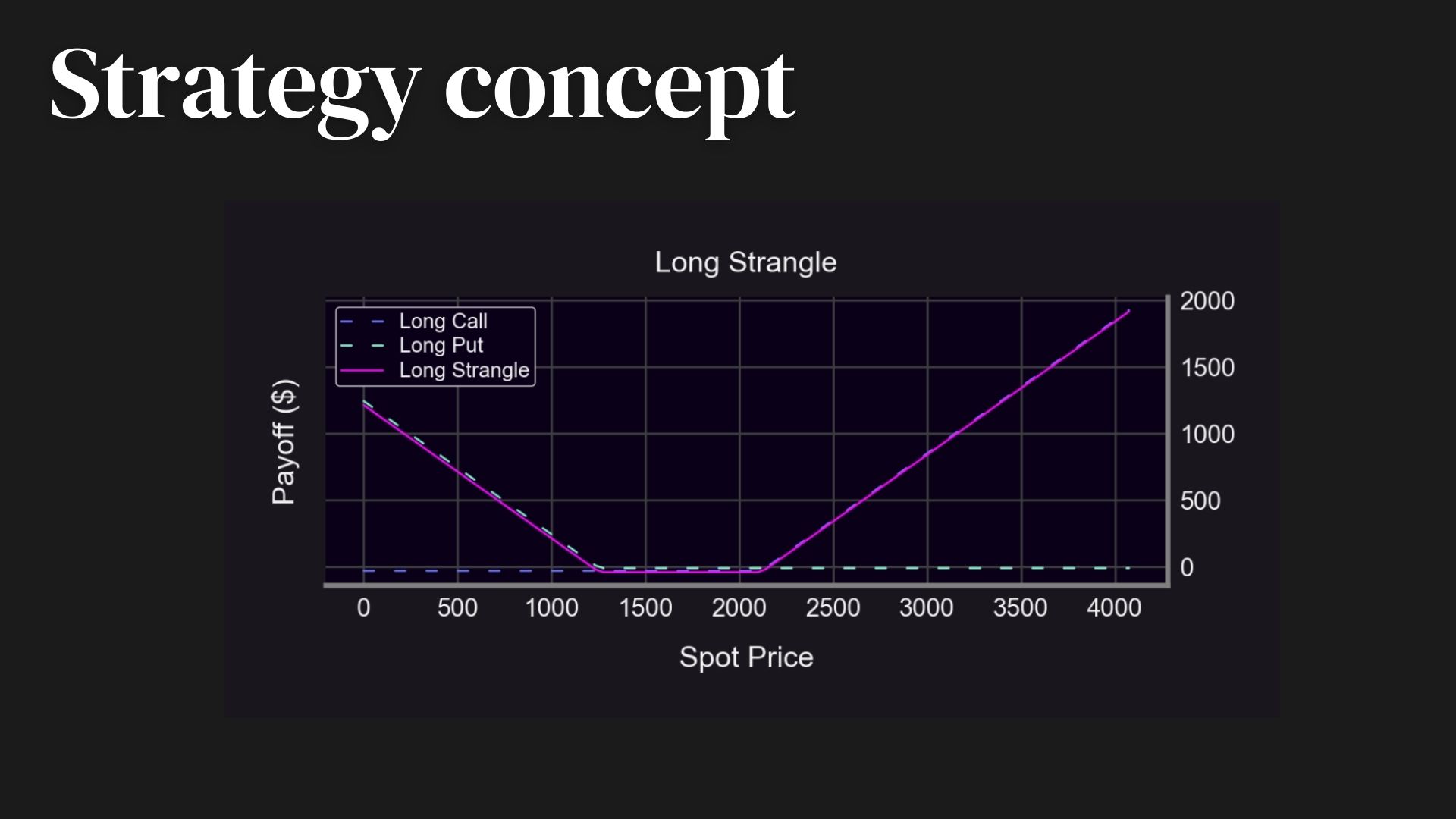
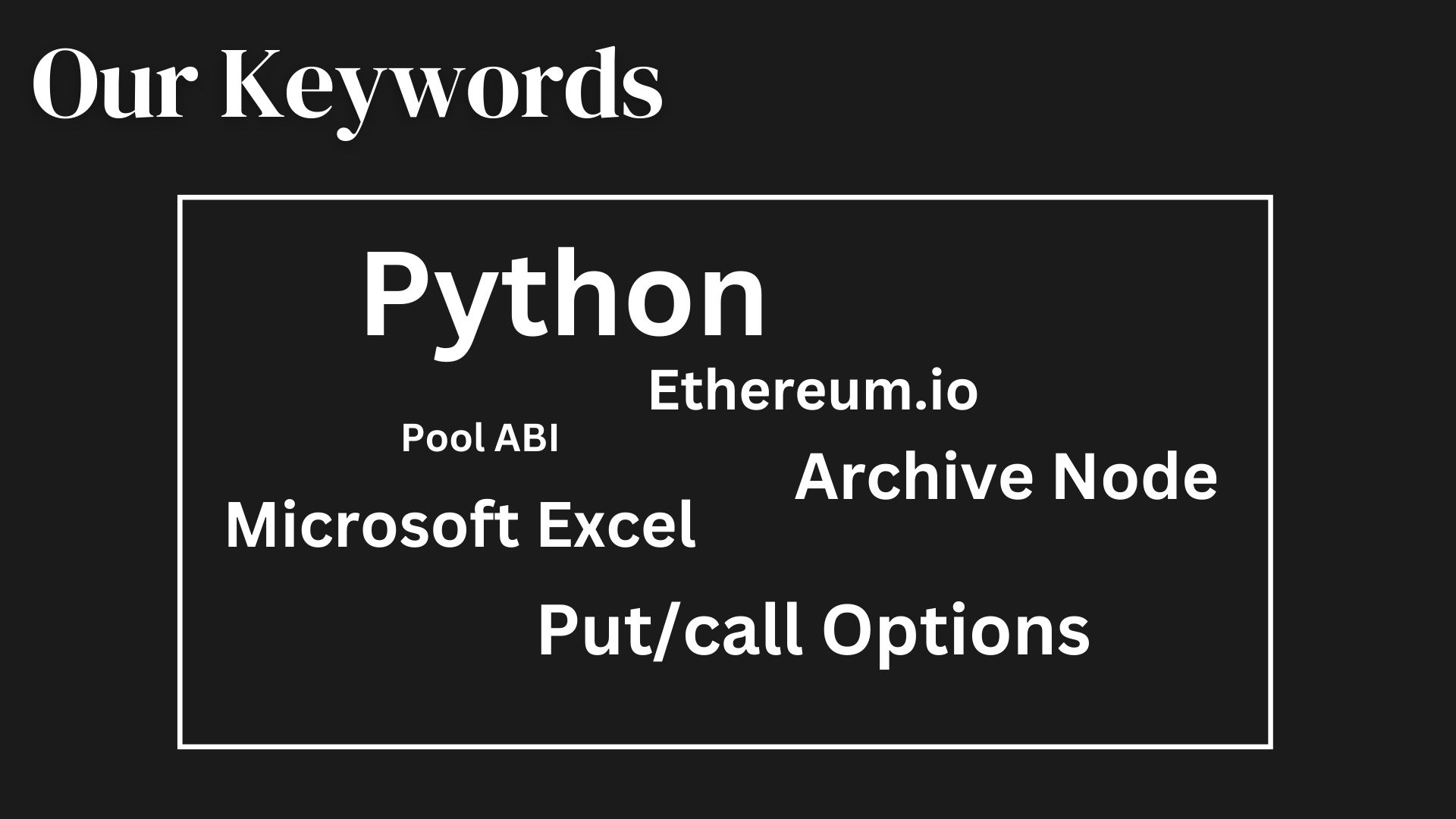
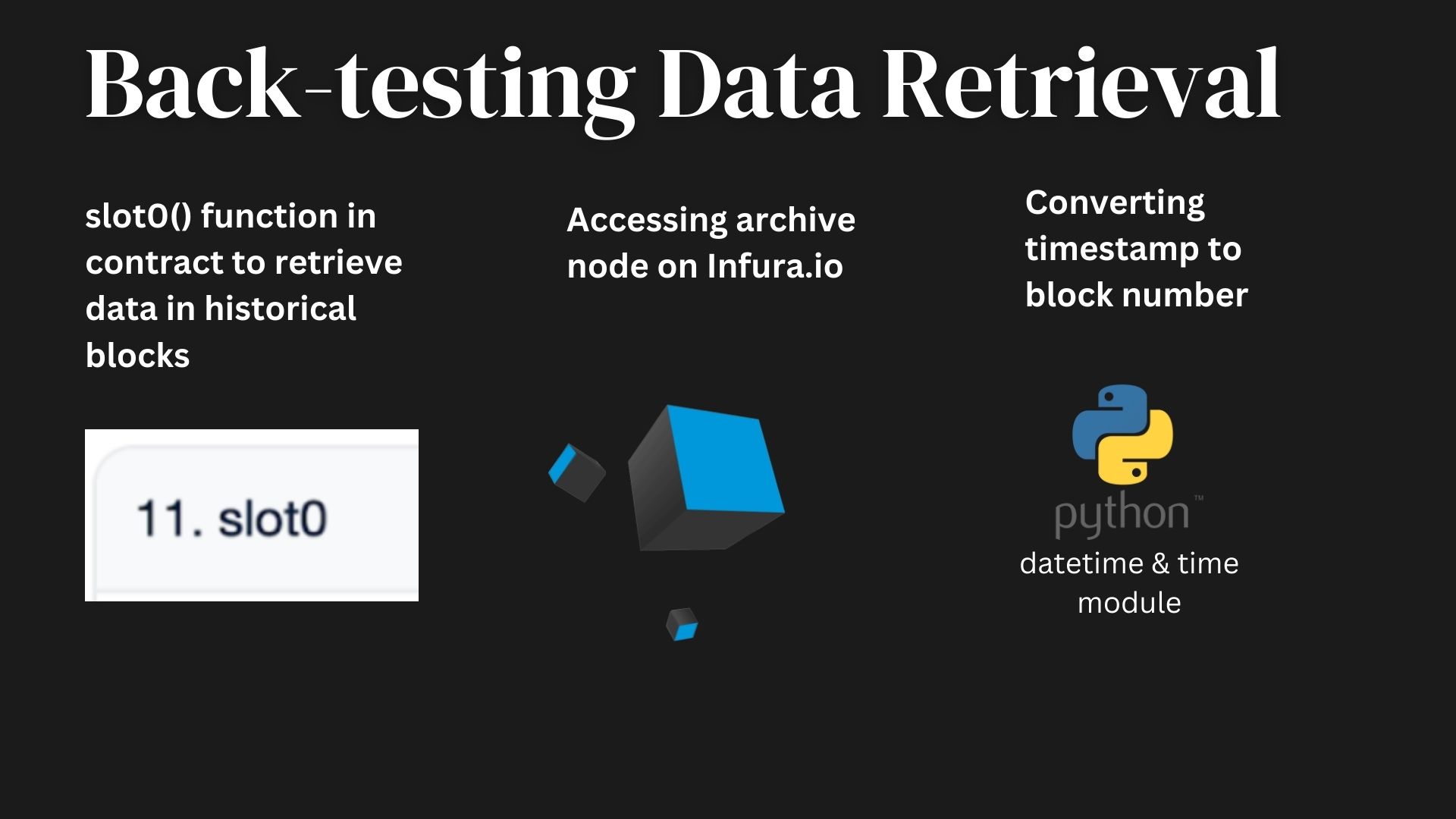
We use Uniswap V3 subgraph with Python as the main programming language to model the impermanent loss. And we use long strangle strategy to hedge the impermanent loss.
Challenges we ran into
The process of calculation of fees earned is quite puzzling, and the choice of specific option is rather difficult.
Accomplishments that we're proud of
We utilise our mathematical and programming language to create the model, and we successfully come out with a hedging strategy which pass the backtest.
What we learned
Some basic knowledge in modelling and possible hedging strategies (instruments) in quantitative finance. We also learnt data query using python.
What's next for Team lobang liquidity lord
- Refine our model of impermanent loss and create a pay off graph for a more quantitative visualisation.
- Improve our hedging strategy to get a higher yield, for example, using dynamic hedging and periodic hedging.
- Implement other hedging strategies, like those mentioned in the report, i.e swaps.
- Create a backtest model so that new strategies can be tested automatically.


Log in or sign up for Devpost to join the conversation.