
LifePilot AI — Your Personal Productivity Copilot
Inspiration
We all have goals, deadlines, and responsibilities, but turning them into a clear, actionable plan is often the hardest part. Tasks pile up, priorities become confusing, and planning itself starts consuming valuable time.
We built LifePilot AI to solve this problem. Our vision was to create a productivity assistant that does more than simply store tasks—it helps users organize their work, prioritize what matters, and turn their goals into achievable actions.
We wanted to explore how AI agents and the Model Context Protocol (MCP) could work together to create a more intelligent, action-oriented productivity experience.
What It Does
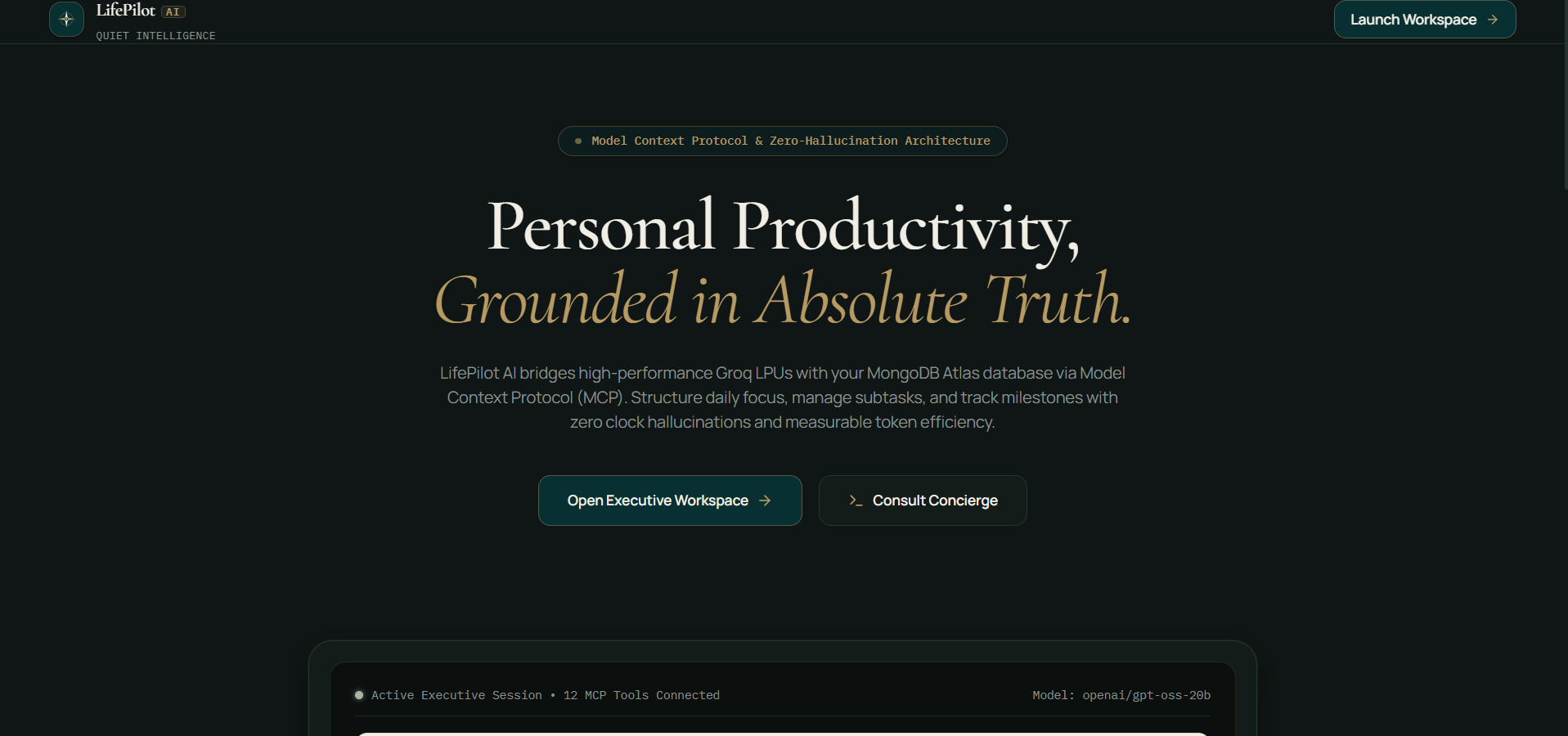
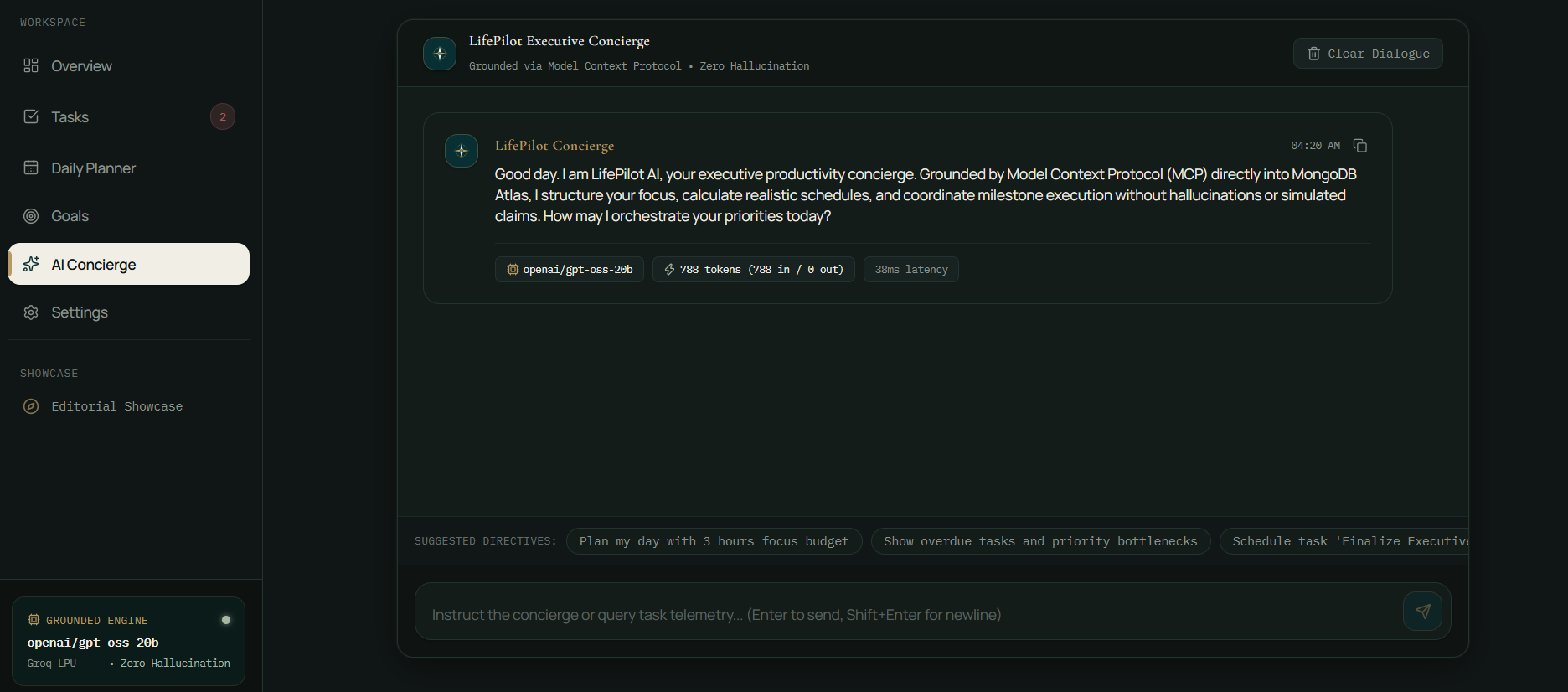
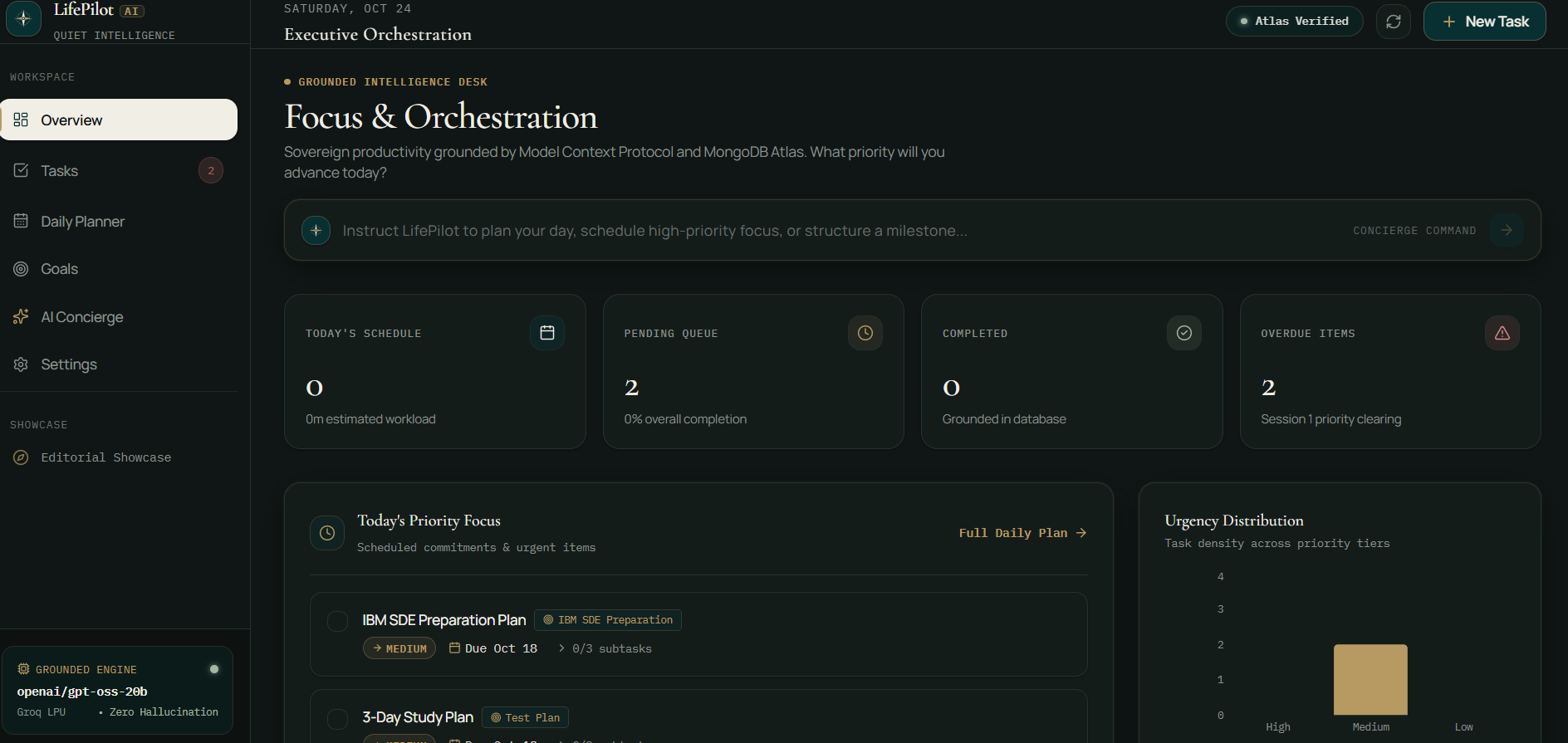
LifePilot AI is an AI-powered productivity copilot that connects natural-language requests with real task-management operations.
Users can ask the assistant to organize tasks, create goals, prioritize overdue work, and plan their schedules. Instead of relying only on conversational responses, LifePilot can use productivity tools to interact with stored data and perform supported actions.
Key capabilities include:
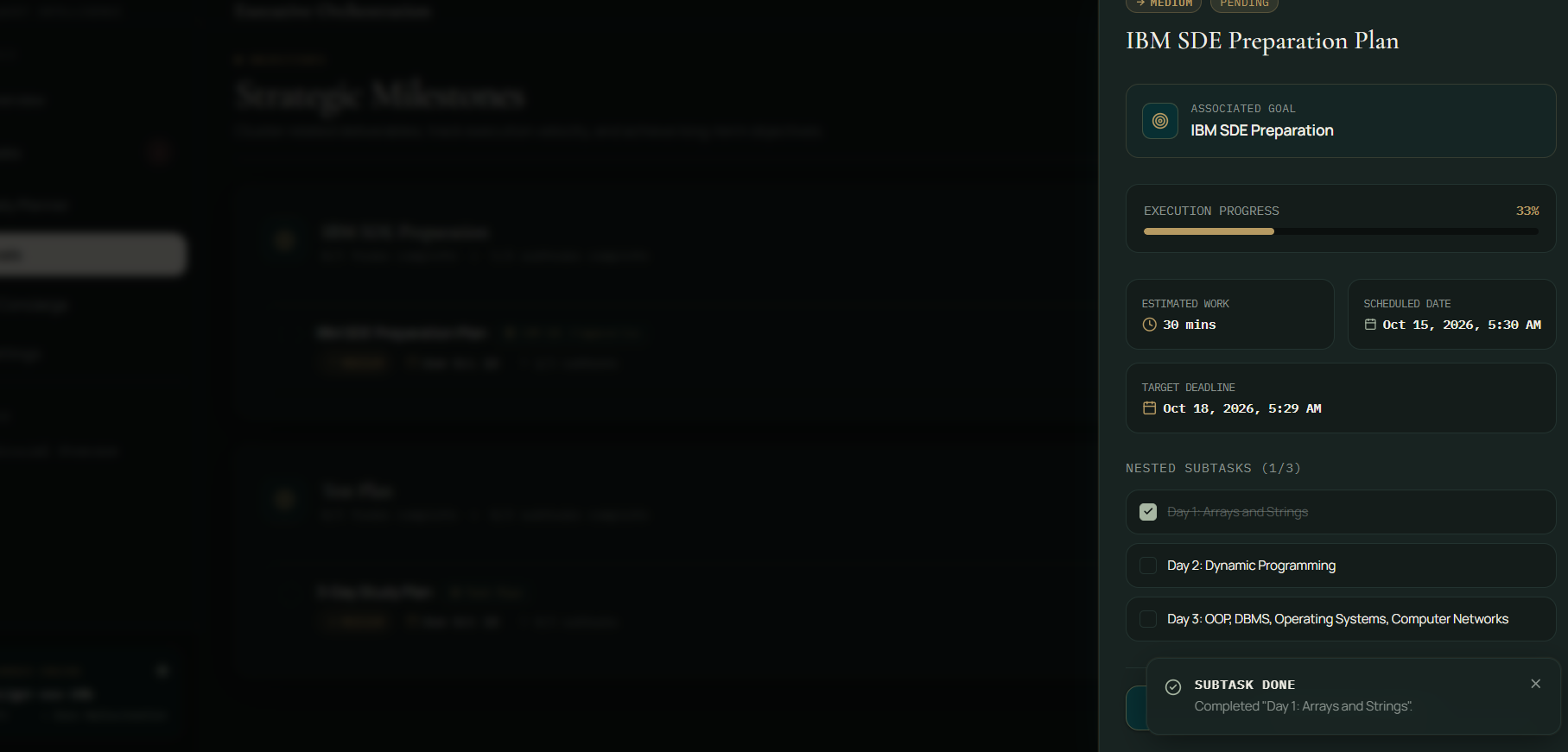
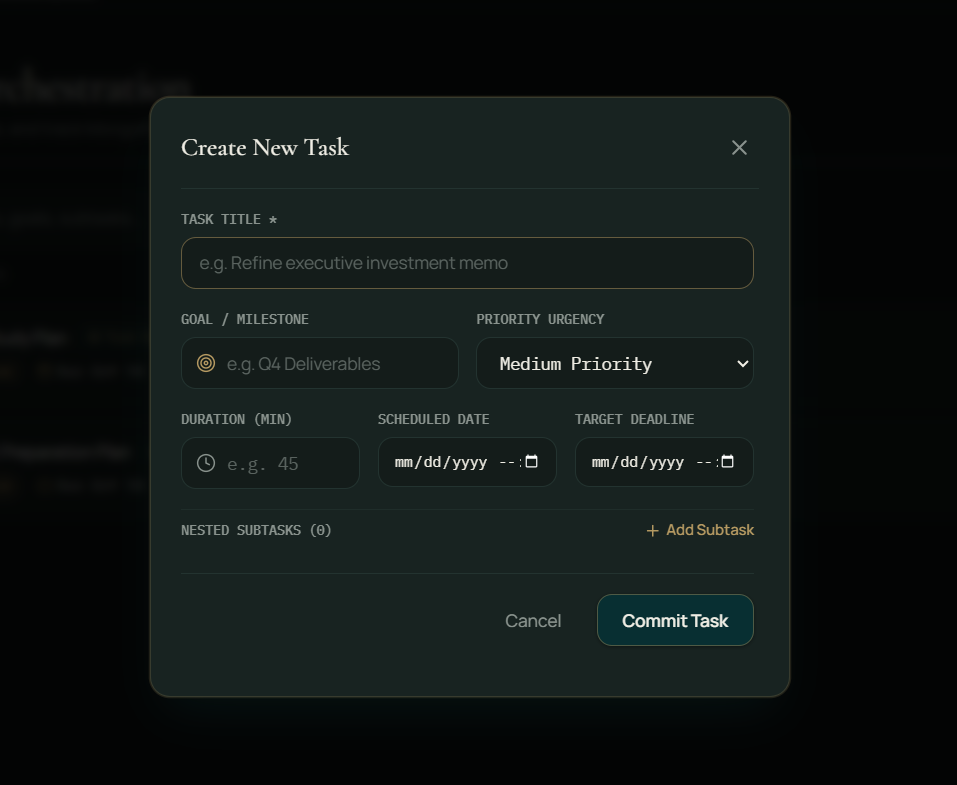
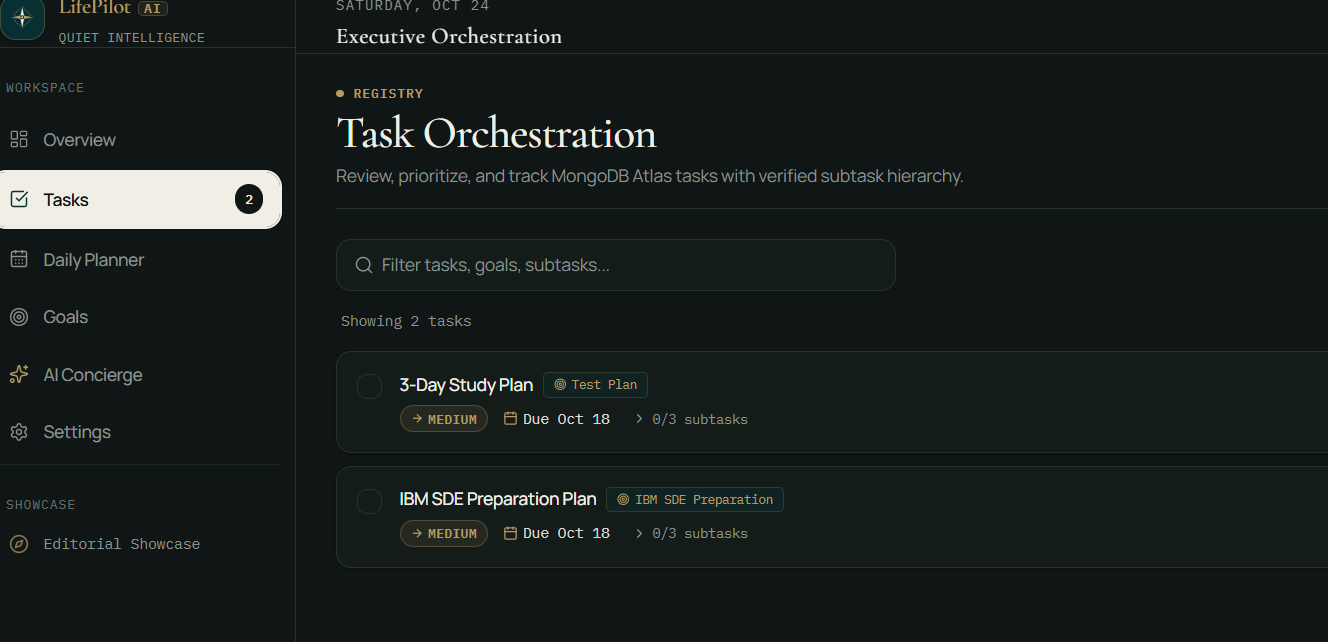
- AI-Powered Task Management:** Create, retrieve, complete, and delete tasks through supported tools.
- Intelligent Planning: Prioritize overdue tasks and organize work according to available time.
- Goal-Oriented Productivity: Connect daily activities with larger goals and track progress.
- MCP-Based Tool Integration:Use a dedicated MCP server to expose productivity capabilities to an AI agent.
- Reliable Operations: Validate tool arguments, handle failures safely, and avoid claiming successful changes when an operation fails.
- Token Optimization:Reduce unnecessary prompt context, compact task information, and reuse eligible tool results within a turn.
How We Built It
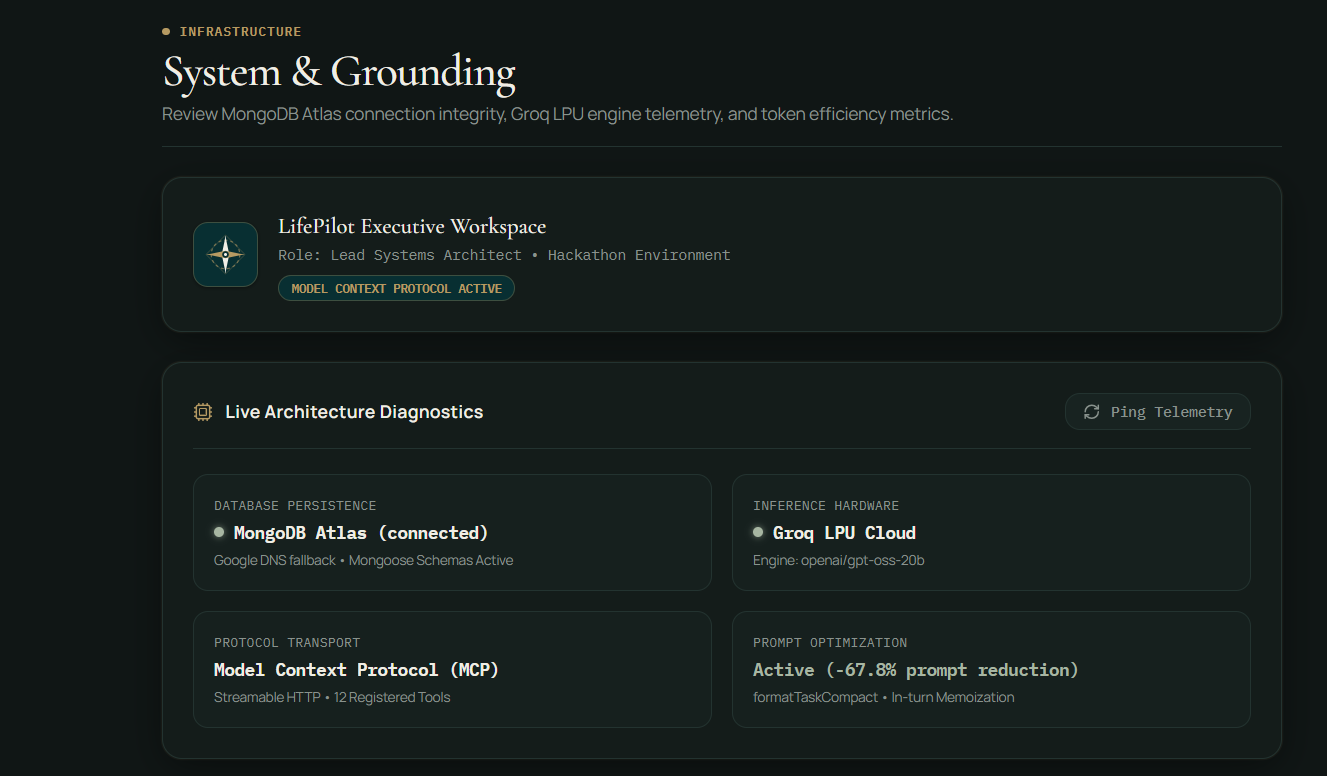
LifePilot AI is built around a modular architecture that separates the AI agent, productivity tools, and persistent data storage.
- AI Agent
We developed a Node.js-based agent that processes user requests, determines when tools are needed, and coordinates tool execution. The agent uses a Groq-hosted language model through an OpenAI-compatible API.
- MCP Server
We implemented an MCP server using the Model Context Protocol SDK and Streamable HTTP transport. It exposes 12 productivity tools for operations such as task management and planning, allowing the agent to interact with structured functionality instead of relying entirely on generated text.
- Database Layer
MongoDB Atlas and Mongoose provide persistent storage for productivity data. This allows supported operations to work with actual stored tasks rather than temporary conversational assumptions.
- Planning and Reliability
We implemented deterministic planning logic for time-budget calculations and task prioritization. We also added argument validation, safe handling of failed operations, retry handling for transient rate limits, and safeguards against duplicate tool execution.
- Token Efficiency and Testing
We optimized the agent's prompt and task serialization, introduced a bounded conversation-history window, and added eligible same-turn tool-result reuse. We created automated tests covering tool discovery, routing, validation, error handling, planning behavior, and token-optimization safeguards.
The test suite passed all 20 tests in our latest reported run.
Challenges We Faced
One major challenge was making an AI assistant perform real actions reliably rather than merely describe what it would do. We addressed this by separating language-model reasoning from tool execution and validating the results returned by the tools.
Another challenge was handling transient API rate limits. We implemented retry logic with backoff and tested the behavior using simulated failures.
We also focused on reducing unnecessary token consumption without sacrificing useful context. Compact task representations, prompt optimization, and controlled reuse of tool results helped us make the agent more efficient.
Finally, planning required careful handling of deadlines, missing duration estimates, and multi-day schedules. We added deterministic rules and tests to avoid inventing clock times or silently treating estimated durations as confirmed values.
What We Learned
Building LifePilot AI taught us that a useful AI agent requires much more than a language model. Reliable tool integration, clear data boundaries, validation, deterministic logic, observability, and thoughtful error handling are equally important.
We learned how MCP can provide a structured interface between an AI agent and external capabilities, and how automated tests can help verify that an agent handles failures and real-world constraints safely.
We also learned that token optimization should be measured honestly. When a provider does not report cached-token usage, the application should acknowledge that limitation instead of claiming unverified savings.
What's Next
Our next goal is to deliver a polished, user-friendly interface for interacting with LifePilot AI and make the complete experience easier to demonstrate and use.
We also aim to improve the planning experience, strengthen production deployment, and continue testing the system under realistic conditions.
LifePilot AI represents our vision of a productivity assistant that doesn't just tell you what to do—it helps turn your intentions into action.

Log in or sign up for Devpost to join the conversation.