-
-
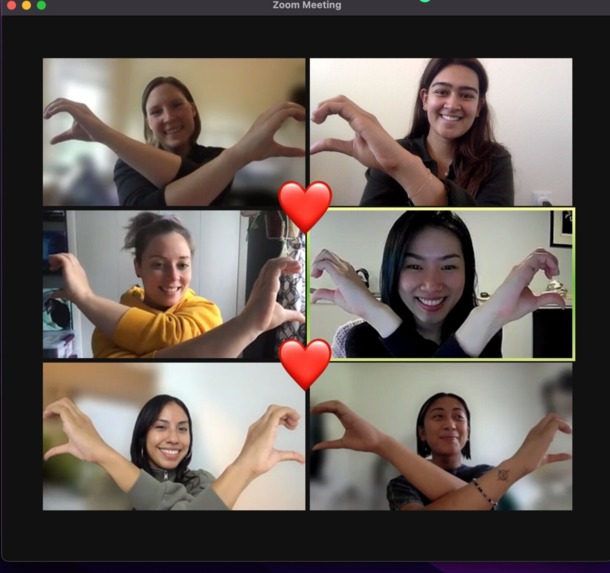
Team Hexaspice for DBSA <3
-
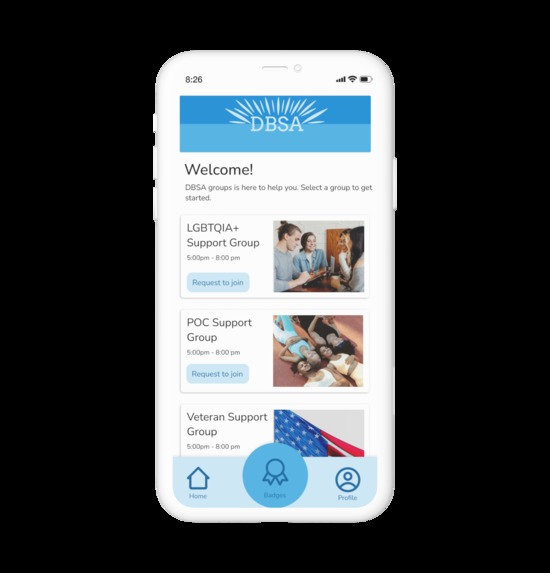
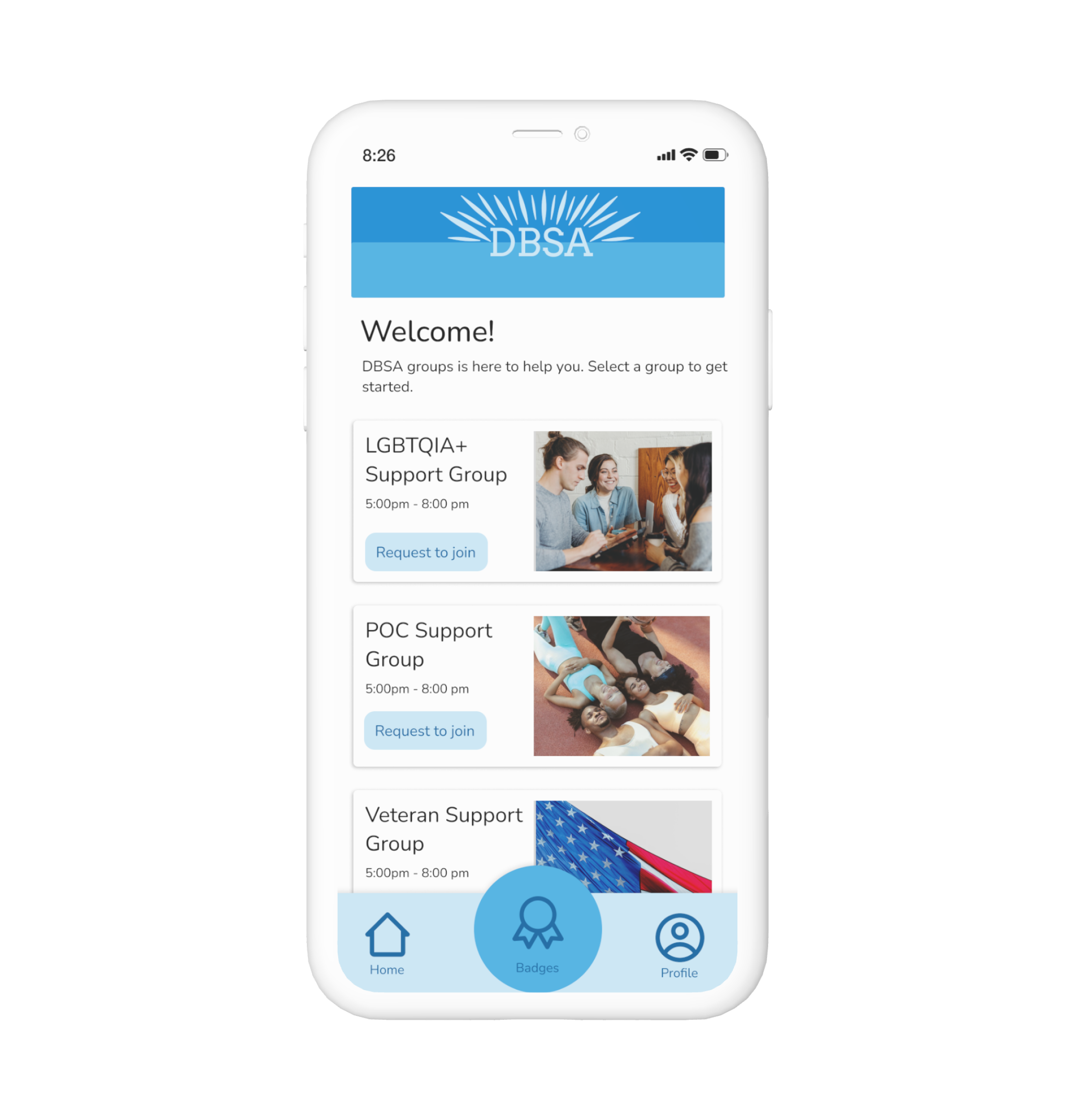
DBSA Wellness Tracker Home Screen
-
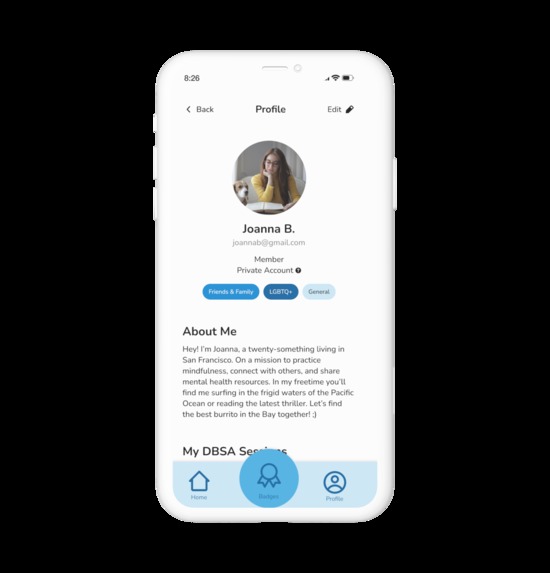
DBSA Wellness Tracker Member Profile Screen
-
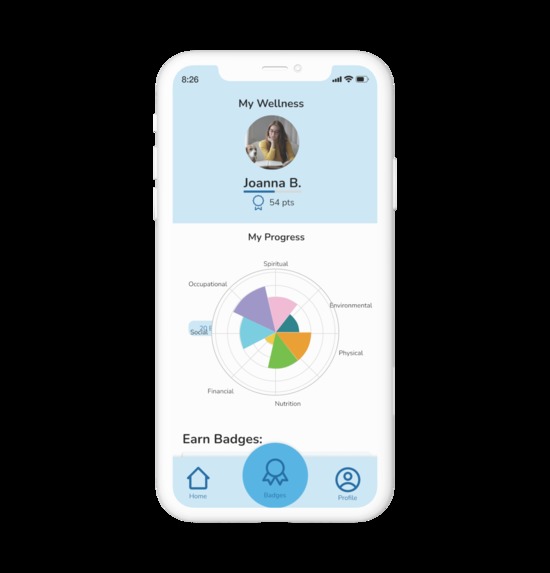
DBSA Wellness Wheel Screen
-

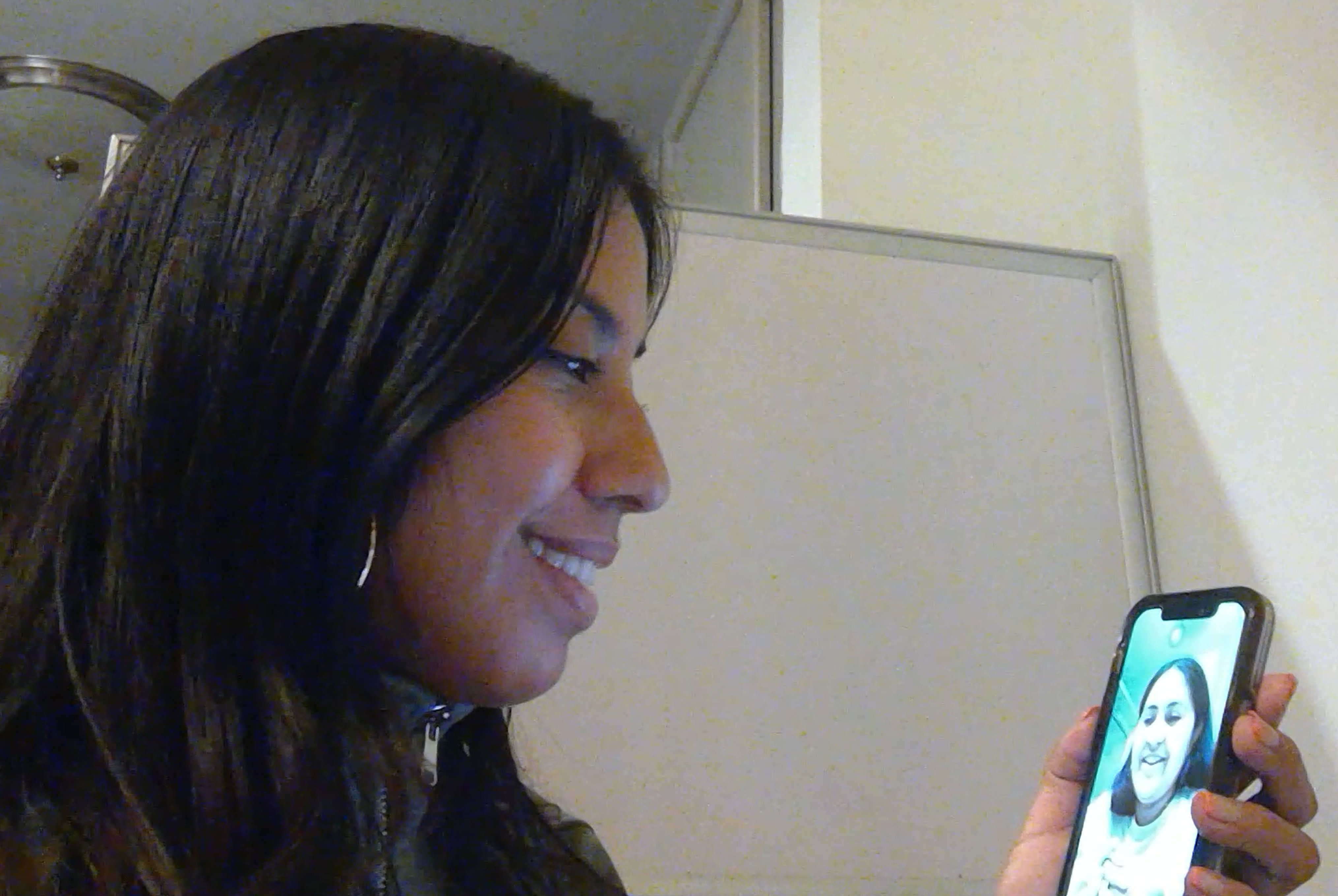
User Interview with UX Researcher, Erica



Inspiration
The Hexaspice team was inspired by DBSA’s commitment to offering free online peer support, easily digestible information related to mental illness, and empowering tools that encourage individuals to self-manage their mental health care. The problem statement was clear, efficient, relatable, and expansive leading the team to brainstorm endless ideas for a mobile app. Given the current state of the mental health crisis, high healthcare costs, stigmas associated with mental health, and pending legislation threatening marginalized groups, the team felt even more driven to create a mental healthcare app for individuals of all ages, backgrounds, and abilities.
What it does
The team developed three user flows for the DBSA Wellness Tracker App, ultimately providing users with free access to mental health resources, including virtual support groups, from anywhere.
User Flow 1: Open the mobile app, select mental health topics of interest, select support groups to join, create a member account
User Flow 2: View/edit member profile and set the account to public
User Flow 3: Access the DBSA wellness wheel to learn more about mental health, track progress and earn rewards empowering users to self-manage their care
How we built it
A robust design process was followed in order to develop the final prototype. The team started with an in-depth research process covering the current state of the mental health crisis, competitive analysis of apps providing similar mental health services, a SWOT analysis to understand where DBSA can provide innovation in the mental health space, and 3 user interviews with people outside of the Hackathon. Our initial assumptions were confirmed during the research leading the team to start sketching, wireframing, and prototyping for a mobile app providing mental health resources with a way to track progress and earn rewards. User testing of the high-fidelity prototype was done with a couple of hours to spare. The team was able to identify, prioritize, and iterate on three areas of improvement. The final high-fidelity prototype was developed in Figma and included in our 4 min video presentation.
Challenges we ran into
The team collaborated extremely well together, but faced a few challenges inherent to Hackathons and communicating virtually.
Multi-tasking and delegating with a team of 6 people: With limited time to complete the project and multiple team members working on wireframes and addressing issues related to the project at once, it was challenging to monitor and control project tasks.
Communicating virtually only: When the COVID-19 pandemic started, people moved their social and even working lives online. Over the past two and a half years we’ve adapted to virtual methods of communication, however, there is something to be said about the synergy that happens in an in-person setting. While tools like Zoom and Slack are useful when communicating from afar, it can be difficult to
Limited time for user research, usability testing, and iterations: With only 24 hours to complete this sprint, we were left with very little time to conduct ample user interviews, surveying, and user testing. Thus leaving us with only a few opportunities to explore patterns and analyze feedback. Given more time, we would have been able to explore user needs and outcomes.
Lack of full-stack developer to implement a product ready for users: The Girls in Tech SF Hackathon was advertised as a no-code workshop, where anyone interested in providing tech solutions to humanitarian issues could participate. With the surge of UX/UI Designers entering the market, many participants identified as designers rather than front-end or back-end developers. As developers were in high demand and few and far between, the team was not able to secure a developer to convert the final design to a user-ready product.
Accomplishments that we're proud of
Hexaspice is a diverse group of UX/UI designers coming from a variety of backgrounds - many of them transitioning from successful and established careers! Prior to joining the hackathon, none of the Hexaspice members knew each other. In just over 24 hours, the team was able to meet, build rapport with each other, and develop a unique prototyped solution to the problem posed by the DBSA team. The team was also able to successfully delegate tasks like user interviews, wireframing, user testing, and presentation tasks to specific team members, which helped tremendously with time management. Team members in control of their own tasks were able to focus on work and report back individually with any high-priority issues.
What we learned
Throughout the hackathon, the team learned:
Dividing and conquering tasks made our team efficient with time management.
Utilizing a wireframe kit helped streamline the design process given the short time limit.
Staying positive, making jokes, and encouraging each other keeps morale up when you’re working late into the night and running on little sleep :)
What's next for DBSA Wellness Tracker App
Given more time, the team would focus on performing additional rounds of user testing (3-5 users), developing a priority revision matrix, and implementing high-reward, low-effort iterations.
In the future, the team is excited to design and implement the following features for the mobile app:
Journaling Prompts: Giving users an opportunity to incorporate meeting outcomes & log their feelings
Developing a Mentorship Program: Creating a space where individuals can immediately reach out to peers/mentors for support
Further Developing Tracking/Positive Reinforcements: Building a more in-tune application that provides more frequent reminders.
Built With
- canva
- figjam
- figma
- google-docs
- slack
- vue
- youtube
- zoom


Log in or sign up for Devpost to join the conversation.