Inspiration
The challenge of comparing and displaying a trio of genomic data in a user friendly way. We used the well-known IGV application to inform and build our project.
What it does
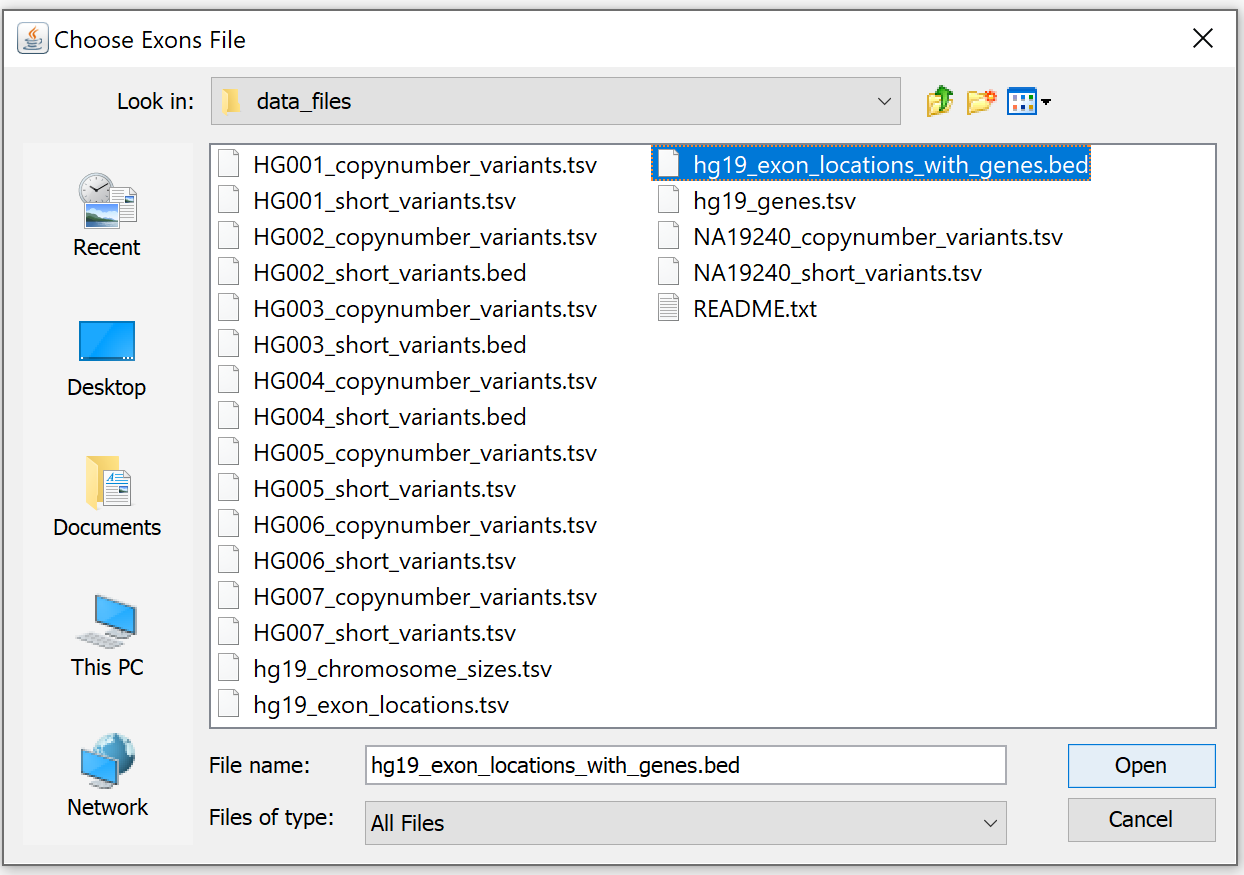
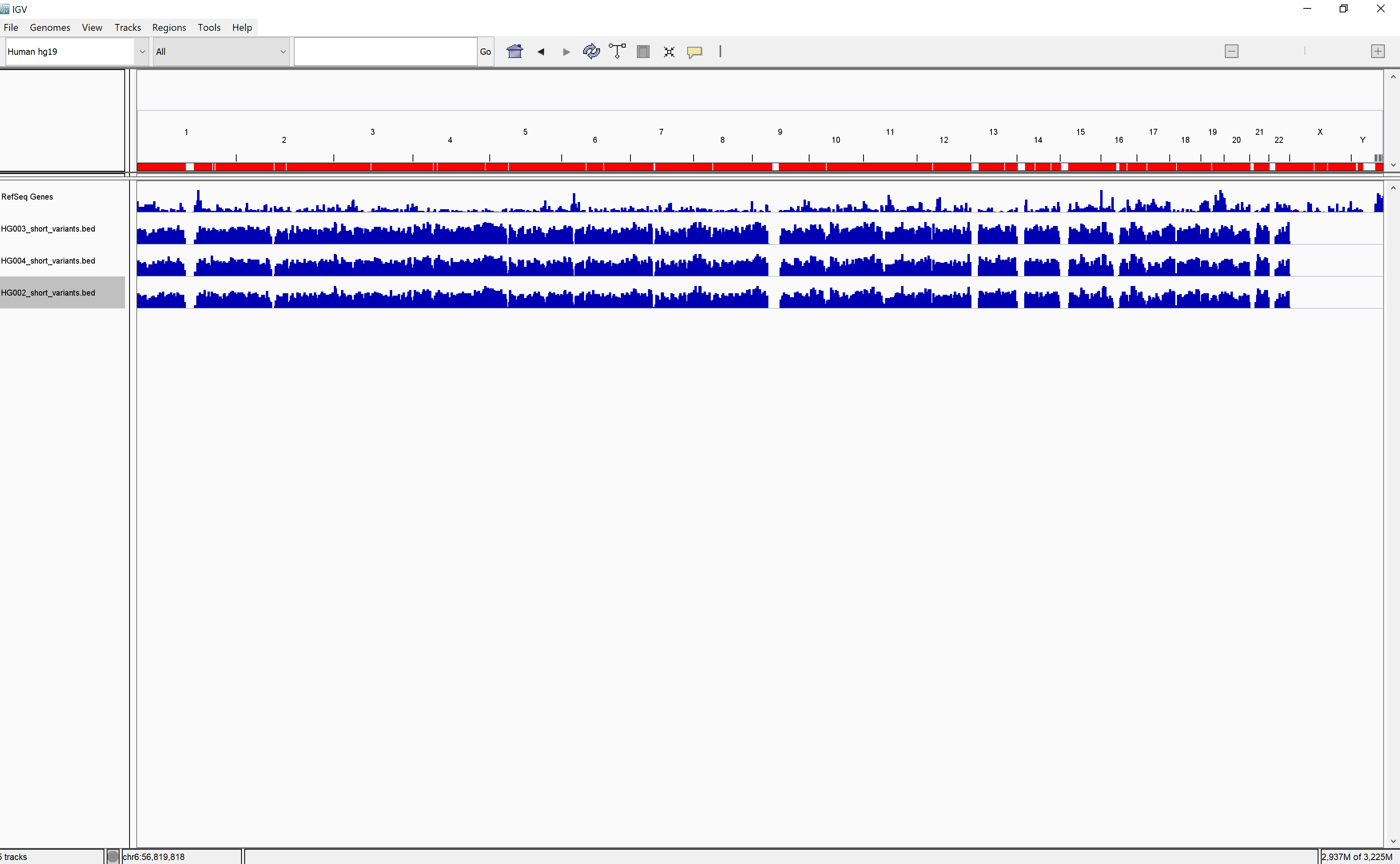
We were able to take the chromosome data from a trio of genomes, and compare, highlight, and identify possible variants with in the patient's genome that might cause genetic disorders. The variants we decided to highlight were heterozygous in the patient's parents, but became homozygous in the patient. Our visualizer makes it easy to compare the trio, the variants, and known exons.
How I built it
We extended the Java front-end of IGV to retrieve file data and hand off to a Python data processing script, which outputs files that are fed back into the Java frontend to emphasize areas of change. The Python data processing script is a stand alone utility on its own.
Challenges I ran into
Dealing with all the data that was given, finding out what was relevant data, and overcoming what felt like defeat to developing our plan to work in the real world. We also overcame the added barriers of distinct skill sets and communication between new colleagues.
Accomplishments that I'm proud of
Being able to actually get results that we can put into a final project and present in the live sessions, learning to work with new people, learning new skills from our team members, and finishing on time! We were able to create a scalable product that future genome analysts.
What I learned
This problem was much more complex than we expected. We all learned that our ambition to process the entire data set was not possible with our limited processing power. We learned that we had to choose which subchallenge we wanted to focus on. We learned to scale the project down so that it could be finished in the span of a hackathon.
What's next for Camp ALCV
We will hopefully present this in the finals. More importantly we want to be able to help the genome analysts increase there work performance, exporting the data to patients that can use it to their advantage. If we are to work on this project further, we would find another set of interesting variants to study and add to our visualizer. We might also add annotation to gene variants of interest, so that the end-user can click on a hyperlink to more information, much like in DBSNP.
Log in or sign up for Devpost to join the conversation.