Overview
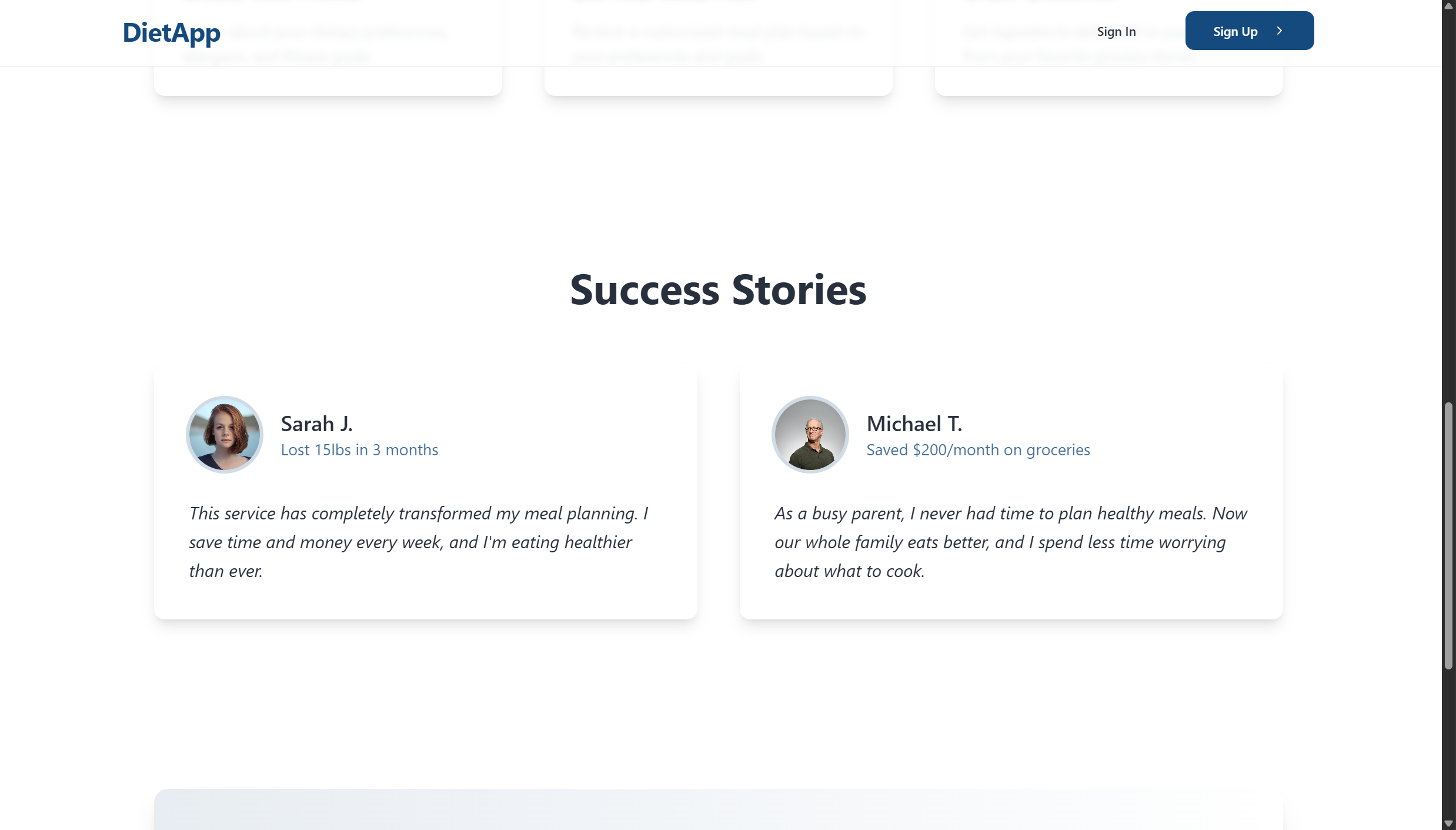
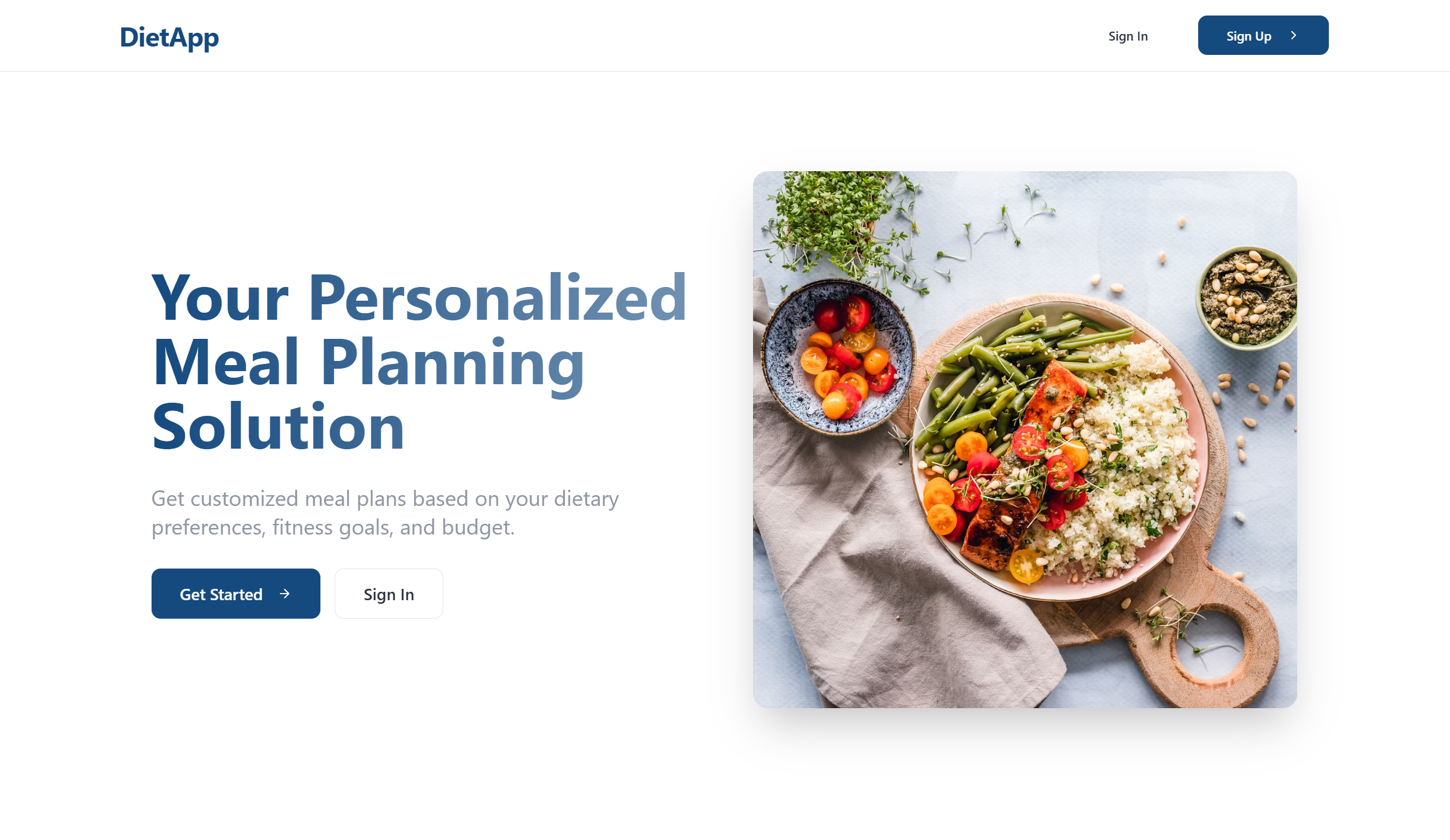
What problem is being solved? Many people struggle to reach their weight goals because they don’t know what to eat, how much to spend, or where to buy their groceries at the best prices. This website automates meal planning, budget-friendly grocery shopping, and delivery to ensure users get tailored nutrition without overspending.
Where is the information from?
From user input (height, weight, age, gender, dietary restrictions, and execise level)
Why is this interesting?
Personalized:
The platform tailors meal plans to each user's goals, restrictions, and budget.
Cost-Effective:
It finds the most affordable grocery store, helping users save money.
Convenient:
Automates grocery shopping and delivery so users don’t have to manually buy items.
Health-Oriented:
Ensures users get proper nutrition to support their weight goals.
Design Choices
What design choices were made and why were these choices made?
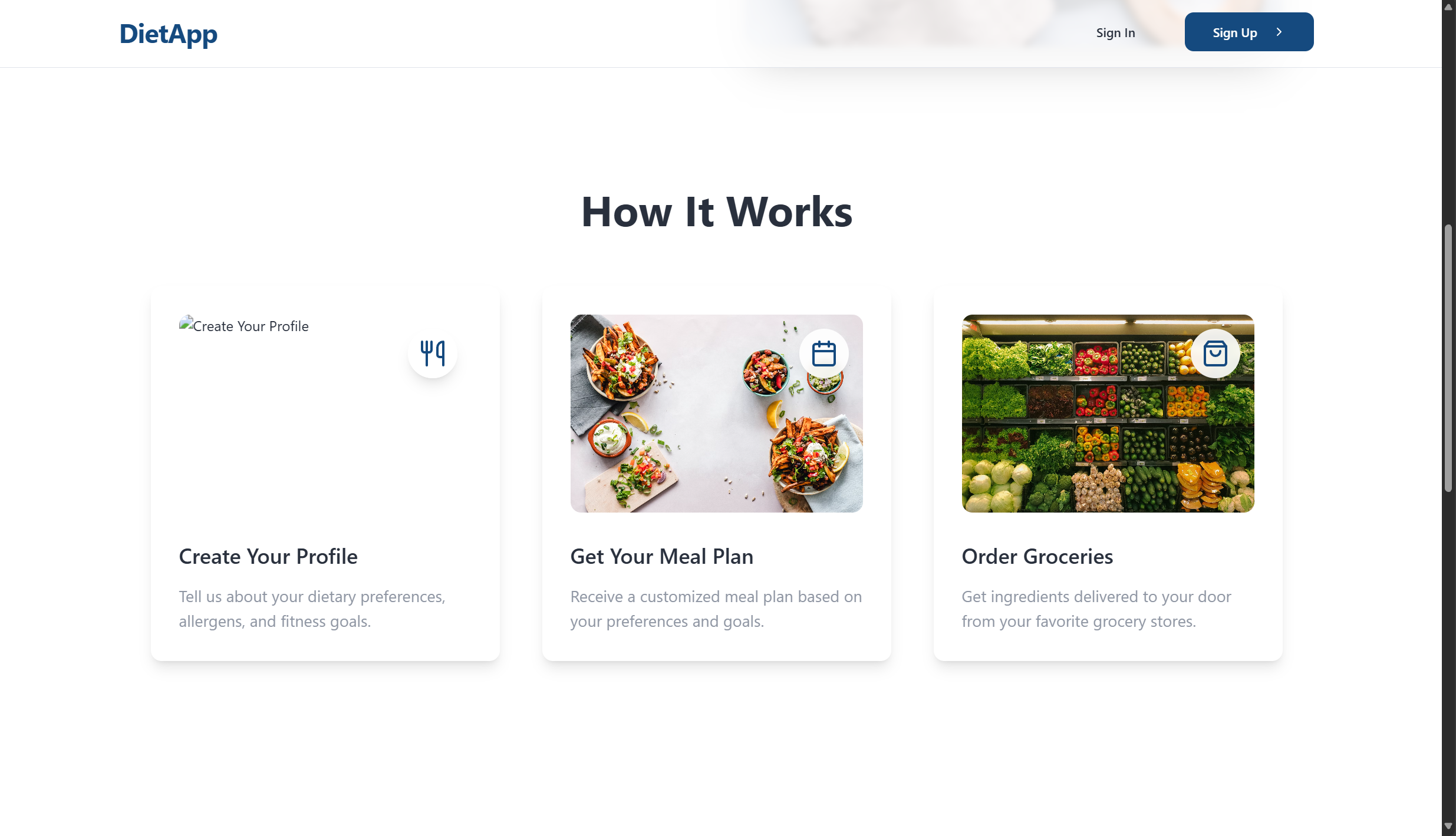
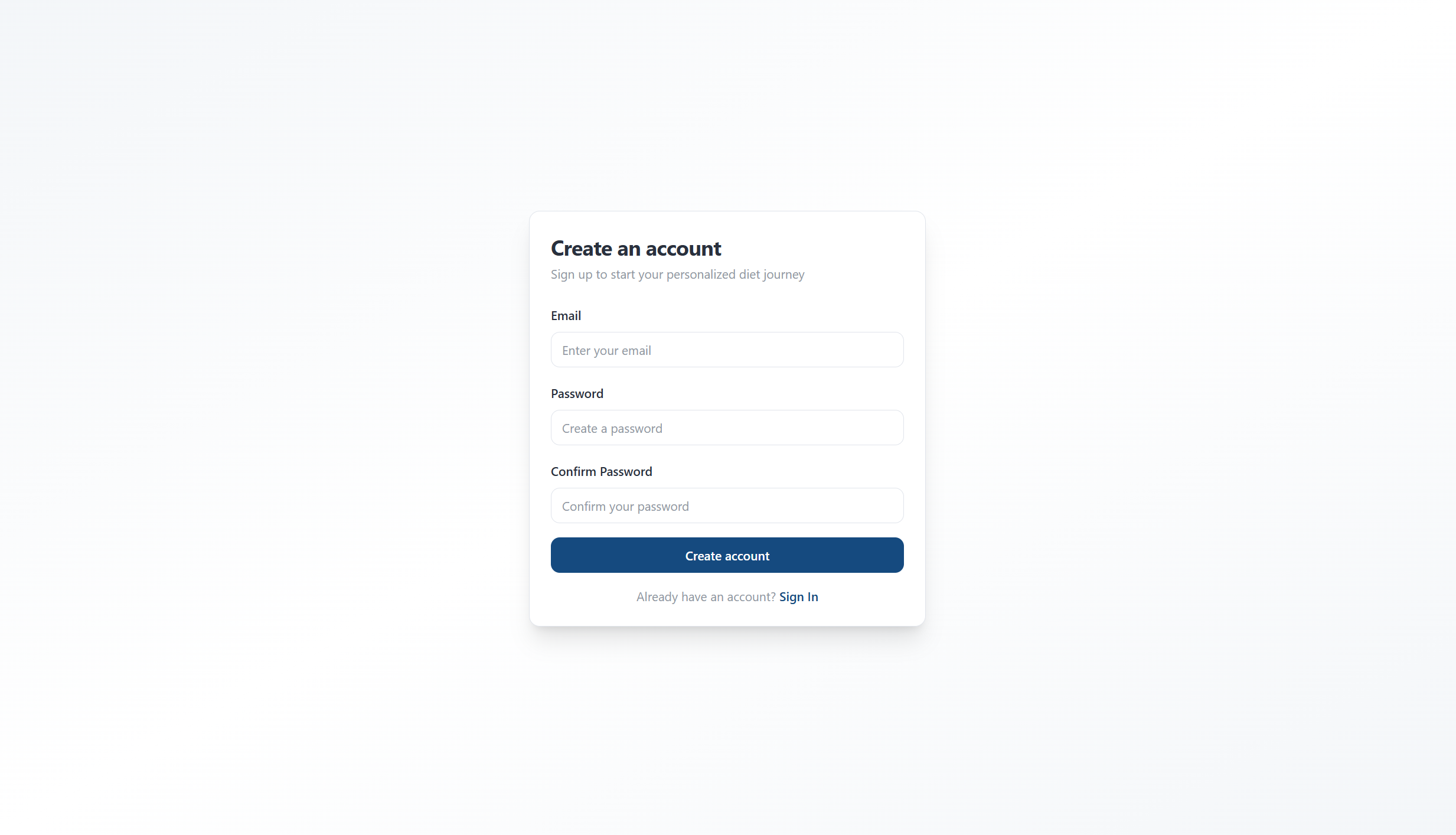
User Profile Setup: Collects essential details (weight, height, dietary preferences) to customize meal plans. This ensures the recommendations are accurate and user-specific.
Goal-Based Meal Planning: Users select Lose Fat, Gain Muscle, or Maintain Weight, which adjusts their caloric intake & macronutrient breakdown. Makes it easy for users to follow structured nutrition for their goals.
Budget Integration: Users set a weekly grocery budget, and the system selects the most affordable store based on real-time pricing. This makes meal planning accessible to all income levels.
Grocery Store Price Comparison: Instead of forcing users to shop at one store, the system analyzes multiple stores to find the best deal. This saves time and prevents unnecessary overspending.
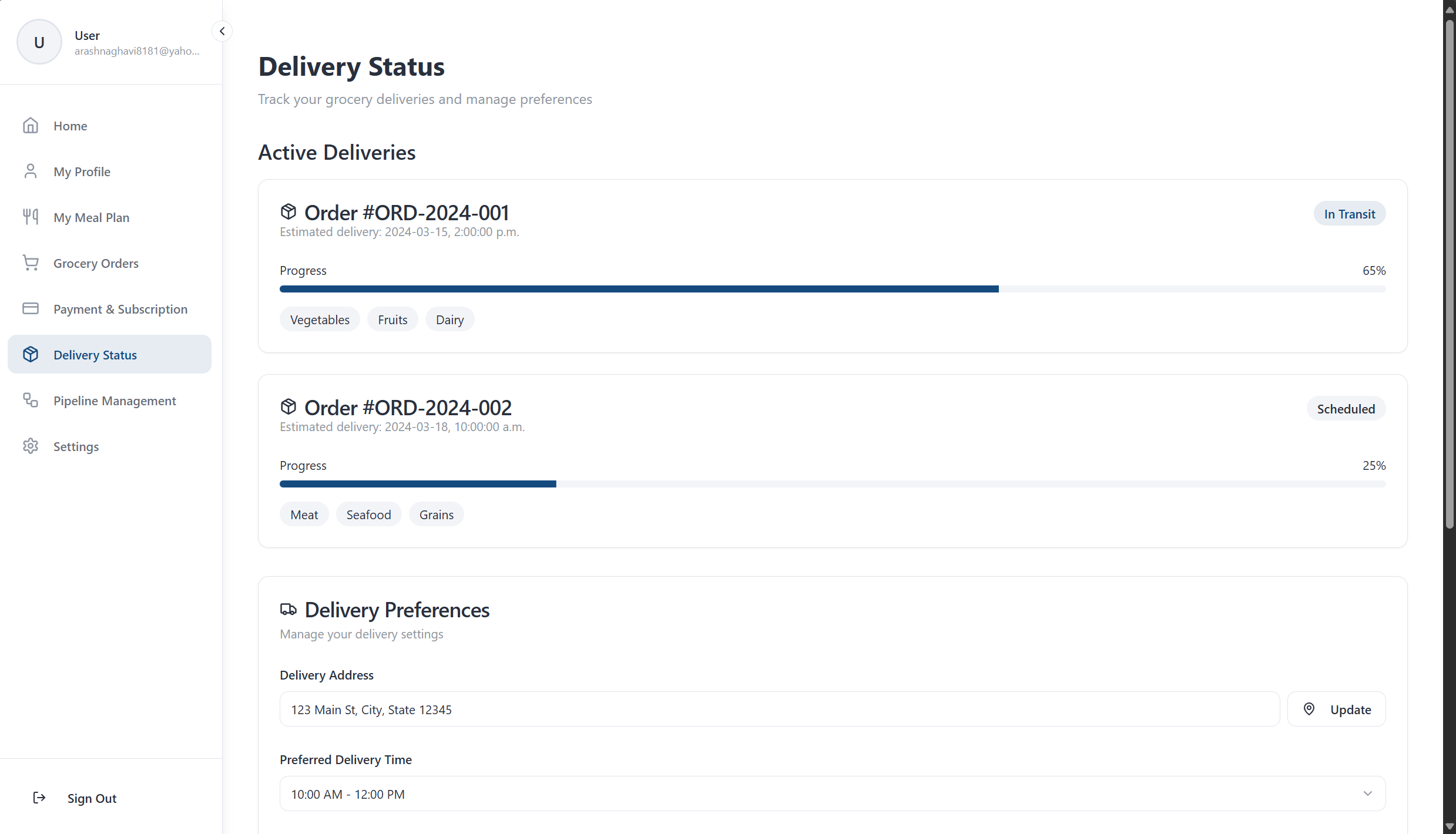
Weekly Grocery Ordering & Delivery: Orders groceries weekly to prevent spoilage and ensure freshness. Users don’t have to worry about grocery shopping, making it hassle-free.
Problem Solving
Describes how the problem was solved.
Meal Plan Generation Algorithm
Takes user profile details and calculates daily calorie & macronutrient needs. Selects meals that fit the user’s dietary restrictions while staying within their budget.
Grocery Store Selection & Cost Calculation
The system pulls data from Walmart, Superstore, and Save-On-Foods. It totals the grocery cost for each store and selects the one within budget and cheapest overall.
Delivery Automation
Once a store is selected, groceries are ordered automatically for weekly delivery. Users don’t have to manually place orders, making the process seamless.
Payment & Address Handling
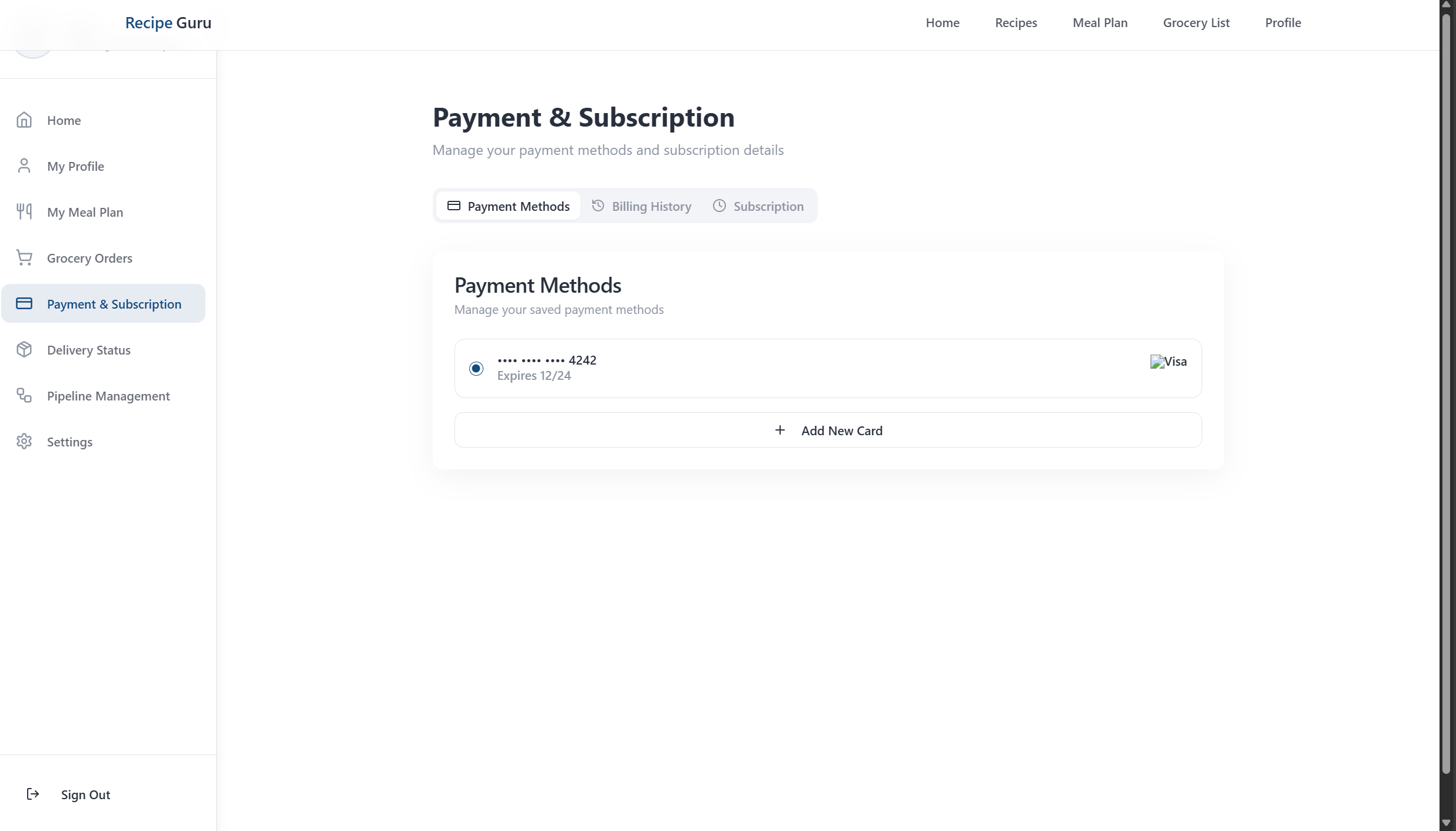
Users enter payment details once; transactions are automated for weekly orders. If the address differs from billing, they can specify a separate delivery address.
Most Challenging
Discusses which part of the project was the most difficult and why.
Grocery Price Retrieval & Store Selection
Walmart, Superstore, and Save-On-Foods do not have public APIs for grocery prices. The best solution is using Instacart’s API or web scraping, but both come with legal & technical challenges (e.g., rate limits, data freshness).
Budget Optimization for Meal Plans
Ensuring meal plans stay within a user’s budget while meeting nutrition goals is complex. The system needs to dynamically adjust meal selections based on the user’s budget and grocery price fluctuations.
Delivery Logistics
While Instacart offers grocery delivery, integrating it with weekly automated orders requires API approval. If direct integration fails, the alternative is placing orders manually or redirecting users to Instacart’s website.

Log in or sign up for Devpost to join the conversation.