-
-
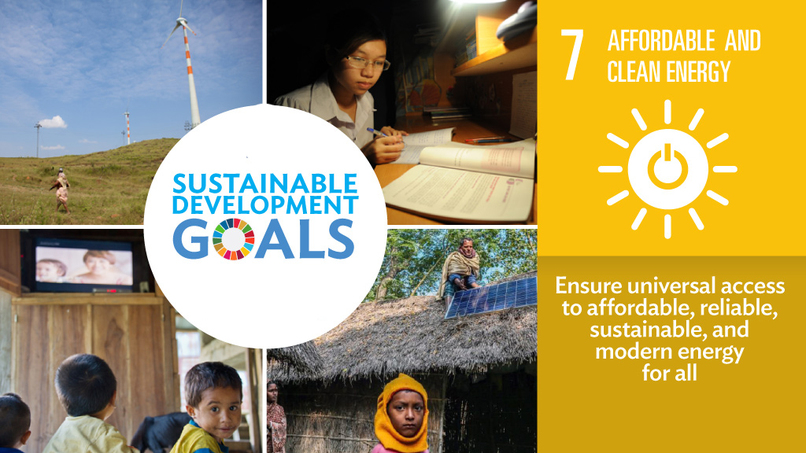
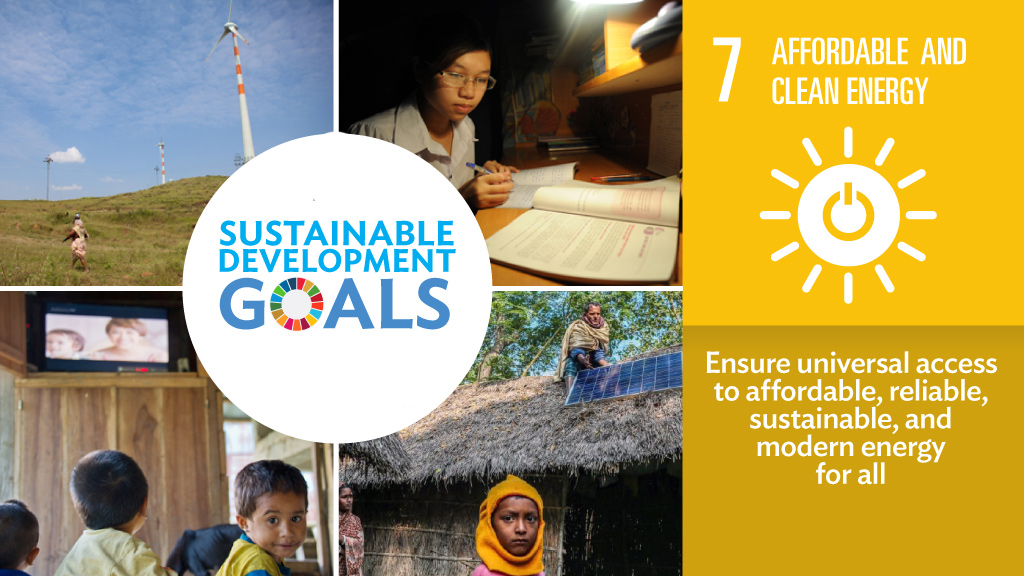
Our Innovation meets Goal 7: Affordable and clean energy of SDG.
-
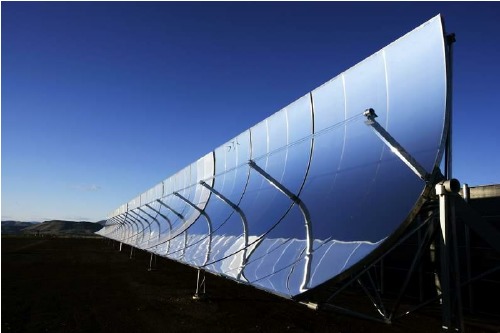
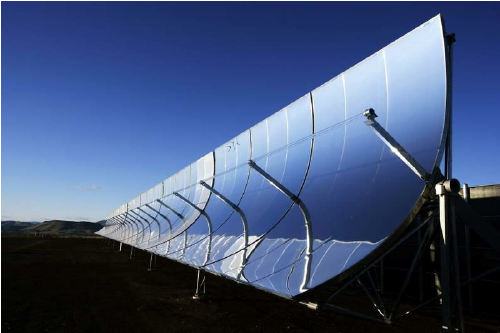
Parabolic through
-
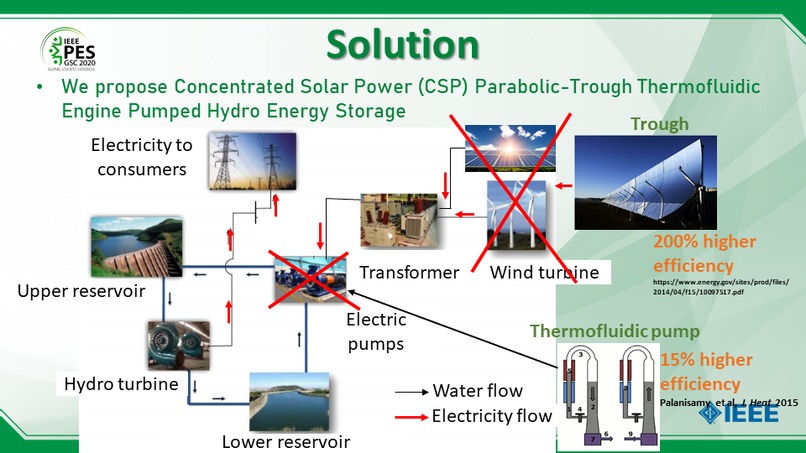
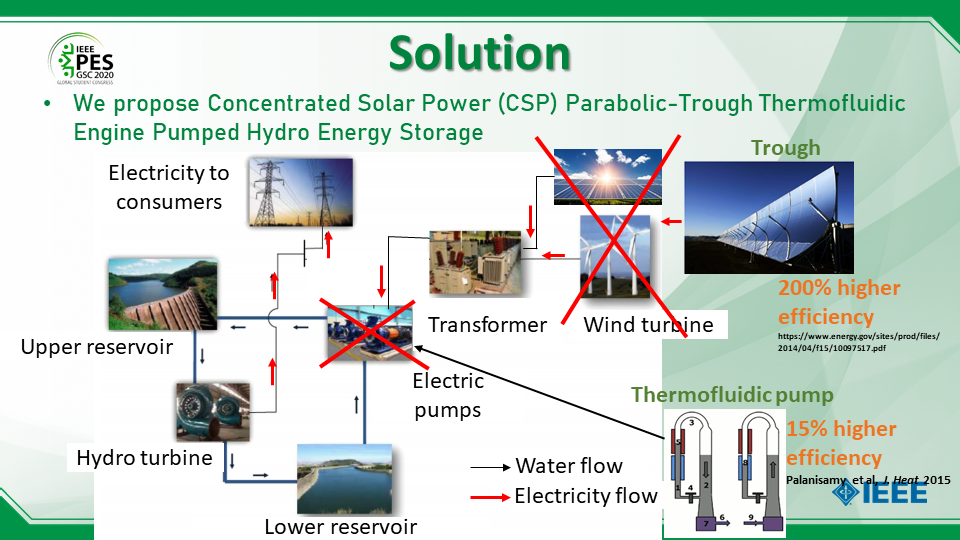
Full process of our innovation
-
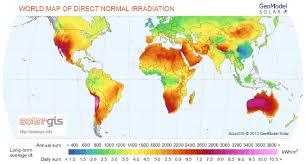
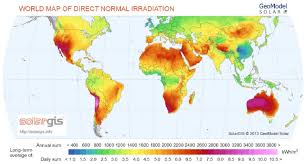
Direct Normal Irradiance Map
Inspiration
Affordable and clean energy is a basic need for all and due to pandemic, it has become more and more important. In many places around the world, people are not getting enough electricity. So, we thought to do something for them. With the continuous developments of power plants and desire to build alternative, effective and efficient power plants, concentrated solar power (CSP) plants (and more specifically the parabolic trough CSP plants) have proven to be one of the alternative energy resources for the future. Therefore more emphasis is being put on improving this power plant technology.
What it does
CSP is used to produce electricity (sometimes called solar thermoelectricity, usually generated through steam). Concentrated-solar technology systems use mirrors or lenses with tracking systems to focus a large area of sunlight onto a small area. The concentrated light is then used as heat or as a heat source for a conventional power plant (solar electricity). Our Innovation covers Goal 7: Affordable and clean energy of SDG.
How we built it
We use this Heat and run a Thermofluidic pump which will pump the water to the upper reservoir from the lower reservoir. Between these two water reservoirs, we fit a turbine which will run by the water from the upper reservoir running towards the lower reservoir. This hydro turbine will provide electricity to consumers.
Challenges we ran into
Before this idea, we were using PV/wind power, and the electricity produced from PV/wind is fed to the electric water pump, which is less efficient.so we proposed concentrated solar power (CSP) parabolic-trough Thermofluidic engine pumped hydro energy storage.
Accomplishments that we're proud of
• 200% higher efficiency than PV (Using CSP with TES) • 15% higher efficiency pumping • Double the life-time • Utilizes high DNI of Africa & South-East Asia.
What we learned
We learned about the uses of more power with less cost through advanced technologies. we also learned about the importance of Sustainable Development Goals and its future. Our project will contribute a lot to power resilience at night and provide 215% more power, the maintenance is also very low
What's next for Team 01 - Solar-Trough Thermofluidic Pumped HEPS
We will like to work more on Humanity and Sustainable Development Goals in the future. Apart from that, 300 million people approximately would get electricity when the project is implemented. R&D and feasibility test require for that will be $26K (IEEE HAC, IEEE Foundation, UNDP, US DOE, World Bank)
Built With
- dni
- parabolic-trough
- solar-heat
- thermofluidic-pump


Log in or sign up for Devpost to join the conversation.