-
-
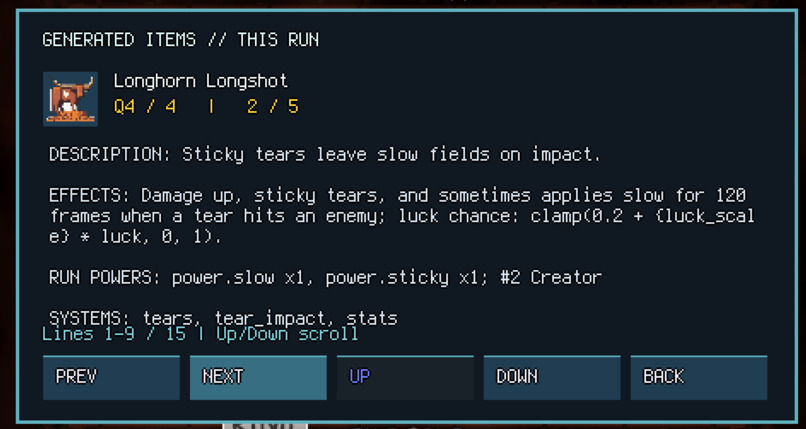
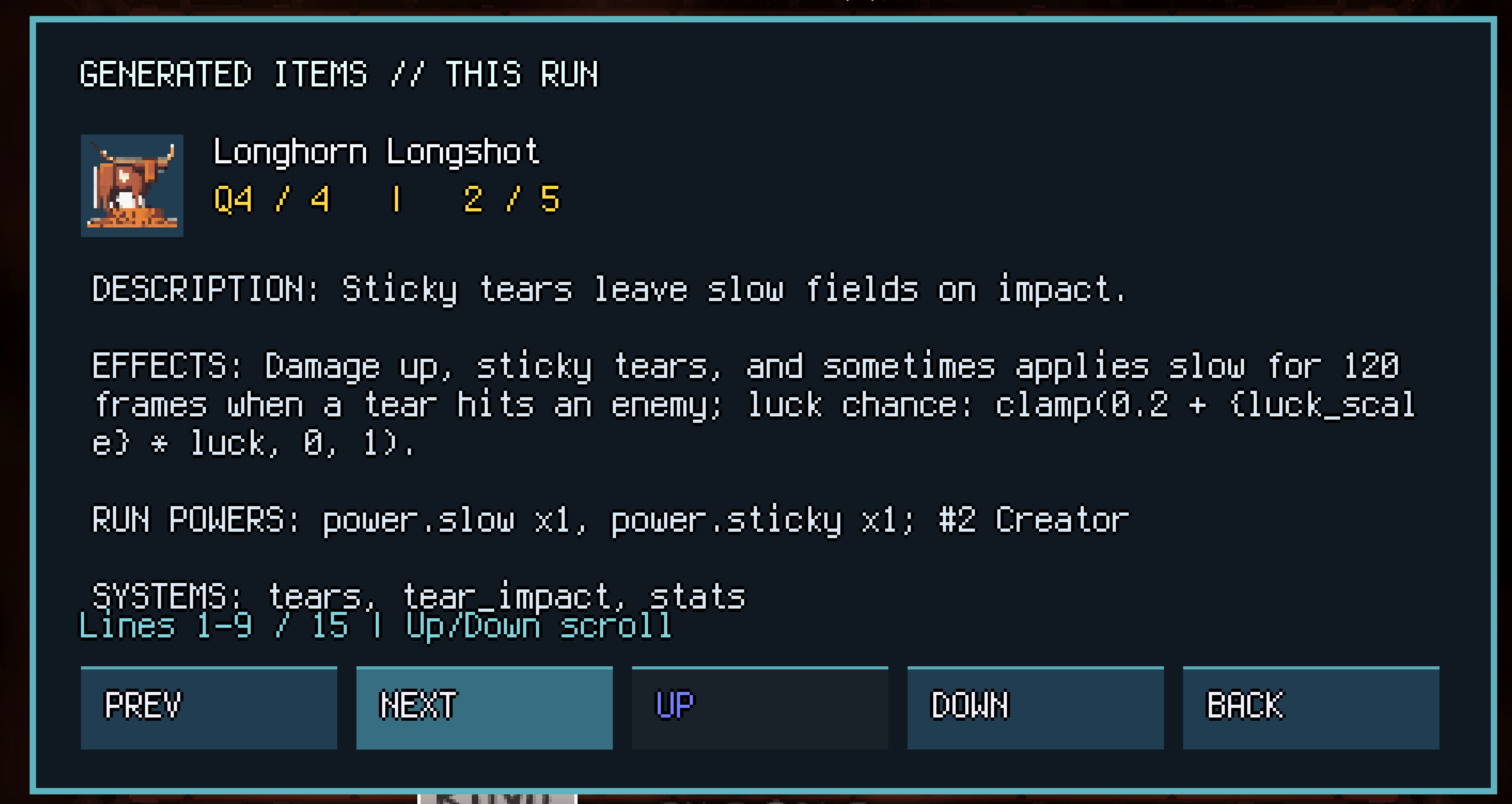
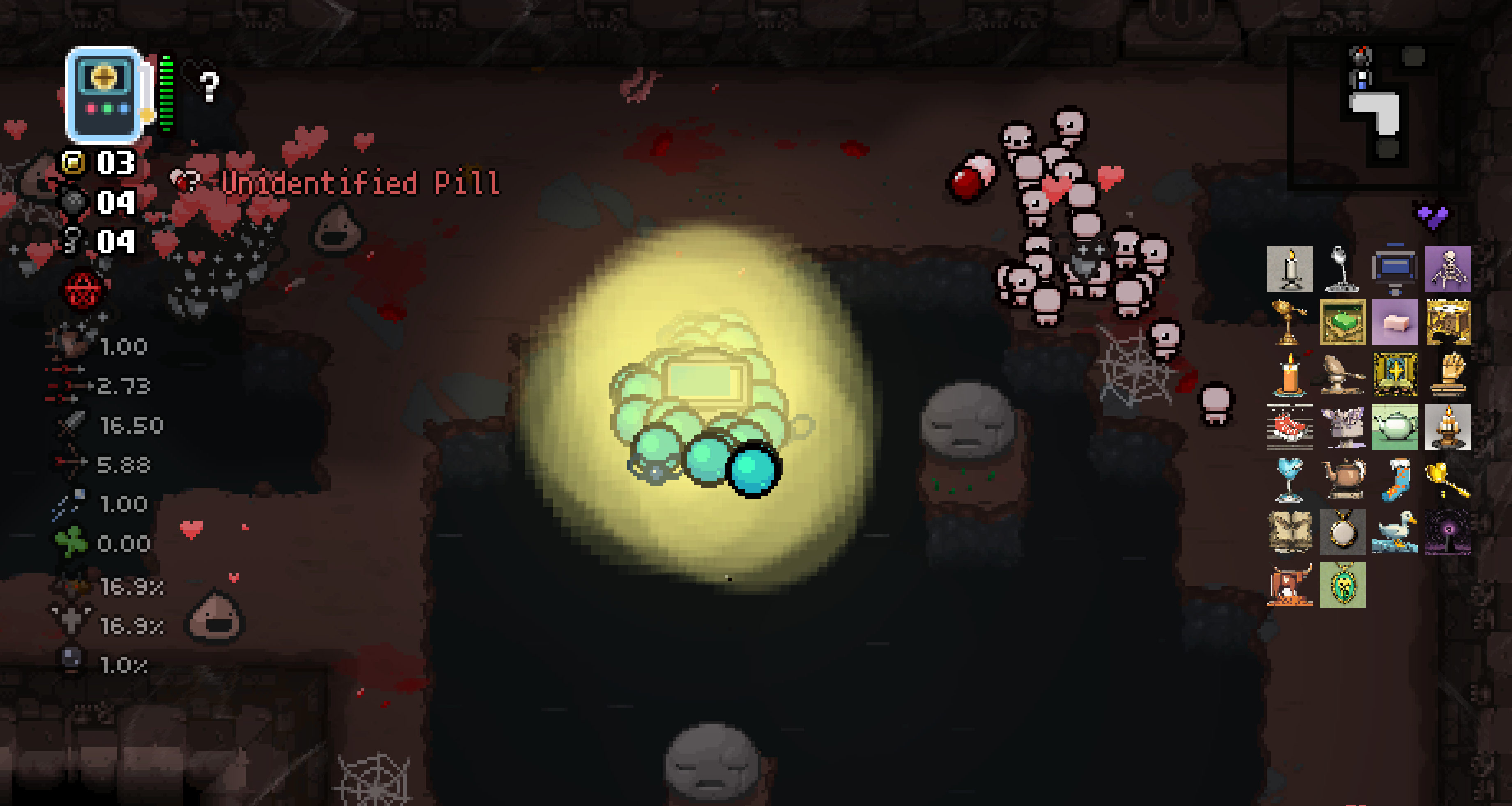
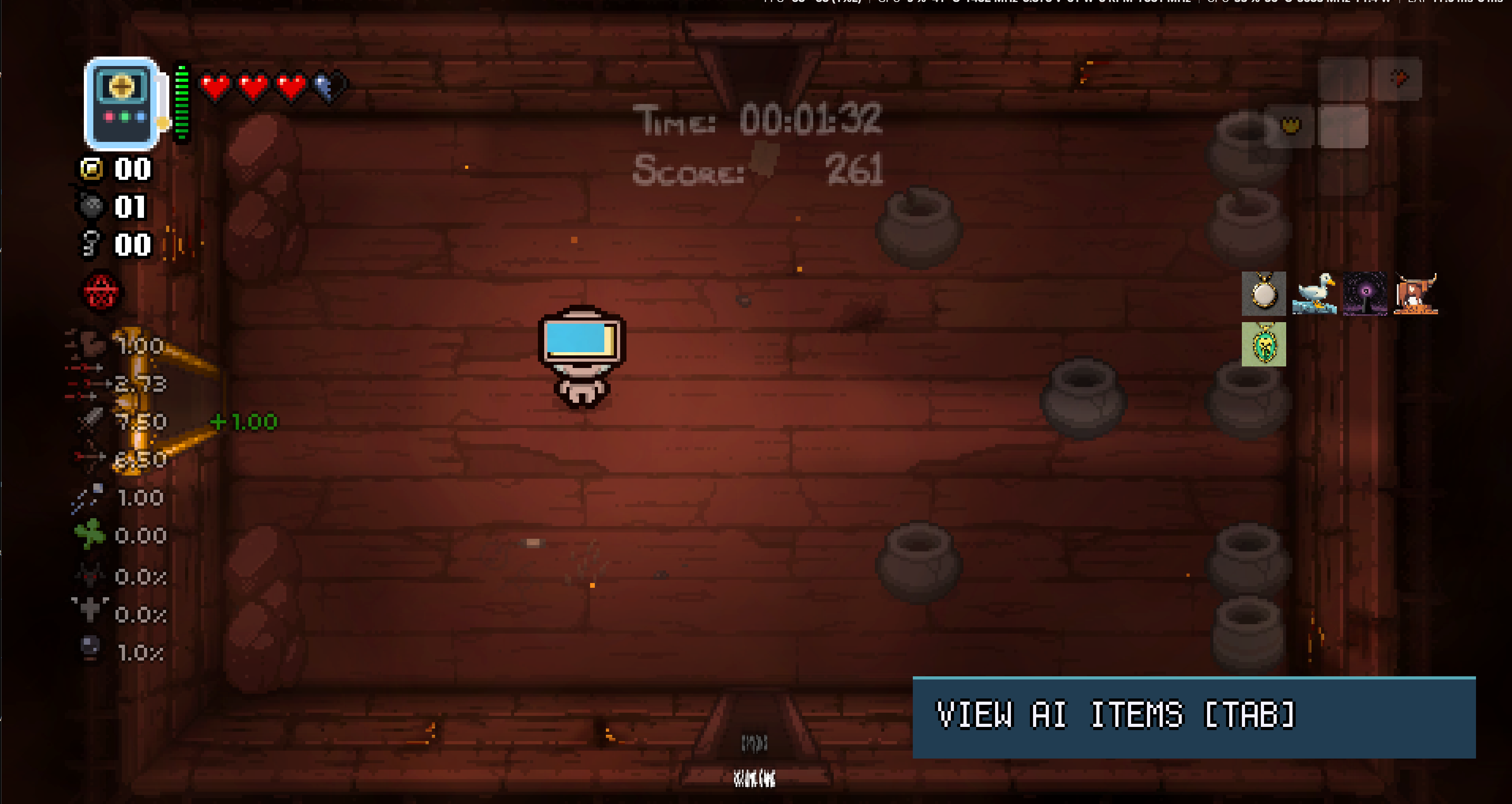
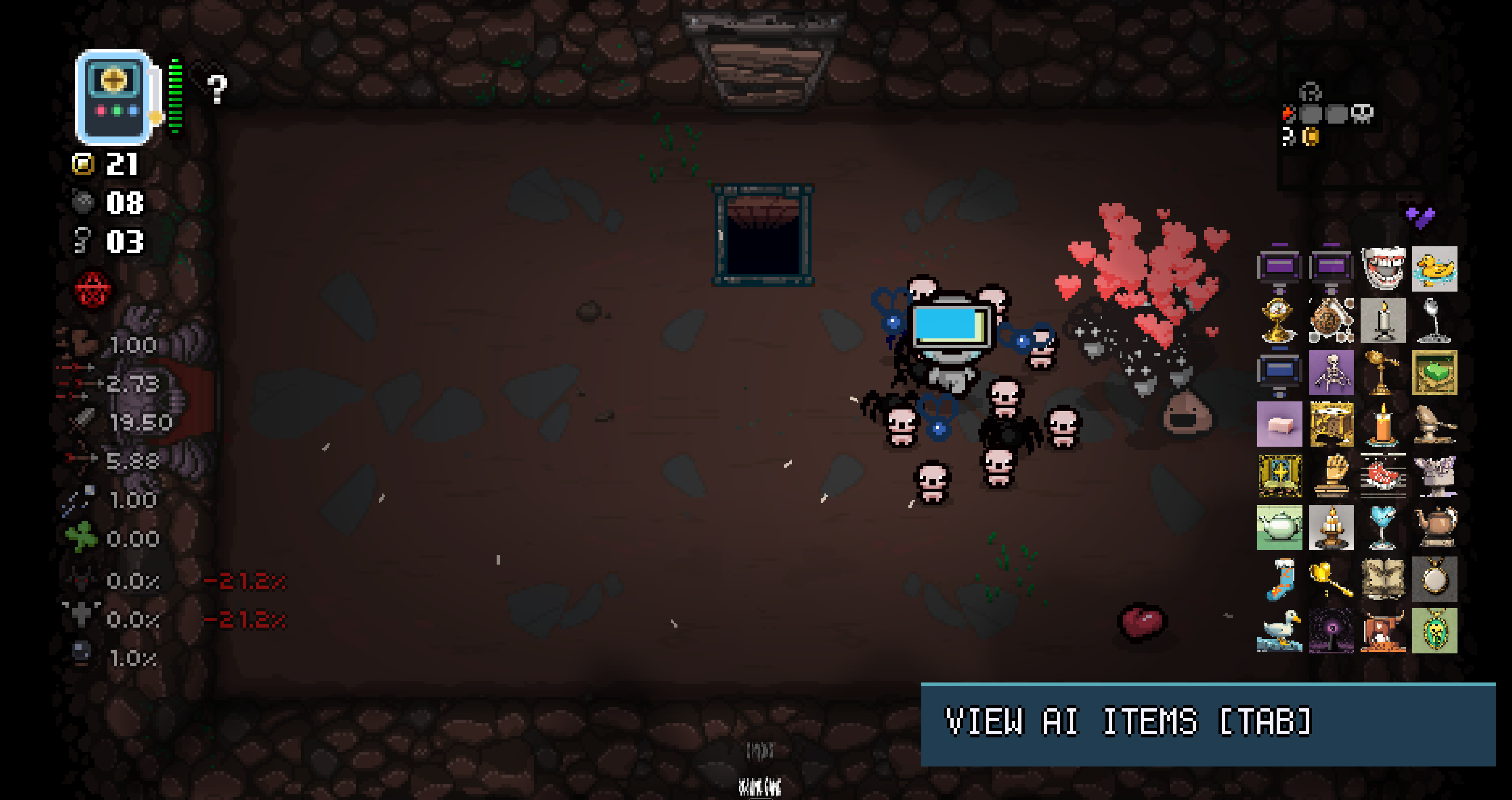
Generated Item 1
-
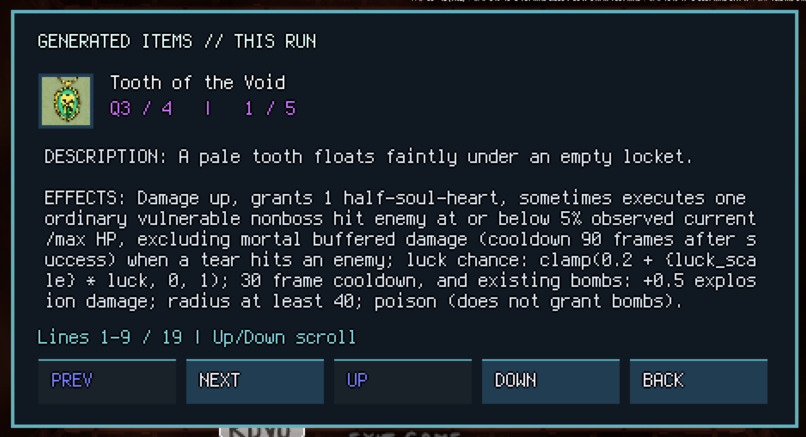
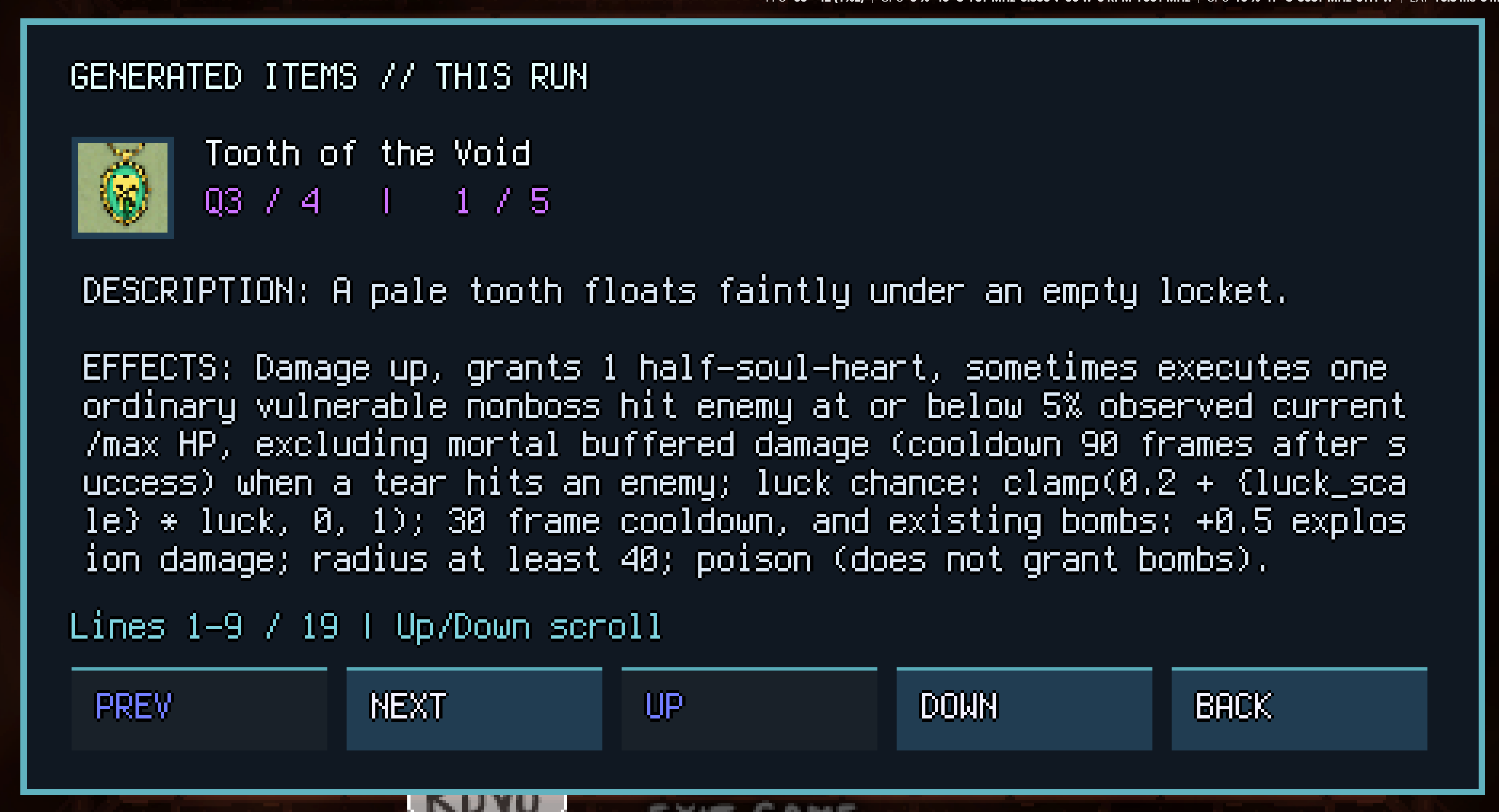
Generated Item 2
-
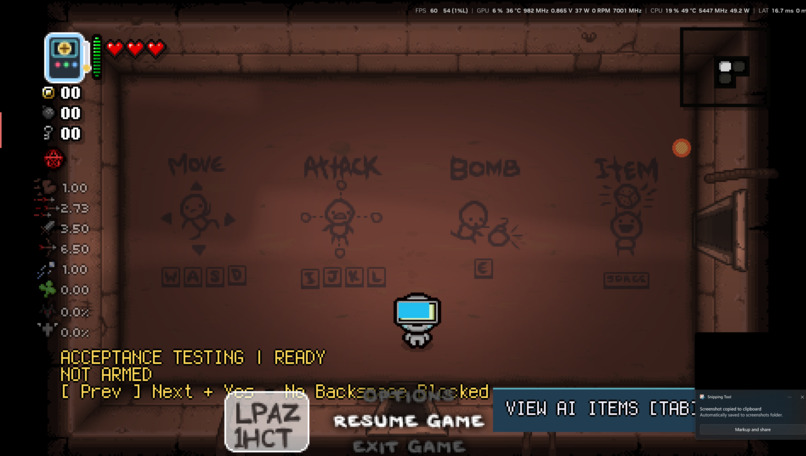
AIsaac Begin
-
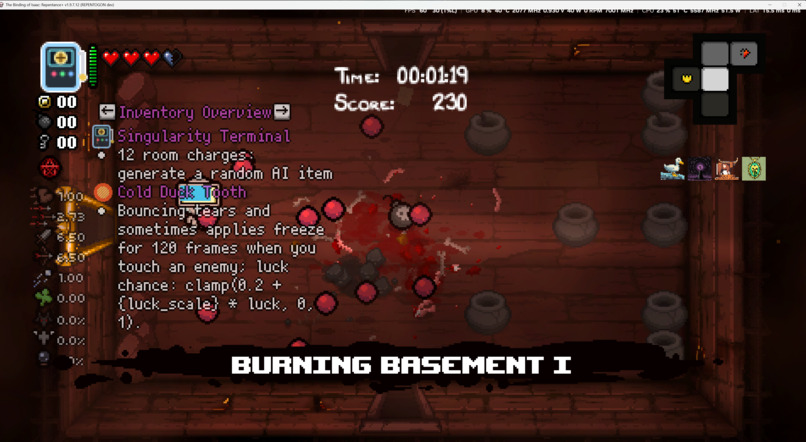
AIsaac Middle
-
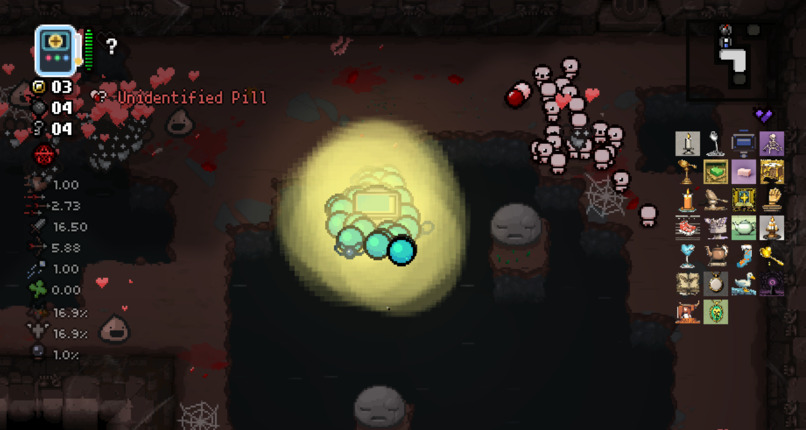
AIsaac End
-
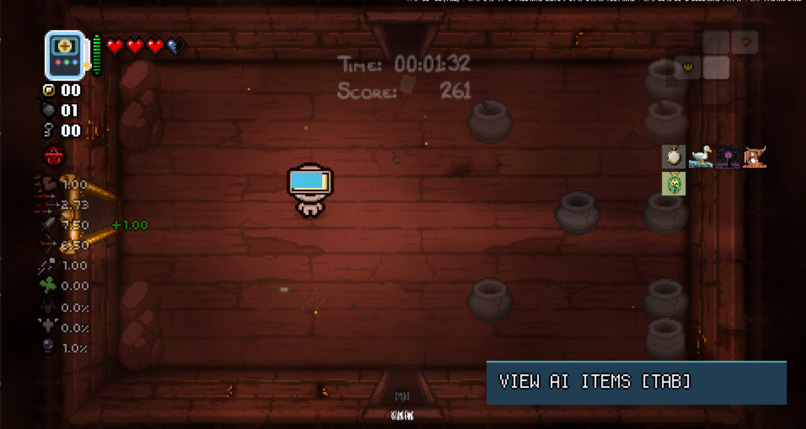
AIsaac random run #1
-
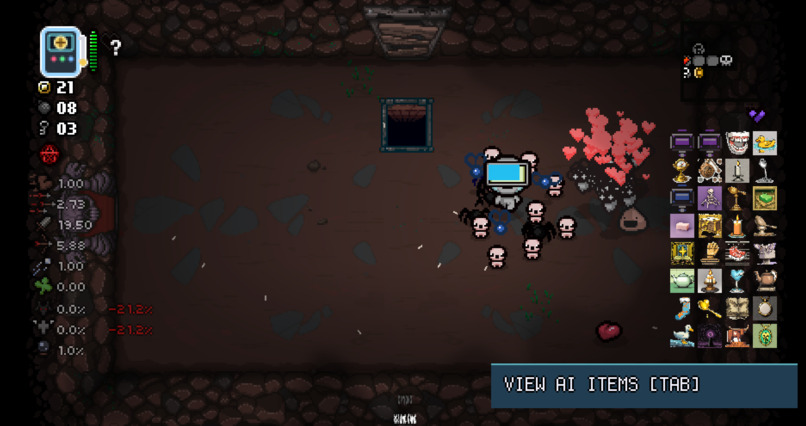
AIsaac random run #2
-
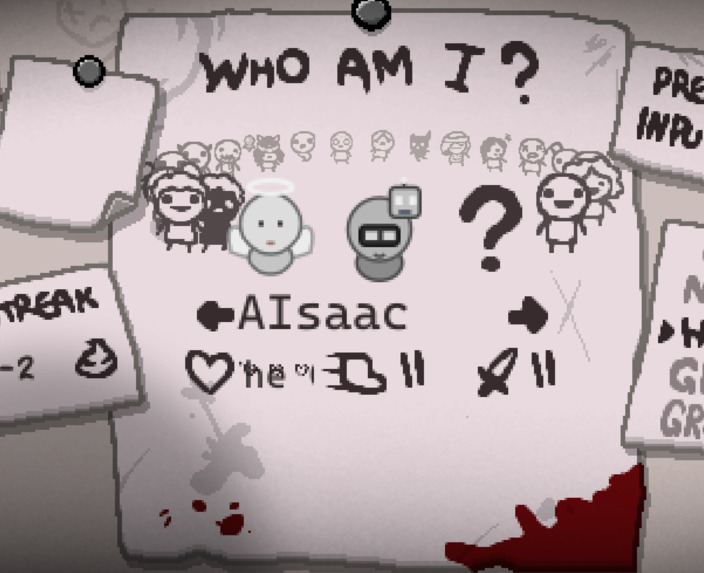
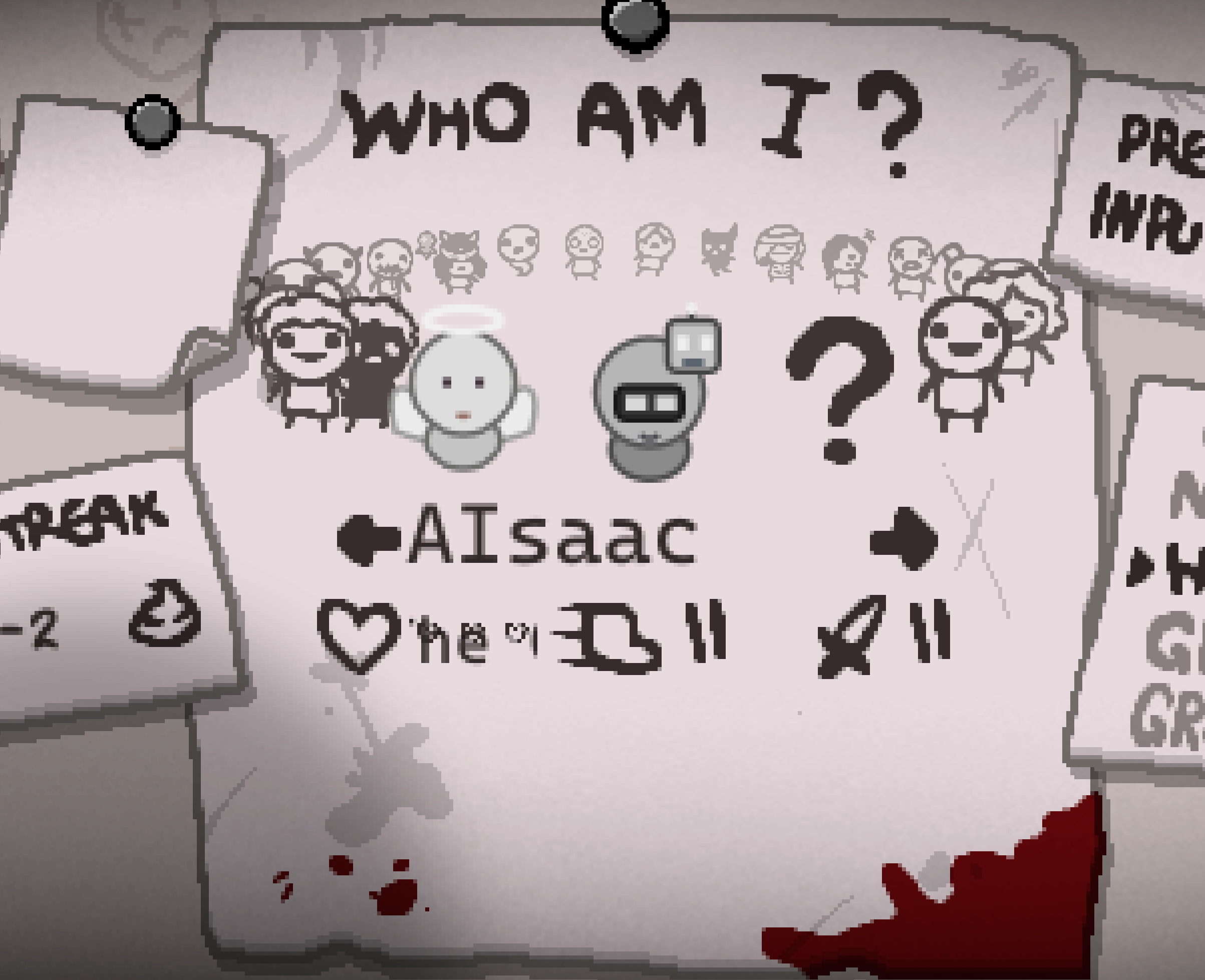
AIsaac "Who am I?"
title: "tboi-agent" subtitle: "Nebius x NVIDIA Global AI Hackathon" author: "Robert O."
date: "October 2026"
Track: Best Apps and Agents
Tagline: Describe a Binding of Isaac item in plain English. Nemotron designs it. The game plays it. No restart, no generated Lua.
Repository: https://github.com/ROrmand/tboi-agent
Built with: Nebius Token Factory, NVIDIA Nemotron 3.5 Lightning, NVIDIA Nemotron 3 Nano, Node.js, Lua, REPENTOGON, ComfyUI, SDXL Turbo, Binding of Isaac: Repentance+
Inspiration
When I first saw this hackathon, I didn't really know what to build. I haven't gotten to a point in my career where I needed a fully customized workflow, so I didn't know what that looked like — I just knew I wanted to build something and learn more about automation. I was prompting an LLM for hackathon ideas, and nothing was speaking to me.
Then I thought back to about a year ago, when I started modding one of my favorite games of all time, The Binding of Isaac. I was making an item for my friend Parker and his music collective Chairs: fully custom sprites, custom tear animations, custom effects. I really enjoyed working on it, and seeing it come to fruition.
That old project came back while I was looking for ideas, and it made me want to see what I could do with LLMs inside the game. I wanted to see how good I could get passive item generation in The Binding of Isaac.
There's another reason I took this path. A lot of games are being reverse-engineered and mashed together right now. I wanted to try the opposite: keep the original game, and merge AI-authored content into it — a character whose run is filled with fully AI-customized items.
What it does
tboi-agent generates playable passive items for The Binding of Isaac: Repentance+ during a live run. You describe what you want in plain English. You do not need to know how the game works, or how to mod it. The local bridge expands that idea, designs a balanced item, generates its art, and drops a working collectible into the current run.
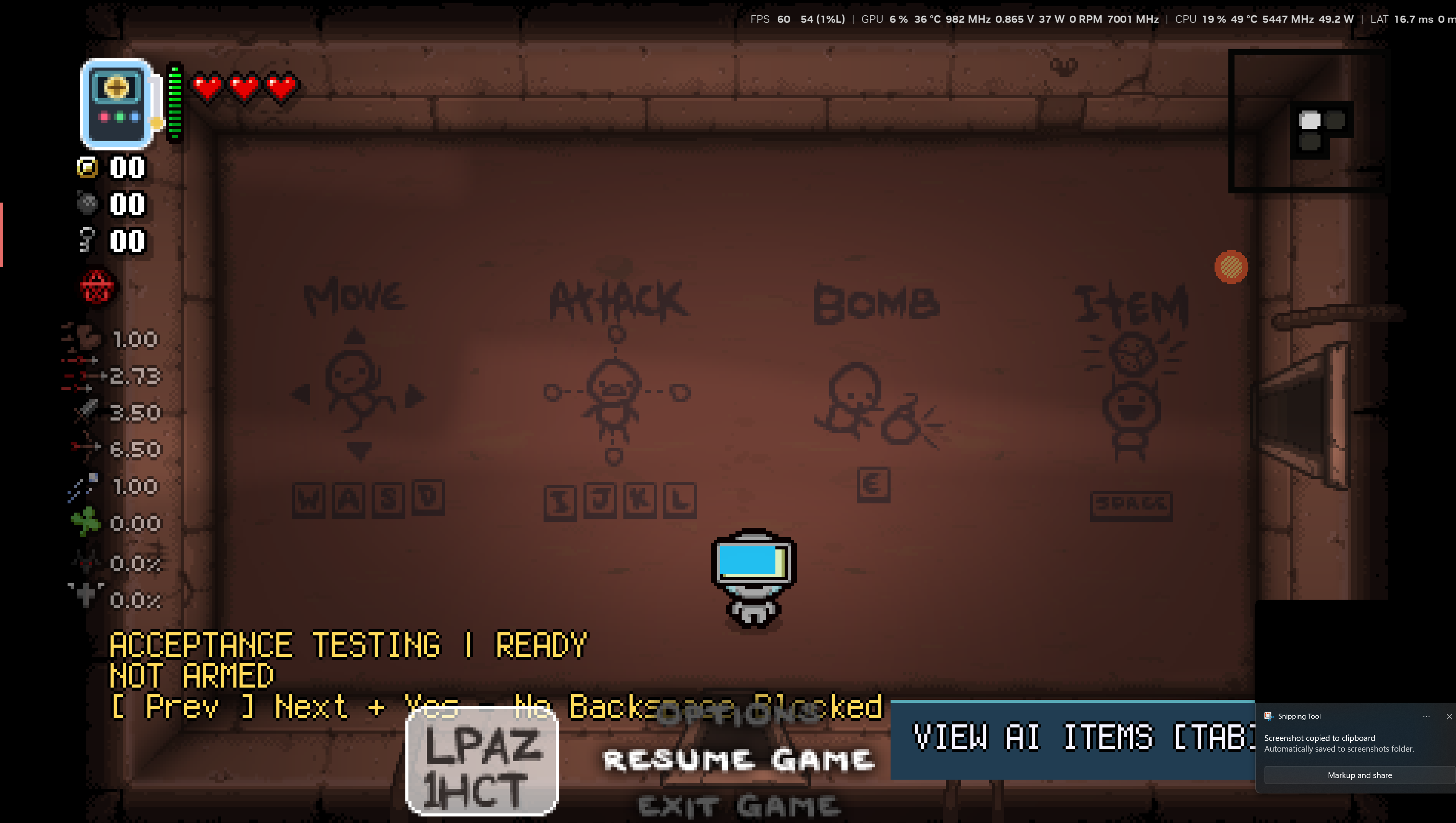
There is an in-game generator window (press 8) with two main controls:
- Description. Tell the game what the item should be. Sparse prompts stay flavor; the models pick the actual mechanics.
- Quality (0–4). This is a weight budget, not a raw effect count. Quality 0 has budget 4; quality 4 has budget 24 (the steps are 4 / 8 / 12 / 18 / 24). Stronger effects cost more points, so a Q0 item stays small and a Q4 item can become build-defining without going unbounded.
There are two characters:
- The Creator starts with the terminal. You type a prompt, pick a quality, and generate.
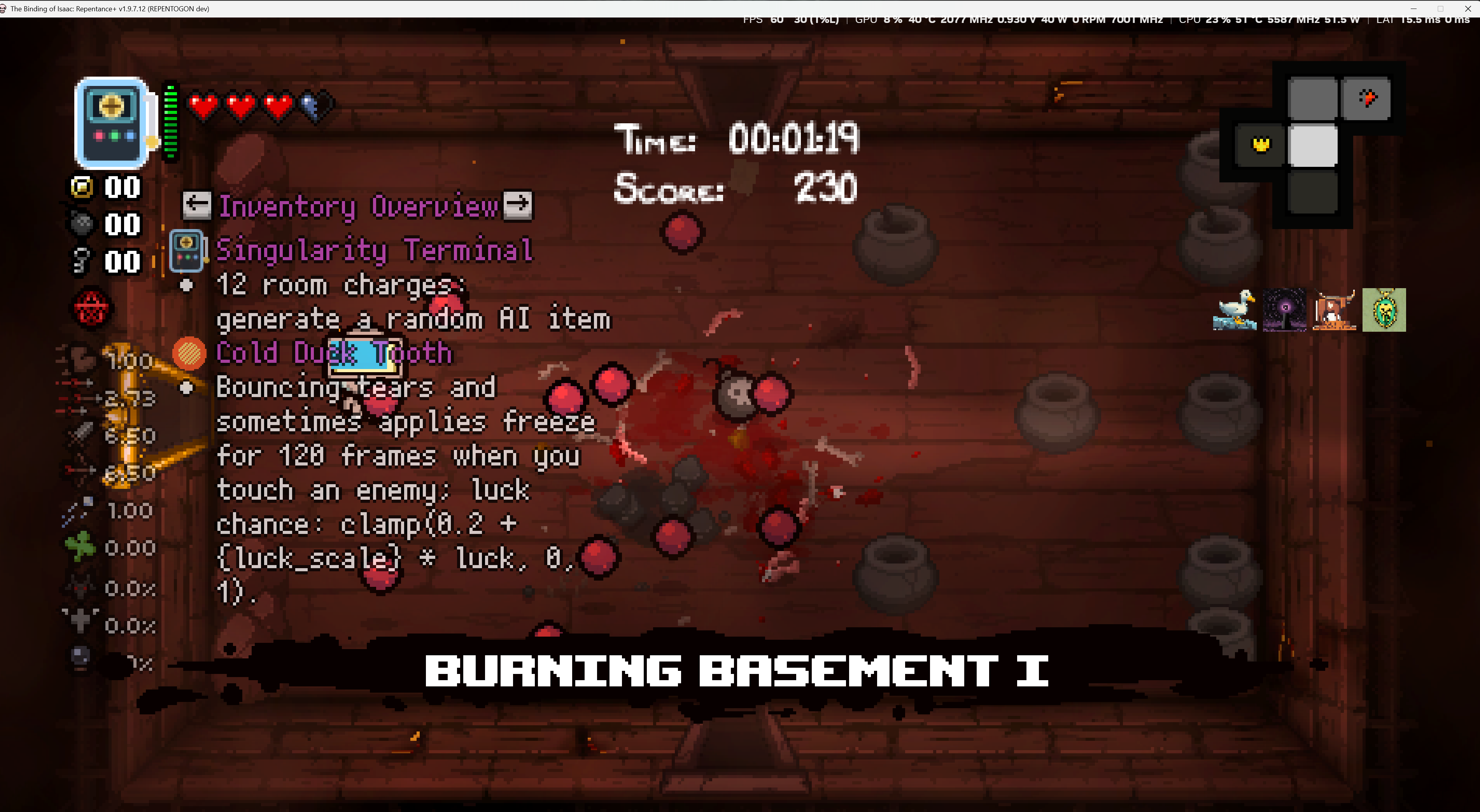
- AIsaac turns ordinary pedestals into Generator 0–4. Picking one up builds an item of that quality automatically, without opening the creator. He also starts with the Singularity Terminal, which queues a random-quality AI passive.
Accepted items get a generated name, description, 32×32 pedestal/HUD icon, optional familiar with its own portrait and animation, and a pause-menu AI item library. A run can hold 64 generated items. Generation does not require a game restart.
How we built it
The hard constraint was: the model never writes Lua. Isaac cannot safely execute generated code, and it cannot register new collectibles at runtime. So the product is a closed catalog plus a pipeline that fills it.
A capability catalog, not freeform generation
content-contract/capabilities.json is the source of truth: 14 systems (stats, tears, familiars, auras, on-hit, on-kill, bombs, lasers, knives, and


Log in or sign up for Devpost to join the conversation.