Inspiration
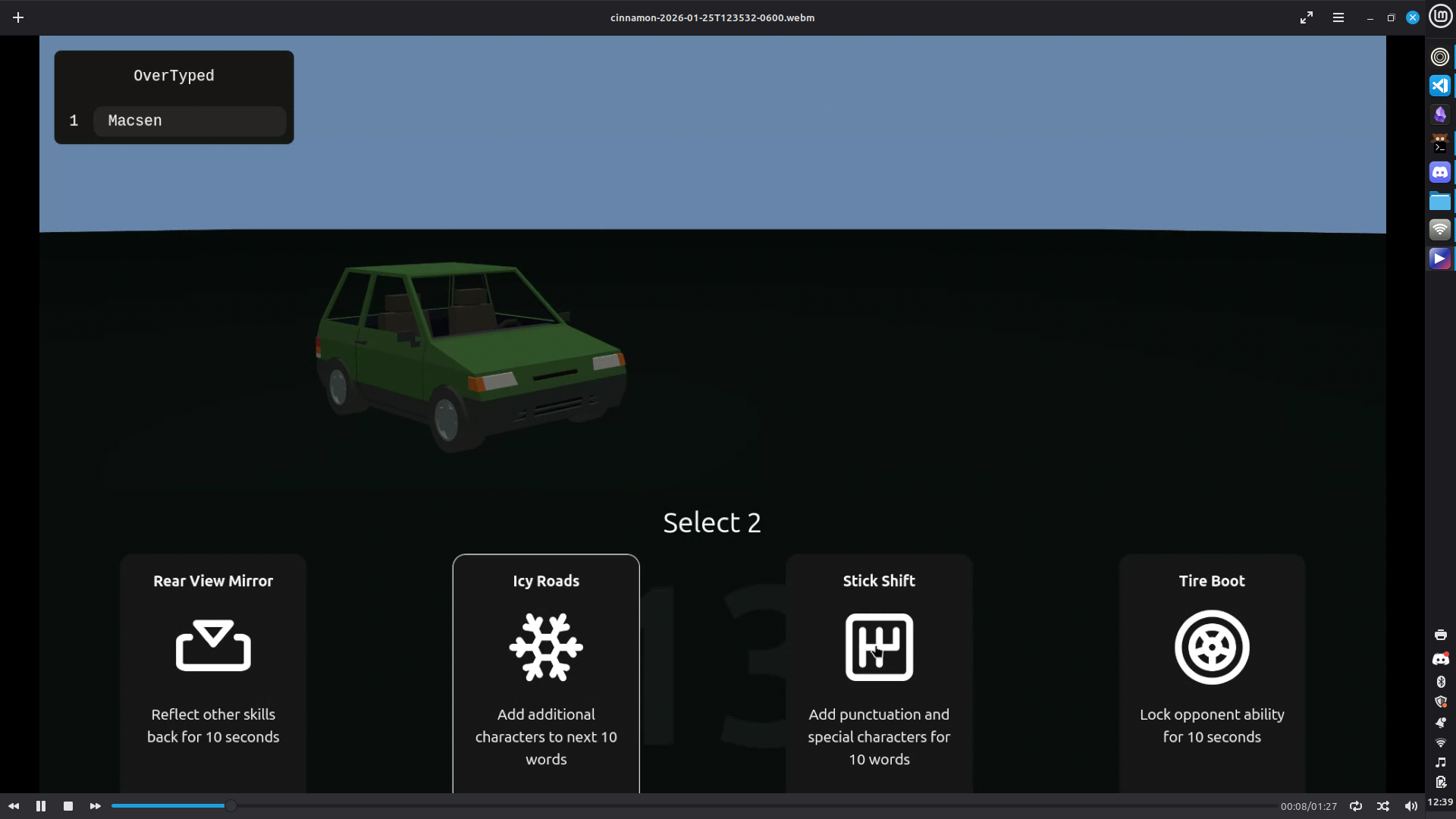
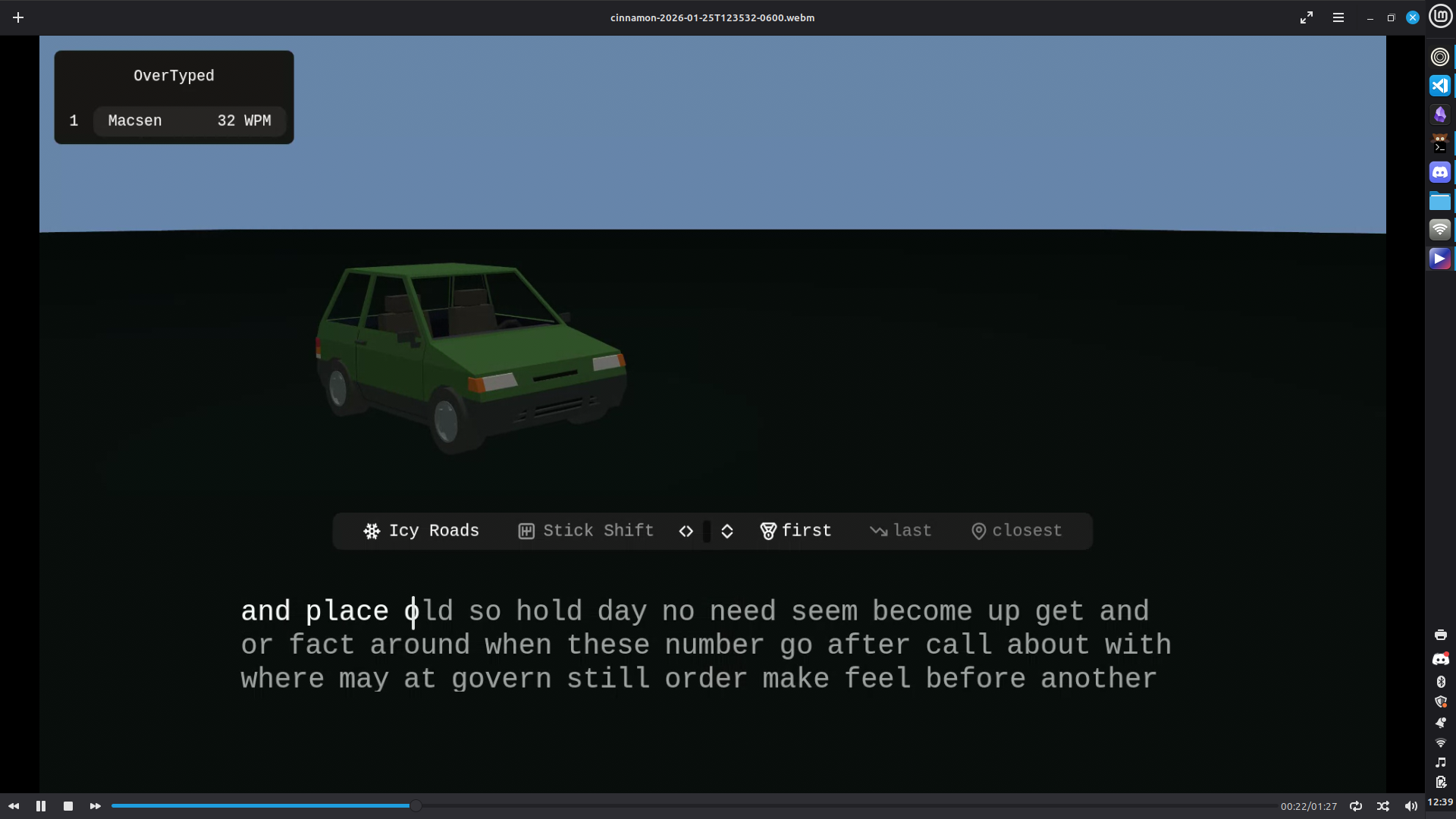
We were inspired by Monkeytype, TypeRacer, and Slay the Spire. TypeRacer inspired the fast-paced keyboard-based action. Monkeytype inspired the sleek minimalist UX, and Slay the Spire inspired the card-themed ability selection.
What it does
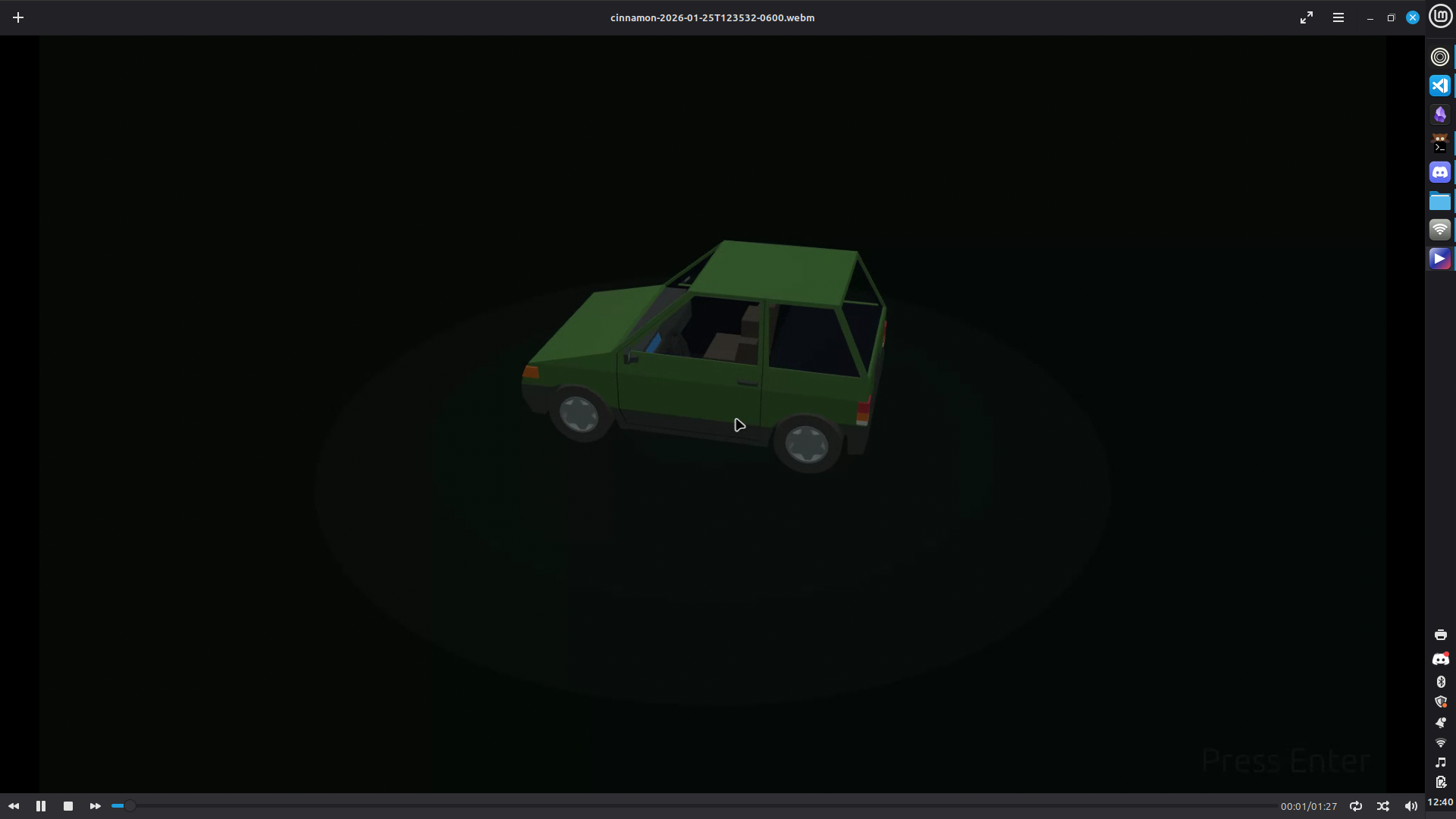
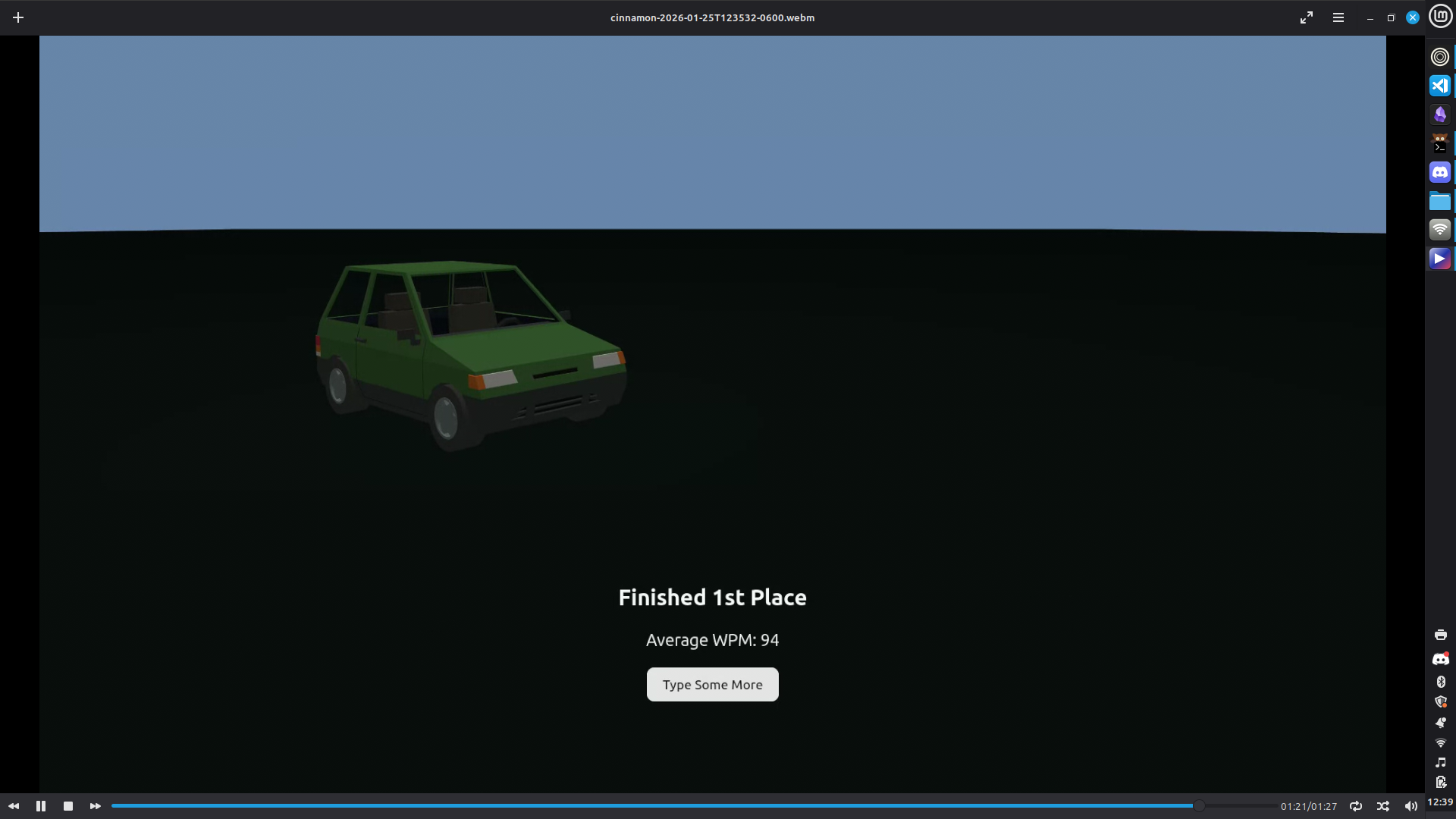
Our game is a high-octane, competitive typing arena with a strategic twist. Players race to out-type each other while selecting and activating various abilities, represented as cards, to hinder opponents or boost their own typing speed. Using these abilities, players can apply debuffs (like shuffled text or extra words), shield themselves from attacks. Real-time multiplayer makes every match unpredictable and intense, rewarding not just typing speed but tactical decision-making.
How we built it
The frontend was built with React and TypeScript, creating a dynamic and responsive user interface. We used WebSockets for real-time multiplayer communication, enabling instantaneous feedback and smooth synchronous gameplay between players. The backend is powered by Golang, handling matchmaking, game logic, and state management. Graphics and racing animations are rendered with WebGL, providing a visually engaging experience while keeping latency low.
Challenges we ran into
Implementing real-time multiplayer with minimal lag was a complex task, especially with the need for quick reaction times. Balancing the various abilities to ensure fair play required extensive testing. Integrating animated graphics smoothly into a web environment also presented challenges, particularly in performance across devices. Syncing game state between players over WebSockets was another hurdle, especially when handling edge cases like disconnects or ability stacking. We also faced wi-fi instability that made it difficult to record our video.
Accomplishments that we're proud of
We're proud of creating a seamless multiplayer experience that feels both fast and fair. The integration of strategic abilities into a typing game adds a fresh layer of depth not seen in most typing competitions. Our minimalist yet attractive UI and smooth in-game animations make the game enjoyable and accessible. We also managed to achieve low-latency networking that supports competitive matches with players across the globe.
What we learned
We learned a lot about real-time systems, network synchronization, and frontend-backend communication. Building a competitive game required a deep dive into game balance and usability considerations. We also gained experience in optimizing WebGL and learned best practices for maintaining smooth gameplay in a browser.
What's next for Overtyped
We're planning to expand the range of abilities and introduce new card types to deepen strategy. We want to implement ranked matchmaking and leaderboards, as well as social features like friends and teams. Customization options for avatars and themes are in the works. Eventually, we'll release mobile and desktop versions to reach more players, and we're exploring seasonal events and tournaments to keep the community engaged.


Log in or sign up for Devpost to join the conversation.