Inspiration
We were inspired by Conan O'Brien's WikiBear character who hilariously turns innocent facts into morbid observations. We wondered: what if we could create an AI that captures that dark humor but also genuinely helps people? The idea of a dual-personality bear that can make you laugh with twisted facts OR provide real trauma support felt like the perfect unexpected use of gpt-oss models.
What it does
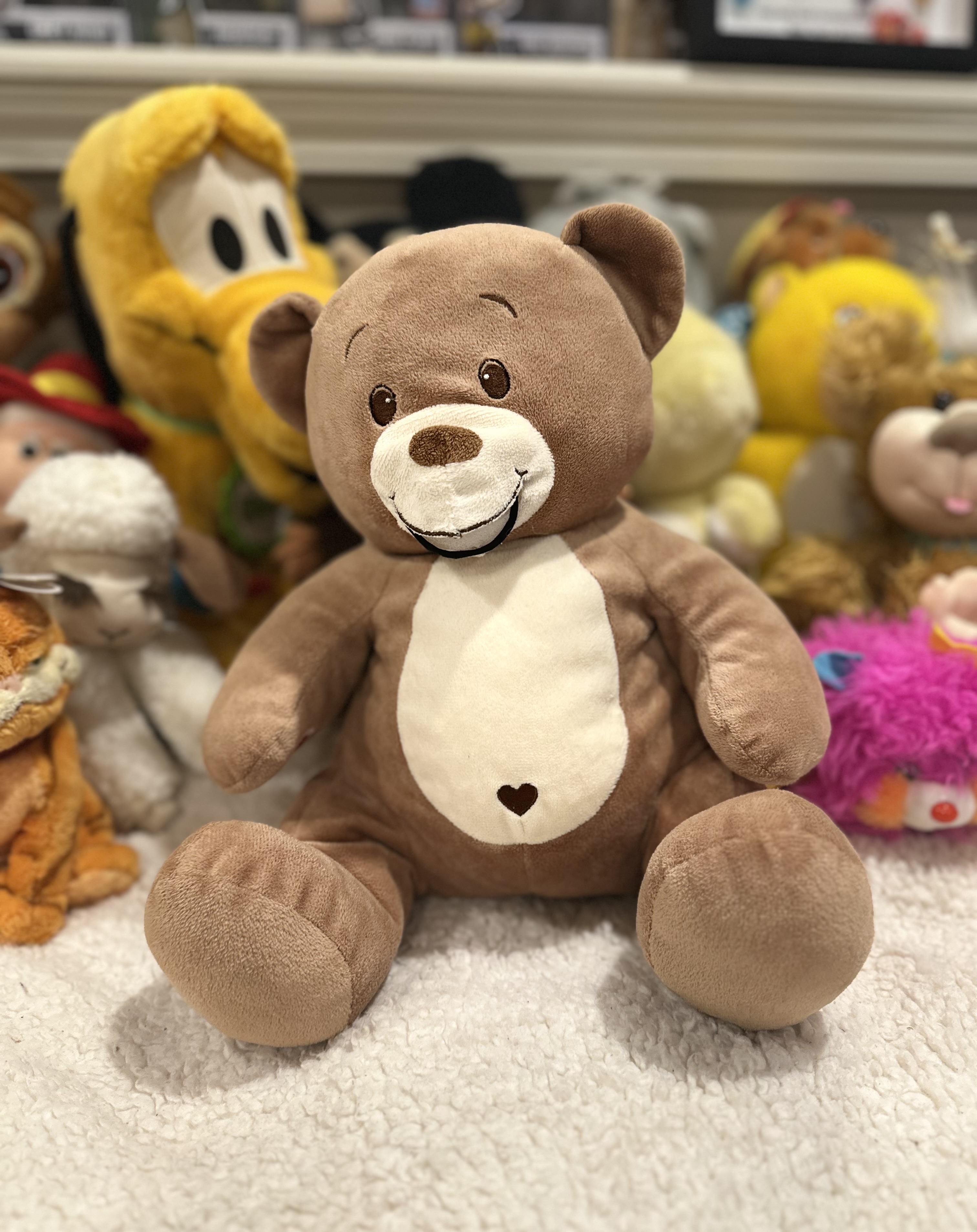
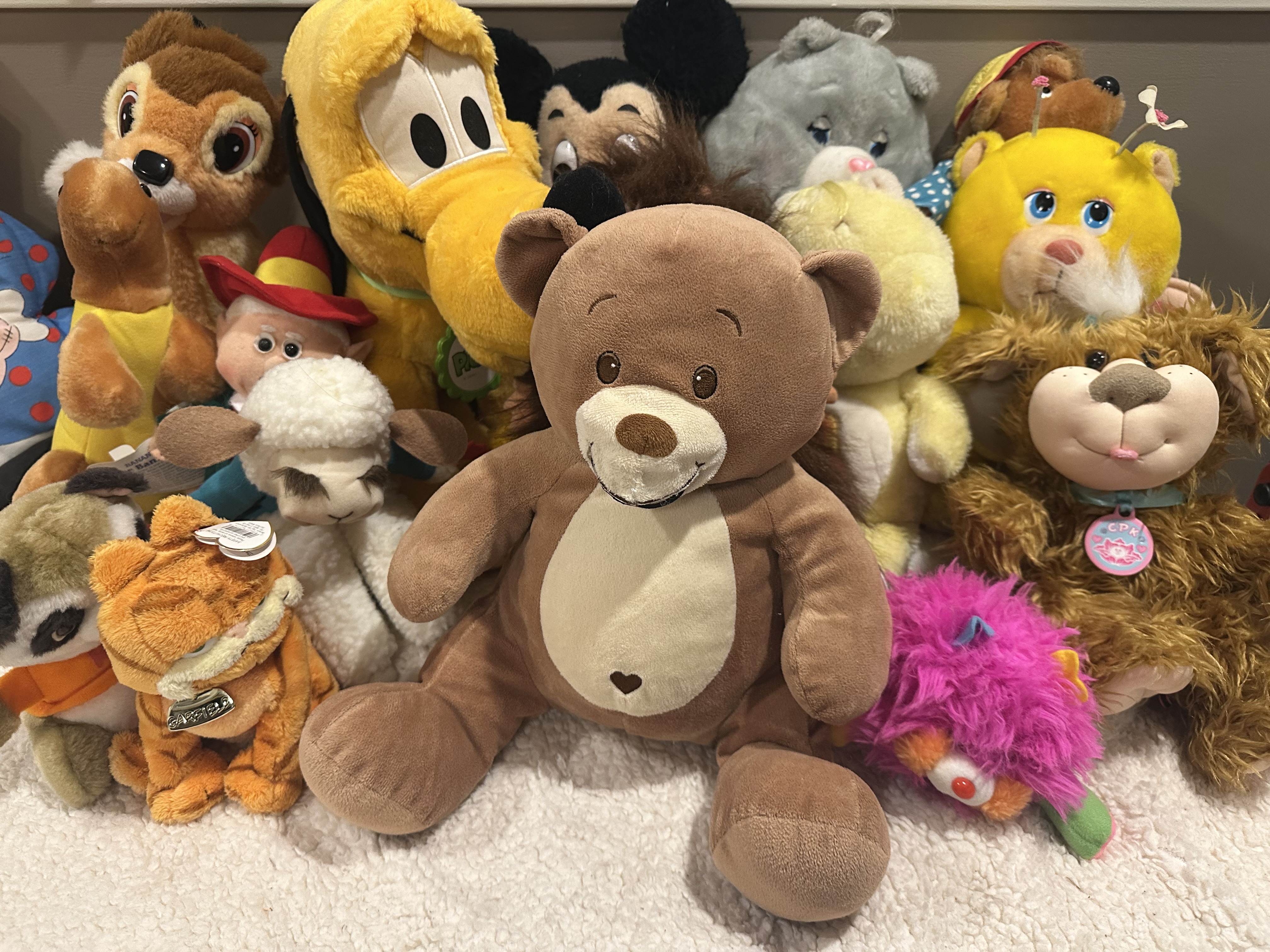
WiseBear has two distinct personalities powered by gpt-oss models running locally. In WikiBear mode, it delivers factual information then adds a darkly humorous, morbid twist in the style of Conan's character. Switch to therapy support mode, and the same interface becomes a gentle, supportive companion offering trauma-informed care and emotional support. Users interact with a voice-activated plush bear whose mouth moves as it speaks, creating an engaging physical presence that makes both humor and therapy feel more personal and comforting.
How we built it
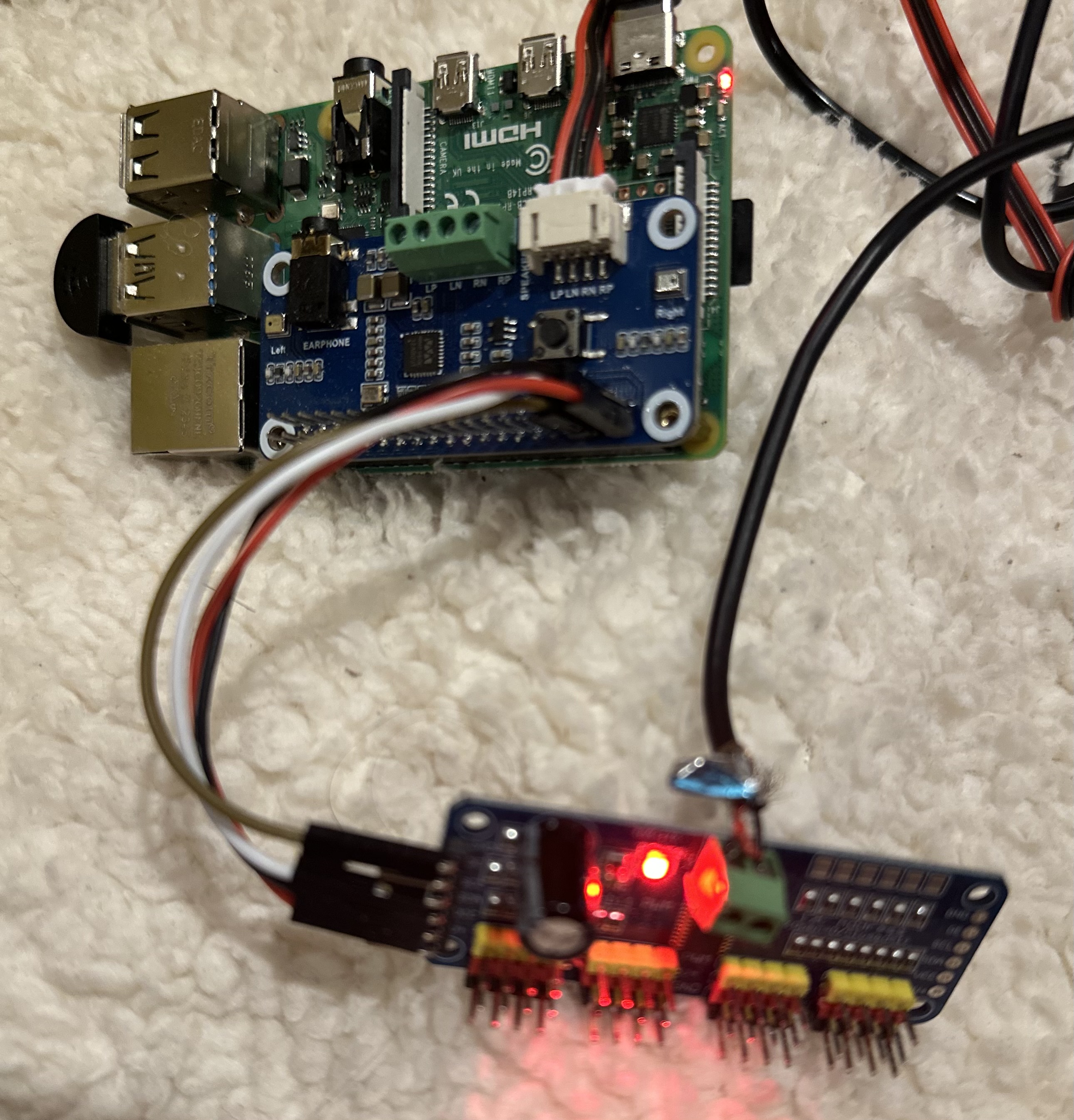
We fine-tuned gpt-oss models to create two distinct personalities: one trained on dark humor patterns and fact-twisting, another on trauma-informed therapy techniques. The application can run entirely offline which is great for therapy support and privacy. We integrated the AI with a custom plush bear featuring voice activation, speech synthesis, and motorized mouth movement to create a tangible, interactive companion that responds to conversation.
Challenges we ran into
The biggest challenge was training the personalities, one to be darkly funny or have shockingly morbid twists, and a therapy support bear mode that could provide actual therapeutic value. Balancing humor with helpfulness. We also faced hardware integration challenges synchronizing the bear's mouth movements with speech output, and overall modifying a plush bear to support mouth movement and voice activation input and sound output.
Accomplishments that we're proud of
We successfully created an AI that can genuinely make people laugh with Conan-style dark humor while also being able to be a real therapy support bear when needed. Offline capability, and physical bear interaction mean users get both entertainment and genuine help through a cuddly, responsive companion without any data privacy concerns
What we learned
We discovered how different prompt engineering approaches can create dramatically different personalities from the same base model. We also learned a lot about raspberry pi integration and servos and being able to use external sources for sound and input.
What's next for WiseBear
We actually think it would be interesting to implement a similar workflow into a plush and train it so that it creates Social Stories to support Autism and younger kids teaching them appropriate social situation behavior in the form of a cute teddy bear.
Built With
- accelerate
- adafruit-circuitpython-pca9685-(board/busio)
- alsa
- curl
- elevenlabs-text-to-speech-api
- fastapi
- ffmpeg
- gpt-oss-20b
- hugging-face-hub
- hugging-face-transformers
- jupyter-server-proxy
- jupyterlab
- linux
- macos
- numpy
- pca9685-servo-driver
- peft-(lora)
- pydantic
- python
- pytorch
- raspberry-pi
- requests
- runpod
- sox
- starlette
- trauma-bear-oss-20b-qlora
- usb-microphone
- uvicorn
- whisper-(stt)
- wikibear-lora
- wm8960-audio-hat


Log in or sign up for Devpost to join the conversation.