Inspiration
Our project inspiration came from our curiosity of analyzing what sort of plants are able to survive in different environments, which in this case for example is Mars. The plants that we chose for our environmental data analysis include corn, rice, oak tree, soybeans, and grass. The way we were able to identify whether these plants were able to survive in specific conditions were through data sets acquired from online resources that had a minimum and maximum range for both temperature and humidity.
What it does
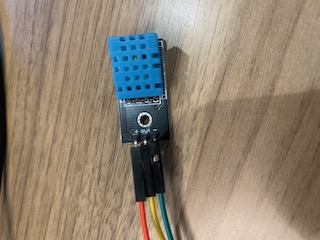
Our mission was to test the habitability of specific plants on rocky planets, which in our case is on Mars. Utilizing ESP-32, we were able to both monitor and record temperature and humidity using a DHT-11 sensor. We created a software, which was developed in python using the PyQt6 library, that identifies which plants are habitable or inhabitable.
How we built it
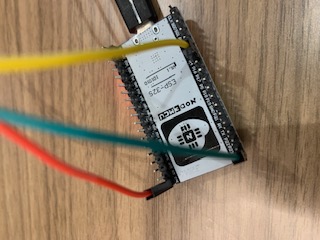
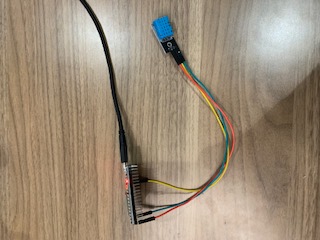
For our project development, we connected ESP-32 to the DHT-11 sensor. In our ArduinioIDE platform, we then printed both temperature and humidity onto the serial monitor. In order to transfer our data onto a text file, we used a software called CoolTerm, which allows us to read in data in real-time onto the software we developed. The layout of this software shows a window with options to choose between the different plants available, and based on the temperature and humidity, it will output a result message of whether or not it is habitable in the window.
Challenges we ran into
During this process of testing our sensors to make sure they worked properly, we did face several challenges in regards to the wiring process between the ESP-32 and some sensors we were testing. We also struggled with getting our temperature and humidity data to update in real-time when being loaded into the software we developed, which we were not able to troubleshoot in time.
Accomplishments that we're proud of
We were able to successfully receive output data from our DHT-11 Humidity and Temperature sensor as well as develop a software that indicated whether the environmental conditions were sustainable for our plants.
What we learned
During these 36 hours of project development, we were able to gain a deeper understanding of the ESP-32 microcontroller, and various sensors that we initially tested with before deciding which final sensors we planned on including in our project.
What's next for Plant Habitability Calculator
We hope that we can update our temperature and humidity sensor so that the output data updates in real-time, obtain higher quality sensors with more accurate data recording, add a wider number range of plants that we can analyze based off of the environment conditions, as well as improving the aesthetic aspect of our plant habitability calculator software.


Log in or sign up for Devpost to join the conversation.