-
-
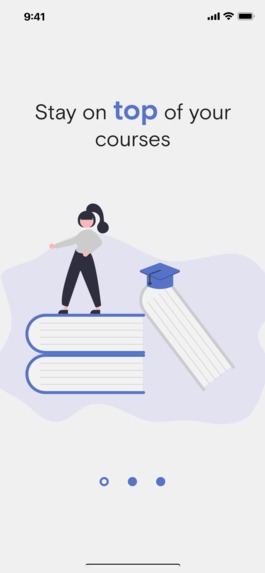
Opening Page 1
-
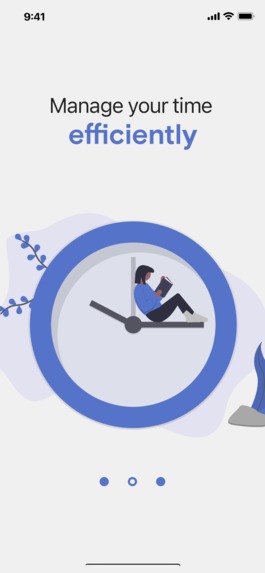
Opening Page 2
-
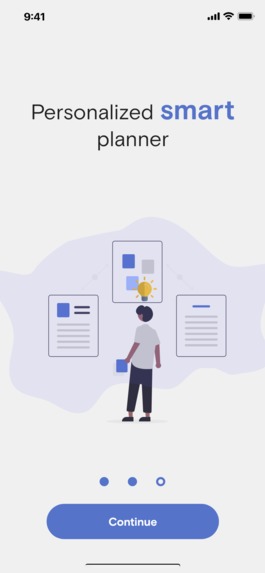
Opening Page 3
-
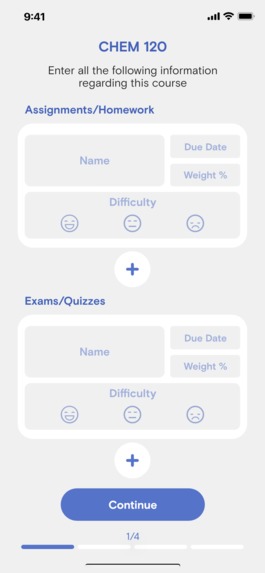
Assignment Input Page
-
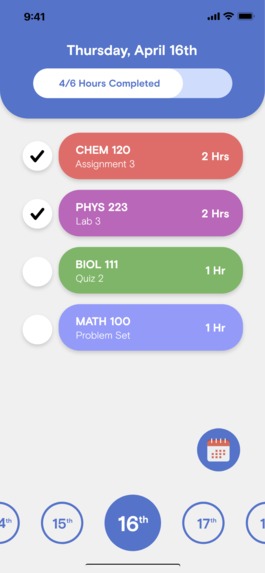
Example Day Schedule
Inspiration
We wanted to create a hack that helped with the virtual learning of high school students or older. As university students ourselves, we found that a challenge we face in this new online environment is managing our time effectively. Spending day after day inside our houses can make you lose track of time and we found that we were slowly sliding into a slippery slope of procrastination.
What it does
To solve this problem we created an assistant that could help students get back on track. Time Assistant and Virtual Optimizer for Students (TAVOS) is a smart planner like no other. TAVOS utilizes a complex algorithm to optimize the students study time to help them stay on top of their tasks. TAVOS will take the student's inputted due date information as well as assignment weights and use an algorithm based on the famous dynamic programming problem called the 0-1 knapsack problem. TAVOS will then output a planner with the amount of time the student should allocate on each of their assignments to be able to complete them in an efficient manner.
How we built it
To build TAVOS we used an algorithm based on the 0-1 knapsack problem. The 0-1 knapsack problem fits items with various weights and values into a knapsack in order to gain the maximum total value of the knapsack. Using this idea, we quantified value as "intensity score".
Intensity Score= (1 + Weighting%) x (Difficulty Score) / (Days until due)
If our knapsack can contain 6 hours of work, it will prioritize higher intensity scored tasks over lower intensity scored tasks to fill our knapsack with the optimal work outline.
Challenges we ran into
The biggest challenge we ran into was finding an appropriate way to quantify the amount of work a student would need to complete an assignment or study. Without having much in depth knowledge about the individual student, the question becomes how can we make an algorithm that helps the largest number of students? Stating how difficult a task is can be quite arbitrary and dependent on person to person. So, we decided to use 3 images to represent how difficult the task may be. The smiley face indicates that the upcoming task is no problem, whereas the sad face represents that the assignment is going to be rough. From this we gave the assignment a "difficulty score".
Accomplishments that we're proud of
Our team consisted of individuals with diverse interests and educational backgrounds. We have a mechanical engineering student, a computer science student, statistician student as well as a UI/UX designing student. We are extremely proud to be able to find a project idea that utilizes all of our skills. We had the right people to develop a good algorithm, design an ergonomic UI, and the right people to execute the project into code.
What we learned
Start big and get focused! When going into this hackathon, we knew that we wanted to work on an app focused on education. In our discord call, we all shot out wild solutions to the posed problems and finding common points within them. We were able to narrow down what we wanted to accomplish into a single feature for the app. We think we kind of underestimated the amount of time to actually create the app we wanted, so next time we'll definitely get a started a lot earlier.
What's next for TAVOS
TAVOS has lots of potential as a planning tool especially during these uncertain and inconsistent times of covid-19. The future for TAVOS would be to implement the following:
1) A method to diminish the amount of time it takes students to input course information by allowing them to upload pdfs of their course syllabus and TAVOS would be able to identify the useful information within the document.
2) As machine learning enthusiasts we see the potential for TAVOS to utilize machine learning algorithms to be able to create a portfolio optimized for the individual student based on their study habits as well their prior study plans and their GPA results from those plans to be able to create a better plan for the students next assignments.
3) We also want TAVOS to become a central hub for students everywhere. Giving students the option to create study groups with friends could also help students in an online environment.


Log in or sign up for Devpost to join the conversation.