-
-

Icon for Hackathon
-

19 million people in the United States are affected by chronic hoarding every year, yet solutions are limited. Cognitive behavioral therapy can help break bad patterns, but many will never seek outside help. Task management and checklist applications don’t help, as they require the person to overcome overwhelming decision paralysis and anxiety to begin making changes.
After seeing first-hand the effect hoarding can have, we decided to build Taskit.
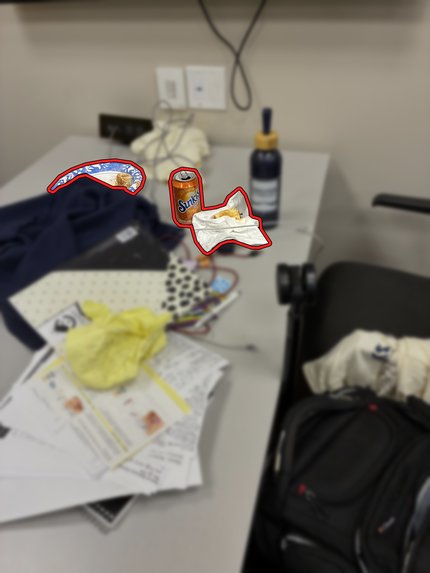
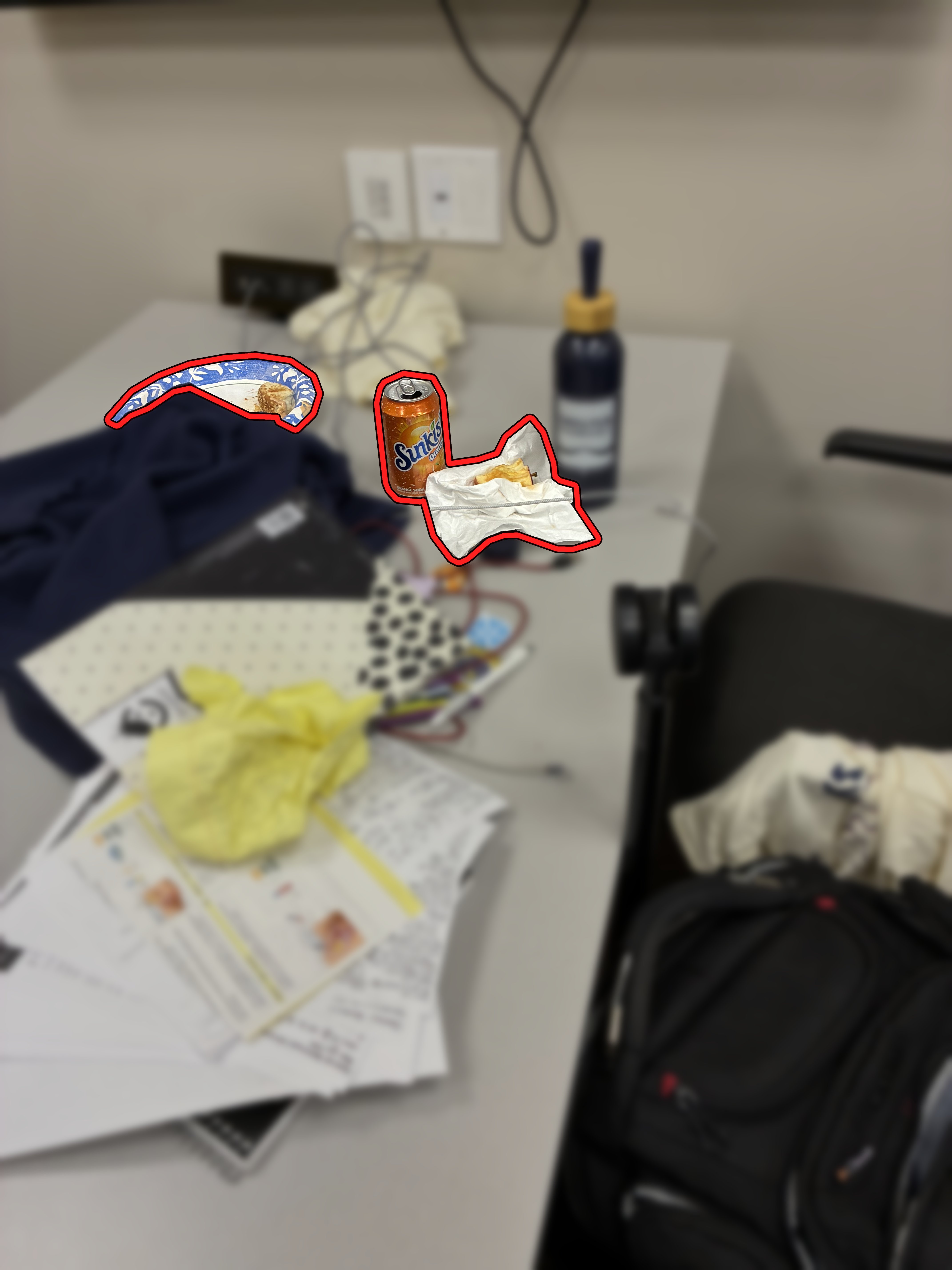
The app is simple for the user: they take a photo of the clutter. It is passed into an AI agent, which determines the type of room, layout of the room, room contents, categorization of level of clutteredness (ICD Clutter-Hoarding Scale), pathways and accessibility, and possible hazards (including blocked doorways, clutter on stoves, and biohazards). A DINO (self-distilation with no labels) model takes descriptions of objects from Claude, and locates their coordinates on the image. It stores the coordinates of the bounding box of the object. A SAM (Segment Anything Model) takes the coordinates of the object from the DINO model and finds the exact pixels that belong to that object, creating a wrapped polygon.
Along with a visual highlights and breakdowns of items and zones, an AI agent walks them through exact steps to take to make the safe space and comfortable. Extensive psychological research and agentic orchestration ensures that the coaching agent is sympathetic and understanding of the anxiety this process can bring.


Log in or sign up for Devpost to join the conversation.