Inspiration
Productivity apps help you organize tasks. Games make you want to keep playing.
I asked a simple question:
What if productivity felt like leveling up in a game?
Traditional task managers focus on storage. They don’t solve motivation, consistency, or burnout. I wanted to build something that combines:
Behavioral psychology
Gamification mechanics
AI-driven intelligence
The goal was to transform productivity from obligation into progression.
What it does
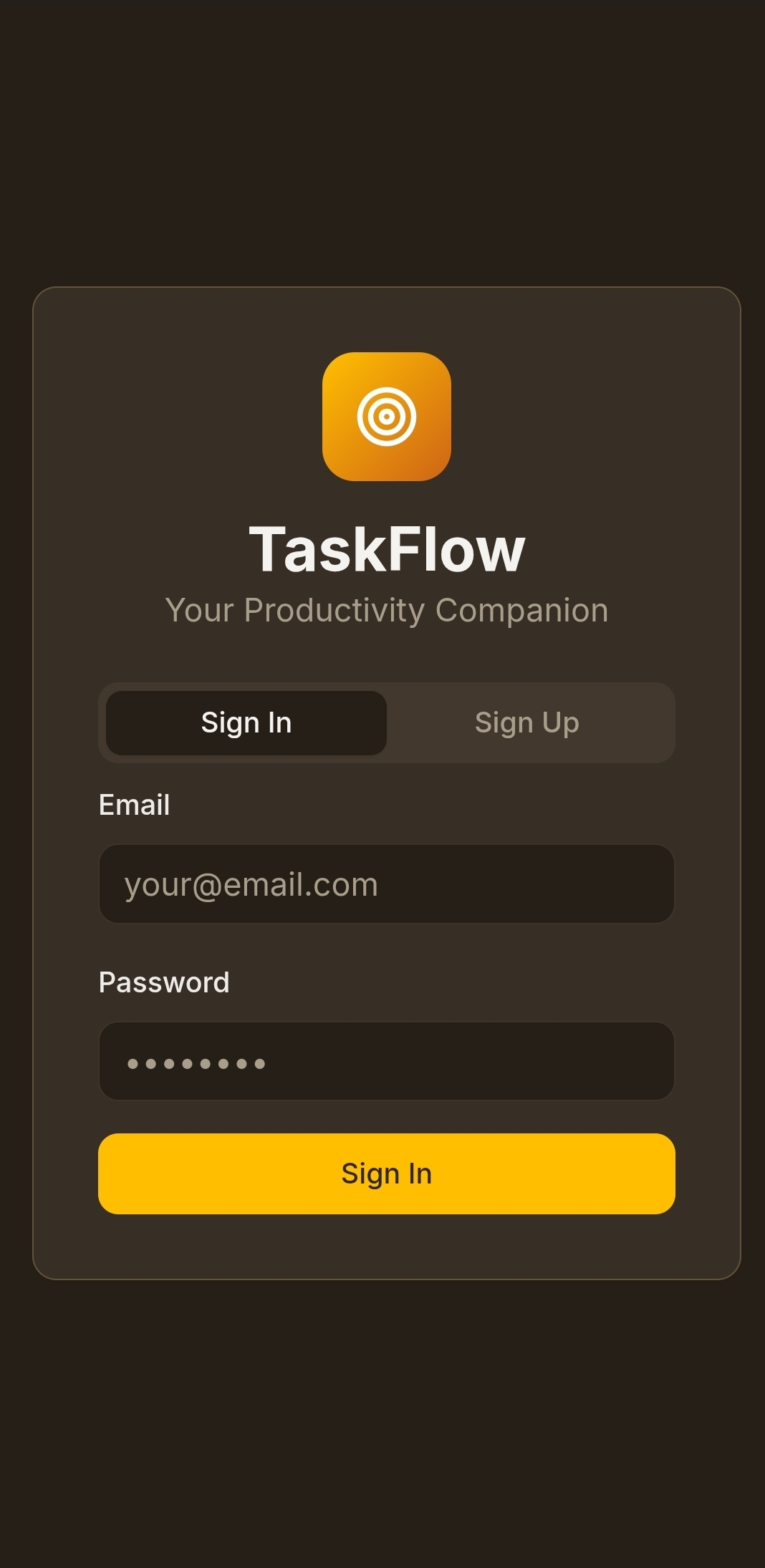
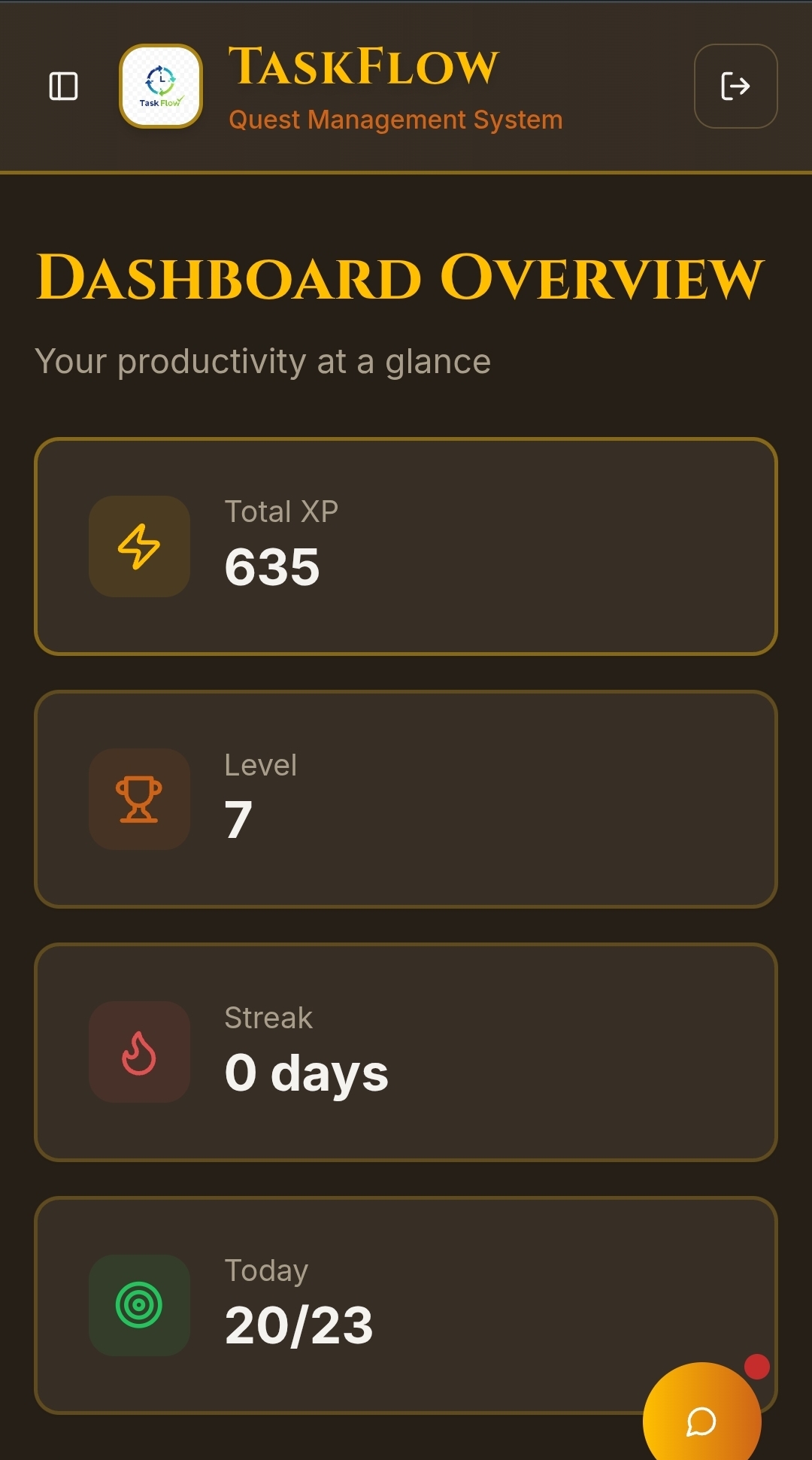
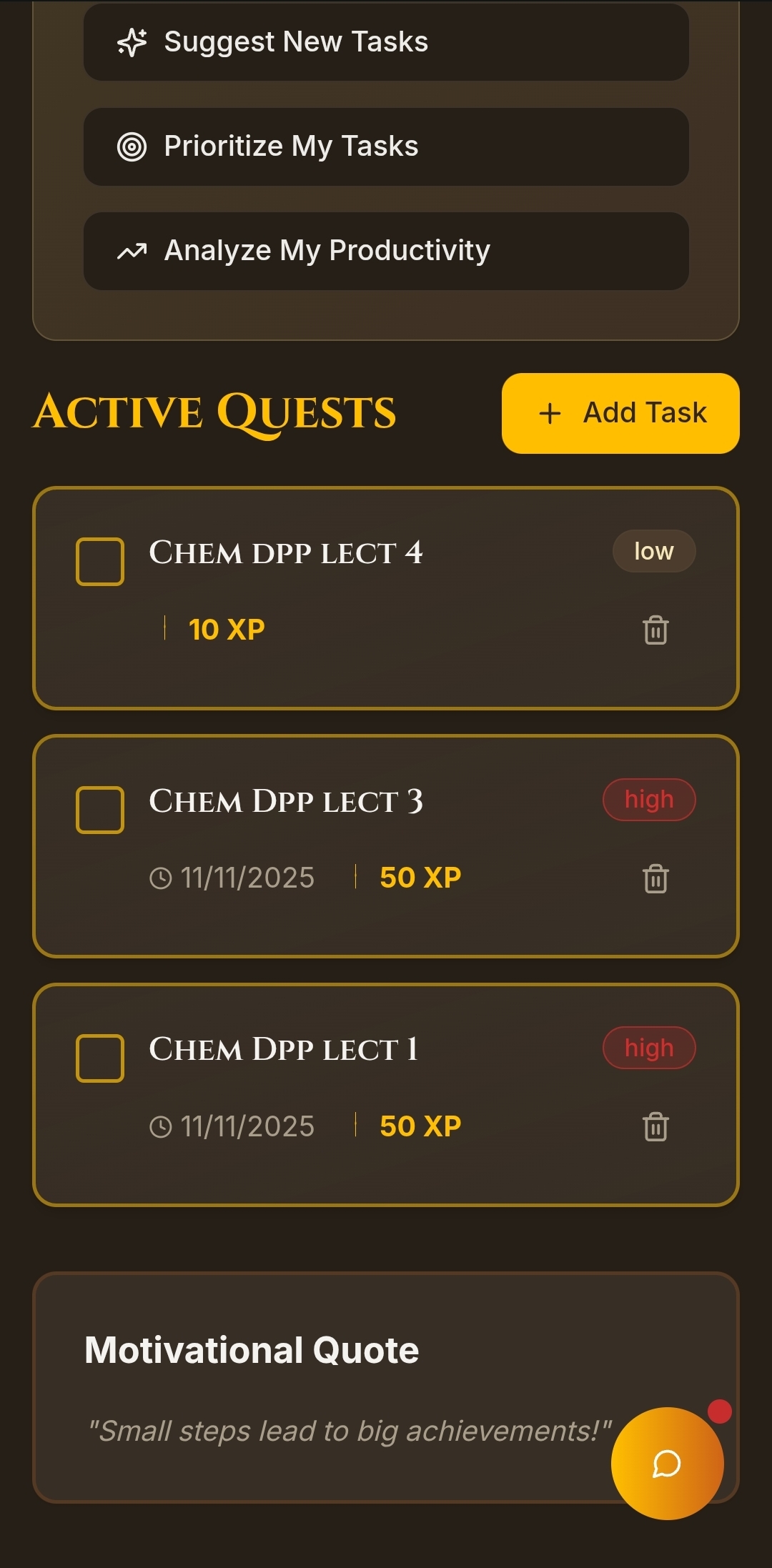
TaskFlow is a gamified AI productivity ecosystem that turns daily work into measurable growth.
It combines:
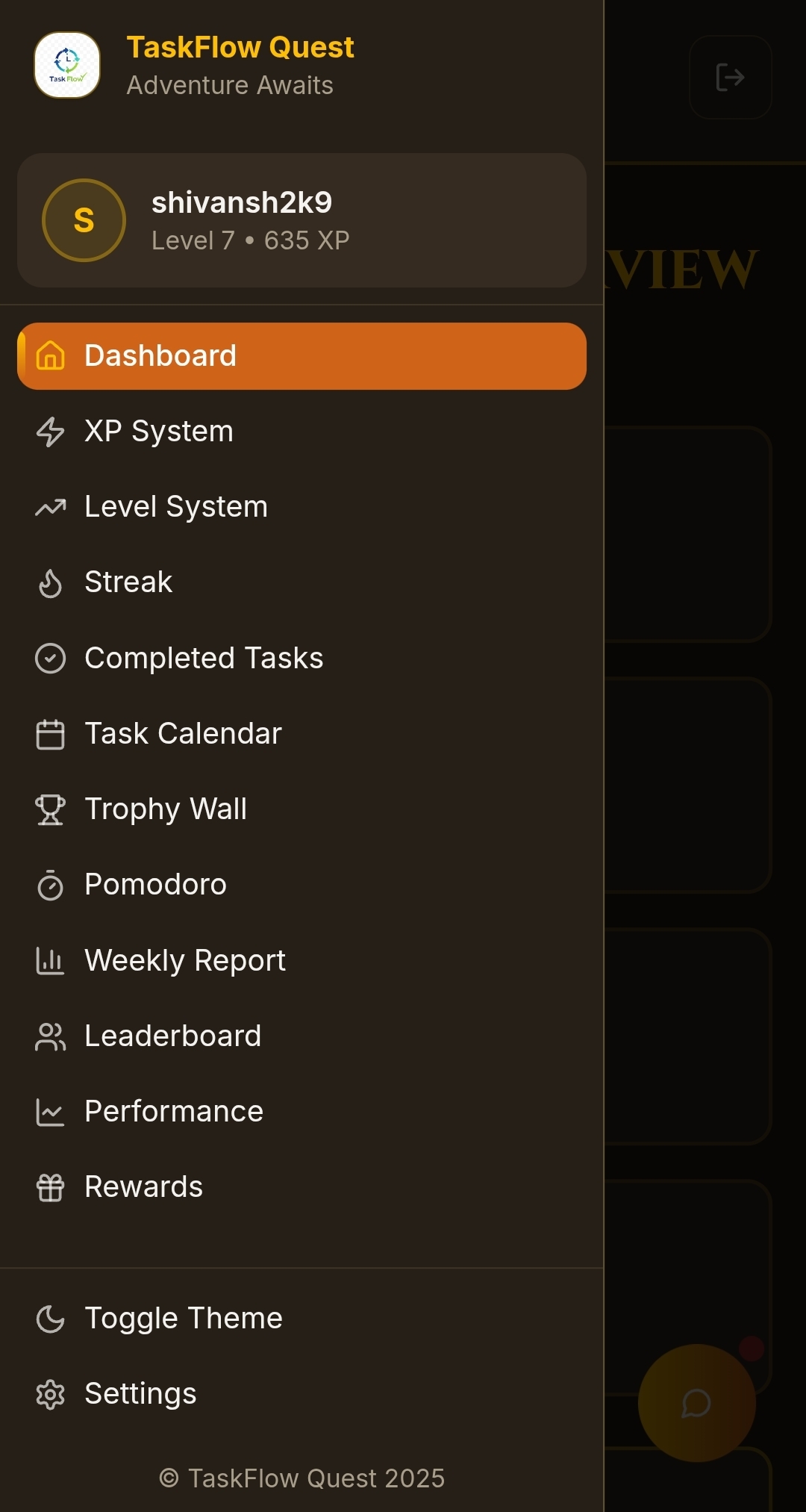
Gamification Engine
XP System (earn points per completed task)
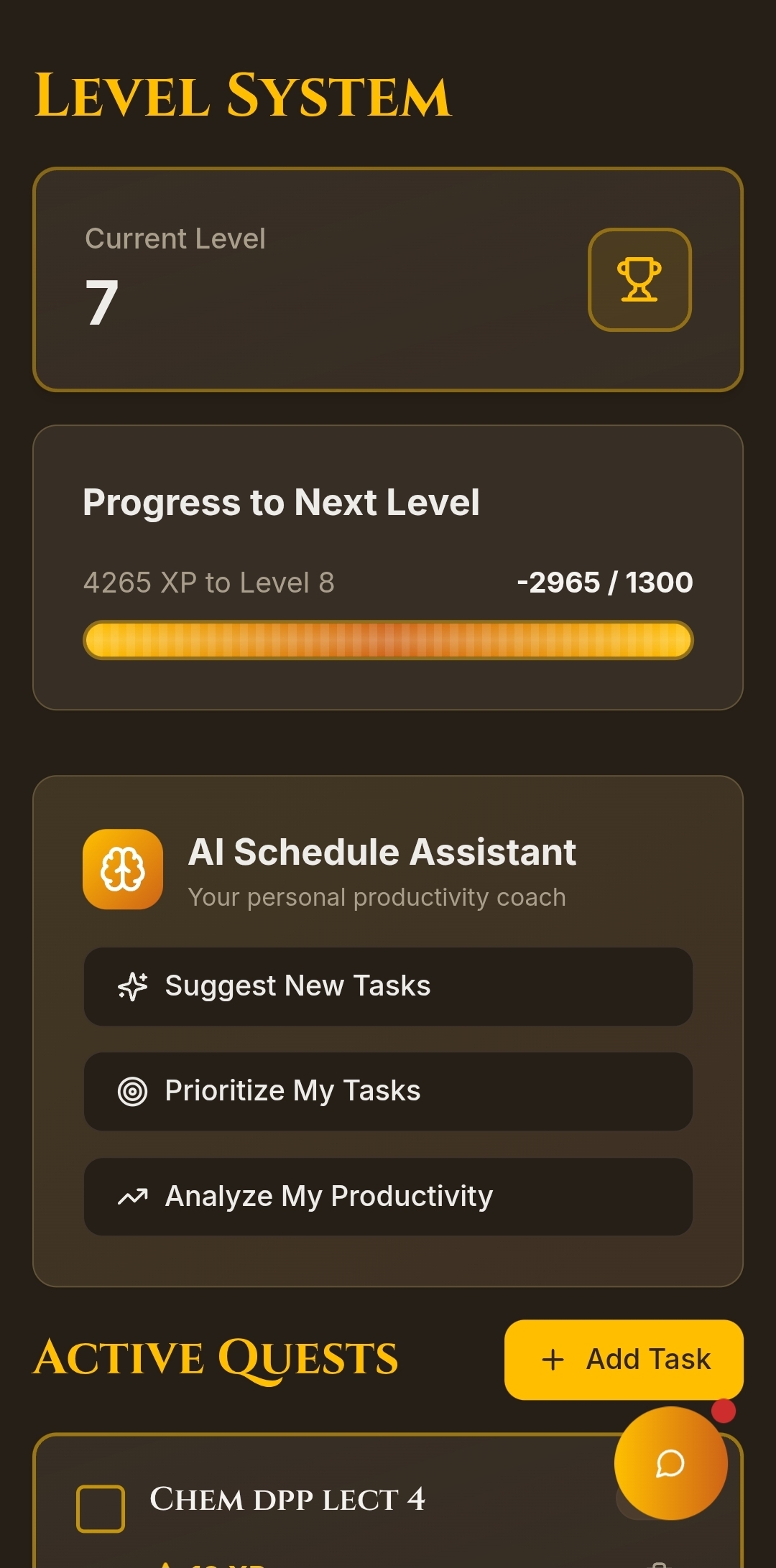
Level System (progression tracking)
Hero Status Dashboard (current XP vs required XP)
Streak Management
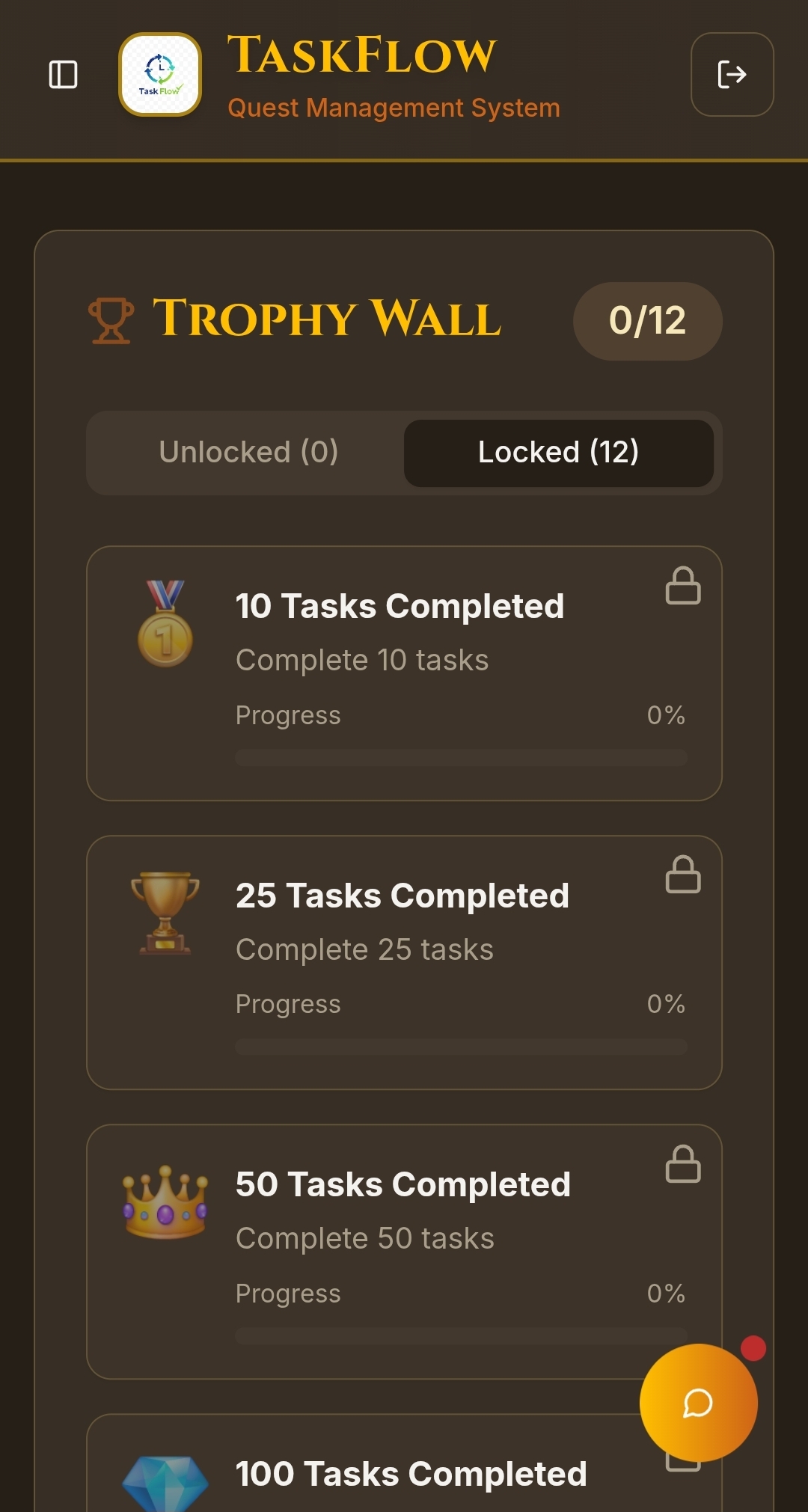
Trophy Wall
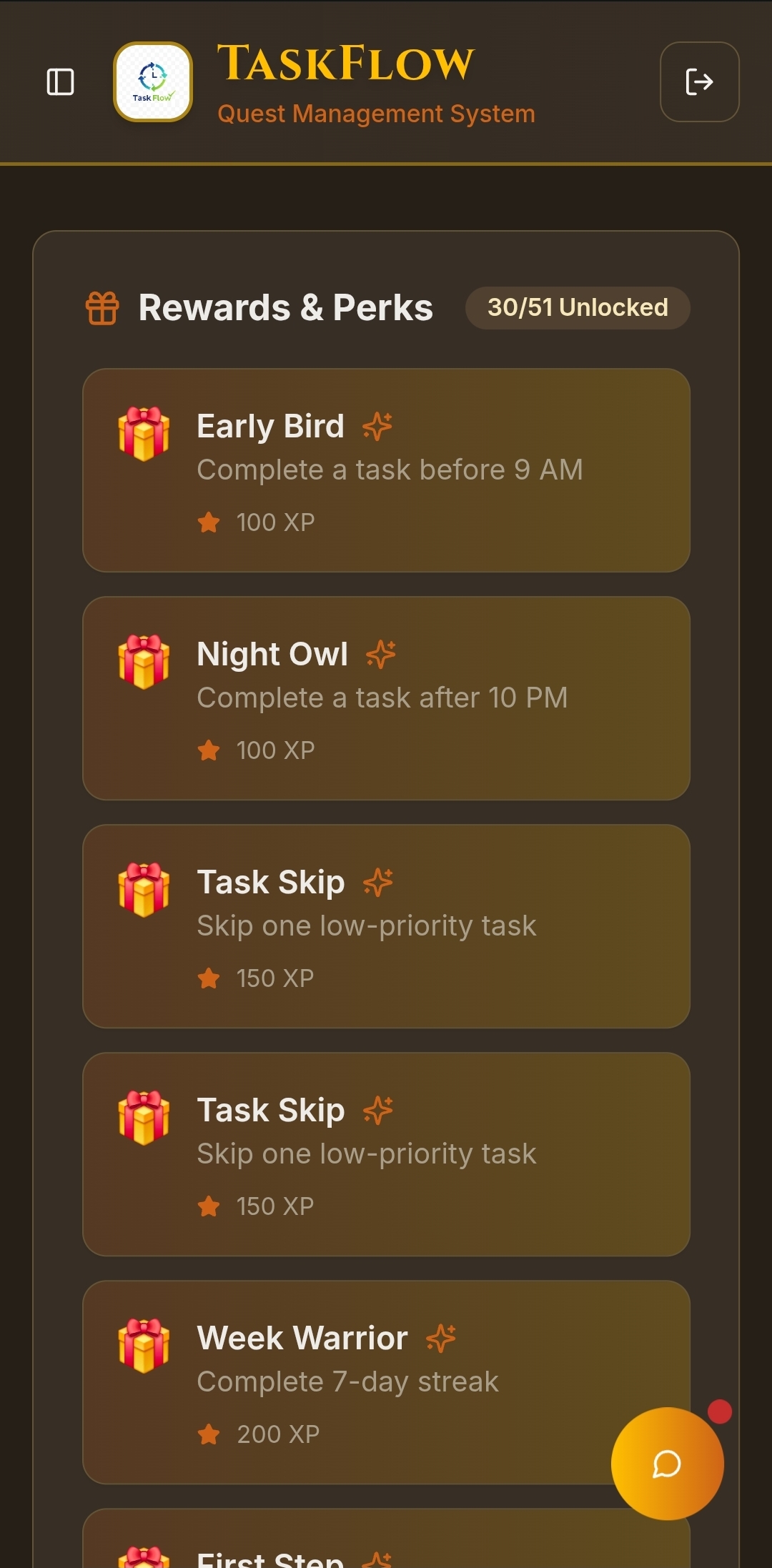
Rewards & Perks
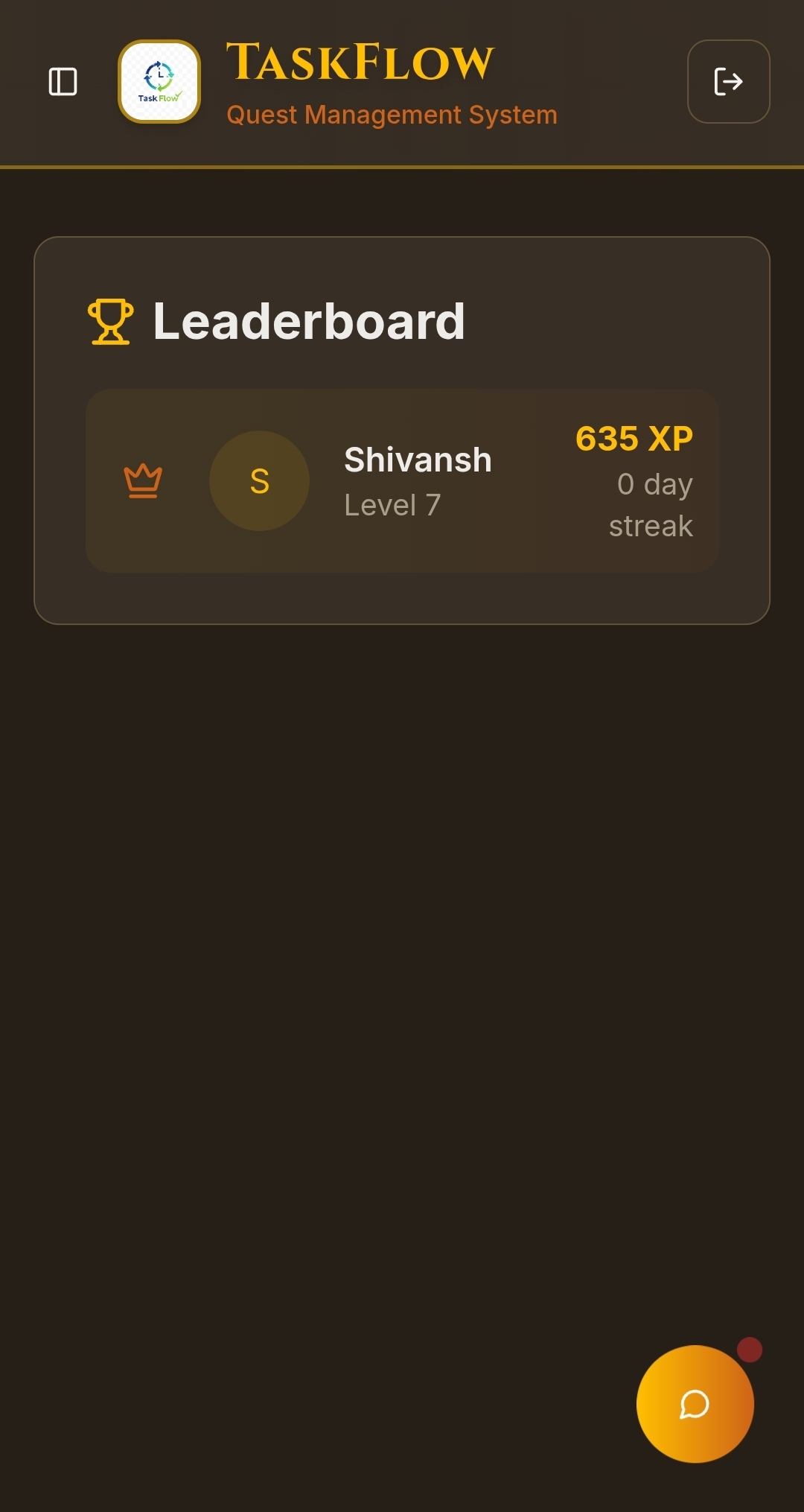
Leaderboard
AI Intelligence Layer
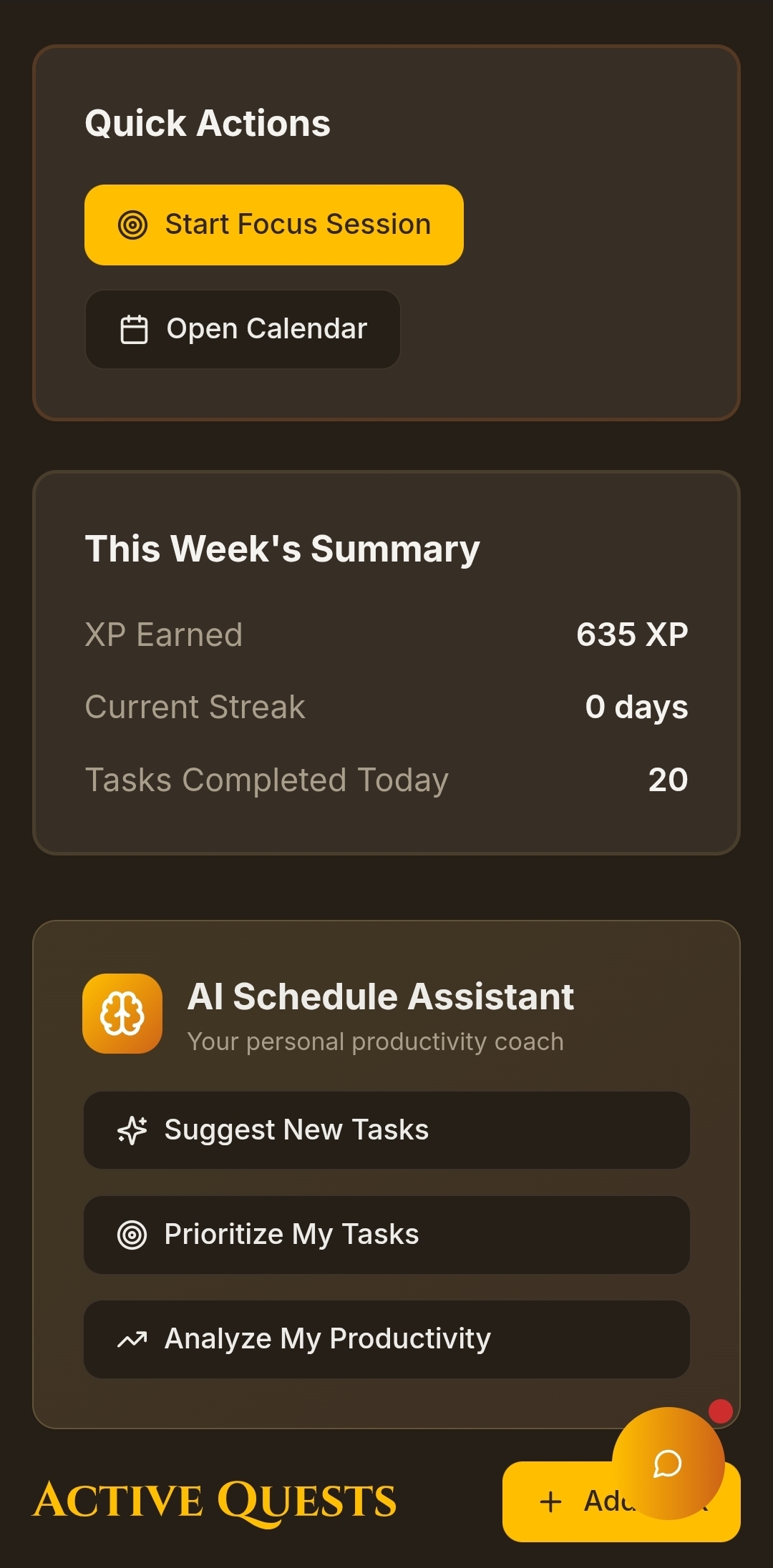
AI Schedule Assistant
Suggests new tasks
Prioritizes workload
Analyzes productivity
Active Task Recommendations
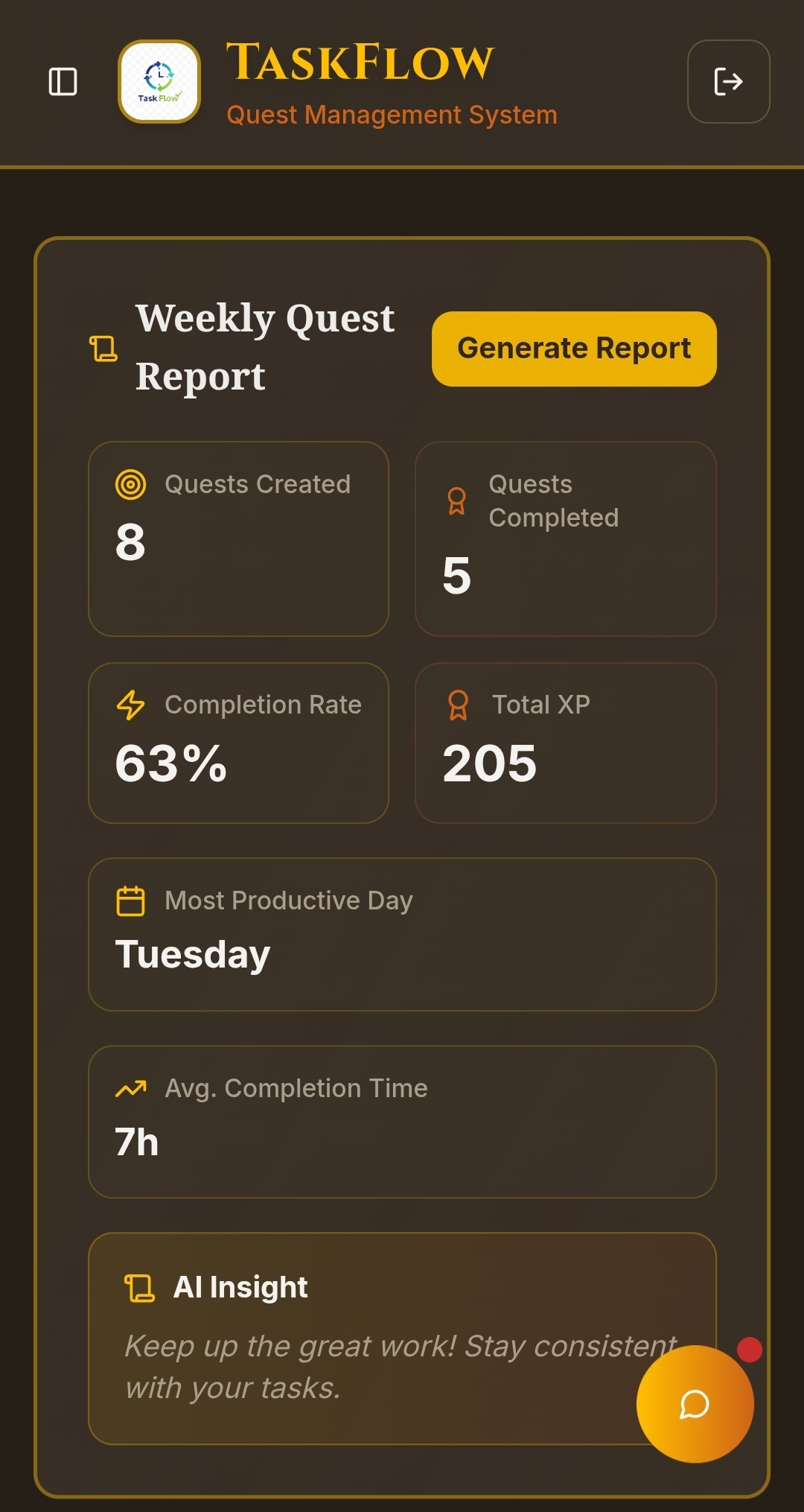
Weekly AI Performance Reports
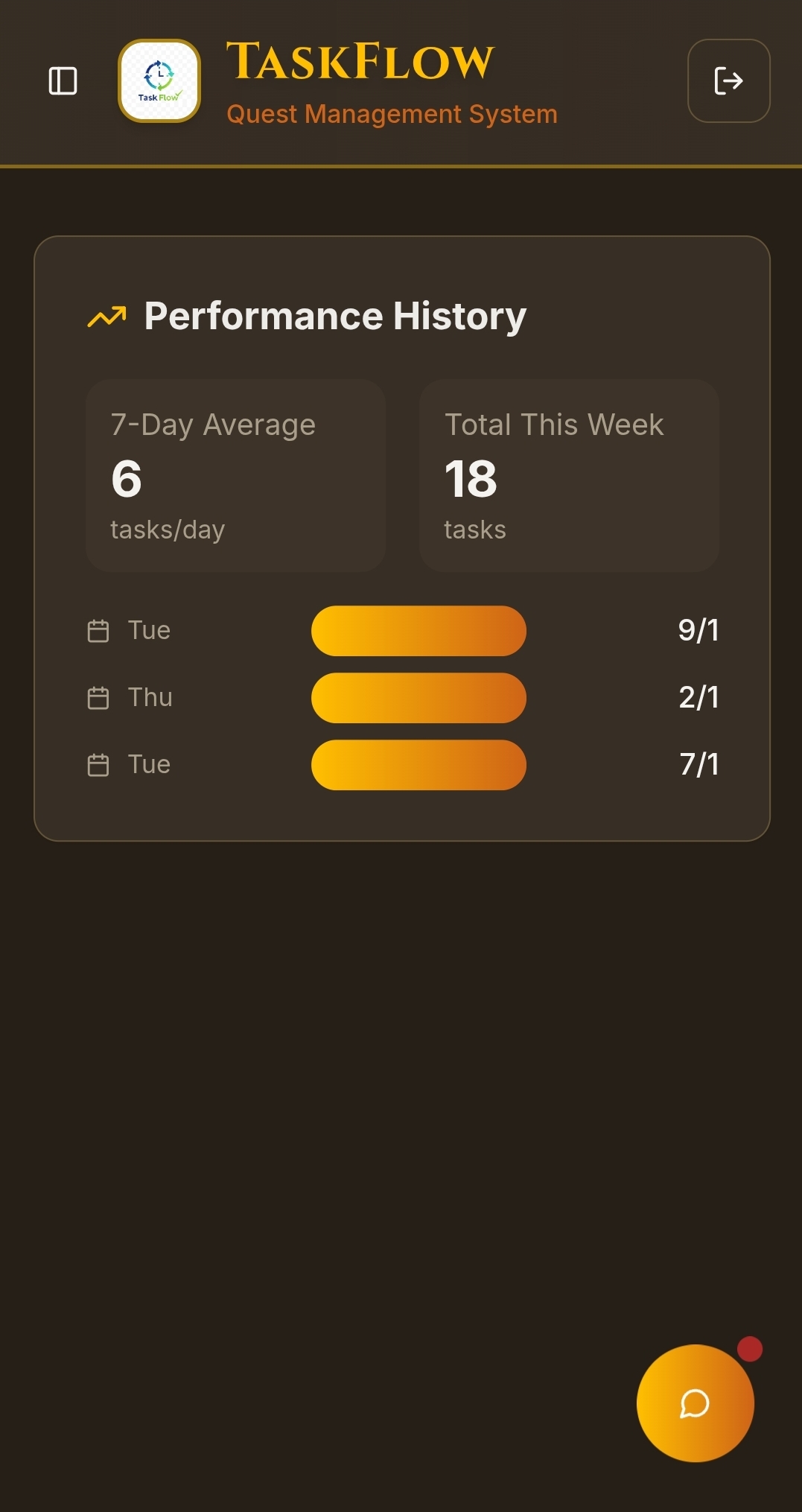
Productivity History Analysis
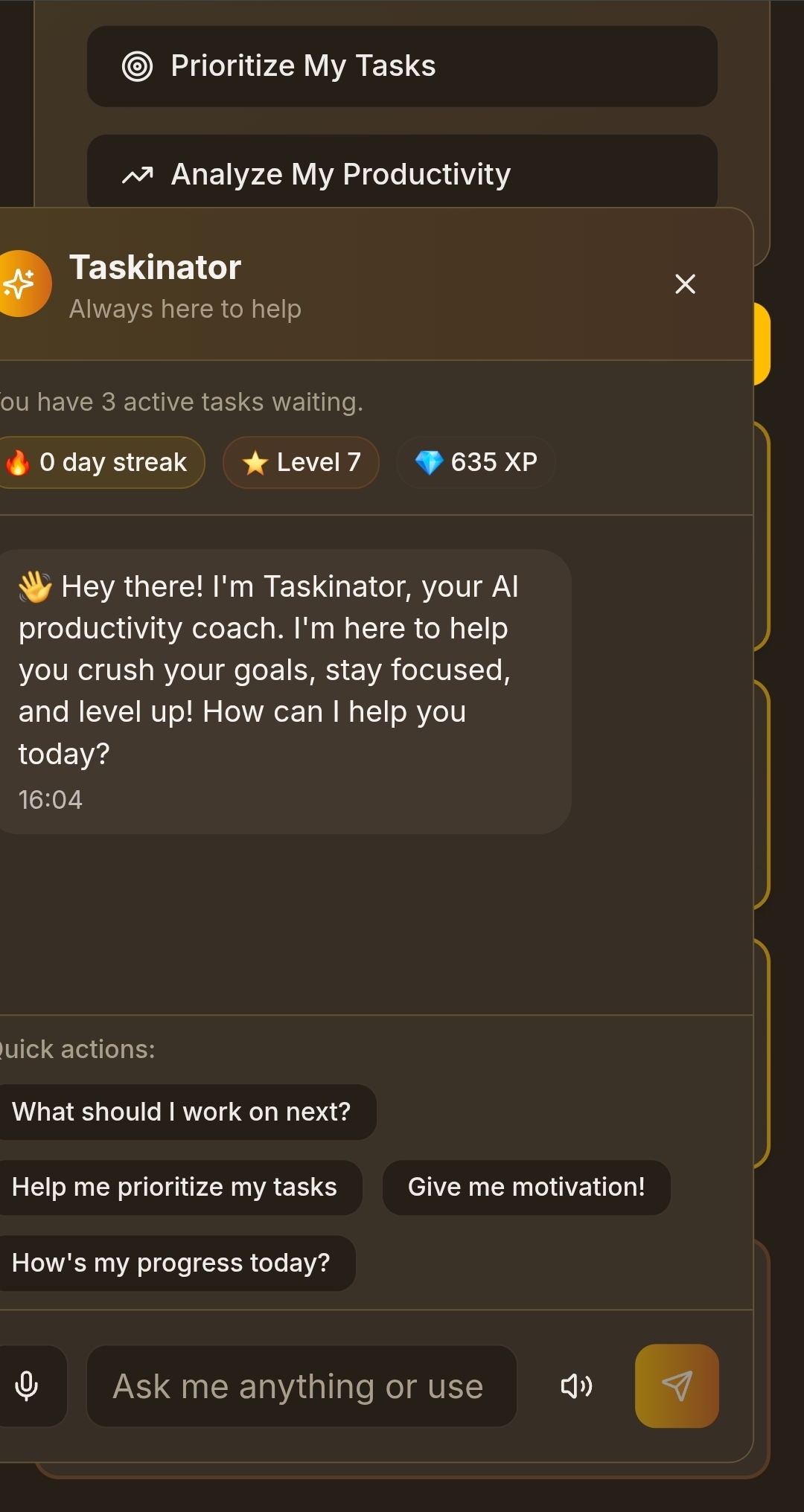
Taskinator (AI agent assistant)
Productivity Tools
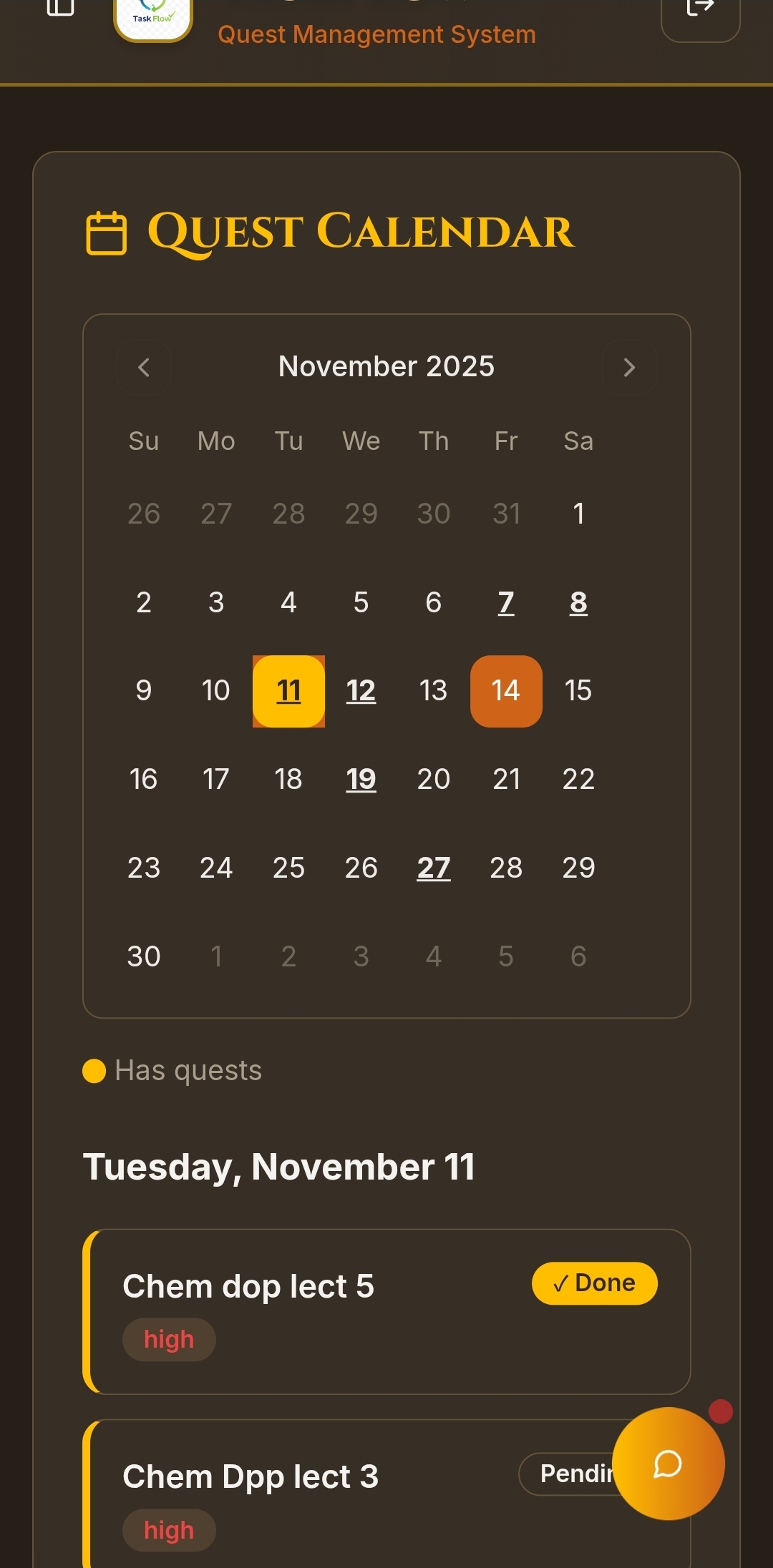
Task Calendar
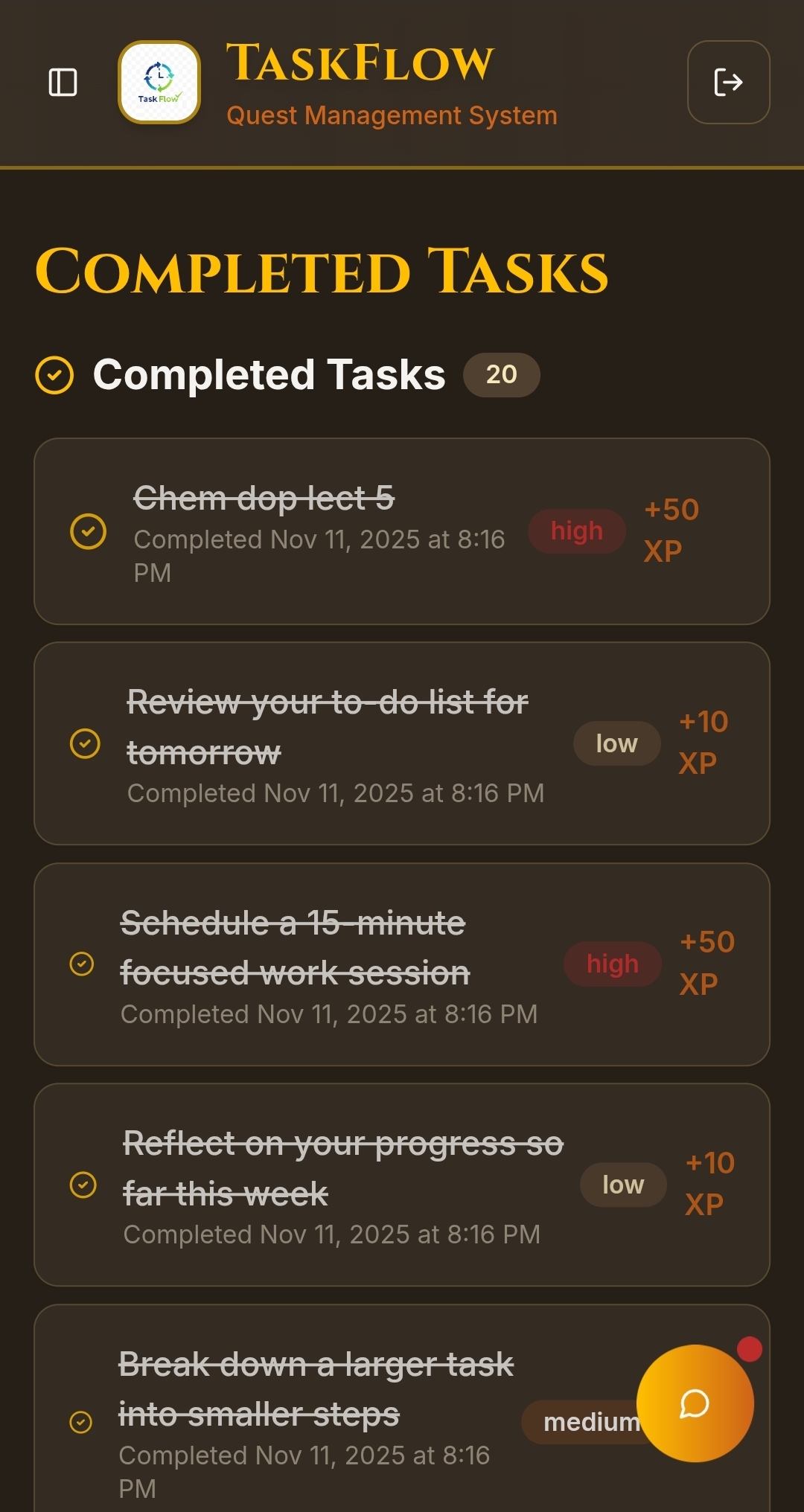
Completed Task Archive
Dashboard Analytics
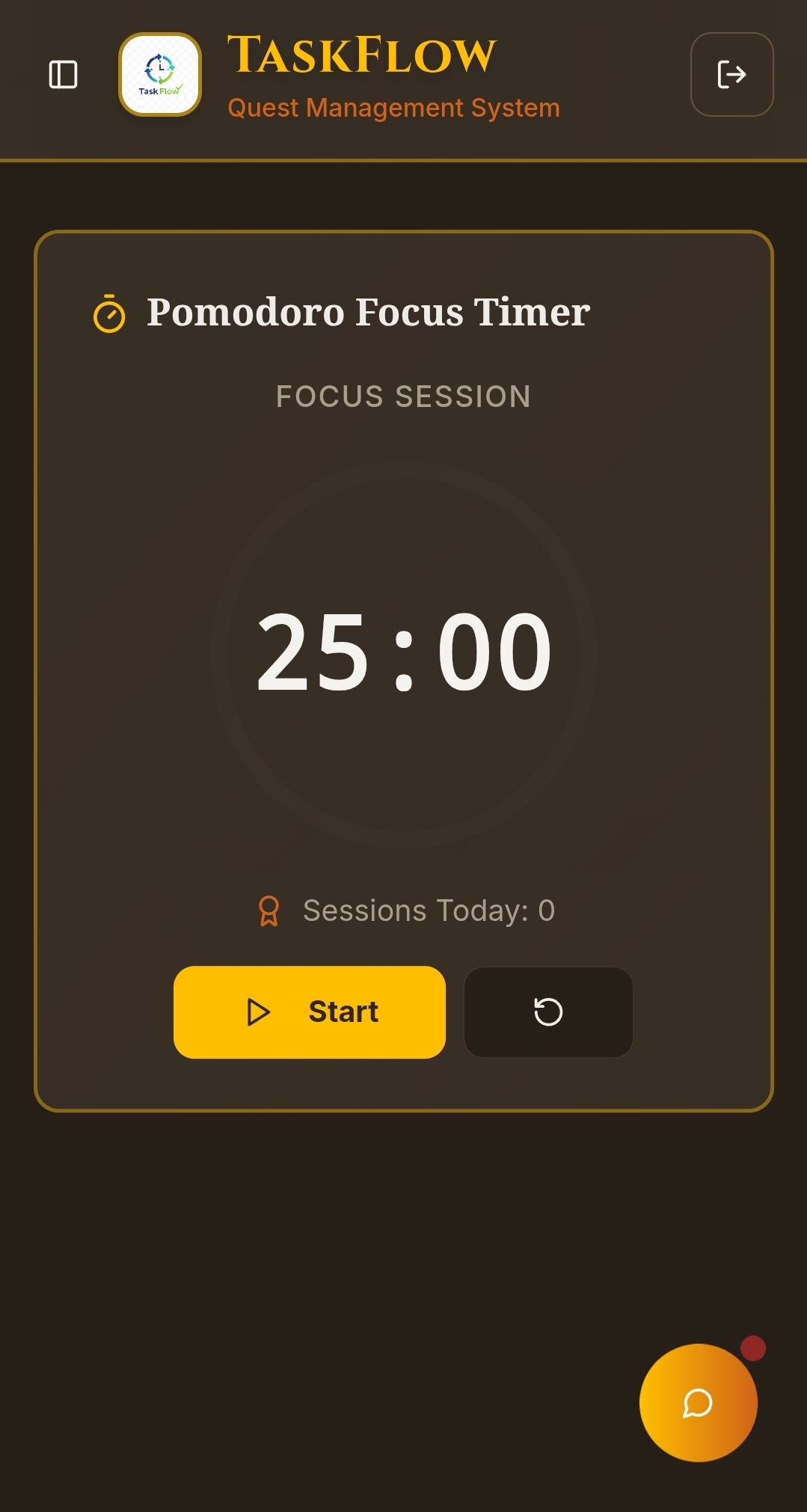
Pomodoro Focus Timer
Voice Commands to Add Tasks
Daily Motivation Quotes
The system models productivity progression mathematically:
Productivity = f(Consistency, Focus, Task\ Completion)
And gamifies growth using:
Level_{n+1} = Level_n + XP_{earned}
How we built it
TaskFlow was built using:
Lovable for AI-assisted full-stack development
Backend logic integration within Lovable
Gemini API powering Taskinator and AI scheduling intelligence
Secure login system for persistent data storage
Cloud-based architecture for scalable performance
The AI system analyzes:
Task completion rates
Time usage patterns
Streak consistency
Focus session data
This data feeds into adaptive scheduling suggestions and workflow insights.
The app architecture separates:
Gamification Layer
AI Intelligence Layer
Core Task Management System
This modular design ensures scalability.
Challenges we ran into
- Balancing Gamification with Real Productivity
Too much game logic can distract. Too little reduces motivation. Finding equilibrium was critical.
- AI Suggestion Accuracy
Ensuring the AI assistant gives meaningful task prioritization required iterative refinement.
- System Complexity
Integrating XP, levels, streaks, reports, and AI into one smooth interface required strong structural planning.
- Avoiding Feature Overload
We had to carefully design the interface so power features didn’t overwhelm users.
Accomplishments that we're proud of
Successfully integrating AI-driven scheduling
Designing a fully functional XP & leveling engine
Building Taskinator as an AI productivity agent
Creating a complete gamified ecosystem instead of just a to-do app
Maintaining a clean, modern, interactive UI despite system complexity
Most importantly — TaskFlow feels motivating.
What we learned
Motivation is a system design problem
Gamification works when tied to real value
AI must enhance clarity, not create noise
Simplicity requires deep architectural thinking
We also learned that productivity improves when users feel progression, not pressure.
What's next for TaskFlow
With adaptive scheduling, AI insights, and enhanced interaction already implemented, the next phase focuses on scaling intelligence.
Planned upgrades include:
Deep AI personalization based on long-term behavioral data
Real-time cross-device synchronization
Advanced analytics dashboard
Smart burnout detection system
Habit integration with long-term progression modeling
Future model:
Growth(t) = XP(t) + \alpha \cdot Consistency(t) - \beta \cdot Burnout(t)
The vision is to make TaskFlow a self-evolving productivity engine that adapts to each user’s growth journey.
Built With
- agent
- ai
- analytics
- api
- app
- architecture
- artificial
- authentication
- backend
- cloud
- development
- engine
- full-stack
- gamification
- gemini
- generative
- intelligence
- lovable
- mobile
- productivity
- recognition
- system
- voice


Log in or sign up for Devpost to join the conversation.