-
-
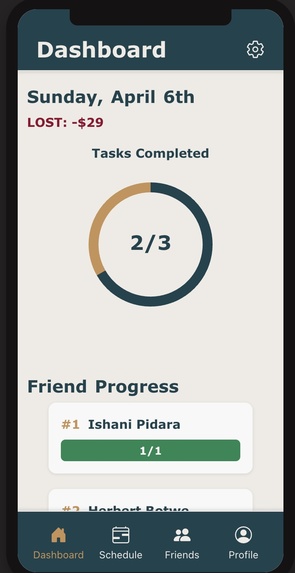
Dashboard
-
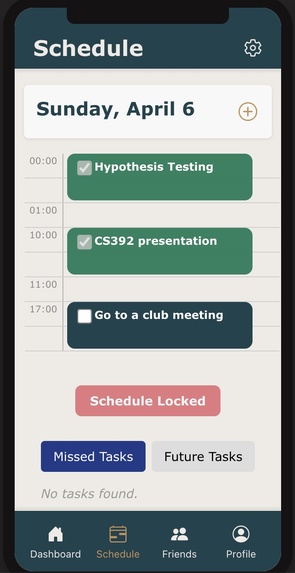
Schedule
-
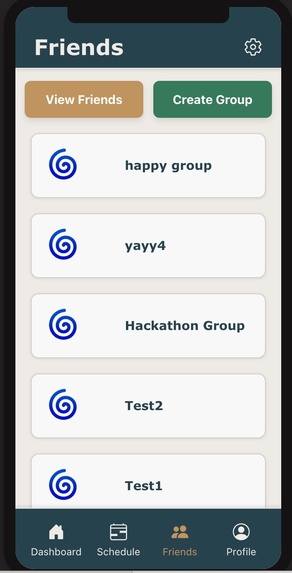
Friends
-
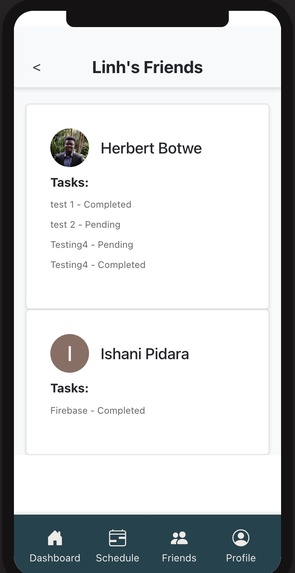
Group
-
Profile
Inspiration
One of our group members had been using Apple Notes to share daily to-do lists with friends. At the end of each day, anyone who didn’t complete their tasks would owe the others an agreed-upon amount of money. It was a simple but surprisingly effective workaround for common productivity challenges—like feeling overwhelmed, lacking motivation, or needing external accountability. That system inspired us to create a real platform around the concept—something that makes staying on track easier, more social, and a little more fun.
What it does
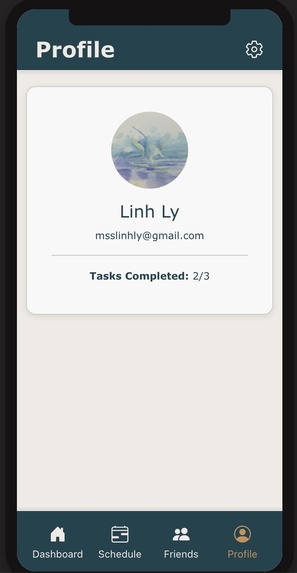
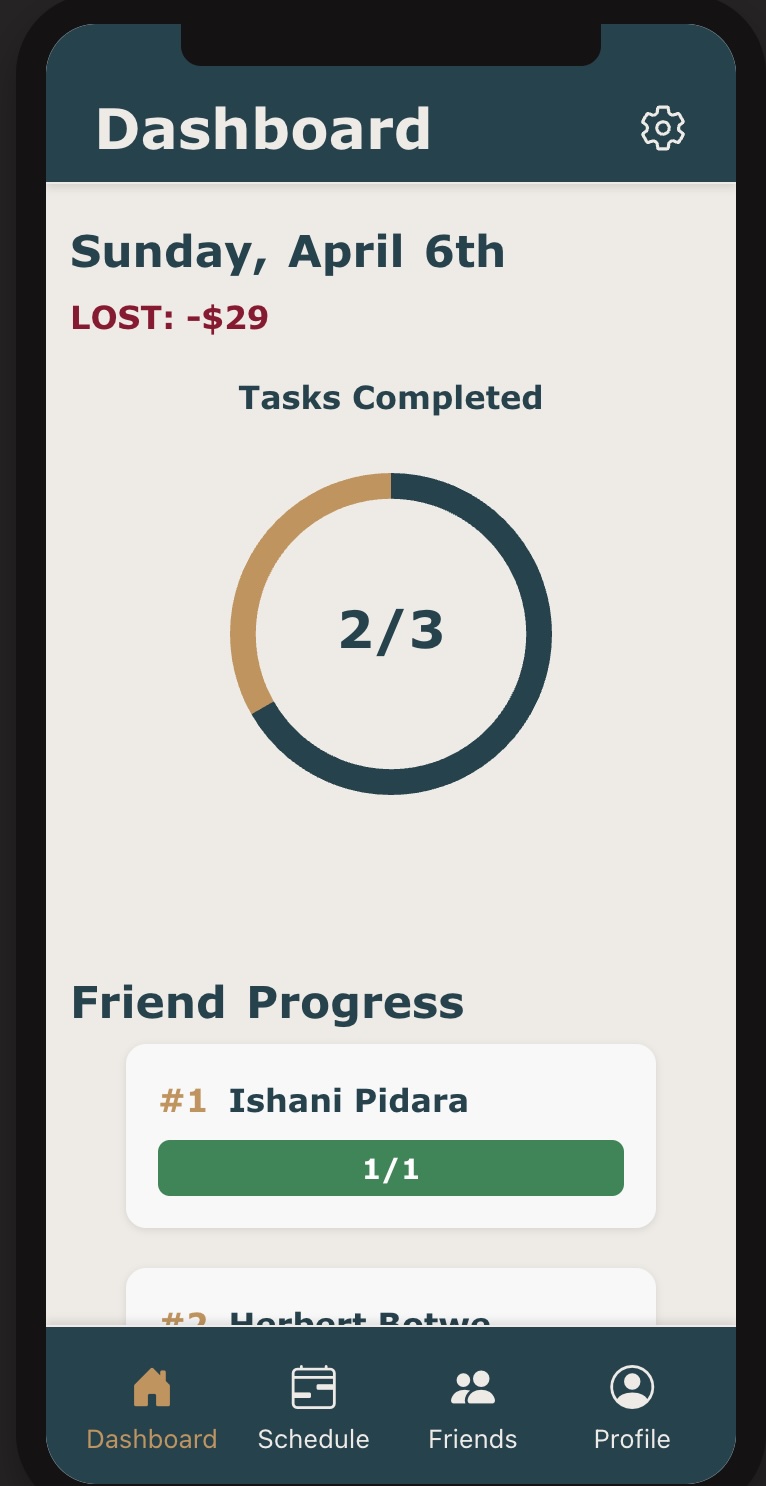
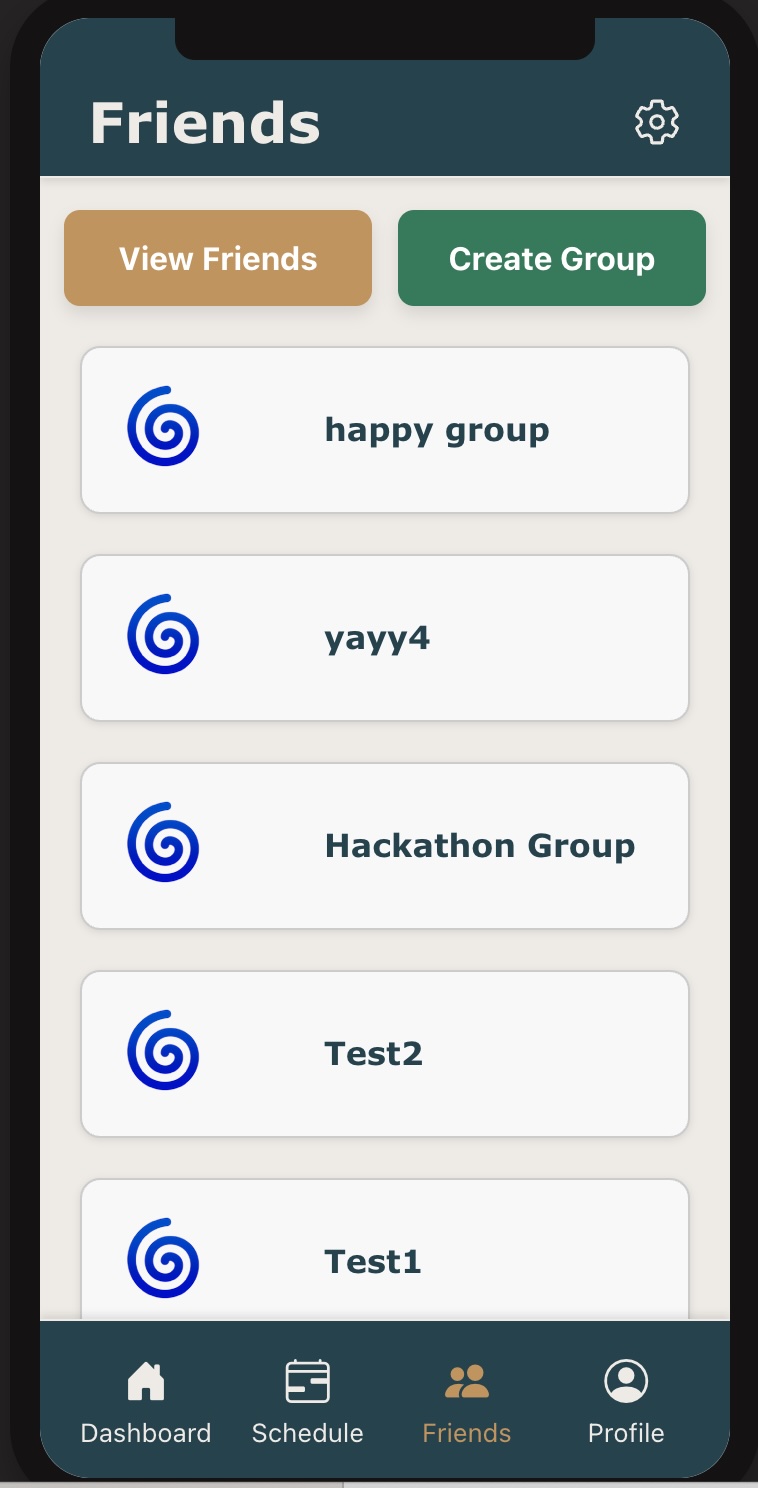
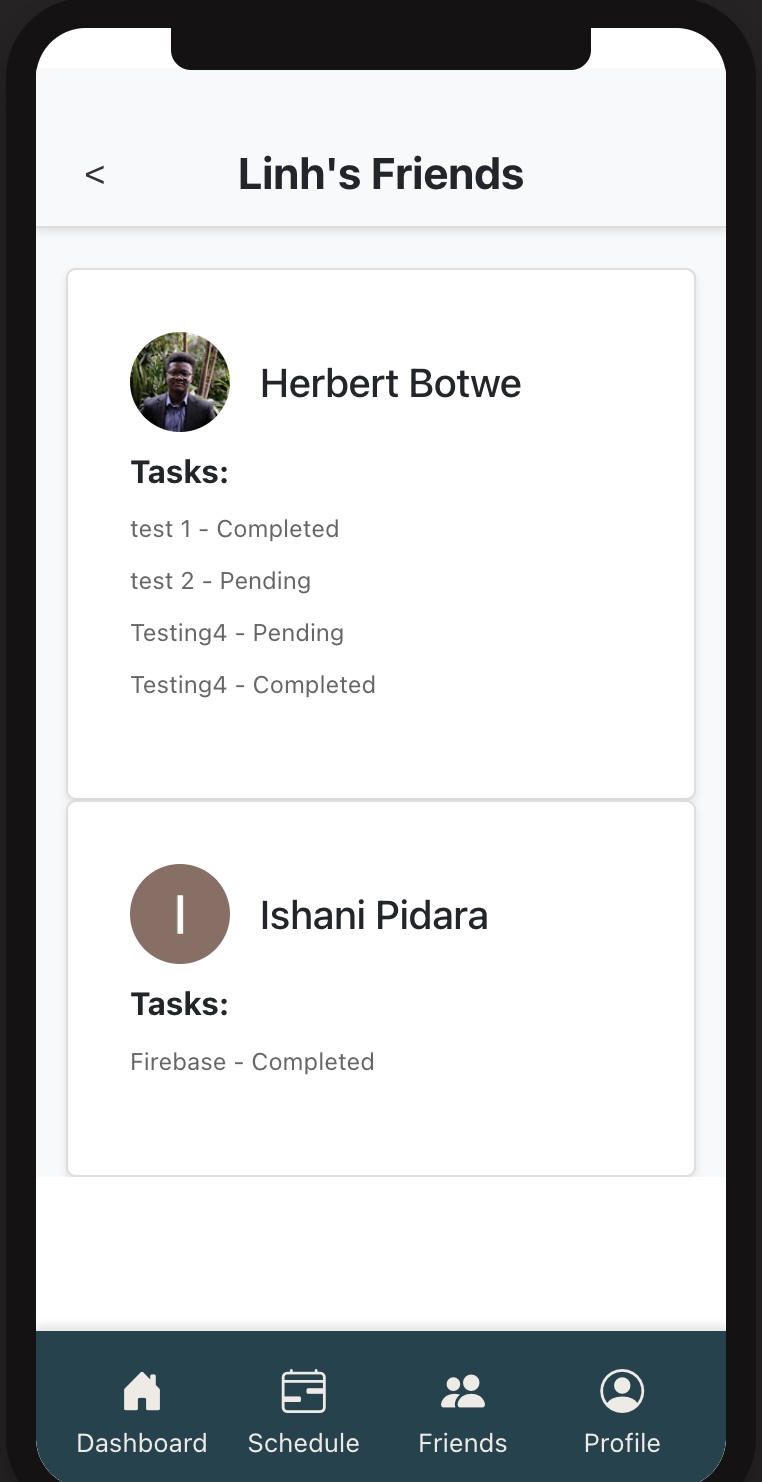
Task Titans helps people hold each other accountable by putting money on the line. Users join small groups where everyone agrees on a dollar amount to “wager.” Each person schedules their own daily tasks, and if someone doesn’t complete theirs, they lose their stake. That money is then redistributed among the rest of the group. Task Titans turns accountability into a game by combining external pressure, tangible consequences, and friendly competition to help people actually get things done.
How we built it
We built the app using React for the frontend and Firebase for backend services like user authentication and real-time data storage. We designed custom components for scheduling, task tracking, and visual progress. Firebase made it easy to keep everyone’s data synced in real time, whether it was their own tasks or the group’s overall progress.
Challenges we ran into
Design When designing the project, one challenge was identifying the root causes behind productivity struggles—like burnout, feeling overwhelmed, and lack of follow-through. We spent time narrowing the scope and understanding what types of users would benefit most from this system and what obstacles they commonly face.
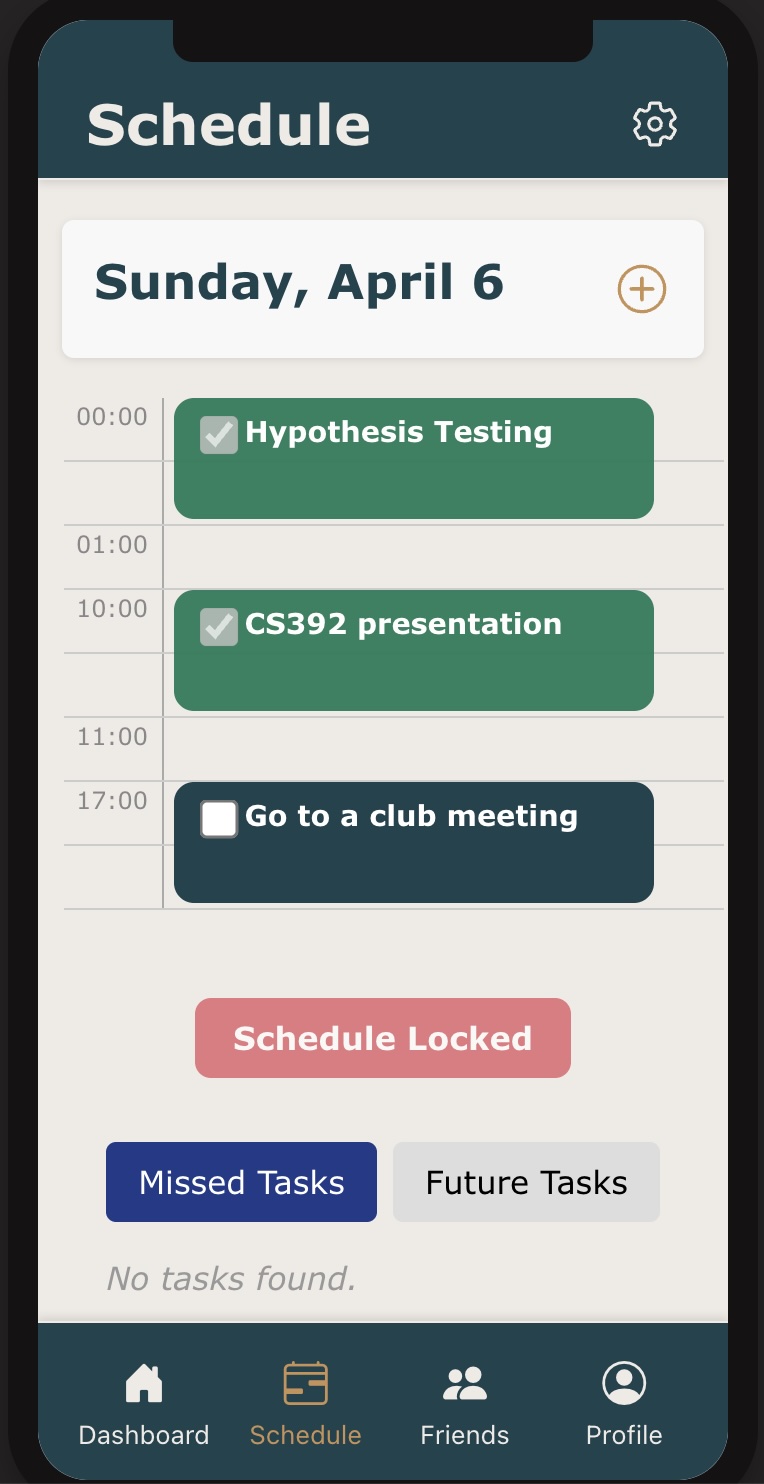
Implementation On the implementation side, building the schedule feature was especially tricky. We had to figure out how to display a dynamic time grid that remained visually digestible as users added tasks. On the backend, managing updates across the database—especially as users completed tasks or joined groups—was complex, since we needed to access and update relevant user and group data in real time.
Accomplishments that we're proud of
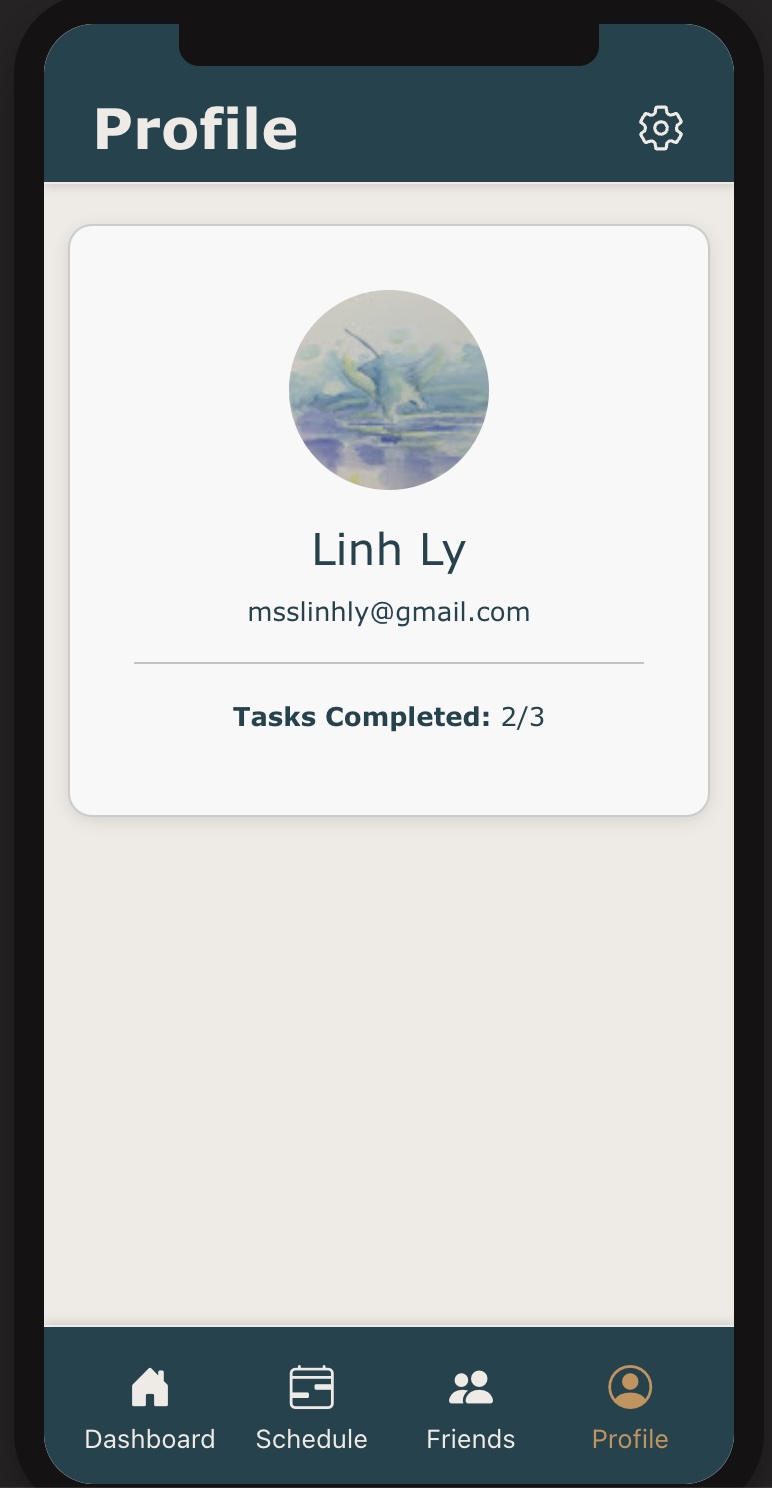
We’re proud of how well the app works across users — if one person updates their task status, the whole group sees the change right away. The way we track both individual and group progress feels really smooth. We’re also happy with the diverse functionality for the schedule page, allowing users to add tasks, lock their schedules in, while also keeping track of missed tasks and future tasks.
What we learned
We learned a lot about structuring data in Firebase, and about how user experience changes when there’s something real at stake. Even small monetary amounts made people more consistent and accountable. We also saw how important it is to simplify—when you’re building something with a lot of logic under the hood, a clear and intuitive frontend makes a huge difference. On top of the technical work, we learned how to think critically about the user journey and pinpoint the key issues with similar platforms to properly address user needs.
What's next for Task Titans
We’re excited to expand Task Titans with more features that promote self-awareness and reflection. One priority is building out progress reports for individual users—summarizing trends like average tasks completed per day or week, how often tasks are completed late, and overall consistency. These insights will help users better understand their habits over time. We also want to add more functionality for group dynamics, including motivational nudges, and options for customizing task categories or difficulty levels.

Log in or sign up for Devpost to join the conversation.