-
-
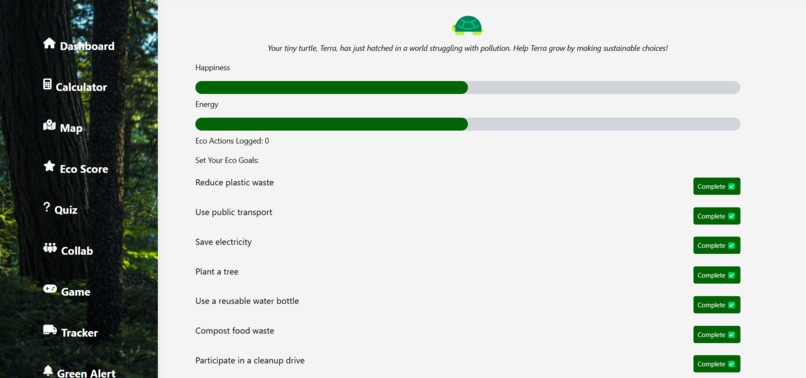
Game
-
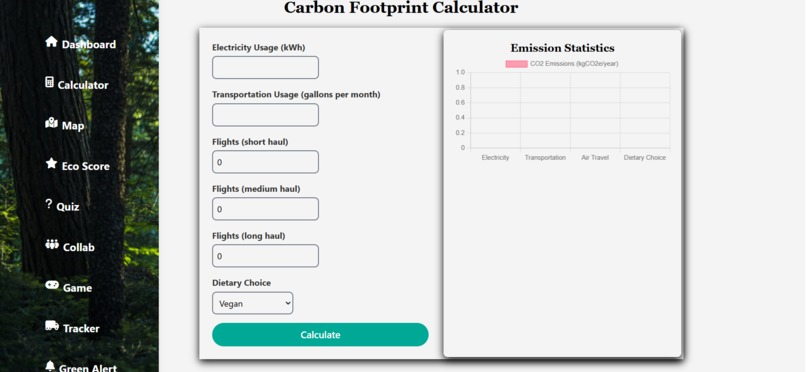
Carbon Emission Calculator
-
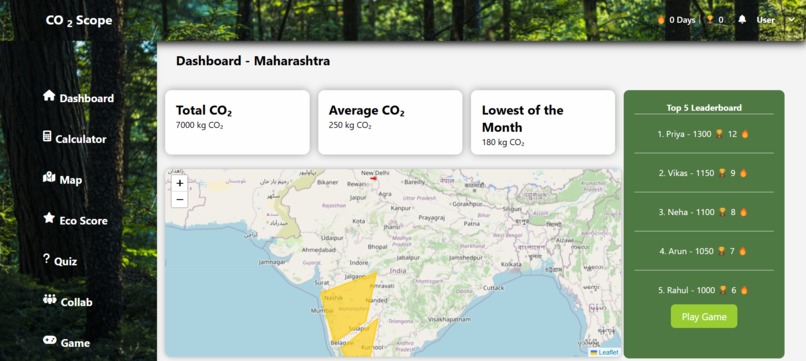
Dashboard
-
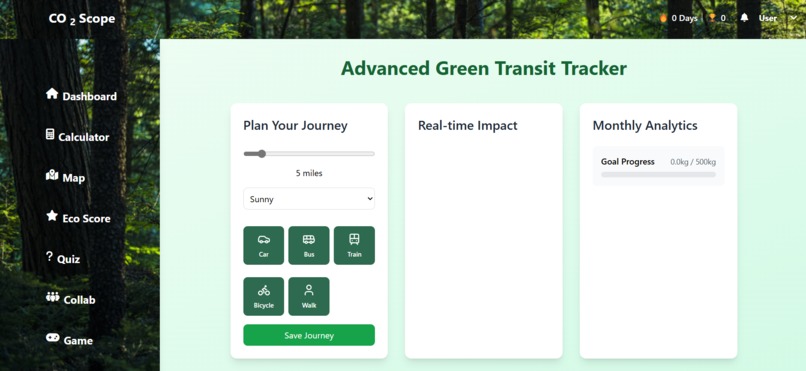
Green Transit Tracker
-
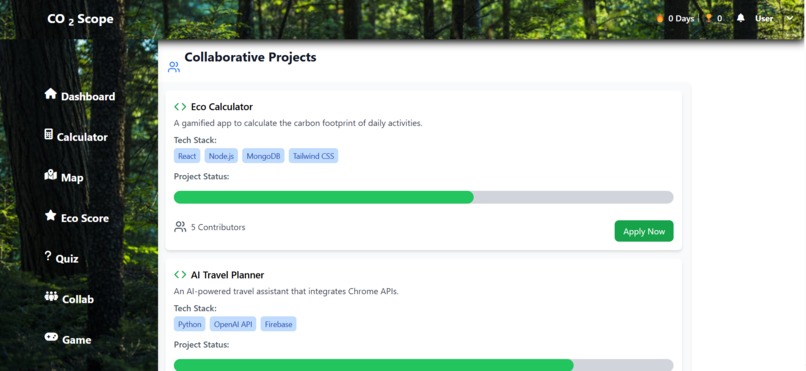
Collaborative Projects
-
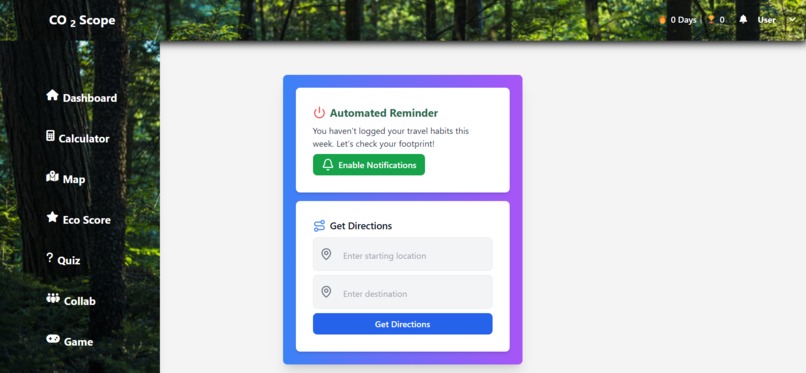
Automated Reminders

Inspiration
It all started with a late-night brainstorming session, the kind where ideas flow faster than we can write them down. The three of us—each from different backgrounds but with a shared concern for the environment—were discussing a simple but troubling question:
"We keep hearing about carbon footprints, sustainability, and net-zero goals, but how much of it actually translates into action?"
One of us recalled a conversation with a local shop owner who wanted to reduce waste but had no idea where to begin. Another talked about seeing corporate sustainability reports filled with big promises but no way for small businesses or individuals to contribute meaningfully. And the last one? They had been trying to track their own carbon footprint but found most existing tools either too complex or lacking real solutions.
That’s when it hit us: what if we could build something that simplifies the journey to net zero?
With our combined expertise in technology, design, and problem-solving, we set out to create Target Net Zero—a platform that doesn’t just educate but actively helps users track, reduce, and offset their carbon footprint in a practical way.
This isn’t just another sustainability initiative. It’s our way of making a difference, one actionable step at a time. Because we believe that change doesn’t come from a handful of big moves—it comes from millions of small, consistent actions. And if we can empower more people to take those steps, we’re already making an impact.
What it does
Target Net Zero is a tech-driven sustainability platform that helps individuals and small businesses track, reduce, and offset their carbon footprint in a practical and actionable way.
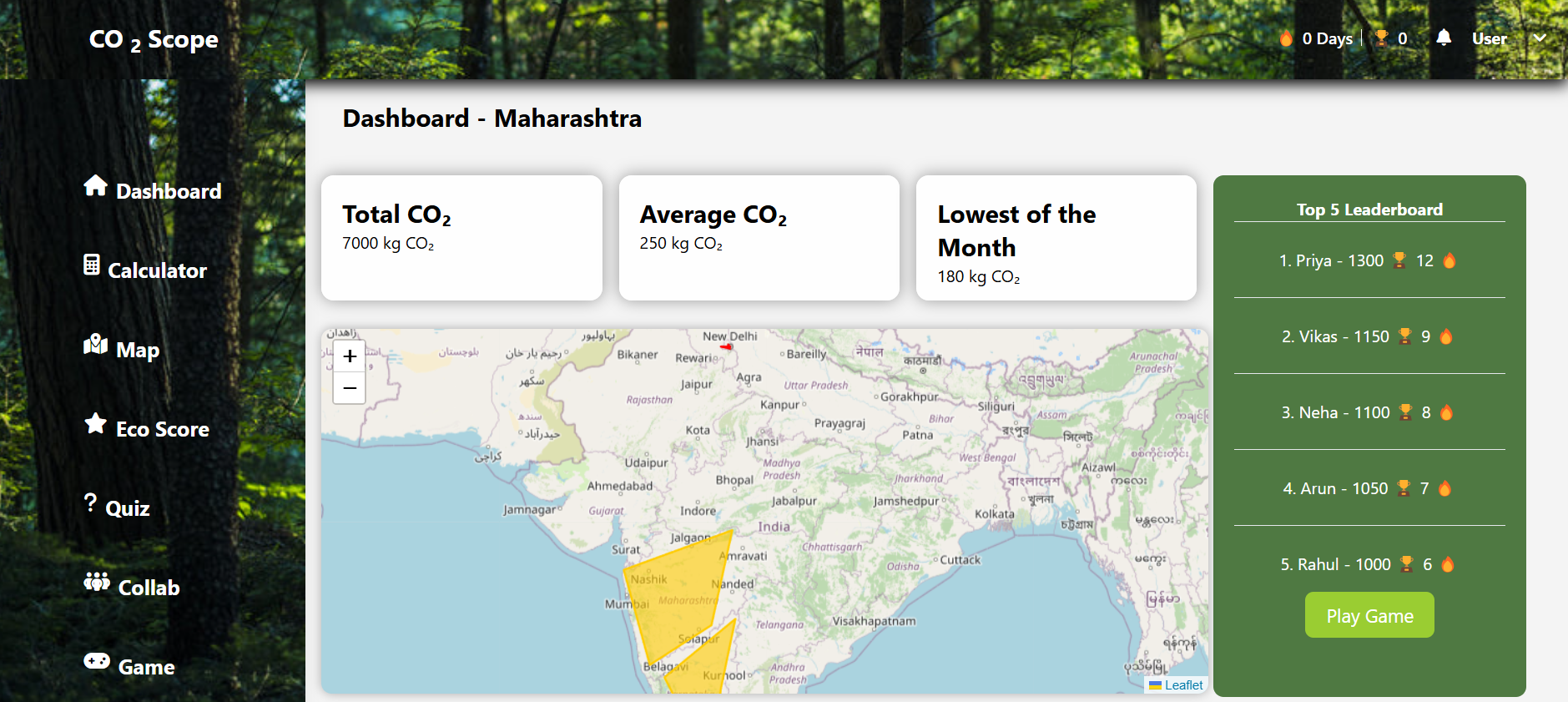
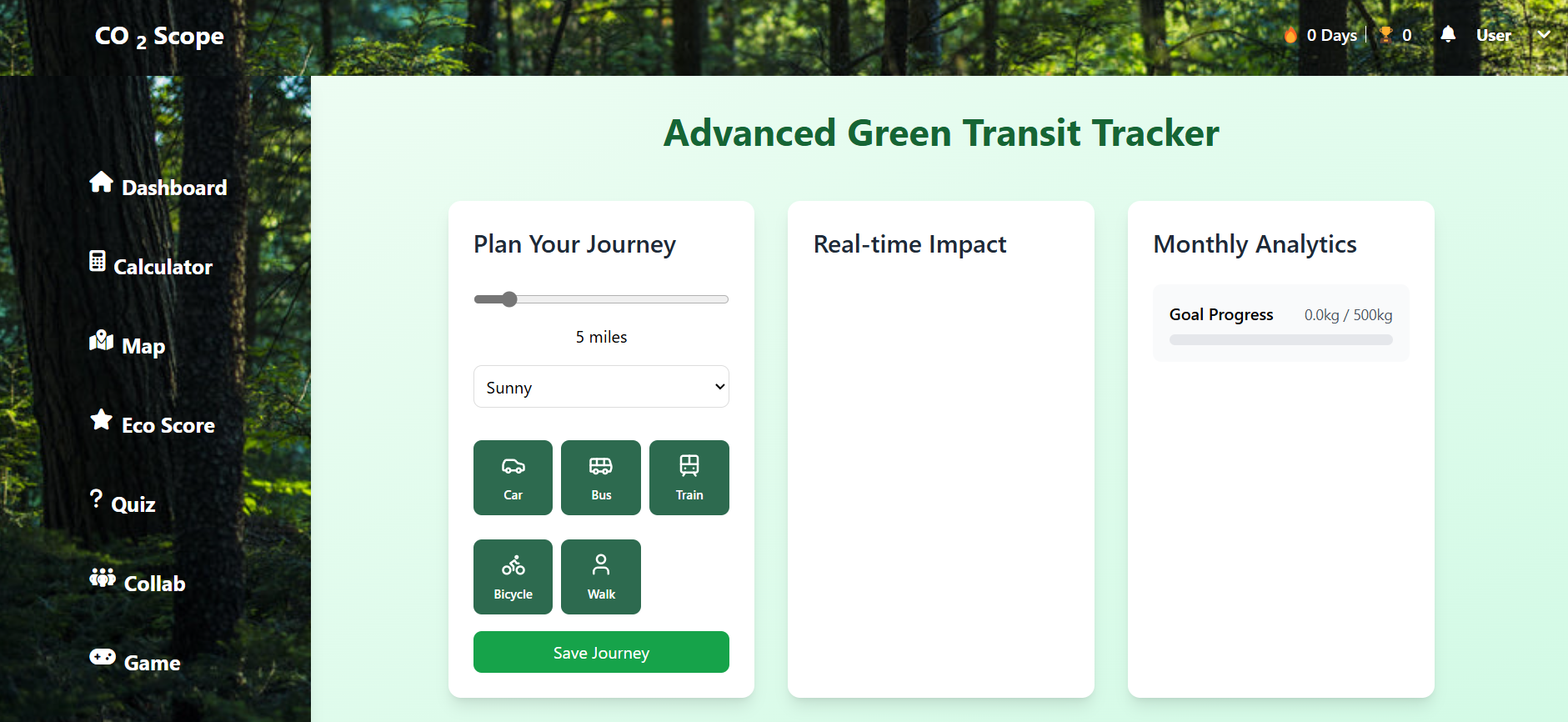
🔹 Carbon Footprint Tracking: Uses AI-powered tools to analyze energy consumption, waste generation, and daily activities to estimate emissions.
🔹 Personalized Reduction Strategies: Provides tailored suggestions to cut down carbon emissions—whether it’s optimizing electricity use, switching to eco-friendly alternatives, or reducing waste.
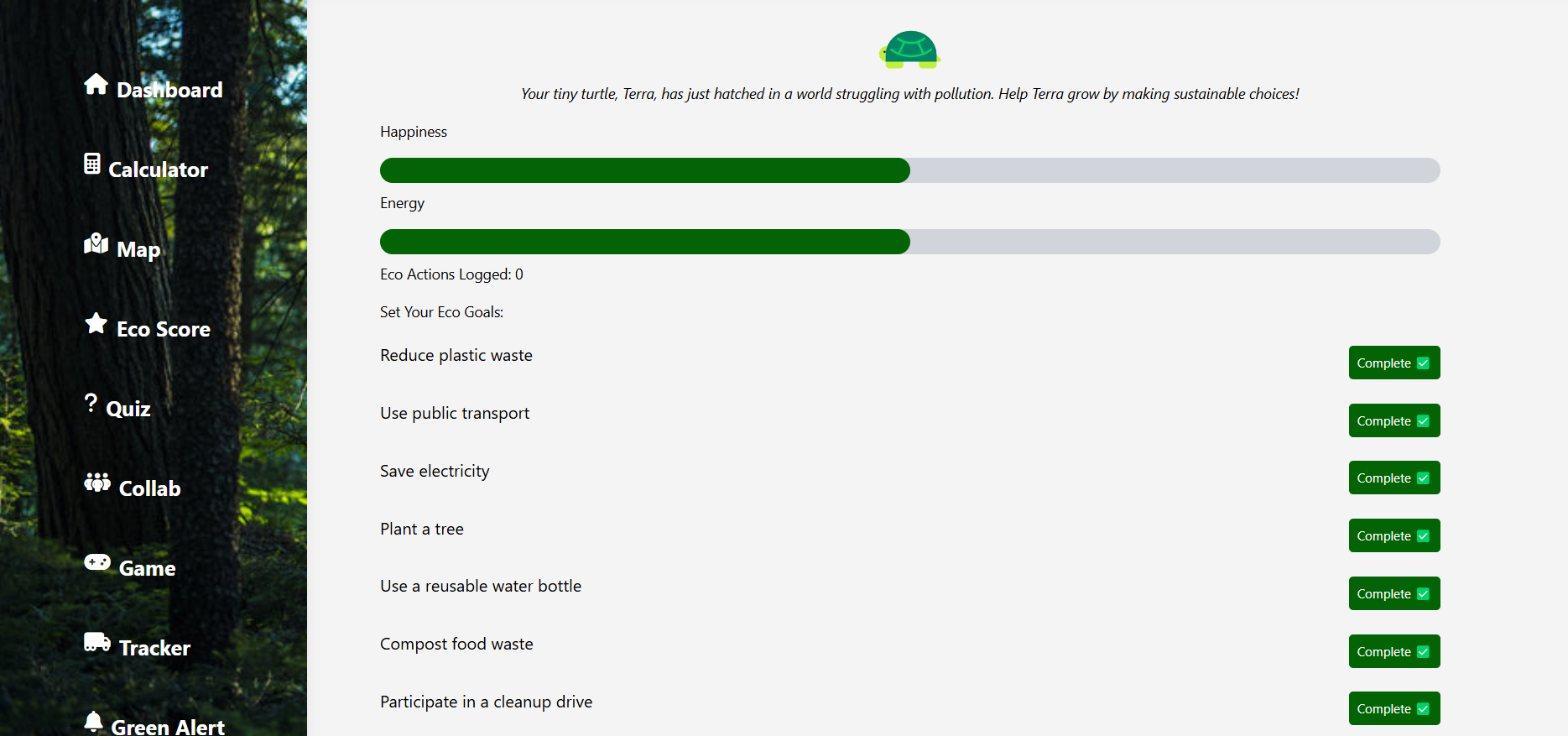
🔹 Gamification & Engagement: Encourages users to stay consistent with sustainability goals through challenges, leaderboards, and rewards.
🔹 Offsetting & Impact Measurement: Connects users with verified carbon offset programs and helps track their progress toward net-zero emissions.
Our goal is simple: Make sustainability easy, accessible, and impactful for everyone—whether it’s a local shop owner, a student, or a corporate team.
How we built it
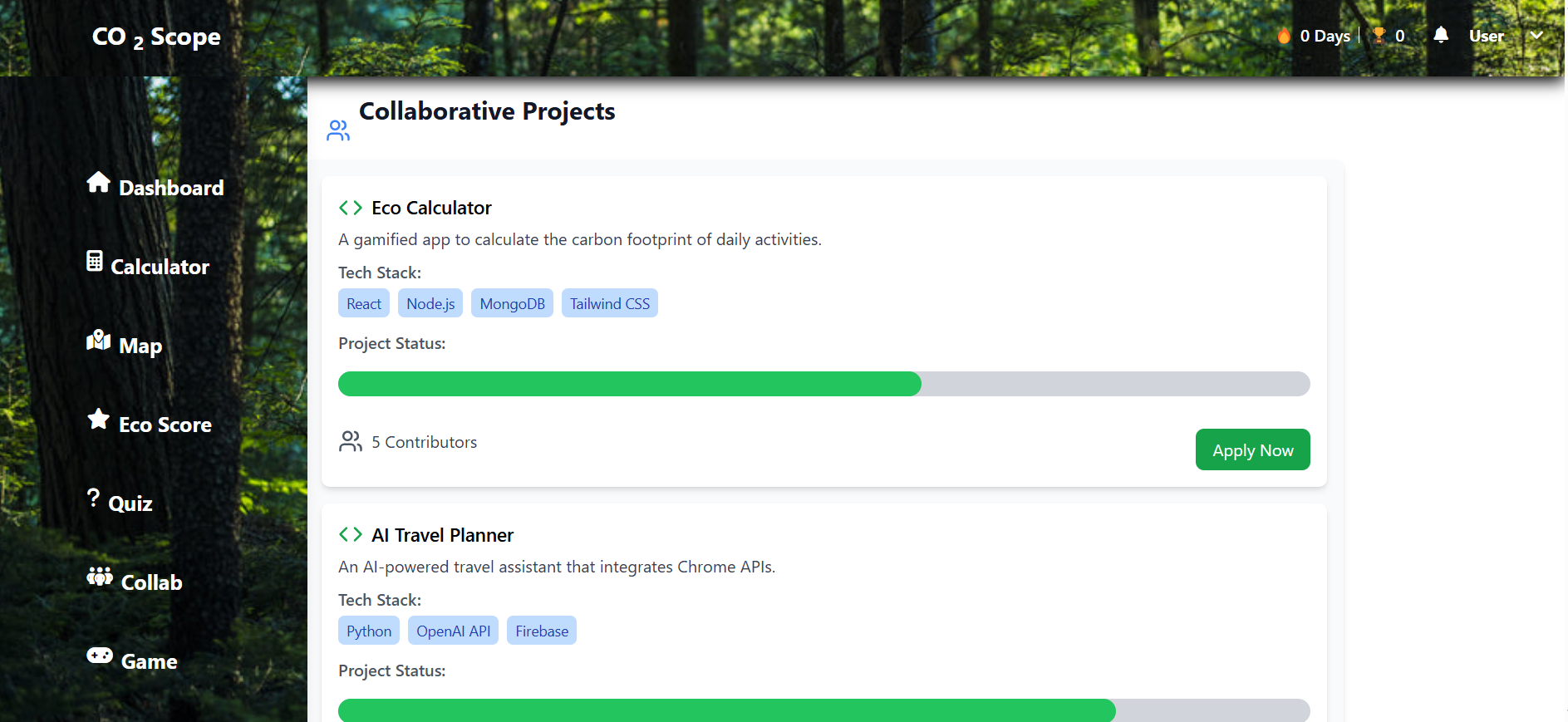
We used a React.js frontend for a fast and interactive user experience, with Tailwind CSS for a clean and responsive UI. The backend was built using Node.js with Express, ensuring scalability and efficient data handling. We chose MongoDB as our database to store user profiles, carbon footprint data, and sustainability actions dynamically. Sustainability can feel overwhelming, so we designed an interactive experience to keep users motivated. ✅ Leaderboard & Challenges – Users earn points for reducing their carbon footprint, completing eco-friendly challenges, and adopting sustainable habits. ✅ Daily Impact Tracker – Helps users see how small changes add up over time. ✅ Reward System – Encourages participation through badges and incentives.
Challenges we ran into
While building Target Net Zero, one of our biggest challenges was working with datasets for carbon footprint estimation. Since our goal was to provide accurate, real-world emission tracking, we needed reliable data sources, but that wasn’t as easy as it seemed
Carbon emissions vary significantly based on geography, industry, and specific activities. We needed region-specific emission factors (for electricity consumption, transport, food production, etc.), but:
Many open datasets were outdated or incomplete. Some databases were locked behind paywalls, limiting accessibility.
Accomplishments that we're proud of
To encourage user engagement, we implemented: 🎯 Daily Challenges & Progress Tracking – Small, achievable sustainability tasks. 🎯 Leaderboard & Rewards System – Users can earn points, badges, and track milestones. 🎯 Community Engagement Features – Users can compare their progress and participate in challenges together.
This makes sustainability feel fun and interactive rather than overwhelming!
What we learned
Building Target Net Zero was an incredible learning experience for our team. From tackling data challenges to optimizing real-time AI-driven insights, we grew in multiple dimensions—both technically and as a team. Here’s what we learned along the way:
1️⃣ Handling Real-World Sustainability Data is Tough Working with carbon footprint datasets made us realize that real-world environmental data is often incomplete, inconsistent, and region-dependent.
🔹 Key Takeaways:
There is no single, standardized dataset for carbon emissions across activities, making data cleaning and normalization critical. Open-source datasets often have gaps, missing values, or conflicting metrics, requiring intelligent data interpolation. Context matters—transportation emissions in one country can be drastically different from another, so localization is essential.
What's next for TargetNetZero
Sustainability efforts thrive when individuals and businesses work together. We want Target Net Zero to connect users with real-world carbon offset initiatives, green businesses, and sustainability programs.
🔹 Next Steps:
Collab with verified reforestation & carbon offset projects so users can contribute directly through our platform. Work with eco-conscious brands to provide sustainability rewards, discounts, or incentives for reducing emissions. Introduce business-focused tools to help companies track, report, and reduce their carbon footprint efficiently. Goal: Bridge the gap between awareness and action by enabling users to directly support sustainability initiatives. integrate barcode scanner so that on scanning directly for any product it will straightaway give how much carbon has been emitted in its manufacturing
We believe in transparency and community-driven innovation. By open-sourcing our carbon footprint calculation model, we can:
🔹 Next Steps:
Allow researchers & developers to contribute & improve our system. Help businesses integrate sustainability tracking into their own platforms. Create an API service so other apps can use our accurate carbon footprint calculations. Goal: Make carbon tracking technology accessible to all, accelerating global sustainability


Log in or sign up for Devpost to join the conversation.