-
-
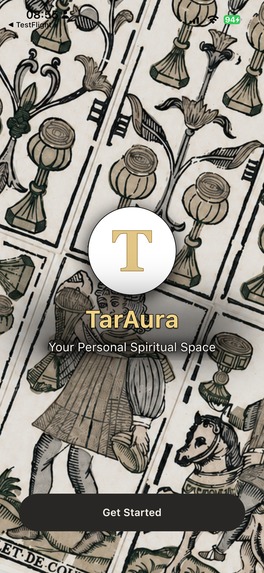
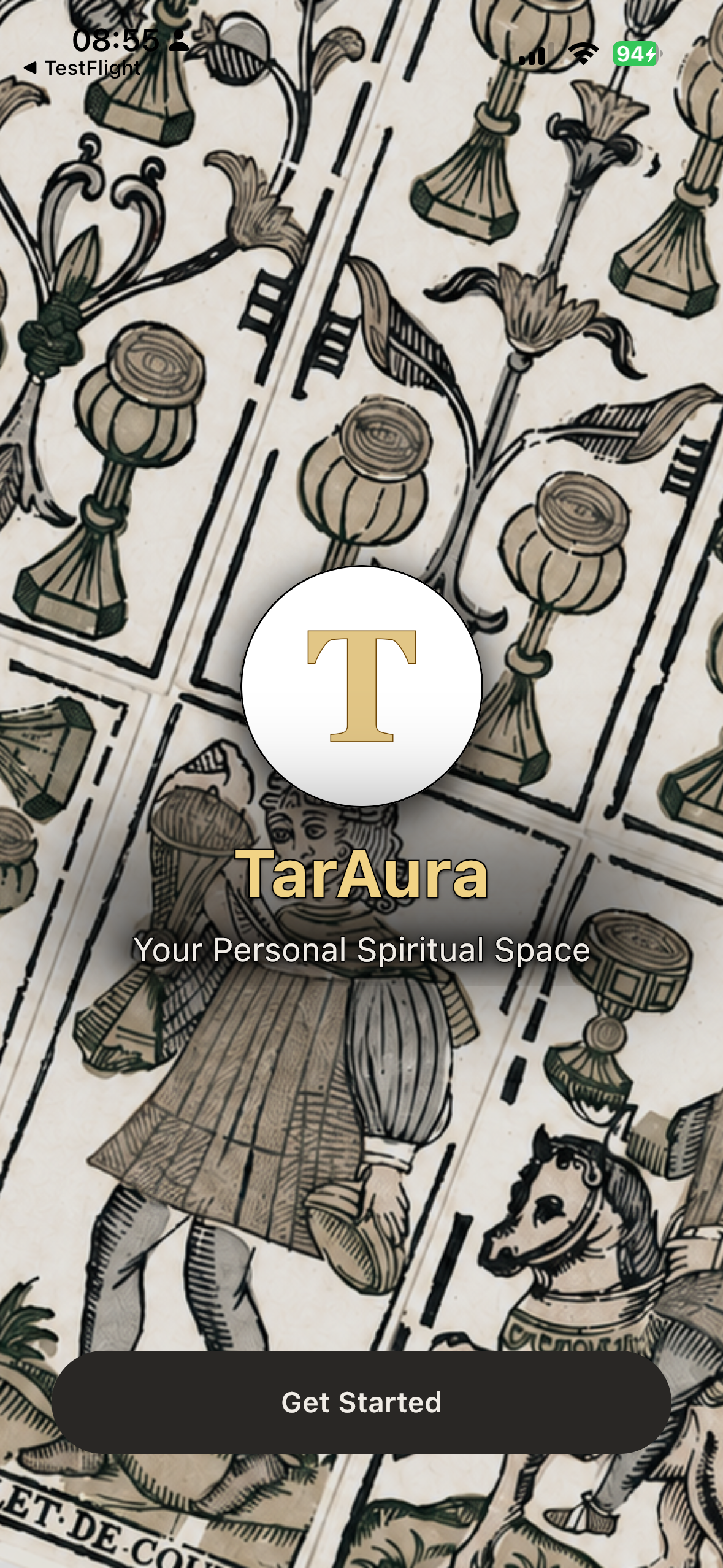
Welcome Screen
-
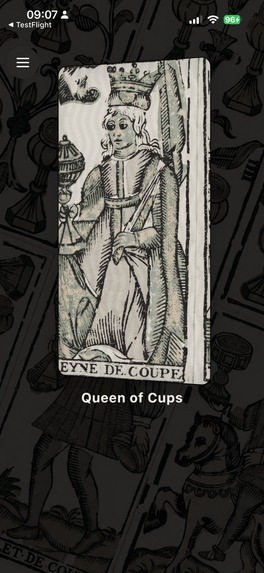
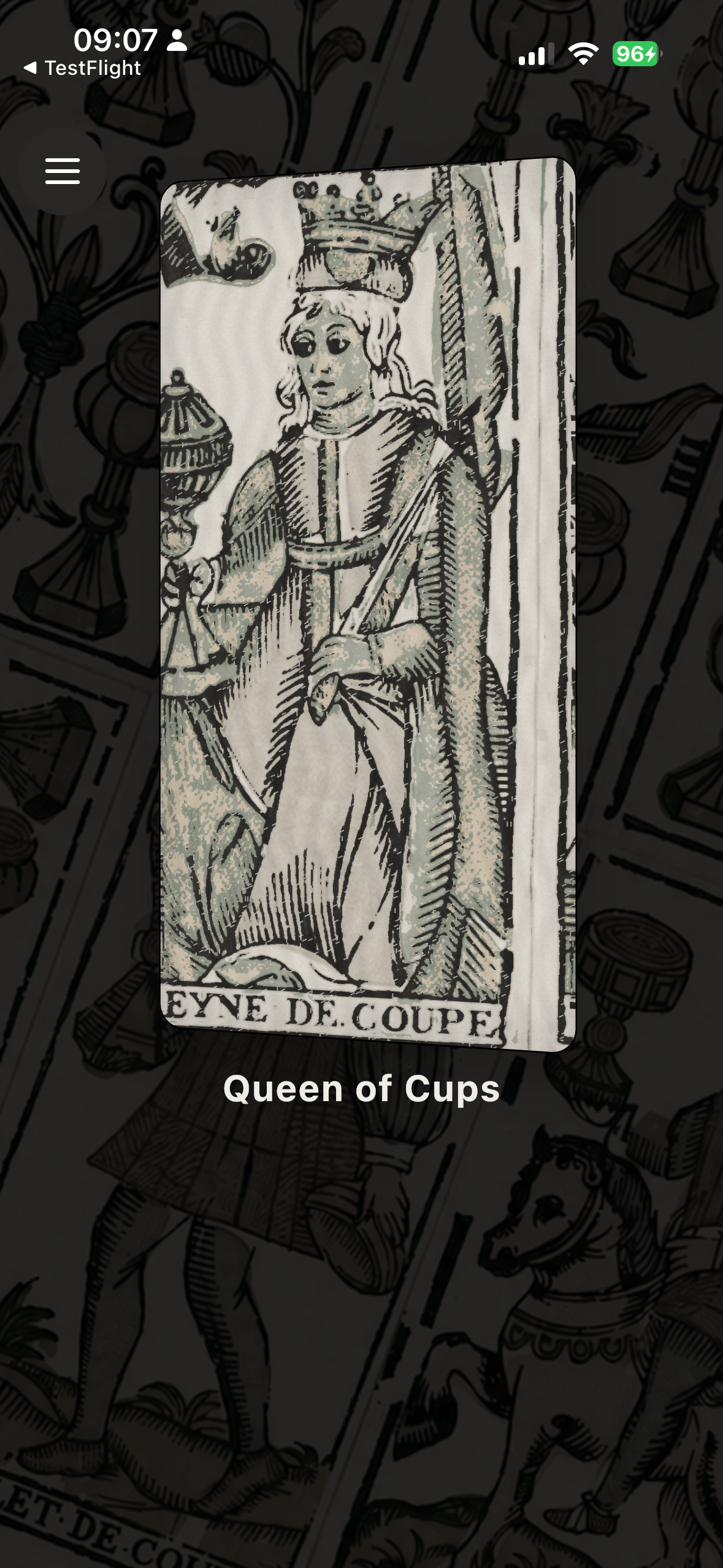
Frame from the animation showing the card selected by the user from the shuffled deck
-
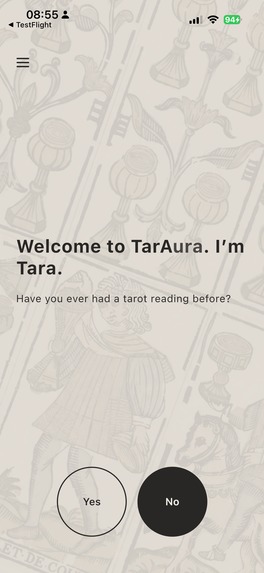
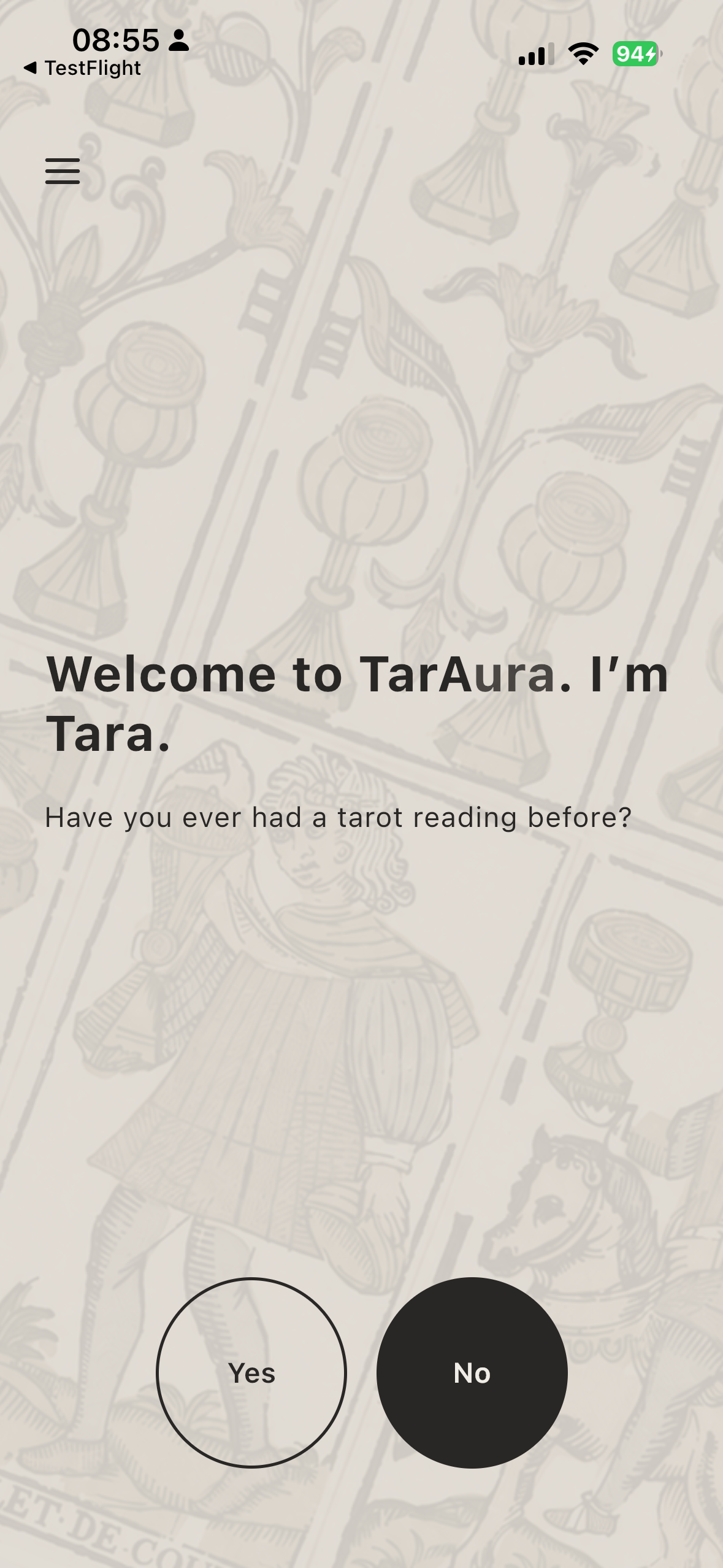
Tara (AI-based Tarot Reader) introduces herself to the user
-
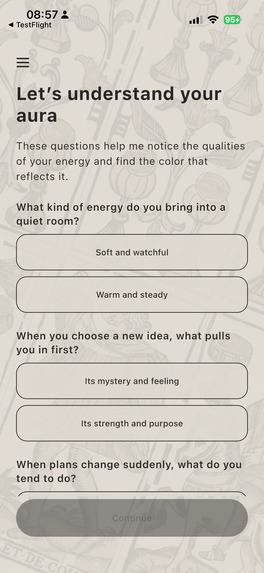
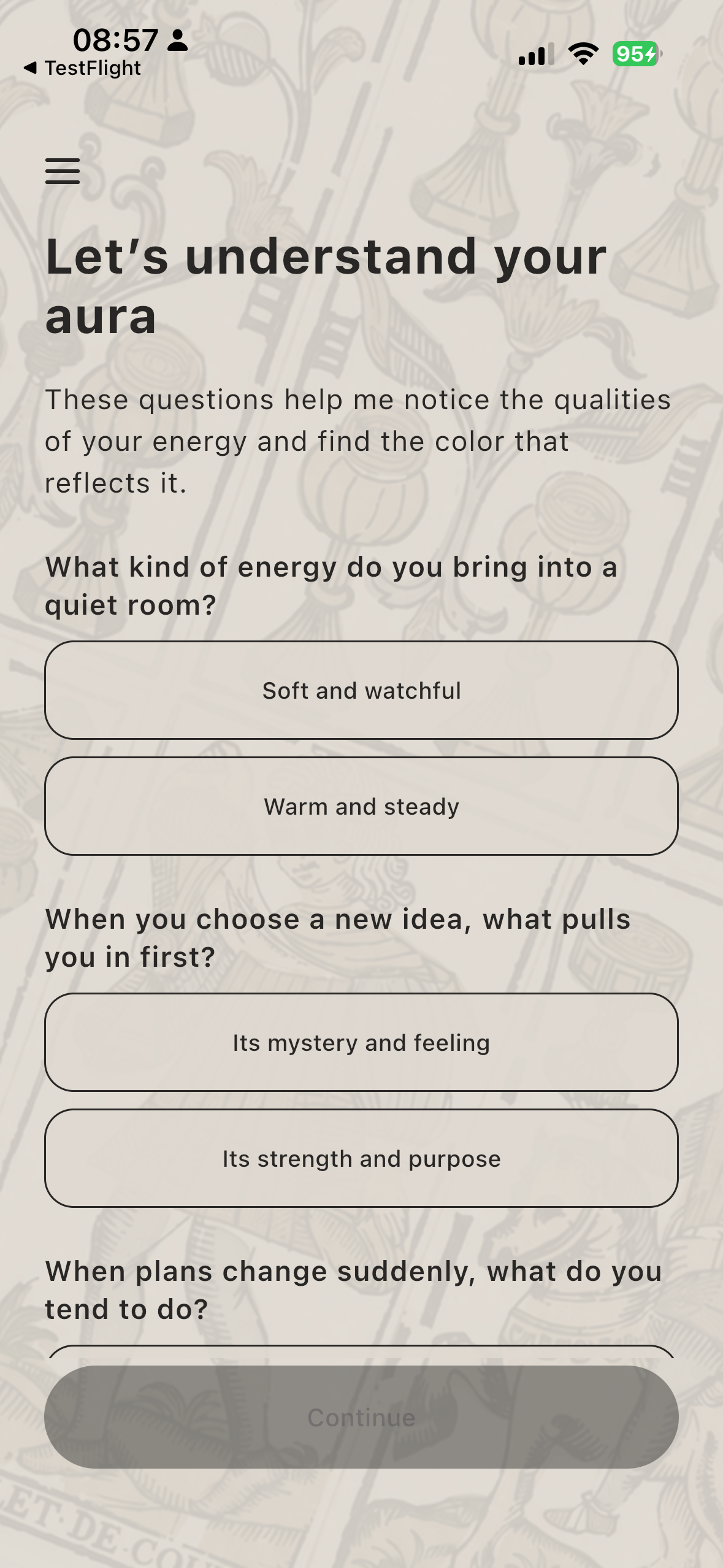
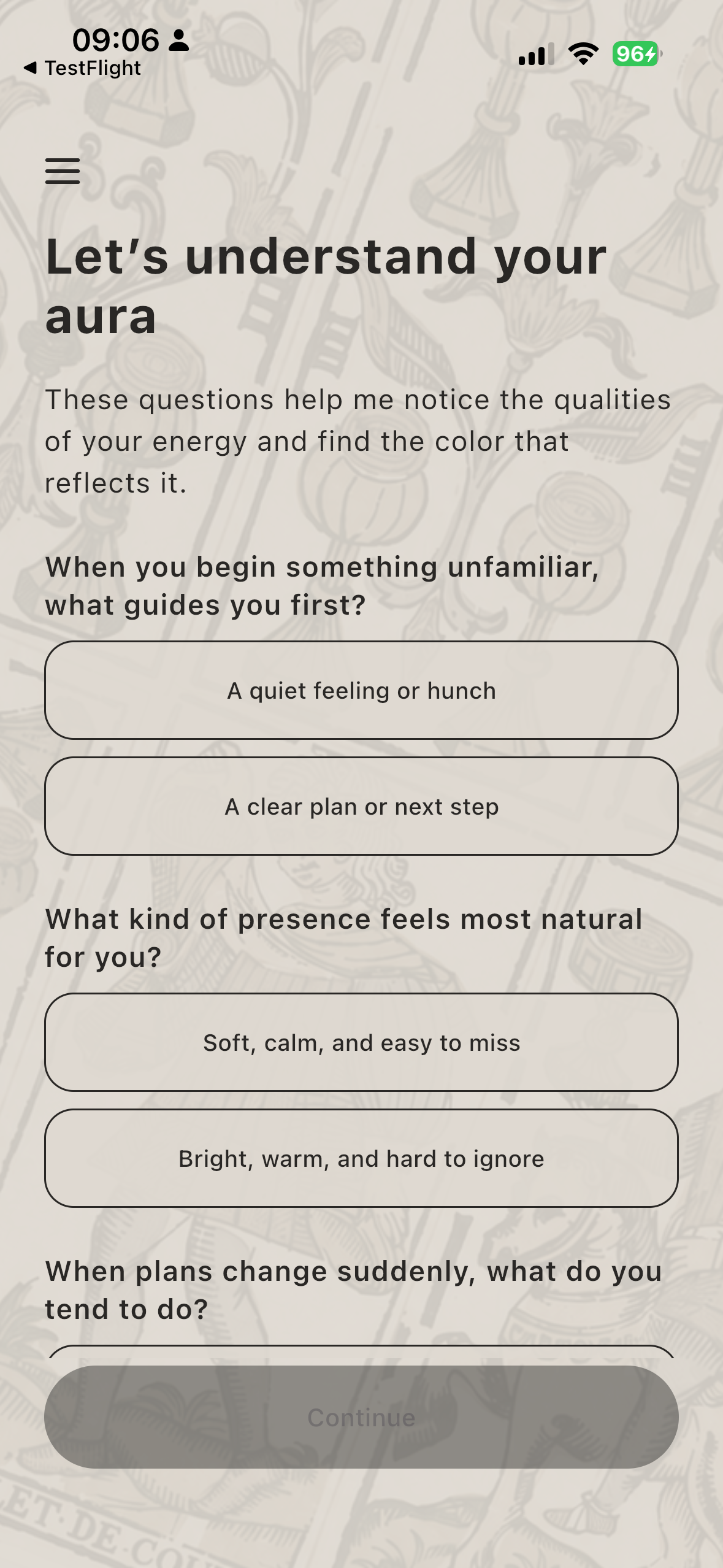
GPT-5.6-generated questions grounded in our specialist’s reference data
-
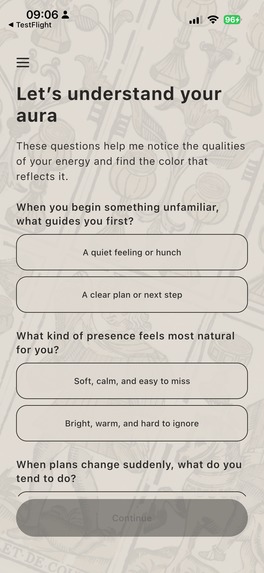
GPT-5.6-generated questions grounded in our specialist’s reference data
-
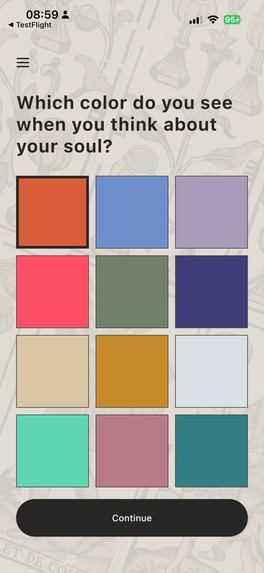
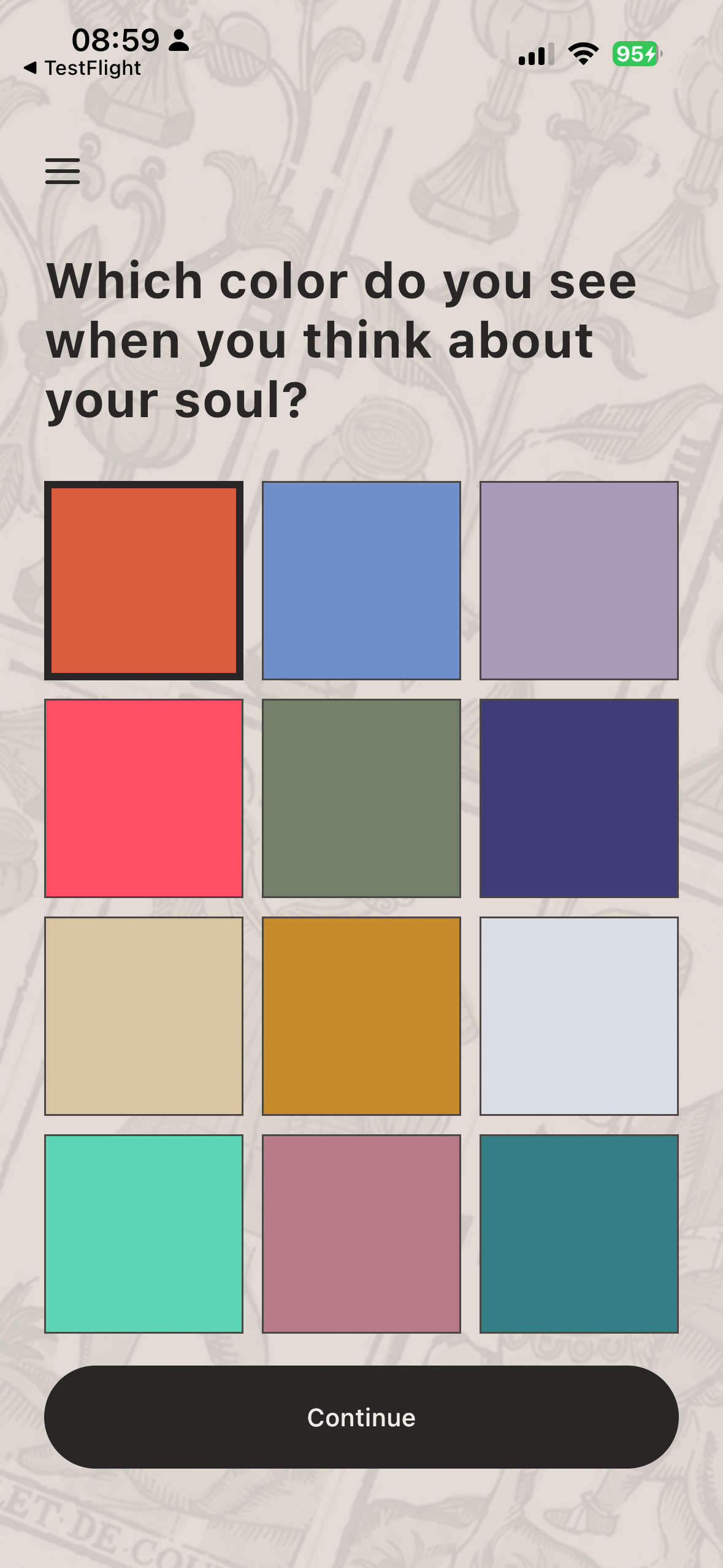
User personal color choice
-
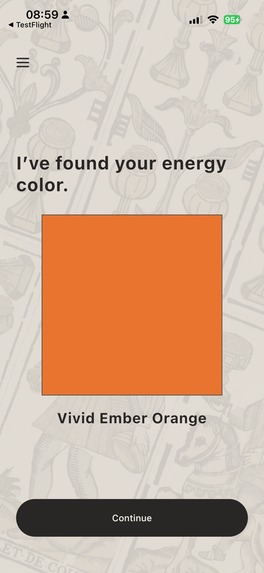
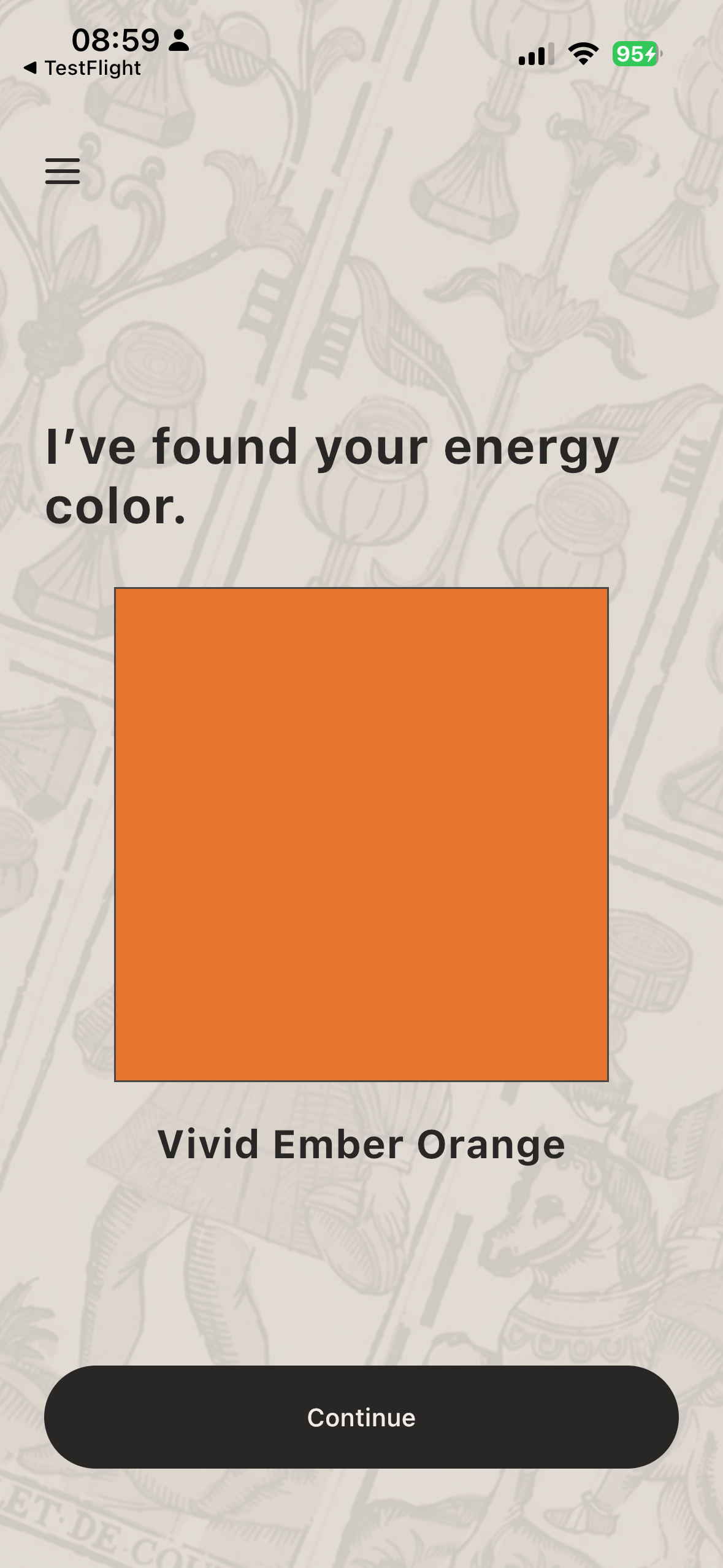
Screen showing the user’s aura color, generated by GPT-5.6 based on their preferences and previous answers
-
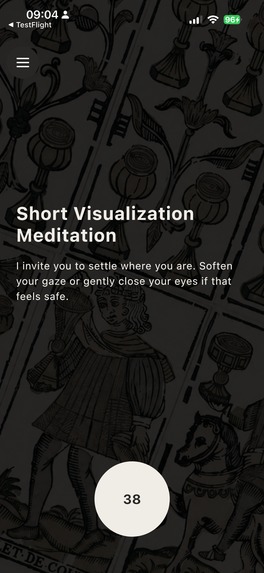
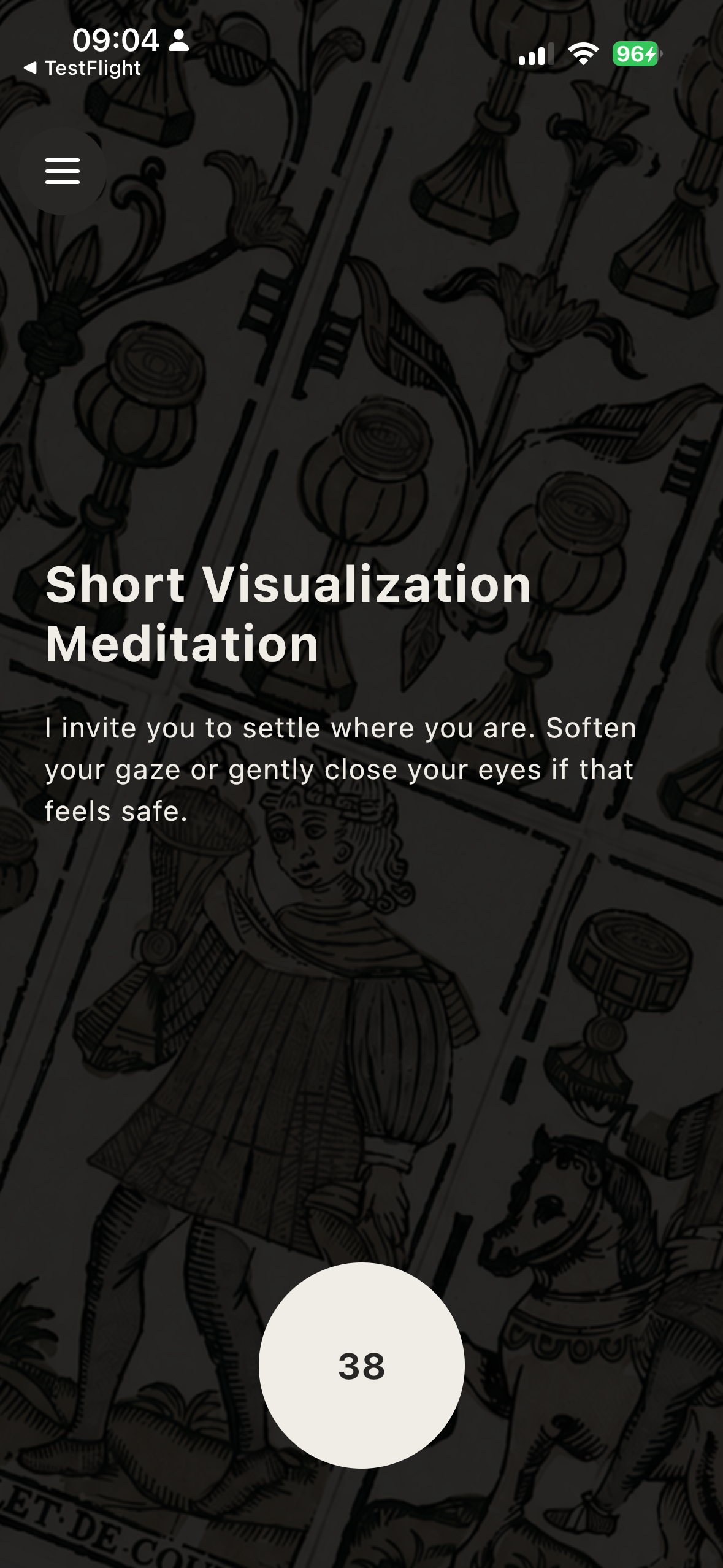
AI based meditation instructions
-
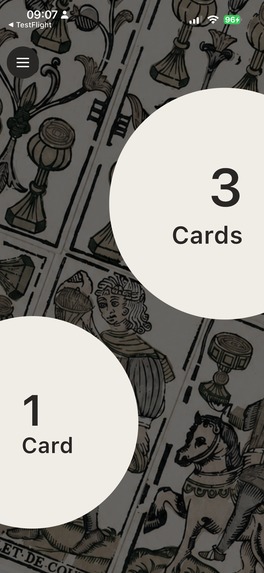
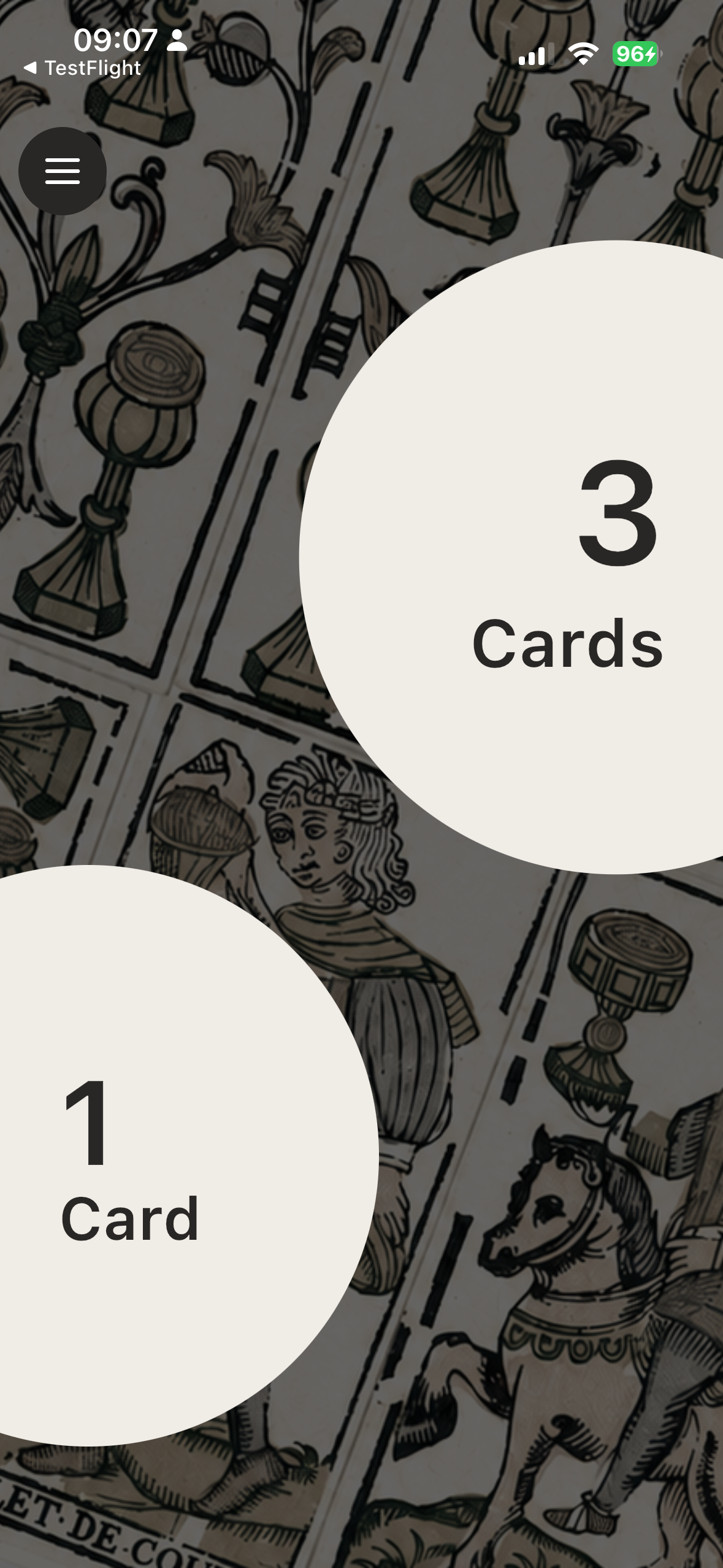
An innovative flow for choosing options
-

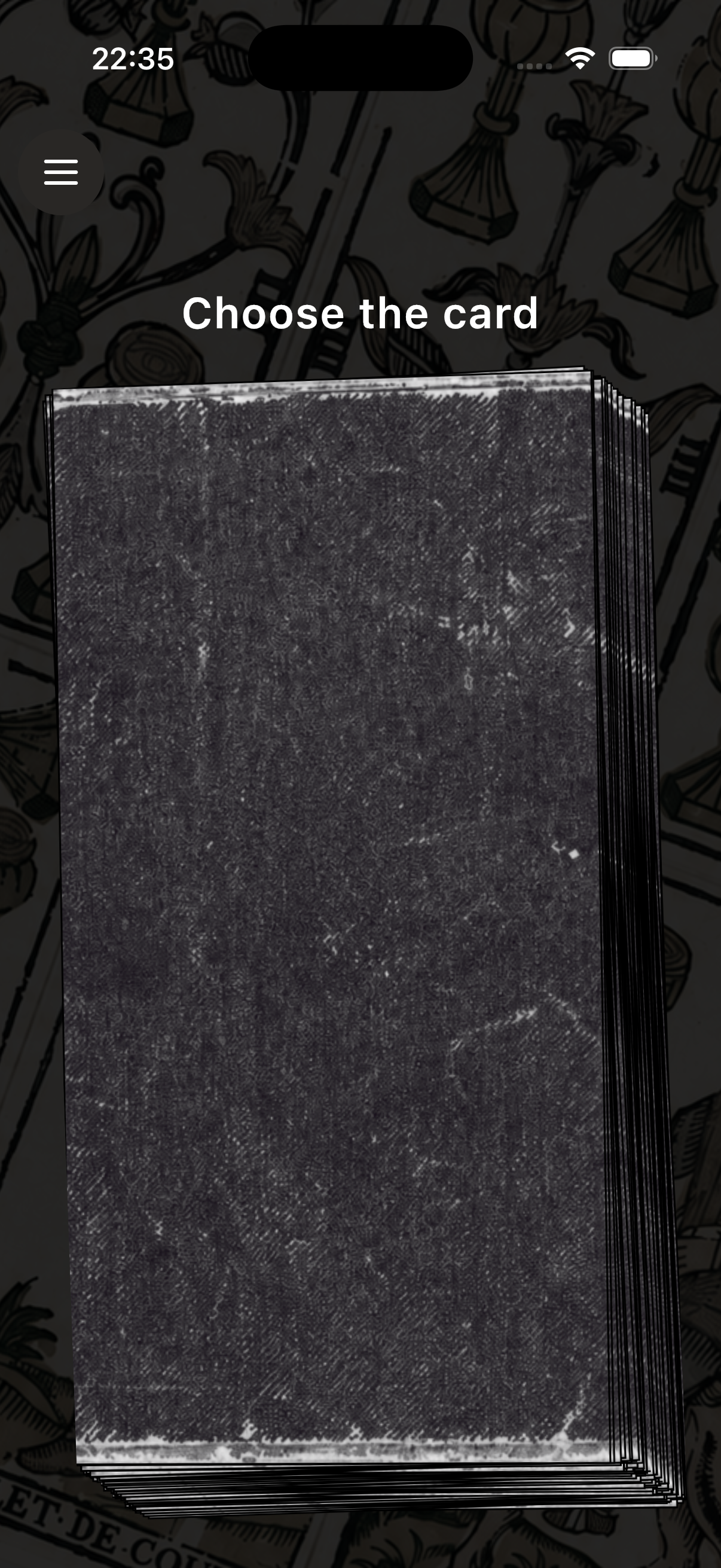
Frame from the card-shuffling animation
Inspiration
TarAura was inspired by the impactful moments of self-reflection and insight that practices or tools, like tarot cards, can inspire. TarAura creates a modern experience of a centuries-old practice that fosters introspection, greater self-awareness, and personal growth. We wanted to bring the depth and intentionality of a one-on-one tarot reading into an experience that is available whenever and wherever someone seeks insight. Our goal was to create an AI-guided experience that makes personalized, reflective tarot more accessible while remaining grounded in the traditions that inspired it. We studied authentic tarot-reading practices and drew on the positive psychology–informed approach of an experienced tarot reader and National Board-Certified Health and Wellness Coach to understand how intention, symbolism, context, and emotional state come together to create a meaningful reading.
What it does
TarAura creates a personalized tarot experience guided by Tara, its in-app AI tarot reader. Our App creates an opportunity for personalized tarot readings wherever and whenever a user seeks greater insight. Inspired by our expert tarot reader and health coach, we view tarot as a tool for reflection, clarity, and self-discovery. Whether someone approaches tarot as a spiritual practice, a form of personal growth, or simply a way to explore life's questions, our aim is to create an experience that encourages confidence, curiosity, and a deeper connection to one's own intuition, self-development, and awareness.
The TarAura experience guides users through personalized onboarding questions, helps them focus their intention, identifies their unique energy color profile, and adapts the reading to their experience, environment, and chosen reading format.
The user can watch the cards being shuffled and choose the cards that draw their attention. Their energy and intuition remain part of the experience.
How we built it
We built TarAura with Kotlin Multiplatform for Android and iOS. The interface is adapted to each platform while sharing the same core logic. The AI interpretation layer is informed by real reading patterns, tarot symbolism, and the experience of a seasoned tarot reader. Moving graphics were designed to mimic the shuffling by a real tarot reader. The animation visualizes the same process instead of displaying a fake animation over a separately generated result.
GPT-5.6 is used throughout the experience to:
- generate personalized aura questions;
- analyze the user's answers;
- calculate a basic aura color in HEX;
- give the color a symbolic name;
- compare the AI's suggestion with the user's own color choice;
- create the final aura interpretation;
- interpret upright and reversed tarot cards;
- combine tarot data with the user's intention and energy profile;
- generate a personal grounding exercise;
- answer follow-up questions while keeping the reading context.
We used Codex throughout the project to help with:
- Kotlin Multiplatform development for Android and iOS;
- onboarding and reading flows;
- animated deck shuffling and card selection;
- aura and tarot logic;
- OpenAI Responses API integration;
- prompt construction;
- input and output validation;
- safety-oriented wording;
- platform-specific UI behavior;
- debugging and visual refinement.
Challenges we ran into
The biggest challenge for building Taraura was balancing technology with the authenticity and feeling of a real reading. We wanted the AI to remain helpful without making the experience feel mechanical or generic. We also had to design a smooth and simple interaction model for creating personalized accounts, card selection, animations, and platform-specific UI behavior.
Accomplishments that we're proud of
We created a reading flow that feels intentional from the first screen to the final card. Every interaction has a purpose: the user focuses their attention, sees the deck being shuffled, and chooses cards based on instinct and intuition. We are especially proud of combining a real reader’s perspective with AI, personalization, and a visual experience inspired by historical tarot imagery.
What we learned
We learned that personalization is not only about what is revealed in the final interpretation. It begins with the user’s context, wording, choices, pace, energy, and emotional state. We also learned that transparency and authenticity matters. When an animation represents a real underlying process, the experience feels more trustworthy and meaningful for the user.
We learned:
- how to use the GPT-5.6 API;
- how to send data to AI in a shortened and structured format;
- how to pass information as JSON;
- how to build larger systems that analyze different types of data;
- how important it is to write prompts clearly;
- how to use short summaries to avoid sending unnecessary information;
- how to reduce token usage while keeping the important context;
- how Codex can help optimize complex animations;
- that with the right description, Codex can help create advanced animations like our live card-shuffling experience.
What's next for TarAura
- expand the personalization engine with more reader-informed data;
- create richer interpretations;
- improve adaptation to each user over time;
- personalize the UI, including background shades based on the user's processed data, so the experience is uniquely personalized ;
- add more spreads and reading layout options;
- add more guided grounding exercises;
- introduce daily readings;
- add reading history;
- add voice-based guidance and voice-over;
- add language translation options;
- add a paywall for a higher number of AI API requests;
- allow users to answer onboarding questions using their microphone;
- process spoken answers with AI and select the most suitable options;
- add haptic card selection to improve accessibility;
- make it possible for blind and visually impaired users to experience card choice without relying only on the system voice-over;
- create deeper connections between the user's energy profile and the cards they choose.
Built With
- android
- api
- cloudflare
- codex
- compose
- gpt-5.6
- gptapi
- ios
- jetpack
- json
- kotlin
- kotlinmultiplatform
- multiplatform
- openai
- responses
- typescript
- workers

Log in or sign up for Devpost to join the conversation.