-
-
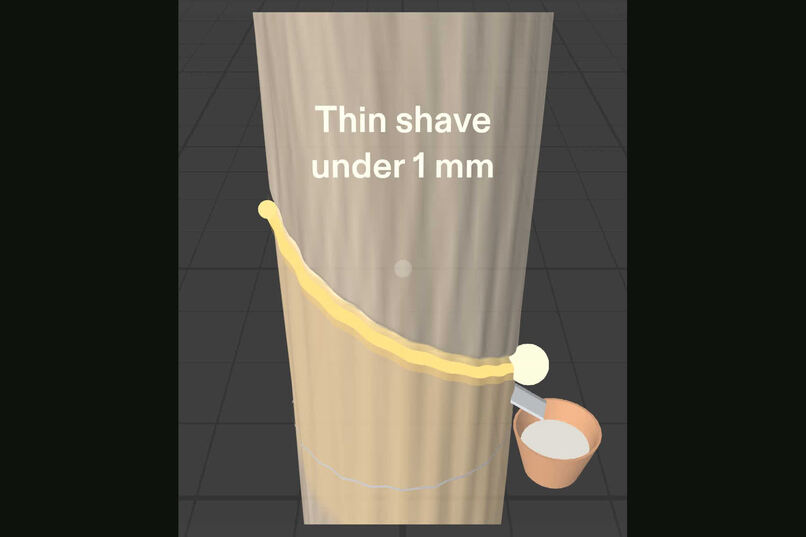
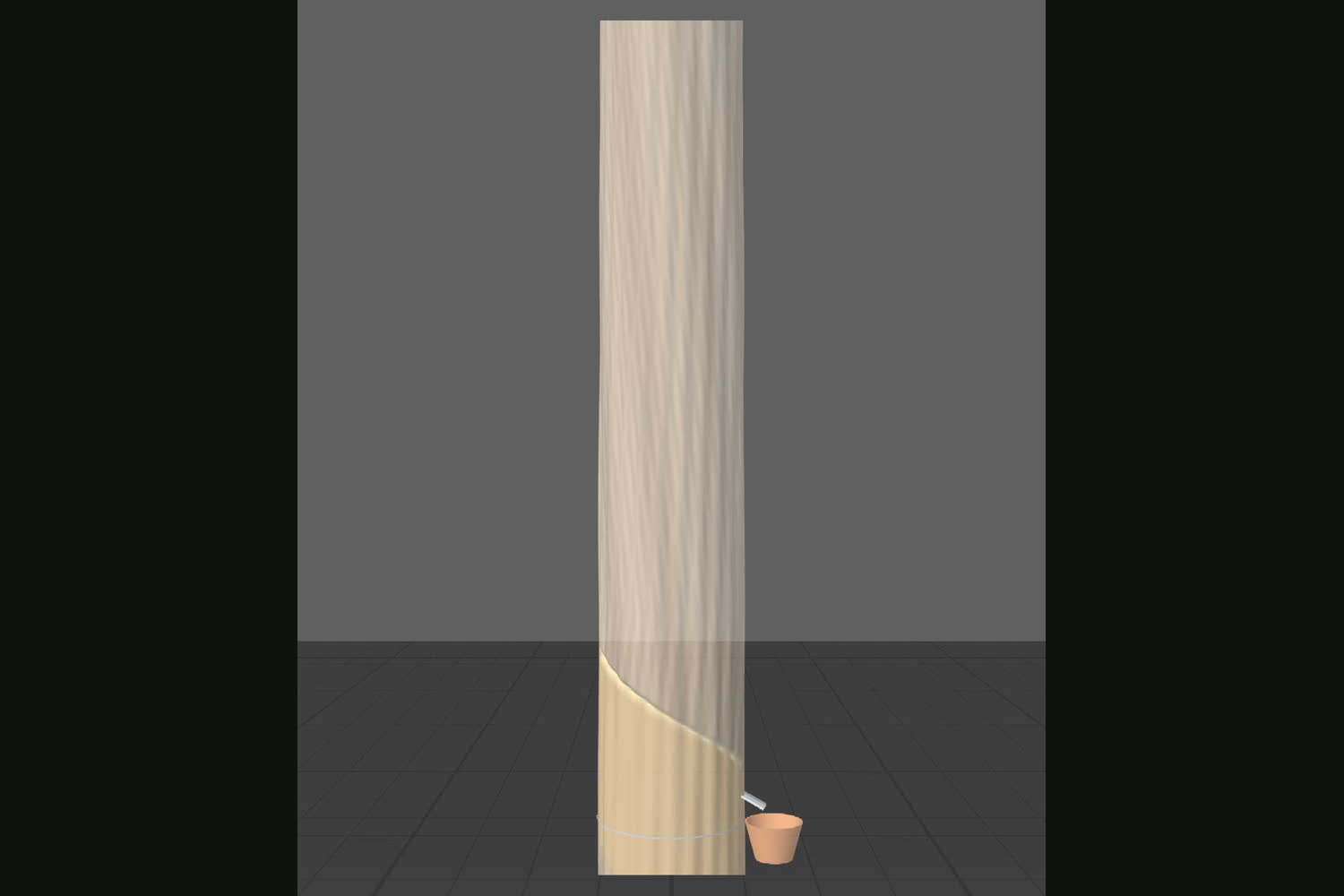
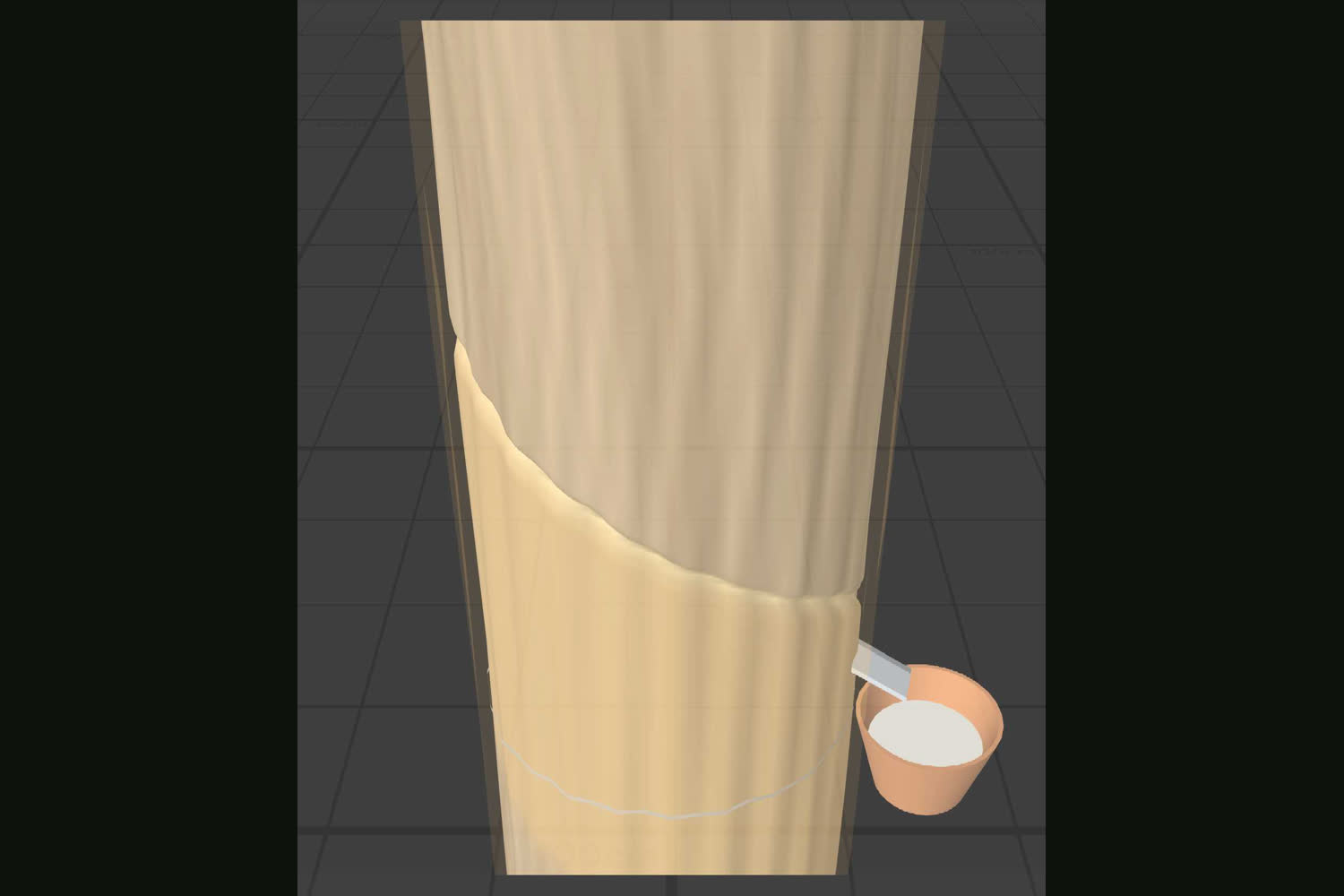
The cut guide on Tree 1: 120 cm high, ~30° slope, with this tree's tip
-
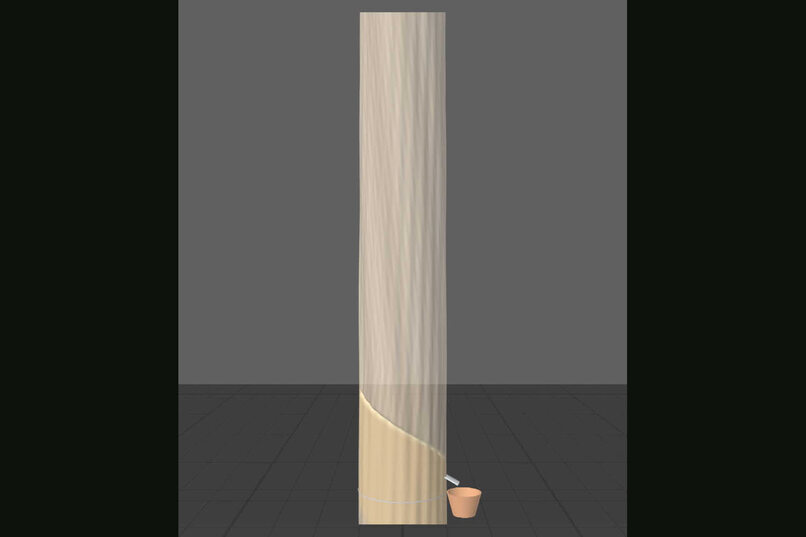
Start: Tree 1 seen from 2.5 m away
-
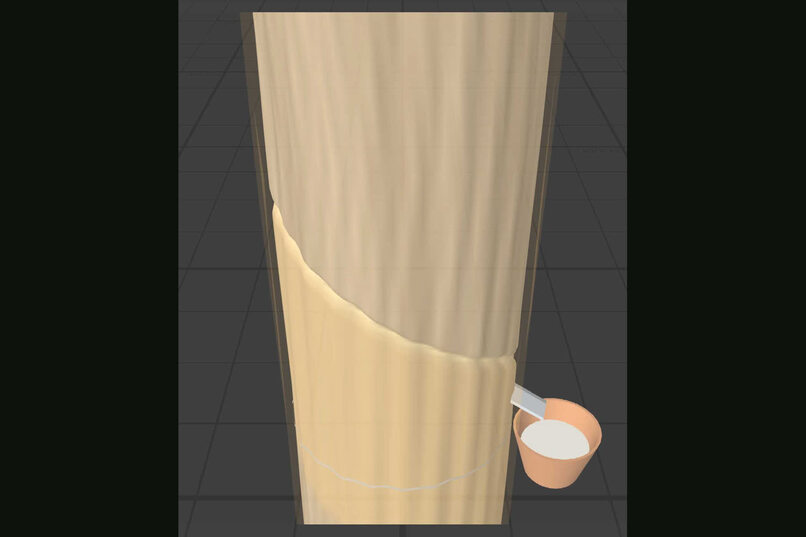
The trunk glows faintly within 1.5 m: ready to pinch
-
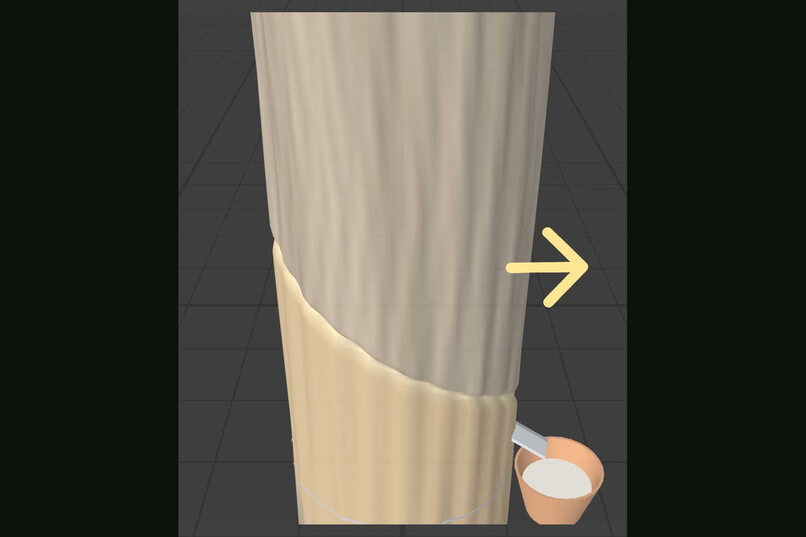
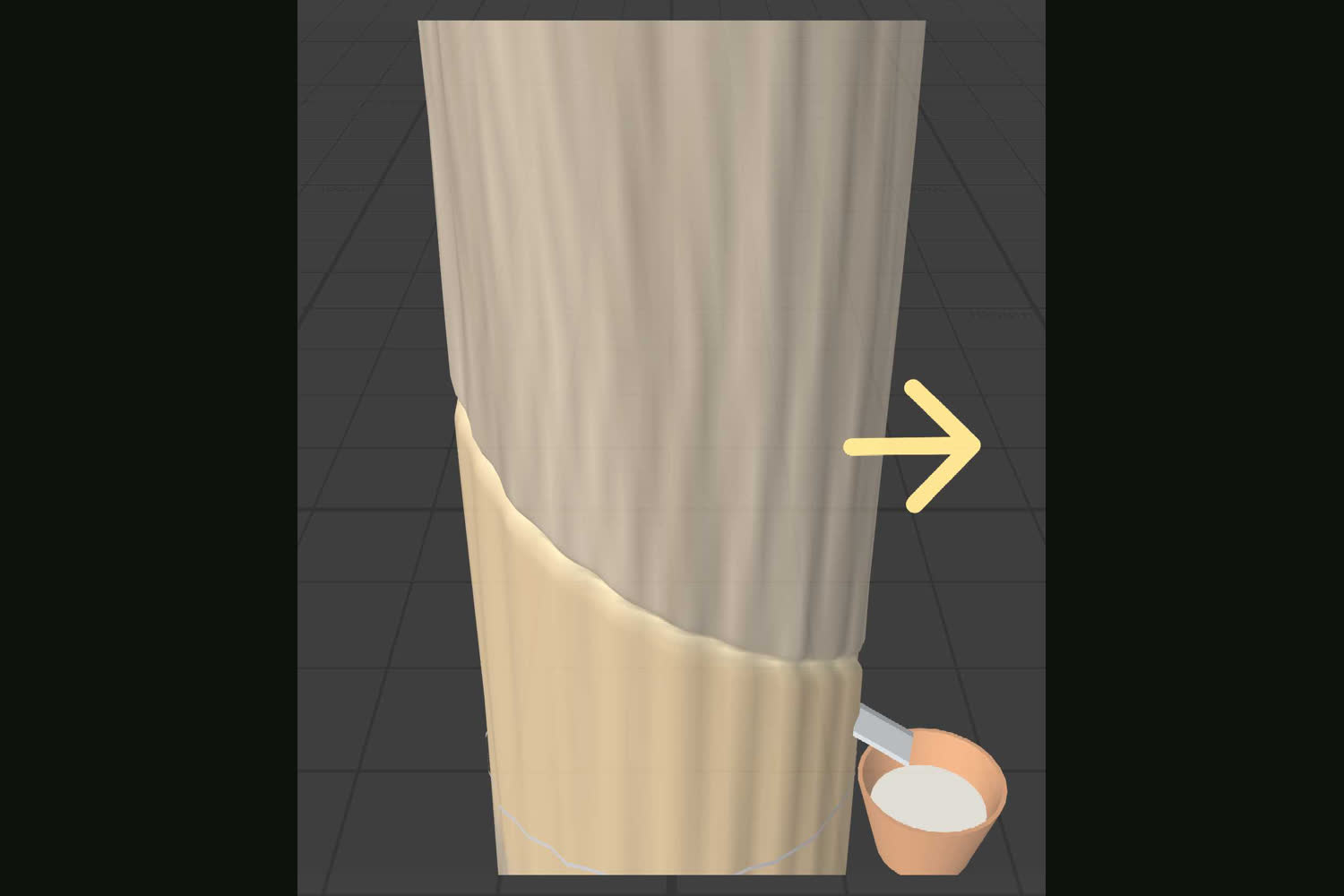
After the end-mark pinch: a "tok" and an edge arrow point to the next tree
-
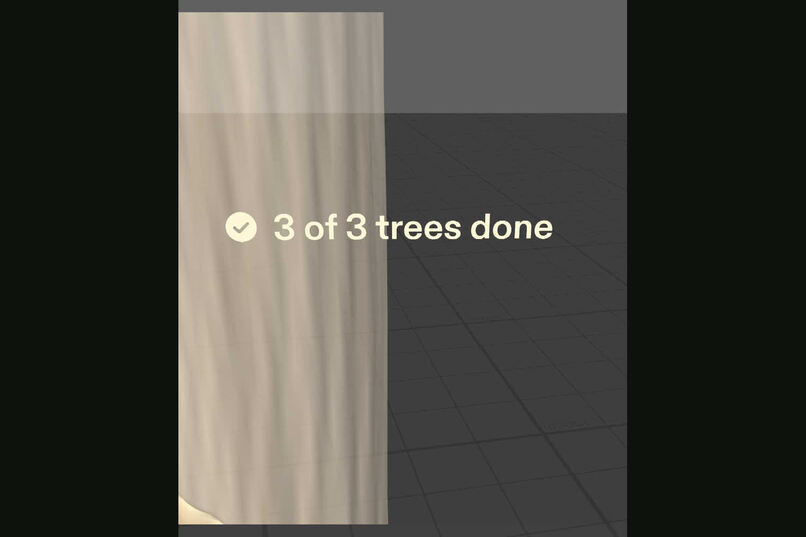
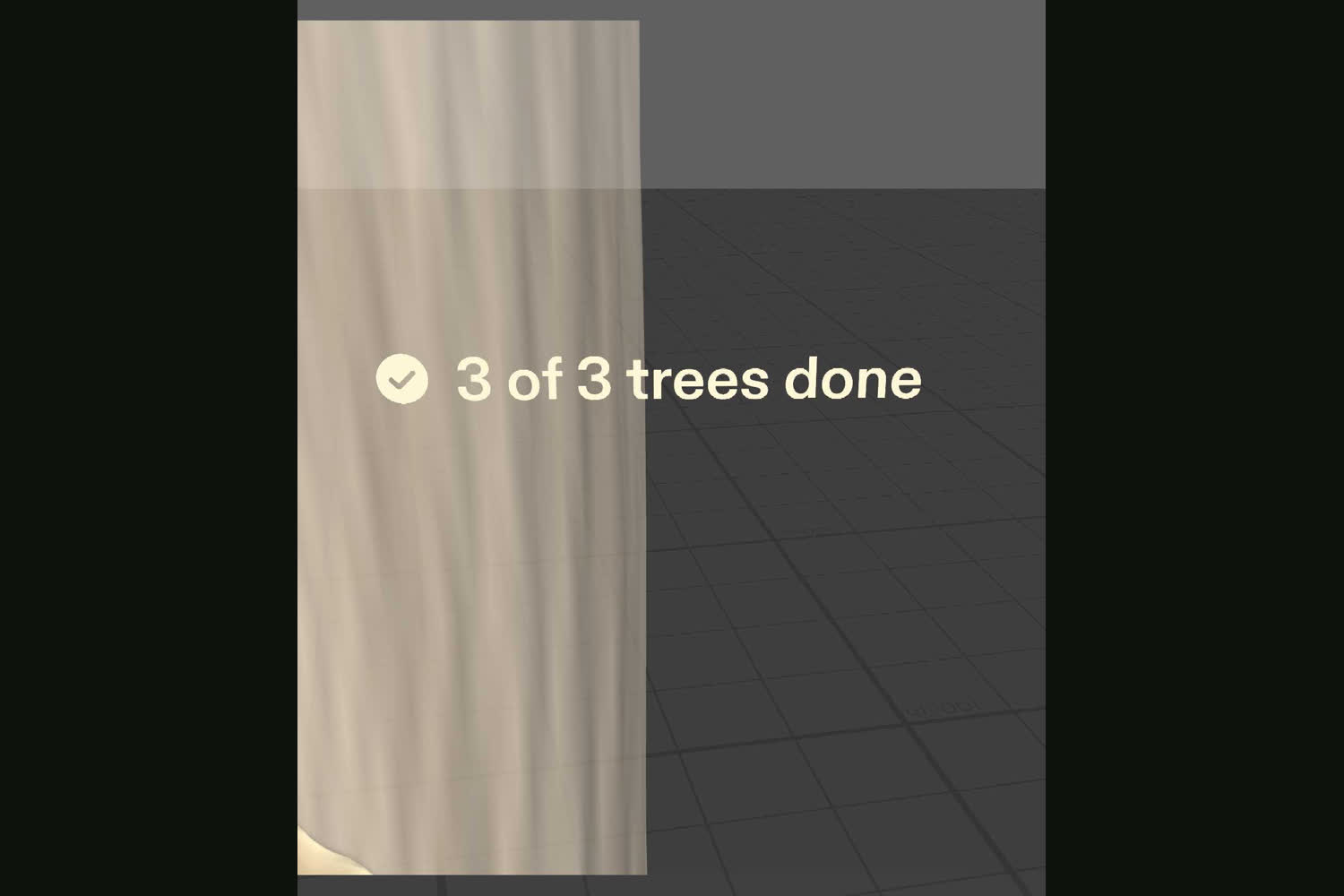
"3 of 3 trees done" in front of Tree 3
-
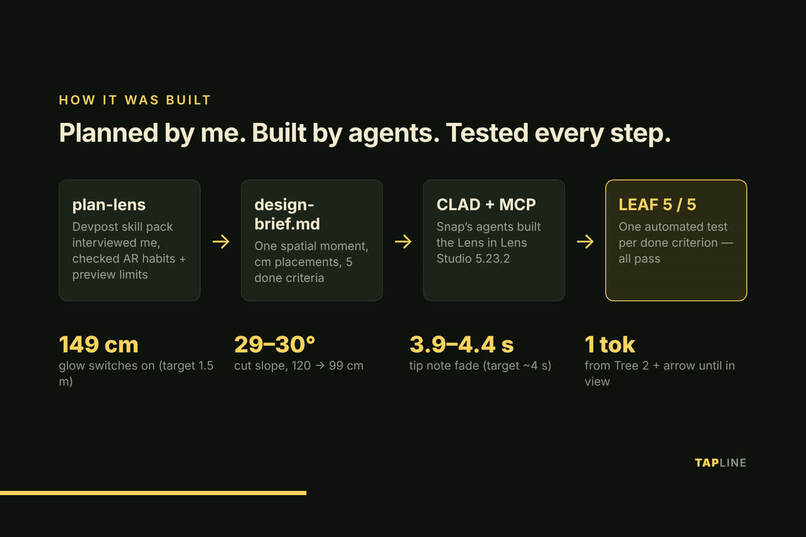
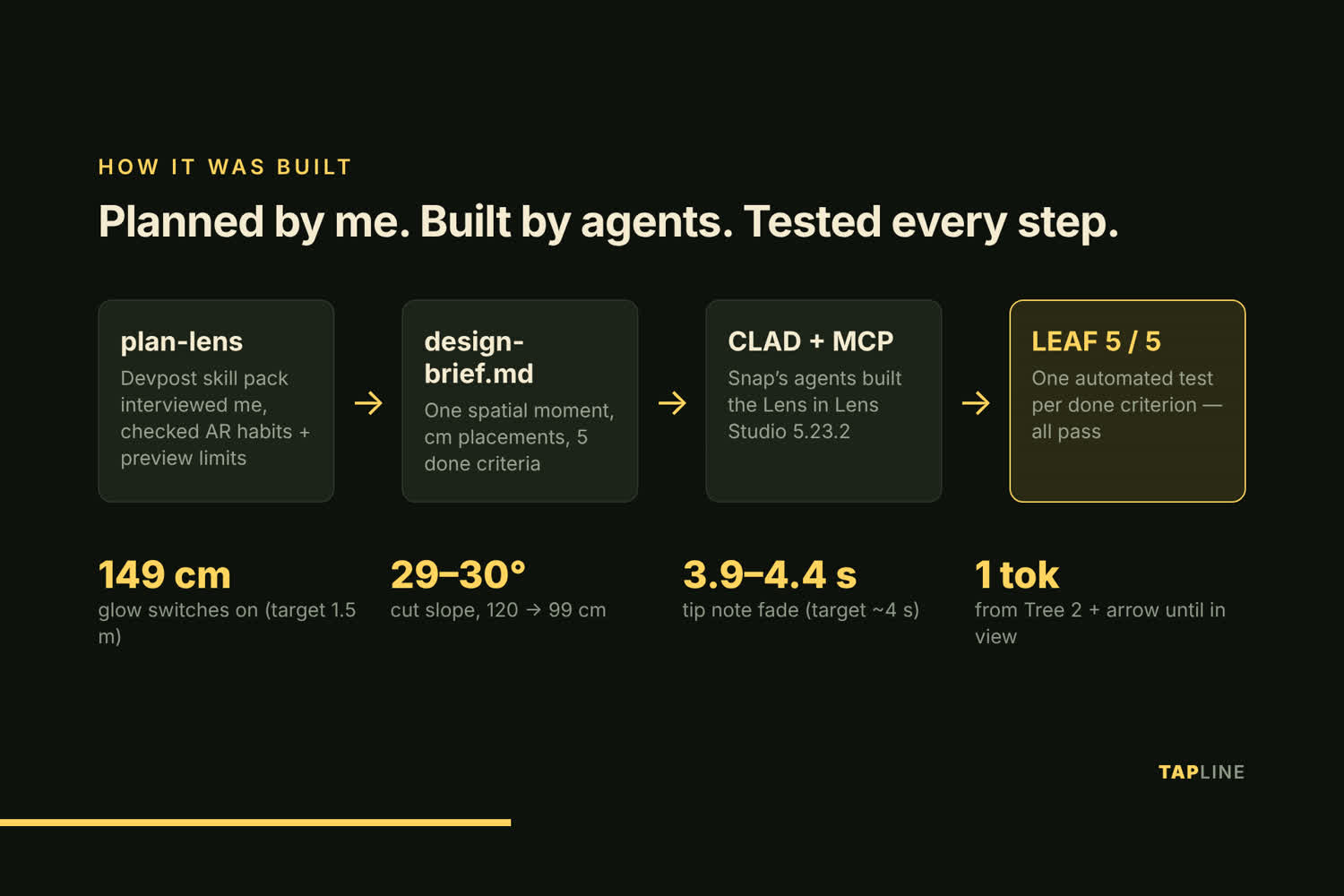
How it was built: plan-lens → design brief → CLAD + MCP → LEAF 5/5
Inspiration
I'm from Bentong, Pahang, where rubber smallholdings line every road. Tapping happens before dawn, in the dark, with a knife in one hand, and Malaysia is short of roughly 70–80 thousand tappers (The Star, Jan 2024). Many new and returning tappers are learning right now. A cut that's too deep (it should stay under 1 mm from the cambium) or at the wrong slope (about 30° on budded trees) wounds the bark for years. A phone or a paper chart can't help at the tree: both hands are busy and your eyes need to stay on the bark.
What it does
TapLine is built around one spatial moment: standing at a tree, knife in hand.
- Walk up and the trunk glows faintly within 1.5 m, so you know it's ready.
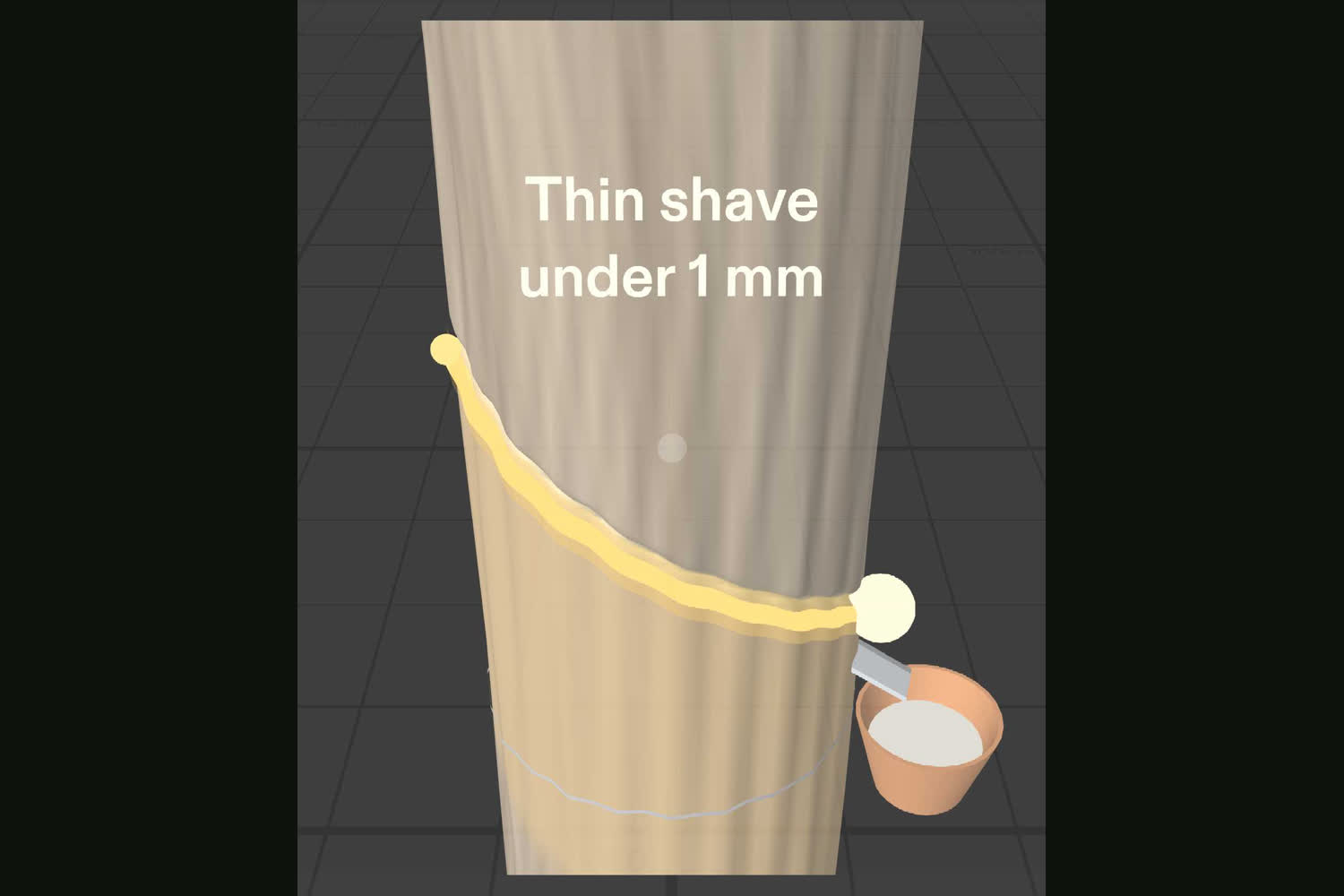
- Pinch the trunk (a stand-in for recognising the tree). A thin glowing cut guide appears on the bark: about 120 cm up on the left, sloping down to the right at about 30°, just below the old cut.
- A two-line tip for that tree ("Thin shave / under 1 mm") shows for 4 seconds, then fades.
- Pinch the end mark when you finish the cut. The guide fades and a soft spatial "tok" plays from the next tree. If that tree is out of view, a yellow edge arrow points to it until you face it.
- After the third tree, "3 of 3 trees done" appears and fades.
For: new and returning rubber tappers in Malaysia.
Why glasses: it draws in the world (the guide lives on the bark at real size), it leaves your body free (two pinches, and the knife never leaves your hand), and it's sound-led, so your eyes stay up.
How I built it
- Planned with the Devpost Learn
plan-lensskill. It interviewed me, pushed back where the idea fought the preview (it can't recognise a real tree, so a pinch stands in), and wrotedevpost/design-brief.mdwith real-scale placements and five done criteria. - Built by Snap's CLAD agents in Lens Studio 5.23.2 through the Lens Studio MCP: procedural tapered trunks with bark ridges and the old cut groove, Spectacles Interaction Kit pinch targets, a spatial "tok" and other generated sounds, a pulsing edge arrow, and a latex cup on each tree.
- A LEAF test for every done criterion. All five pass:
| Done criterion | Measured in LEAF |
|---|---|
| Glow within ~1.5 m | on at 149 cm, off at 150.5 cm |
| Cut guide + marks + tip | 120 → 99 cm at 29–30°; 2 cm and 5 cm marks |
| Tip fades after ~4 s | fade 3.9 → 4.4 s, line stays |
| End mark → tok + arrow | one tok from Tree 2; arrow hides once Tree 2 is in view |
| Row done message | in front of Tree 3 at 130 cm, in view |
- Fixed with design notes, not code. Across four rounds I walked the preview and gave notes like "split the tip into two lines no wider than 30 cm", "make the arrow 3× bigger, bright yellow, pulsing" and "move the done message in front of Tree 3". CLAD made each change and re-ran the tests.
Challenges I ran into
- The preview can't see a tree. I kept the response real and faked only the sensing: a pinch on a virtual trunk with a pre-drawn old cut.
- Fitting the narrow view. At arm's length, the first tip notes were too wide for the SPECS field of view. Two short lines fixed it, and the done message had to move from behind me to in front of Tree 3.
- Setup: I used Lens Studio 5.23.2 because 5.24's SPECS sign-in blocks CLAD.
Accomplishments that I'm proud of
- Every interaction is backed by a passing automated test with measured numbers.
- It's restrained: there is no counter while tapping, and everything appears when needed and then recedes.
- It's a real local problem that I know first-hand.
What I learned
- Design for one moment, then remove everything that isn't needed in it.
- Put information on the thing it's about. A line on the bark beats any floating panel.
- Fake the sensing, keep the response. Stand-ins let me prove the experience before the recognition exists.
- Testable done criteria turned "does it feel right?" into checks an agent could prove, and let me direct the build with design language.
What's next for TapLine
These are "feel unproven" items that only real glasses can answer: following a real trunk and its real old cut with camera vision, hand tracking in pre-dawn darkness, and comfort over a full row of 300+ trees. After that, I'd test it with RISDA trainees in Pahang.
Sources: The Star (4 Jan 2024), "Rubber sector needs 80,000 workers"; Kerala Agricultural University rubber harvesting guide; Rubber Research Institute of Sri Lanka, "Tapping & Use of Rainguards".
Built With
- clad
- claude-code
- leaf
- lens-studio
- lens-studio-mcp
- snap-specs
- spectacles-interaction-kit
- typescript

Log in or sign up for Devpost to join the conversation.