-
-
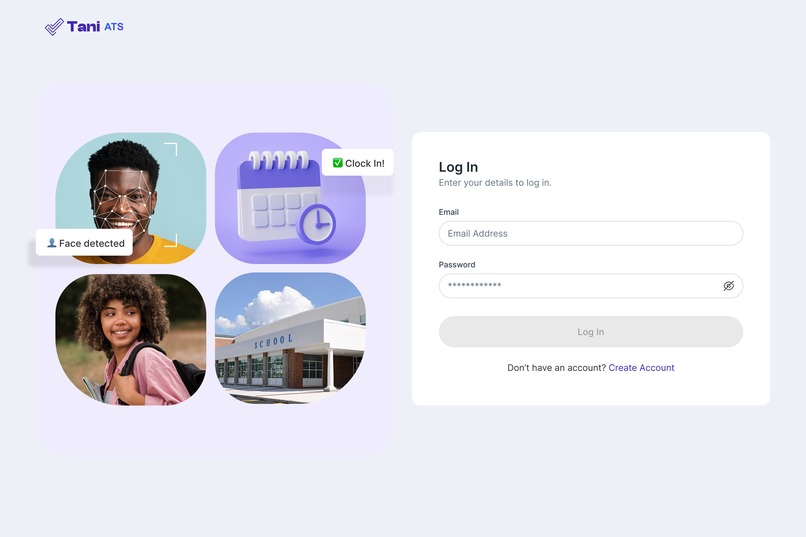
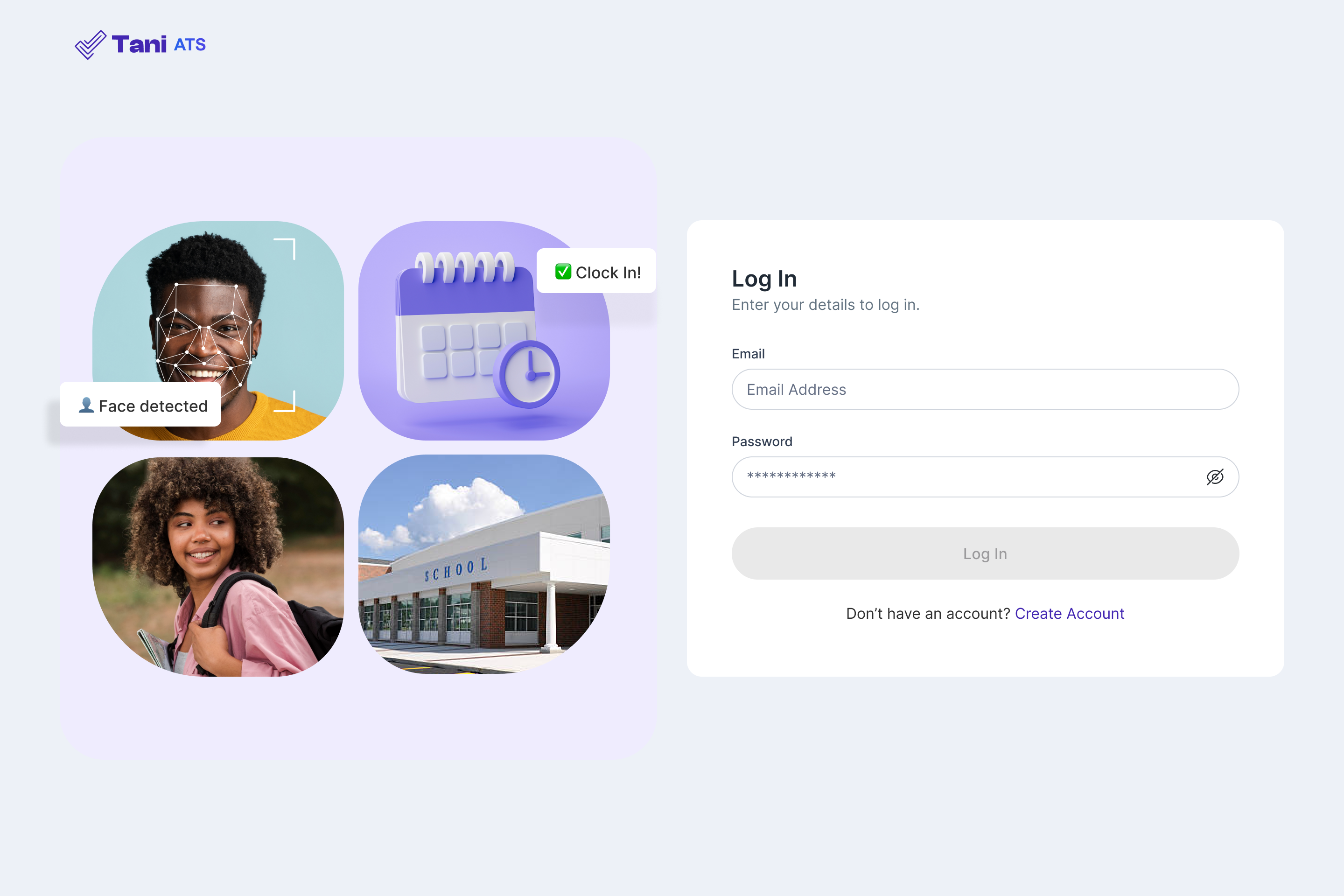
Log In
-
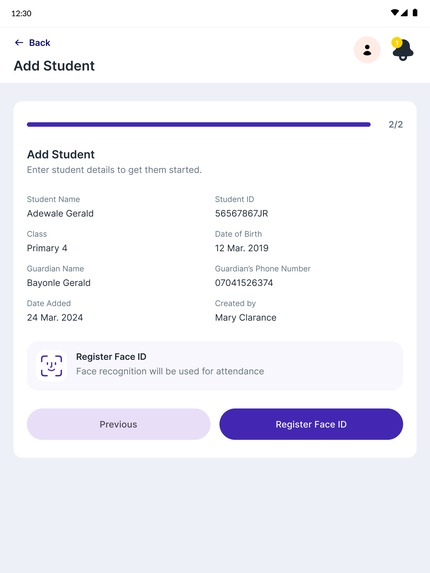
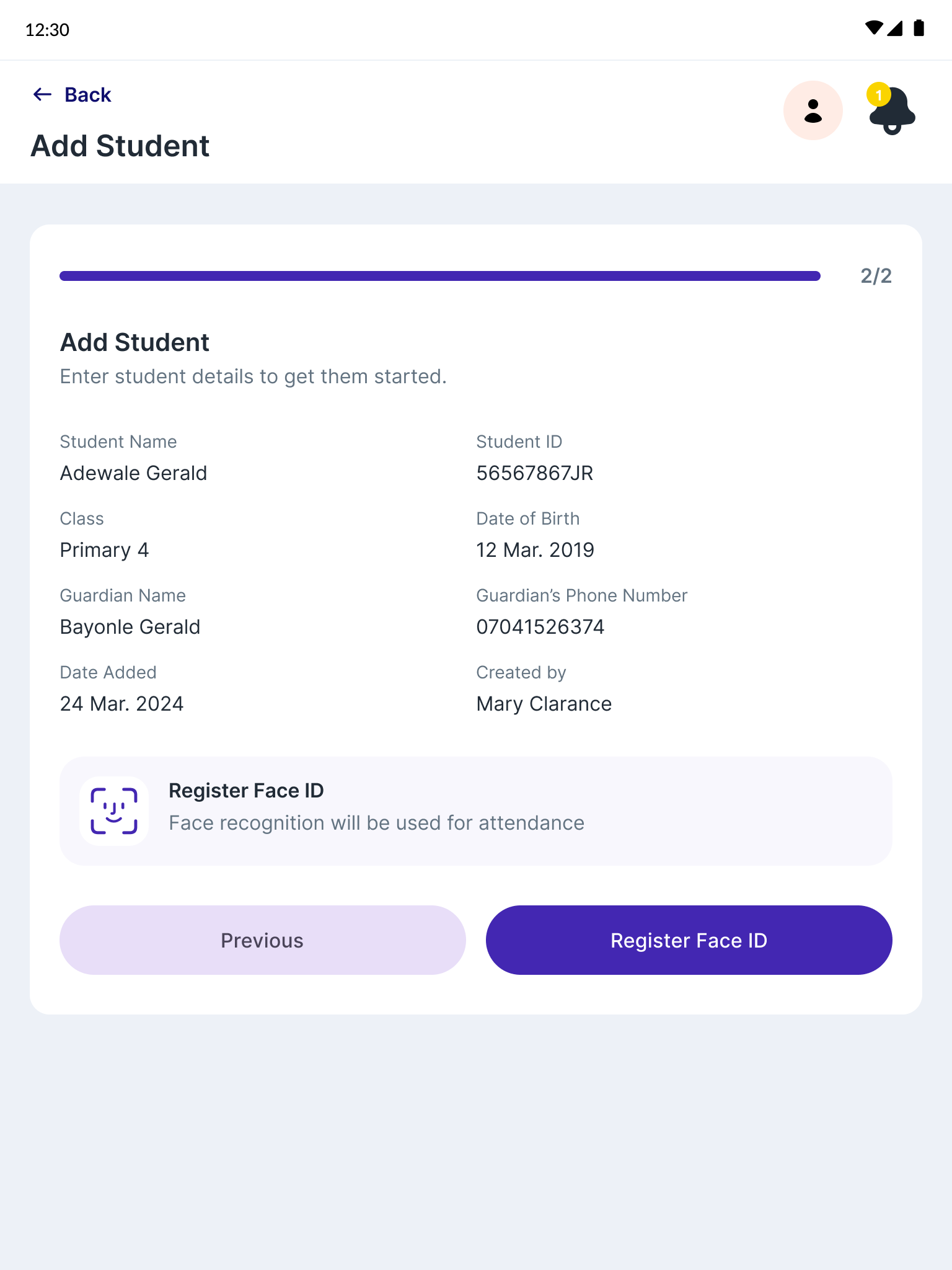
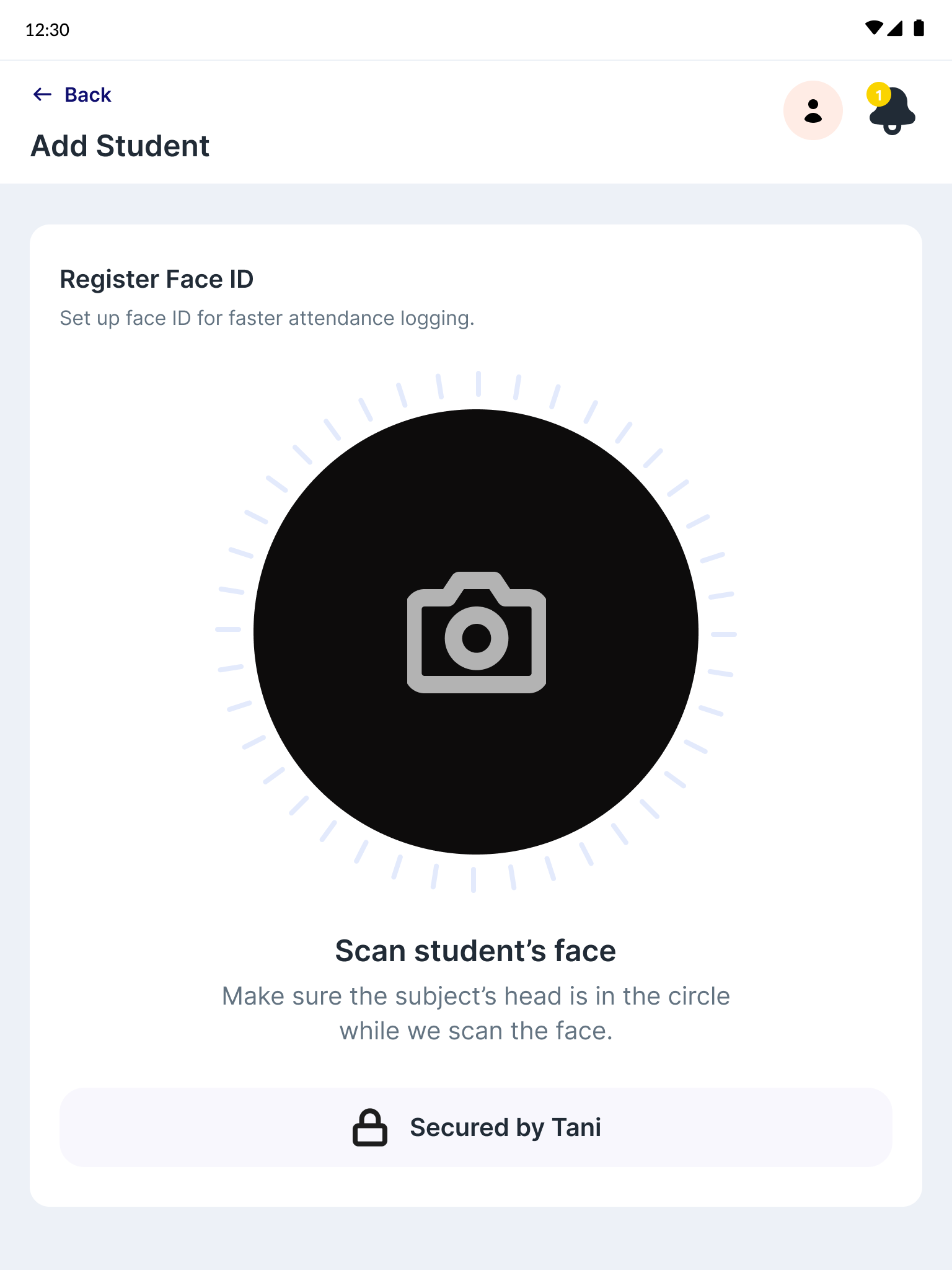
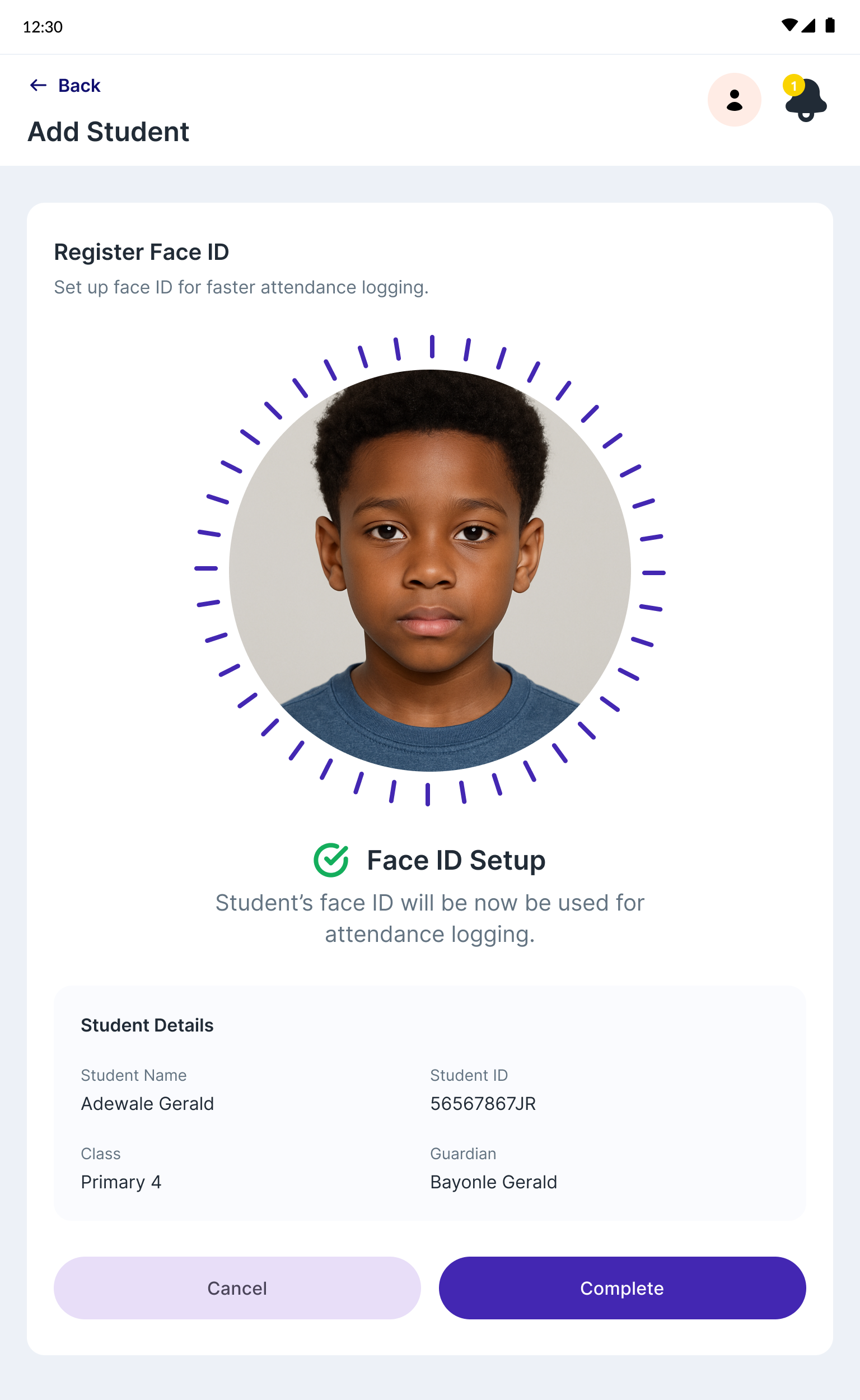
Registering Student's Face
-
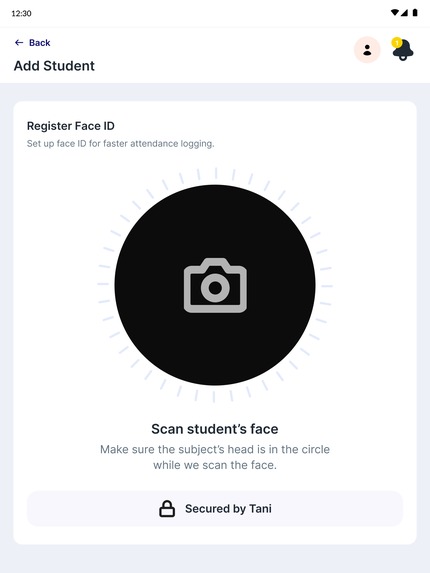
Registering Student's Face
-
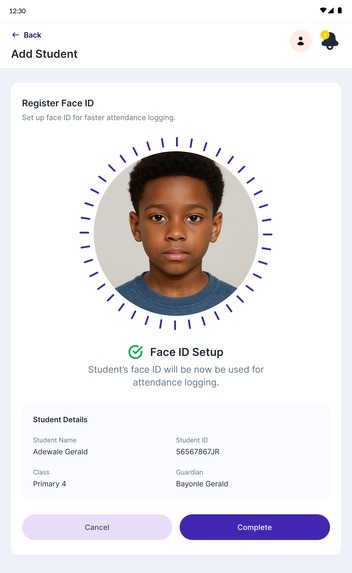
Registering Student's Face
-
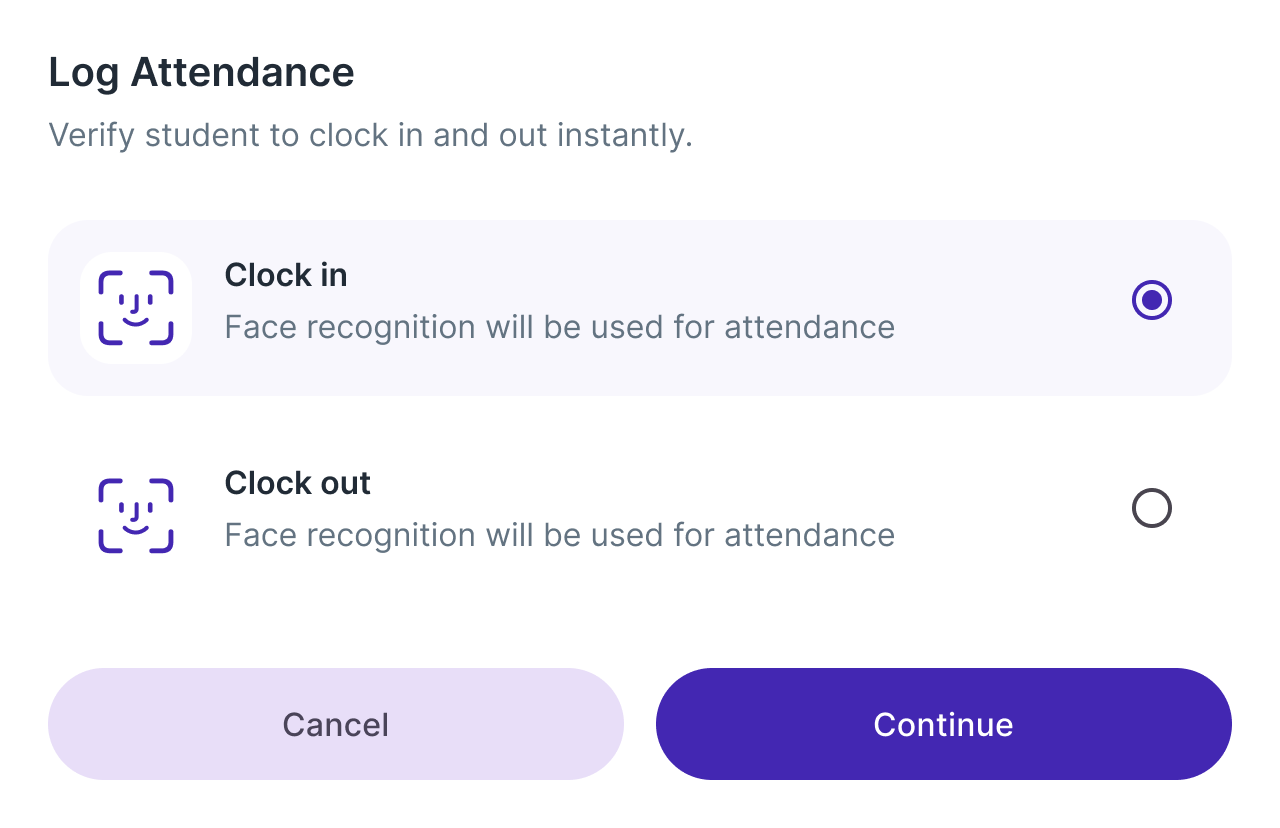
Scanning Student's face for Attendance
-
Scanning Student's face for Attendance
-
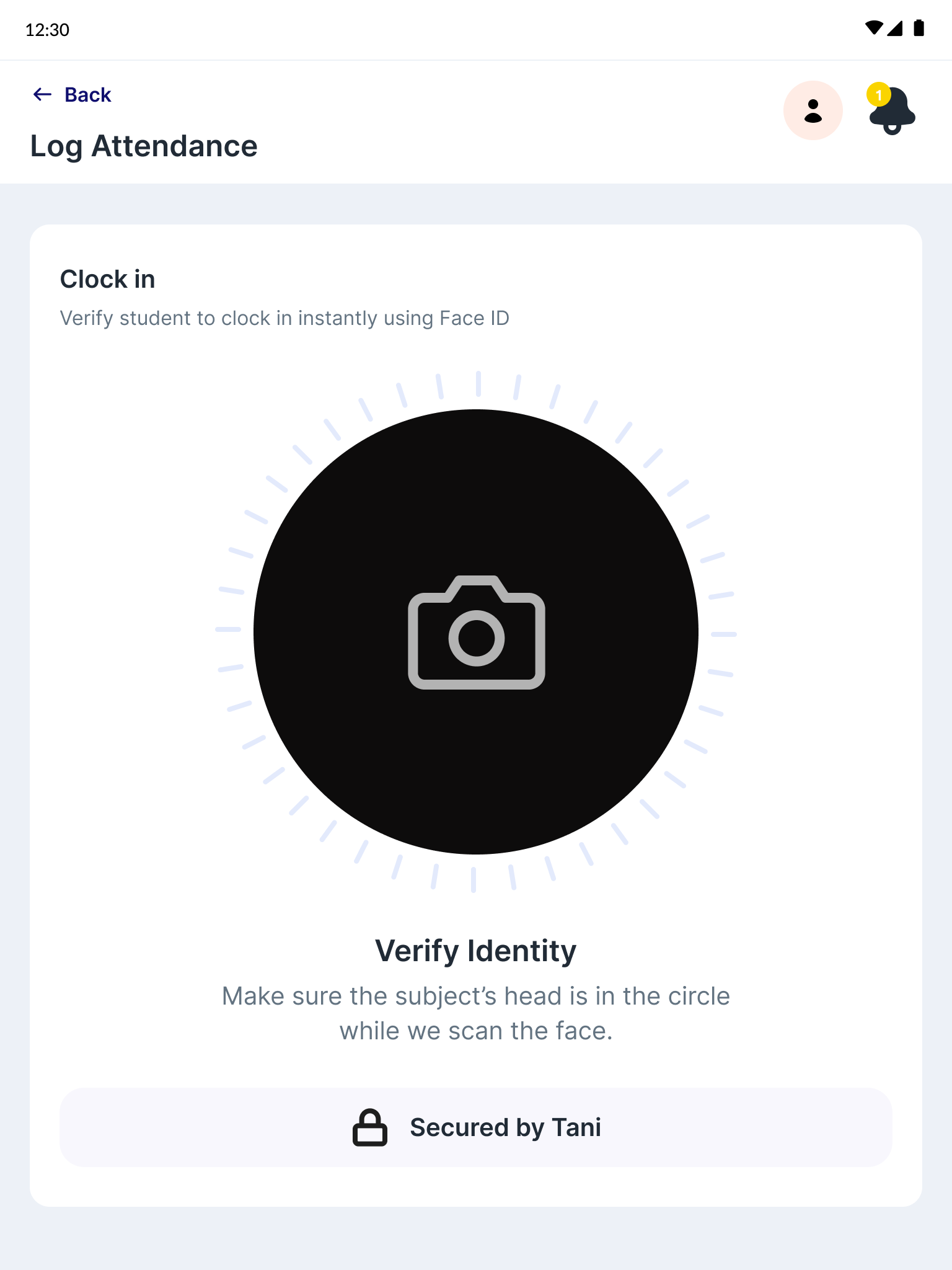
Scanning Student's face for Attendance
-
Scanning Student's face for Attendance
-
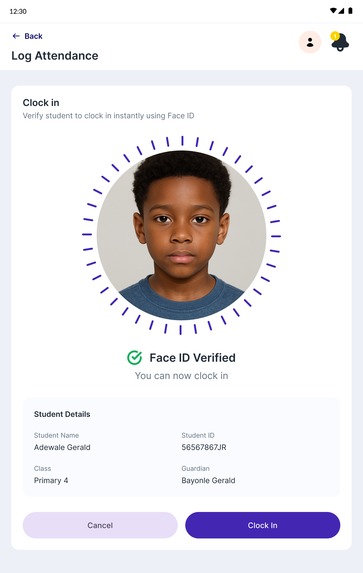
Student's Face Verified
Inspiration: Our inspiration for TANI came from a real, urgent need across Africa—where millions still lack reliable identification, making it difficult to access basic services like banking, healthcare, and education. Traditional ID systems are often exclusionary, insecure, or simply ineffective, especially in rural and low-connectivity areas.
We saw an opportunity to build a solution that’s not just secure, but inclusive and adaptive to Africa’s unique infrastructure challenges. TANI leverages AI-powered biometrics—facial recognition, fingerprinting, voice authentication—to offer fast, reliable, and fraud-proof identity verification that works even offline.
Our goal is simple: to empower people and institutions with technology that builds trust, enhances access, and drives progress—whether it’s for a fintech startup, a rural school, or a government agency. That vision is what drives us every day.
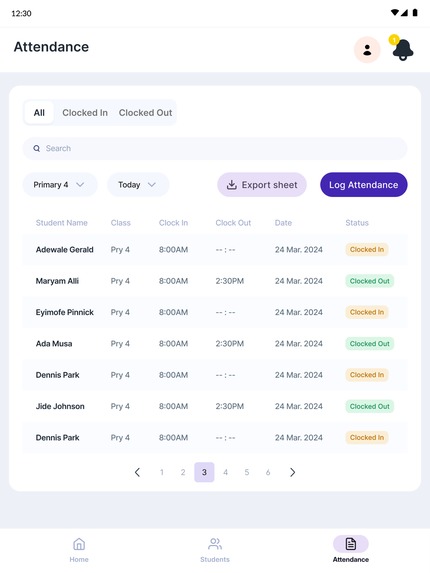
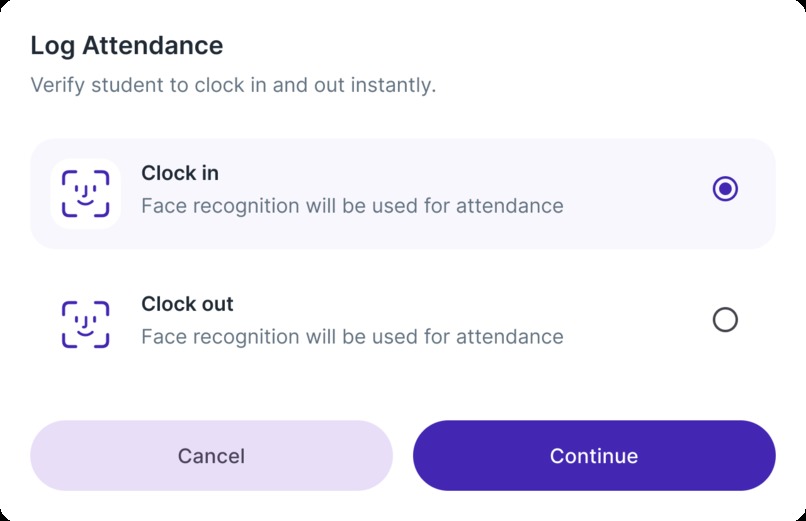
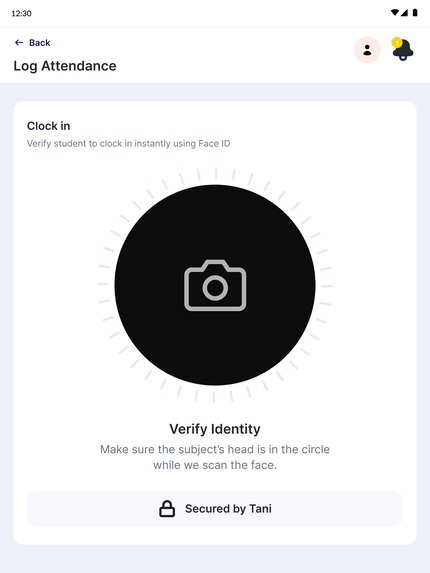
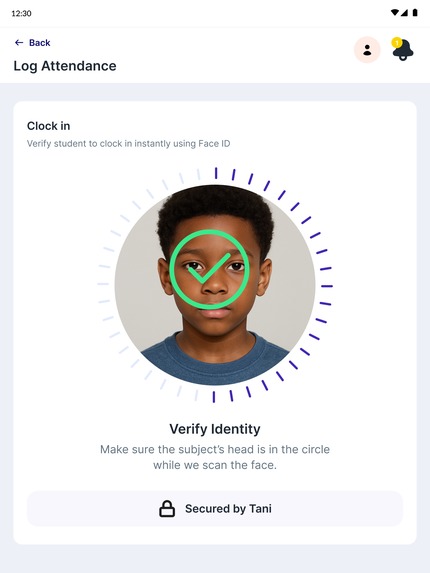
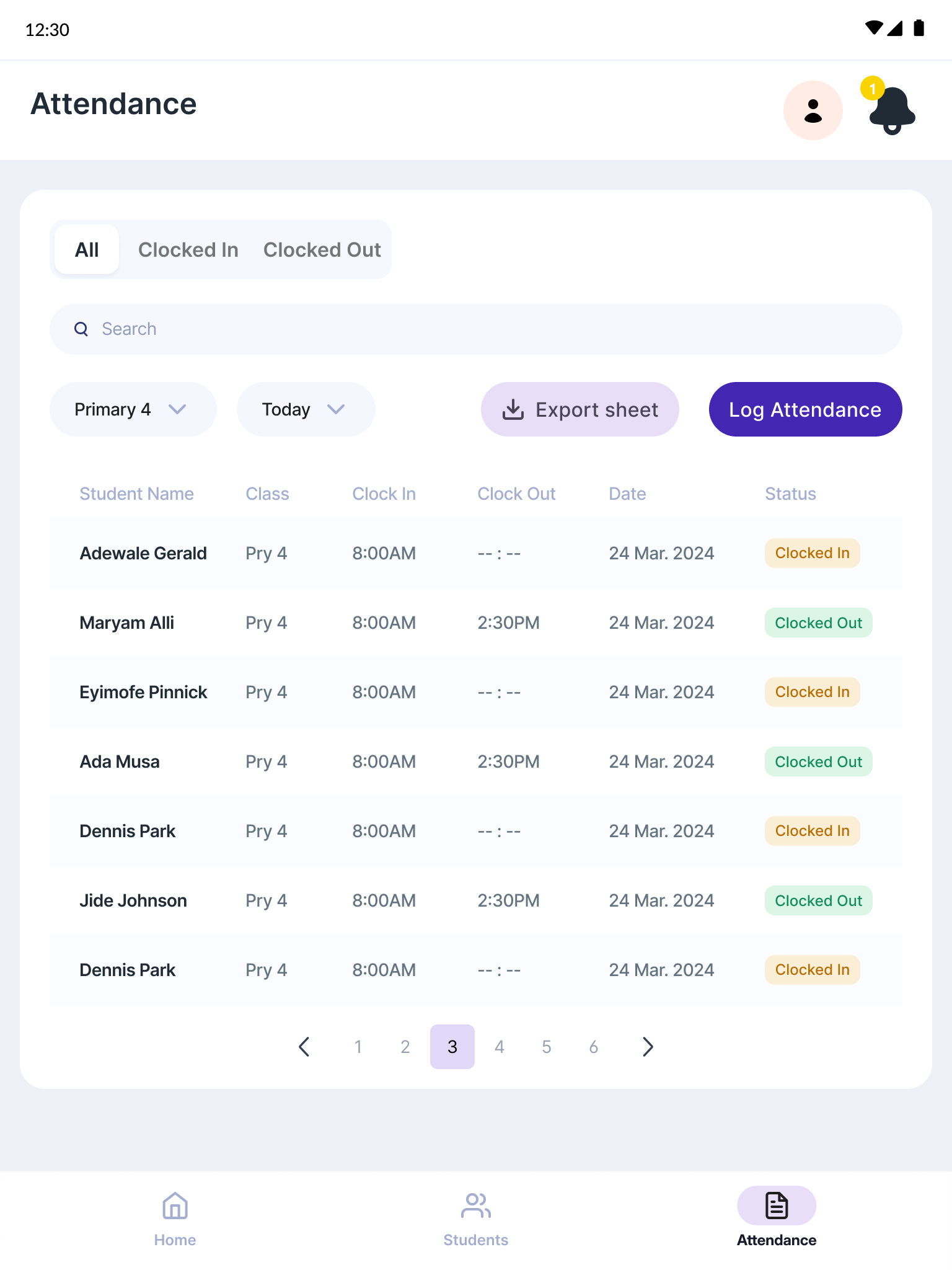
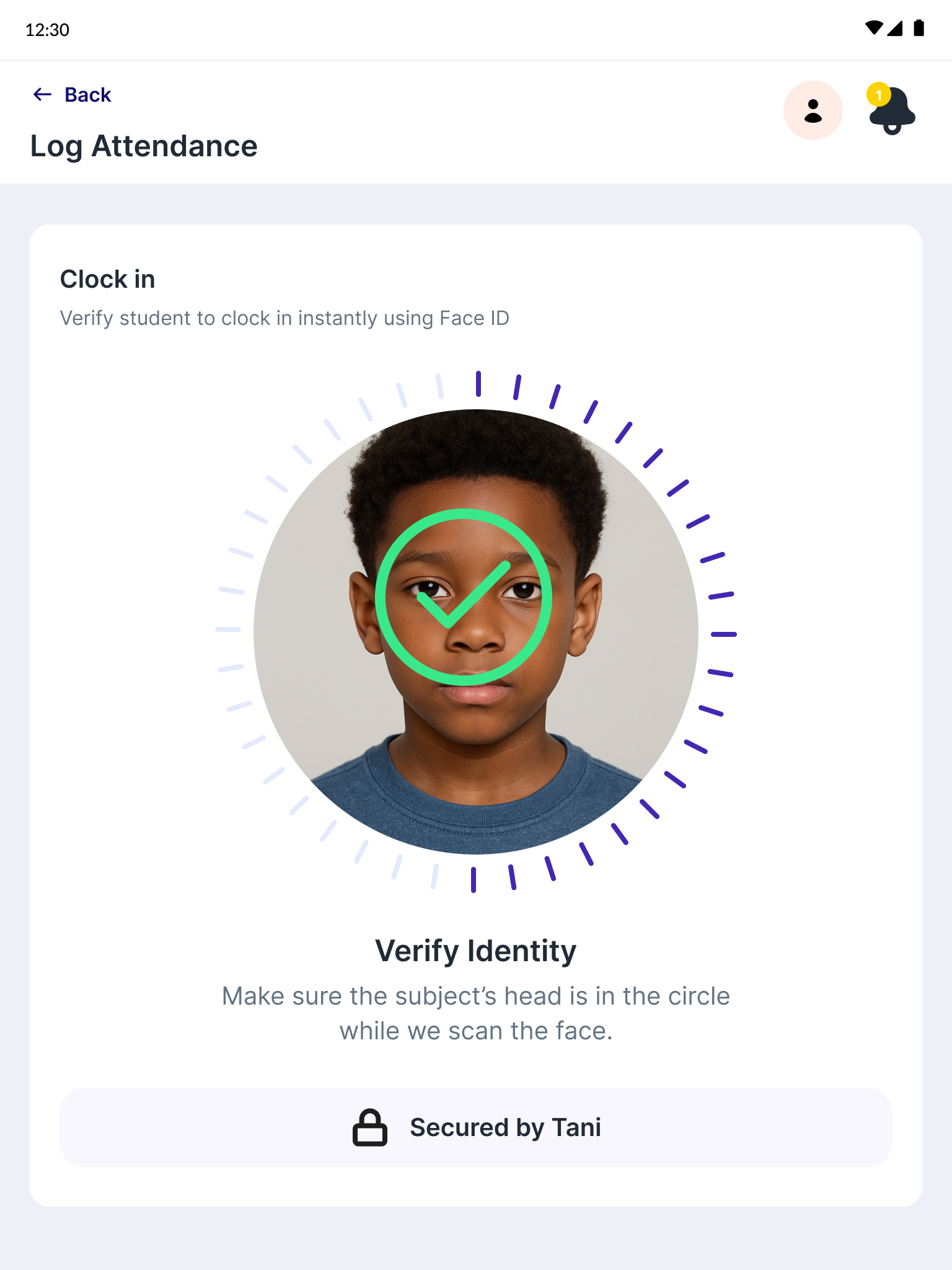
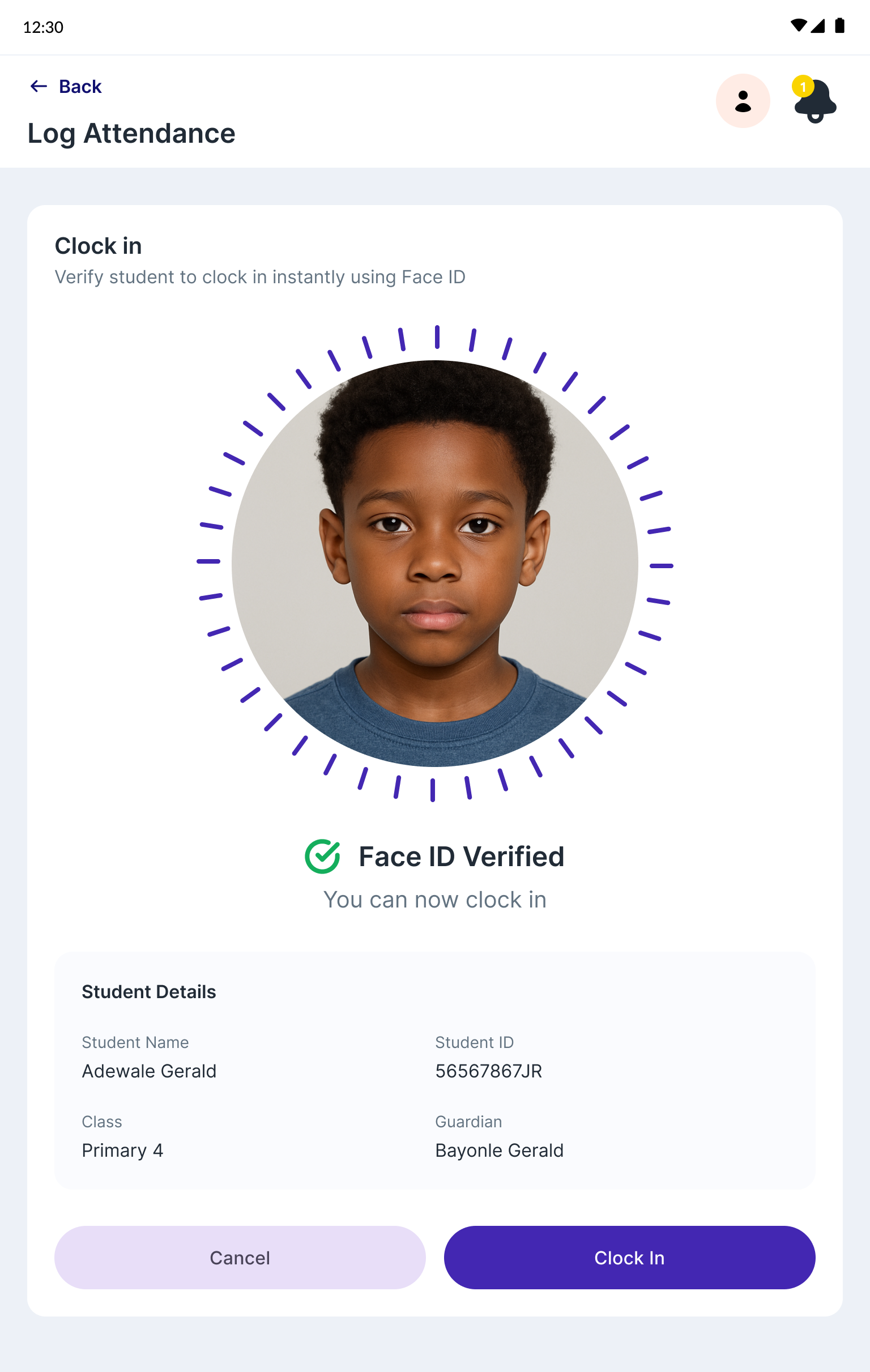
What it does: Tani Attendance Tracking System is a facial-recognition-based attendance solution for primary and secondary schools. It replaces manual roll calls with fast, secure face scans at school entry and exit points.
The system streamlines attendance by using facial scans at designated entry/exit points, eliminating the need for manual roll calls or ID cards. It supports offline functionality with automatic syncing, ensuring reliability in low-connectivity environments. Key Features: • Facial Recognition Attendance: Students clock in and out using facial scans via tablets at school gates. • Automated Logging: Attendance records include timestamps, student ID, status, location, and reasons for lateness or early checkout. • Guardian Notifications: Optional real-time alerts are sent to guardians upon check-in/out
How we built it: The Tani ATS has two interfaces, one for mobile, one for web. The web mobile is the admin (back office), where initial registration of schools occurs, and a school admin monitors the attendance, students, student managers, and reporting data. This was built using NextJS, React, and Typescript. The mobile app is mainly responsible for registering and capturing the student data by student managers(typically teachers). They are also responsible for clocking in and clocking out students using the same mobile app. This application was built with React Native and Expo.
For the backend of our application, it is powered by Node (NestJS), which effectively provides API support for both the mobile and web applications using MongoDB as the flavor of our database.
Challenges we ran into: One of the major challenges we faced was around data—specifically, the lack of representative and proprietary datasets for black and Nigerian faces. Most existing biometric models and training datasets are built using data from Western populations, which introduces significant bias and inaccuracy when applied to African users. This meant that off-the-shelf solutions couldn’t meet our accuracy or fairness standards.
To overcome this, we had to take the longer and more resource-intensive route of collecting, curating, and labeling our own proprietary datasets that reflect the diversity of African facial features, skin tones, and environmental conditions (like poor lighting or low-resolution images).
This data gap also extended to voice and fingerprint recognition, where dialects, accents, and sensor inconsistencies posed challenges. Ensuring our system performed well across these variables was critical for adoption and trust.
While this process was complex and demanding, it was necessary. It’s what makes TANI a truly localized and inclusive solution—not just a generic biometric system, but one built from the ground up for African realities.
Accomplishments that we're proud of: We’re proud to have:
• Designed and built a complete attendance system that replaces manual registers with fast, secure facial scans.
• Developed an offline-first architecture, knowing many schools face inconsistent internet access.
• Integrated guardian notifications, so parents are instantly informed when their child arrives or leaves school, building trust and transparency.
What we learned: When we started building Tani, we thought we were just solving an attendance problem. But very quickly, we found it was much bigger than that.
One of the biggest lessons was that infrastructure in Africa can’t be an afterthought. Internet access is unreliable in many schools, so we had to build with that in mind, making sure our system works offline and syncs when it can. Working with facial recognition brought another lesson: this is powerful tech, and with that comes real responsibility. We had to think carefully about consent, privacy, and ethical data use—especially when children are involved. And finally, we saw how even small improvements like automatically notifying a parent when their child arrives can make a big difference. It builds trust, it creates peace of mind, and it connects home with school in a way that really matters. So yes, we built an attendance system. But more than that, we learned how to build for real people, in real-world conditions, solving real problems.
What's next for TANI ATS: Following our success with TANI ATS in schools, our next move is to extend its integration into broader sectors where biometric tracking is essential. These include:
Corporations: For secure staff attendance, identity verification, and access control to sensitive areas.
Universities: To automate student class attendance, secure exam verification, and streamline campus access.
Government and NGOs: For identity-based service delivery, workforce tracking, and compliance monitoring.
Event and Membership-Based Organizations: To manage check-ins, track member participation, and prevent impersonation.
TANI’s offline capability and fast, secure biometric processing make it ideal for large-scale deployment, even in areas with limited network access. This expansion will transform how institutions monitor, verify, and protect people across various industries.
Built With
- ai
- expo.io
- machine-learning
- mongodb
- nest
- nestjs
- next
- node.js
- python
- react
- reactnative
- typescript

Log in or sign up for Devpost to join the conversation.