-
-
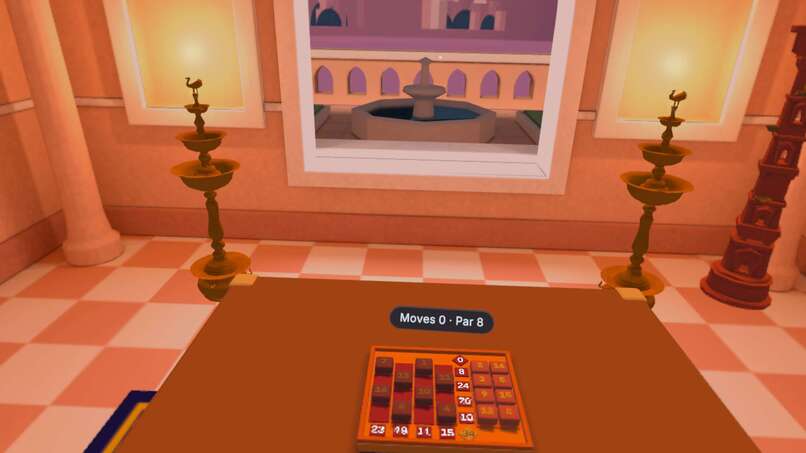
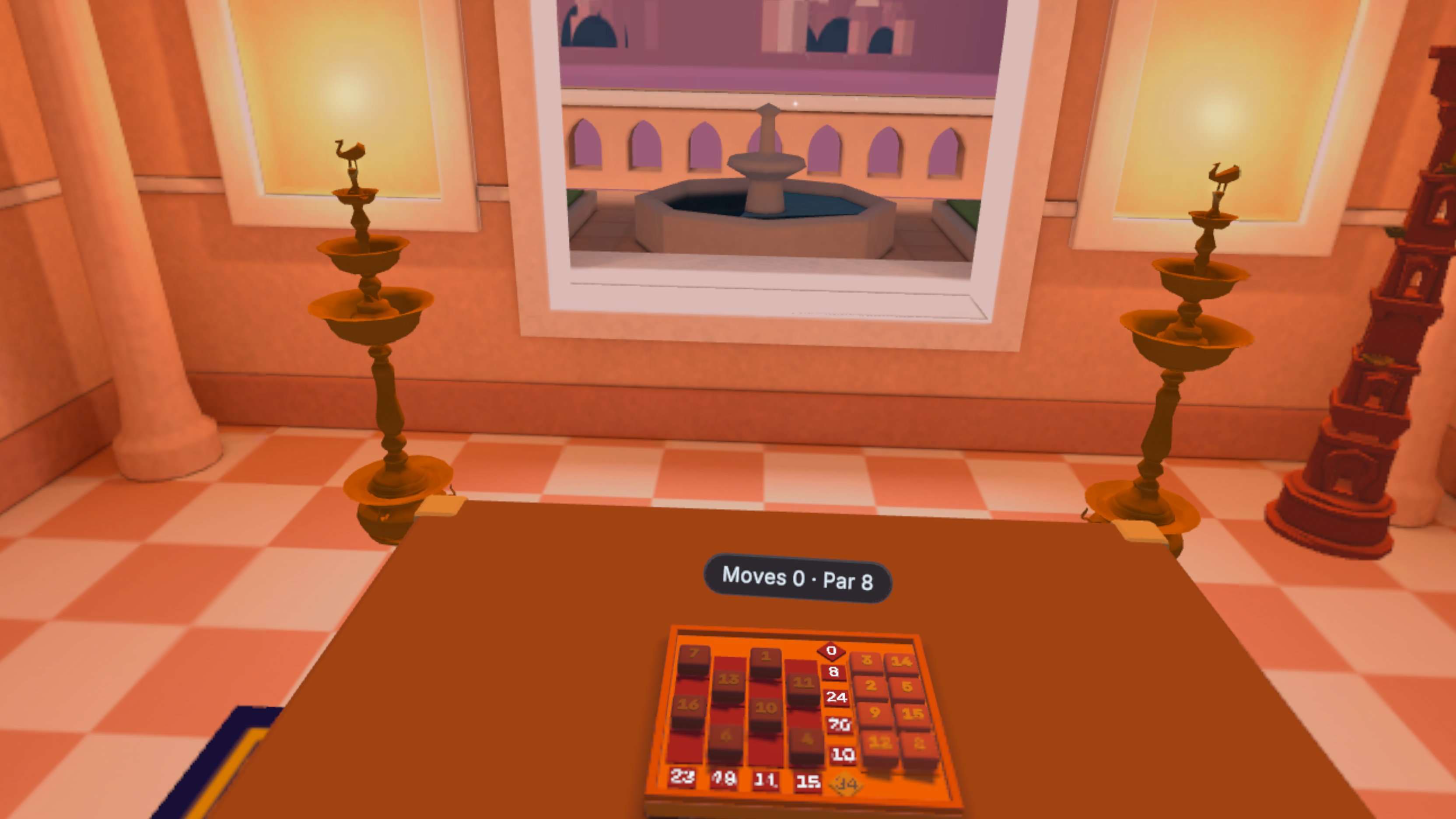
India
-
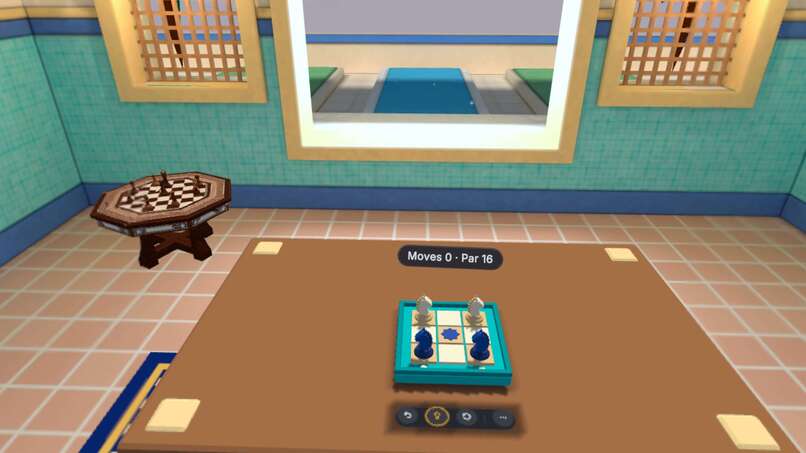
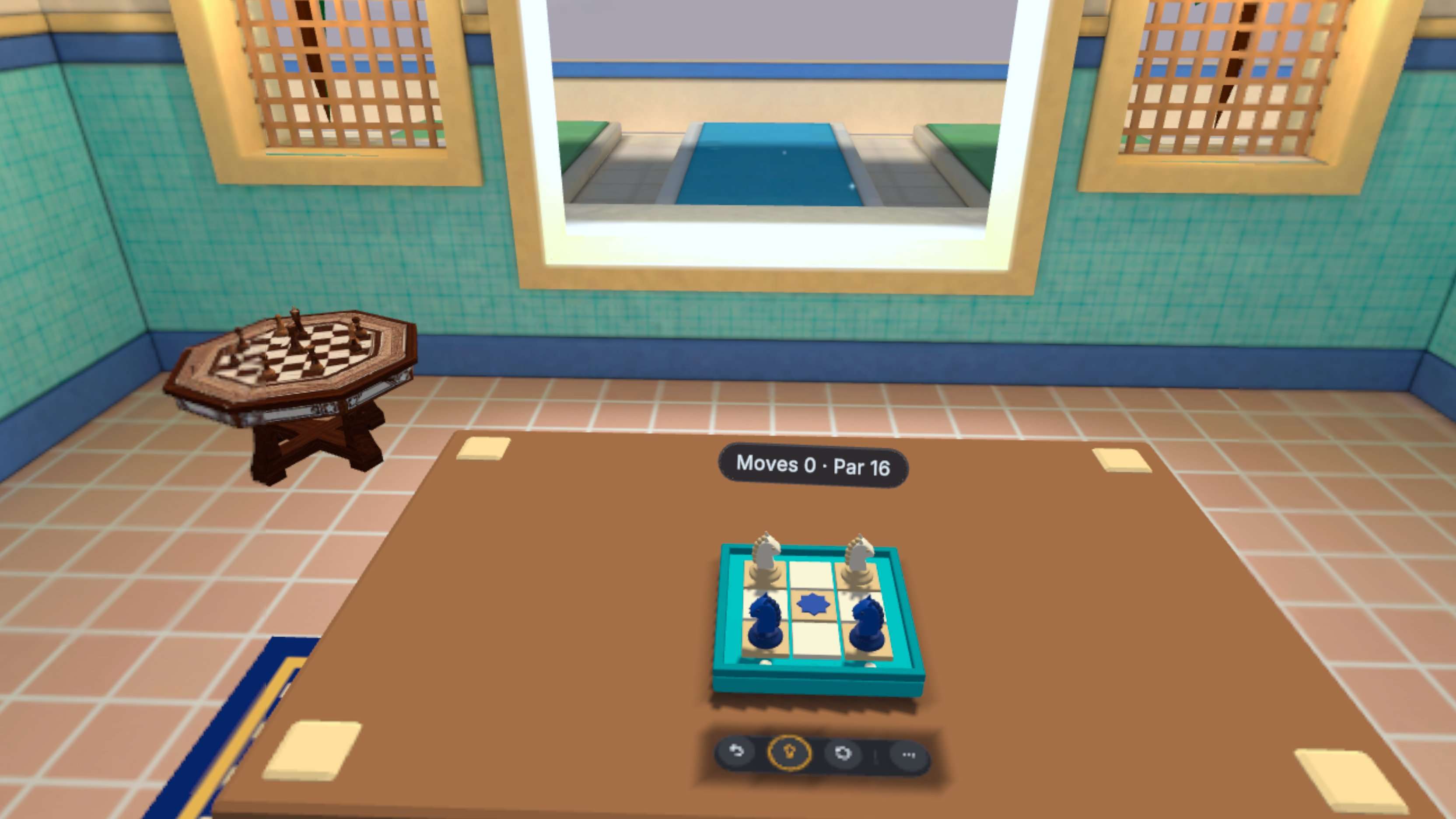
Arab/Persia
-
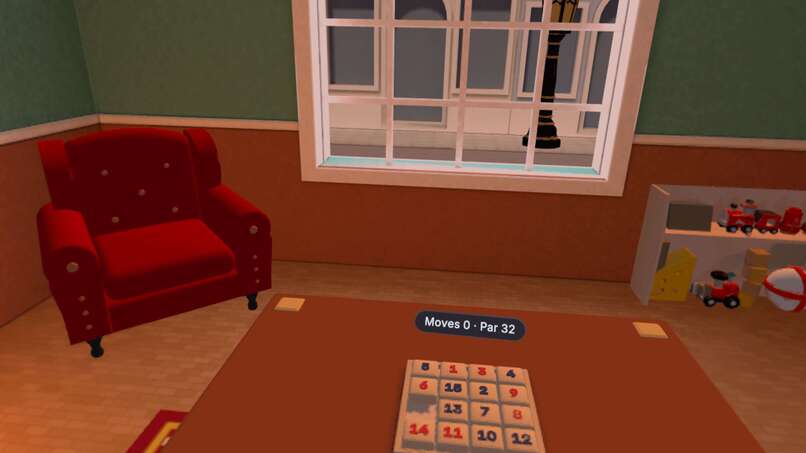
Europe
-
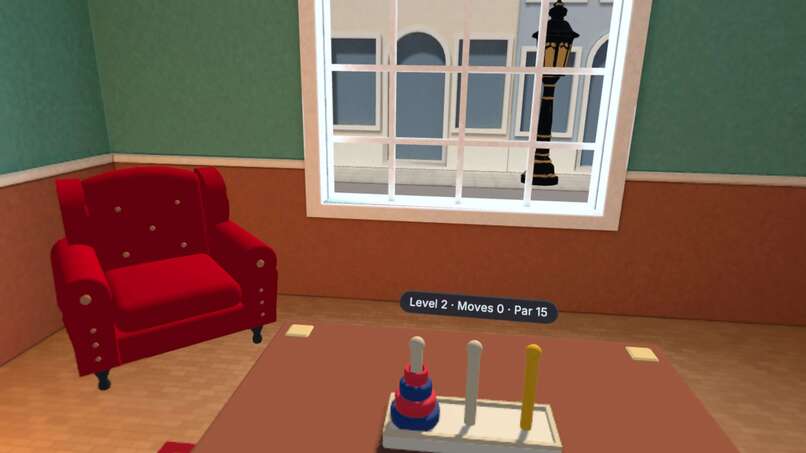
Europe
-
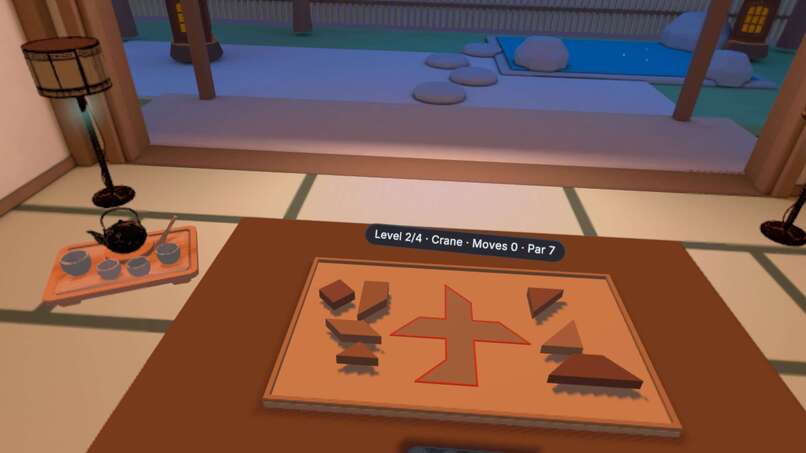
Japan
-
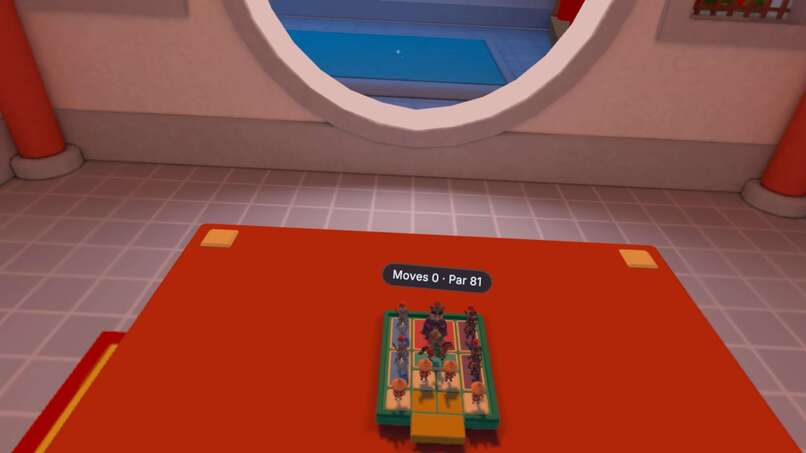
China
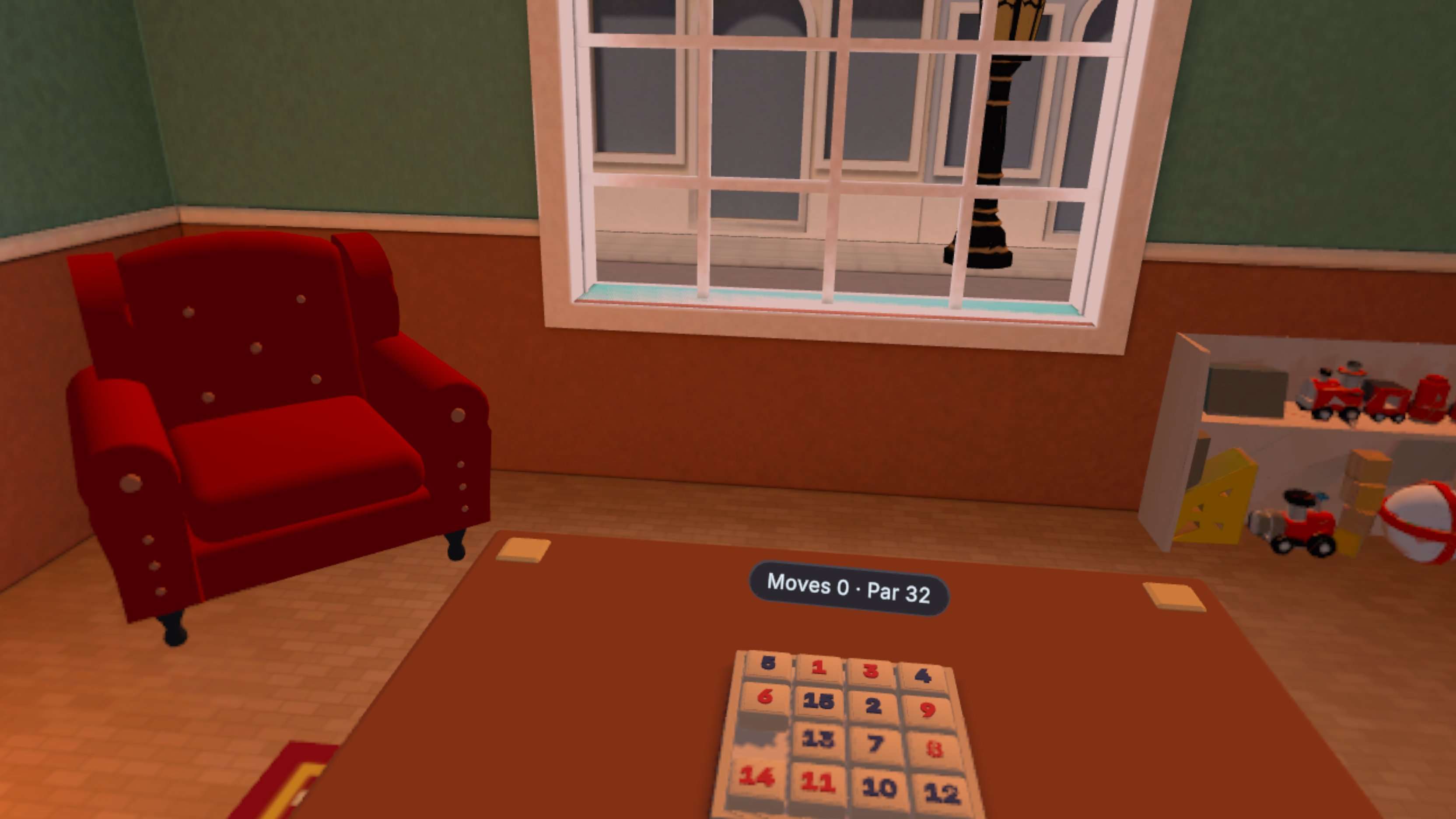
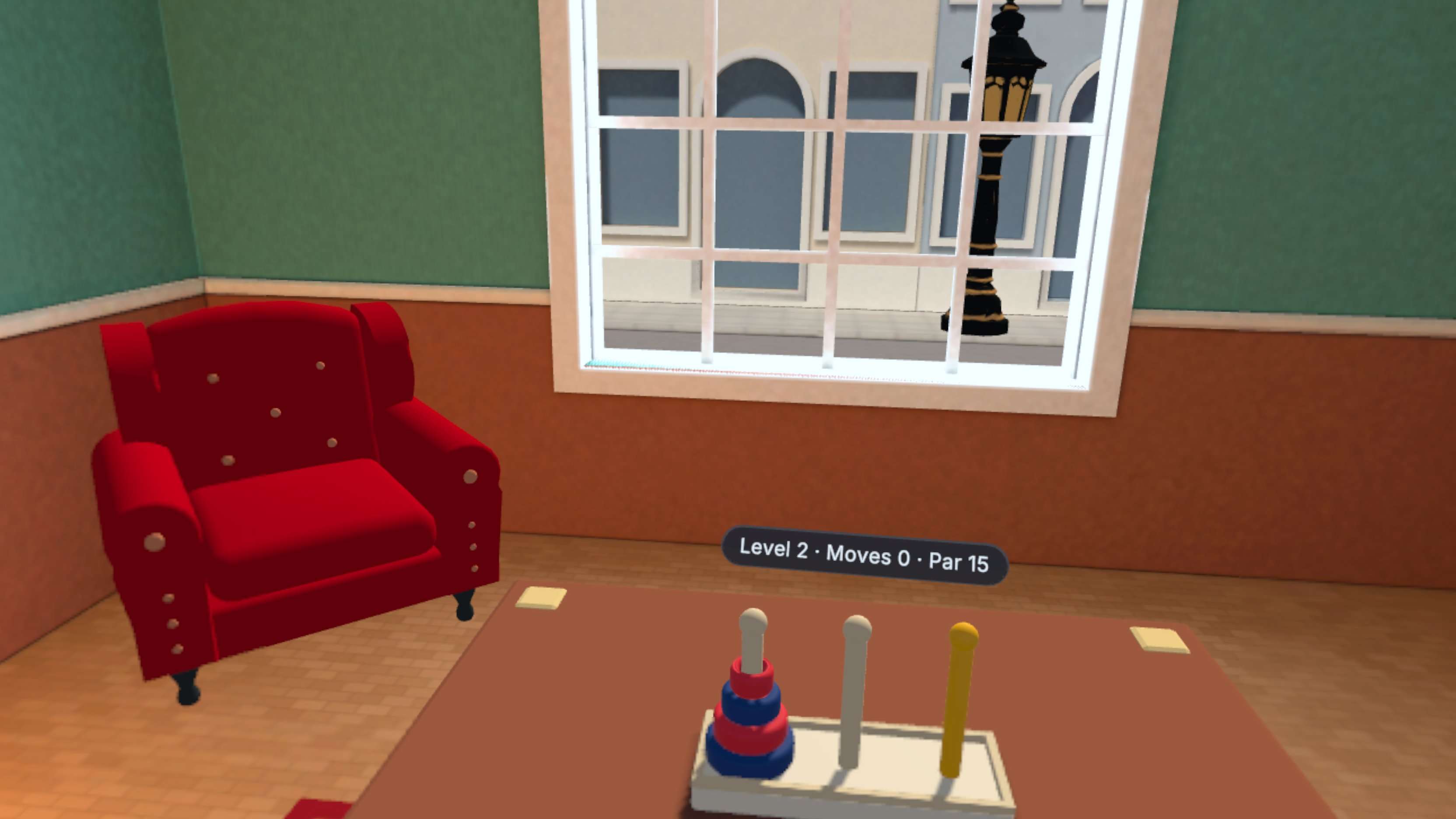
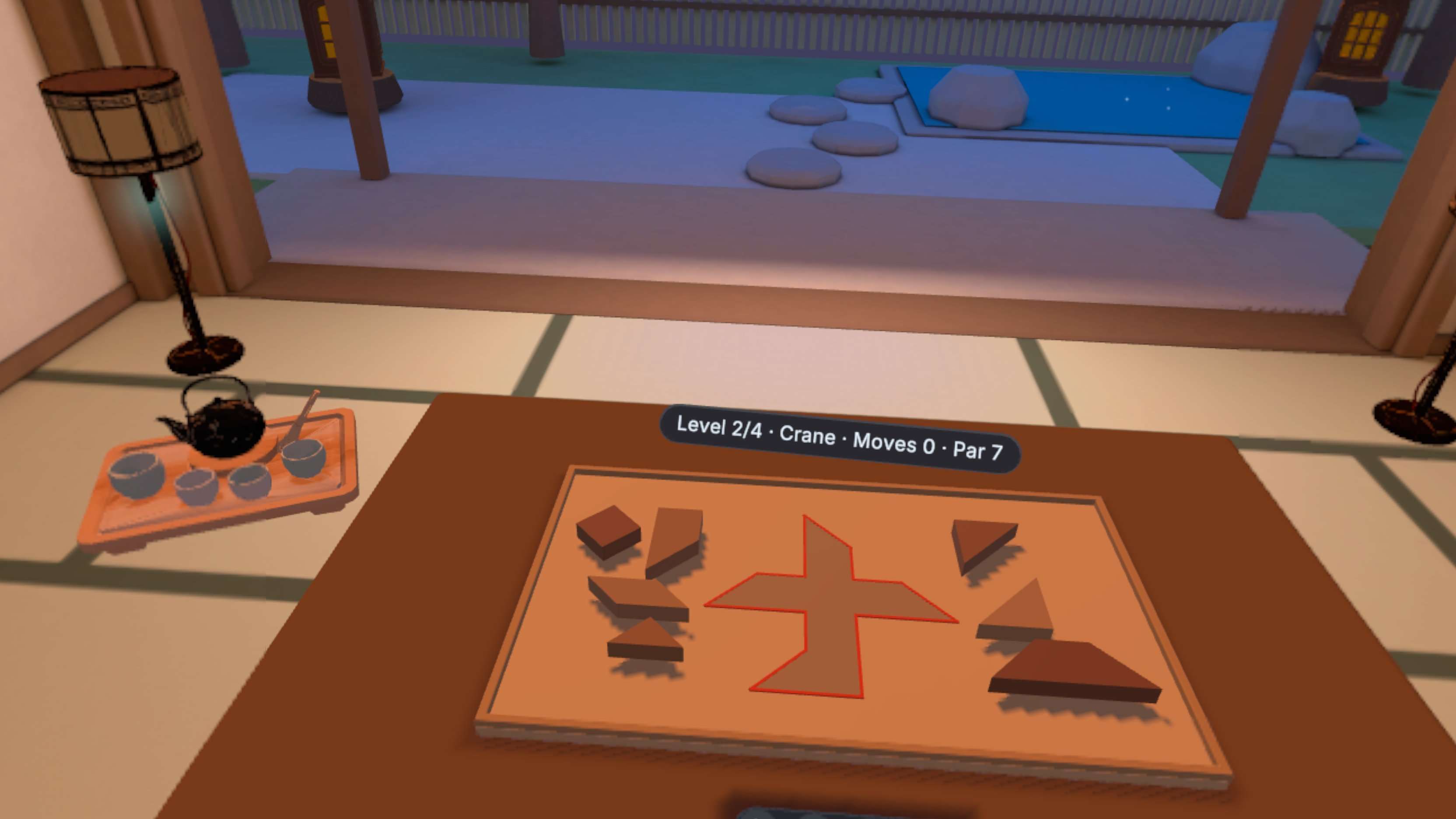
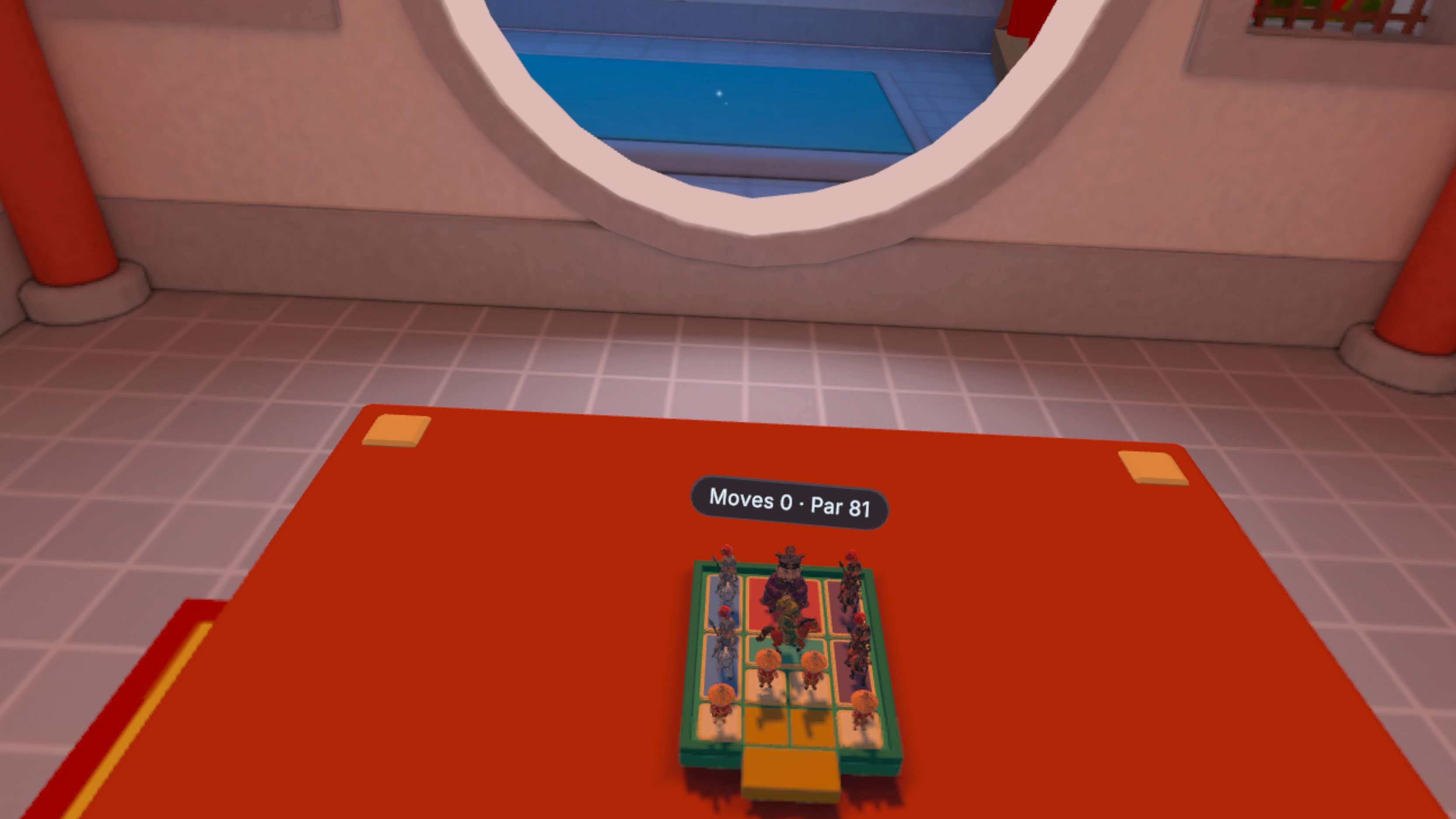
Inspiration
Tangle started in a real escape room at Doha Festival City in Qatar. One of us had to hunt for a key to free a friend locked in a cage, and we loved every minute of it. We also play Escape Simulator on Steam, where friends solve rooms together on PC. Tangle brings that hands-on feeling to mixed reality, with traditional puzzles from around the world on your own table.
What it does
Tangle is a journey through ten traditional puzzles from five regions, played with bare hands on your real table. A wordless tutorial starts it: ghost hands show you how to open a hidden-keyhole padlock. Then you poke a region on a small Earth, and its puzzle opens in a themed room of that region. Solve both puzzles in a region to unlock the next.
A narrator welcomes you in a spoken voice, and the music builds in layers as you get closer to solving. You can ask for a hint or an undo by voice. Lean on every hint and the narrator teases you, gently.
How we built it
We built Tangle in Unity 6 and C#, with URP and the Meta XR SDK: the Interaction SDK for hand grabs and pokes, MR Utility Kit to find your real table, and passthrough for playing in your own room. Voice commands run on the Meta Voice SDK with Wit.ai (internet needed). The narrator's lines are recorded in advance with ElevenLabs, and the music is generated in code and layered live. We made the game's models in Blender, and the globe uses Natural Earth public-domain data. Some starting meshes were AI-generated (Meshy) and then cleaned up or rebuilt in Blender.
Challenges we ran into
Our hardest problems only showed up in the headset, in real rooms.
- The room drifted. The SDK rig's built-in walking and teleport moved the puzzles whenever a player leaned. Tangle is seated, so we turned it all off and locked the content in place.
- Wrists don't turn far. Wrist roll now counts double and turns click in steps, with two-handed turning and turn keys as alternatives.
- Hints nobody could see. The first glow was hidden under the trays, so a hint is now ghost hands that make the move for you.
- Too many draw calls. Merging each board's resting parts into one mesh cut the worst view from 340 draw calls to 80.
- Solvers on a headset. Huarong Dao's solver tables now build in the background, so the finale never freezes.
- Panels that seemed to slide. A new panel now opens exactly where the old one stood, not where your head happens to be.
- Music that started late. Rendering a region's music took seconds, so we now prepare it while Home is still open.
Accomplishments that we're proud of
- All ten puzzles play with bare hands, from a four-step padlock to the 81-move Huarong Pass.
- The tutorial has no text at all: ghost hands show each step, then wait for you.
- Every hint comes from a real solver, so it works from any position.
- History cards keep records apart from legend. Lucas invented the Tower of Hanoi's temple story himself.
- More than 700 automated tests, including the proven minimum move counts for Hanoi, the knight swap, and Huarong Dao.
What we learned
- Hands need big, forgiving pieces: a 3 cm minimum and snapping to legal spots made hand tracking feel solid.
- In seated mixed reality, never move the world.
- Feedback has to replace touch: every snap needs a sound and a glow, and every illegal move a soft tock.
What's next for Tangle
- More puzzles: the Luban burr, the Nine Linked Rings, peg solitaire, a Persian combination padlock, and Archimedes' Stomachion.
- A 10-step secret box for a harder Japan.
- Co-op mode, so two people can solve one puzzle at the same table.
Narrator voice by ElevenLabs.


