-
-
Setup
-
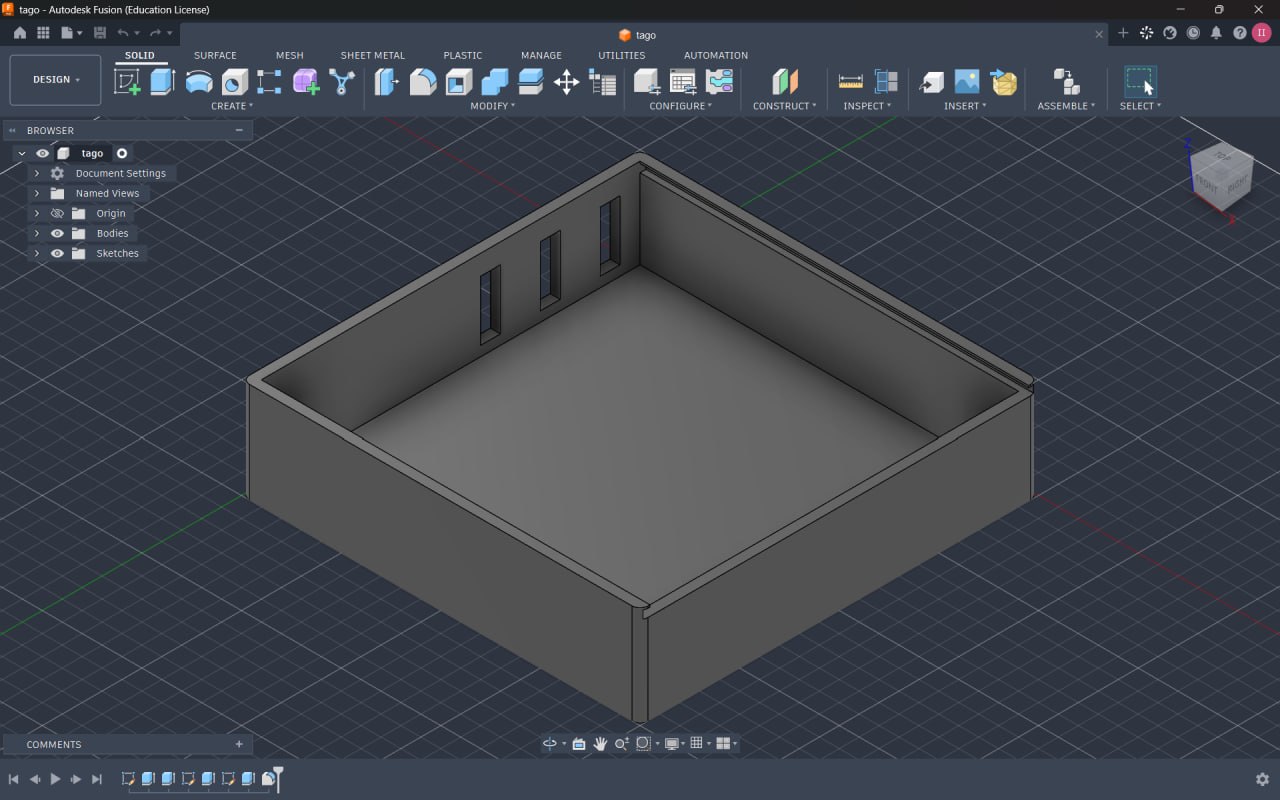
base
-
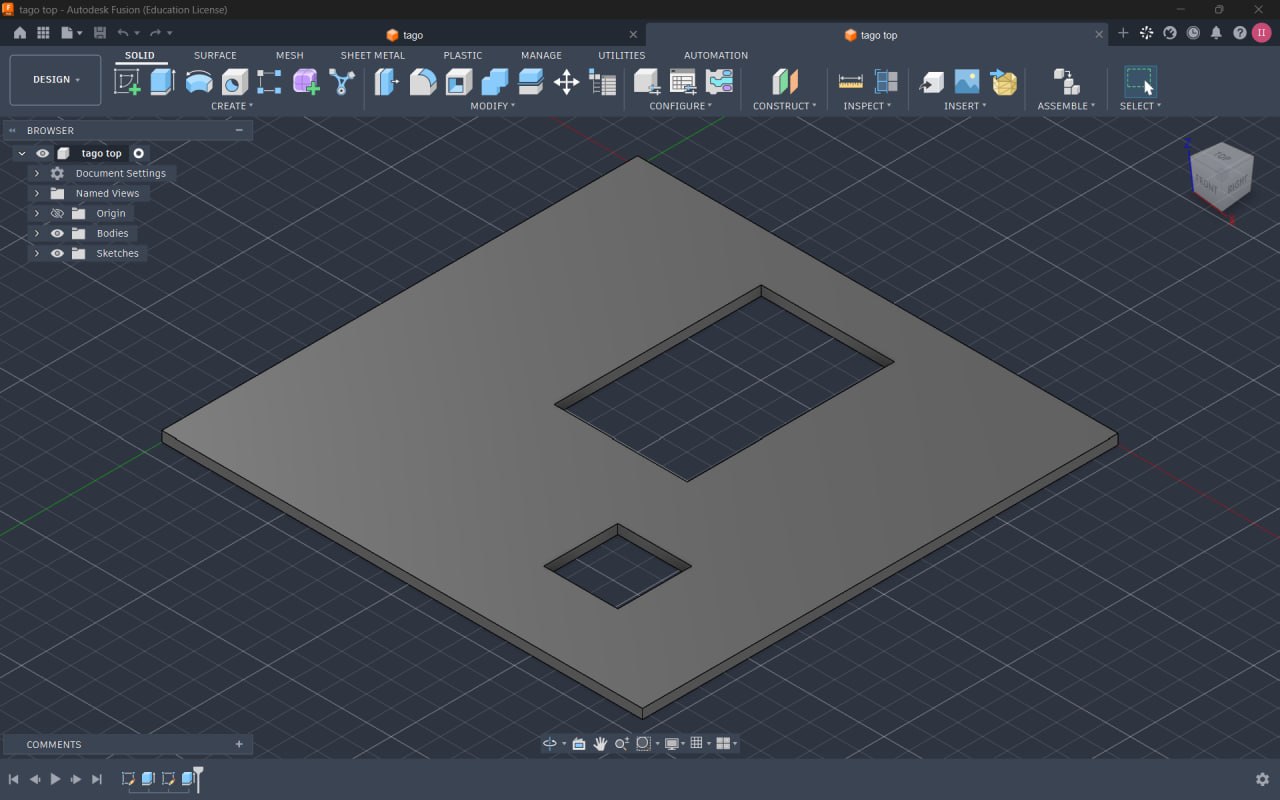
lid
Inspiration
Most households only see one number, the monthly bill, which is seen after the money is already spent. We wanted people to see where their electricity goes while they can still do something about it, and to get that feedback without even opening an app.
What it does
tamagot-GPT is a low-cost home energy management system.
- Smart plugs/clamps sit between each appliance and the wall socket and measure power draw in real time.
- Readings go over Wi-Fi to a central ESP32-S3 hub, which combines them and streams them to a single dashboard.
- Users choose their flat type (3-room, 4-room, etc.) and area in Singapore, so usage is compared against a relevant local average from day one.
- The system learns household patterns and projects the end-of-month bill, so users can cut back before it arrives.
- Talk to the box: users can ask the hub a question out loud, such as whether they're on track for the month, and it answers on the display.
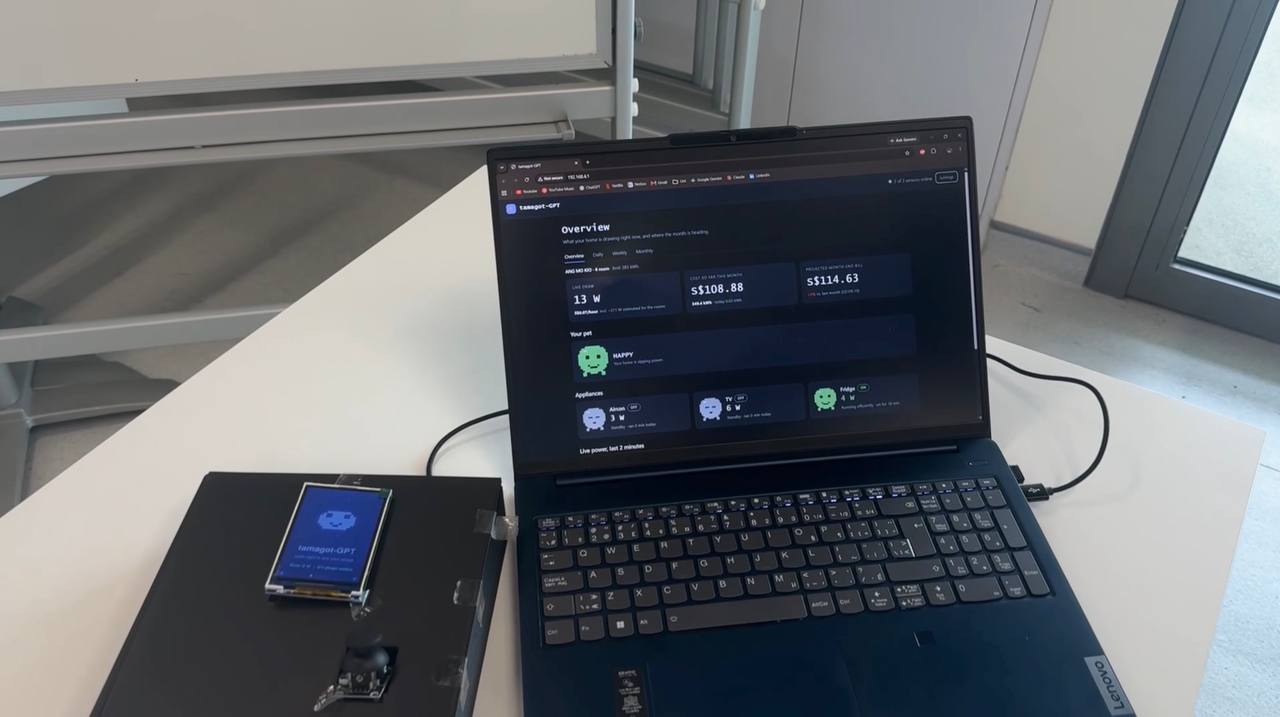
- At-a-glance status: a display on the main box shows the household's energy efficiency on a likert scale of emojis, alongside an RGB LED.
How we built it
- Sensing: three ESP32 units, each representing one appliance, send data to ESP 4, the home hub.
- Hub and model: ESP 4 collates the data and passes it to the dashboard and predictive model running on a laptop. Results (mood state, runtime, projected bill) are sent back to ESP 4.
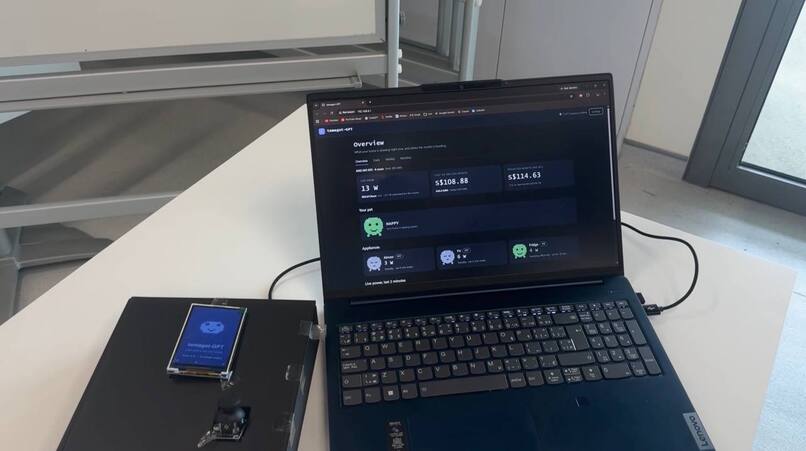
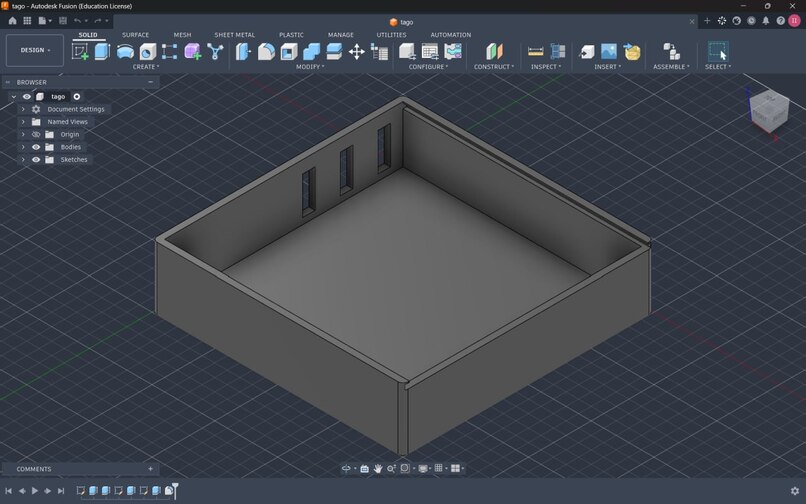
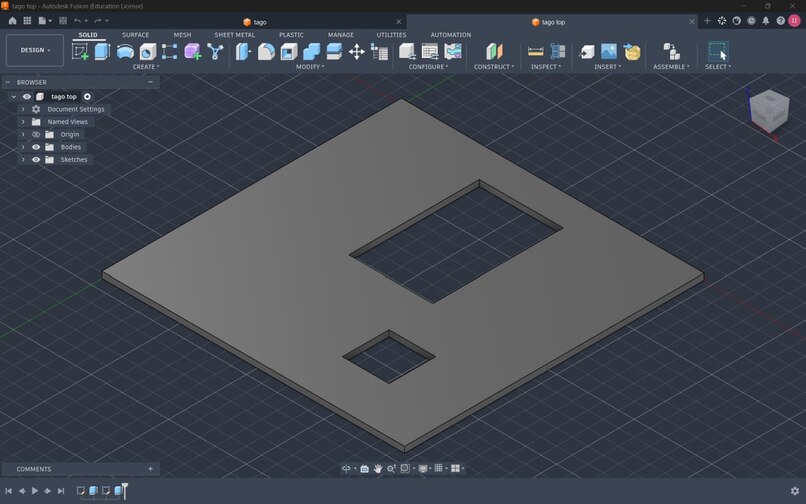
- Display and feedback: ESP 4 is wired to ESP 5, which drives the box display showing the emoji likert scale. The buzzer, RGB LED and rotary encoder sit in a 3D-printed housing. Everything else is wireless.
- Voice (push-to-talk): the user holds a button and speaks into the microphone built into the box. Whisper tiny converts the speech to text. Multiple regression models then classify which appliance the question is about, its scope, etc (for example today, this week or this month). They are trained on embeddings of 5,000 questions that include the errors and hallucinations Whisper tiny can produce, so a misheard transcript still maps to the right appliance and scope. Whisper runs on the laptop. The answer is checked against the household's usage and forecast, and the box replies on the display.
- Demo setup: the ESP32-S3 can broadcast its own Wi-Fi network and host a lightweight web page, so a phone connects and opens a browser with no app-store install or internet needed. Small JSON payloads such as {"appliance":"AC","watts":1150,"state":"on"} keep both sides in sync.
- Software: Python/Flask, HTML/CSS/JavaScript, WebSockets.
- Data: benchmarks come from average household electricity consumption by URA planning area and dwelling type (2009), consumption by housing type and appliance, and household electricity consumption profiles. The model learns from the household's own recent months of usage.
Challenges we ran into
- Whisper tiny mishearing and hallucinating words
- Keeping the appliance ESPs, hub, display, laptop model and dashboard in sync
- Forecasting with little usage history
- Separating measured usage from estimated usage
Accomplishments that we're proud of
- Working end-to-end system from smart plugs to a live dashboard
- AI bill forecast with chance of going over the limit and savings tips
- Push-to-talk voice assistant
- Personalised benchmarks by area and flat type from day one
- Physical hub with emoji efficiency display, RGB LED and buzzer
What we learned
- Whisper tiny gets things wrong, so we trained our voice model on questions with its mistakes in them.
- Getting the ESPs, hub, laptop and dashboard talking meant sorting out the data format early.
- A new home has no history, so the forecast starts from area averages and switches to the home's own usage over time.
- A sound or an emoji on the box gets noticed faster than a bill or an app.
What's next for tamagot - GPT
- Real smart-meter and utility data: our benchmarks use 2009 URA averages by area and dwelling type. We want to replace them with current data so the limit and comparisons reflect how homes use electricity today.
- Better forecasting: we want to test the model on more households and longer histories, measure its accuracy, and improve how it handles seasons and changes in routine.
- A smarter box: expand the voice feature beyond displaying the answer but also having a built-in speaker to respond.
- A proper mobile app: the dashboard runs in a browser today. A dedicated app would add push alerts, such as a warning when a household is heading over its limit.
- Scaling to more homes: we plan to add more housing types and areas across Singapore, since the hub and plugs use low-cost, off-the-shelf parts. At scale, anonymised data could show how energy use varies between neighbourhoods and help households compare fairly.
