About Tamaggedon
Tamaggedon started with a simple question: what would a Tamagotchi look like if the entire internet had to take care of the same creature?
We wanted to build something small enough to ship during Shipaton, but with enough personality and social mechanics to make people want to talk about it, invite friends, and come back every day.
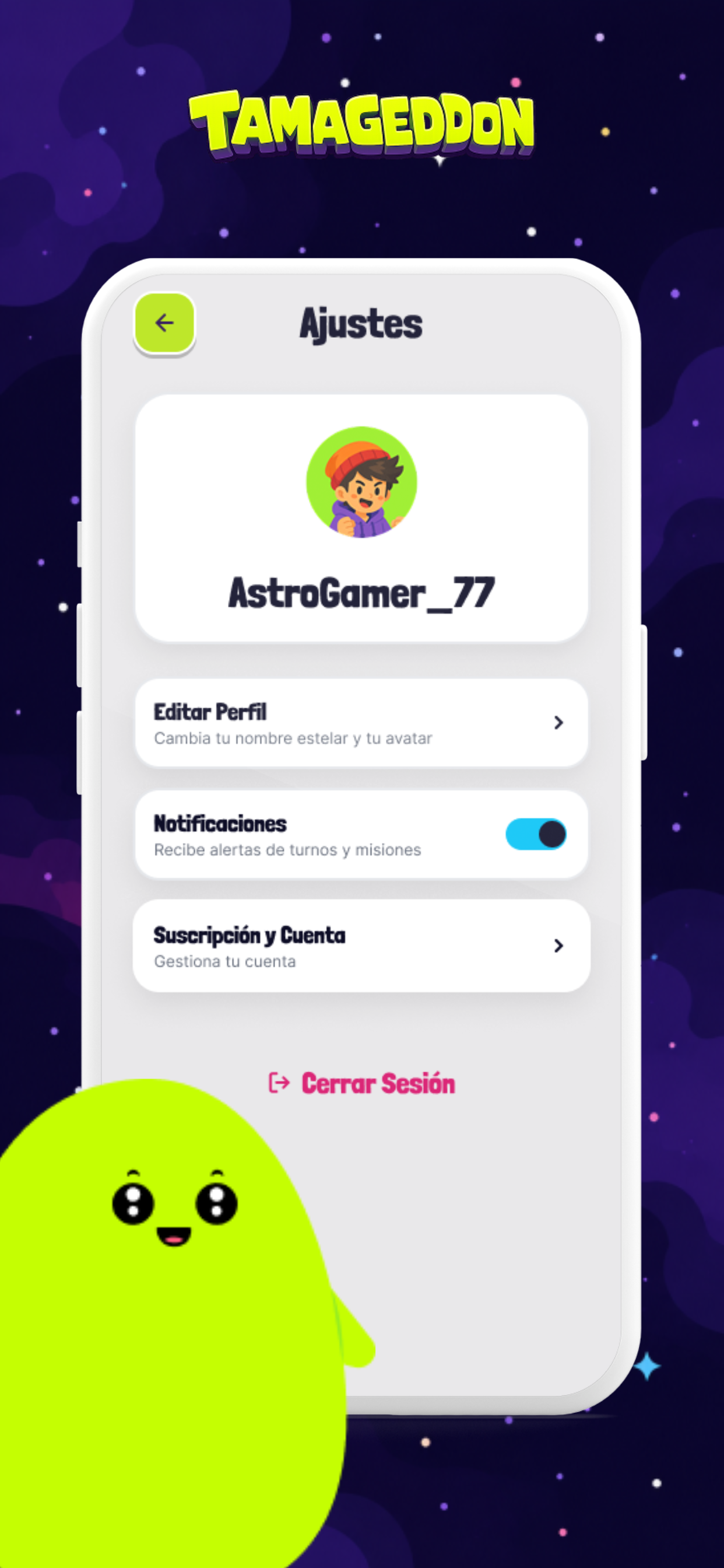
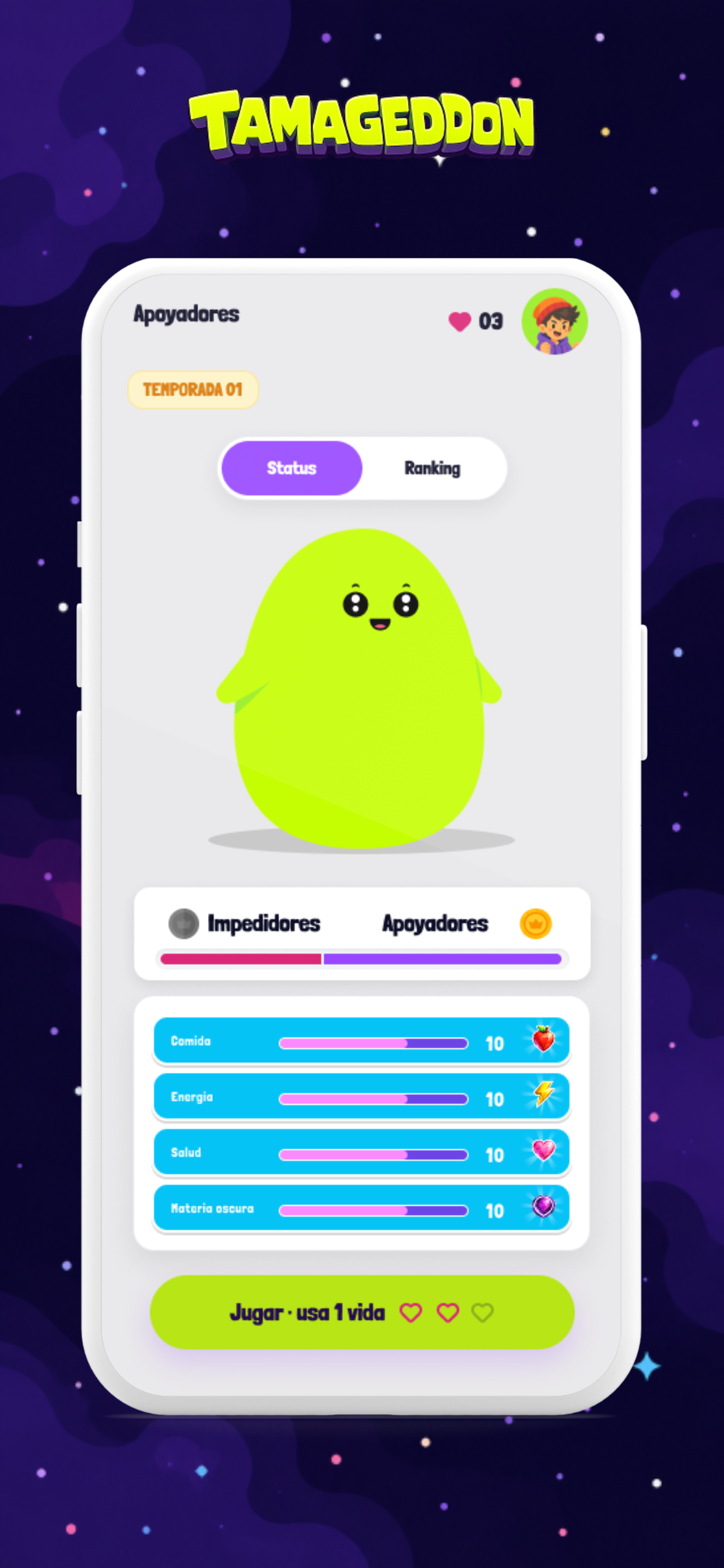
The result is a social game built around a mysterious creature that suddenly appears on Earth.
Players must choose a side:
- Protect it: you believe the creature is good and humanity should help it survive.
- Destroy it: you believe it is a threat and humanity should get rid of it before it's too late.
That choice is permanent, and both factions interact with the same creature and the same evolving world. Daily actions, community decisions, events and crises gradually determine what happens next.
The important part is that nobody initially knows which side is right.
Why we built it
At Isvisoft, we normally build software products for other companies and work on our own SaaS products. For Shipaton, we wanted to do something very different: build a consumer product in public, from idea to launch, and document the entire process.
Instead of optimizing only for revenue, we decided to optimize for something harder to engineer: attention, community and organic growth.
Tamaggedon became our experiment.
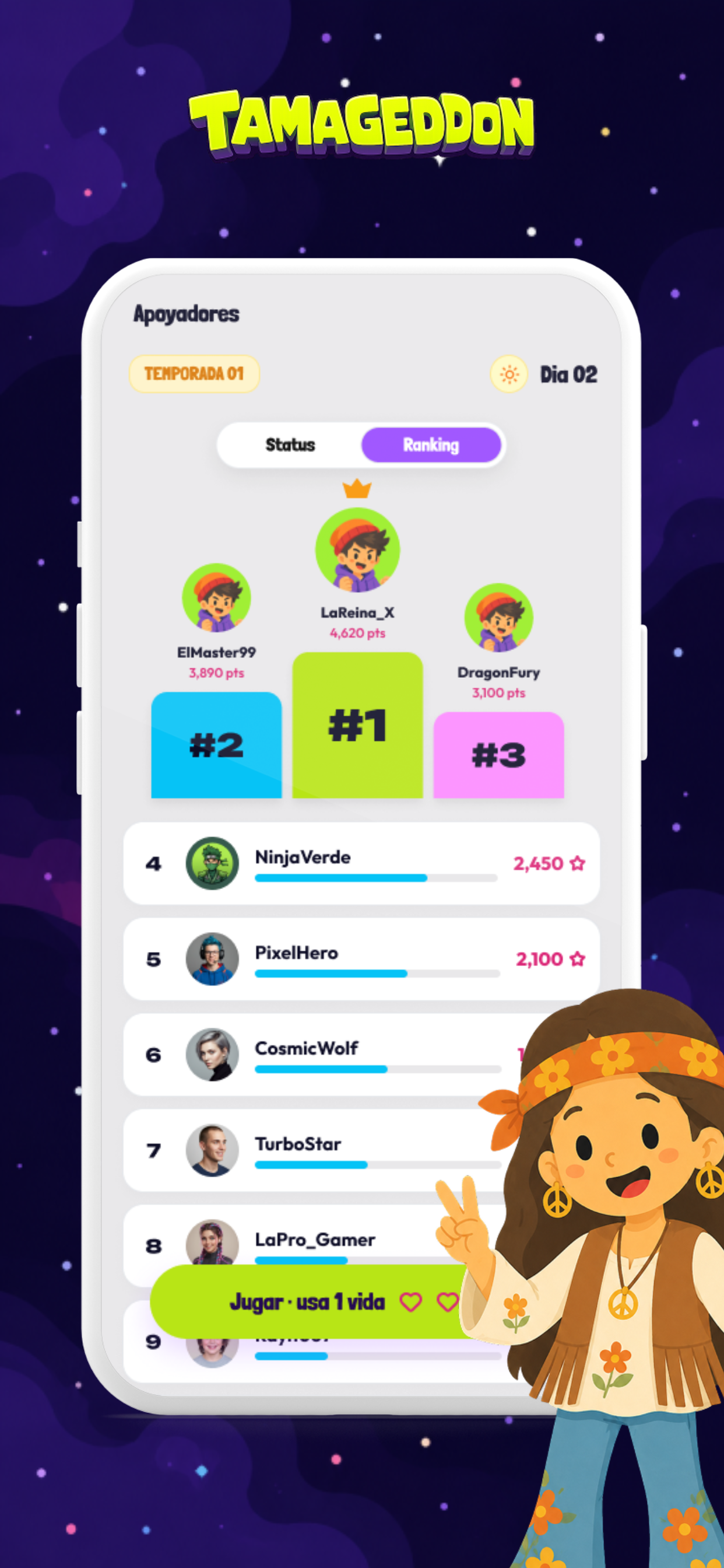
Can we create a game people naturally want to discuss? Can factions create identity and friendly rivalry? Can the community itself become part of the story?
How we're building it
The game is being built with Flutter, allowing us to target web, iOS and Android from the same codebase.
We're using RevenueCat for subscriptions and monetization infrastructure, while keeping the core experience accessible enough for the game to grow through sharing and community participation.
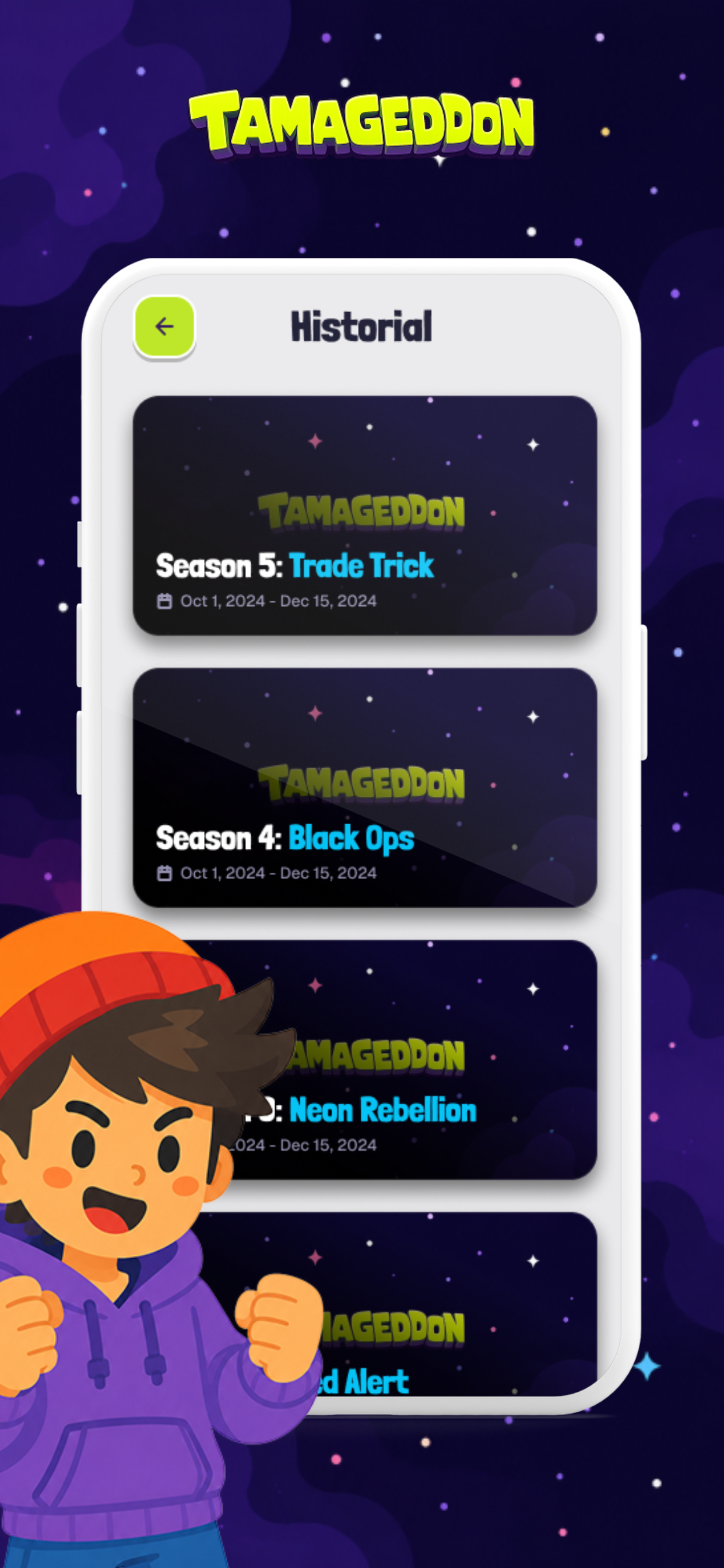
We're also treating distribution as part of the product itself. Referral mechanics, faction identity, social sharing and community events are being designed alongside the game rather than added after launch.
What we're learning
One of the biggest lessons so far is that building a social game is less about adding more features and more about creating reasons for people to care about what other players are doing.
We've spent a lot of time simplifying the idea.
The original concept quickly expanded into events, voting systems, resources, factions, progression and dozens of possible mechanics. The real challenge has been deciding what not to build.
We're learning to focus on a few core questions:
Will players come back tomorrow?
Will they care which faction wins?
Will something happen that makes them want to tell someone else about it?
The challenge
Our biggest challenge is balancing three things at the same time: making the game simple enough to understand immediately, deep enough to remain interesting over time, and social enough that its growth doesn't depend entirely on paid acquisition.
And because we're building it publicly during Shipaton, there's another constraint: we have to ship.
Tamaggedon is therefore both a game and an experiment in building a consumer product in public.
By the end of Shipaton, we'll find out whether humanity saves the creature, destroys it… or regrets the decision entirely.

Log in or sign up for Devpost to join the conversation.