-
-
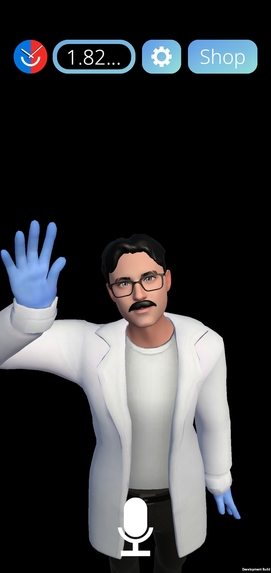
Interactive avatar
-
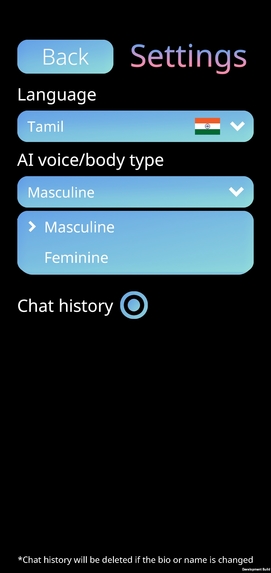
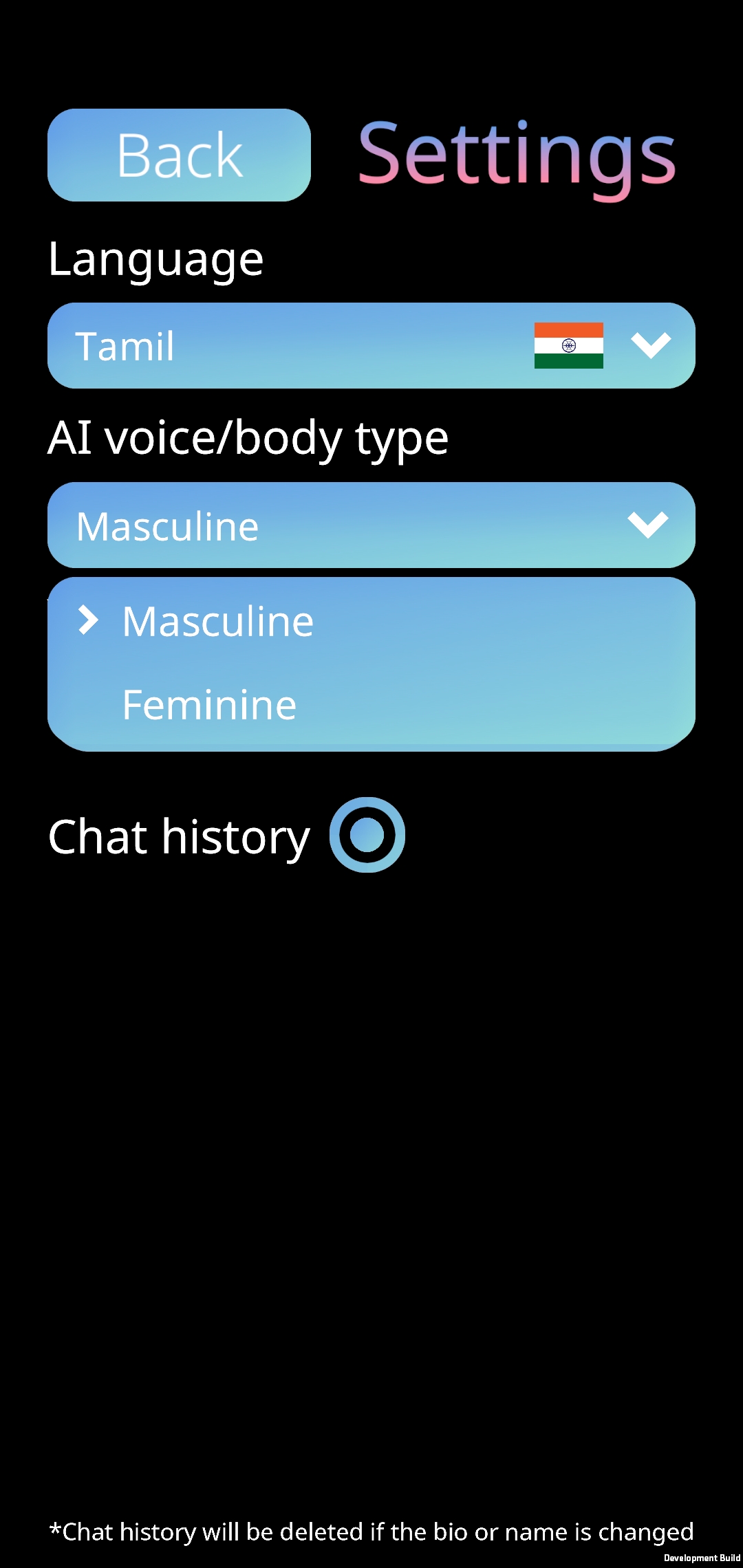
Gender selection
-
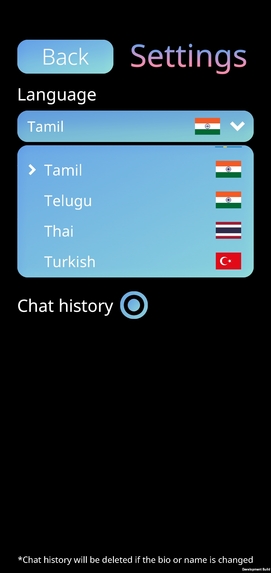
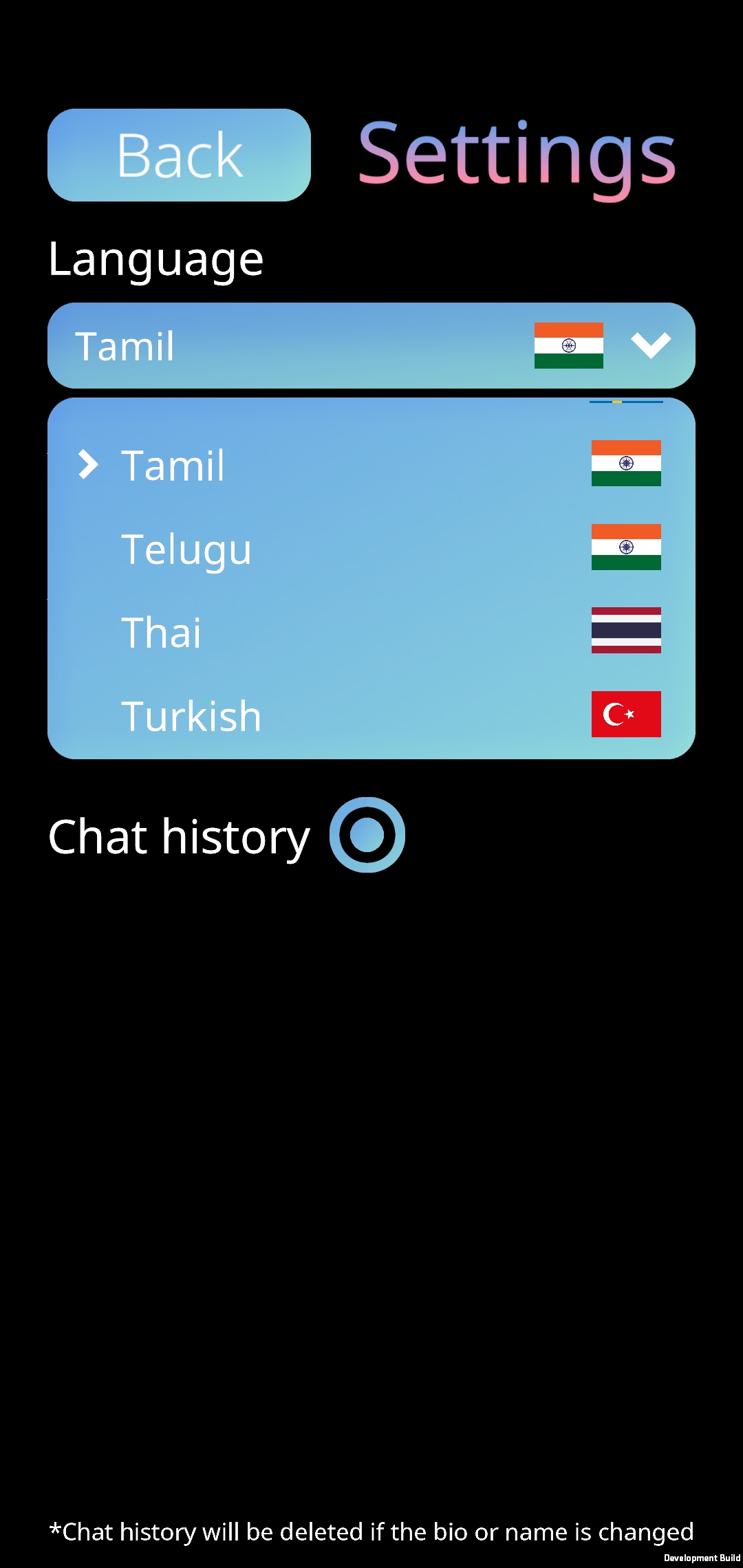
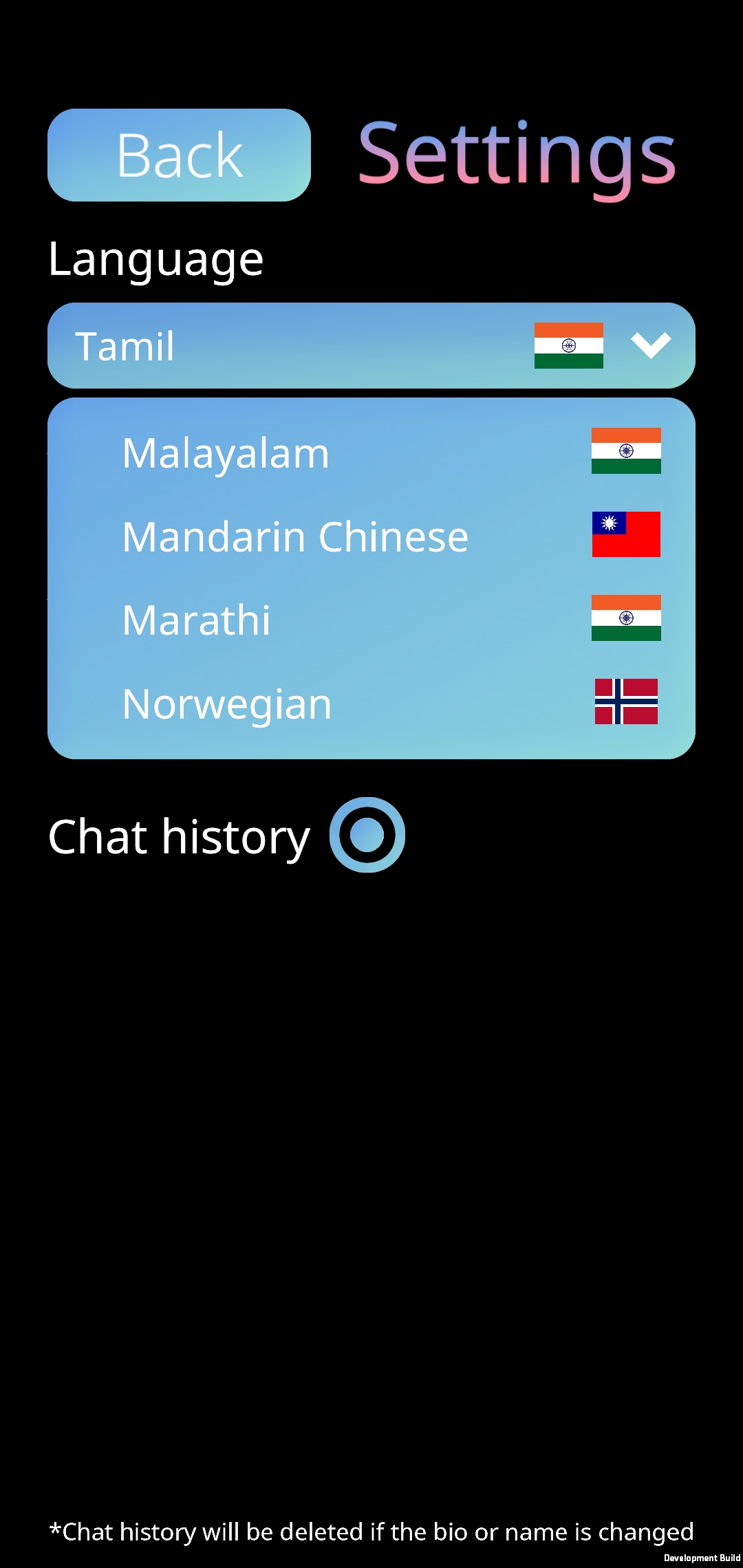
Language selection
-
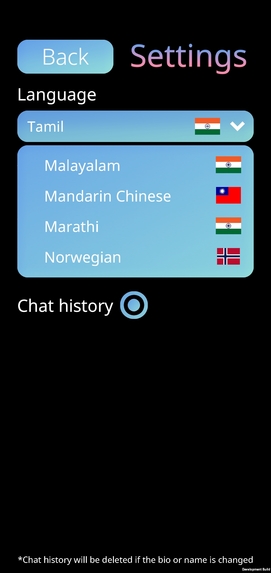
Language selection
-
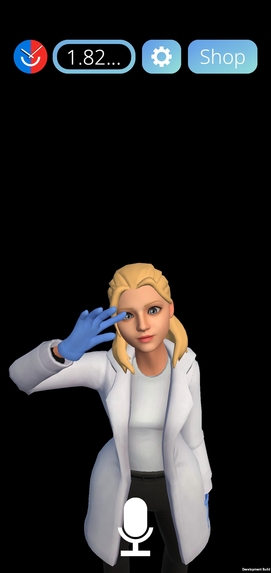
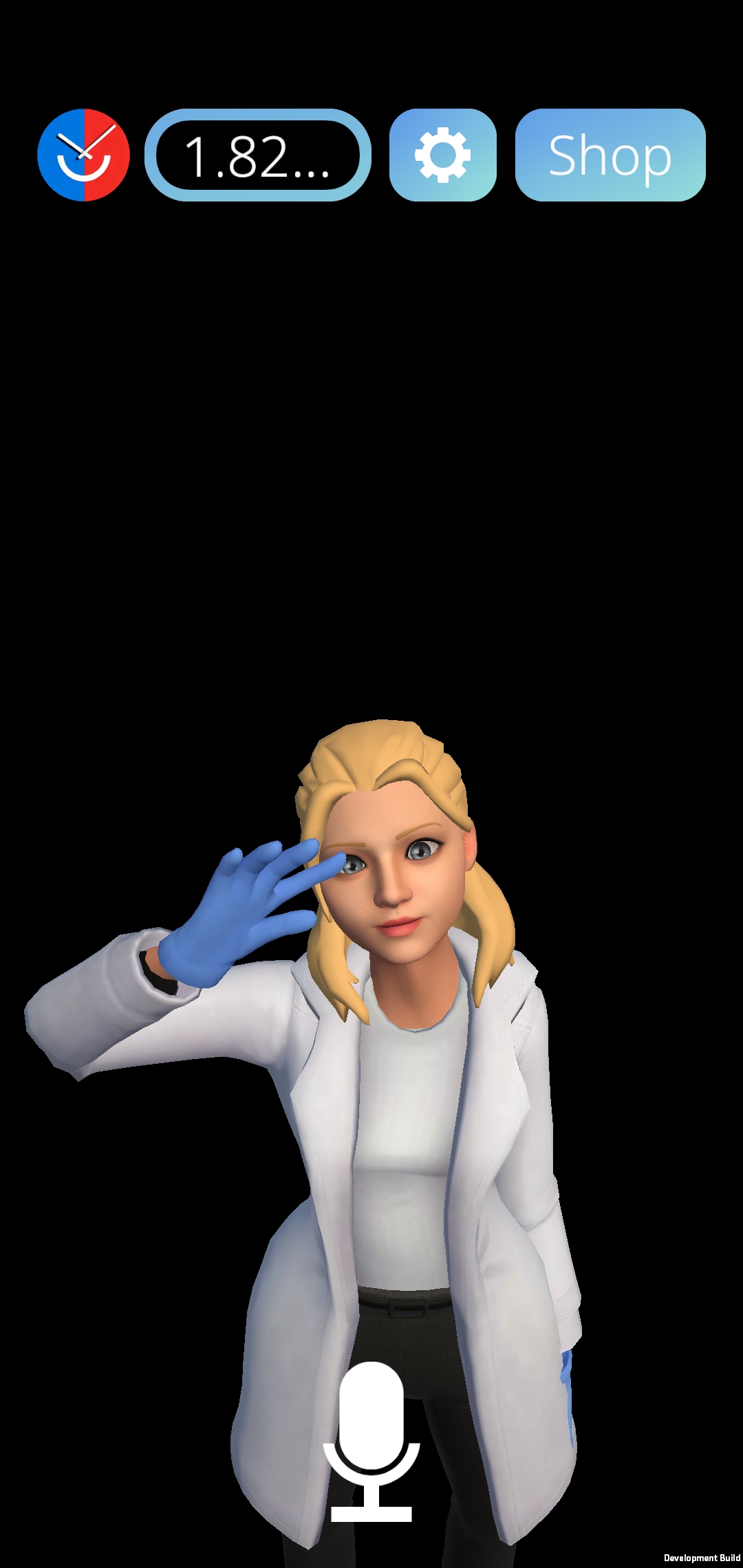
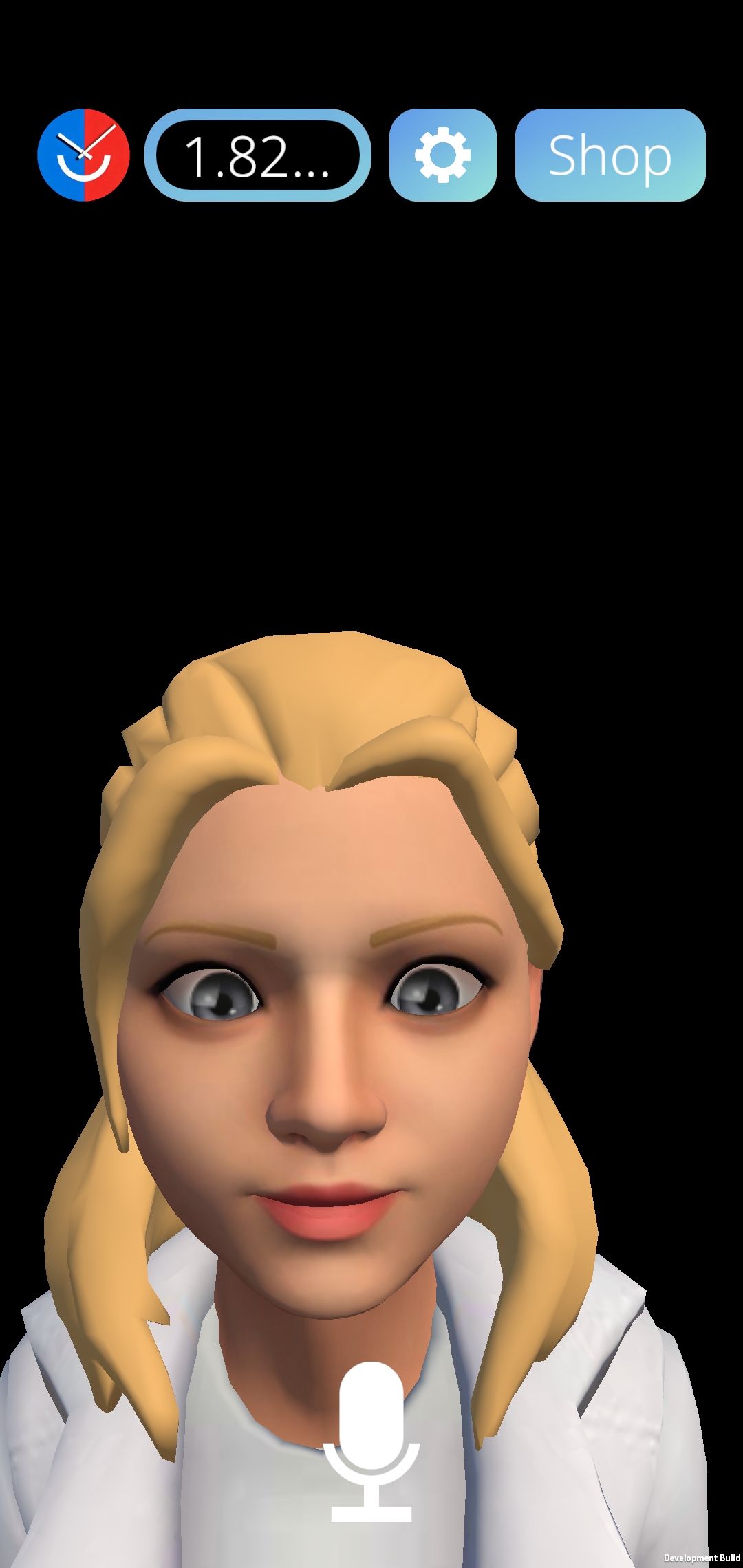
Animated avatar
-
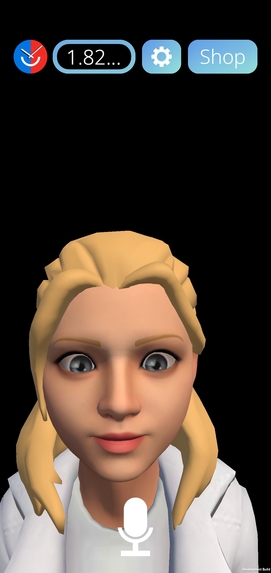
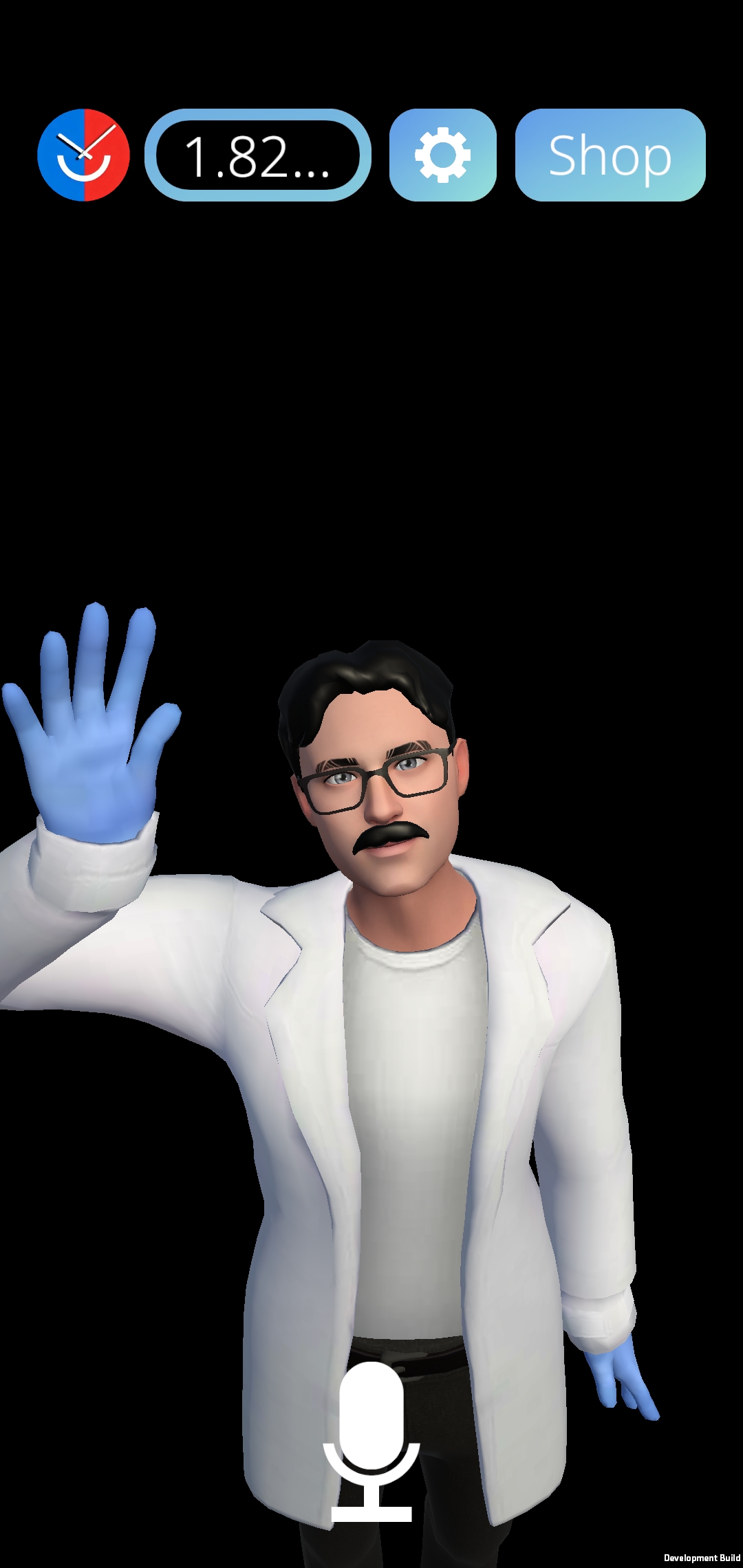
female and male avatars
1. Inspiration
Problem / Motivation:
Quantitative:
- Incident Response Times: In epidemic situations, traditional response times range from hours to days, leading to delayed containment and increased transmission.
- Language Barrier: In India, with 22 official languages and numerous dialects, the predominance of English-based CDSS tools limits accessibility for many healthcare professionals.
- Digital Health Literacy: Only a small percentage of the Indian population is comfortable using digital health tools, primarily due to language barriers and lack of localized content.
Qualitative:
- Regional Disparities: Healthcare professionals in non-English speaking regions struggle with accessing timely and relevant clinical information. Avatar based conversational AI seems to be the most interactive instead of text input.
- Outbreak Management: Rapid identification and response to health threats are hampered by inadequate real-time data integration and multilingual support.
- Patient Communication: Effective patient care and epidemic management require seamless communication in the patient's native language.
2. What the App Does
- Multilingual Conversational AI:
- Supports Bhashini-supported Indian languages for seamless interaction and data entry.
- Real-time Epidemic Detection:
- Analyzes real-time data to identify and respond to potential outbreaks.
- Clinical Decision Support:
- Provides healthcare professionals with evidence-based clinical recommendations.
- Comprehensive Threat Assessment:
- Uses AI to assess and manage threats, providing timely alerts and updates.
3. How It Was Built (Tech Stack)
- AI Backend:
- OpenAI ChatGPT: For natural language understanding, real-time analytics, and conversational capabilities.
- Multilingual Capabilities:
- Bhashini API: For real-time translation, speech-to-text, and text-to-speech in 22 Indian languages.
- Data Integration and Management:
- CDSS Database: To be trained with epidemiological and clinical data.
- Front-End Development:
- Unity: For building an interactive and immersive user interface.
4. Challenges We Ran Into
- Data Integration:
- Integrating real-time data from diverse sources (health databases, social media, etc.) into a cohesive system.
- Language Nuances:
- Ensuring accurate and culturally relevant translations for medical terminology across 22 languages.
- User Engagement:
- Designing an intuitive interface that is user-friendly for healthcare professionals and patients alike.
- Scalability:
- Developing a system that can handle large volumes of data and interactions without compromising performance.
5. Accomplishments That We're Proud Of
- Multilingual Support:
- Successfully implemented real-time translation and conversational AI capabilities in 22 Indian languages.
- Rapid Response System:
- Developed an AI-driven system that reduces epidemic response times from hours to minutes.
- User-Centered Design:
- Created an interface that is accessible and easy to use for healthcare professionals and patients.
- Comprehensive Data Analysis:
- Integrated diverse data sources to provide a holistic view of health threats and clinical decision support.
6. What We Learned
- Importance of Localization:
- Effective healthcare solutions must be tailored to the linguistic and cultural contexts of the users.
- Data Integration:
- Real-time data integration and analysis are crucial for timely epidemic detection and response.
- User Feedback:
- Continuous feedback from healthcare professionals is essential for refining and improving the system.
- Scalability Challenges:
- Building scalable solutions requires robust infrastructure and efficient data processing capabilities.
7. What's Next for the App
- Expanded Language Support:
- Continue to refine and expand language support, including additional regional dialects.
- Enhanced AI Capabilities:
- Incorporate more advanced AI models for better threat assessment and clinical decision support.
- Wider Deployment:
- Partner with government agencies and healthcare organizations for broader deployment across India.
- Continuous Improvement:
- Implement a feedback loop to continuously gather user insights and improve the system.
- Additional Features:
- Add features such as automated case reporting, enhanced data visualization, and patient education modules.
Built With
- androlid
- bhashini
- c#
- firebase
- google-custom-search
- openai
- unity

Log in or sign up for Devpost to join the conversation.