-
-
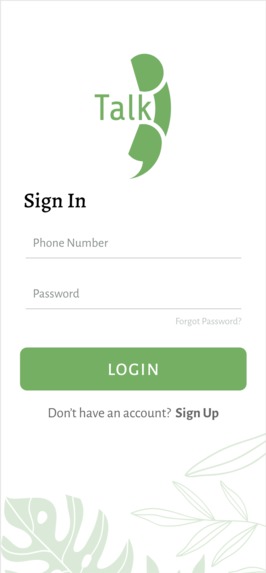
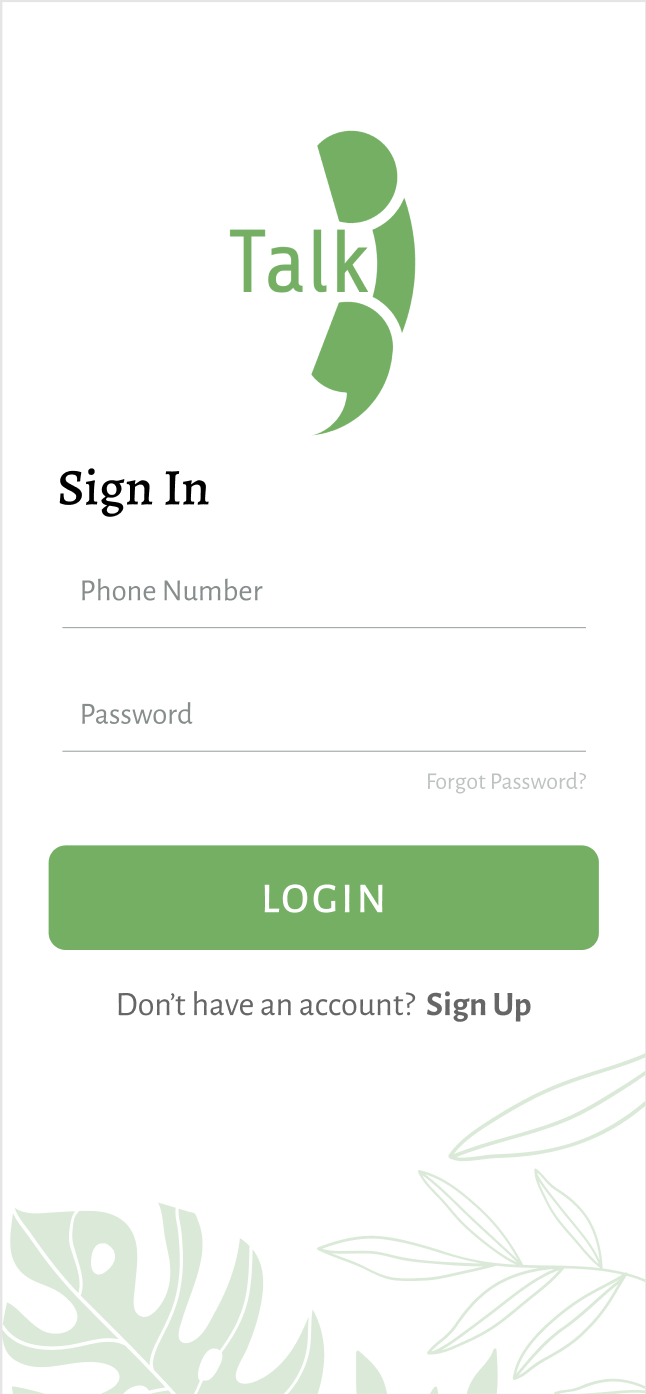
Sign up page
-
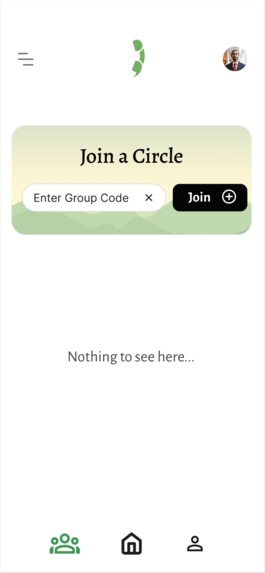
Join Your Group
-
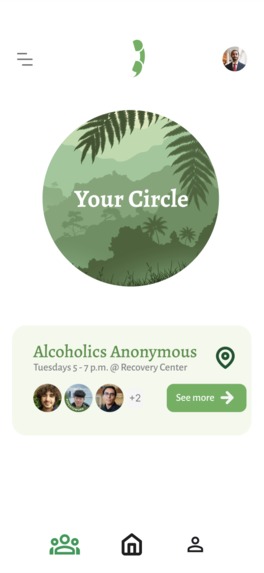
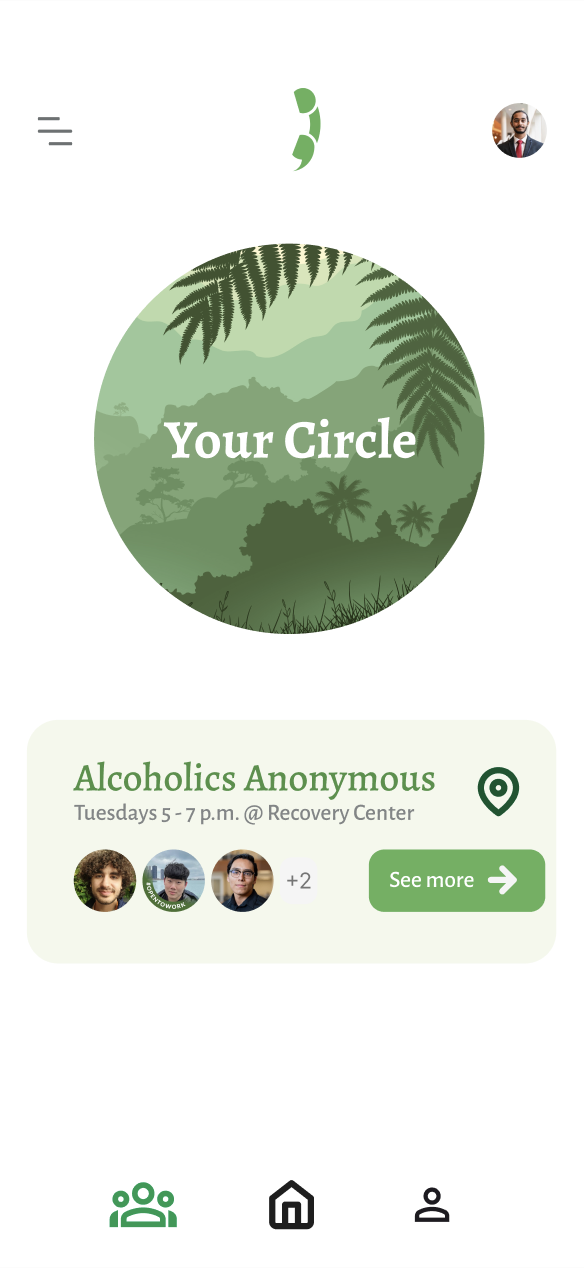
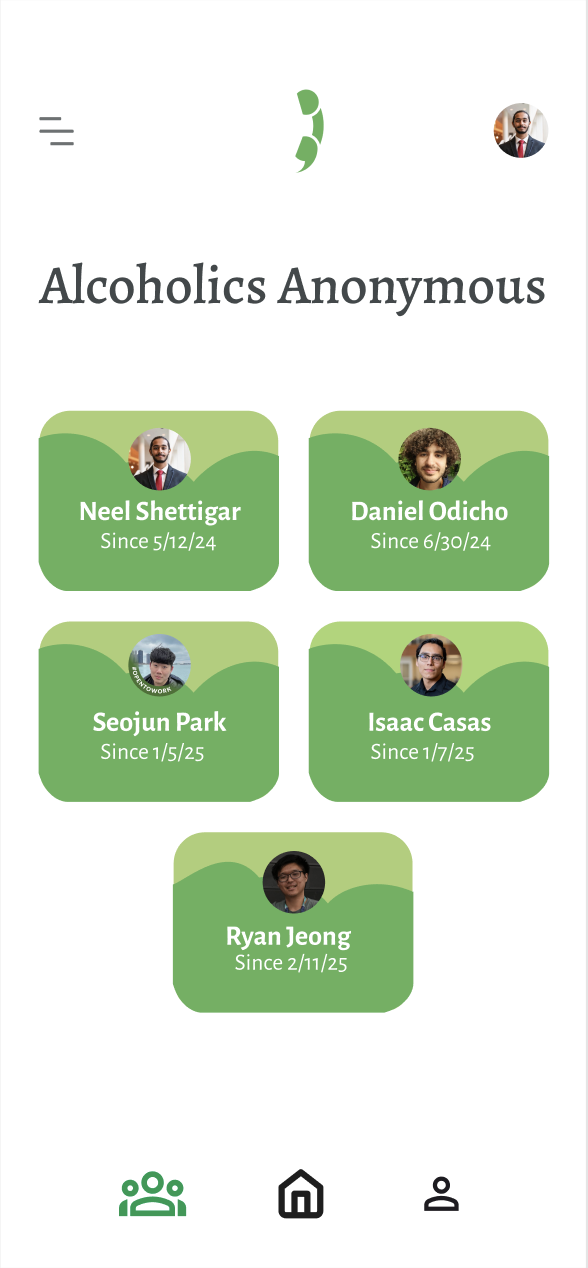
View your Groups
-
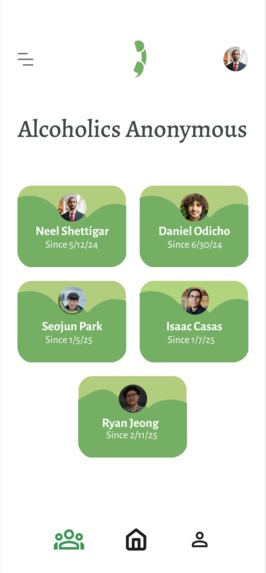
View inside one of your Groups
-
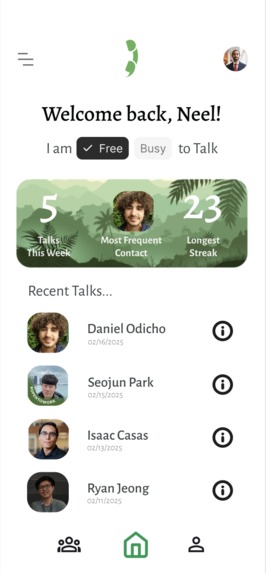
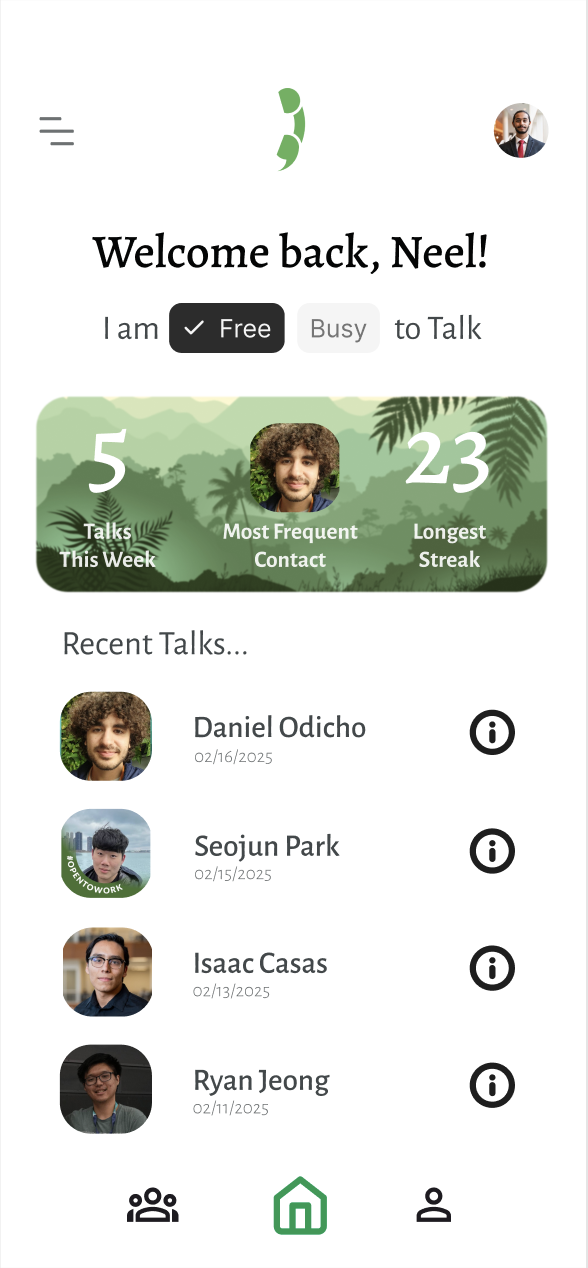
Overview/Home Page
-
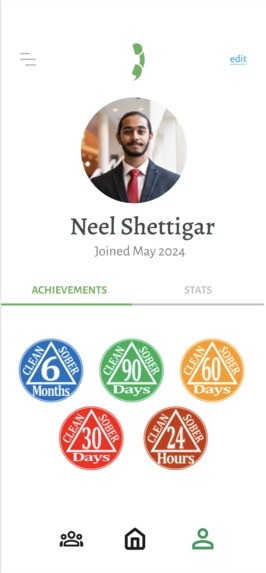
Personal Page, with achievements
-
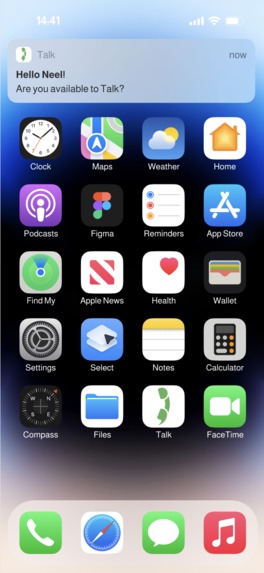
-
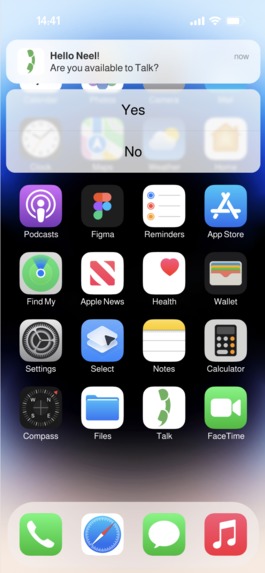
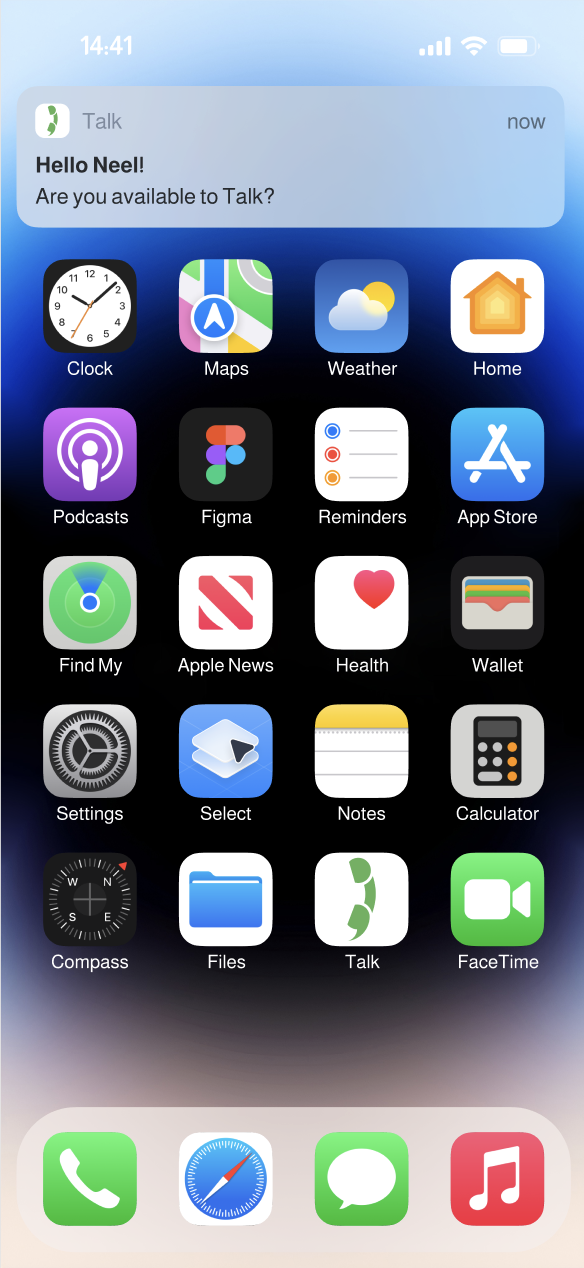
After accepting we port you into a call
-
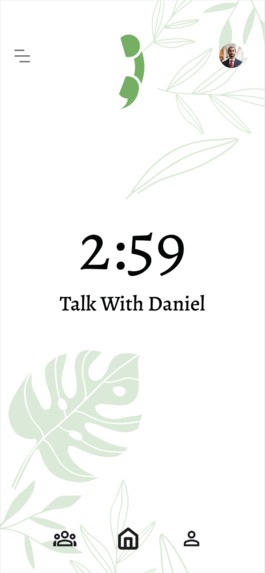
Call lasts 3 minutes and automatically ends
-
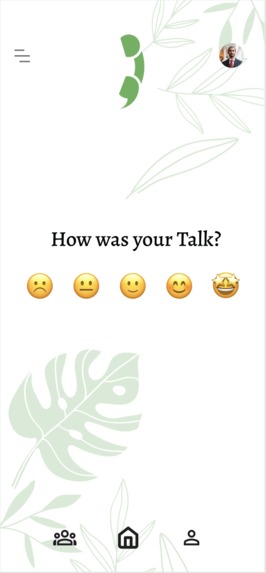
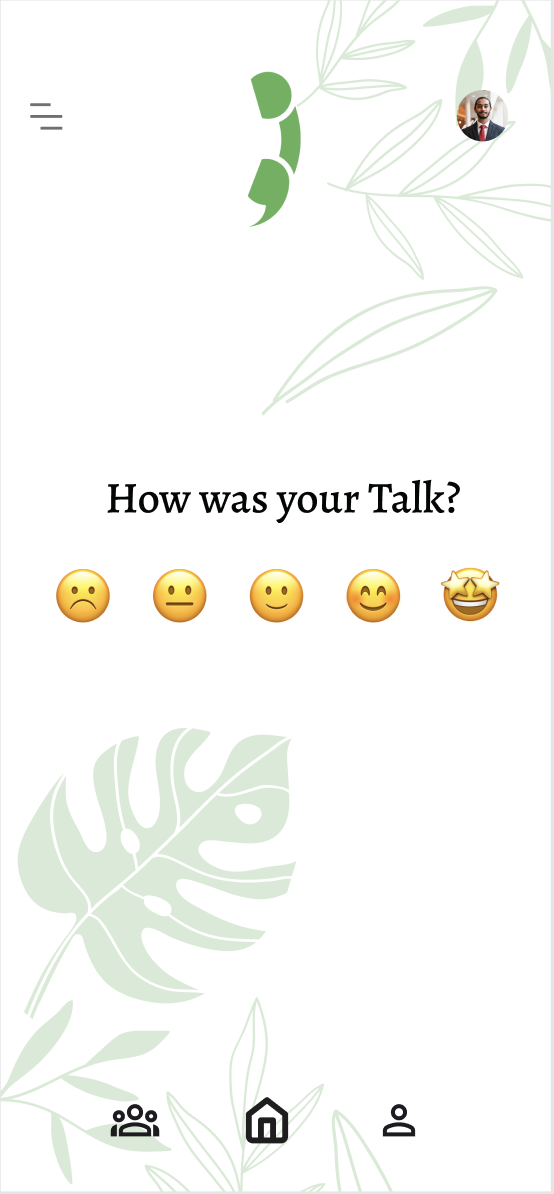
Survey post Talk




Talk
Inspiration
Our personal longing for deeper, more authentic connections fueled the initial spark behind Talk. The real breakthrough, however, came when we spoke with my partner’s father, who is enrolled in a 12-step program. He shared how phone calls can be intimidating, yet he craved daily interactions to help him stay accountable. After hearing similar stories from others in recovery, people struggling with communication gaps, anxiety, and the need for quick support, we realized a simple yet powerful solution could bridge this gap. That realization led us to create Talk.
What it does
Talk automates quick, daily voice or video calls among members of a 12-step recovery group by predicting each user’s availability. The platform cues users when they’re likely to be free, then starts a short, time-capped call to reduce call anxiety and encourage more frequent check-ins. In this way, Talk helps users maintain consistent accountability and support without the stress of scheduling or the pressure of long, daunting conversations.
How we built it
We began experimenting with Flutterflow, but later pivoted away once we hit productivity bottlenecks. Rather than a linear build, our process has been a holistic journey centered on user needs and pain points. Along the way, we:
- Conducted customer interviews to uncover real-world communication struggles.
- Engaged in intense ideation and multiple design pivots to refine the user experience.
- Developed matchmaking algorithms to pair users intelligently.
- Crafted UI/UX prototypes and an accompanying Figma mockup for clarity and visual consistency.
- Integrated Twilio on the backend for robust voice call capabilities.
- Produced a compelling video demo, more of a short skit than a technical walkthrough, to show how Talk works in a relatable scenario.
Challenges we ran into
- Matchmaking Algorithm Complexity: Balancing real-time availability, user preferences, and short call formats proved tricky.
- API Costs: Hosting and scaling voice/video calls through third-party APIs like Twilio can become expensive, especially when aiming for sustainability and widespread adoption.
Accomplishments that we're proud of
We’re especially proud that Talk is more than a neat idea, it’s a platform we believe will truly serve its users. From the initial spark to our final integration, every step revolved around solving real challenges faced by those in recovery.
What we learned
Through building Talk, we gained deep insight into the challenges faced by individuals with substance use disorders, and how overlooked these struggles often are by mainstream tech solutions. We also learned the importance of empathy-driven design, continuous user feedback, and staying flexible when refining our product vision. Most importantly, we discovered that focusing on human connection, not just technical features, leads to more impactful solutions.
What's next for Talk
We want to revolutionize how people connect by moving beyond text-based interactions toward genuine, real-time voice or video calls. After refining and scaling Talk for 12-step communities, we plan to expand to broader social networks and circles, helping anyone, from families to remote teams, stay closely connected without the pressure or friction of traditional phone calls.


Log in or sign up for Devpost to join the conversation.