-
-
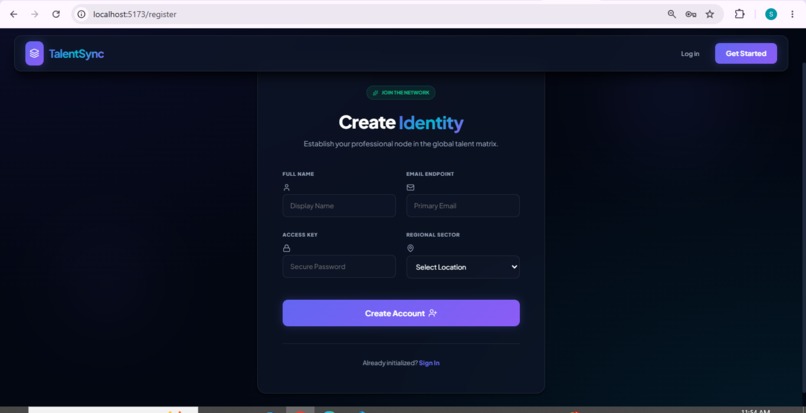
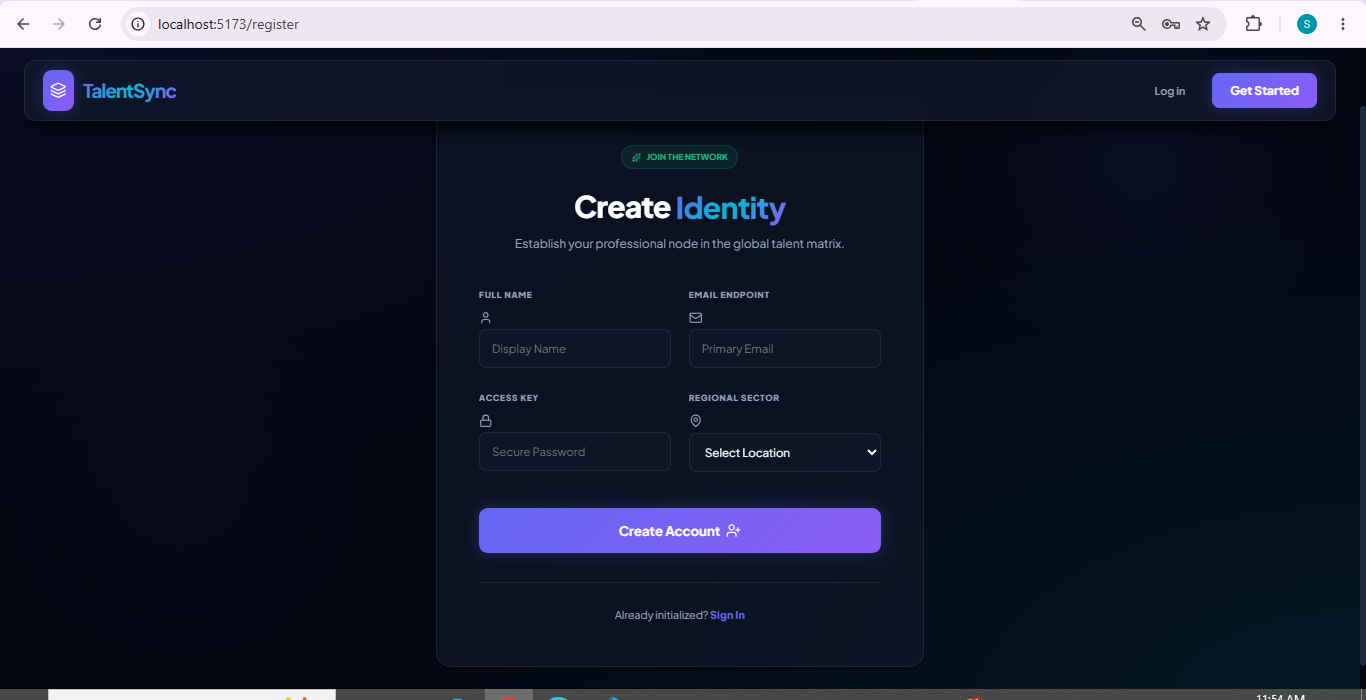
SignUp Page
-
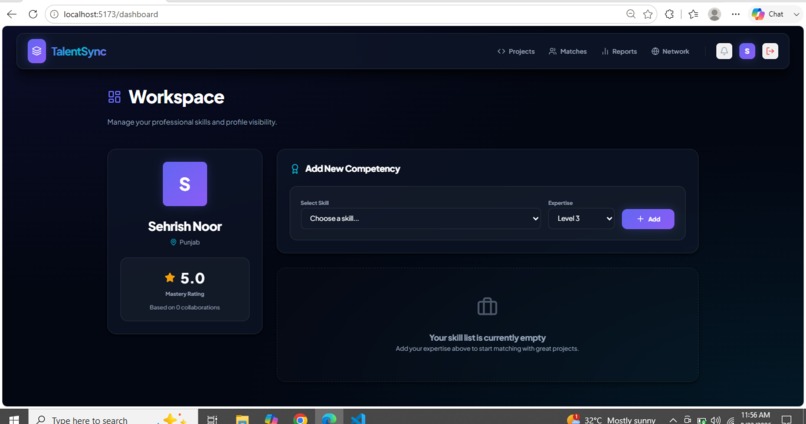
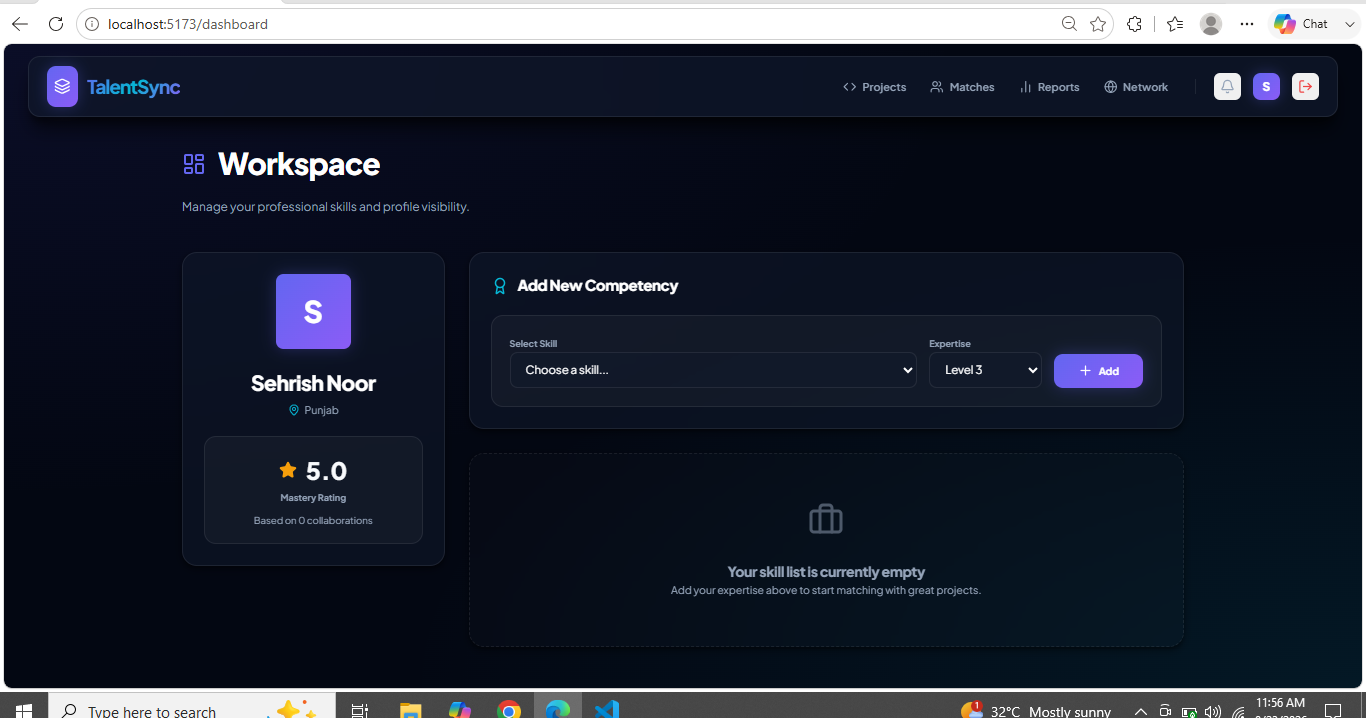
Profile View
-
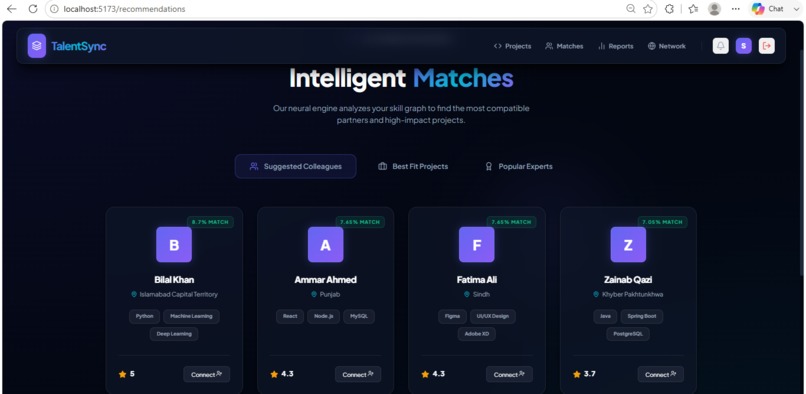
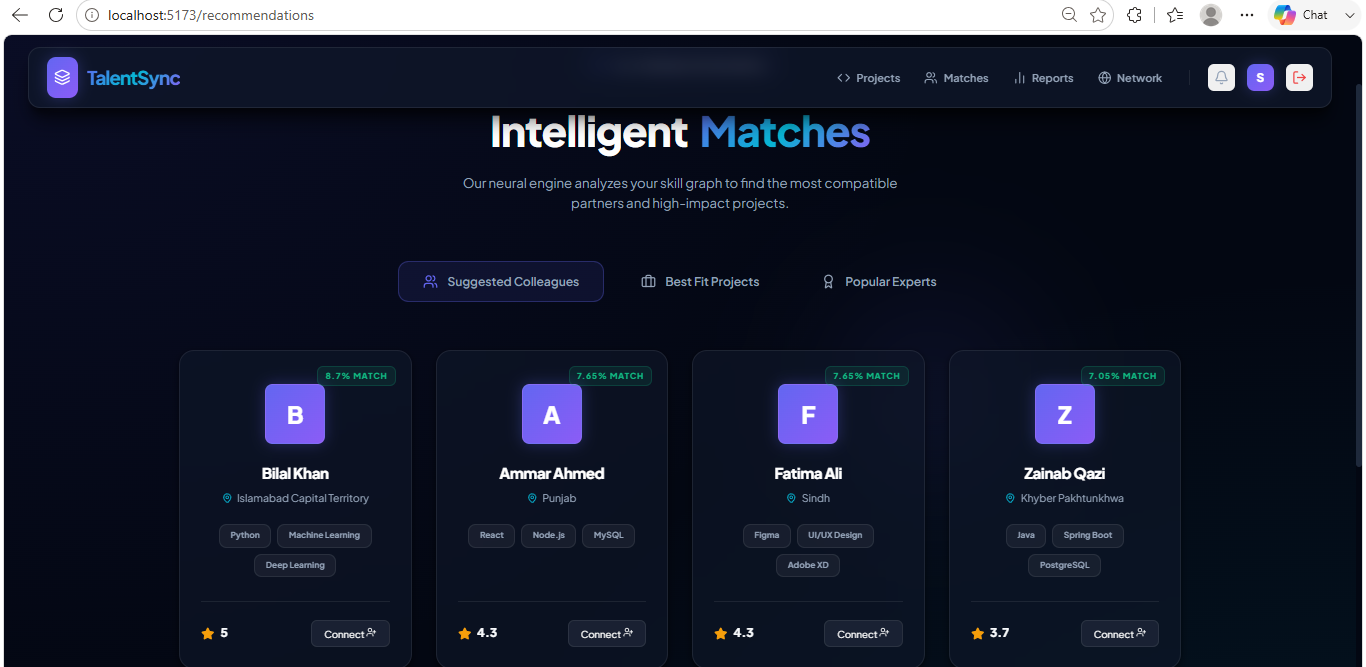
Skill Based Matching of Teammates
-
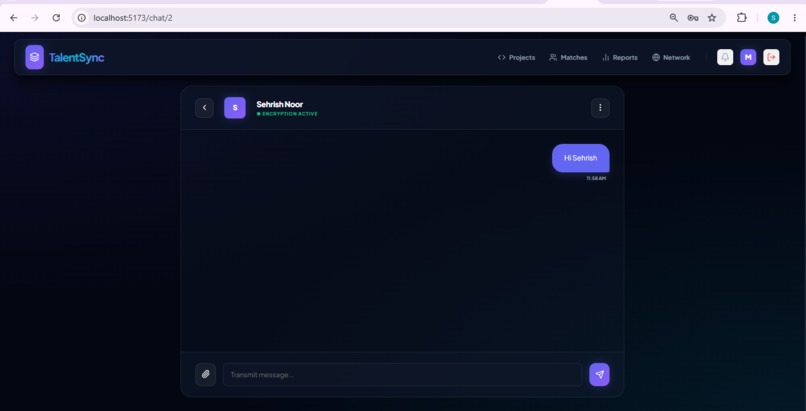
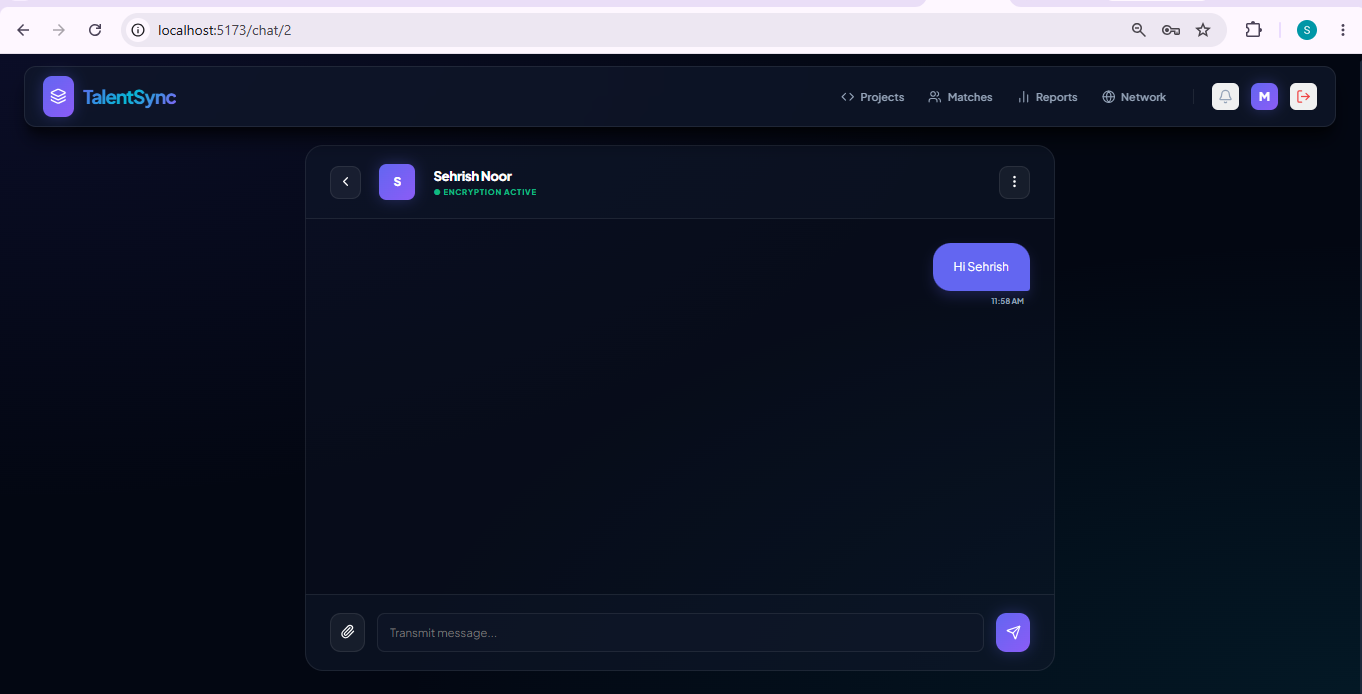
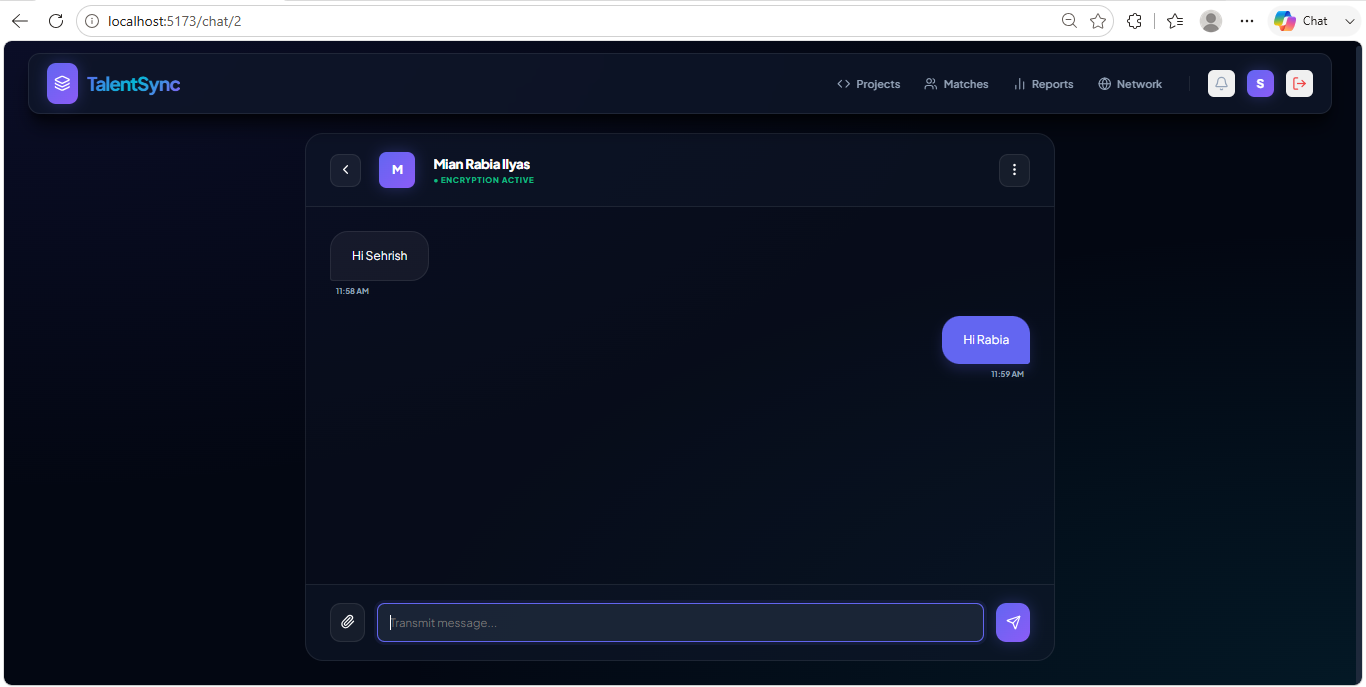
Chatbot (1)
-
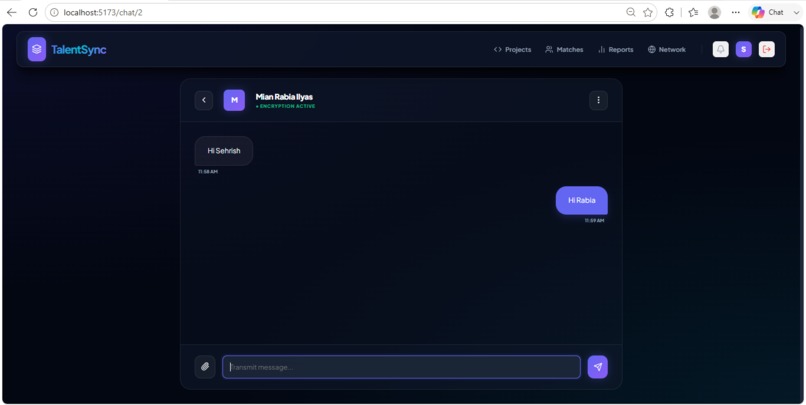
Chatbot (2)
-
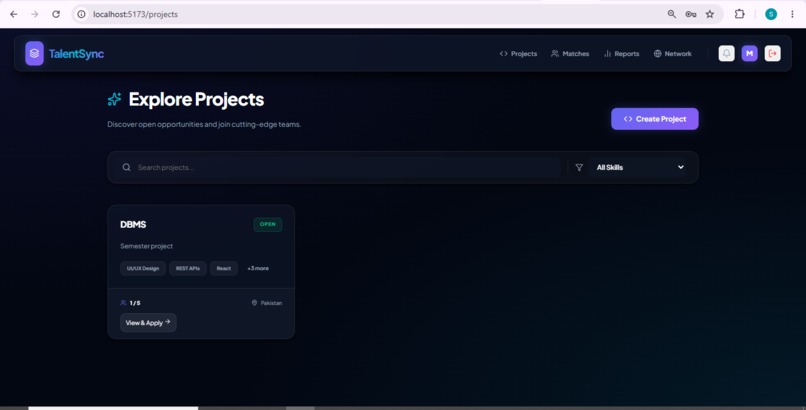
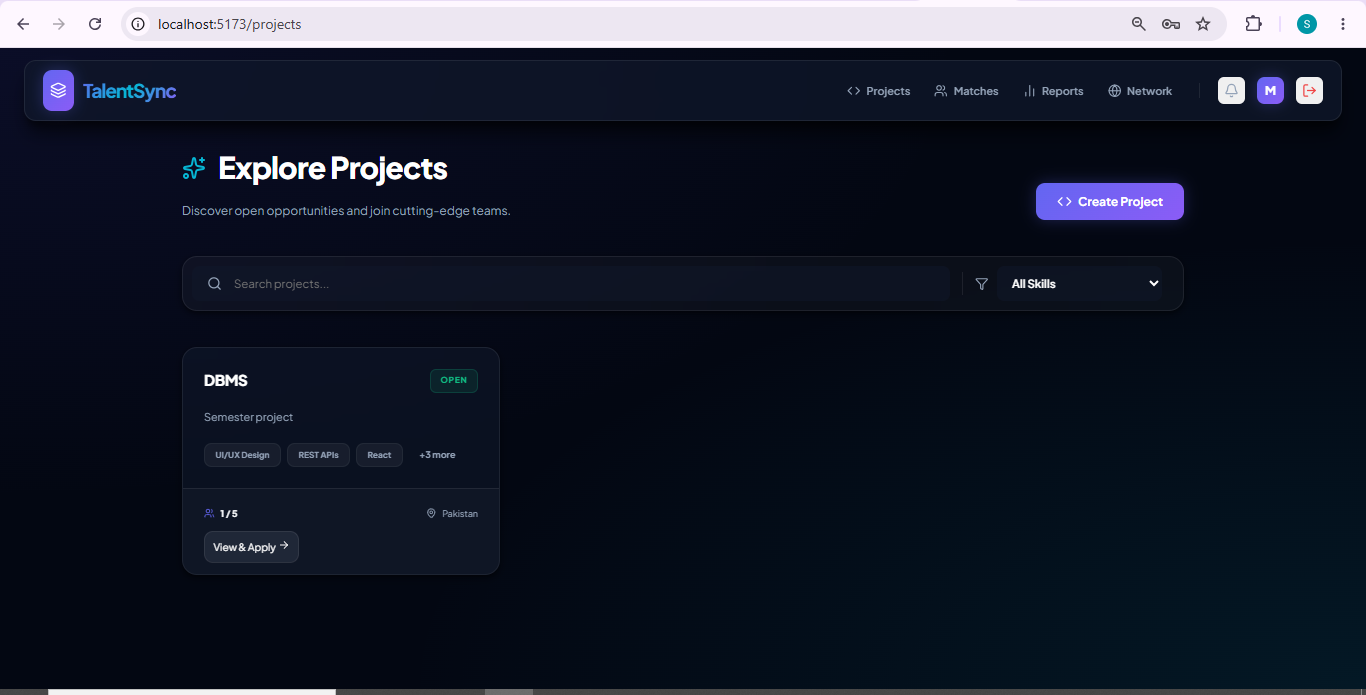
Projects Created
-
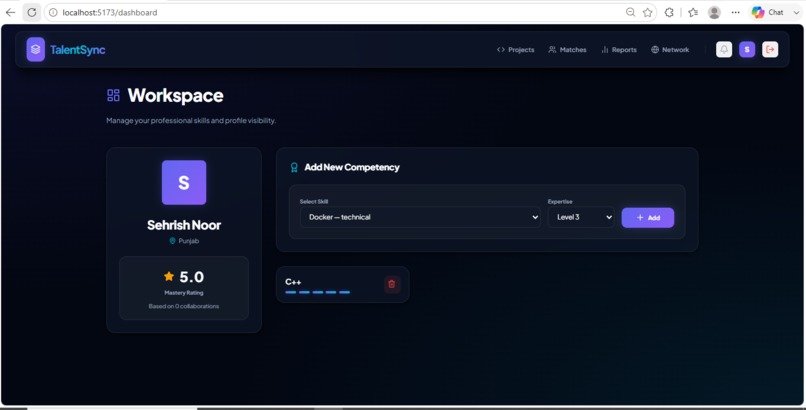
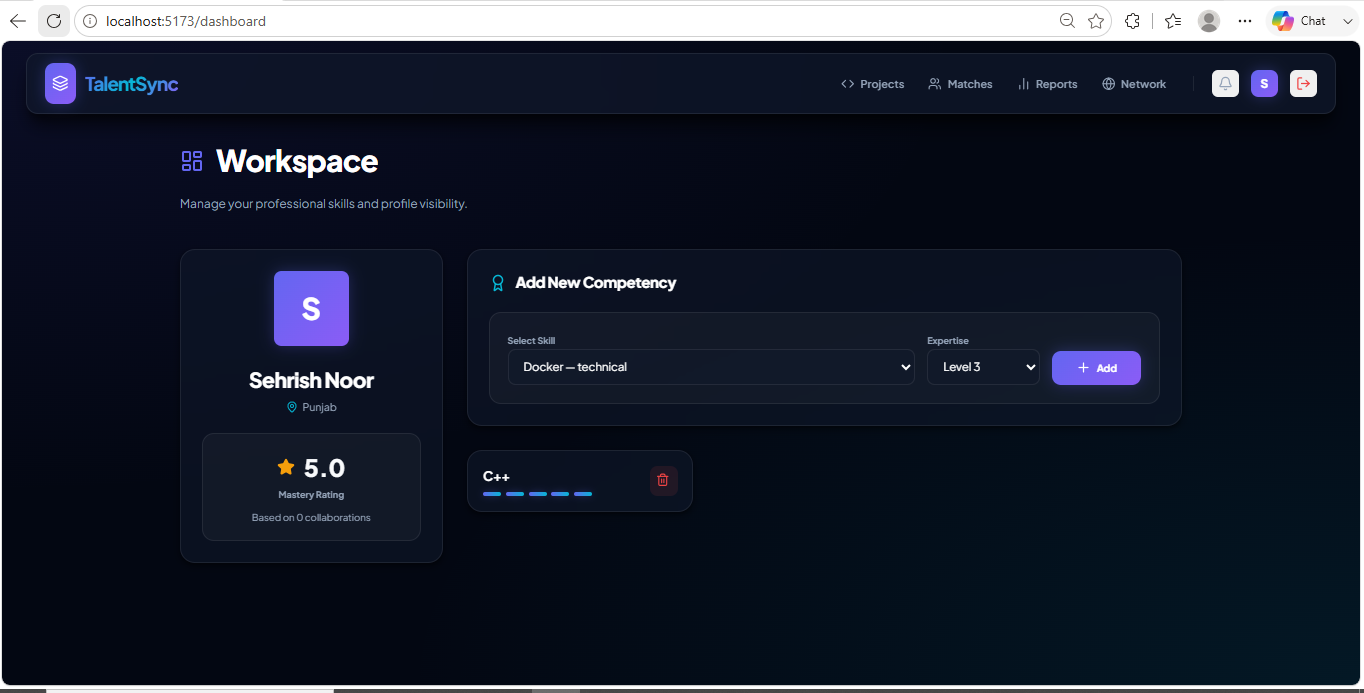
Profile with Skill added
-
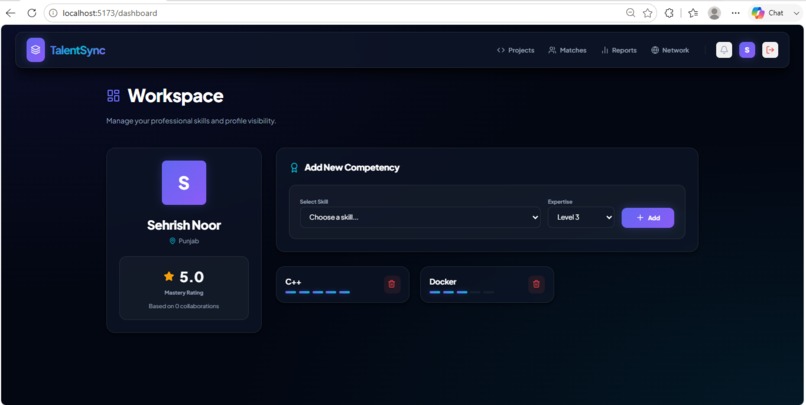
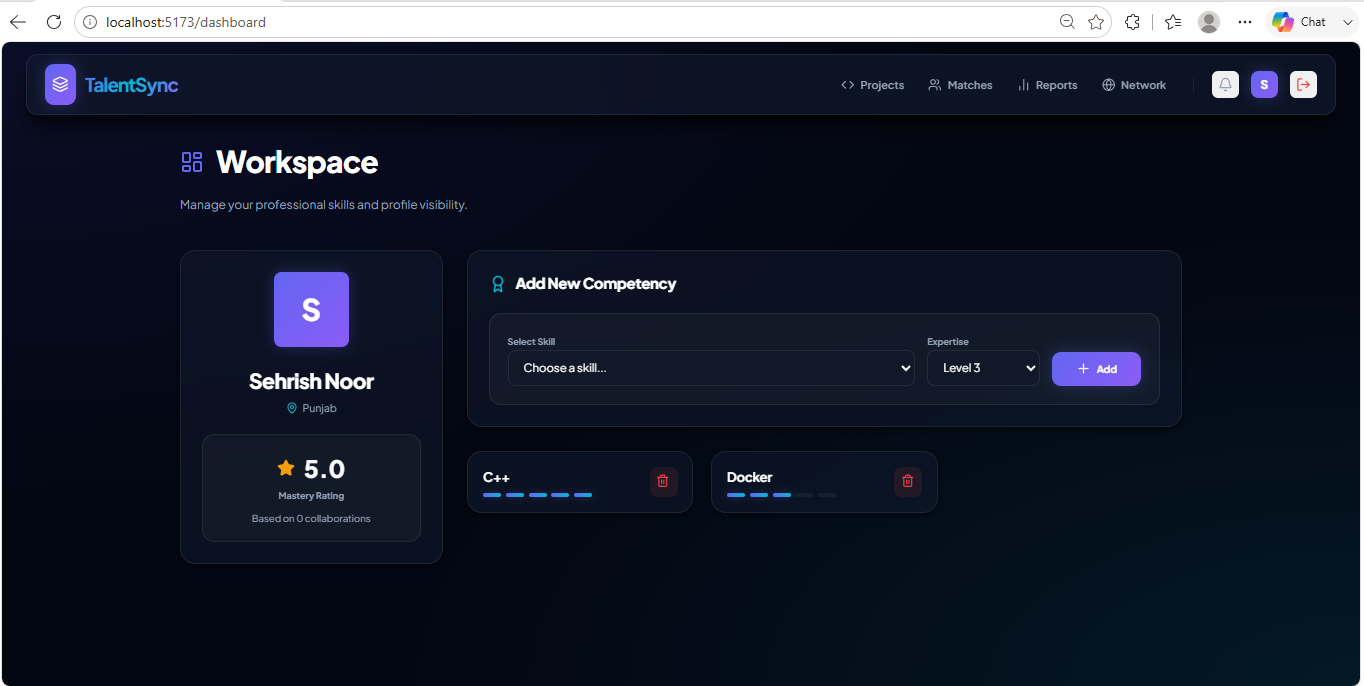
Profile with another Skill with different level added.
Inspiration
Many talented students struggle to find teammates with complementary skill sets—like a developer needing a designer or a marketer needing a coder—to bring their ideas to life. Portfolio building often requires practical project experience, but commercial platforms or paid networking tools create barriers. TalentSync was born to democratize project collaboration, giving every student a free space to find peers, gain hands-on experience, and build impressive portfolios together.
What it does
Smart Teammate Matching: Pairs students based on their skills, project interests, availability, and learning goals. Project Discovery Hub: Allows users to post project ideas or browse open listings created by other students. Zero-Cost Collaboration: Keeps all platform tools, team connections, and workspace resources 100% free for students. Skill Badging & Portfolios: Tracks contributions so students can showcase verified, collaborative projects to future employers.
How we built it
Frontend: Developed using React and Tailwind CSS for a responsive, accessible user interface. Backend: Powered by Node.js and Express to handle user routing, project posts, and communication channels. Database: Configured with PostgreSQL to manage user profiles, skill tags, and project listings efficiently. Authentication: Integrated Firebase Auth/JWT to ensure safe and verified student registration.
Challenges we ran into
Algorithmic Match Quality: Balancing skill diversity so teams had complementary roles (e.g., UI/UX + Backend + Frontend) rather than overlapping skill sets. Scope Control: Designing features specifically tailored for student workflows without overwhelming users with unnecessary enterprise project management tools. Real-Time Communication: Ensuring smooth connection handling for messaging and notifications within tight development constraints.
Accomplishments that we're proud of
Seamless User Experience: Built an intuitive, friction-free onboarding flow that gets a student from signup to joining a team in under three minutes. Purpose-Driven Design: Successfully created a completely free platform architecture that removes financial barriers to peer-to-peer learning. Functional Matching System: Successfully tested a working matching mechanism that connects users based on complementary skill gaps.
What we learned
Student Workflow Dynamics: Gained insight into how peer-led project teams structure responsibilities and stay motivated without commercial oversight. Full-Stack Optimization: Deepened our understanding of database indexing for multi-attribute matching (skills, interests, availability). Community-First Product Design: Realized that fostering collaboration relies as much on building clear communication channels as it does on matching algorithms.
What's next for TalentSync
AI-Powered Team Composition: Upgrading the matching engine to analyze student portfolios and automatically suggest ideal cross-functional team roles. Integrated Workspace Tools: Adding built-in kanban boards, real-time code snippet sharing, and lightweight video rooms so teams can work together without relying on third-party platforms. Industry & Campus Mentorship: Partnering with senior industry mentors and university clubs to offer optional guidance, code reviews, and feedback on student projects. Verified Project Credentials: Introducing verifiable digital badges or GitHub-linked certifications that students can export directly to LinkedIn and resumes to validate their team contributions. Hackathon & Showcase Hub: Hosting quarterly virtual project showcases where student teams can present completed work to recruiters, open-source organizations, and early-stage incubators.
Built With
- express.js
- firebase
- node.js
- postgresql
- react
- tailwindcss

Log in or sign up for Devpost to join the conversation.