-
-
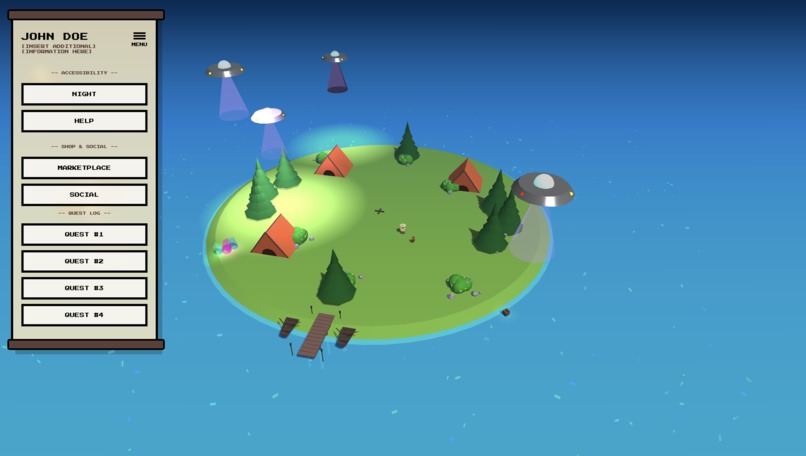
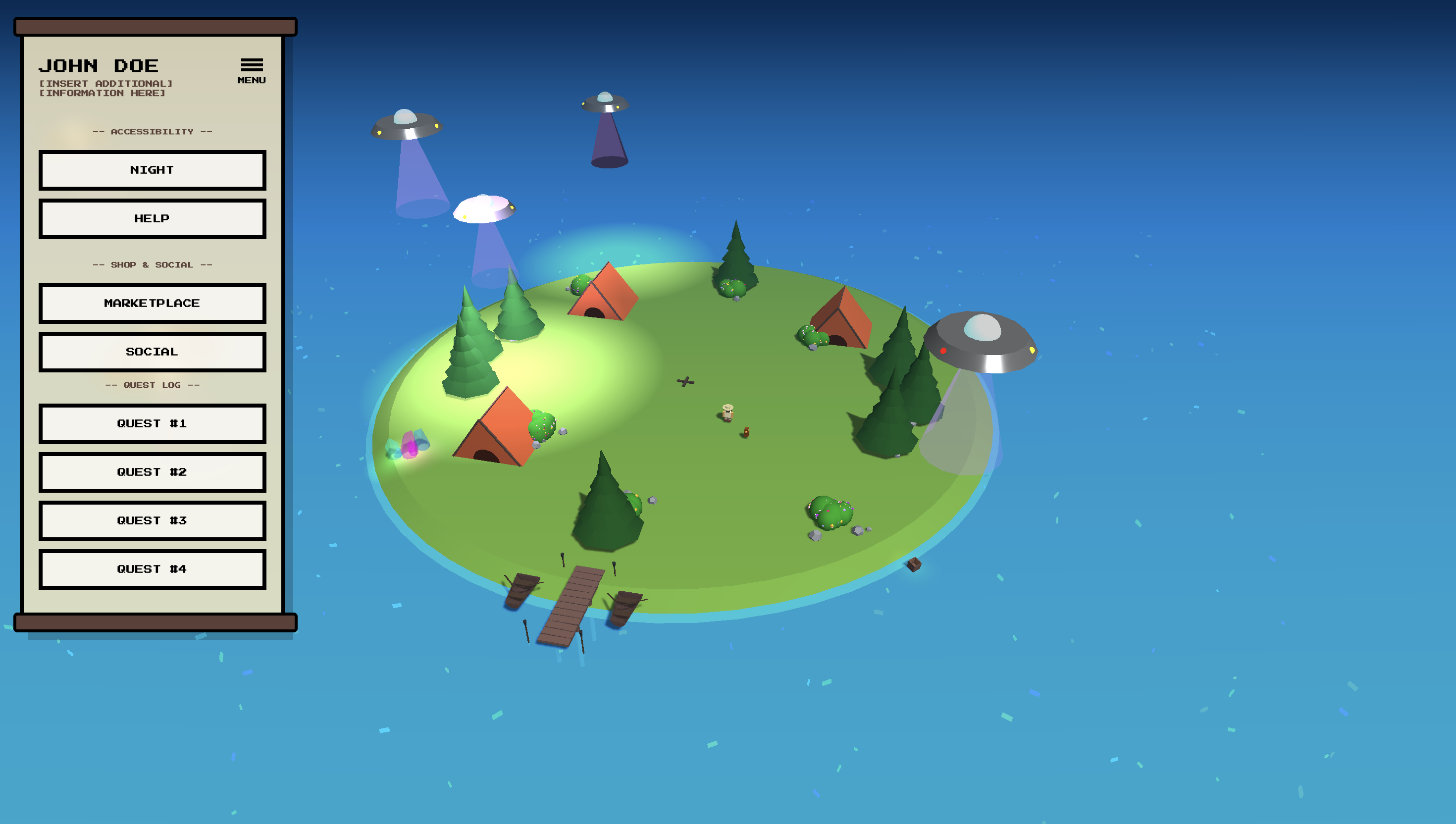
TakeOver Island
-
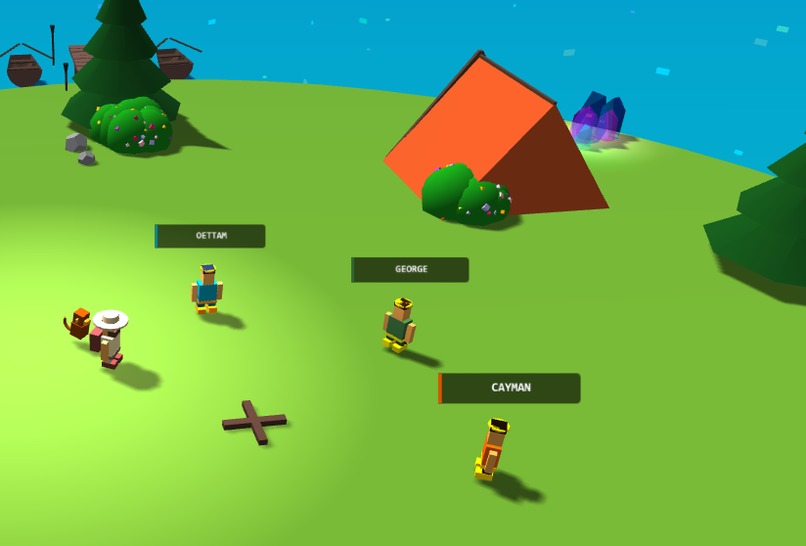
TakeOver Game Room
-
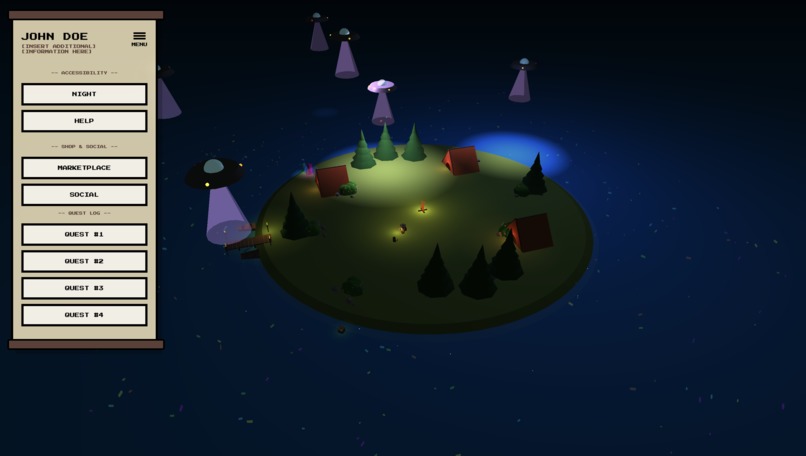
TakeOver Night Mode
-
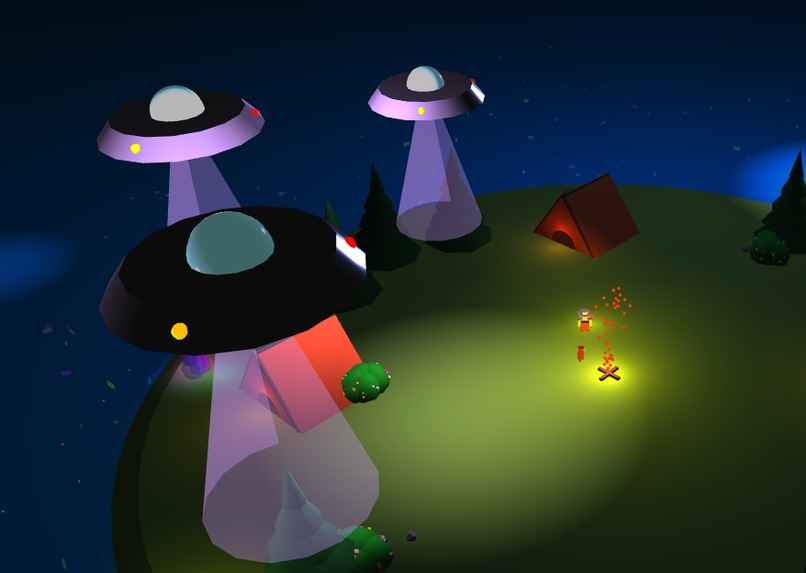
TakeOver Night Mode Assets
-
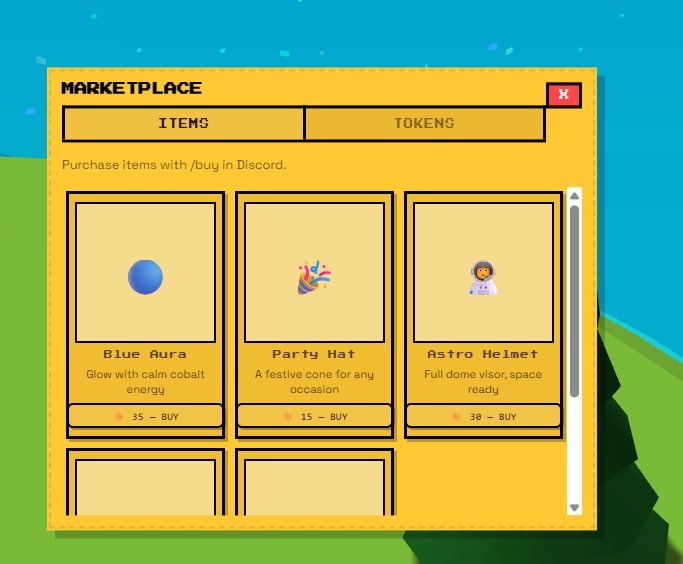
TakeOver Marketplace
-
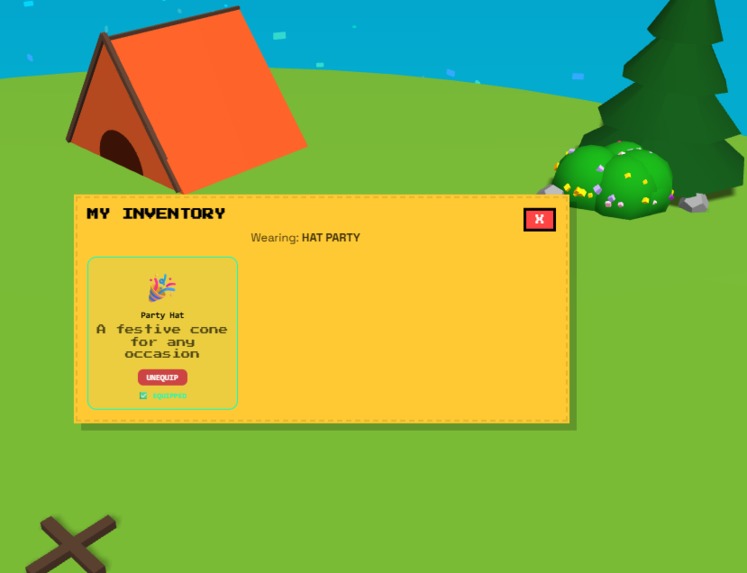
TakeOver Equip In-App Transactions
-
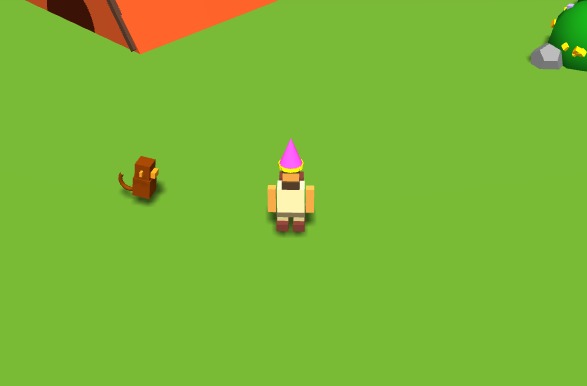
TakeOver Equip In-App Accessories
-
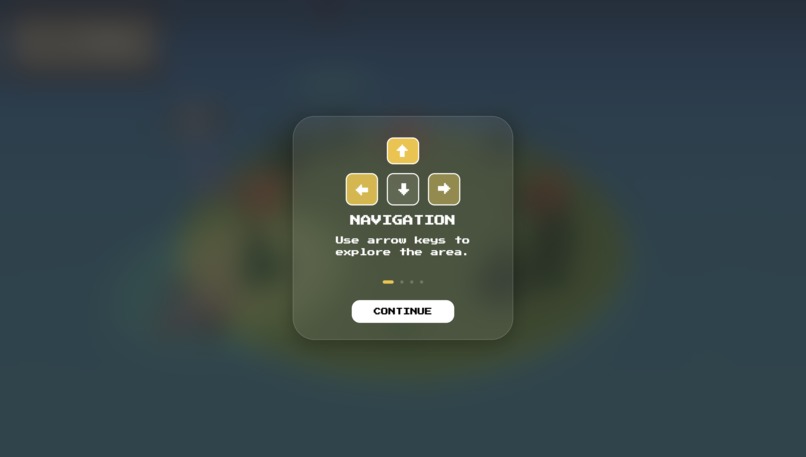
TakeOver User Controls
-
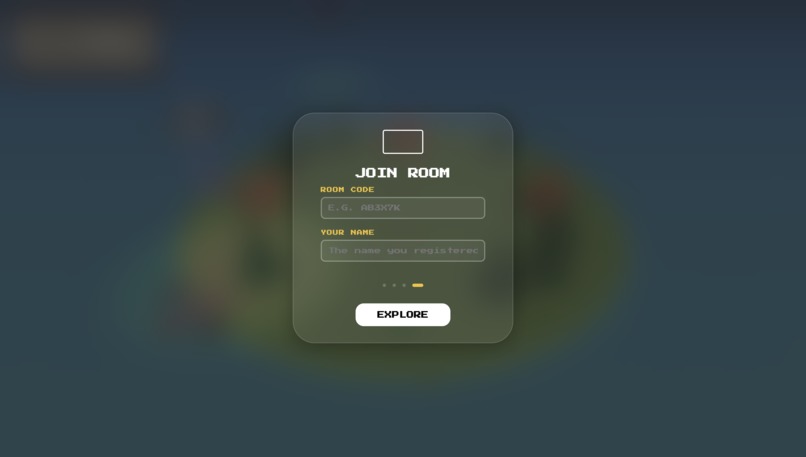
TakeOver Join Game Server
-
TakeOverLogo
Inspiration
A child after surgery is often carrying three weights at once: fear, pain, and a recovery routine that feels too big to follow alone. Visits from physical therapists are short, parents are stretched thin, and the rest of the day is quiet. That quiet is where progress slips.
These three weights feed each other. Children with high preoperative anxiety report higher postoperative pain and need more pain medication than children who are calmer going into surgery. Pain and distress make it harder to engage with rehab. And rehab is exactly where recovery happens: non-adherence to home exercise programs runs as high as 50% to 65%, and long-term adherence to rehabilitation has been measured as low as 13%. When a child cannot keep up with the work, recovery stalls, pain lingers, and the loop tightens.
We built TakeOver because no child should have to translate a clinical protocol into a daily routine by themselves, and no parent should have to be the only person in the room cheering them on. We wanted to soften the anxiety by giving kids a world to share, ease the pain by getting them moving alongside peers, and lift adherence by making each quest feel like progress in a place that matters to them.
Our business model is per-member-per-month contracts with commercial insurers, Medicaid managed-care organizations, and Medicare Advantage plans, which lowers payer costs by reducing avoidable readmissions and improving adherence.
What it does
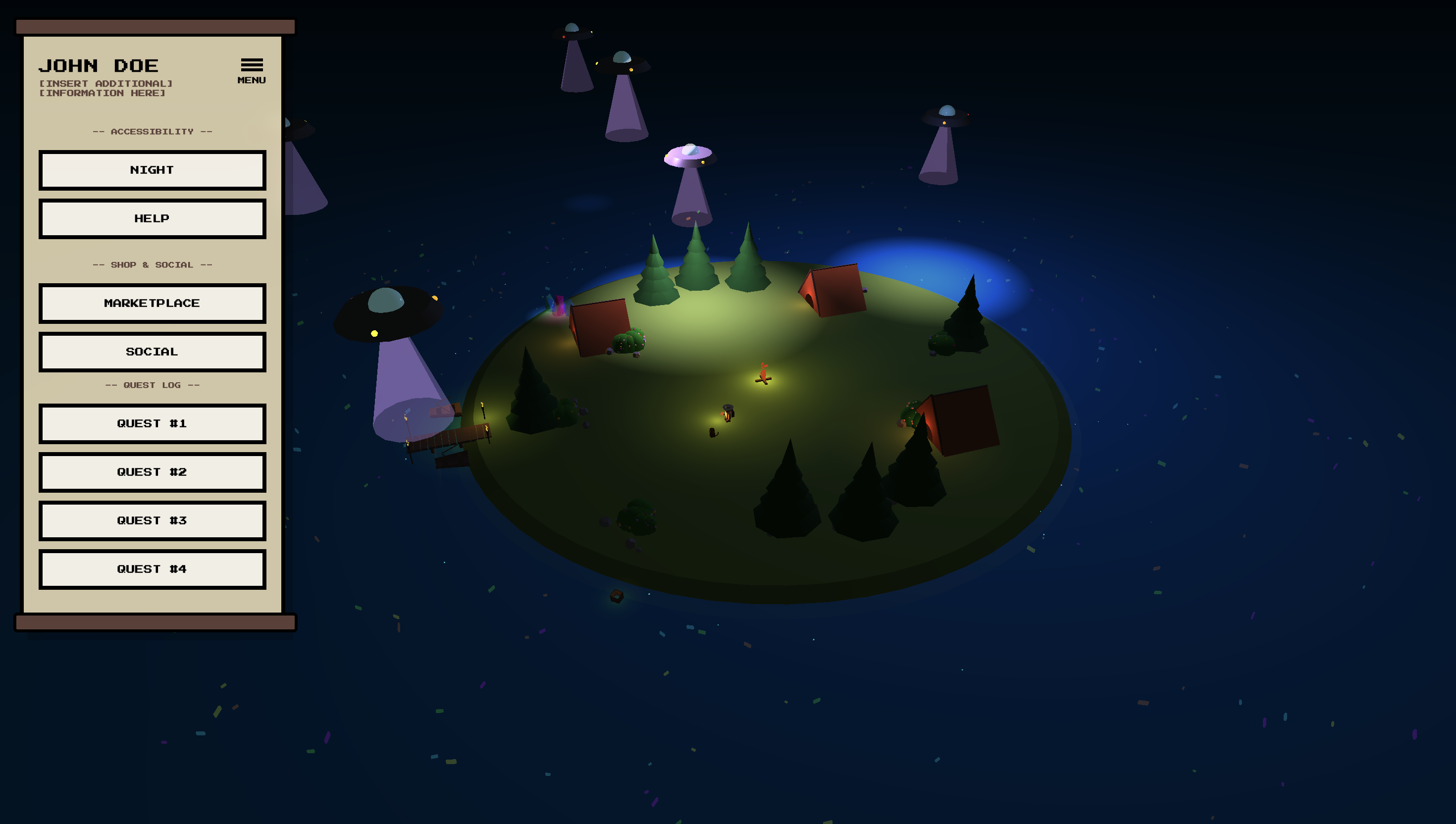
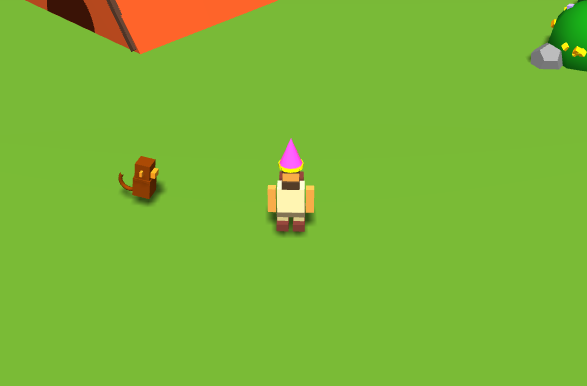
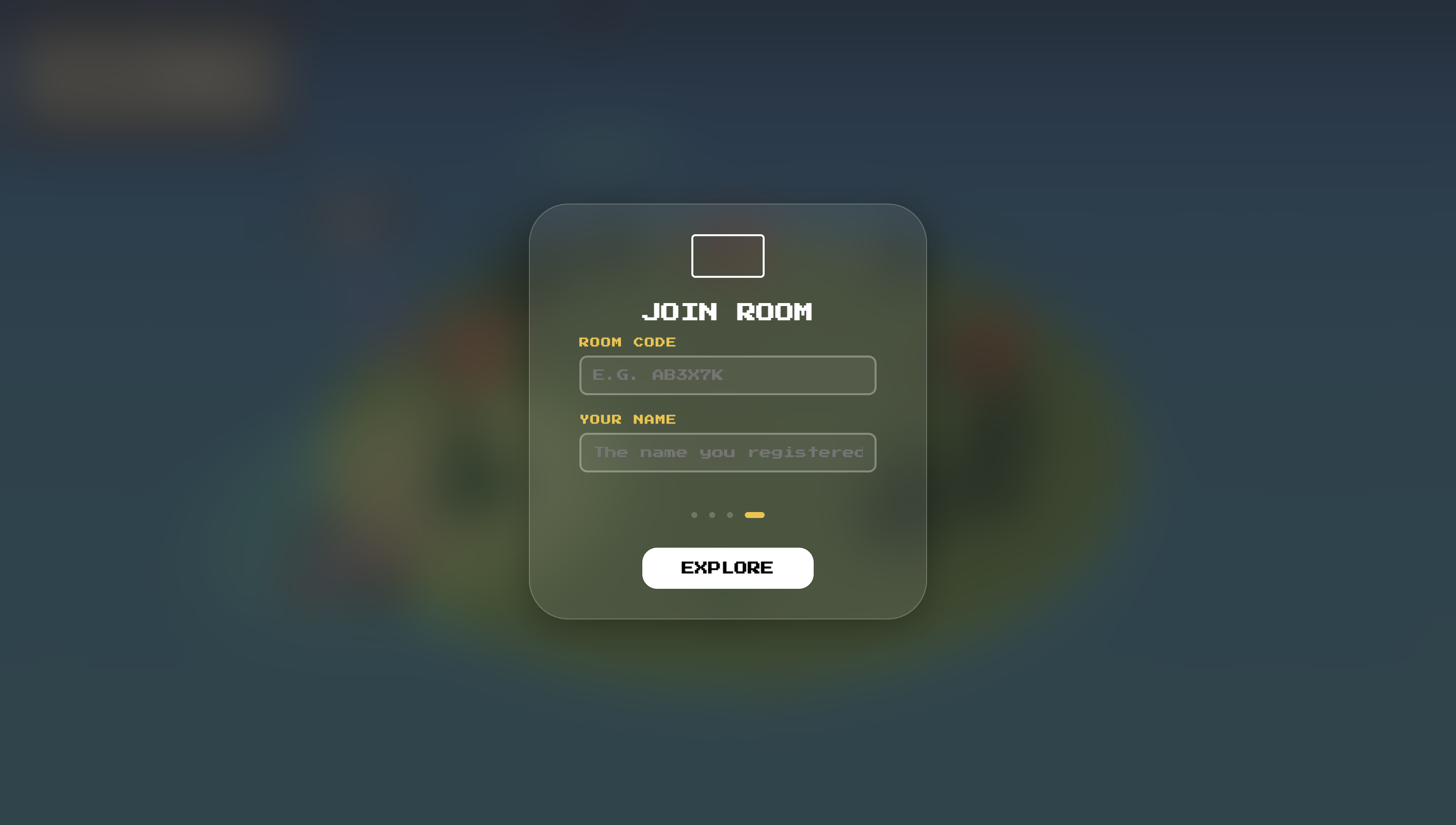
A physician spins up a private room and shares a 6-character join code with their patients. Patients enter the code in our browser-based 3D world to spawn into the same shared scene.
The physician sends a short condition note to the bot, and Gemma returns three age-appropriate quest suggestions with token rewards. The physician picks one and assigns it to a specific patient.
Patients see their quest list, complete a real-world task, and submit a photo to confirm it. Our AI checks that the photo shows the exercise being performed.
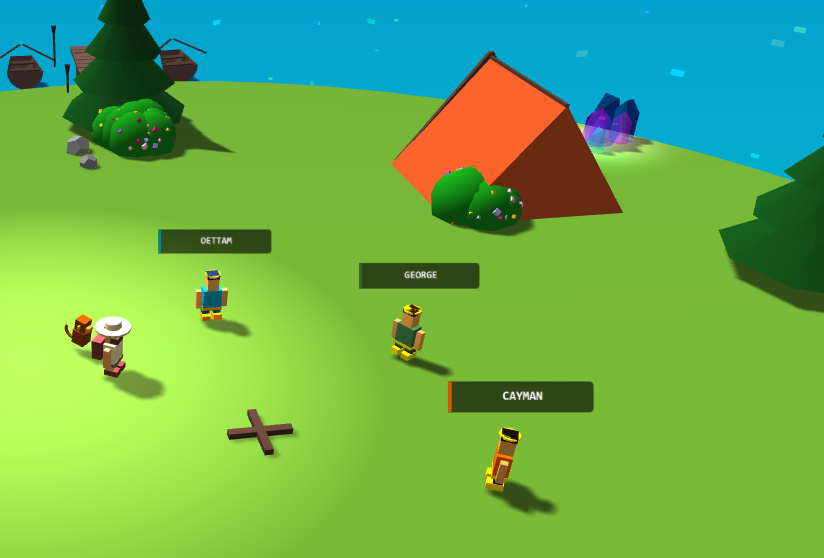
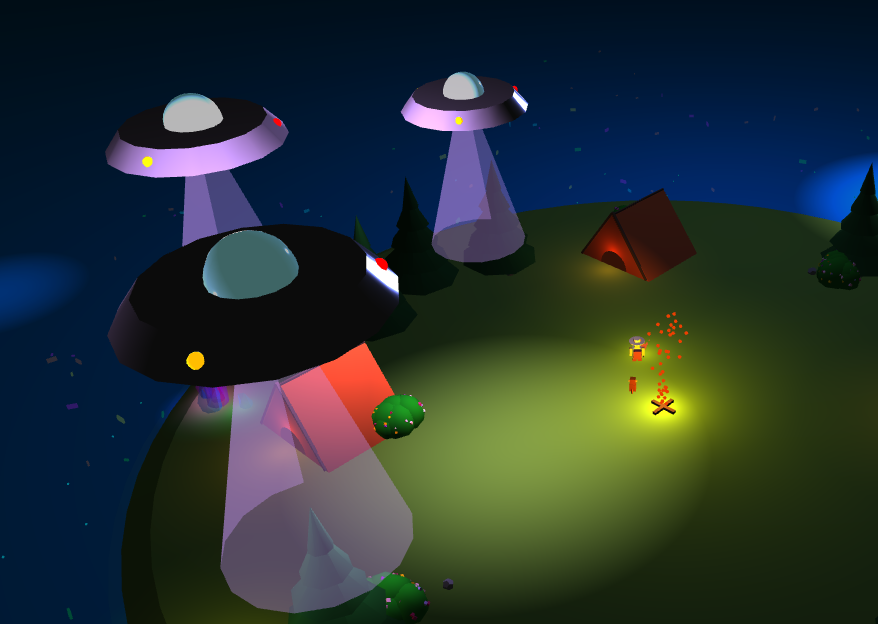
As patients finish quests, their avatars progress in the shared world. A child who walks for ten minutes in real life sees their character take a step forward in a place where other kids in recovery are also moving. The exercise stops being a private chore and starts being something the group does together.
The whole experience is wrapped in a light alien-invasion theme so the recovery loop has a story a child can step into. The currency they earn is galactic tokens, and the encouragement messages after a quest come from a defeated alien commander acknowledging that the patient just disrupted the alien signal. It gives a child something to win against, not just a chore to complete.
The future we're building
The future of pediatric care should meet kids where they already are. Children already live inside games, shared worlds, and group chats. A recovery program built on top of those instincts feels personal, not clinical. It is supportive because the physician is one message away. It is inclusive because the same world serves a child healing from a fracture, a teenager after knee surgery, or a kid managing a longer condition, in their own language. It is meaningful because the avatar only moves forward when the patient does, in real life.
This is what we believe modern care for the next generation can look like: real medicine and real clinical oversight, wrapped in an experience a child would actually want to open again tomorrow.
How we built it
| Component | Tools |
|---|---|
| Frontend | Three.js for the browser-based 3D avatar world, GSAP for animation, with desktop and mobile controls (joystick and pinch-to-zoom) |
| Backend | Convex for room state, quests, inventory, and payments |
| AI | Flask service running two Gemma 4 models (vision and text) for language detection, translation, photo verification, in-character alien encouragement, and quest suggestions from the physician's condition note |
| Bot | discord.js for physician and patient interactions, with private DMs when commands are run in shared channels |
| Payments | USDC on Solana for buying galactic-token packs that patients then spend on cosmetics |
| Hosting | DigitalOcean App Platform runs the static frontend, the AI web server, and the Discord bot worker as a coordinated deployment |
Feature List
- Physicians create a private recovery room and share a short join code with their patients
- The bot suggests three age-appropriate quests from a short condition note; the physician picks one and assigns it with a token reward
- Patients confirm completion by uploading a photo, and the AI verifies that the photo shows the assigned activity
- Multilingual support across the bot and AI responses, with private DMs when commands are run in shared channels
- Shared 3D world where patient avatars progress as real-world quests are completed
- Light alien-invasion theme: galactic tokens for completing quests and in-character encouragement from a defeated alien commander
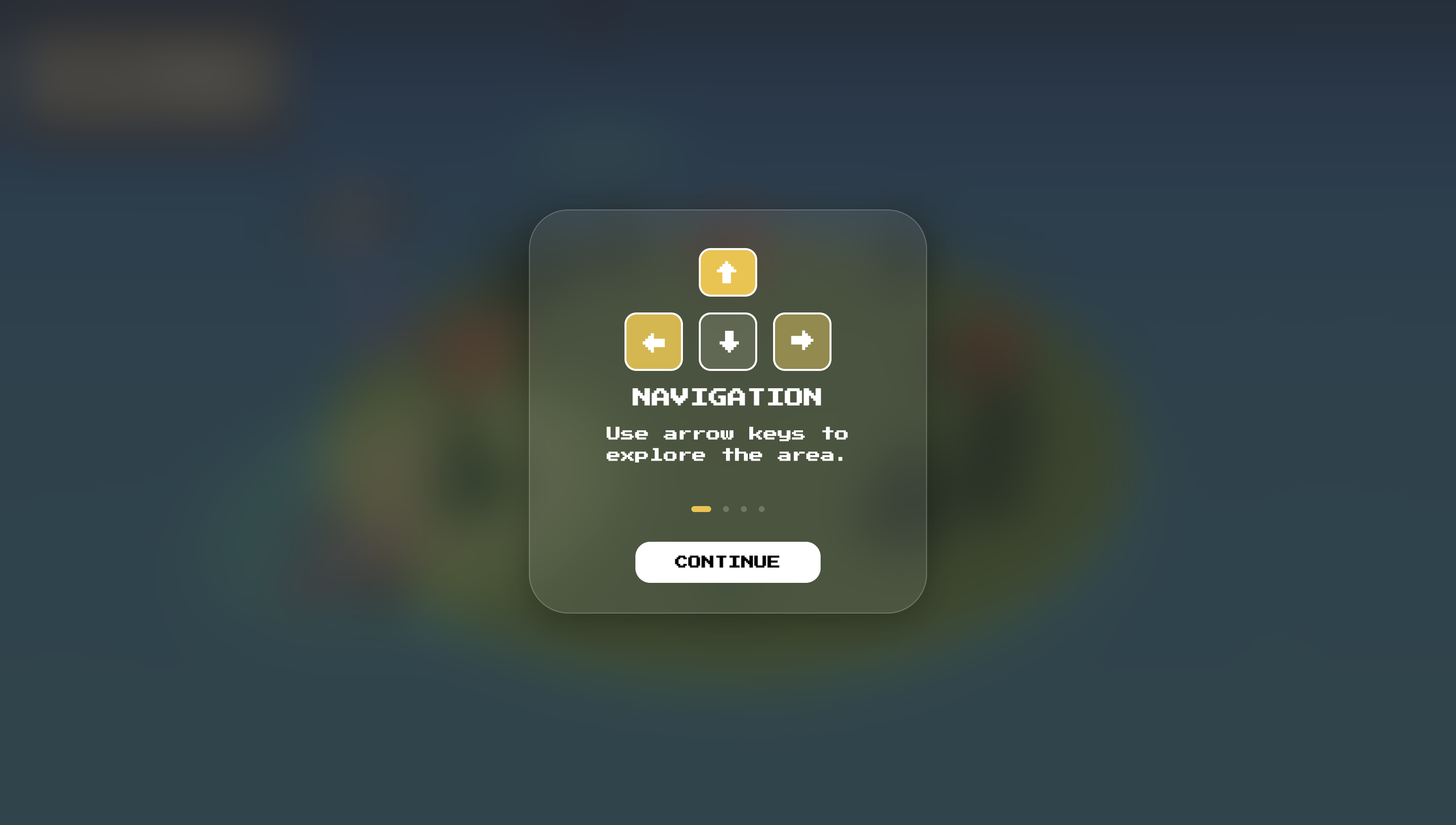
- Onboarding walkthrough that teaches navigation, perspective, zoom, and room join before play
- Mobile support with joystick controls and pinch-to-zoom
- Day-and-night toggle and accessibility controls in the dashboard
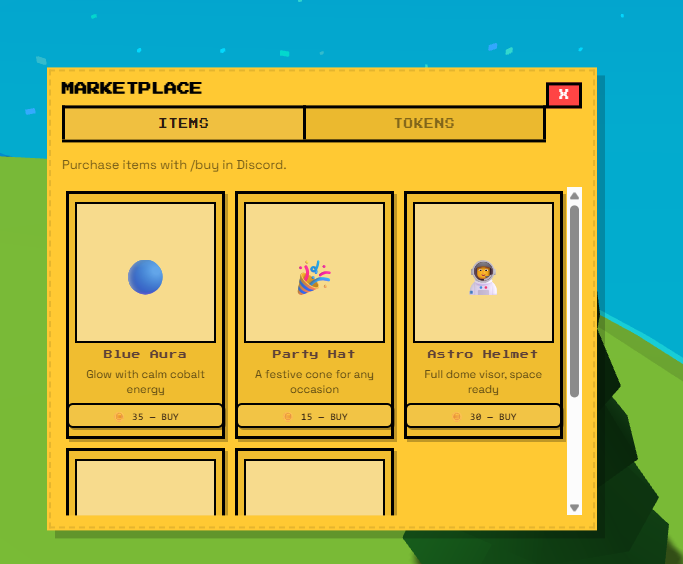
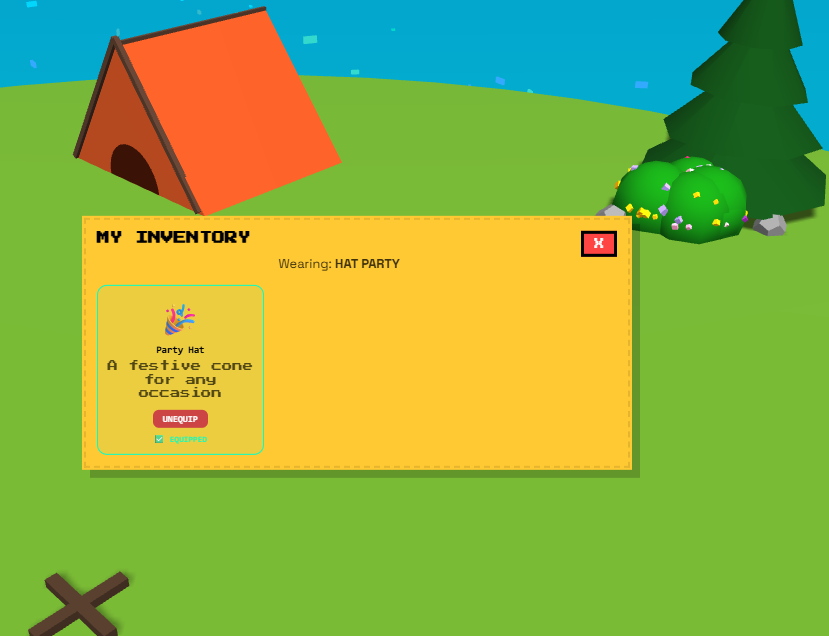
- Earned galactic tokens can be spent on cosmetic items (Astronaut, Lumberjack, Blue Aura, Party Hat, Pet Lizard) that patients equip on their avatar
- Optional USDC-on-Solana token packs for a parent or guardian to top up the galactic-token balance directly
Patient Commands
/register patient [name]— Patients register with their name and preferred language; all future bot responses are automatically translated by Gemma./quests— Privately view today's assigned exercises, completion status, and token rewards./done [number]— Mark a quest complete; attach a photo and Gemma verifies it actually shows the exercise. Gemma sends an in-character encouragement message on success./status— Privately view token balance, completed quests, and overall progress./shop— Browse cosmetic items for your 3D world avatar, purchasable with earned tokens./buy [number]— Purchase a cosmetic item from the shop using tokens earned from completing quests./inventory— View owned cosmetic items./equip [number](oroff) — Equip or unequip a cosmetic item on your avatar in the shared 3D world.
Wallet & Tokens
/packs— View available USDC token pack tiers; purchase is completed on the webapp and credited to your Discord account.
Clinician Commands
/register clinician [name]— Register as a clinician to unlock patient management commands./host— Spin up a recovery room and receive a 6-character join code to share with patients for the 3D webapp./assign [@user] [quest] [tokens]— Assign a specific exercise quest and token reward to a patient./patients— View all registered patients, their assigned quests, and completion progress./suggest [condition notes]— Paste in a short clinical note and get AI-generated quest options tailored to that condition...
Challenges we ran into
We encountered version mismatches between the Python runtime and the required library dependencies, which had to be resolved. We also ran into issues with Three.js and object boundaries, since we did not want the avatar running through things. We also ran into challenges with hosting on DigitalOcean, as we are hosting a static site, a web server, and a worker all in one, which made deployment difficult to coordinate across the three services.
Accomplishments that we're proud of
We delivered an end-to-end prototype: a Discord bot that lets physicians get AI-suggested quests, assign them, and verify completions; a Gemma-powered photo verifier; a shared 3D world that reacts to real-world progress; multilingual support throughout; an alien-invasion theme that gives kids a story to play inside; and a working USDC-on-Solana token-pack flow that funds the in-game cosmetic economy.
Most of the Three.js code was written by hand, with each component using math to set its dimensions, shape, and replication across the scene, and we kept neat documentation throughout to keep the code readable.
Getting the static site, web server, and worker deployed together on DigitalOcean was difficult, but highly rewarding to see it all running smoothly.
What we learned
Designing the physician interface inside a familiar surface like Discord shaped how we built the bot and reduced the surface area for new UI work. Building gamified feedback loops taught us that the simulated world has to respond directly to real-world quest completion for the loop to feel connected.
Designing for children also pushed us to be honest about every decision. Friction matters more, rewards have to feel earned, and every interaction has to make sense to a kid sitting at home with a tablet after surgery. That bar raised the quality of the rest of the product, too.
What's next for TakeOver
- VR Integration for multimodal simulation
- Expand to other sectors: Education: Classroom Settings
- Open to developers to create new games and experiences
Add a proper authenticated account layer for patients and clinicians, expand to additional surgical specialties, improve verification accuracy with more conservative thresholds and a clinician-review path, and complete the regulatory and compliance work needed for clinical deployment.
Beyond the technical roadmap, our vision is to grow TakeOver into a recovery world that children look forward to. More themed environments, more peers to share progress with, and more ways for clinicians to design care that fits how kids actually live. If a recovery world becomes a place a child wants to show up to each morning, better outcomes follow.
Sponsored Tracks
| Track | How we used it | Human Experience |
|---|---|---|
| Best Use of Gemma 4 | Two Gemma 4 models (vision and text) power language detection, translation, photo verification, in-character alien encouragement, and quest suggestions generated from the physician's condition notes. | Gemma makes the recovery loop personal and inclusive. It speaks each patient's language, tailors quest suggestions to a specific child's condition, and turns every completion into a small piece of a story through in-character alien encouragement instead of a generic "task complete" ping. |
| Best Use of Solana | Patients top up their galactic-token balance with USDC on Solana ($10, $50, $200 packs). Cosmetics are bought with the in-game tokens, which keeps medical data off chain and the wallet flow gated behind a parent or guardian. | The token economy gives kids something tangible to earn for real-world effort, and the cosmetics let them shape an avatar that actually feels like theirs. The guardian-gated USDC top-up brings parents in as a supportive layer of the experience without exposing any medical data on chain. |
| Best Use of DigitalOcean | DigitalOcean App Platform runs the deployment as three coordinated services: a static frontend, the Flask AI web server, and the Discord bot worker. | Hosting the frontend, AI server, and bot together as one coordinated deployment keeps the experience available the moment a child picks up their tablet at home. A recovery world is only supportive if it actually responds when the patient shows up to it. |


Log in or sign up for Devpost to join the conversation.