-
-
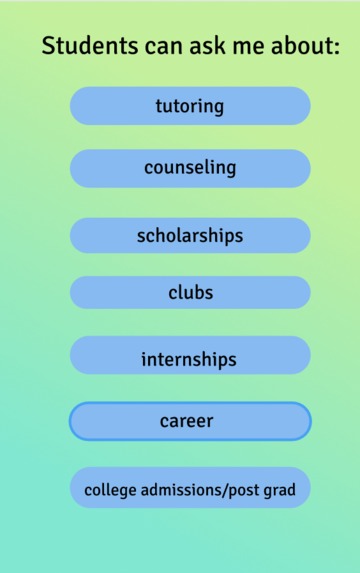
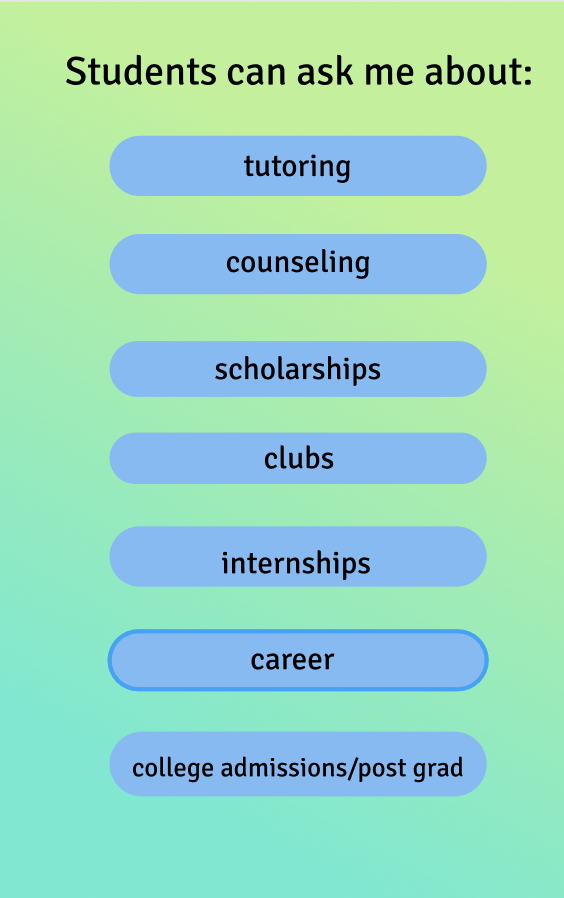
mentors only
-
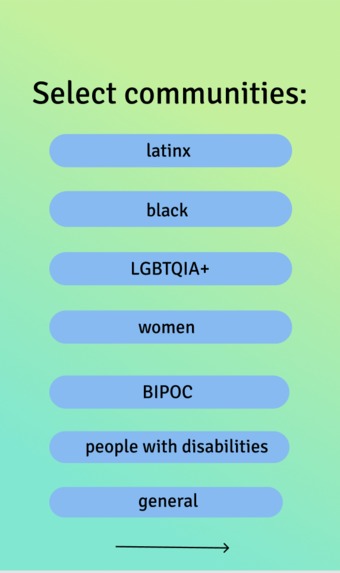
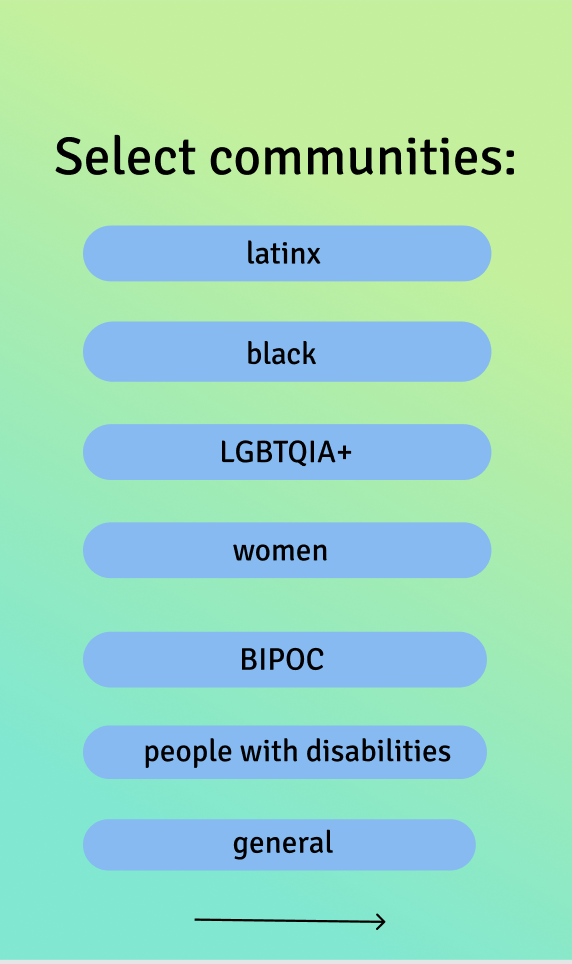
communities
-
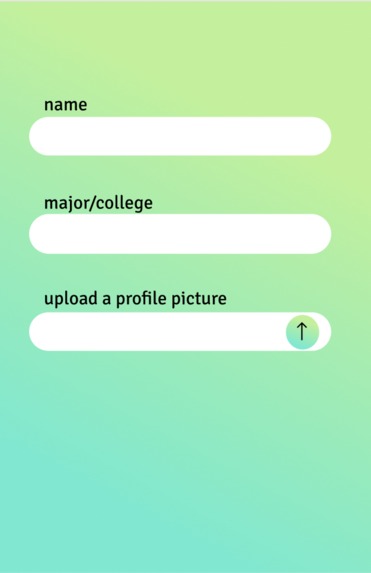
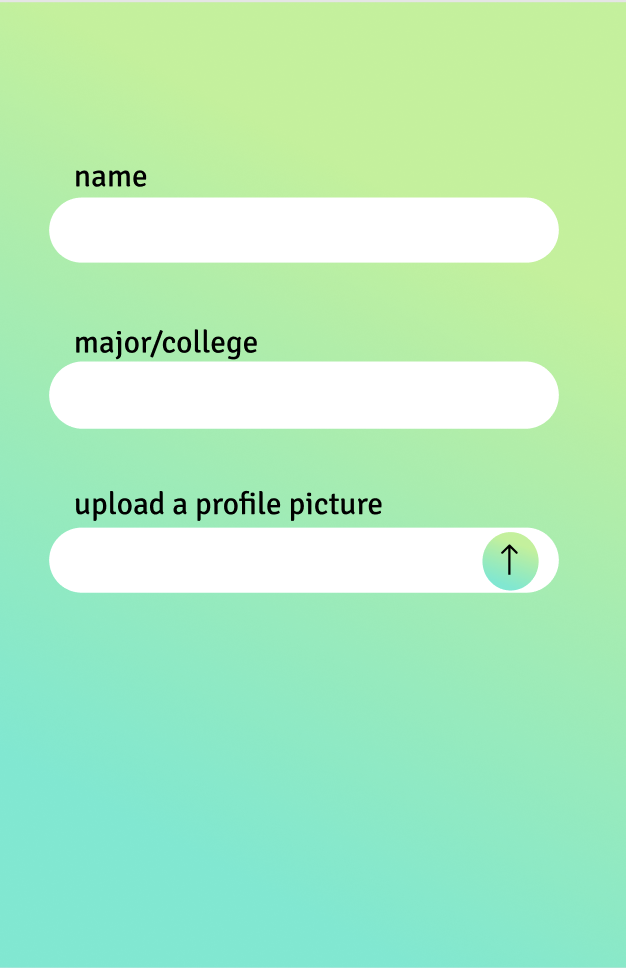
basic info
-
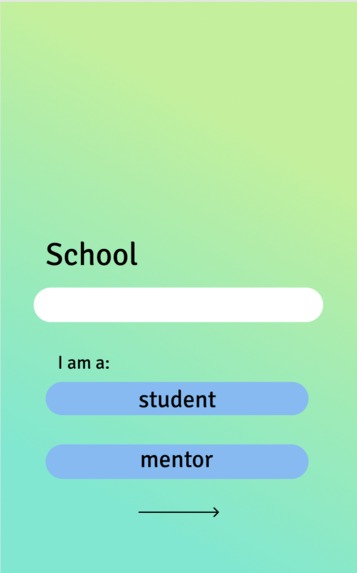
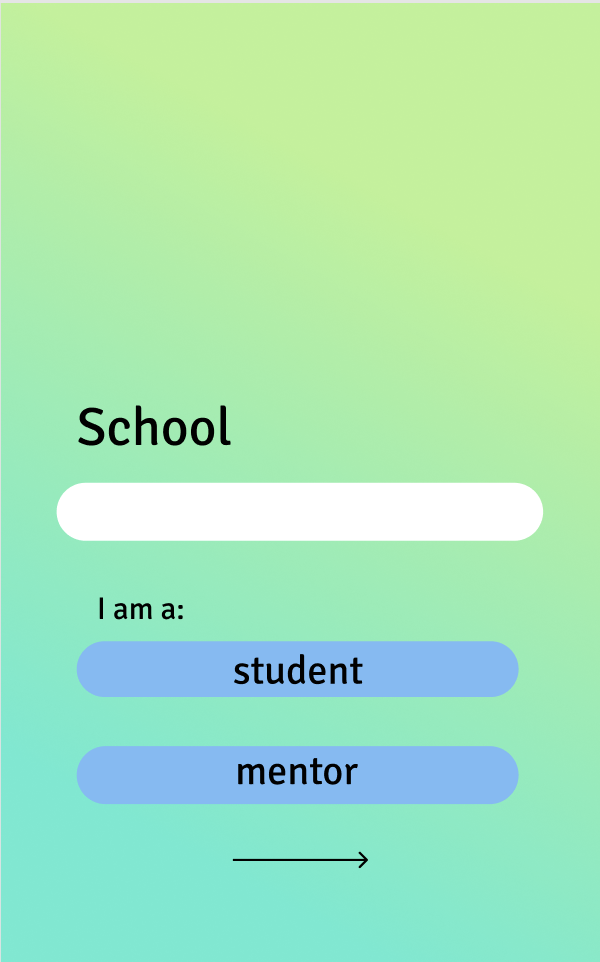
school
-
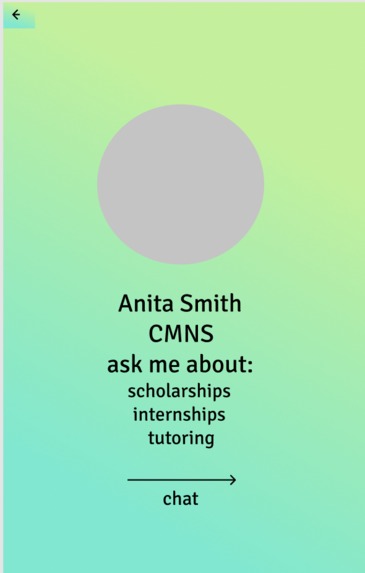
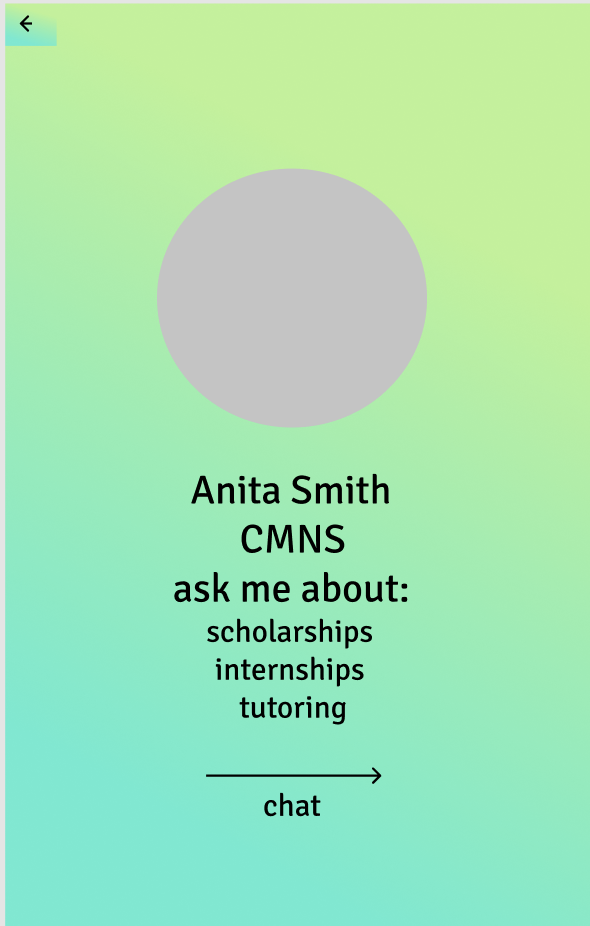
mentor profile
-
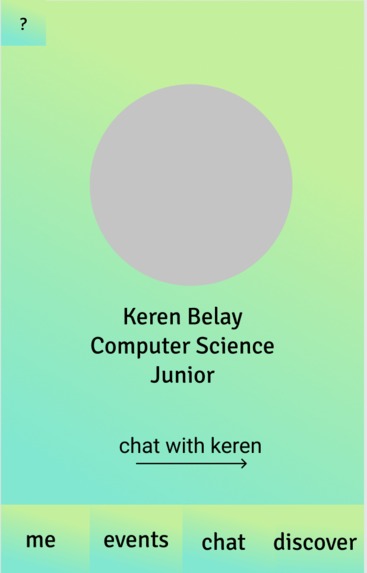
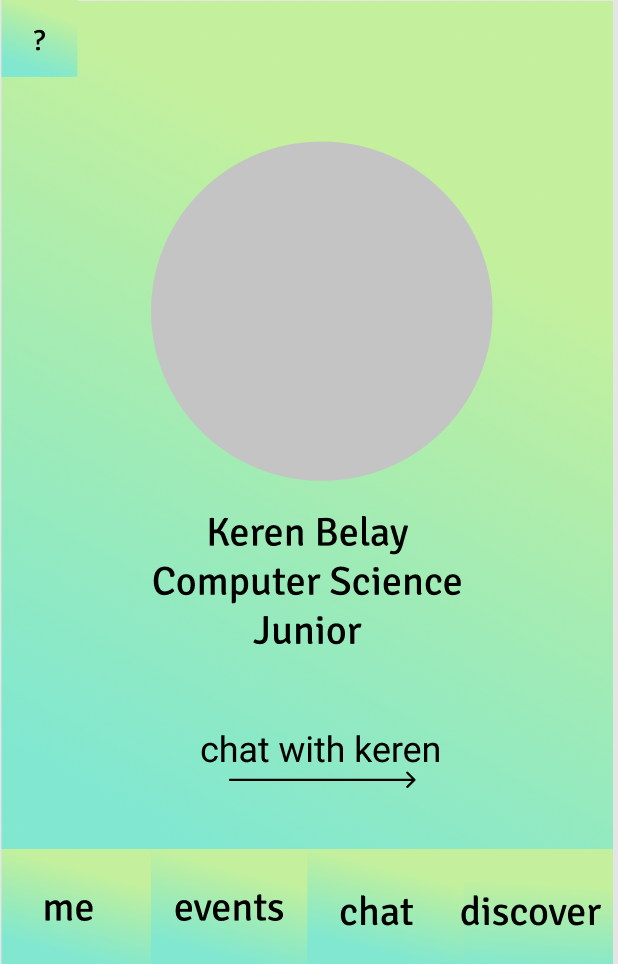
student profile
-
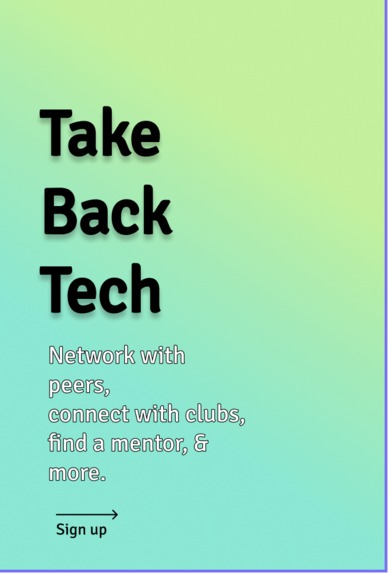
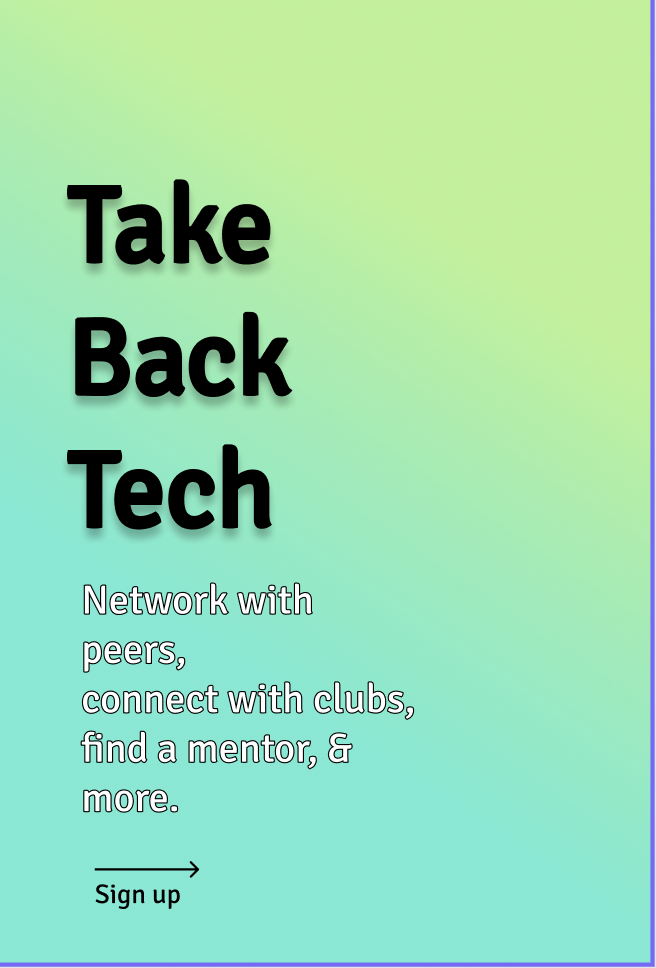
Sign up landing page
-
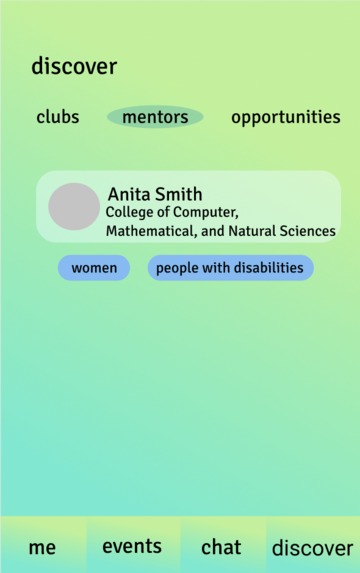
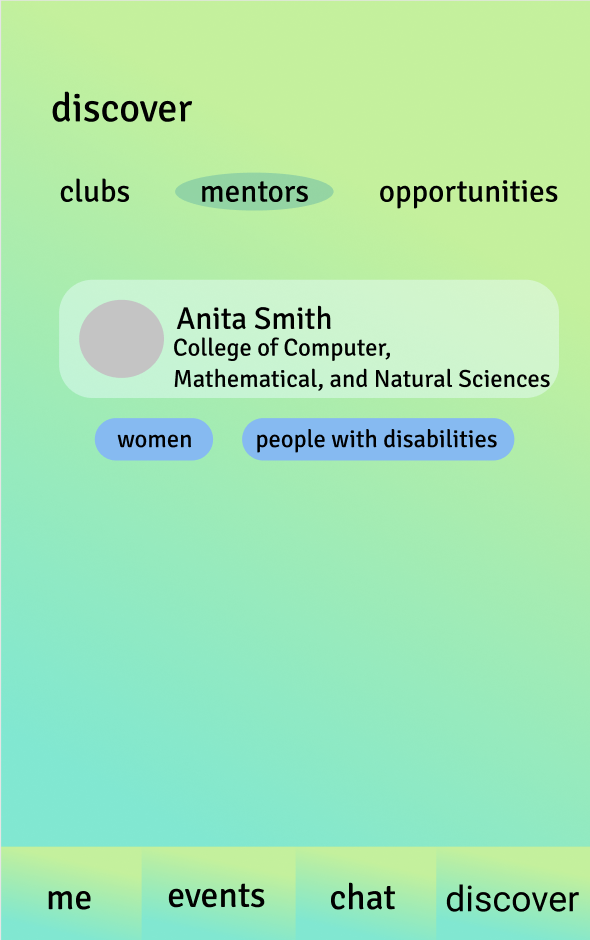
discover mentors
-
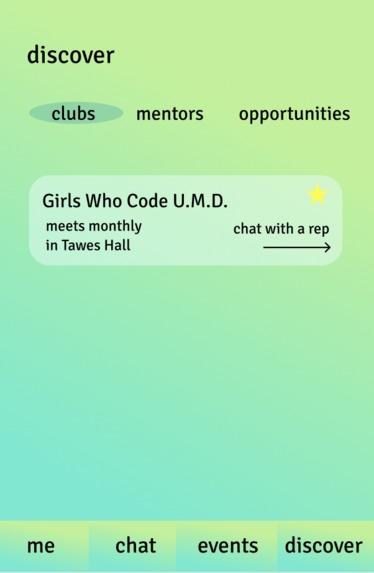
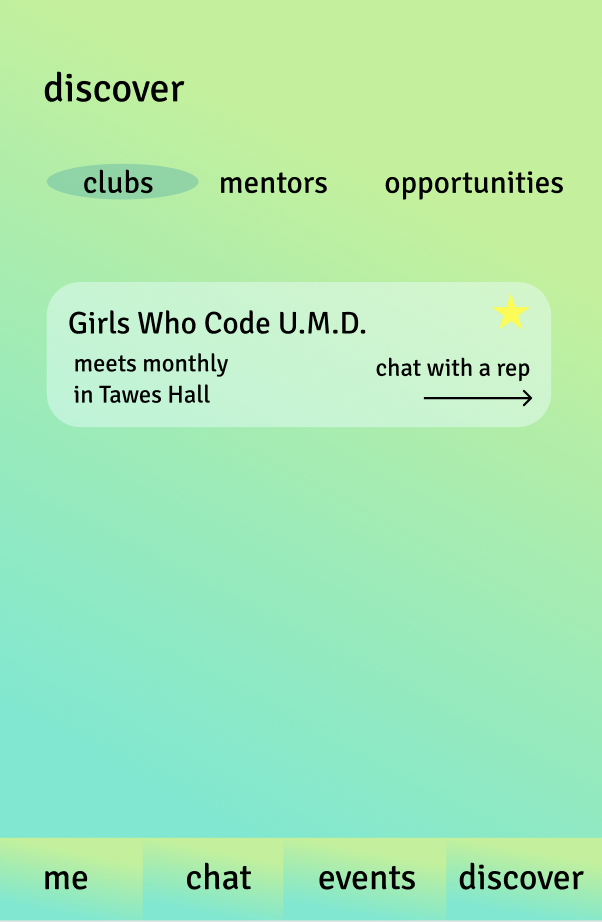
discover clubs
-
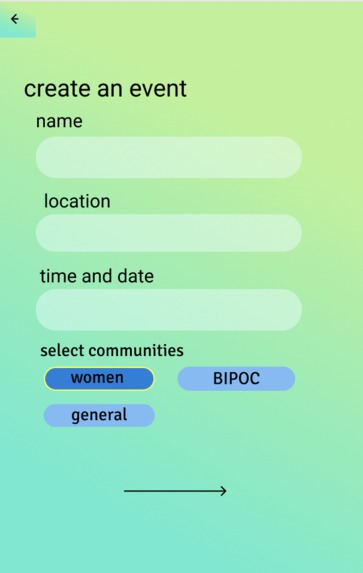
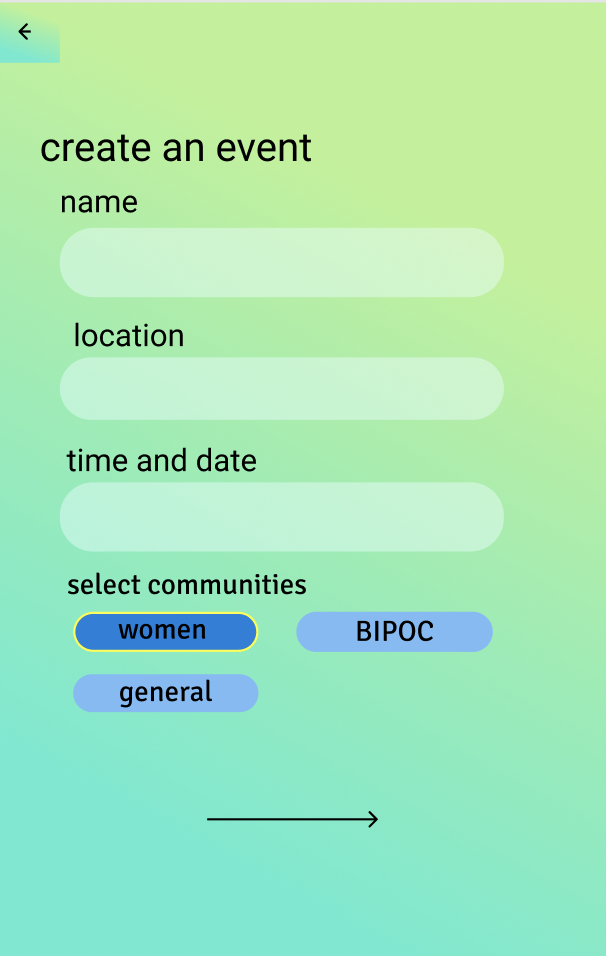
create event
-
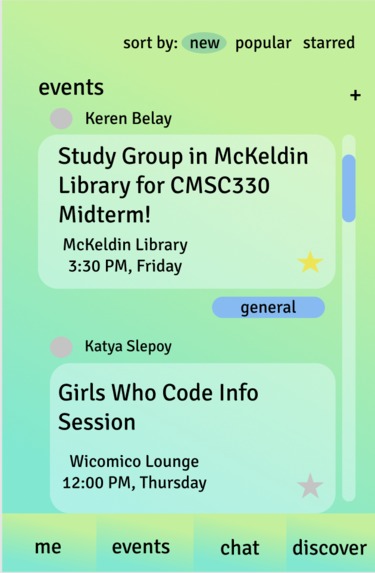
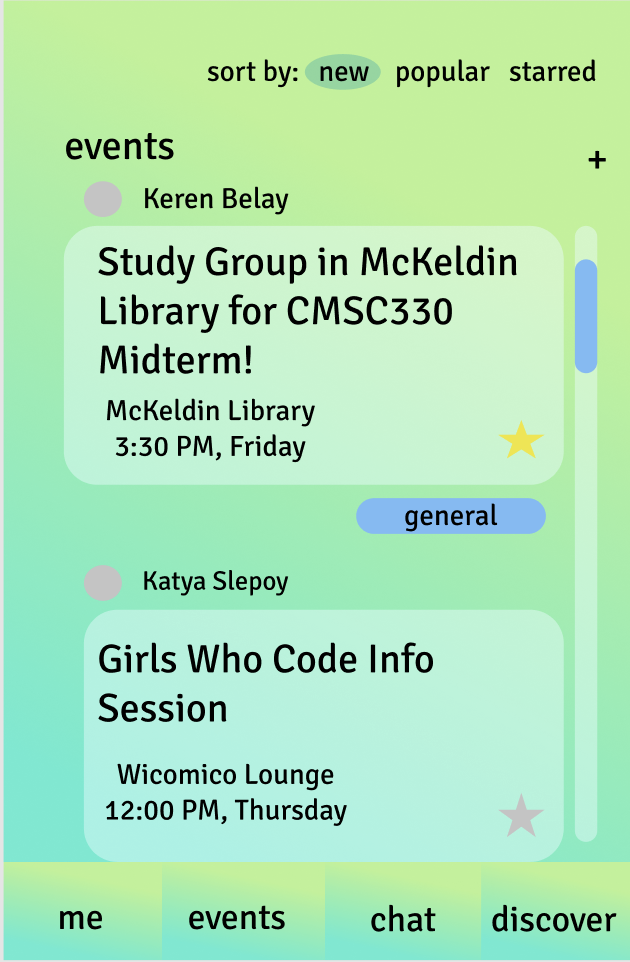
events
-
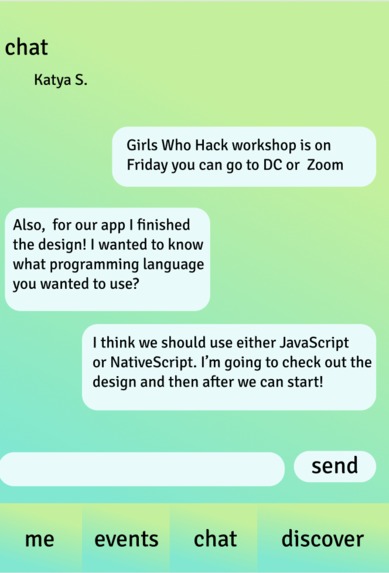
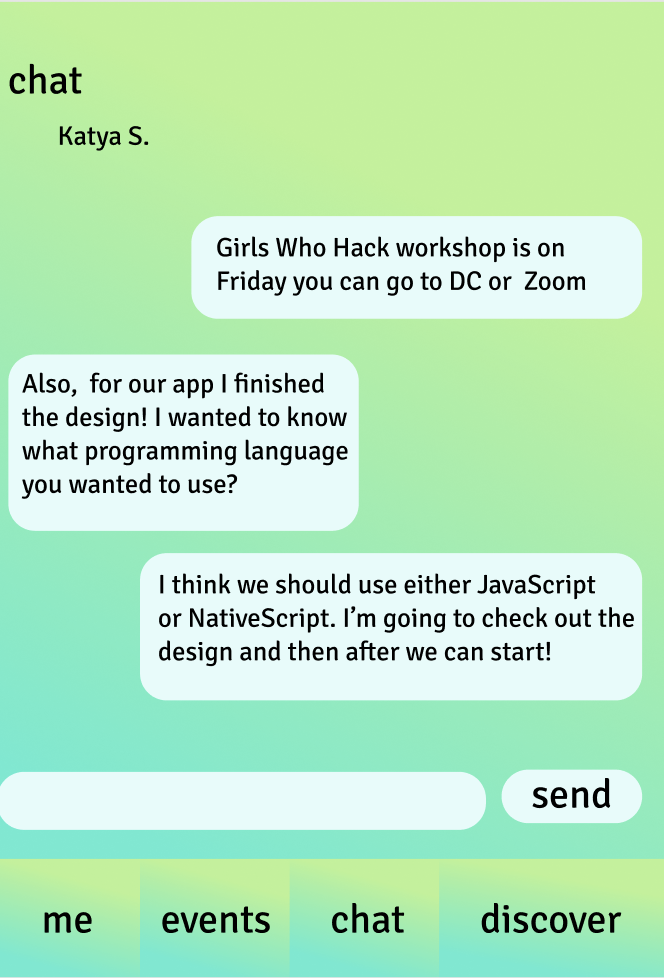
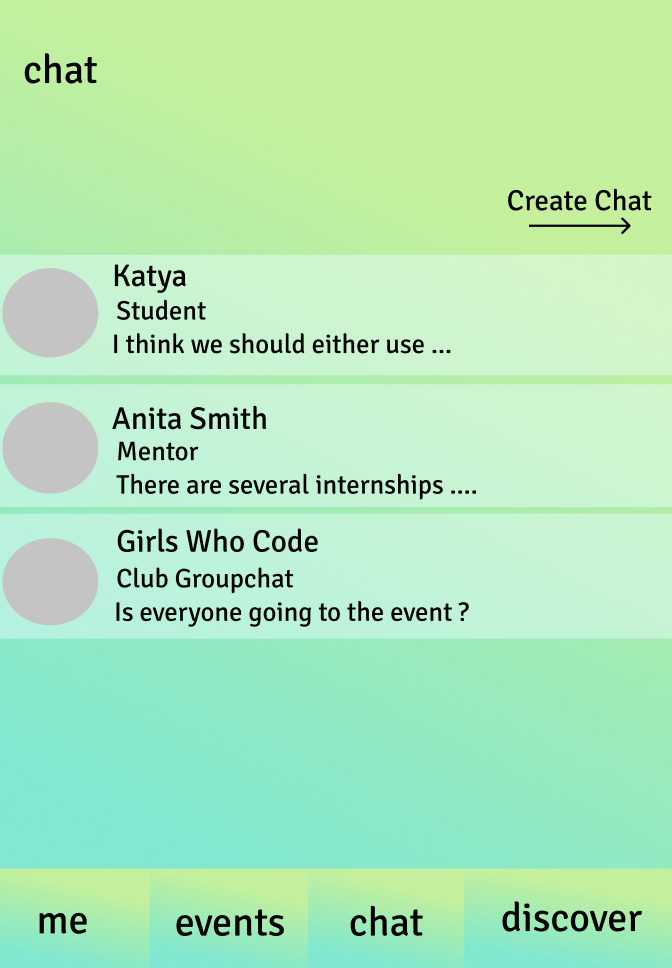
chat
-
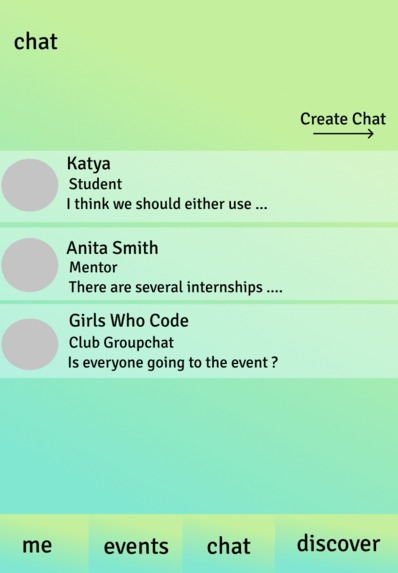
chat
Inspiration
In our first semester as a computer science students, we were in a large lecture hall. The class was Programming 1. We looked around. We could count around 7 women out of 300 students. At the end of the lecture, our professor asked all of the women in the room to stay late and dismissed the rest of the class. He then invited us to network with each other, telling us that he understands that we're in the minority and he was giving us an opportunity to connect and learn together. This is where we met each other! Keren and I decided to base this app off that concept, allowing S.T.E.M. students to connect with each other in a centralized, easy to use application.
What it does
On sign up, the user chooses their institution and whether they are a student or a mentor. They then can choose to subscribe to communities, like LGBTQIA+, women, BIPOC, and others. These communities help match the user with events, mentors/mentees, clubs, and more. Joining communities is optional, and all users will see events tagged with the "general" flag. If a post is not marked general, it will only be visible to those who have joined the flagged community.
How we built it
We started working on the front end design on Figma. We wanted to have most of the pages designed and planned before we started writing any code. From there we went on to use Angular to build a web-app version of the site, although the eventual goal would be to have an iOS and android app as well. We populated this with test data to start, then built the skeleton of a Spring API at the end to hook up the events page.
Challenges we ran into
Neither of us are strong in HTML or CSS. We understand logic and event binding, but actually making the website look like our design was difficult for us.
Accomplishments that we're proud of
We are proud of the idea! This is an app both of us actually want to use. We hope we will be able to finish and fully deploy it so students can get connected and feel supported.
What we learned
We were able to improve our skills on front end development. We learned about how to plan and manage our time effectively and not get overwhelmed. We also learned how to communicate our needs and plans so the project could run smoothly.
What's next for TakeBackTech
The next steps would be to finish connecting the site to the API, then to write front ends that can be deployed as an iOS and Android apps. From there, we hope to get students across the nation signed up and ready to Take Back Tech!

Log in or sign up for Devpost to join the conversation.