
Inspiration
We’ve always believed there is no better medium than XR for learning movement. Tai Chi—like dance-based rhythm games—is inherently spatial: it’s about how your hands, arms, legs, and breath travel through space. Existing Quest apps felt neither engaging nor authentic, yet user feedback across wellness apps showed something powerful: these experiences can genuinely improve people’s lives by easing stiffness, enhancing mobility, and supporting daily mindfulness.
What it does
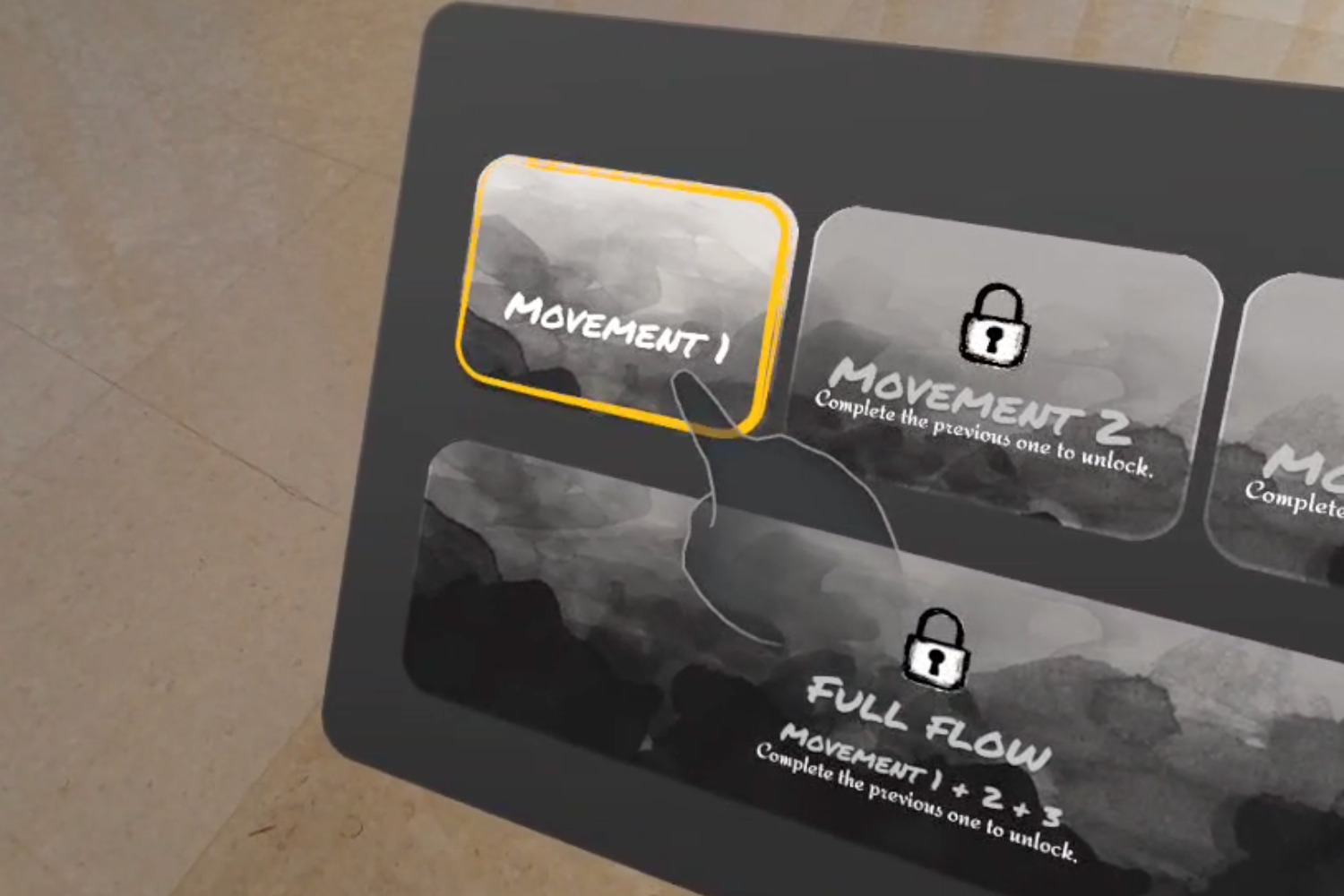
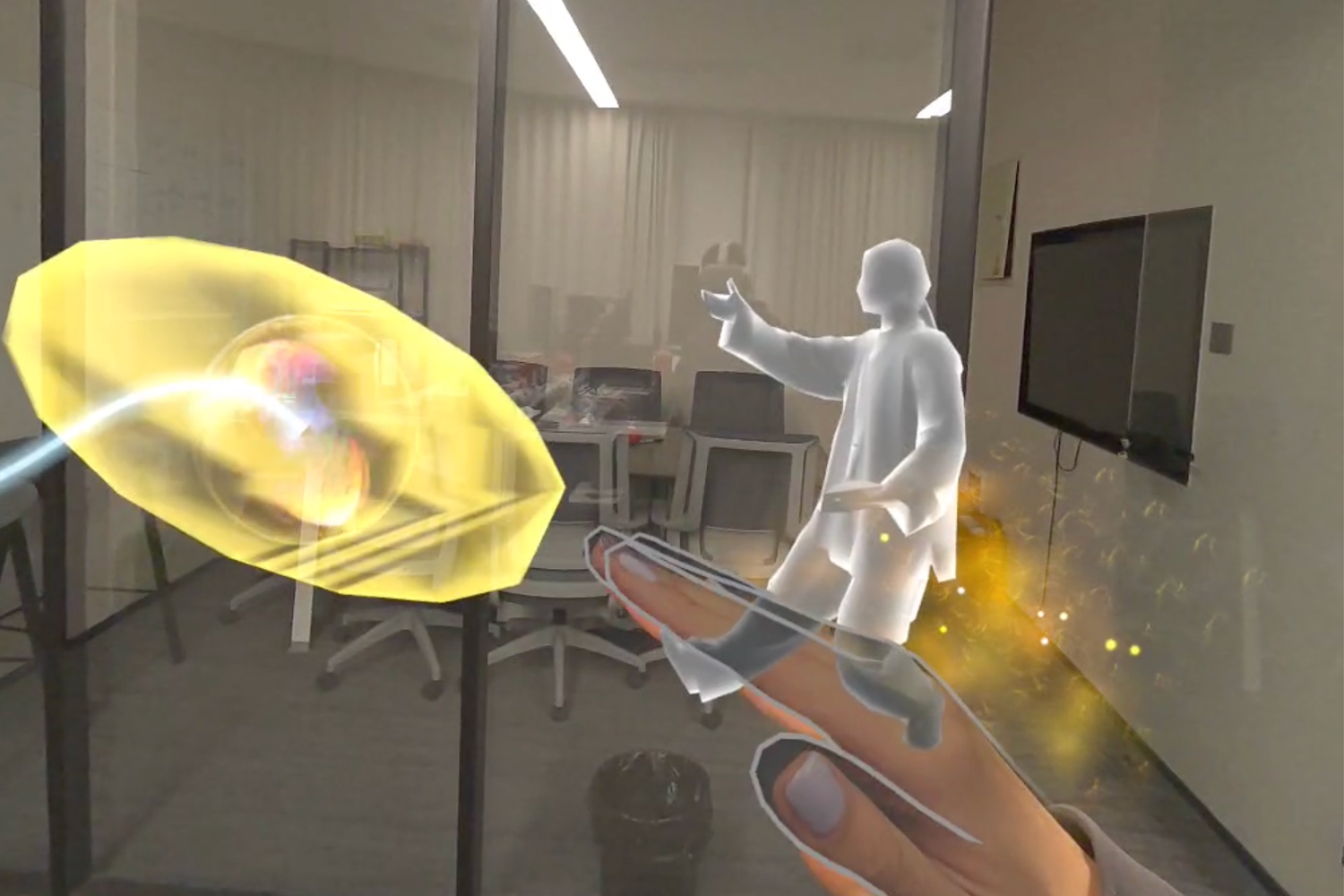
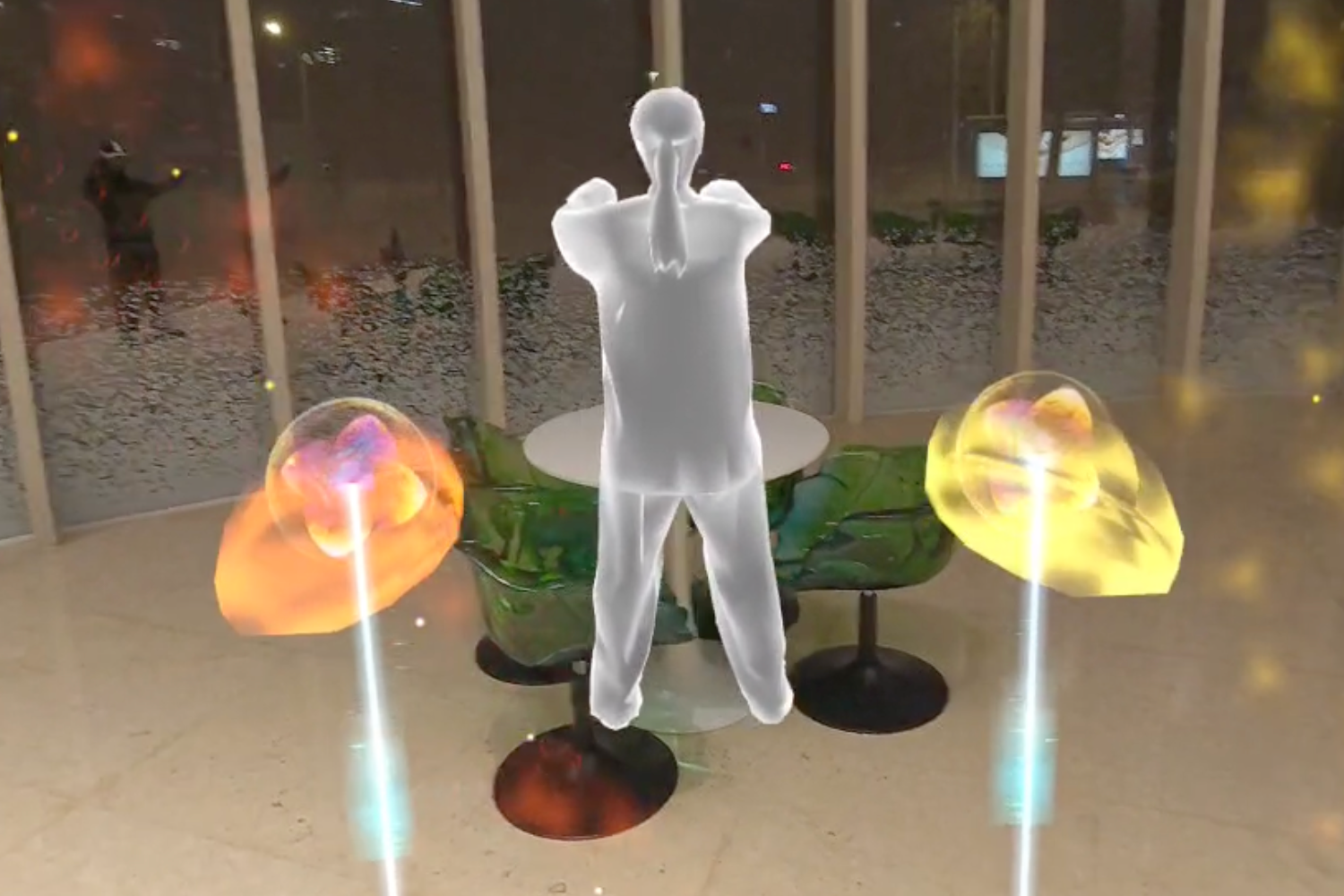
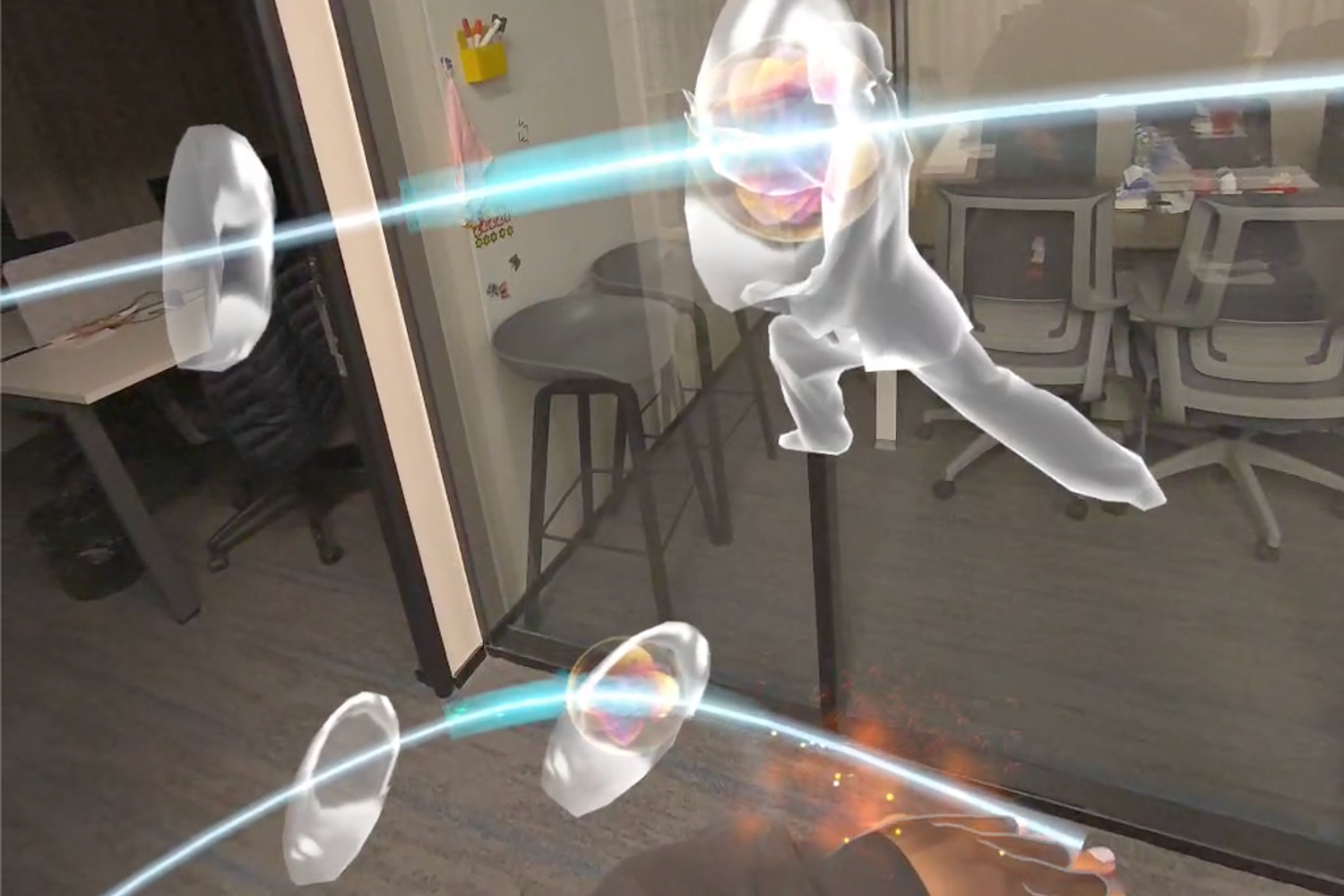
Taichi Flow visualizes hand and foot movements directly in 3D space, making Tai Chi intuitive and immersive. Users can learn the 24-form sequence; we currently support the first six movements.
How we built it
Taichi Flow is built in Unity, supported by AI-assisted tools to interpret, visualize, and refine accurate Tai Chi motion paths.
Challenges we ran into
A core challenge was teaching Tai Chi in XR without overwhelming the user. Too much visual information becomes chaotic; too little makes learning ineffective. Finding the balance between clarity and simplicity was key.
Accomplishments that we're proud of
We’re proud that even an early build of Taichi Flow already feels fun. Users can immediately understand how their movement relates to the flow in XR.
What we learned
Full-body movement is more complex than expected, but XR provides a unique way to visualize intention, rhythm, alignment, and flow.
What's next for Taichi Flow
- Complete the full 24-form sequence
- Add new modes: rhythm-game-style modes, free-flow modes with softer scoring, and breath-focused modes
- Introduce more dynamic guidance and visualization styles
- Integrate deeper breath and mindfulness cues
- Build long-term habit loops inspired by wellness apps
Built With
- hands
- metaspatialsdk
- mixedreality
- unity


Log in or sign up for Devpost to join the conversation.