-
-

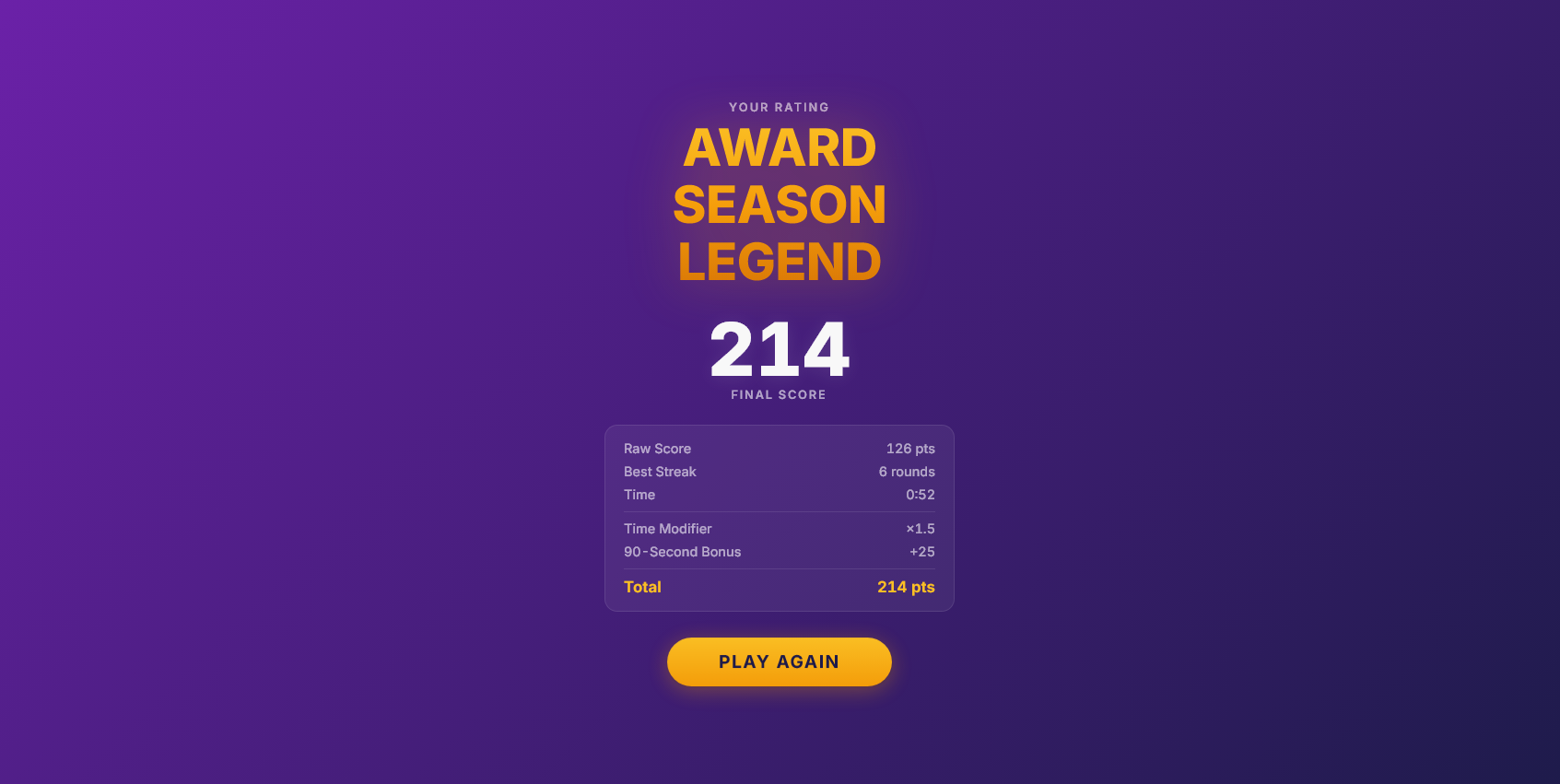
Score multipliers
-
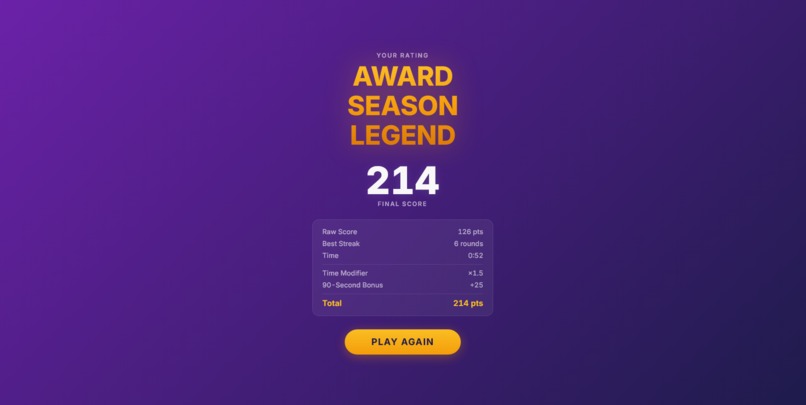
Win it All!
-
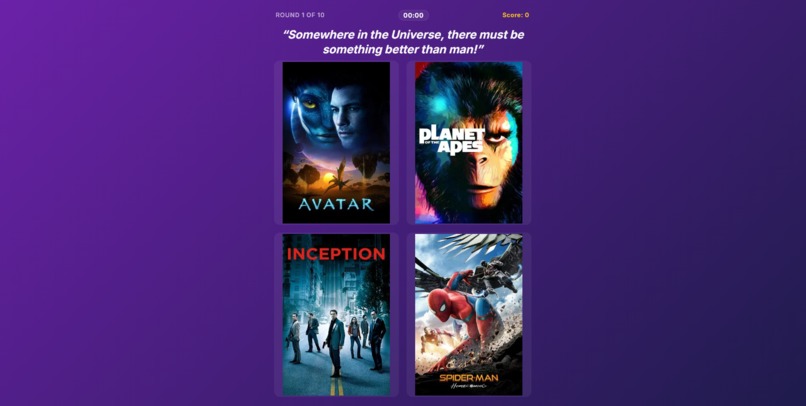
From new release to classics
-
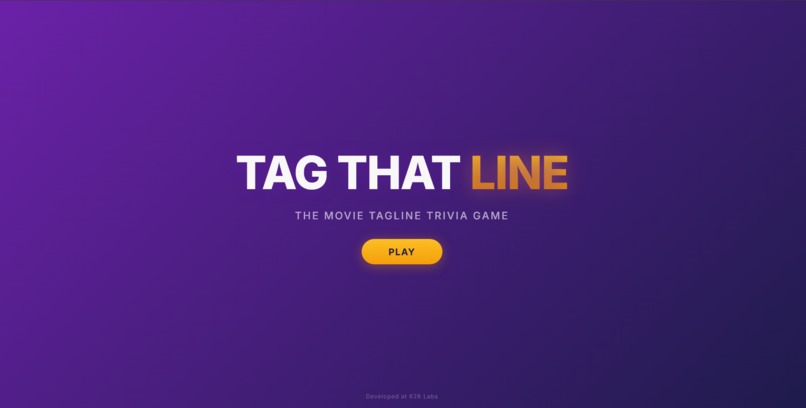
Tag that line!

Inspiration
I was sitting in the office at the Denton Movie Tavern when I looked over at Chris Carter and said, "You like movies, and games, and word games. How about a game where you have to connect the tagline for a movie to the poster?"
What it does
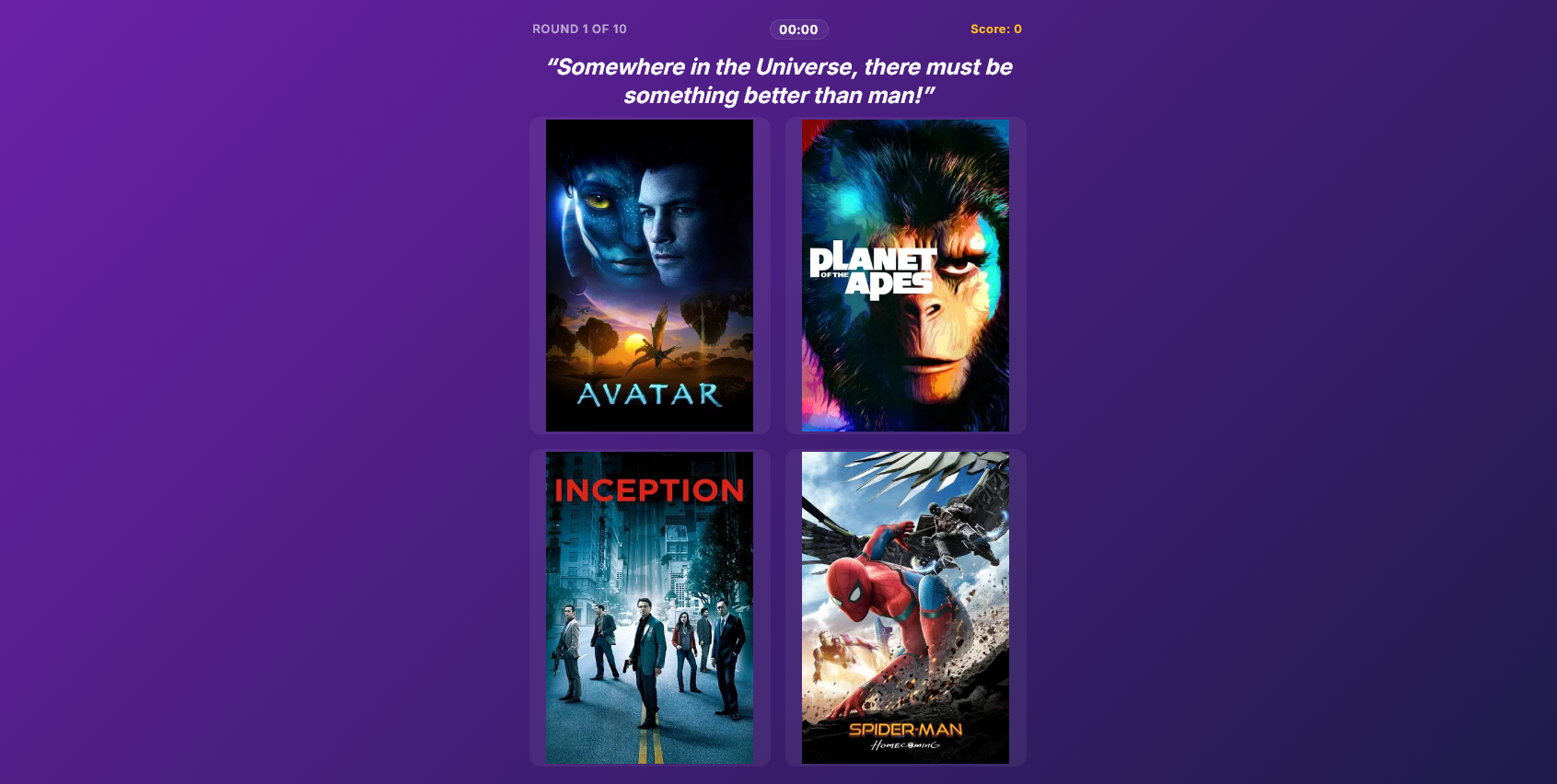
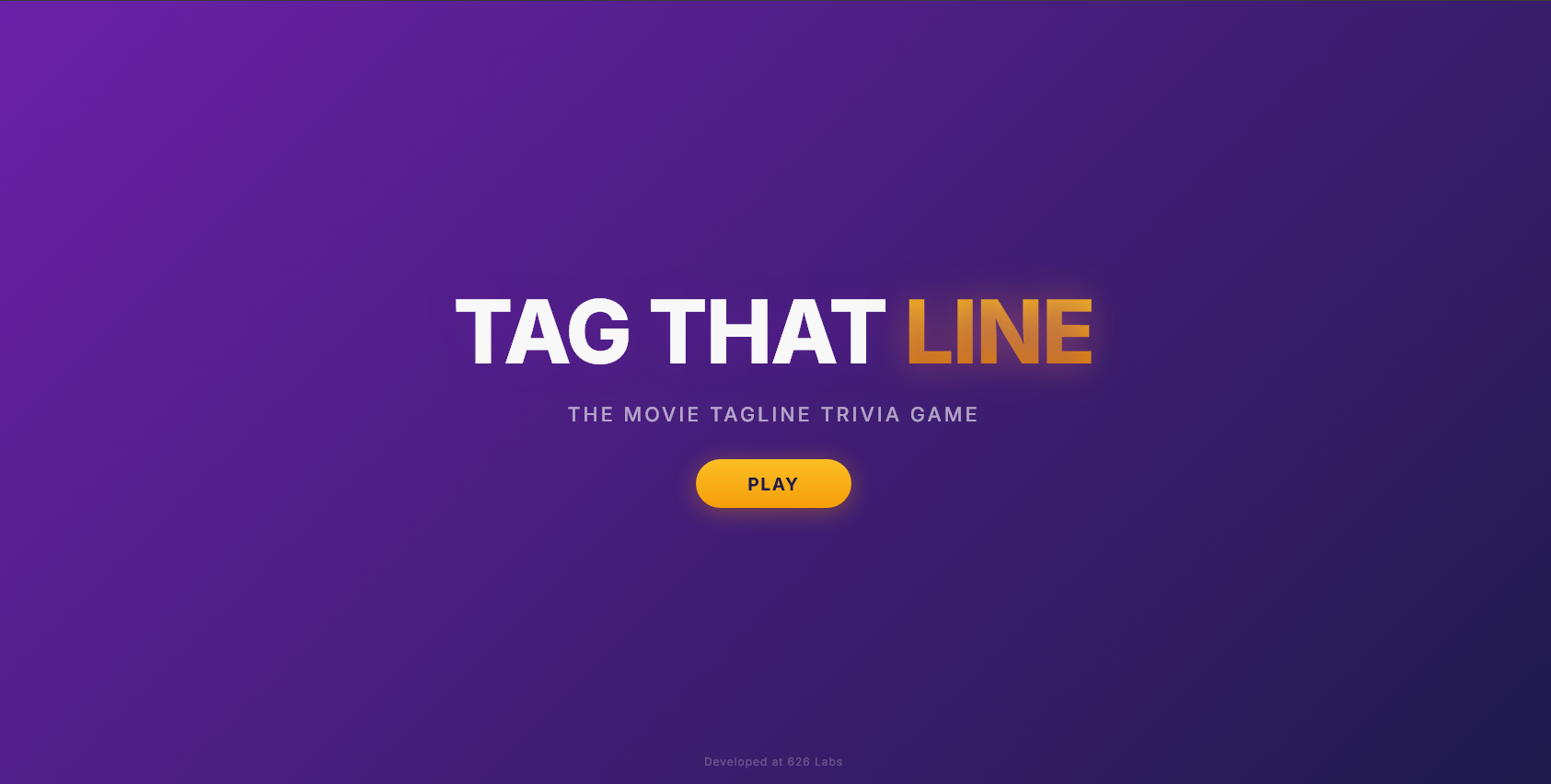
Tag that Line is a movie tagline trivia game. You read a famous tagline and pick the correct poster from four options — 10 rounds per session. Nail it on the first tap for 5 points, build consecutive streaks for multipliers, and race the clock for a time bonus. At the end, you get a full score breakdown and a movie-themed rating from "Straight to DVD" to "Award Season Legend."
Why we built it
There's a gap in the market. Tagline Toss Up is text-only. Movie Geek does progressive-reveal trivia. Sporcle has tagline quizzes in spreadsheet format. Nobody is doing the visual match — tagline meets poster in a polished, designed experience. Tag that Line was built to fill that gap with a game that has real personality: purple-to-navy gradients, gold accents, and movie-themed roast ratings that make you want to screenshot your score.
How we built it
The entire project was built using spec-driven development — scope document, product requirements, technical spec, and a sequenced build checklist — all before writing a single line of code.
Stack:
- Frontend: React + TypeScript + Vite — state machine architecture with four views (start, countdown, gameplay, results)
- Backend: Express + TypeScript deployed as a Firebase Cloud Function — loads 1,870+ movies from a shared Firestore database, assembles randomized sessions with genre-matched decoy posters
- Data: Firestore collection with 175 tagline movies and 1,868+ poster movies from the guestbuzz-cineperks shared content database (the same database powering CinePerks, Reel Words, Reel Battles, and Box Office Heads Up)
- Deployment: Firebase Hosting (frontend) + Cloud Functions (backend API)
- Design: CSS custom properties for the theater-lobby aesthetic — purple-to-navy gradient, gold accents, premium typography
The game fetches a single API payload at the start of each session and runs entirely client-side after that — zero server calls during gameplay. Scoring, streaks, timer, and ratings all compute in the browser.
What we learned
Spec-driven development works. Every screen, mechanic, and scoring formula was documented before building. When we hit deployment issues — the Firebase client SDK had connectivity problems in Cloud Functions — the clean separation of concerns made it easy to swap the data layer to a REST API without touching game logic. The plan adapted to reality, and that's exactly what plans are for.

Log in or sign up for Devpost to join the conversation.