Inspiration
There has been an instance where one of our team members witnessed a visually impaired individual struggling to navigate the PGCLL building, nearly colliding with another person while attempting to locate the proper door and stairwell. This highlighted the significant challenges caused by the lack of accessible guidance systems. This firsthand experience inspired us to develop a solution that promotes independence and ensures everyone can navigate campus buildings safely and confidently.
What it does
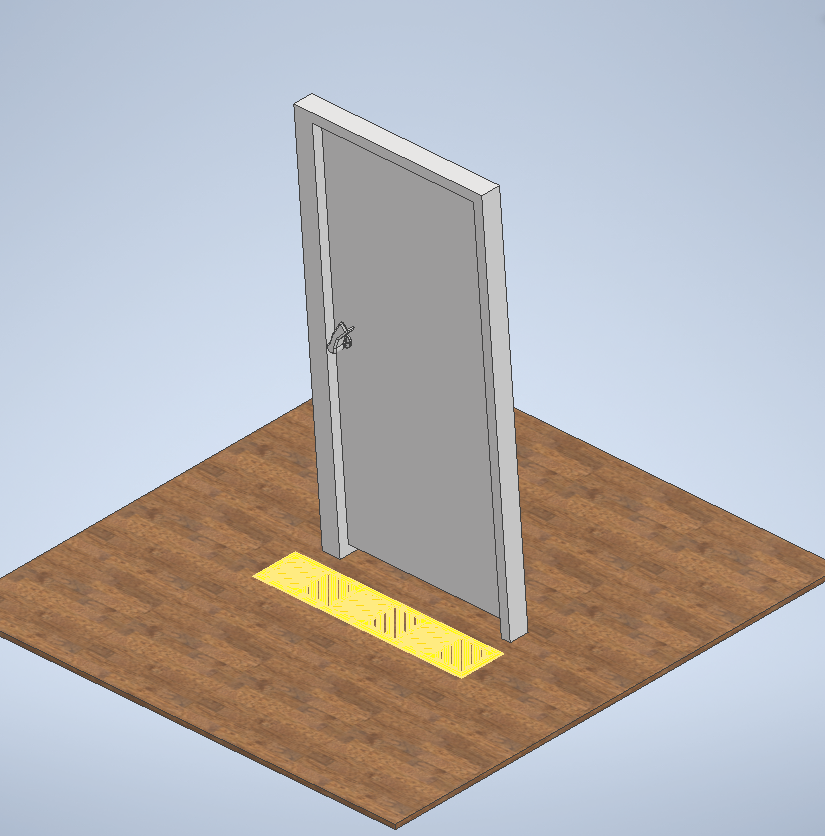
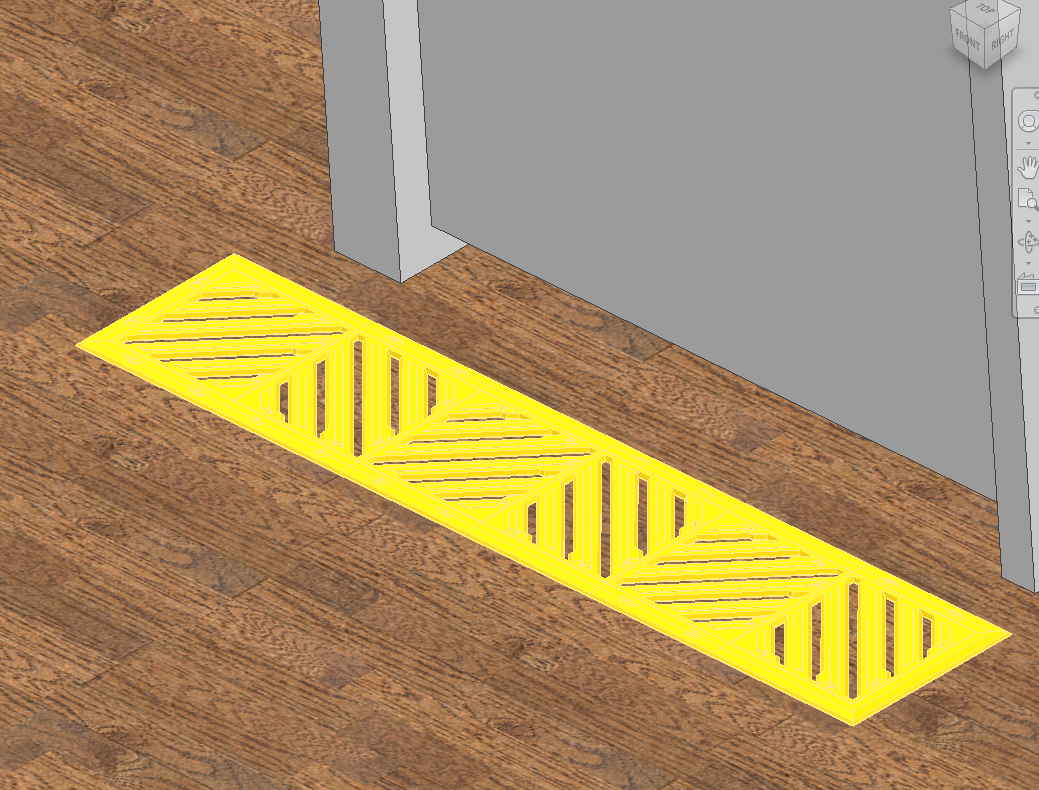
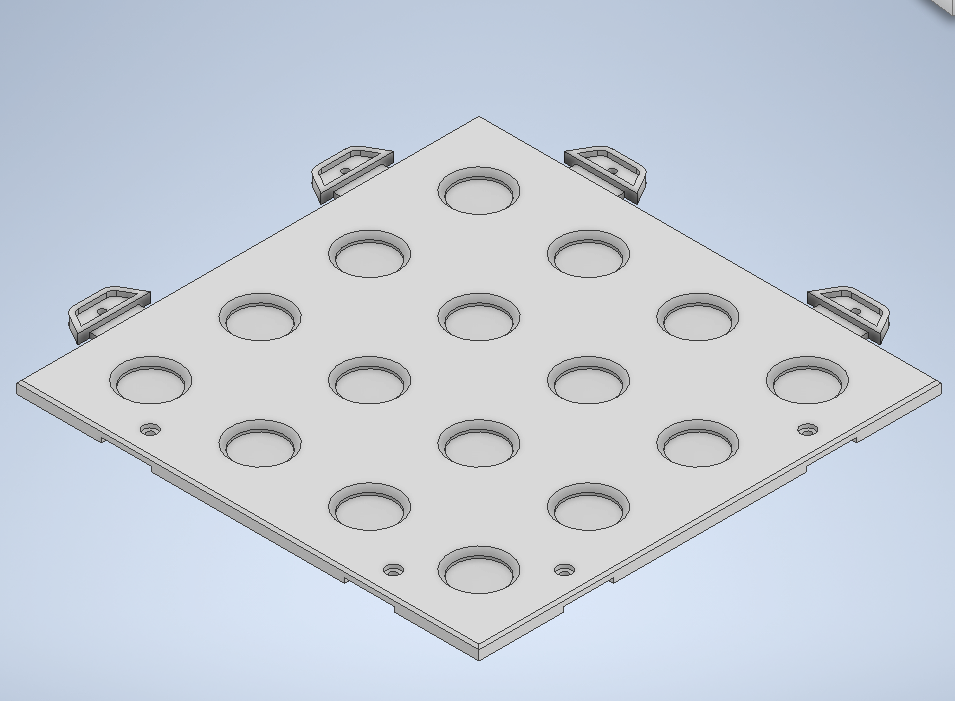
Our solution introduces Braille signage and tactile markers to key areas of PGCLL, including staircases, washrooms, entrances, and exits. By providing location-specific, tactile information, visually impaired users can navigate independently, safely, and confidently.
How we built it
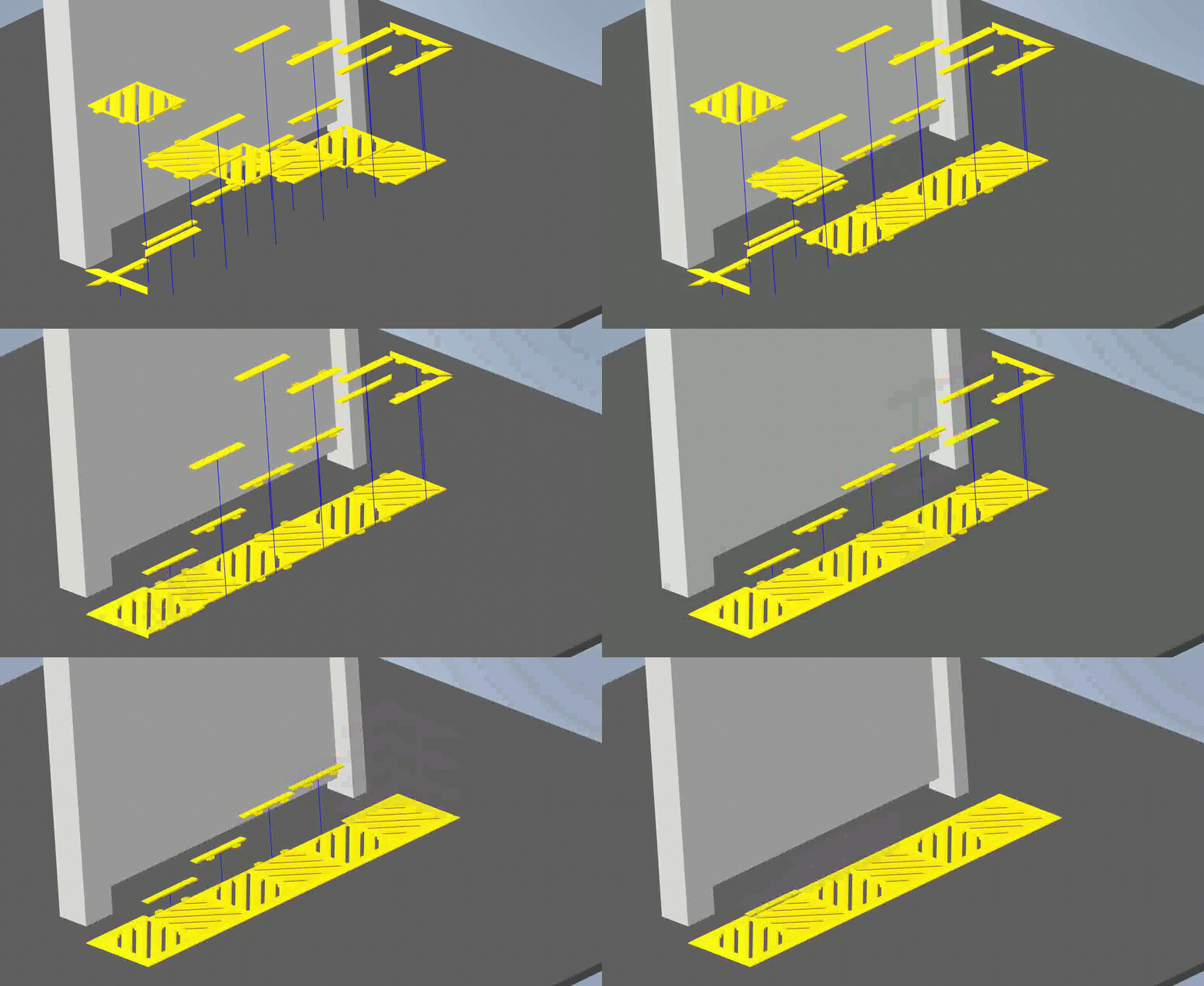
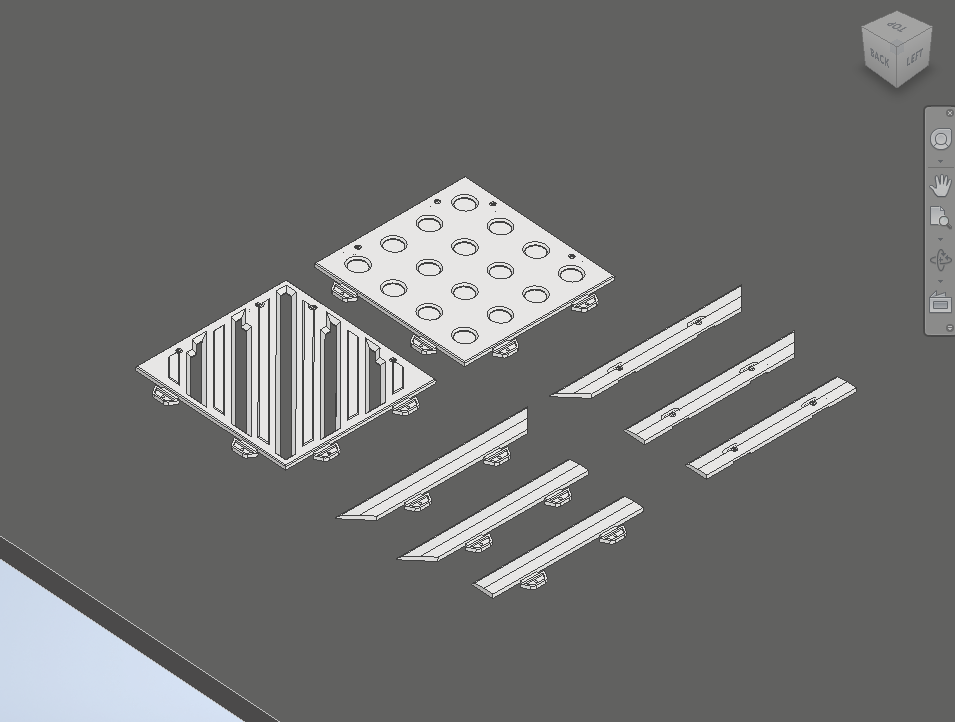
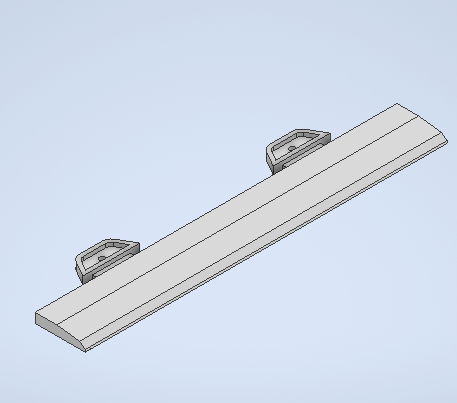
We designed tactile markers and Braille signage using accessibility guidelines, ensuring readability and durability. The designs are made for 3D printing or manufacturing with materials like acrylic or metal, making the solution scalable and cost-effective.
Challenges we ran into
- Ensuring compliance with Canadian accessibility standards.
- Designing signs that balance functionality with aesthetics.
- Selecting materials durable enough for high-traffic areas while remaining affordable
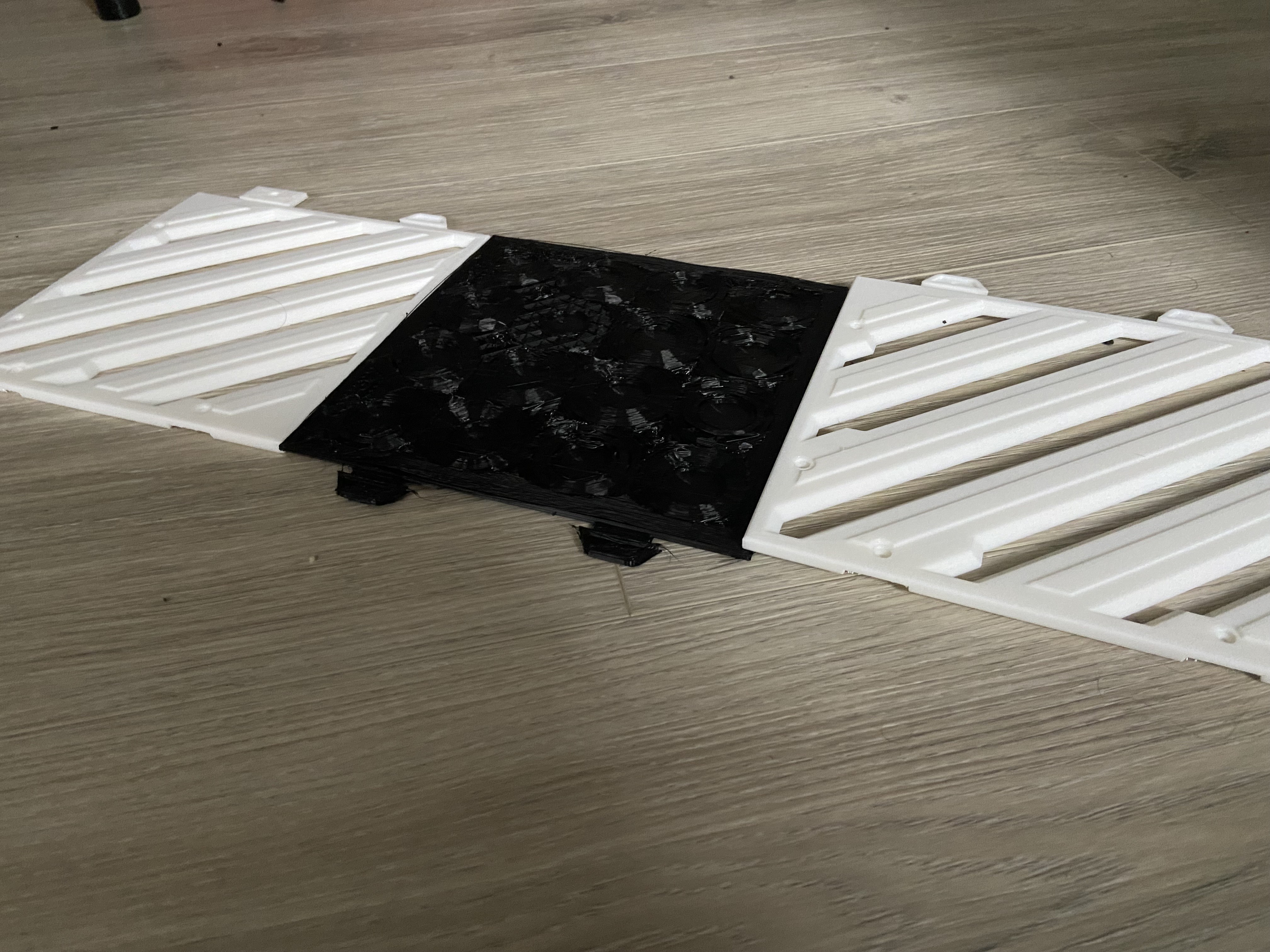
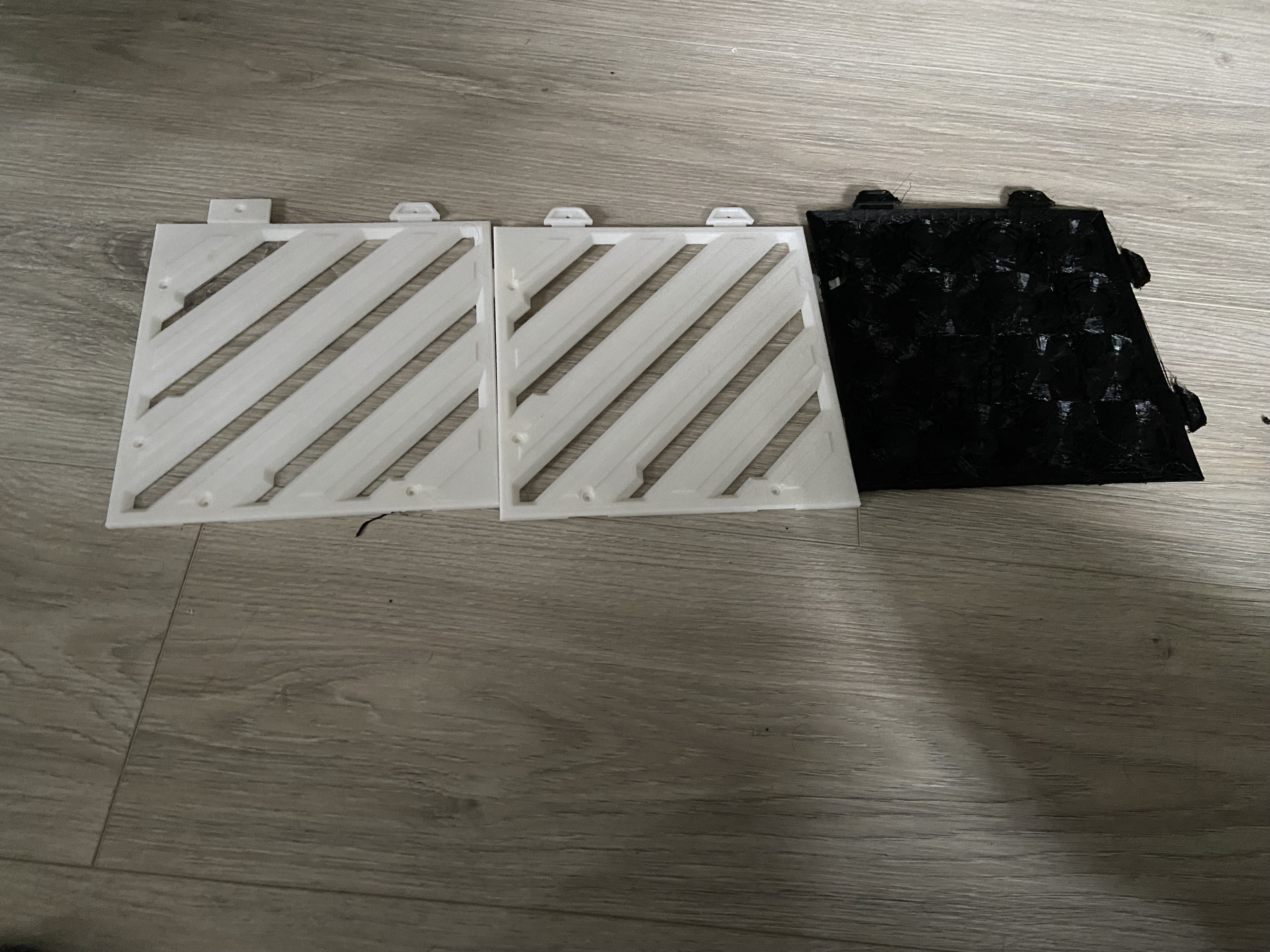
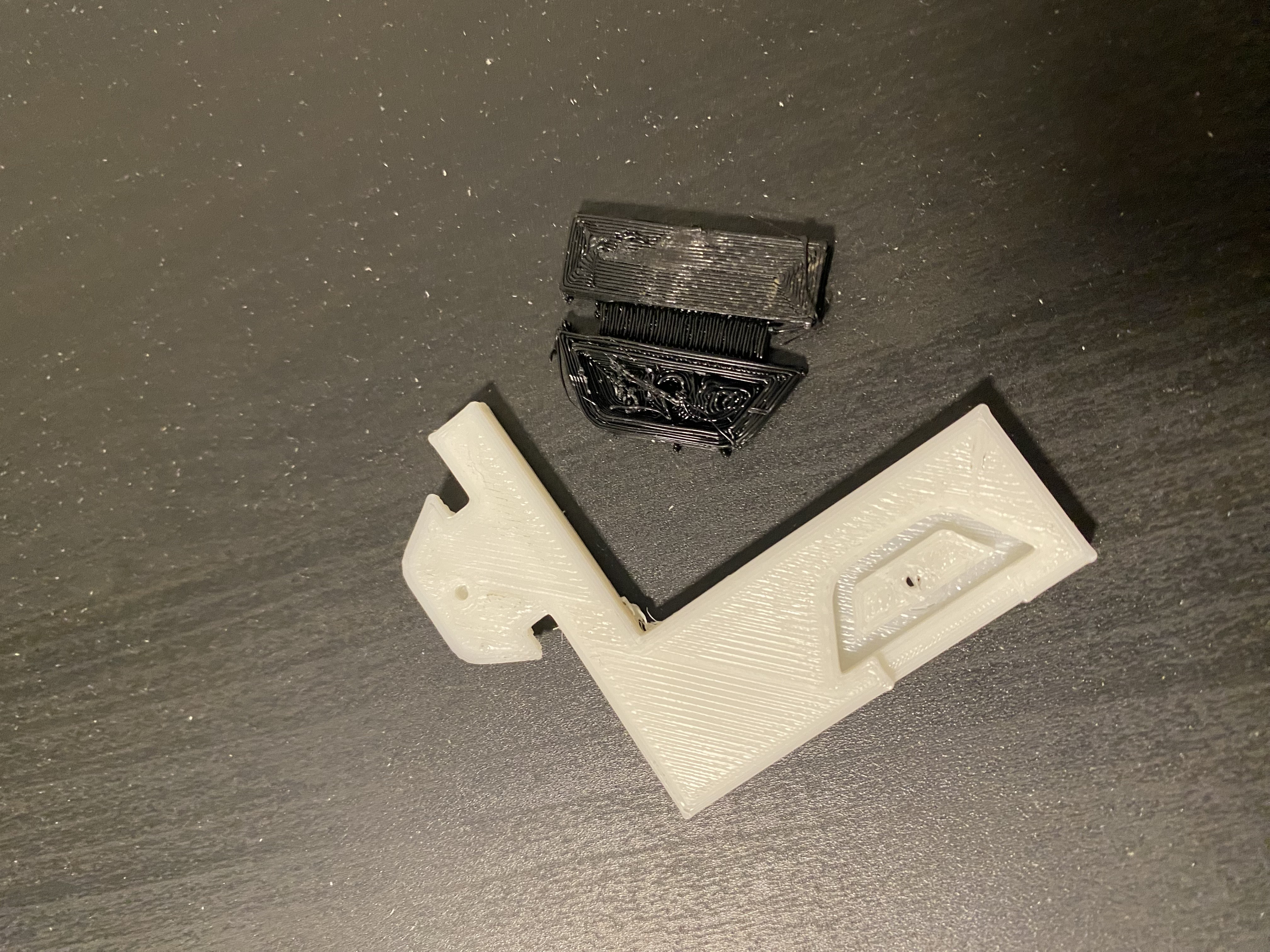
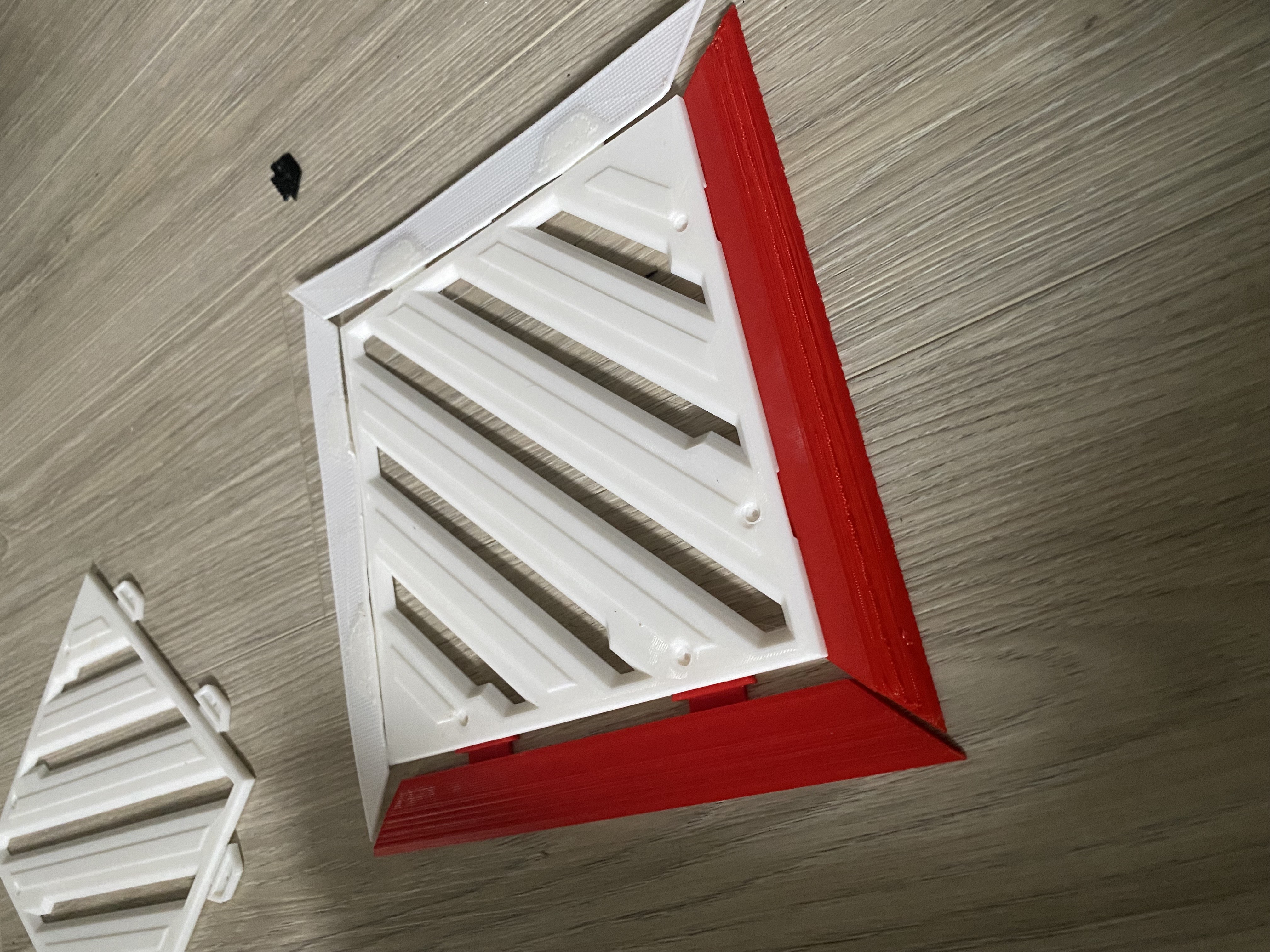
- 3D printing all complete parts
Accomplishments that we're proud of
- Successfully designed signage that aligns with universal design principles.
- Developed a cost-effective, low-maintenance solution that meets accessibility standards.
- Created a scalable system that can be expanded to other campus buildings and is HIGHLY FEASIBLE
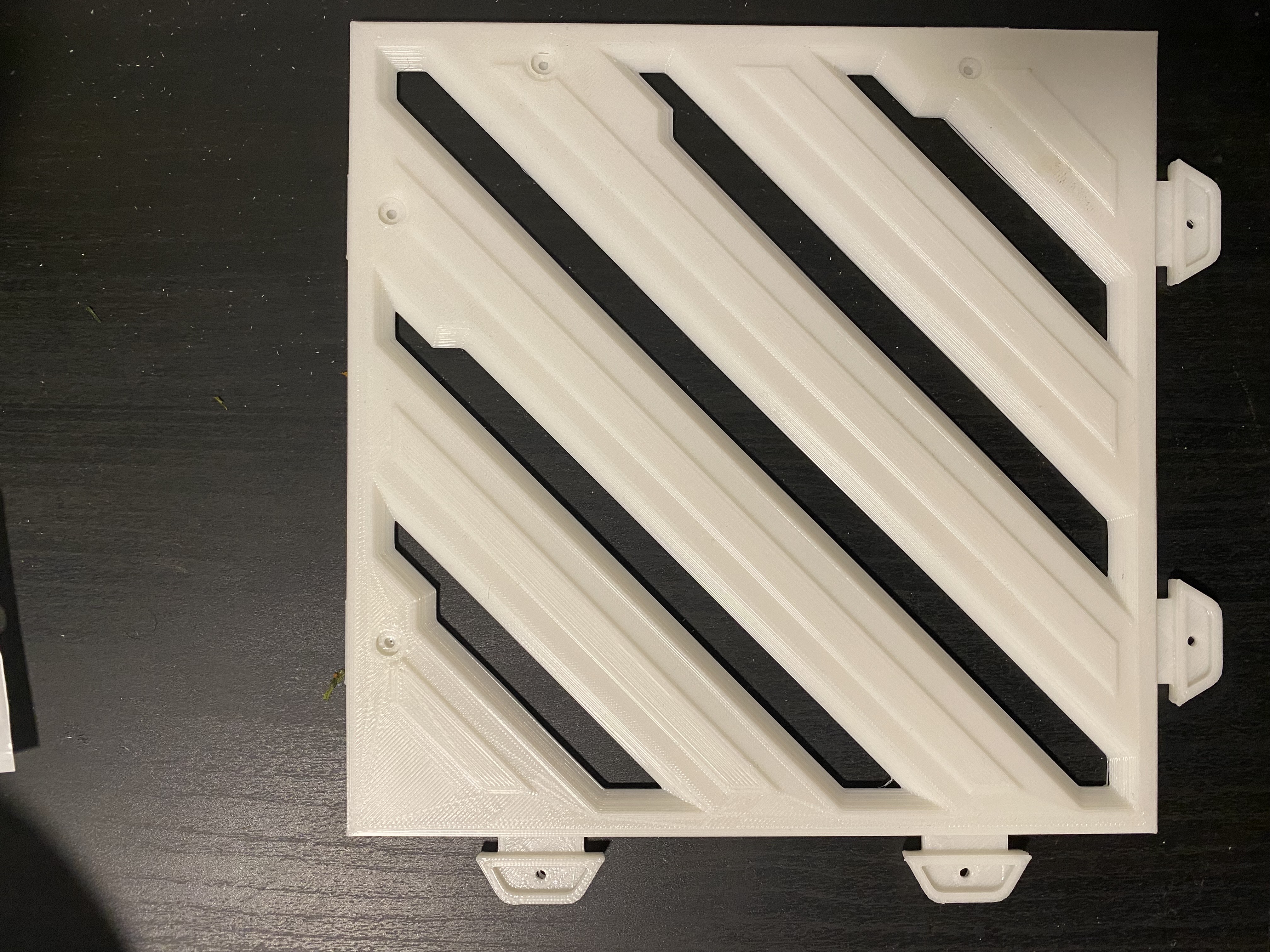
- Printed 2/3 prototypes.
What we learned
We learned the importance of designing for all users, considering not only usability but also durability and aesthetics. Additionally, collaborating with stakeholders like students with disabilities provided critical insights into their needs.
Unique Features:
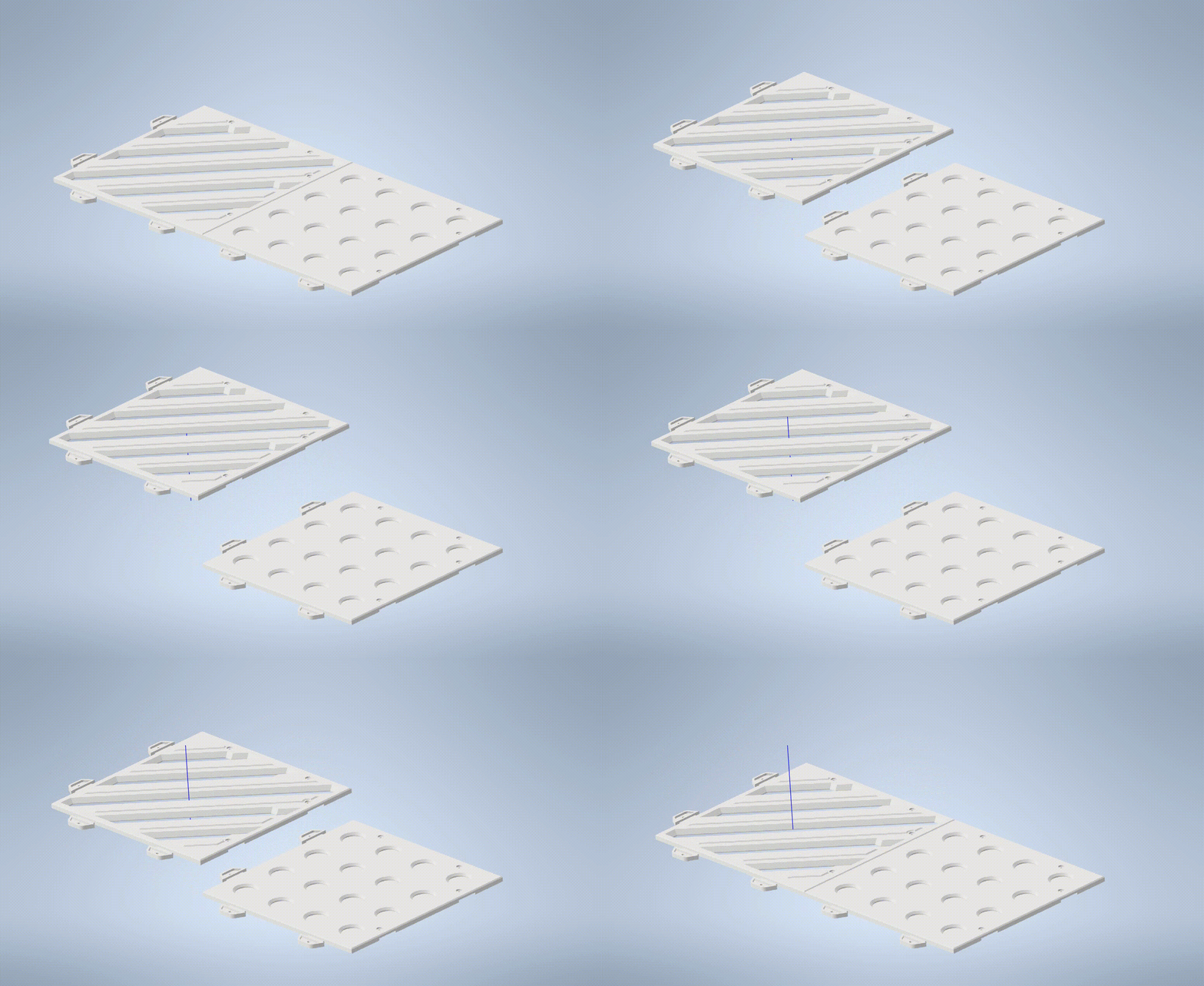
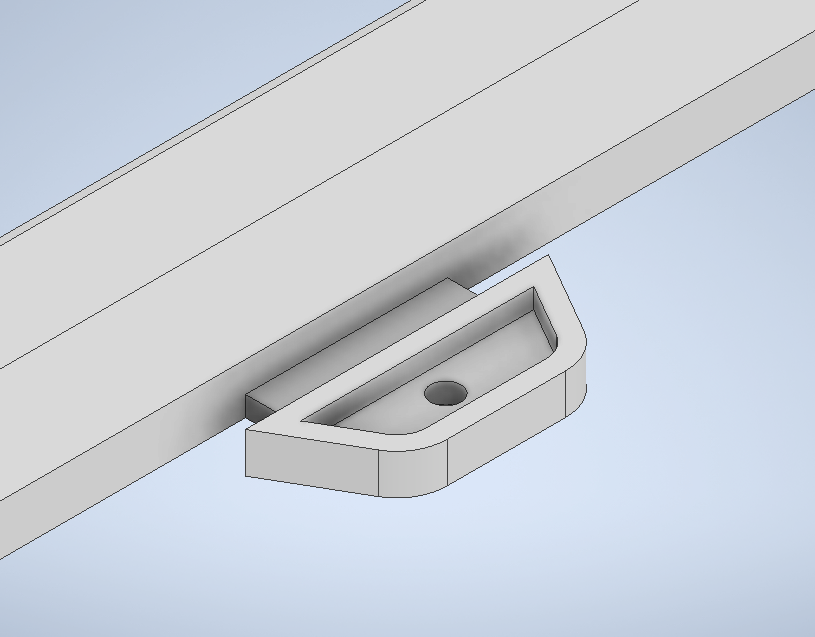
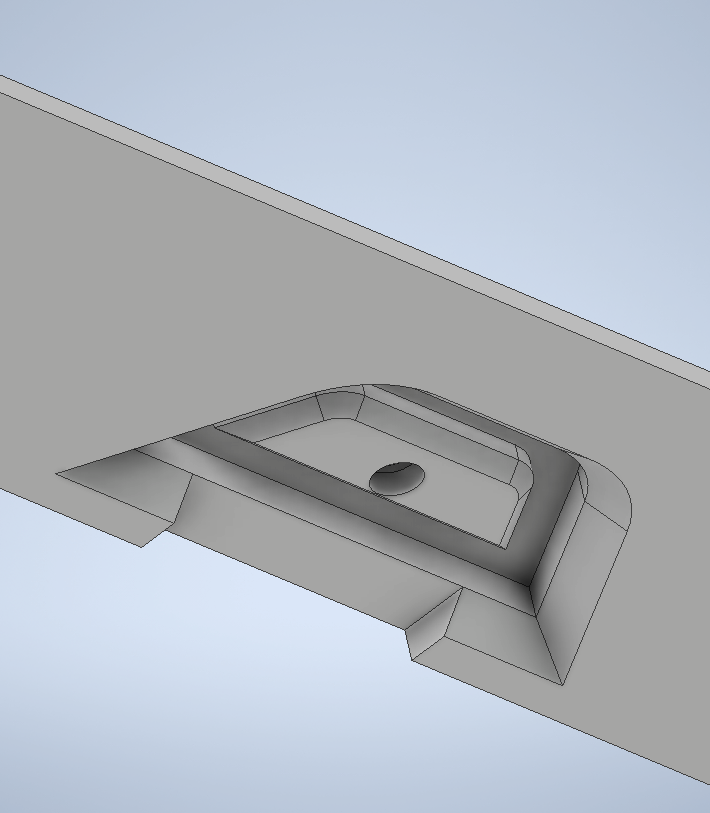
- Proprietary Interlocking mechanism allows for seamless expansion and fit between tiles.
- Allows for increased repairability and installation with nails
- Cheap and affordable design.
- Expandable and ability to be installed in outdoors and indoors.
What's next for our solution
- Expand the tactile guidance system to other areas of McMaster’s campus.
- Introduce tactile floor maps at entrances for more detailed wayfinding.
- Collaborate further with users to refine and improve the design for wider adoption.
Built With
- canva
- inventor


Log in or sign up for Devpost to join the conversation.