-
-
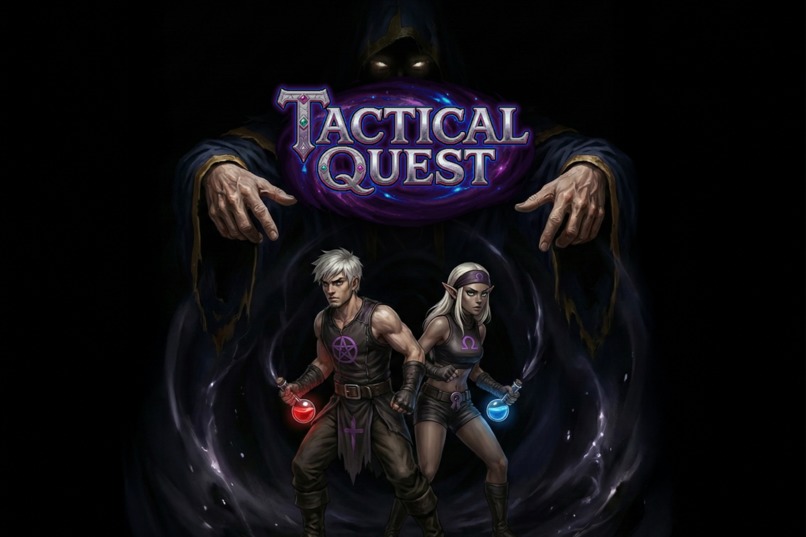
Tactical Quest
-
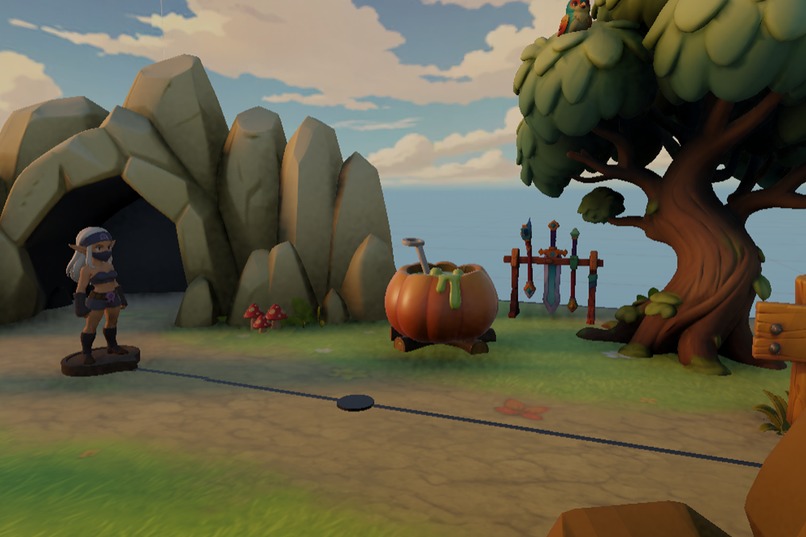
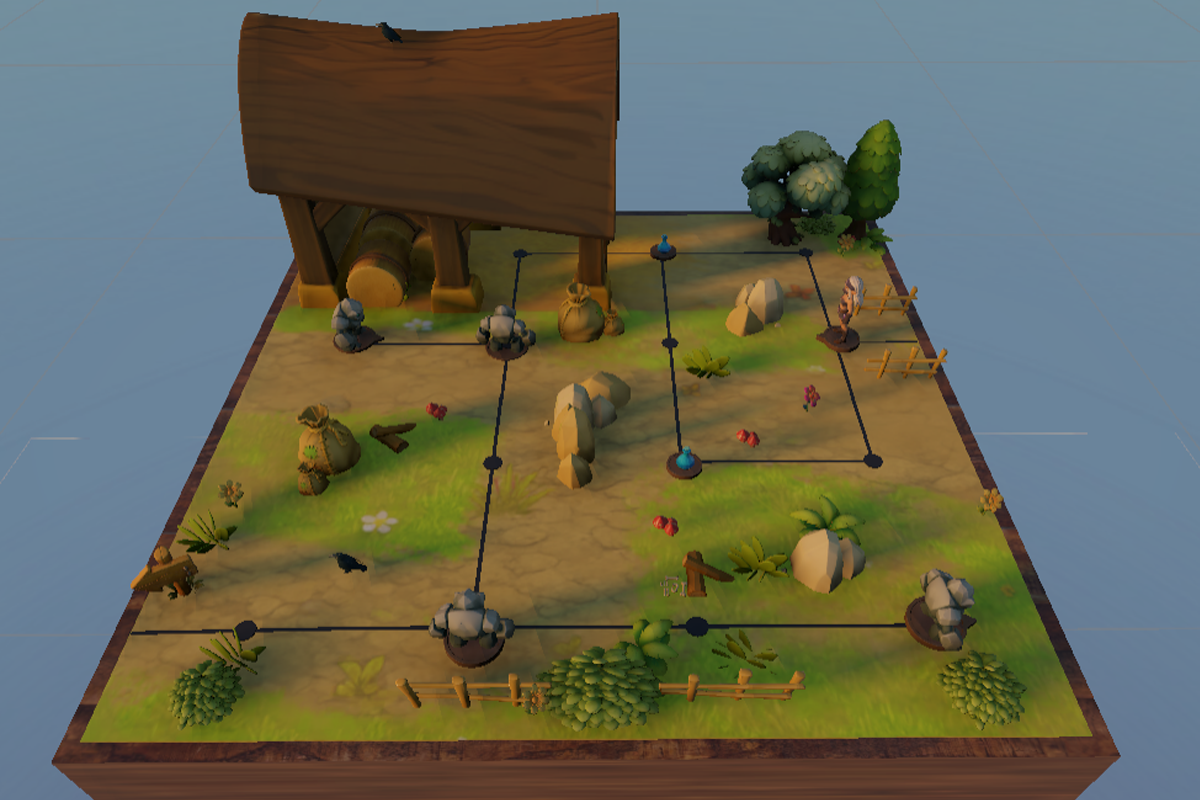
First level, learn basic controls
-
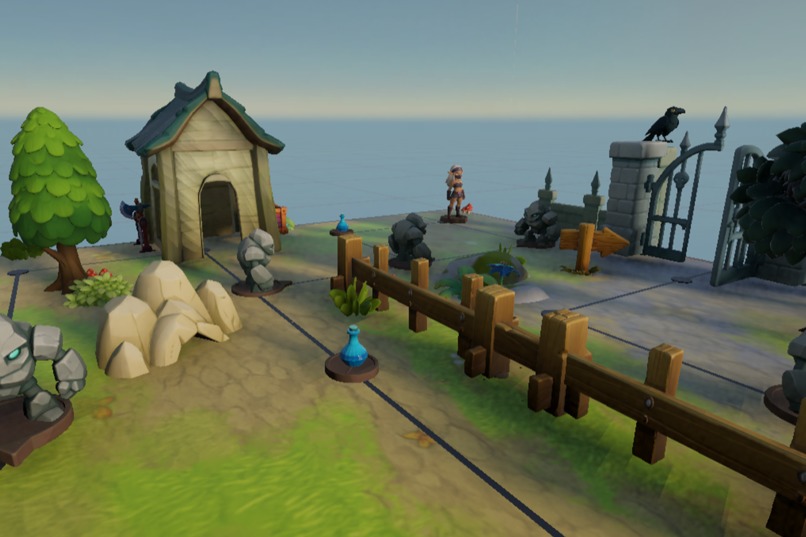
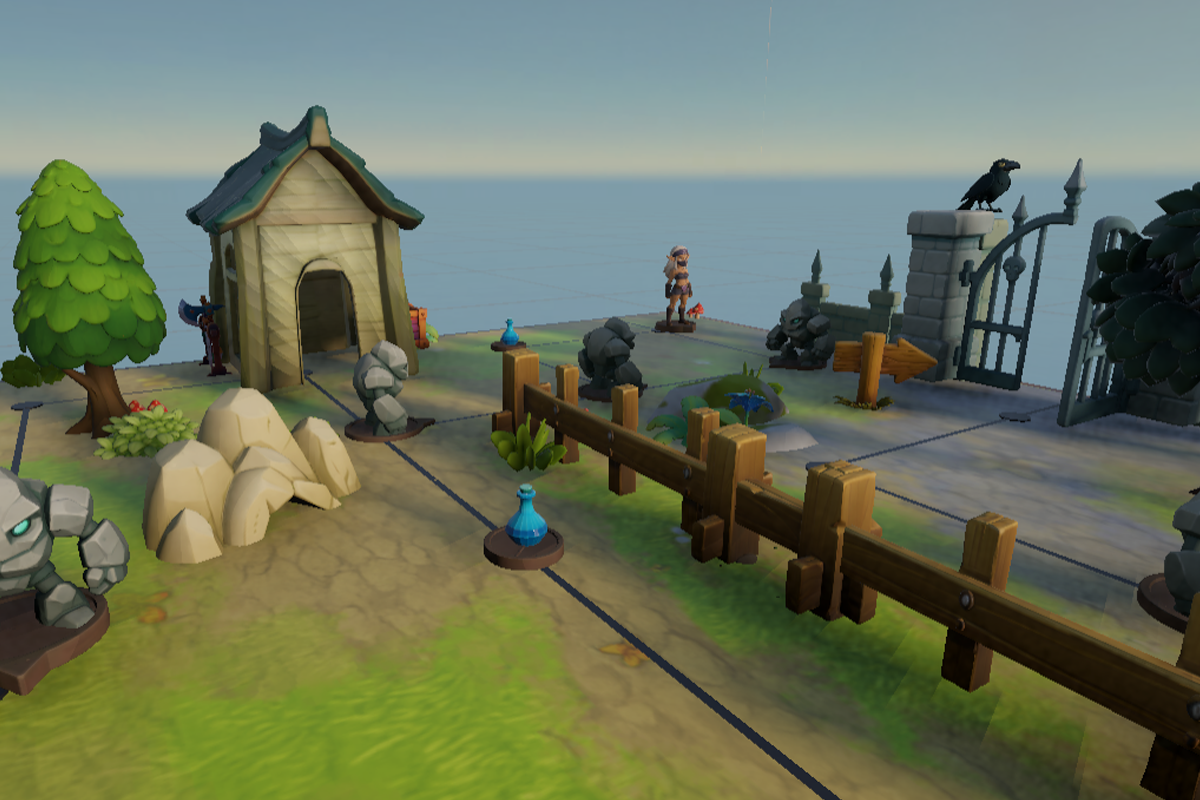
The potion is very useful for moving your enemies.
-
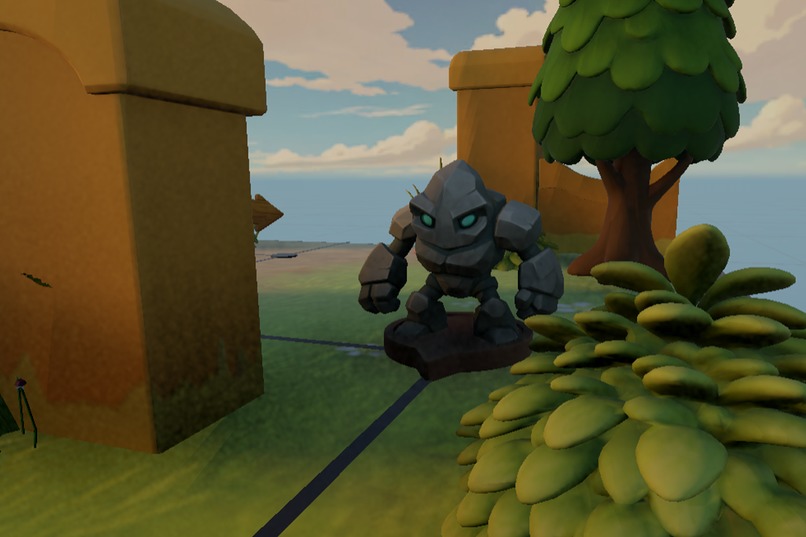
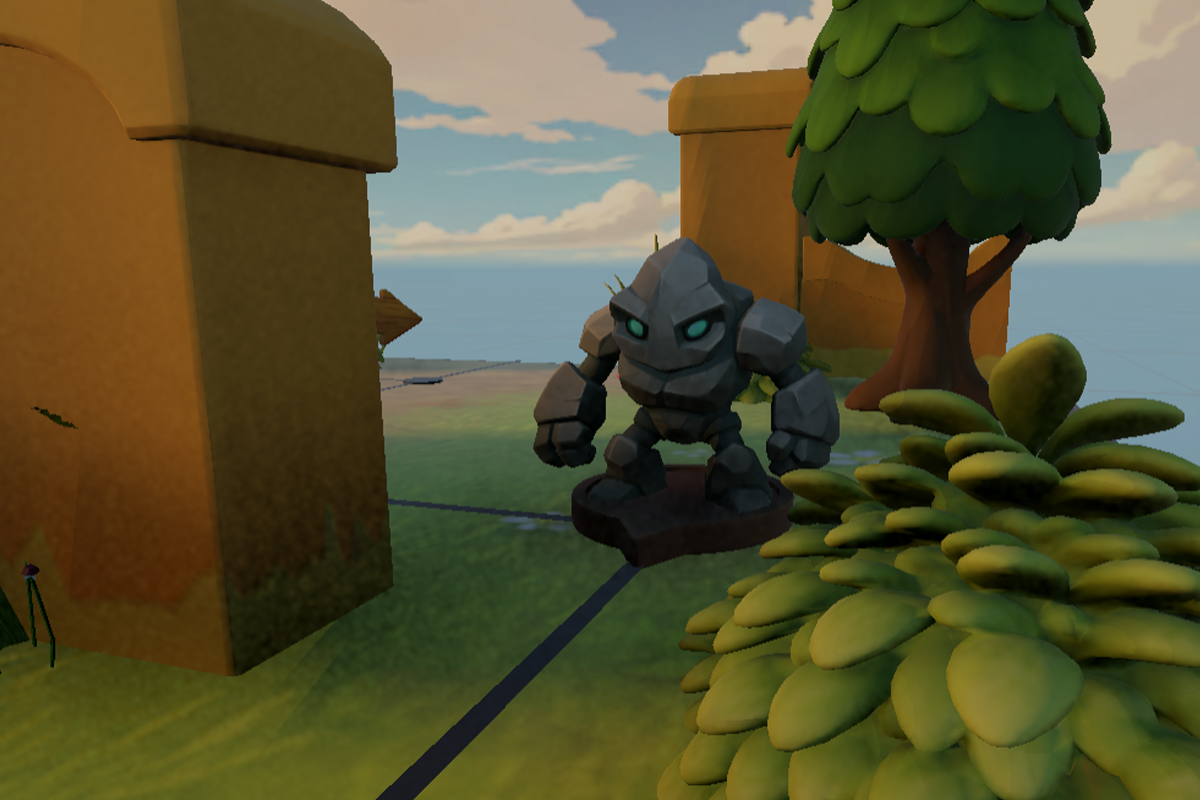
The golem is the first enemy you’ll encounter—don’t stand in front of it!
-
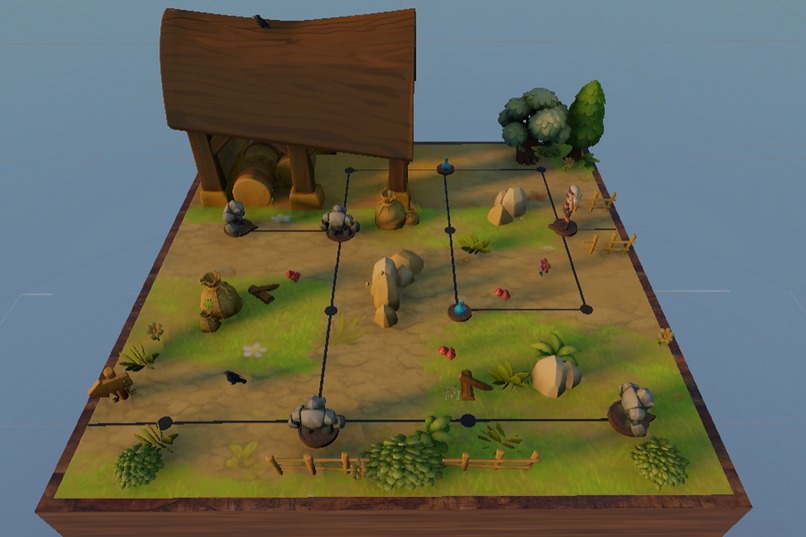
You’ll need to think carefully about where you throw them.
-
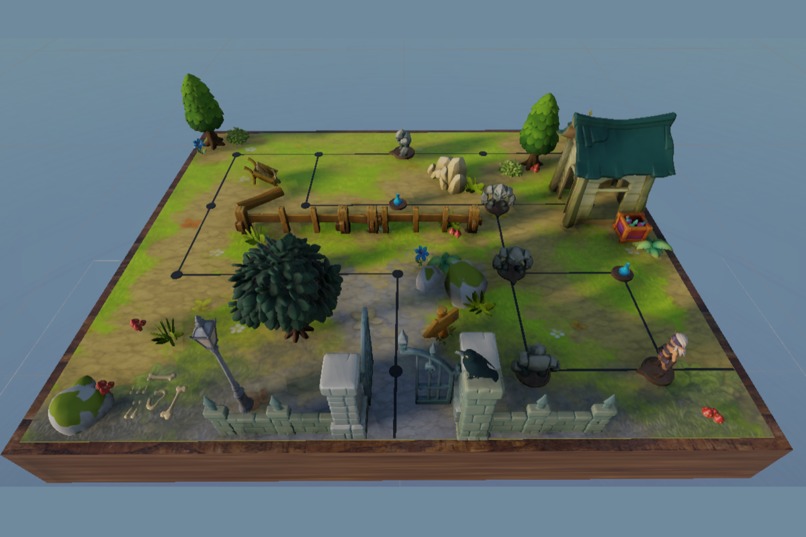
You must explore every corner of the diorama to find the solution.
-
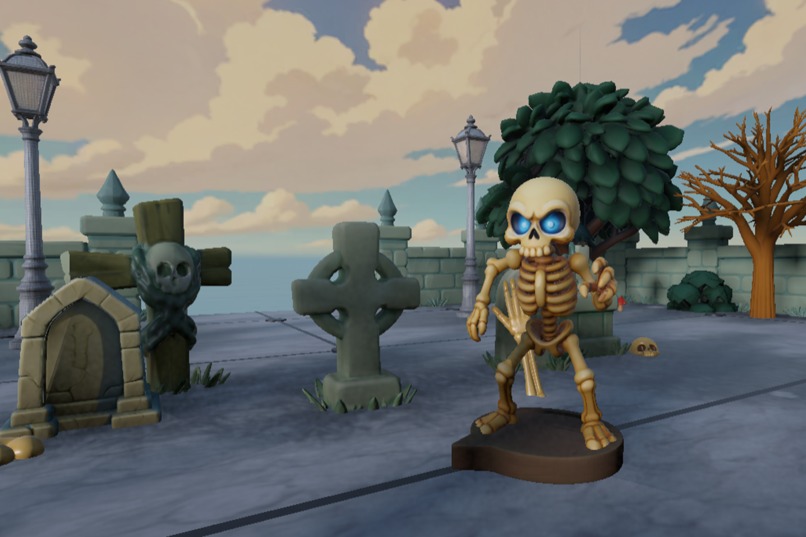
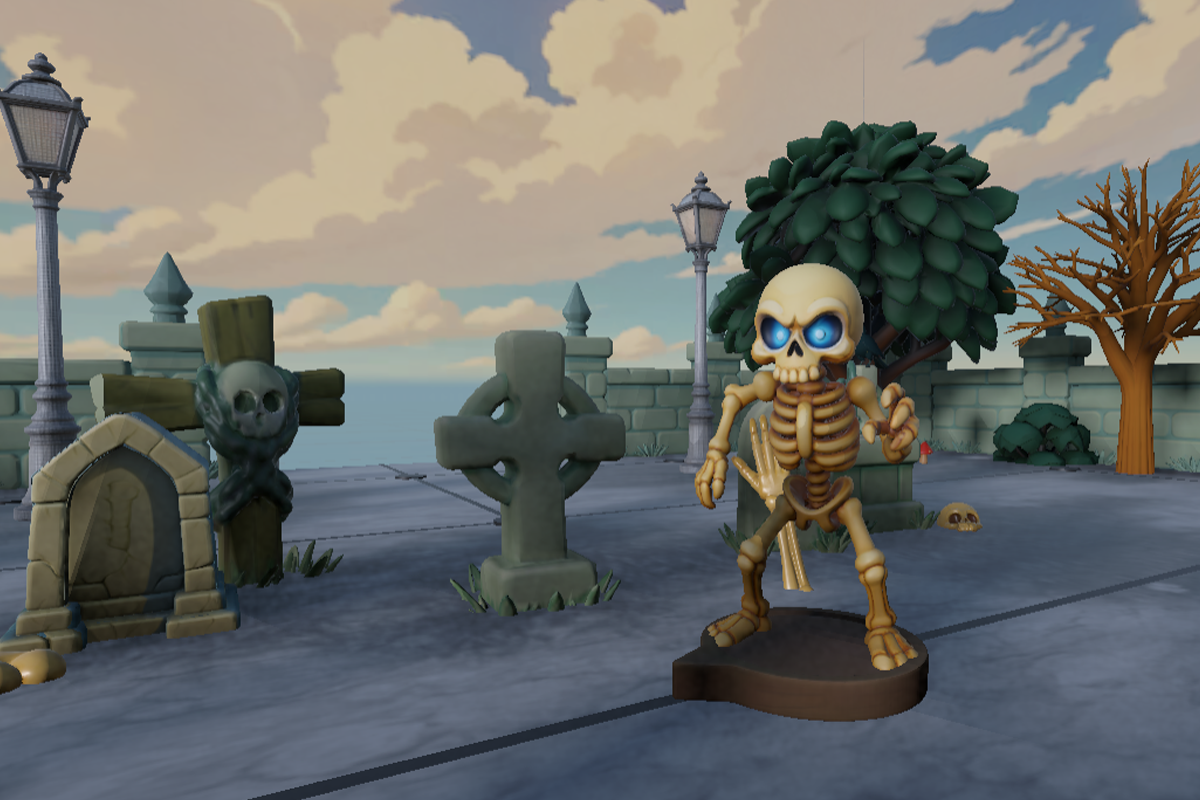
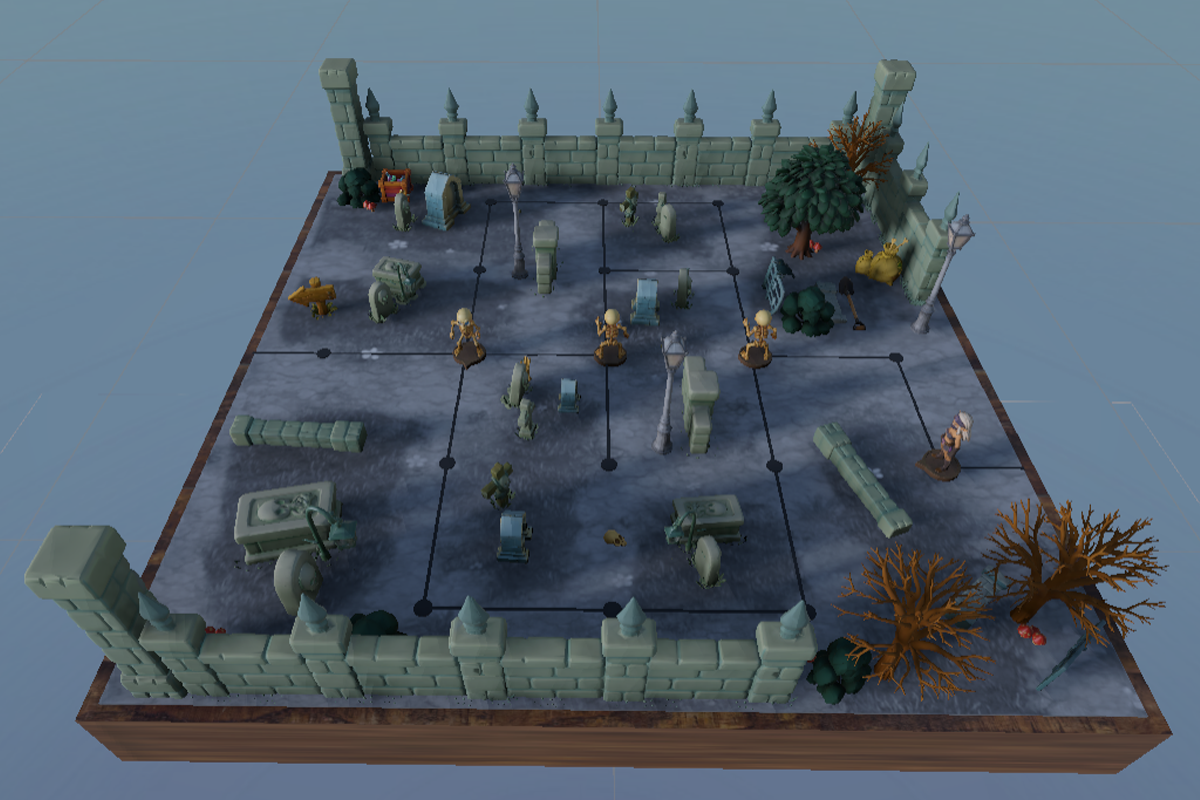
The skeleton is the second enemy type—they can be very fast.
-
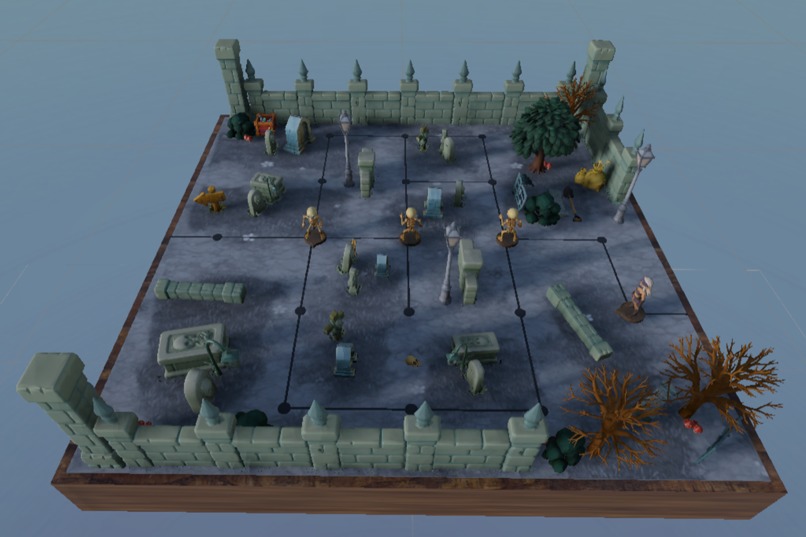
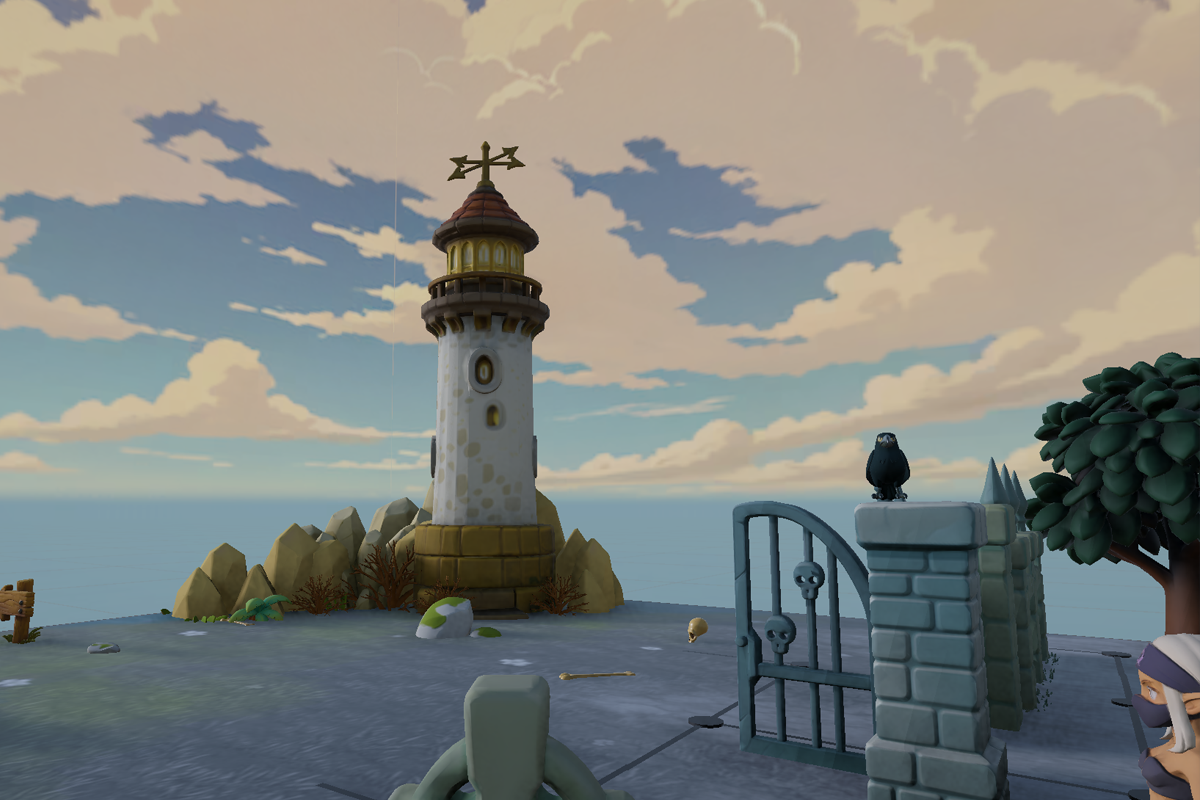
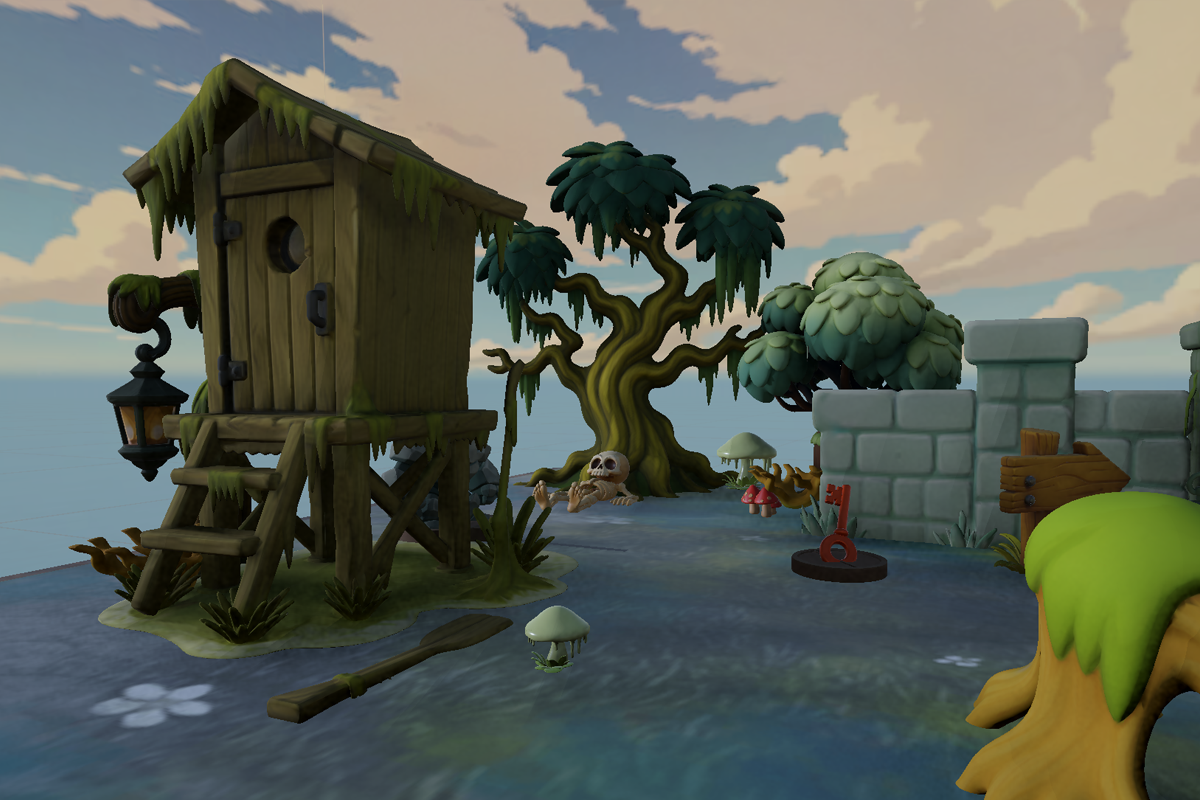
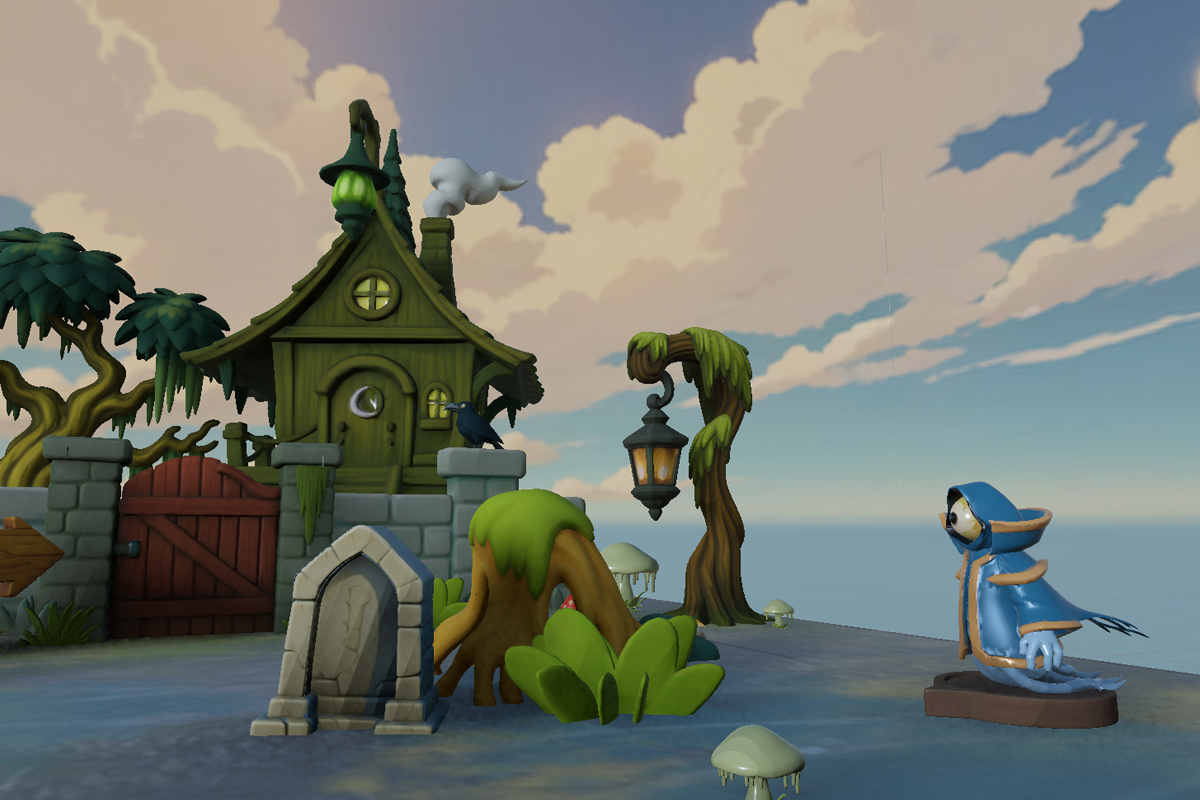
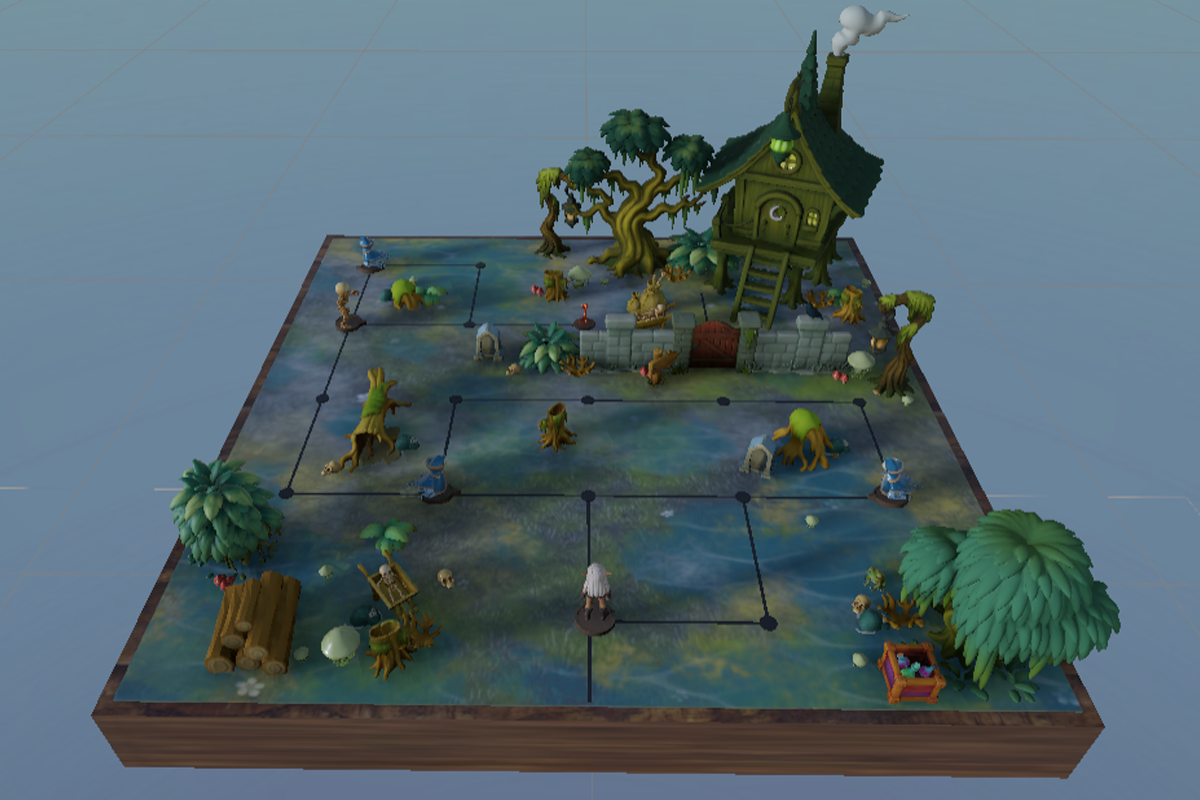
Each region of the world has its own unique look, and every diorama hides details waiting to be discovered.
-
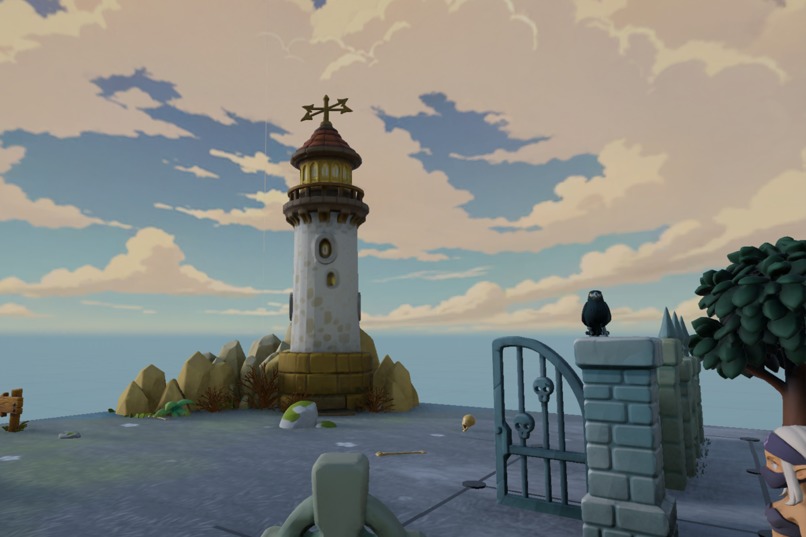
Some of the buildings are huge!
-
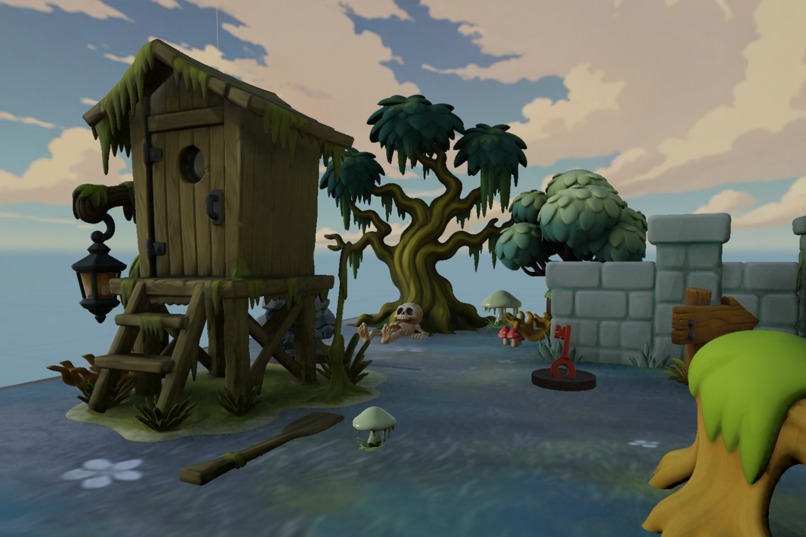
The swamp area… could there be an ogre lurking in there?
-
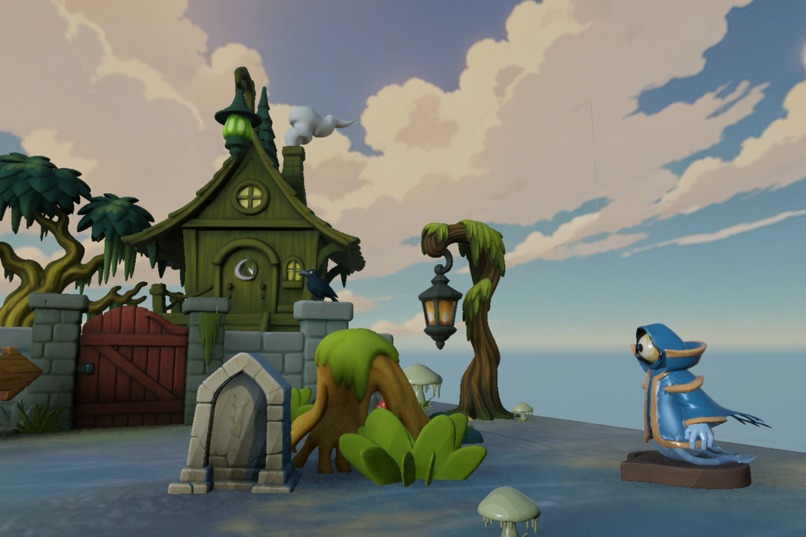
The magic ghost is the third enemy type—it misses nothing.
-
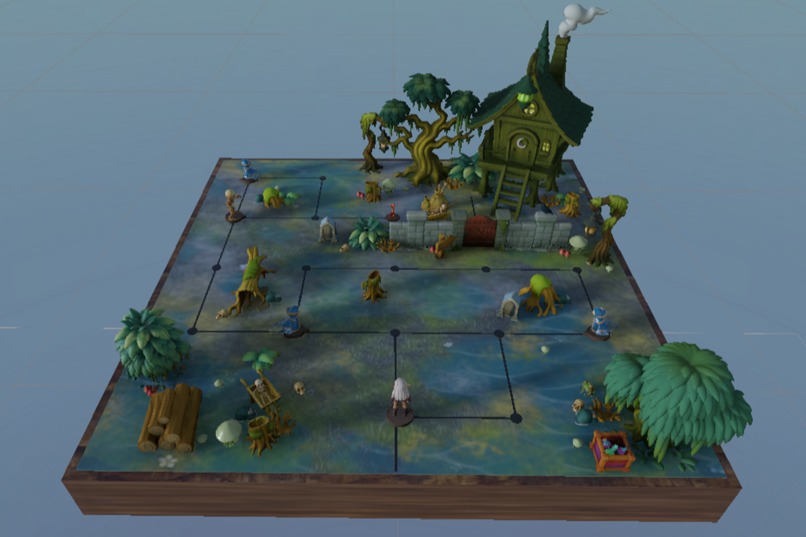
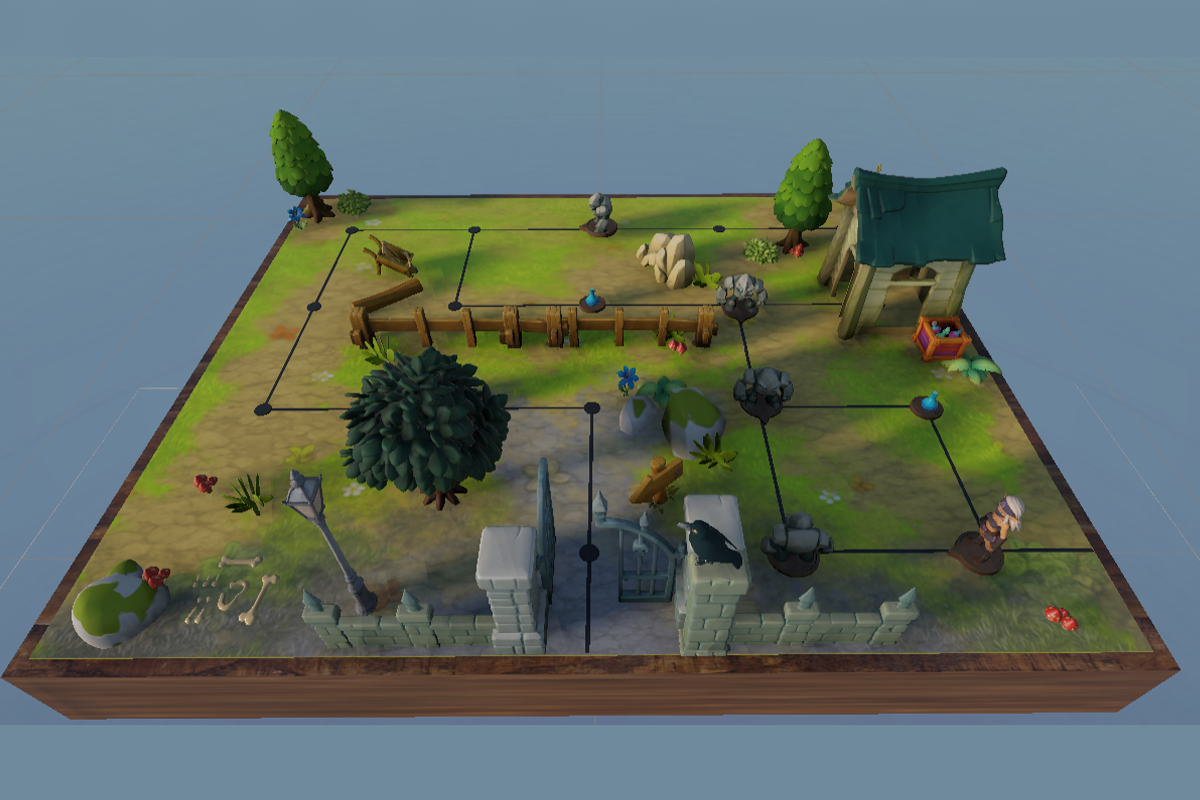
This is the level right before the final one. This demo includes the first difficulty tier with 18 levels and a final boss.
-
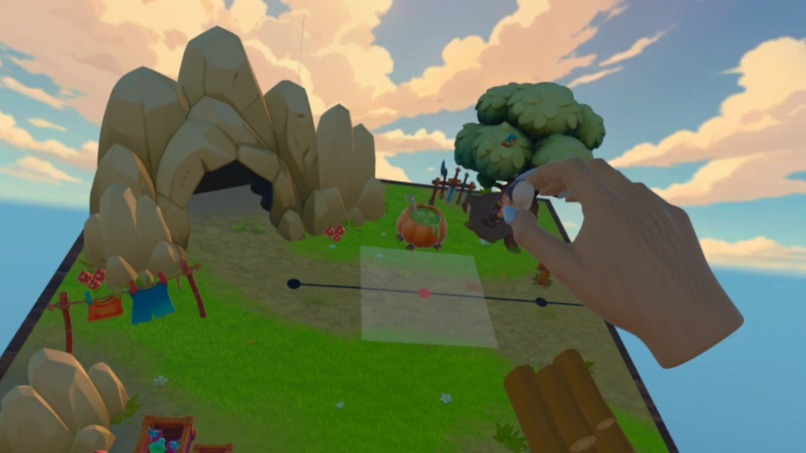
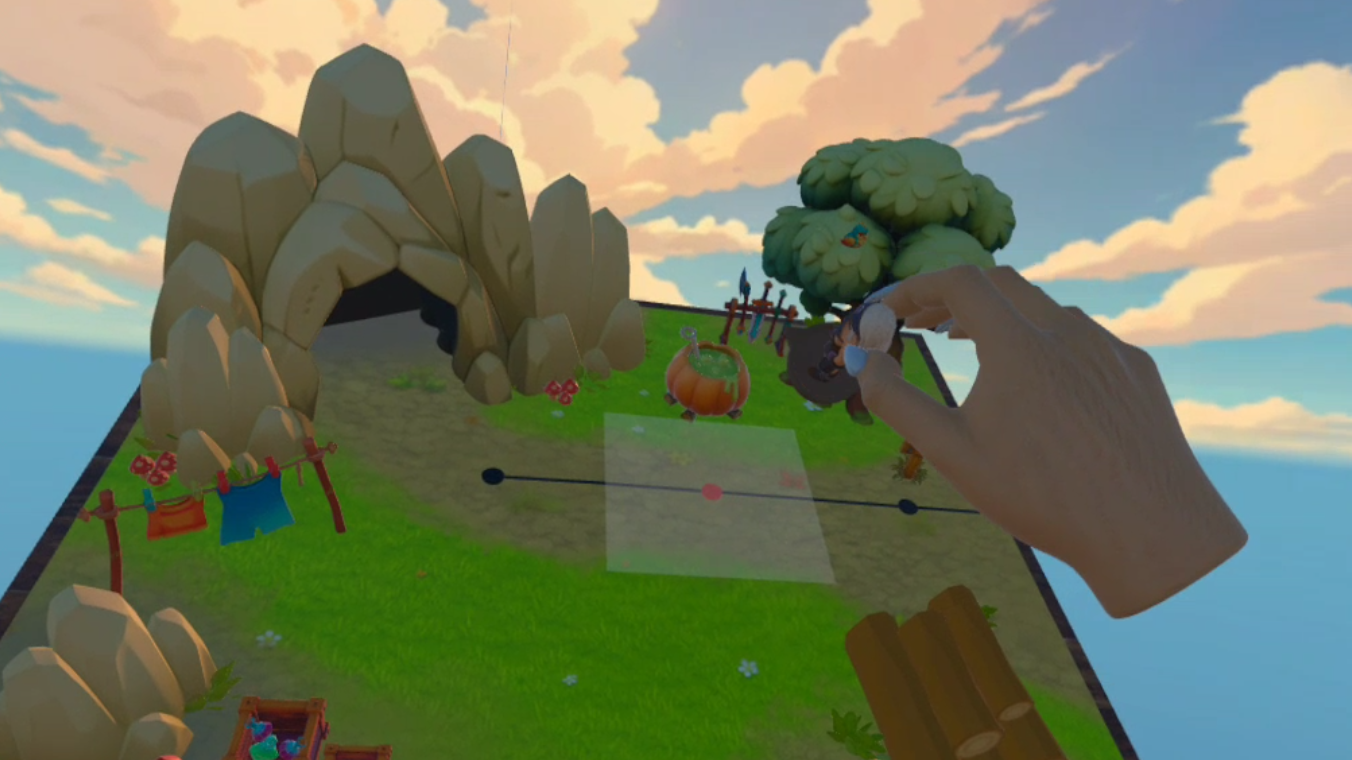
You can switch to a hand control mode, just like chess
Who I Am
Hello! My name is Eric. I’m a software engineer with eight years of experience, and this is my first venture into the world of video game development! It’s something I’ve always wanted to do, and I found strong motivation in this Hackathon—and in the opportunity to build something specifically for VR.
I’ve long been fascinated by the idea of creating a VR or AR experience built around dioramas that players can physically move around, discovering the design and the secrets hidden within. With this project, I’ve brought part of that concept to life.
What I built
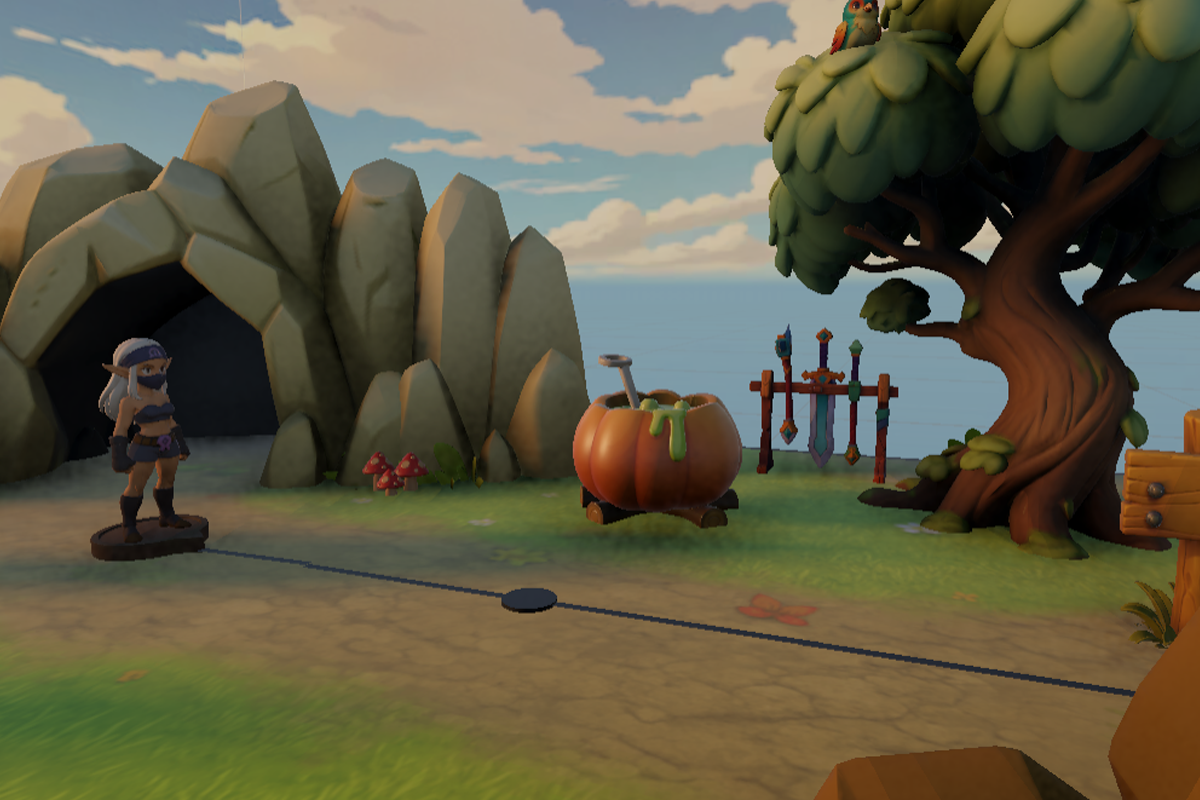
Tactical Quest is a turn-based strategy or puzzle-style game where the goal is to avoid or defeat enemies on the board while charting your path to the objective. Each level is presented as a diorama that you can rotate, zoom into with the joystick, or physically move around and look at from different angles to uncover its hidden paths.
The game currently features 18 levels, with difficulty increasing as new mechanics are introduced in a self-explanatory way, without tutorials. There are three enemy types, each with its own behavior, along with one distraction mechanic and another that unlocks paths within the level. For this demo, all levels are unlocked from the begining.
Each level is visually and thematically connected to the next diorama, creating a sense of cohesion and immersion within the world you’re playing in. You can see this here
There are currently two ways to navigate the board. The primary—and recommended—method is through head movement, which provides the best gameplay experience. There is also a more experimental control mode that simulates picking up and placing the player’s piece like a chess token, following the user’s hand movements.
You can see a demo of the hands chess-like control here
My goal with this game is to encourage players to explore each level and craft their own strategy by taking advantage of VR’s unique capabilities, all while enjoying the magical atmosphere of every diorama.
How I built it & Inspiration
I built the project from the ground up in just three weeks, putting a lot of effort into delivering a cohesive, polished product that feels complete and makes interesting use of VR. My inspirations come from various puzzle and turn-based strategy games—mechanically, I was heavily influenced by the GO series, adapting it to VR, while the artistic style draws inspiration from games like Final Fantasy and Dofus.
The project was built in Unity, simulated on PC with XR Device Simulator, and tested on my Meta Quest 2. I relied on AI to design all 3D assets and to generate SFX and music. The ground tiles of each level were drawn by me, and all gameplay programming was done from scratch, using only libraries required to integrate with the Meta Quest platform.
Challenges I ran into
The most challenging aspect of development was undoubtedly multitasking and delivering a coherent, well-polished game in such a short period of time, especially while learning new tools like Unity and Blender. Designing level logic and introducing new mechanics without breaking existing systems was also particularly demanding.
Accomplishments that I'm proud of
I feel very happy and proud of how this project turned out. It exceeded my expectations and helped me learn and grow professionally—perhaps even representing a first step toward a shift in my career as a developer. I believe it’s a well-rounded game with interesting mechanics that make meaningful use of VR.
What I learned
My biggest takeaway has been approaching AI in a completely different way than I was used to—running it locally with open-source models like Tencent’s Hunyuan, and realizing how AI can dramatically accelerate and shorten the development process for something that would have taken me months to build just a few years ago. Of course, there are always trade-offs in terms of quality, but the gains in speed and feasibility are undeniable.
TODO for Tactical Quest VR
- Improve the hand-based control experience
- Implement an AR mode instead of the skybox, allowing players to place the diorama on a flat surface
- Design and implement more original mechanics tailored specifically for VR
- Improve the game’s menus
- Enhance animations and overall performance
- Create various achievements for each level
- Lock levels and introduce progression
- Overall, increase the game’s quality, considering it was developed in just three weeks


Log in or sign up for Devpost to join the conversation.