-
-
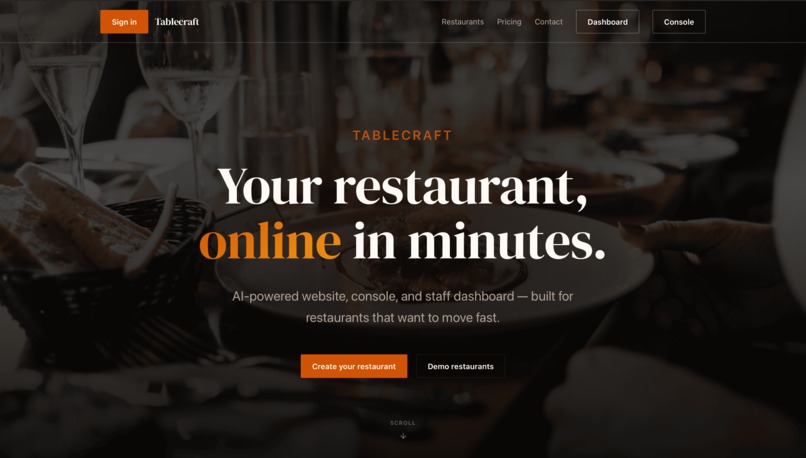
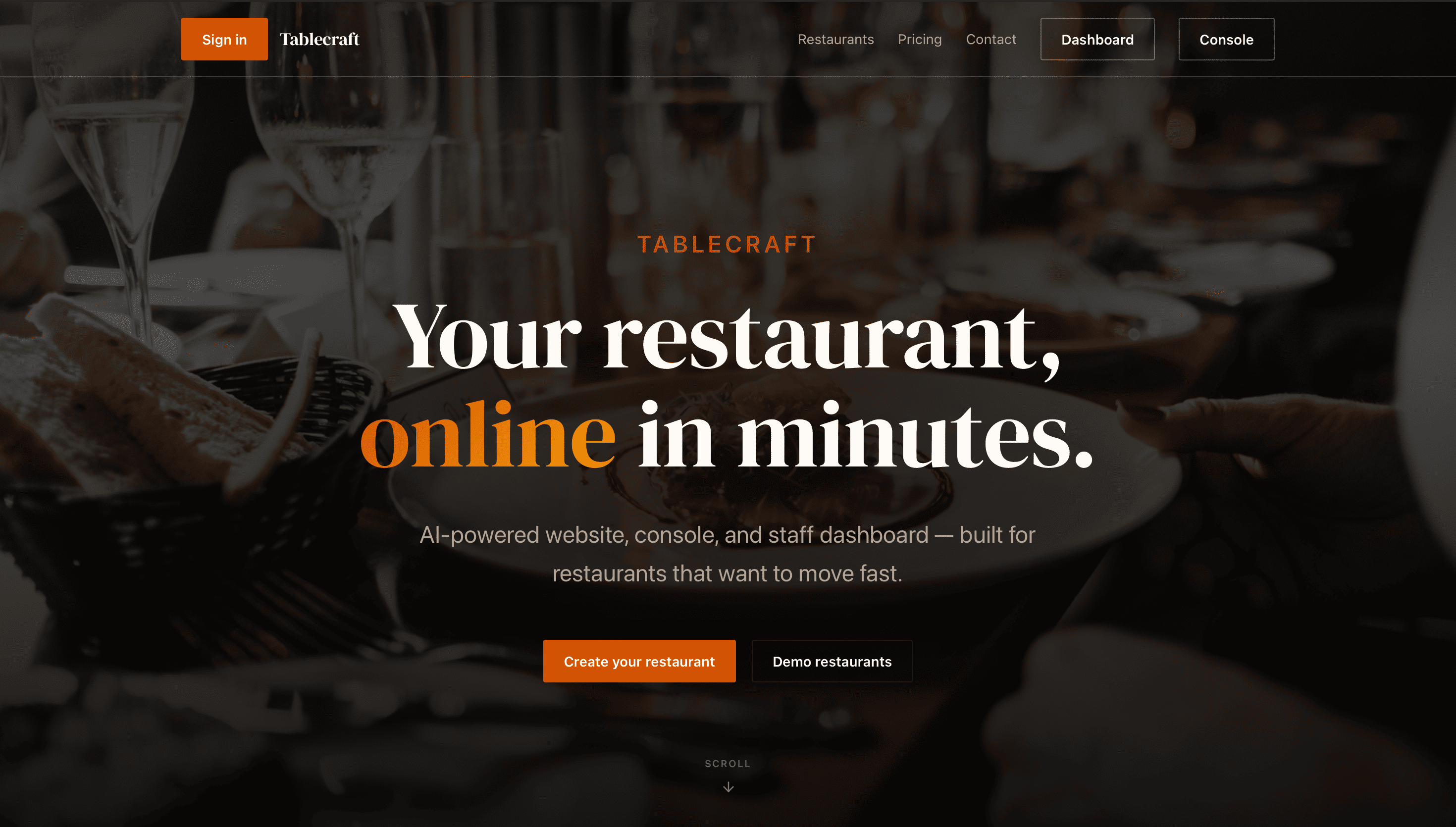
Tablecraft main page
-
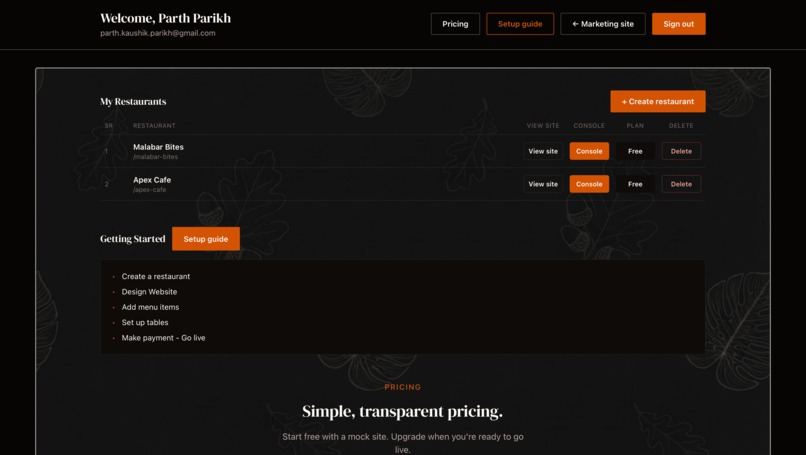
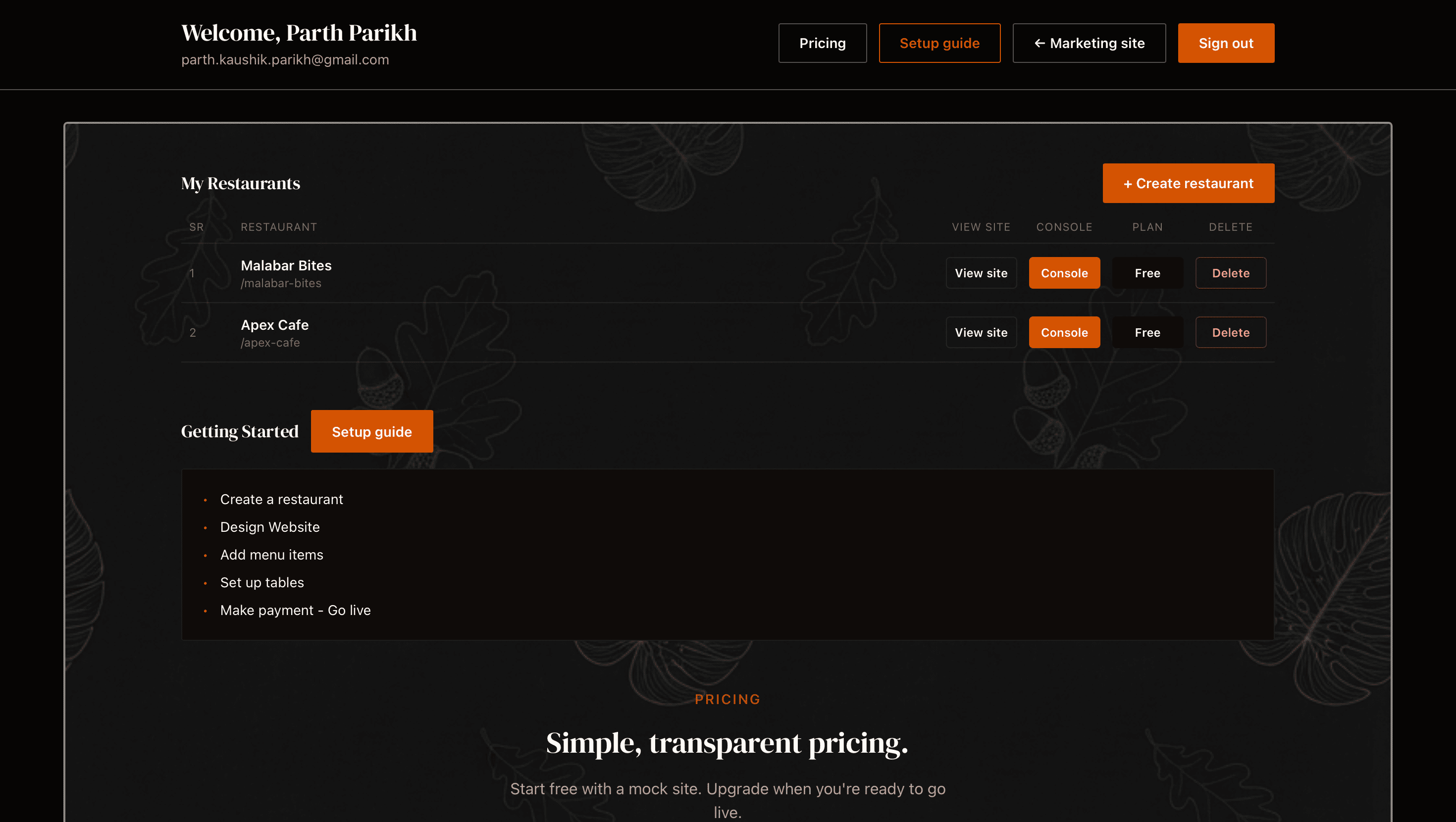
Sign-in Dashboard
-
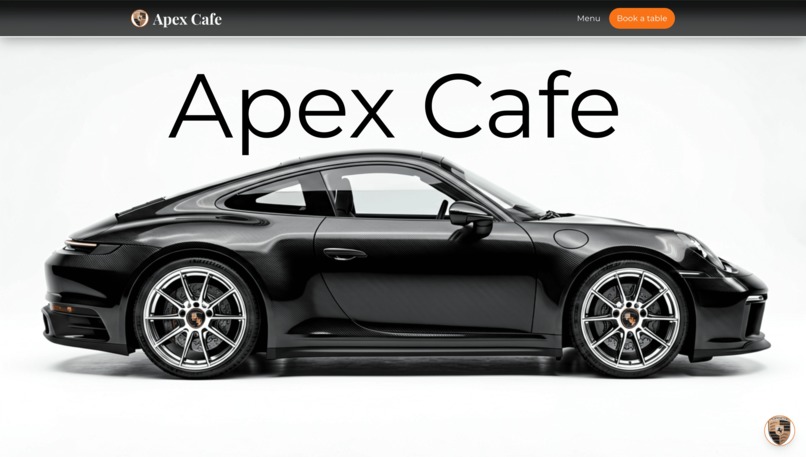
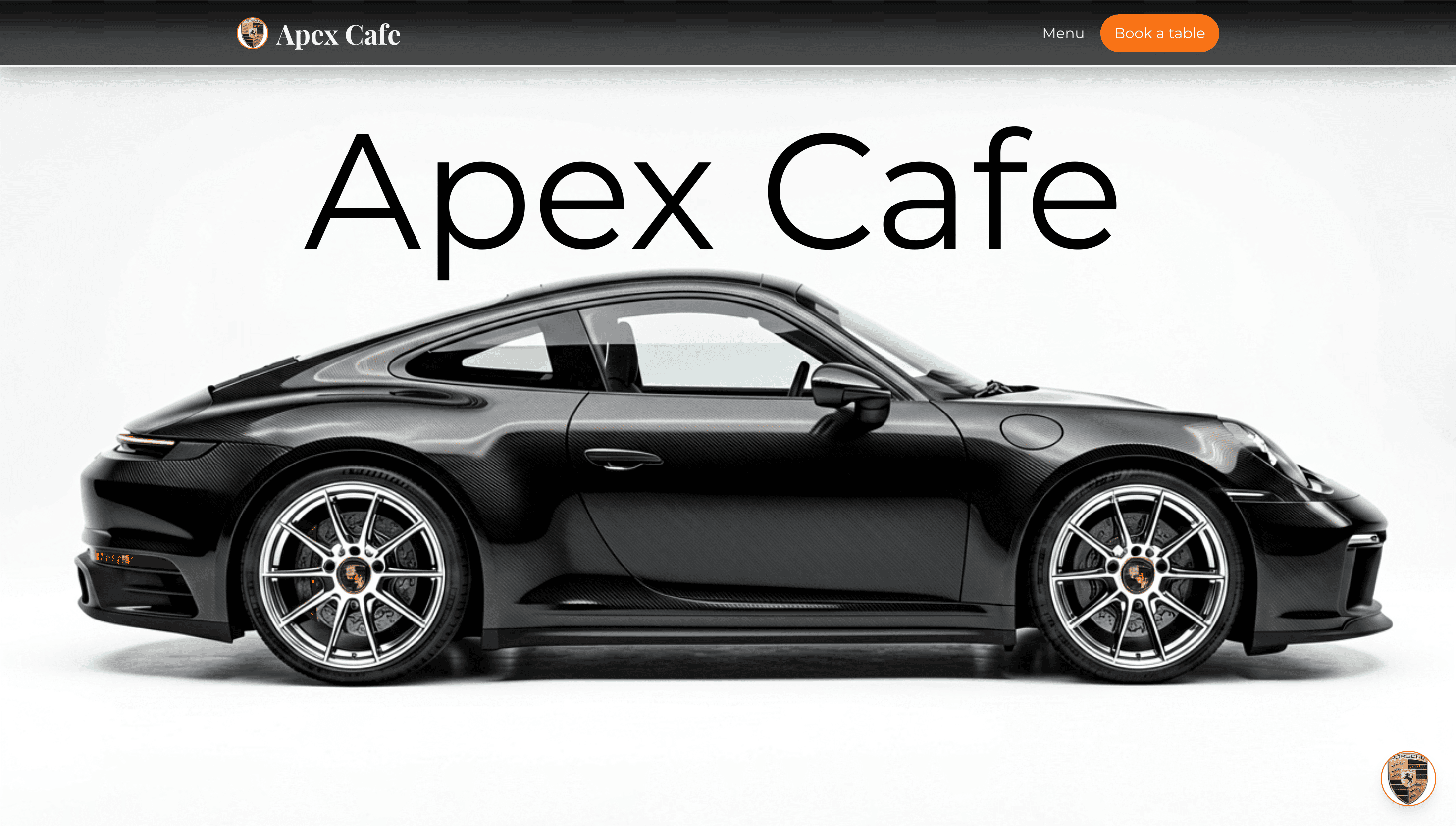
Apex Cafe website created on tablecraft
-
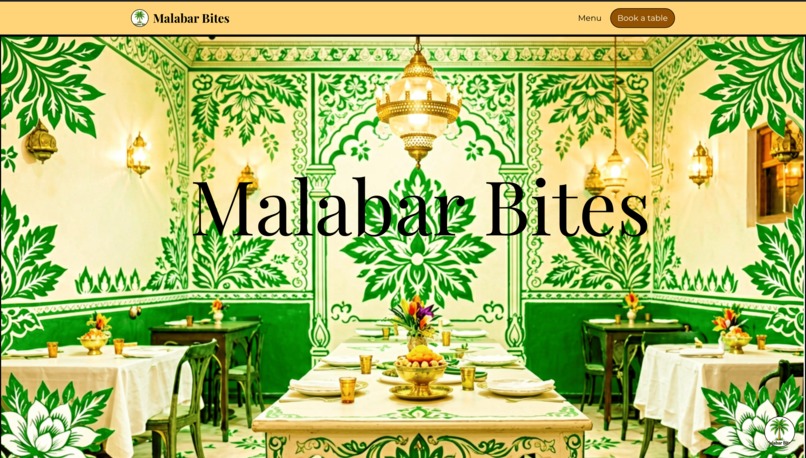
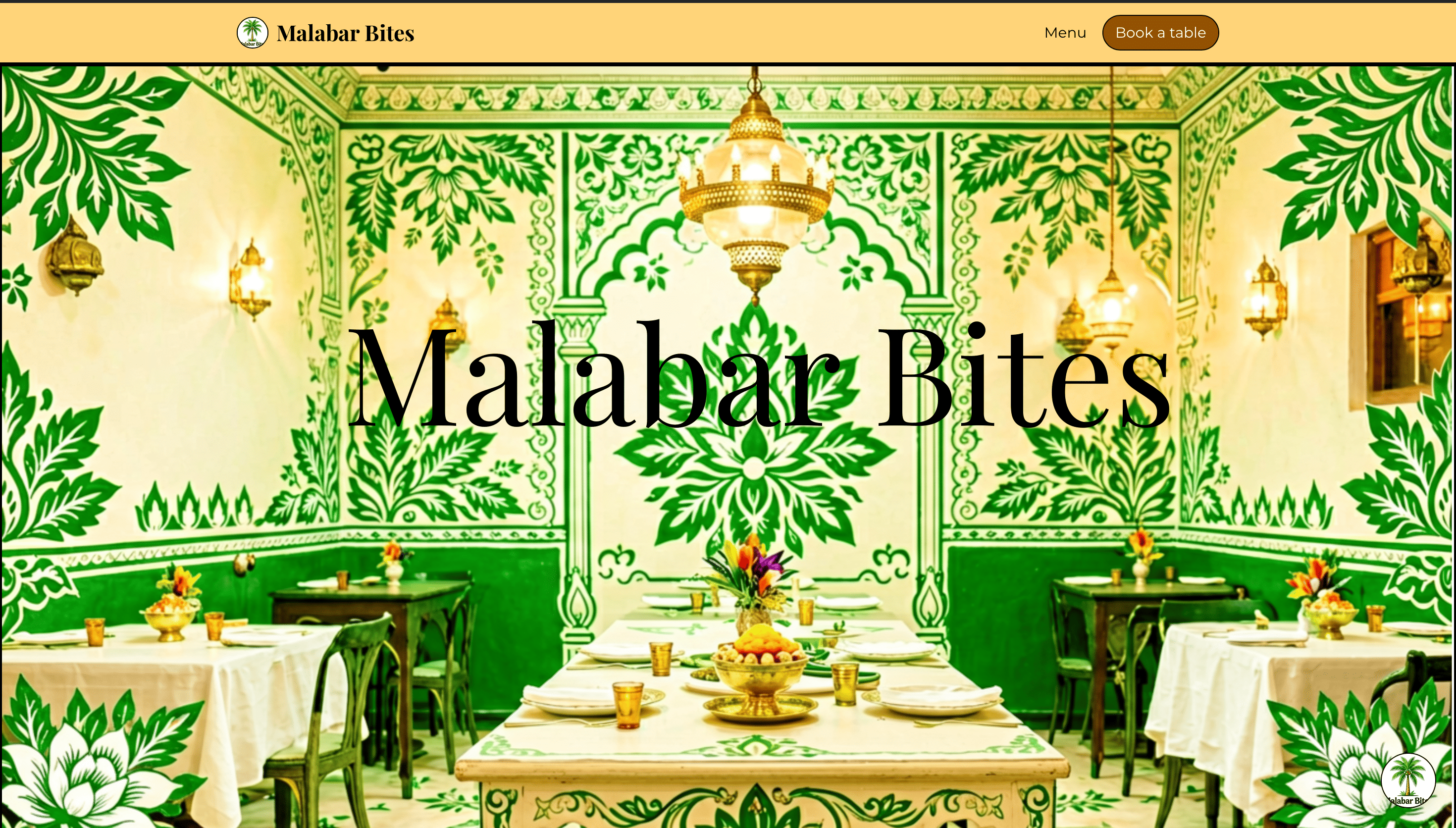
Malabar Bites created on tablecraft
-
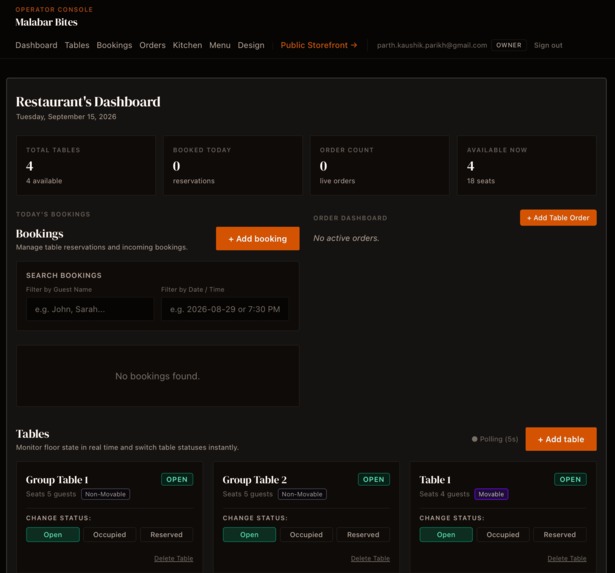
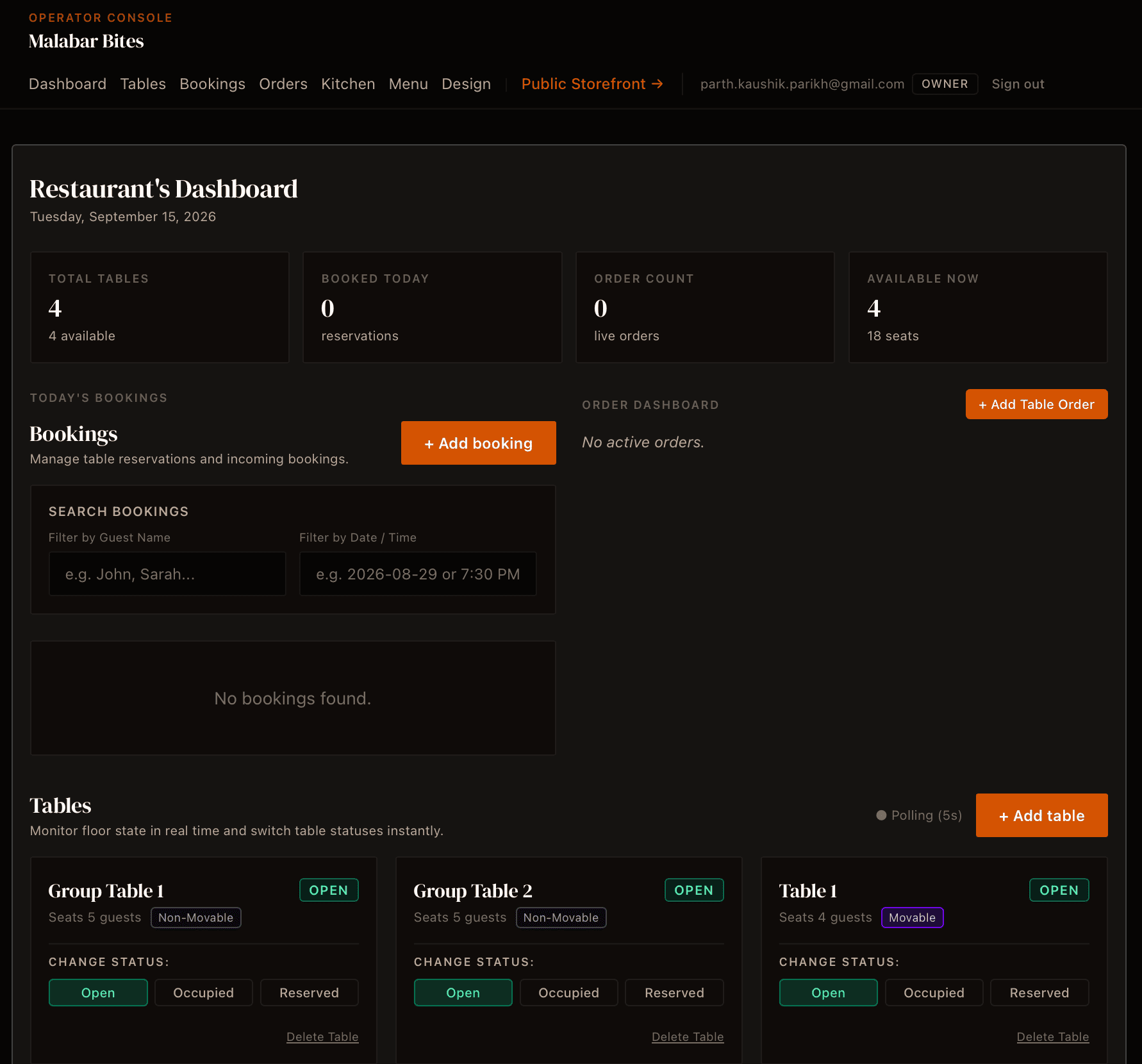
Staff Dashboard
-
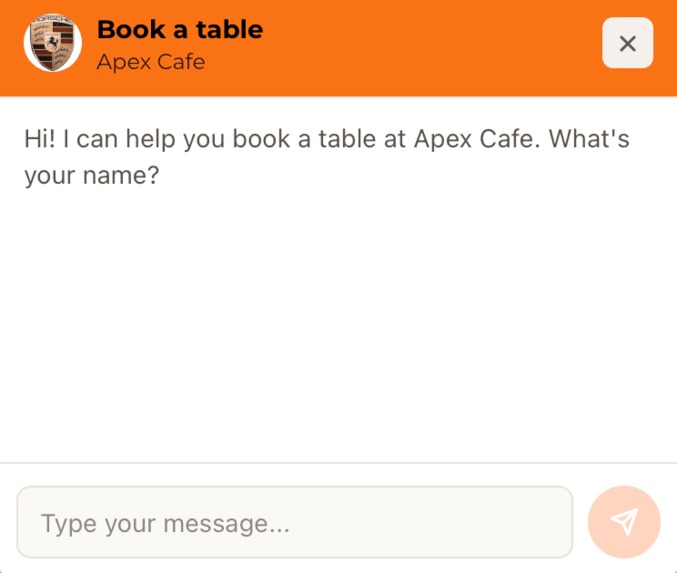
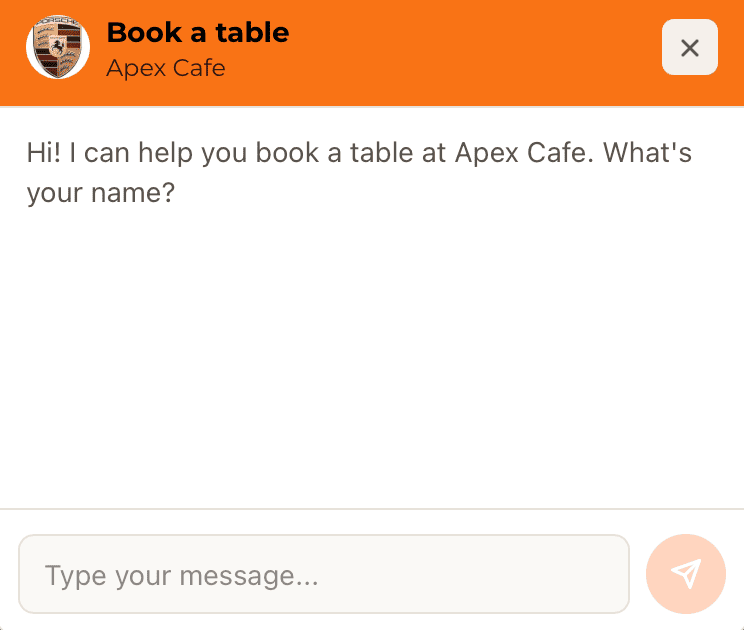
AI Bookings chatbot
Inspiration
In Dubai, a new restaurant or cafe has to pay roughly 2,000+ AED upfront plus 250 AED/month just for a basic website, and then another ~400 AED/month for a separate table/booking management system — before they've made a single sale. That upfront cost is a real barrier for small, first-time restaurant owners. I wanted to build something that collapses both of those tools into one affordable platform, so a new restaurant could get online and start managing their operations without needing thousands of dirhams or a technical background.
What it does
Tablecraft is an AI-powered website builder and operator console that gives restaurants and cafes everything they need to launch and run online — a full website, table/booking management, and live order tracking — in one platform. New restaurants in Dubai currently have to pay for a website (roughly 2,000+ AED setup and 250 AED/month) and a separate management system (around 400 AED/month) just to get the basics. Tablecraft replaces both for 500-850 AED/month, with AI handling the work that used to take days: scanning your printed menu into a digital one, generating your hero images and website copy, and building your entire site in under 20 minutes instead of the usual 3-5 business days with a designer.
How we built it
I wrote the code for Tablecraft mostly in TypeScript using multiple coding agents such as Deepseek harness for planning/adding new features, Claude Code for debugging, and Cline for simple/small changes. I used the Next.js framework, used Supabase for database and authentication (OAuth), used Vercel to deploy the application, used Resend as a way to get user inquiries/questions. Used agnes-2.5-flash model for writing code and also for the Tablecraft ai use cases.
Challenges we ran into
I ran into many challenges. At the start, the initial idea for Tablecraft was to make a website builder + operator console where the user types a prompt and the AI makes the website accordingly. But I realized that for that to work, the user's prompt has to be extremely precise, which could really only be used effectively by developers — and there's already a tool called Framer AI for that exact purpose. I wanted a tool that new restaurant owners could use to get into their business more easily, without paying thousands of dirhams for website and management platforms before making their first sale. So I switched to the current version, where the restaurant owner can create a website within 20 minutes using our guided system. Another issue I ran into was that everything in the operator console was split across different tabs — a separate tab for the tables GUI, a different tab for bookings, orders, menu, kitchen. So I built a dashboard inside the operator console that shows the number of empty tables, number of empty seats, number of upcoming bookings today, current number of orders, a searchable list of upcoming bookings, a list of active orders, and the tables GUI, all in one place, to solve that problem.
Accomplishments that we're proud of
The AI chatbot booking flow is something I'm genuinely proud of — a guest can just type something like "table for 4 this Friday at 7" in natural language, and the AI handles checking availability, finding the optimal table using our combination/least-seats-remaining logic, and confirming the booking instantly, with zero manual back-and-forth. I'm also proud of the menu scanner: a user can just upload a photo of their printed menu, and the AI model extracts structured JSON data (name, category, price, and description) straight from the image, which our code then automatically enters into the restaurant's menu — instantly reflected on their live website's menu page too. But what I'm most proud of is the outcome: taking something that used to cost restaurants 2,650+ AED to set up and 650+ AED/month to run, and bringing it down to a single 500-850 AED/month platform — making it actually possible for a new restaurant to launch online from day one instead of treating it as a luxury they can't afford yet.
What we learned
Building Tablecraft taught me just how much complexity is hidden inside what looks like a "simple" restaurant tool. Table management alone — movable vs. non-movable tables, combining tables, minimizing leftover seats — turned into real logic problems once I tried to automate them instead of doing them by hand. I also learned a lot about the practical side of shipping a full SaaS product: using Supabase for both database and OAuth taught me how much authentication and data modeling intertwine, and deploying on Vercel showed me how much easier iteration gets once your infra is handled for you. Beyond the tech, I learned how restaurants actually operate day to day — bookings, table turnover, order stages, kitchen flow — and how much operational thinking has to go into software before it's actually usable by a non-technical owner, not just a developer.
What's next for Tablecraft
Setup payments by creating a stripe sandbox, buy a business license before that (required in dubai) Figure out how to deploy individual restaurants on Vercel after they've made the payment. Figure out how to take a user's website and integrate it with our console, or vice versa. Add a configurations section in the console that lets restaurant owners decide things like how long a table stays reserved, booking duration, etc. Add animations and shadows to the design section in a way that users can easily apply themselves. After the above, the next step would be to build an inventory tracker, so restaurants can handle all their functions from one Tablecraft platform.
Built With
- github
- next.js
- resend
- stripe
- supabase
- typescript
- vercel


Log in or sign up for Devpost to join the conversation.