Inspiration
Healthcare in many clinics — especially in Gaza — still runs on paper and memory. Our inspiration came from a real patient story we kept seeing repeated: test results at one lab, prescriptions in a pharmacy bag, and a medical history that exists only in the patient's memory. When such a patient meets a new doctor, exams get repeated, money gets wasted, and critical decisions get made without full context. We asked two questions: what if the medical record followed the patient everywhere, in their pocket — and what if documenting a visit took seconds instead of paperwork?
What it does
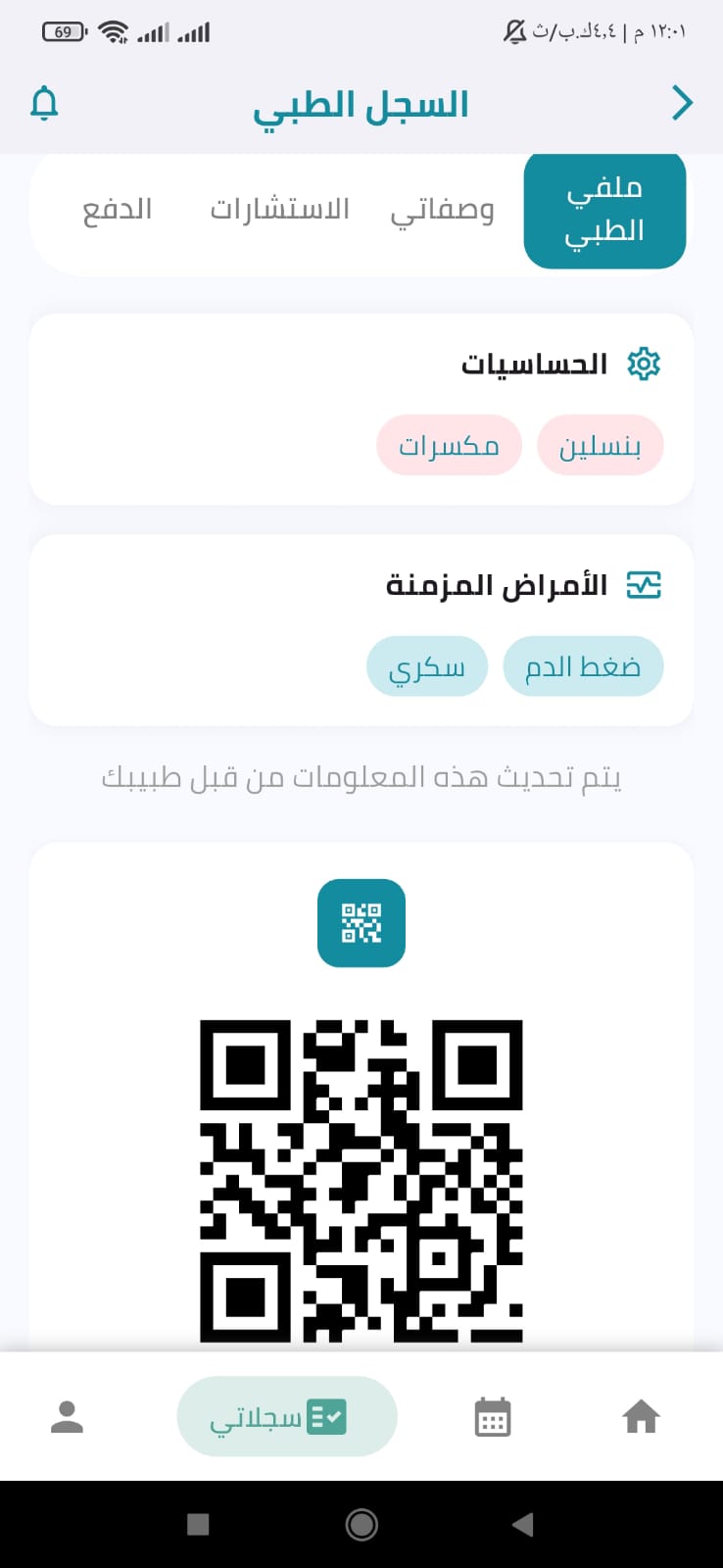
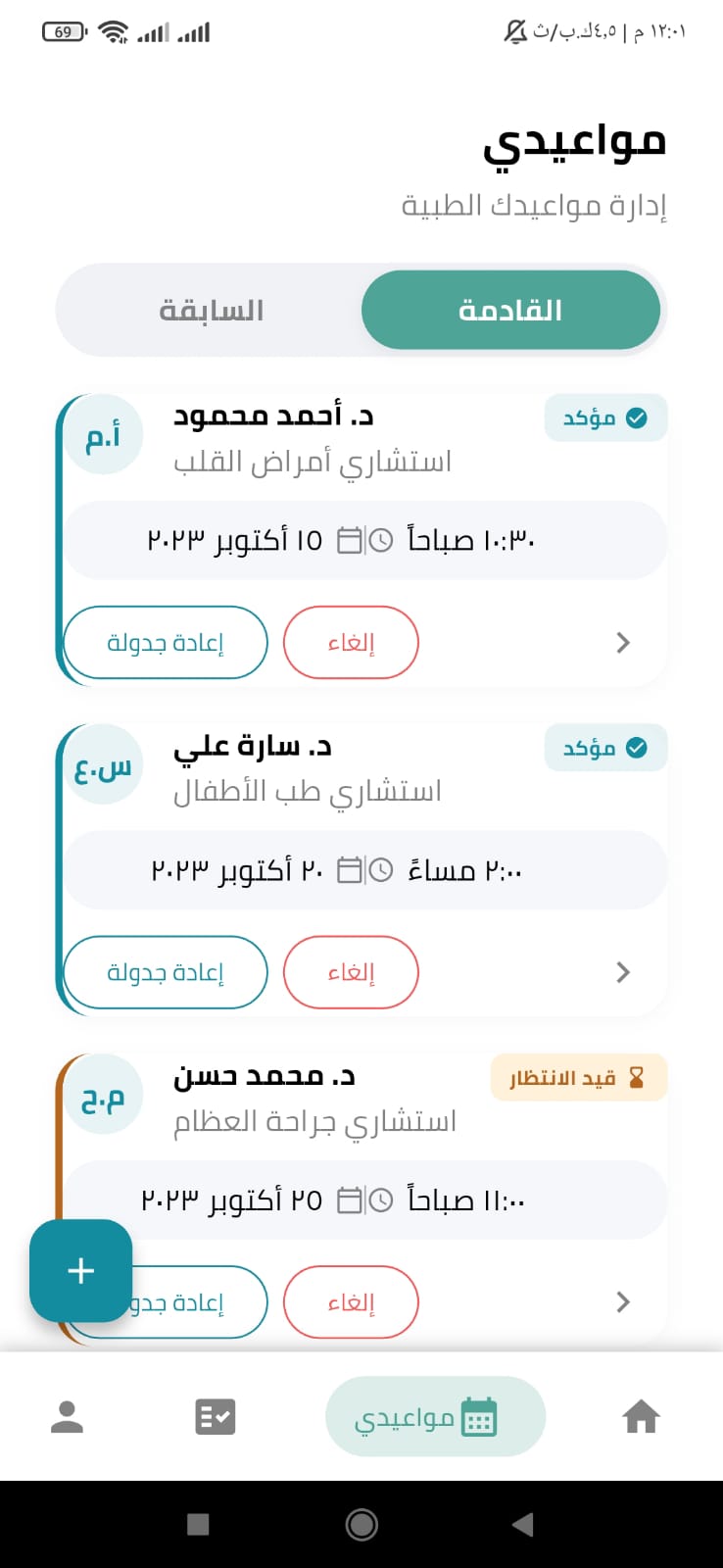
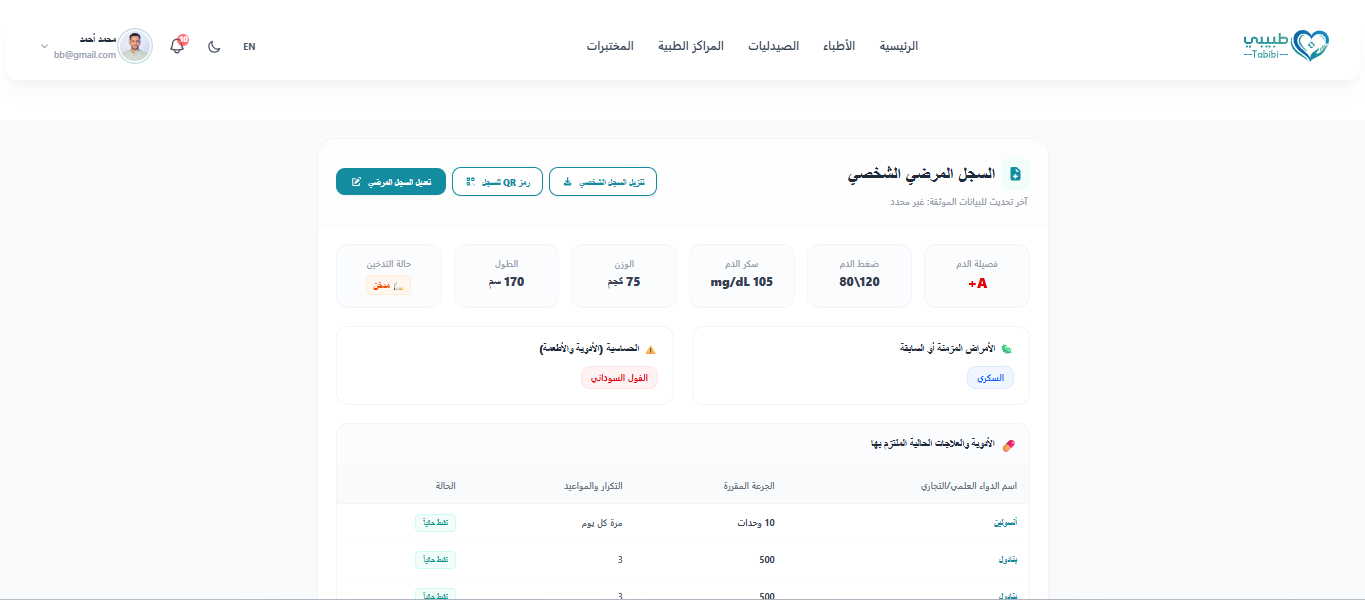
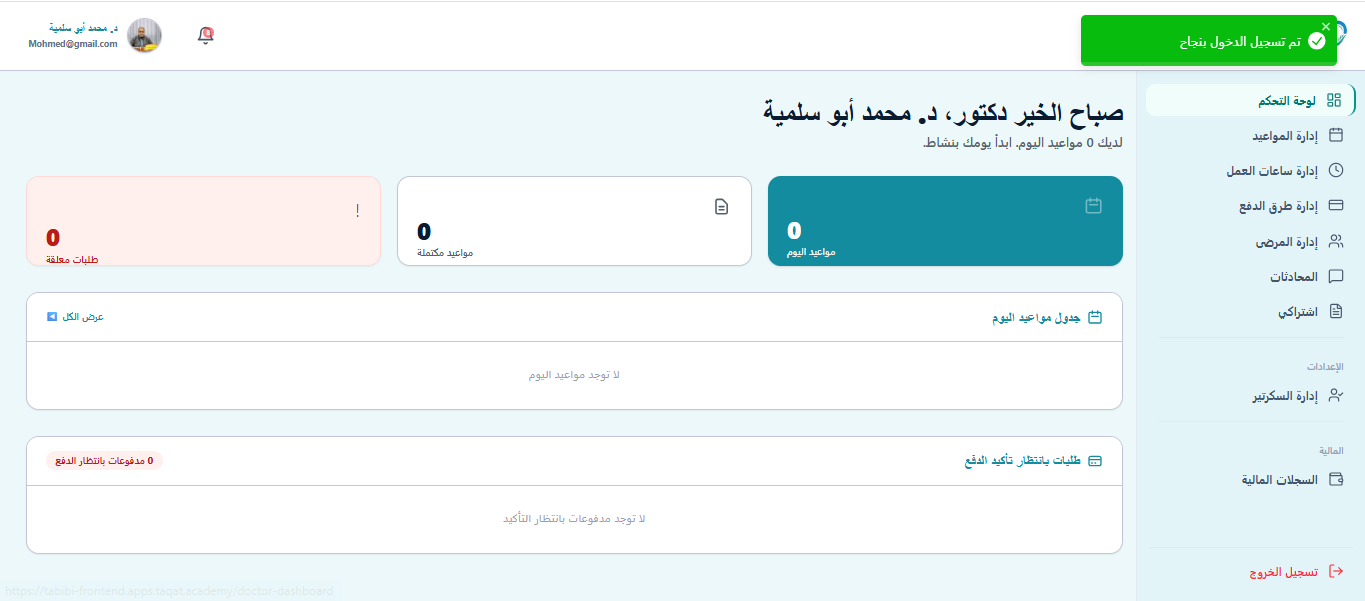
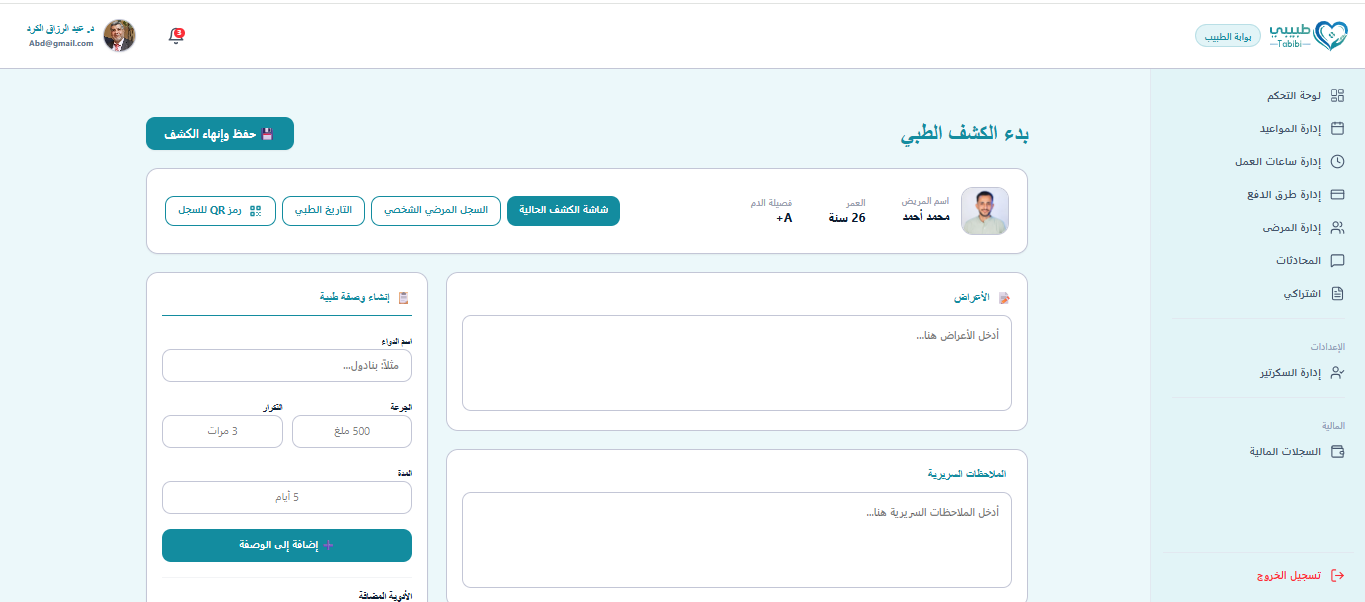
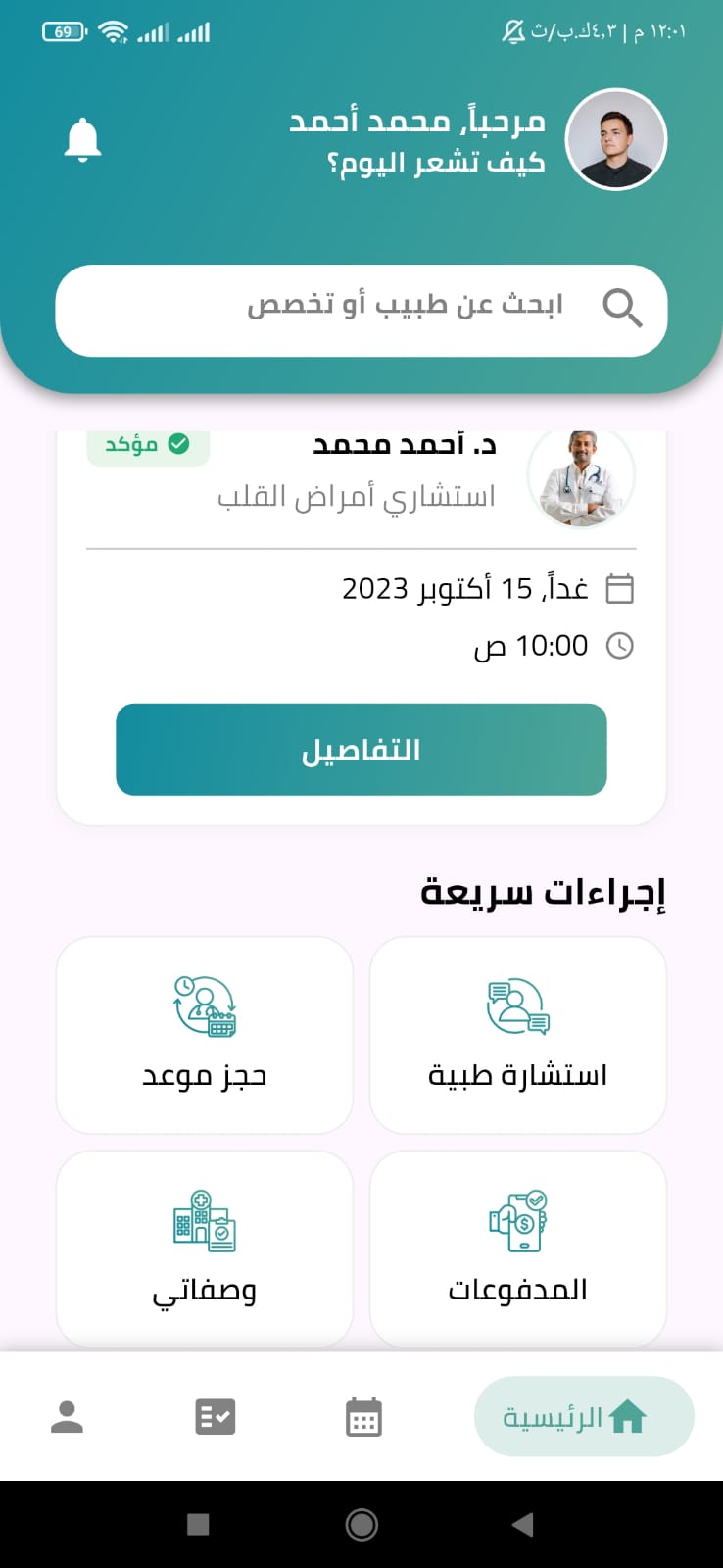
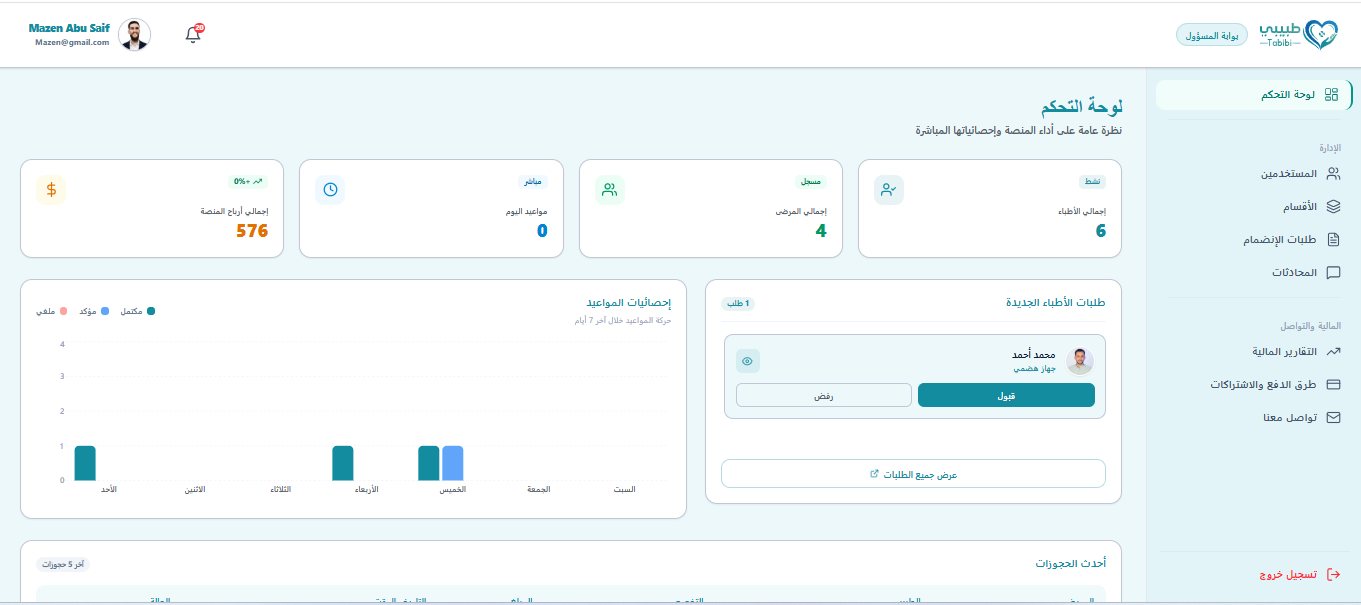
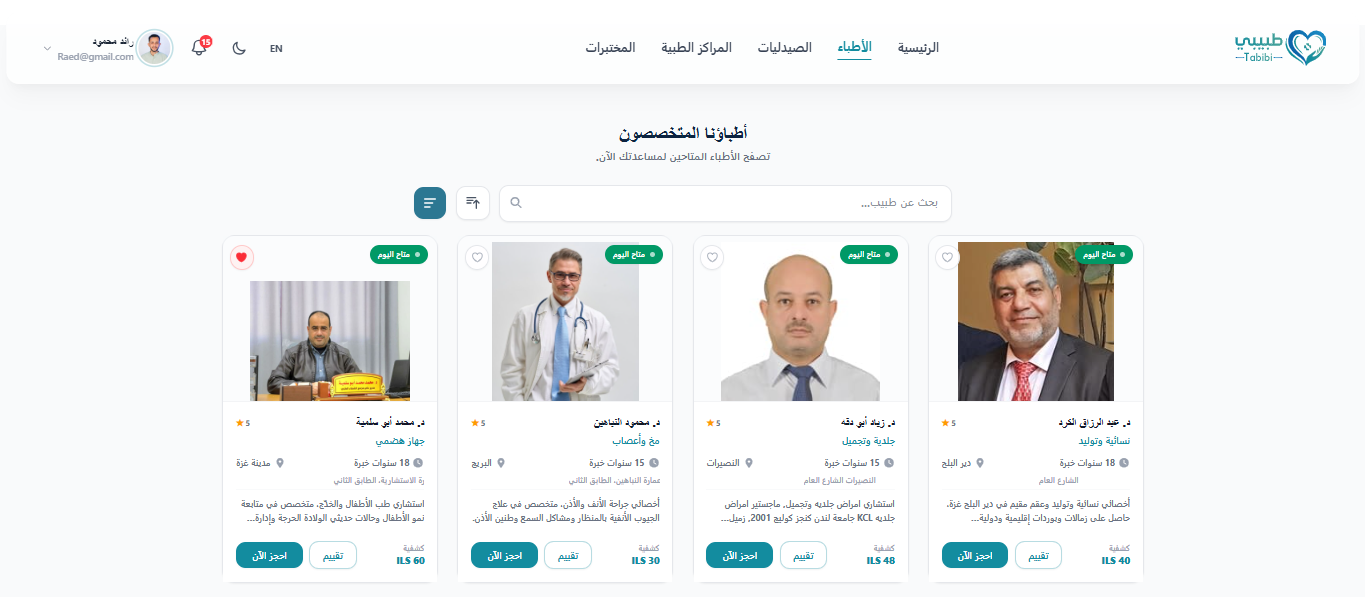
Tabibi (طبيبي — "my doctor") is a complete digital health platform: a web platform for clinics plus a mobile app for patients.
- One unified record connecting patient → doctor → clinic — no more fragmented files
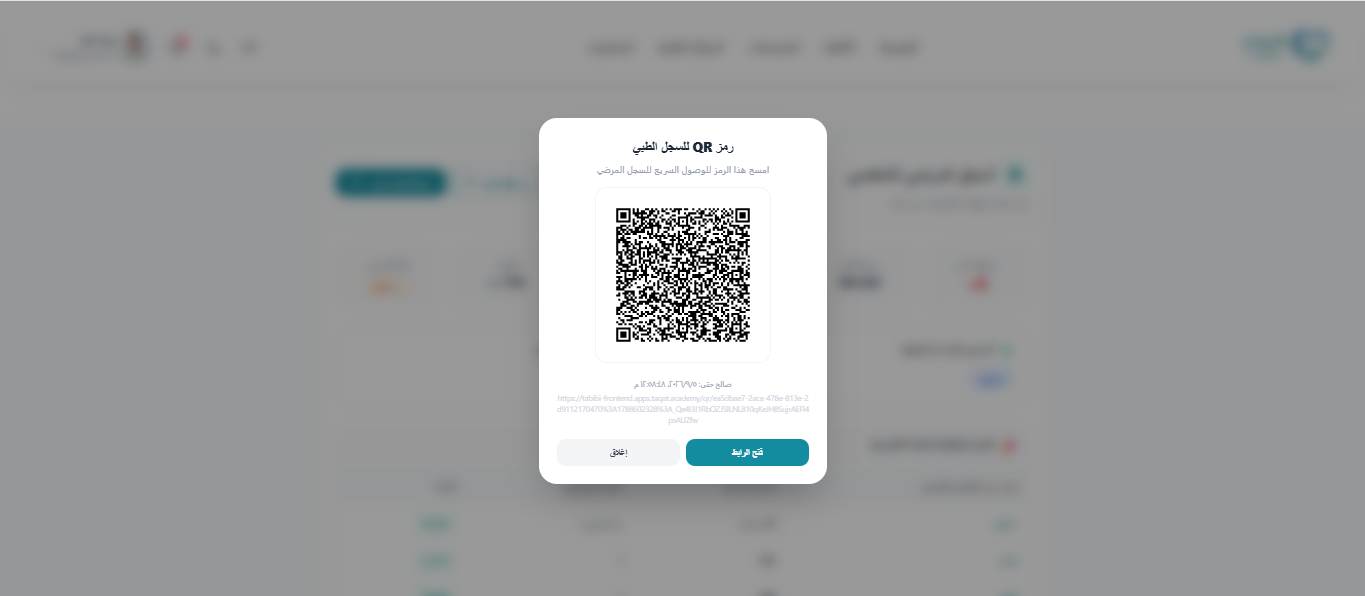
- QR-based medical record: the patient shows a secure QR code, the doctor scans it, and the full history opens in seconds
- AI-powered documentation: the doctor dictates a voice note → speech-to-text transcribes it → patient identifiers are stripped → Claude (via MCP) structures it into a clean medical note → the doctor reviews and saves it to the record
- Four role-based portals — admin, doctor, patient, and secretary — with carefully scoped permissions
- Everything in one place: appointments, prescriptions, medical history, chats, payments, and a doctors directory
- Fully bilingual (Arabic & English) with complete RTL support, on web + mobile ## How we built it
- Frontend: React 19, Vite, Tailwind CSS 4, Framer Motion — with code splitting to keep the bundle light
- Backend: ASP.NET Core 10 + PostgreSQL, JWT + Google OAuth, SignalR for real-time updates
- Mobile: Flutter, sharing the same API as the web platform
- AI pipeline: voice note → STT → anonymization → Claude via MCP → structured JSON → doctor review → saved record
- Deployment: Vercel, i18next for bilingual support ## Challenges we ran into
- Privacy first: medical data can't just be handed to an AI. We designed anonymization before the model ever sees the note, and nothing reaches the record without a doctor's approval.
- Arabic speech recognition across dialects remains our hardest technical problem — and we committed to solving it instead of shipping English-only.
- Permission design: a secretary needs enough access to help run a clinic, but never more than she should see. We built a flexible, role-based permission system around that line.
- QR as the front door to a medical record: it had to be both instant and secure — speed without leaking data. ## Accomplishments that we're proud of
- A working end-to-end flow: QR scan → voice note → AI-structured document → doctor approval → saved record, in a single visit
- Four portals + a mobile app running on one API
- Full Arabic/English RTL support — most health platforms ignore Arabic
- Human-in-the-loop AI: the doctor is always the final decision-maker; the AI assists, it never decides
- A live demo you can actually try, deployed and reachable from any device ## What we learned
- Hard constraints (power cuts, missing paper records, doctors with no time) don't weaken a design — they force a better one
- Doctors don't trust AI that replaces their judgment; they trust AI that drafts and lets them approve
- Privacy architecture must be designed on day one — bolting it on later never works
- Bilingual-from-the-start is far cheaper than translating later, in code and in content ## What's next for Tabibi|طبيبي
- SMS appointment reminders to reduce no-shows
- Pharmacy integration — prescriptions sent directly to the pharmacy
- Lab integration — test results landing straight into the patient's record
- Better multilingual STT to cover more Arabic dialects
- E-payment partnerships for seamless in-app transactions
- Piloting with real clinics in Gaza to validate the workflow with actual doctors and patients


Log in or sign up for Devpost to join the conversation.