-
-
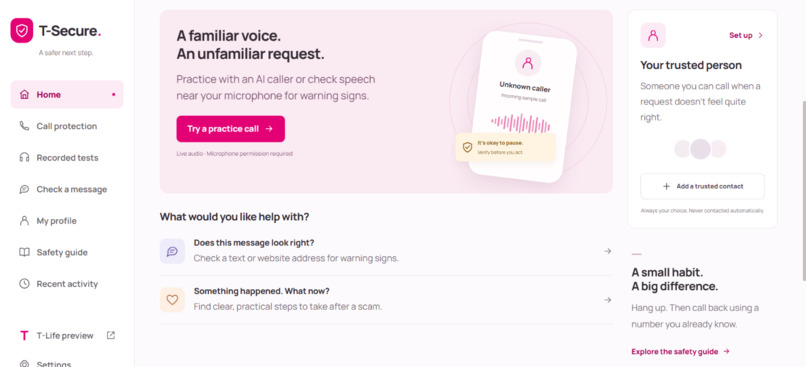
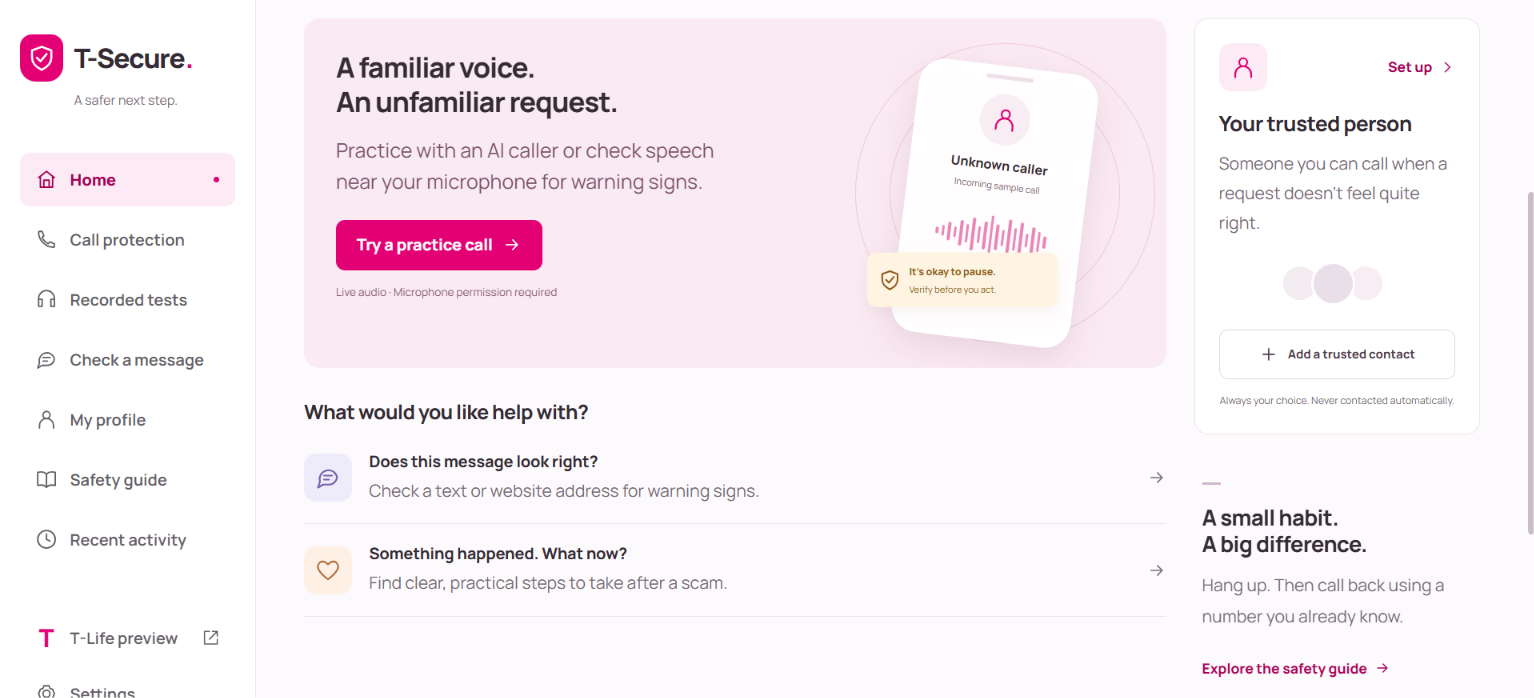
Our Home landing Page
-
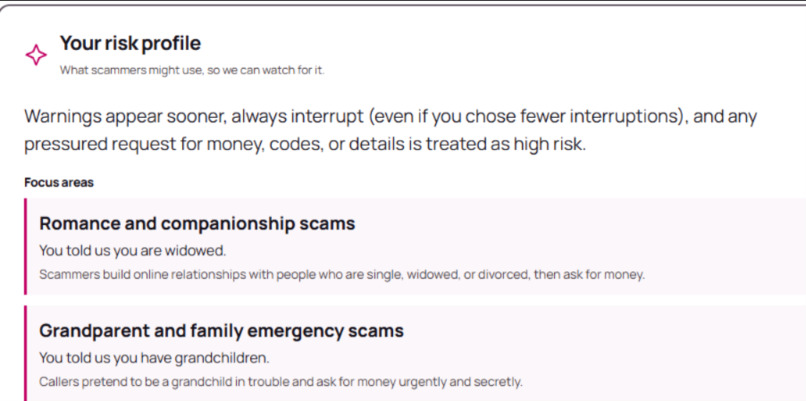
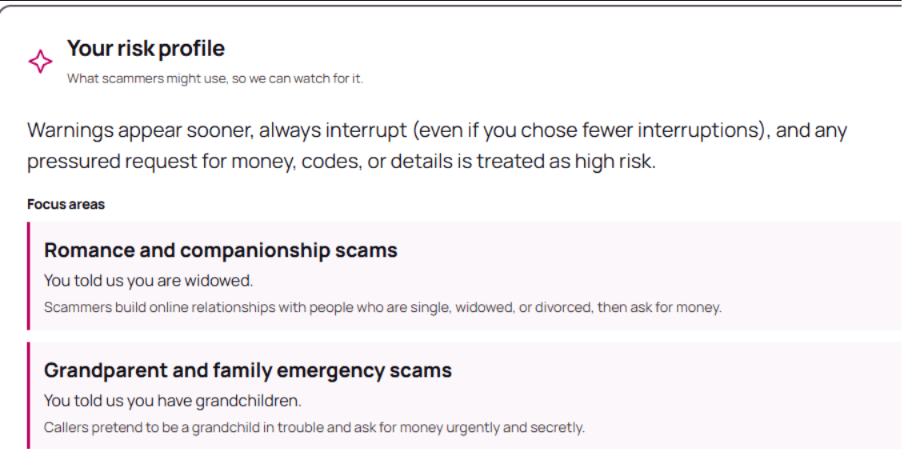
A Risk Profile for Users
-
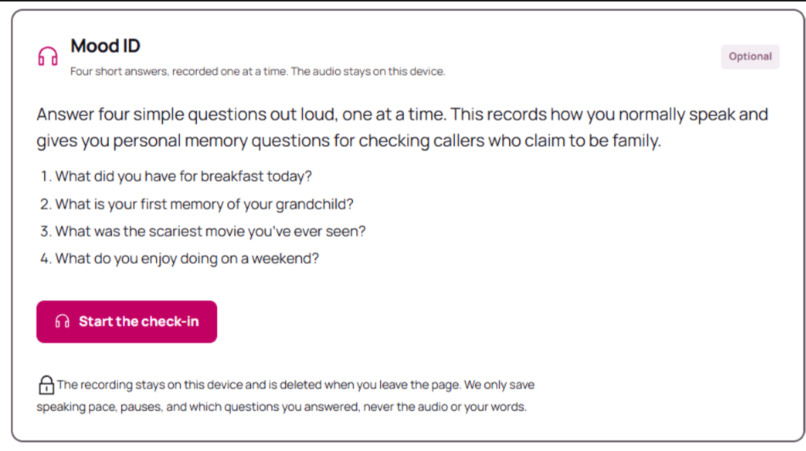
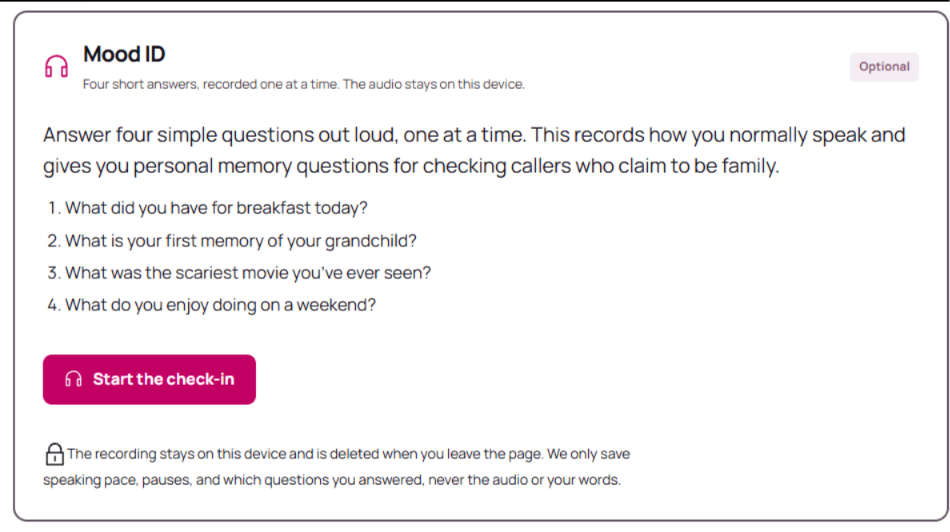
Mood ID detection
-
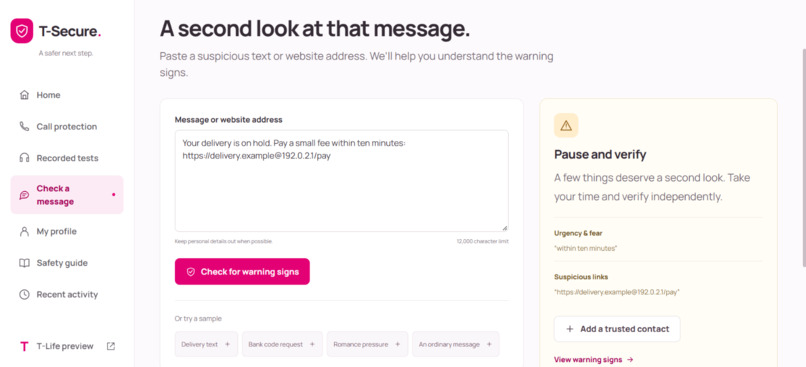
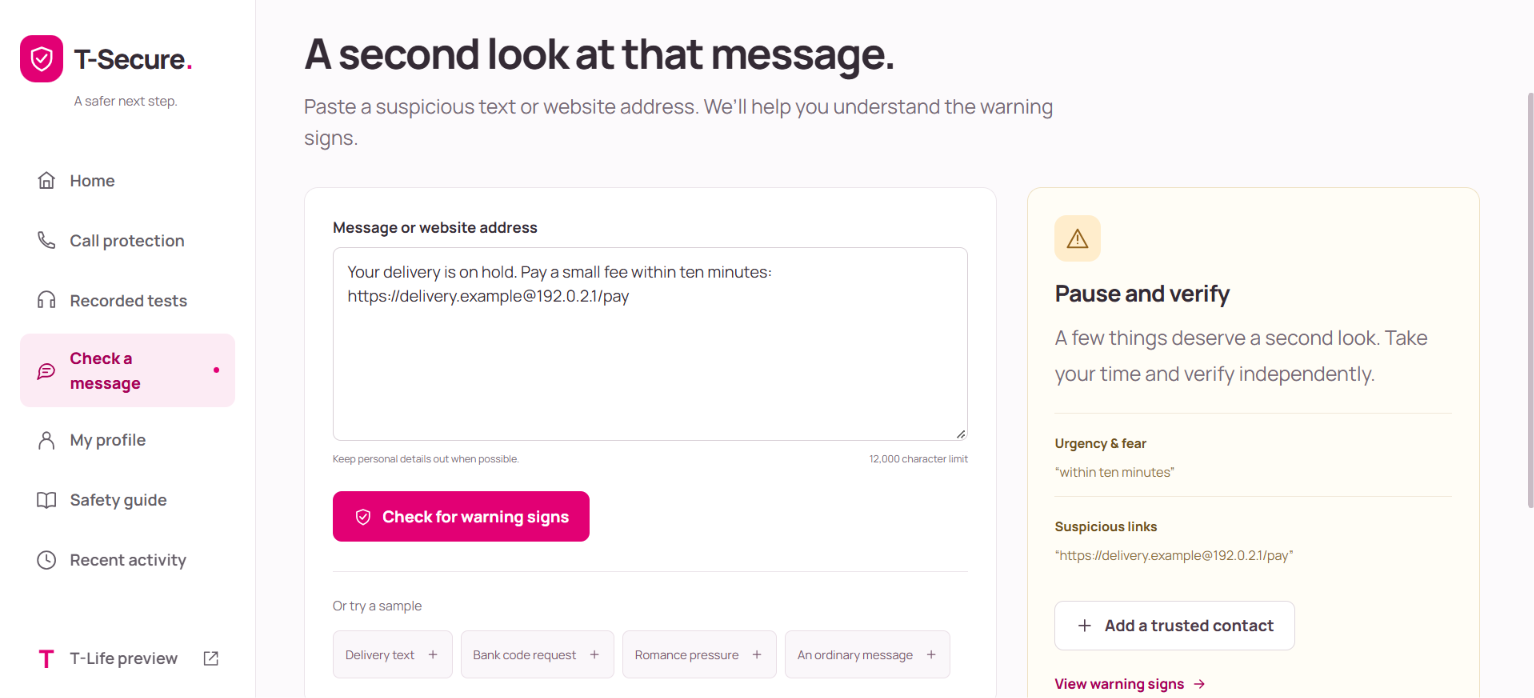
Checking a message for how likely it is a scam
-
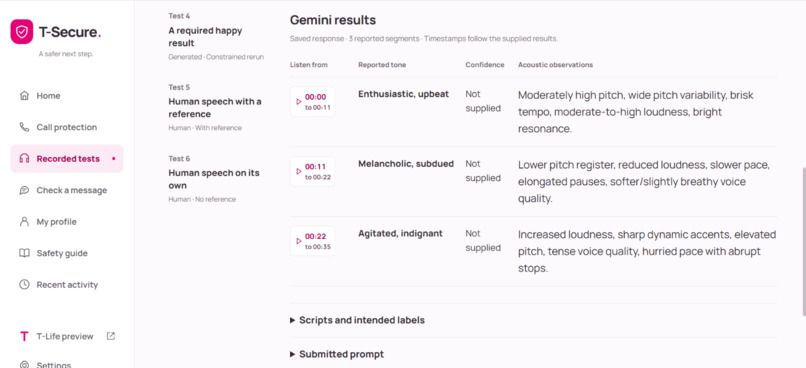
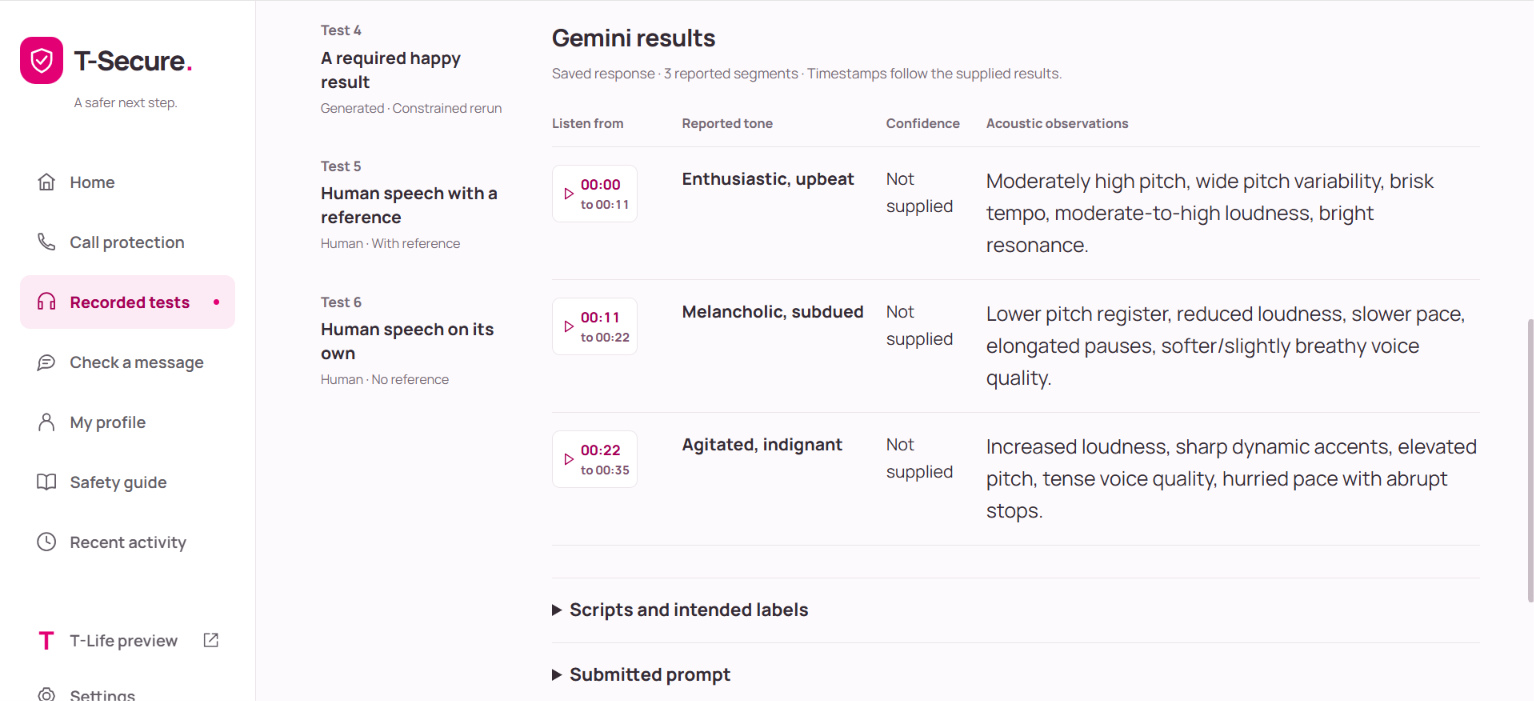
Recorded tests with gemini
-
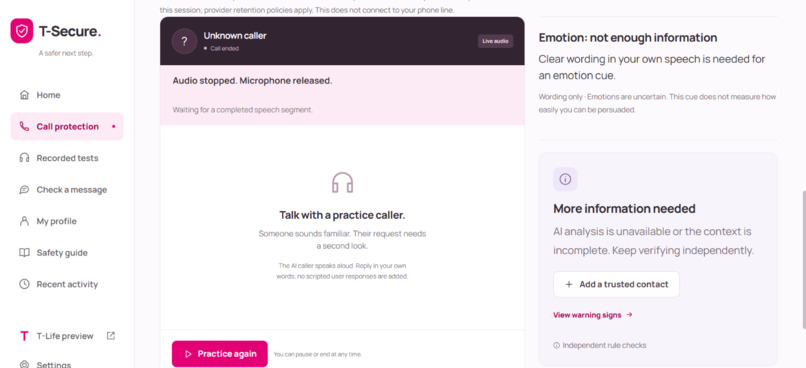
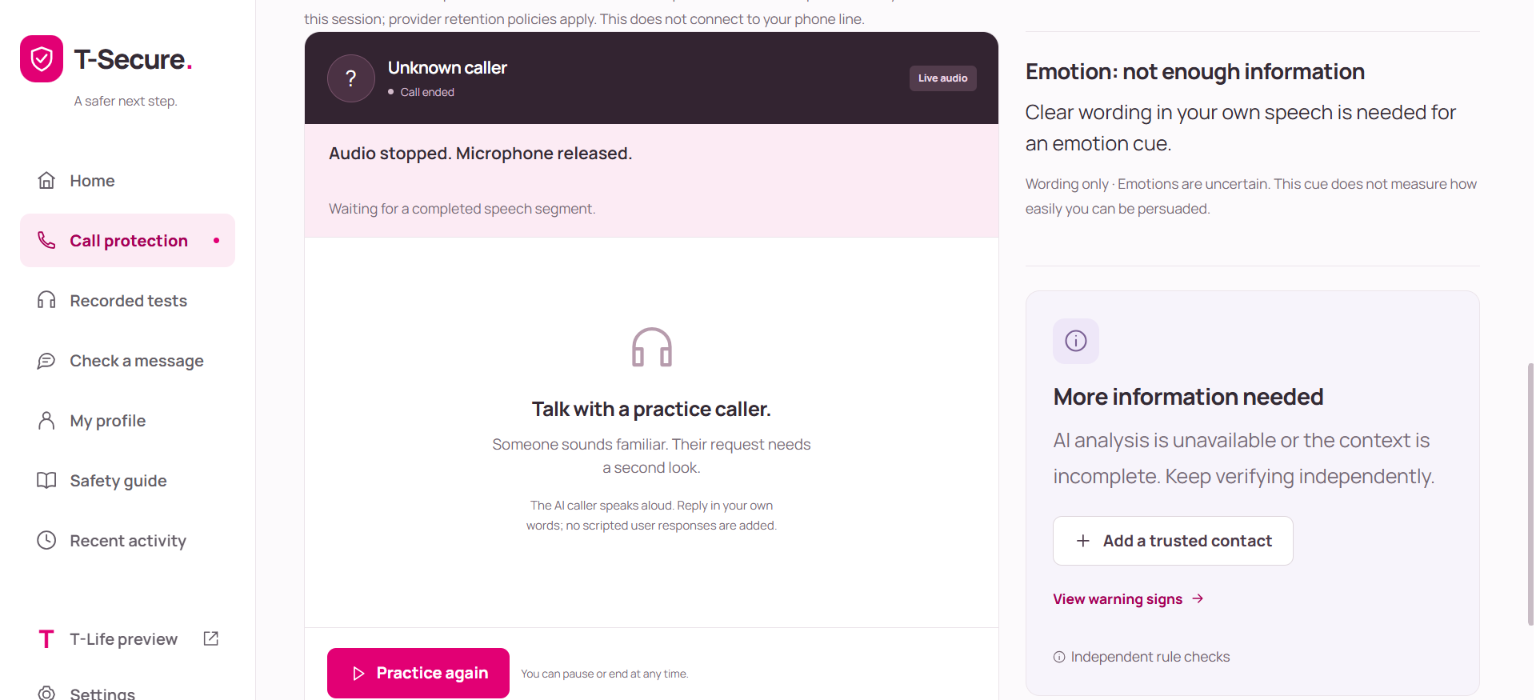
Testing with a Practice Caller
-
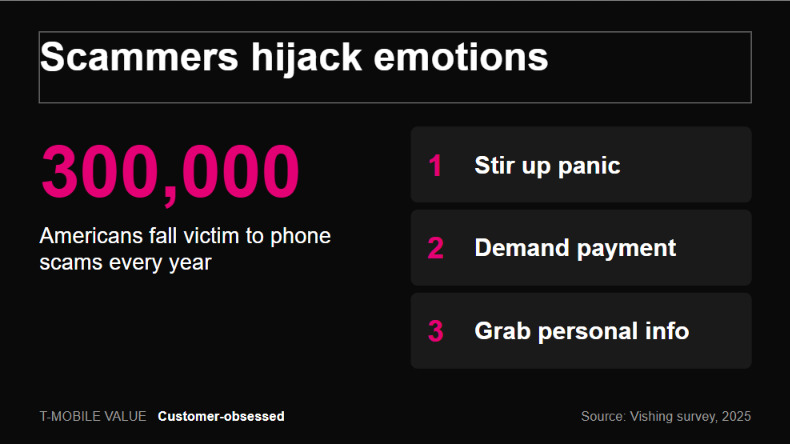
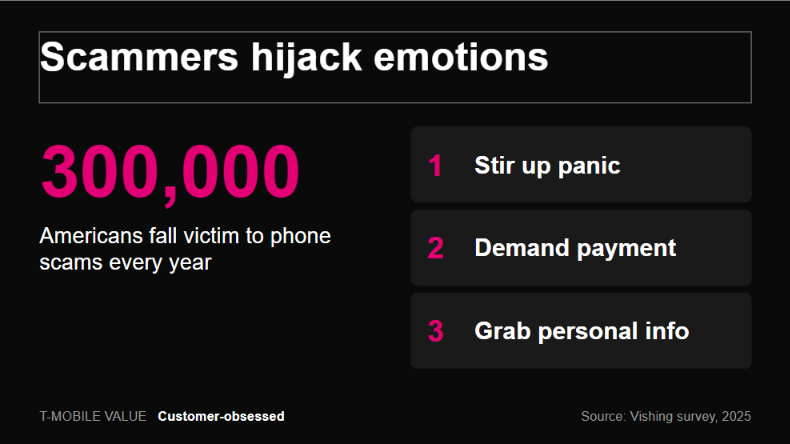
How Scammers Scam
-
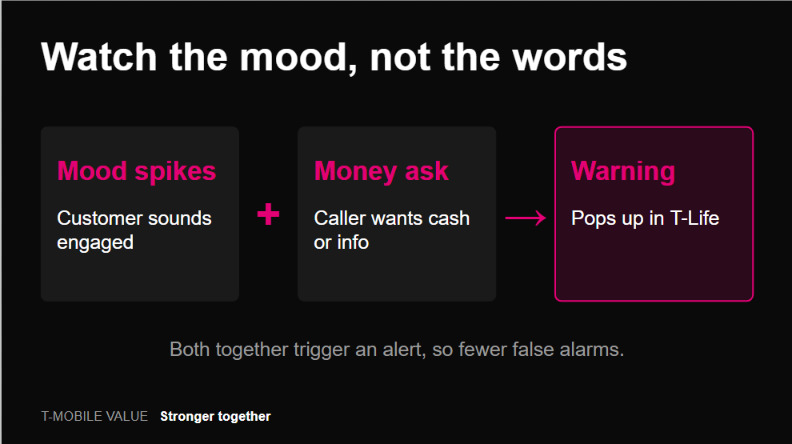
What Our Take is
-
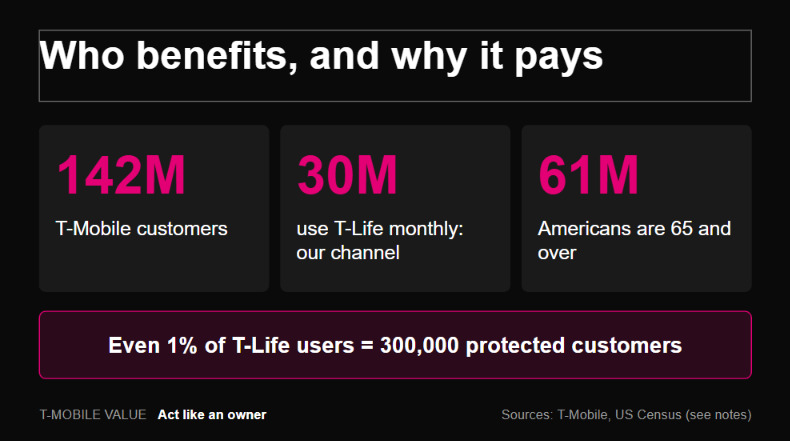
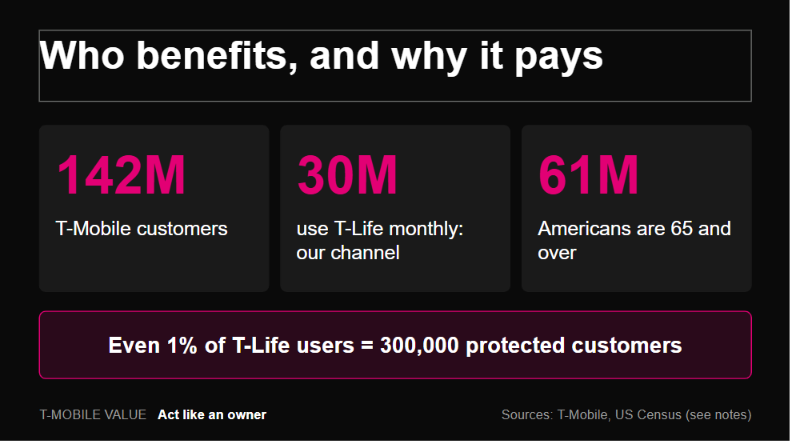
Who it benefits
Inspiration
Scammers exploit fear, urgency, and trust to pressure people, especially older adults, into sending money or sharing personal information. Inspired by research on phone scams and emotional manipulation, we created T-Secure to help users pause and think clearly at the moment of risk.
What it does
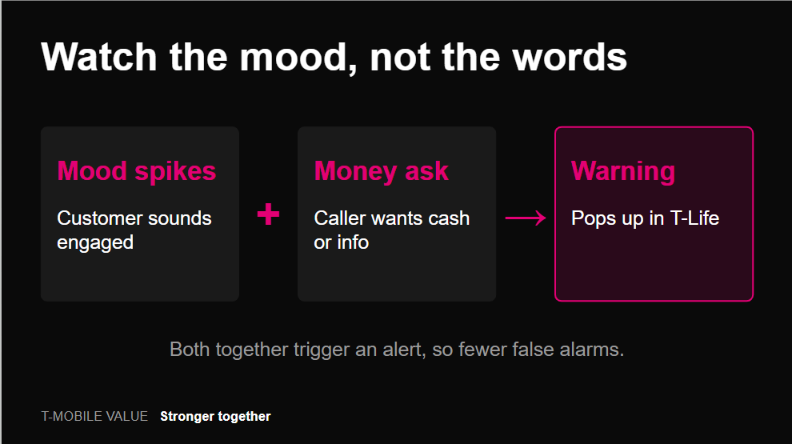
T-Secure is designed to detect changes in a user's mood and combine them with an opt-in psychological profile to identify moments when they may be vulnerable to manipulation. By pairing signs of emotional engagement with suspicious requests for money or personal information, it aims to deliver timely, personalized warnings that help users pause and think clearly before acting.
How we built it
We built an installable web app with HTML, CSS, JavaScript, and Vite, using Firebase Authentication and Firestore for private accounts and Vercel for deployment. NVIDIA Nemotron through OpenRouter powers language analysis and practice conversations, while ElevenLabs provides live transcription and generated speech; separate recorded experiments explored Gemini's ability to recognize vocal tone.
Challenges we ran into
Our biggest challenge was integrating research findings on emotional manipulation, vocal cues, and warning fatigue into concrete technical specifications. We translated those findings into evidence-based alerts and limited interruptions while working through model inconsistencies, transcription delays, and the difficulty of separating vocal emotion from clues in the words themselves.
Accomplishments that we're proud of
We demonstrated LLM-based vocal-tone detection in preliminary experiments: Gemini correctly identified three aligned emotion-and-word segments and distinguished engaged/interested from neutral passages in a roughly five-minute human recording. We also built a working scam-awareness prototype and documented the limits of our findings, including the reported 57% Nemotron accuracy on the same recording, rather than treating a small experiment as a validated benchmark.
What we learned
We learned the capabilities and limitations of modern LLMs: they can identify useful language and vocal cues, but their performance depends on the model, prompt, recording, and available context. We also learned how to work together as a team with diverse backgrounds, combining research, development, testing, and storytelling into one shared product.
What's next for T-Secure
Next, we plan to test more speakers and realistic conversations, compare Gemini and Nemotron systematically, and explore an opt-in MoodID reference recording for personalized tone analysis. We also want to investigate wearable stress signals and an authorized T-Life integration while evaluating privacy, false alarms, and whether our warnings help users make safer decisions.
Built With
- css
- firebase
- html
- javascript
- nvidia
- openrouter
- vercel

