-
-
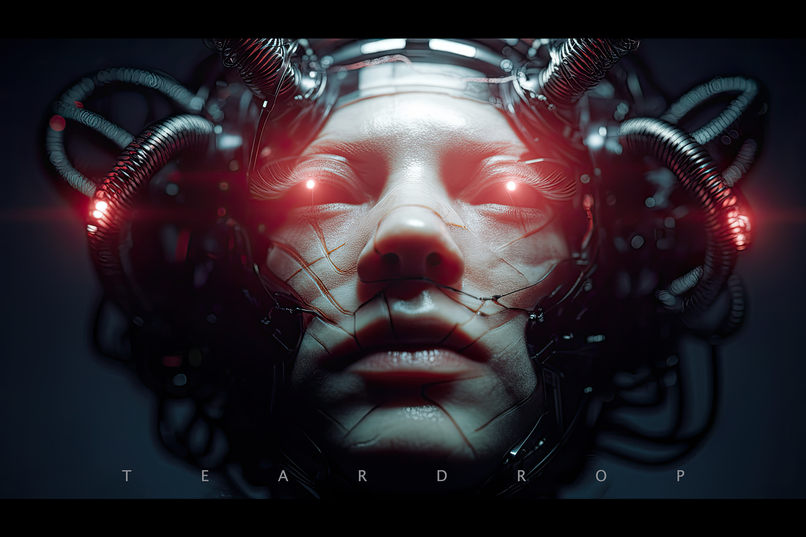
T E A R D R O P
Inspiration
The inspiration for the TEARDROP music video began with creating the emotional core of the project: the song itself. Using Suno, the track was composed, arranged, and generated with atmospheric vocals and sonic textures focused on themes of alien impact, memory fragmentation, and techno-organic mutation.
How I Built It
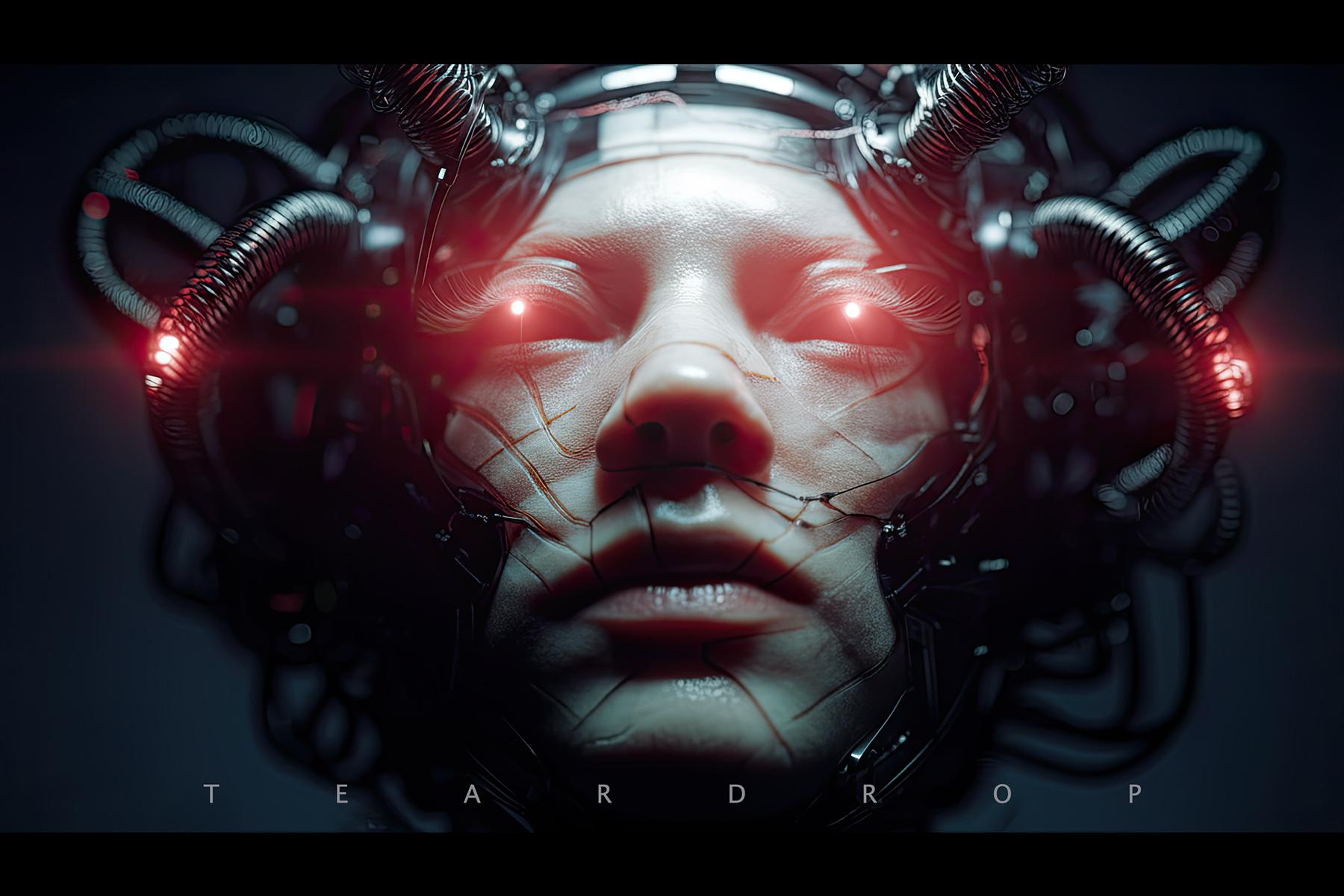
With the song completed and mastered in Adobe Audition, I needed a vocal performance that would drive the lip-sync and character animation throughout the production. I generated a stylized series of portrait close-ups evoking futuristic techno-organic transformation using Midjourney and various shot types created through Google’s Nano Banana.
The AI vocals from Suno were then lip-synced using Kling and Higgsfield to the main singer’s close-up, allowing the performer to convincingly deliver the TEARDROP song. This ensured the visuals maintained emotional continuity and expressive nuance.
With the music foundation set, the focus shifted to visual world-building. Concept art, character imagery, and environmental scenes were produced using Midjourney and Google Nano Banana, enabling the creation of surreal hybrid lifeforms, cybernetic organisms, and shattered planetary landscapes. These images defined the video’s tone, mood, and evolving visual palette.
With static images and the song performance ready, the production process moved into image-to-video generation using Kling, Hailuo Minimax, and Luma. These tools using start and end frames animated the AI-generated visuals, creating sweeping hype-car sequences, hybrid creature movements, biomechanical transformations, shifting timelines, explosions, and atmospheric transitions. The goal was to generate motion that felt fluid, otherworldly, and often unsettling, perfect for the TEARDROP narrative.
The entire project was assembled in CapCut, with additional handheld camera effects added in Adobe After Effects.
Challenges and Accomplishments
The main challenge is always achieving convincing lip-sync and matching the emotional tone of the performer to the song. Using CapCut’s audio extraction feature helped refine this, allowing Kling and Higgsfield to better interpret the emotional delivery. This resulted in the most accurate AI-driven lip-synced performance I’ve achieved so far.
Animating static images is also a consistent trial-and-error process often requiring ten minutes or more per render just to see whether the motion prompt worked.
What I Learned
Every new AI project strengthens your production pipeline. AI video tools are evolving at an incredibly rapid pace. With this project, I refined my lip-sync workflow and advanced my motion animation using Luma’s Ray 3, making the hype-car sequence significantly more dynamic.
What's Next
I will continue developing AI performance-based music videos. There are still limitations across the major AI video generators when recreating full song-performance visuals, but progress is accelerating and each project brings new breakthroughs.
Built With
- adobeaftereffects
- adobeaudition
- capcut
- googlenanobanana
- hailuominimax
- higgsfield
- kling
- luma
- midjourney
- moving-images.-edited-using-capcut
- topazgigapixel
- topazvideo


Log in or sign up for Devpost to join the conversation.