-
-
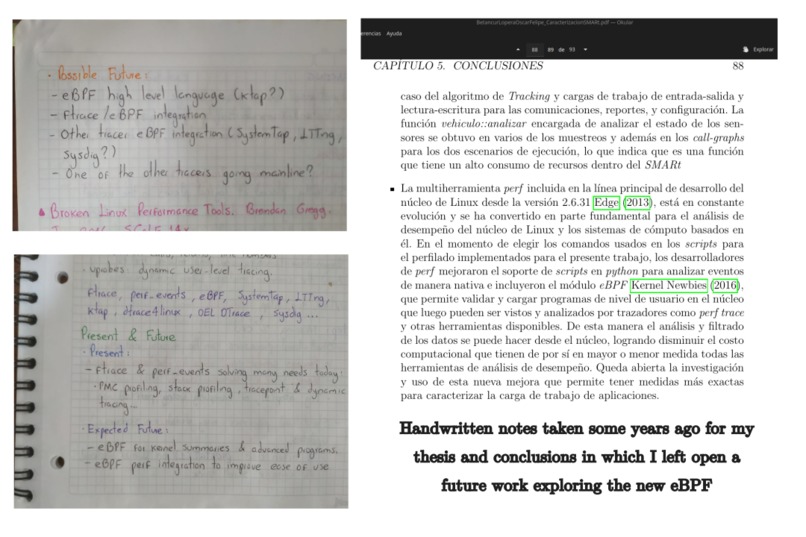
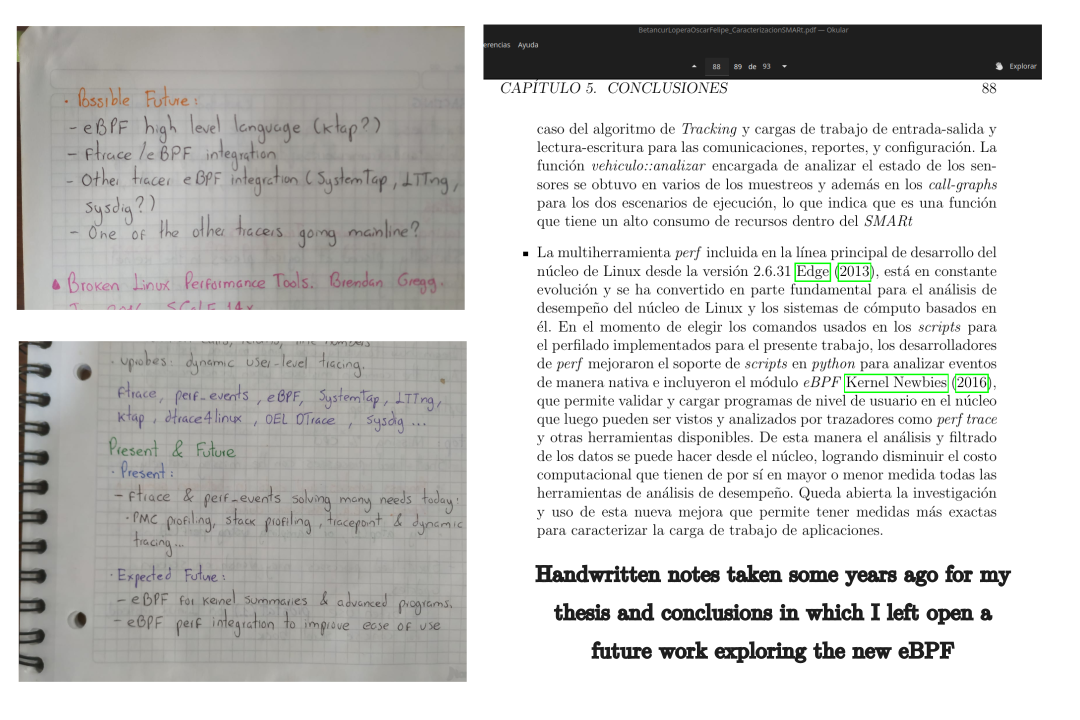
First contact with eBPF many years ago during my undergraduate work
-
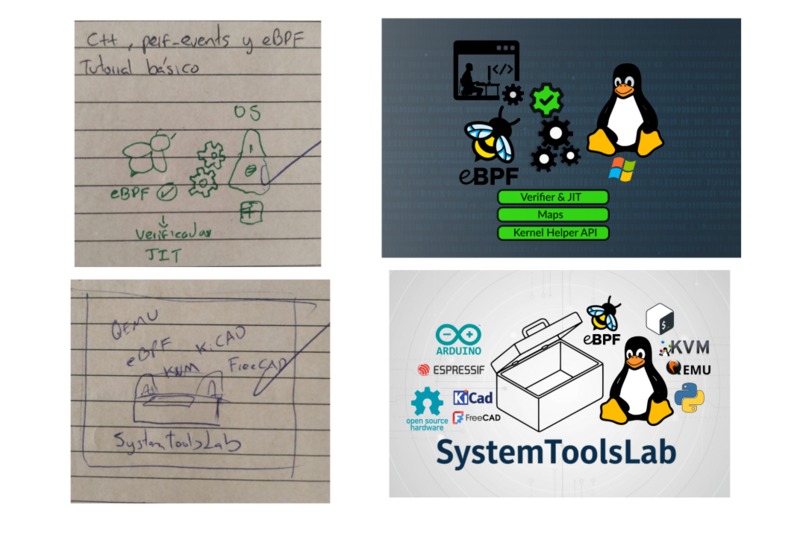
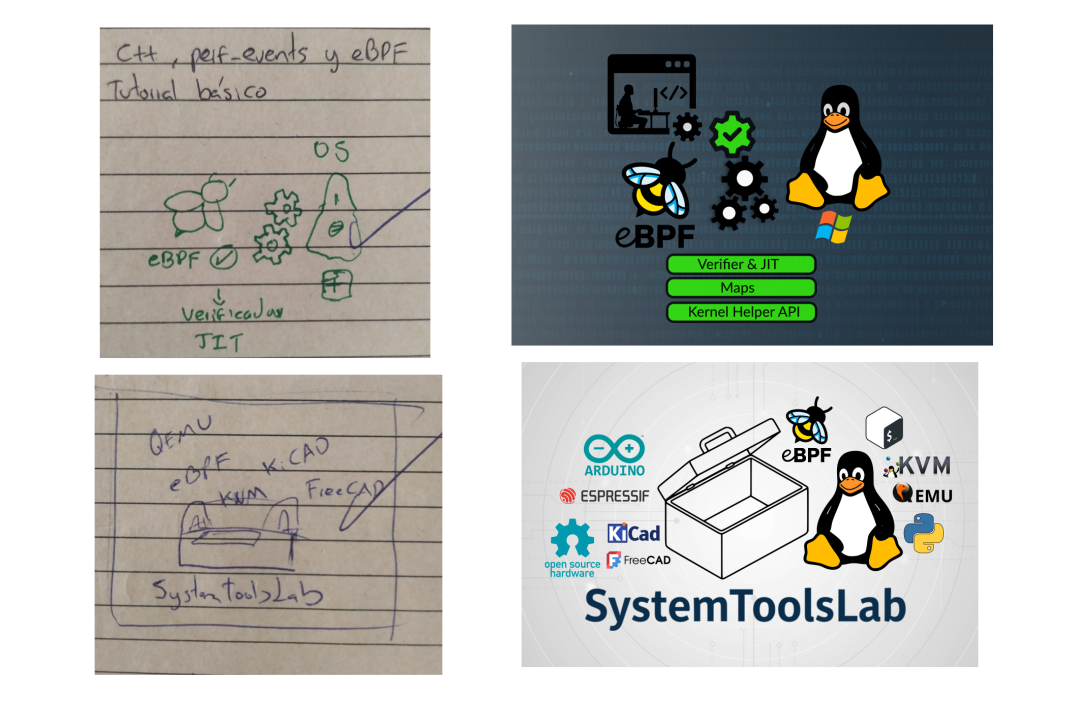
Some sketches for the cover images
-
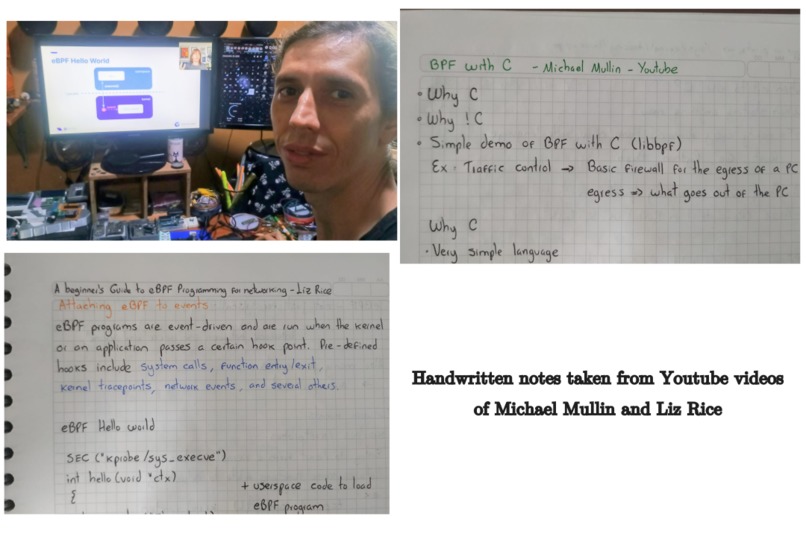
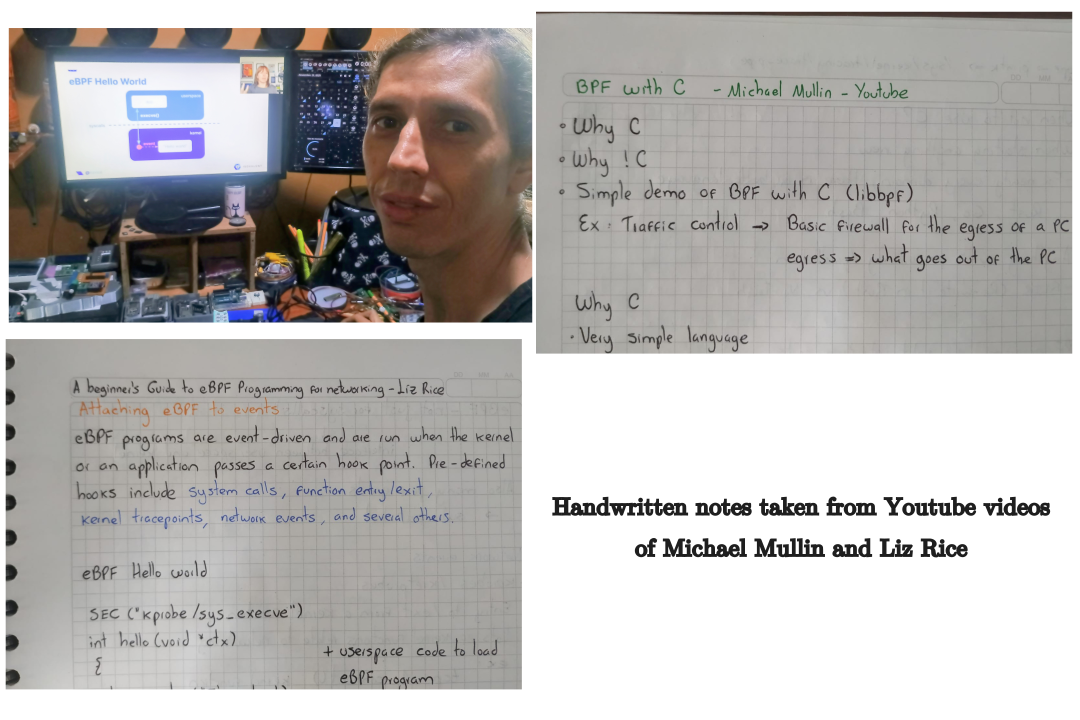
View some videos about eBPF and take handwritten notes
Inspiration
The inspiration for SystemToolsLab goes back to my undergraduate thesis, where I first discovered the potential of eBPF. Although my work focused on characterizing workload using kernel counters, I proposed exploring eBPF as future work—and that idea stayed with me. Since then, my curiosity for this technology has only grown. eBPF’s ability to observe, secure, and extend systems dynamically and safely feels like a perfect match for my interests in low-level engineering, performance, and modern tooling. SystemToolsLab is my space to dive deeper into this ecosystem, experiment, learn, and share everything I find along the way.
What it does
SystemToolsLab is a space dedicated to exploring and sharing learning around powerful open-source tools for engineers, makers, and musicians. The goal is to break down complex technologies, highlight practical workflows, and showcase tools that can spark creativity.
How i built it
SystemToolsLab is built with Astro. I implemented bilingual functionality (English and Spanish) using Astro’s routing and localization features, allowing the blog to reach a wider audience while keeping the experience clean and consistent across both languages
Challenges i ran into
Some of the biggest challenges along the way were getting hands-on practice with Astro, diving deeper into the eBPF ecosystem, and improving my English writing skills to deliver clear, bilingual technical content.
Accomplishments that i'm proud of
I’m proud of creating a space that brings together engineers, makers, and musicians through clear, accessible technical content.
What i learned
I learned how to build a bilingual blog with Astro, while also deepening my understanding of eBPF and its potential for observability, optimization, and security. I also improve my writing process especially in English
What's next for SystemToolsLab
I plan to publish more articles about eBPF, including practical tutorials, and exploring projects related to eBPF. I also want to extend the blog into a broader knowledge hub by adding tool reviews, interactive examples, and hands-on labs using QEMU, KVM, KiCAD and other open-source technologies.

Log in or sign up for Devpost to join the conversation.