-
-
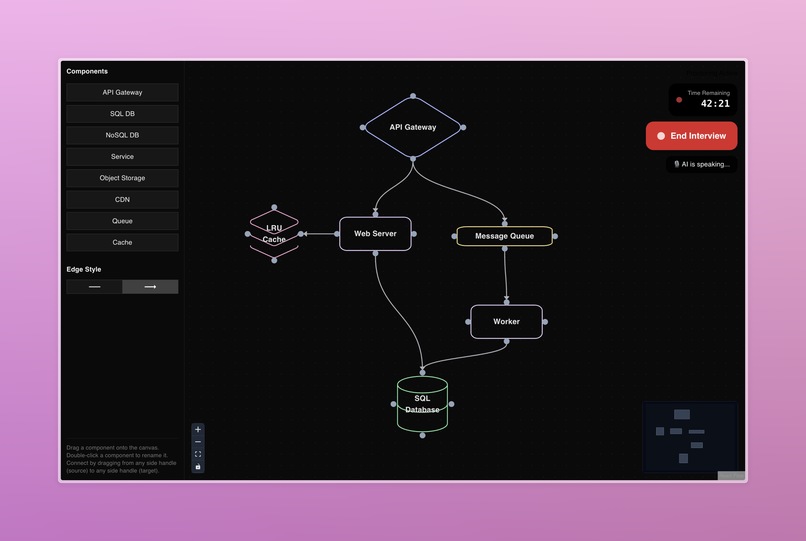
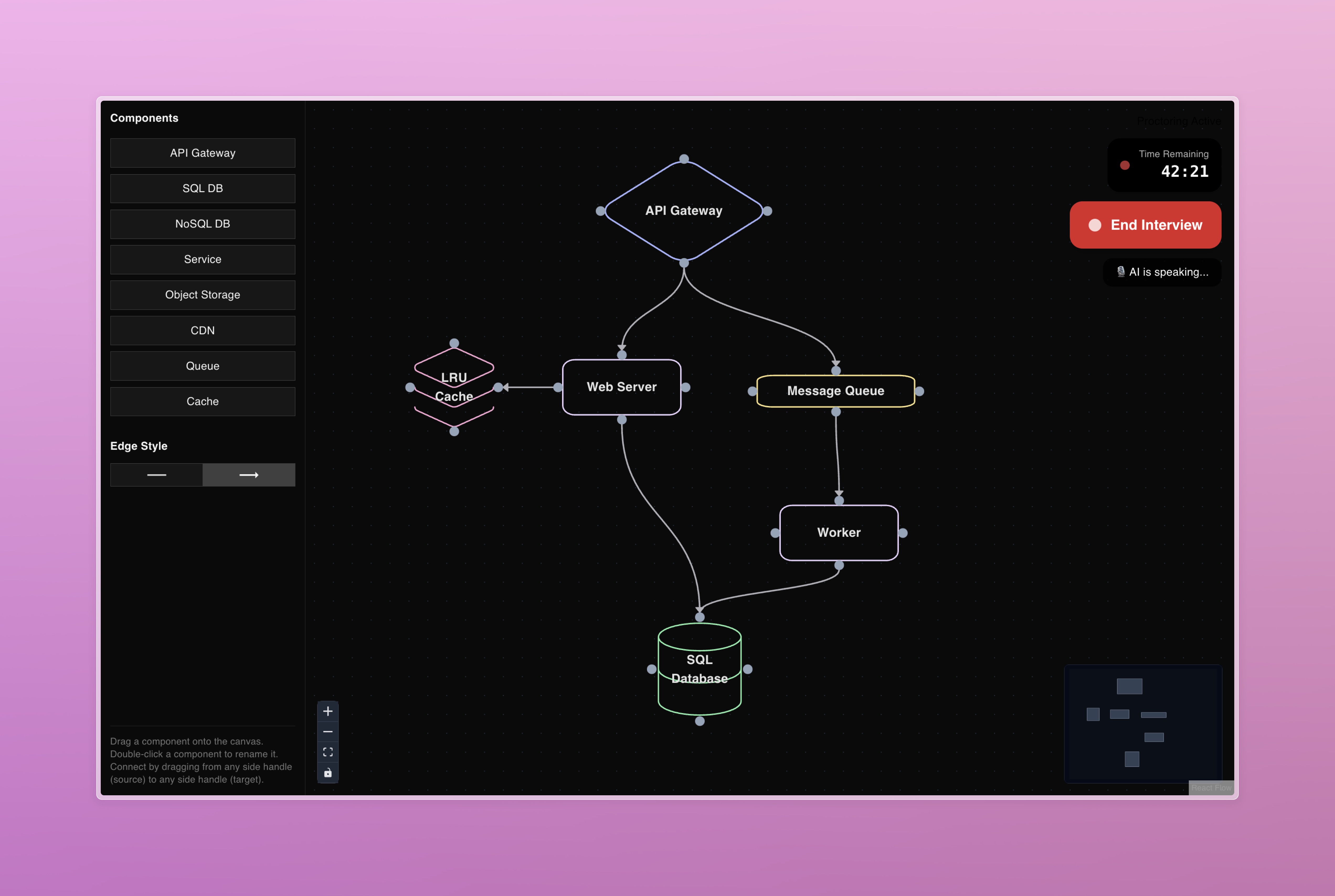
Applicant Takes OA with AI Interviewer
-
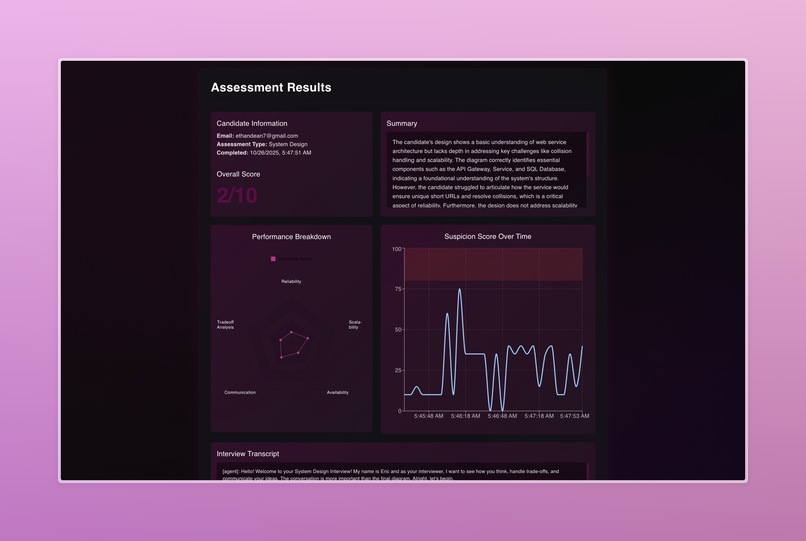
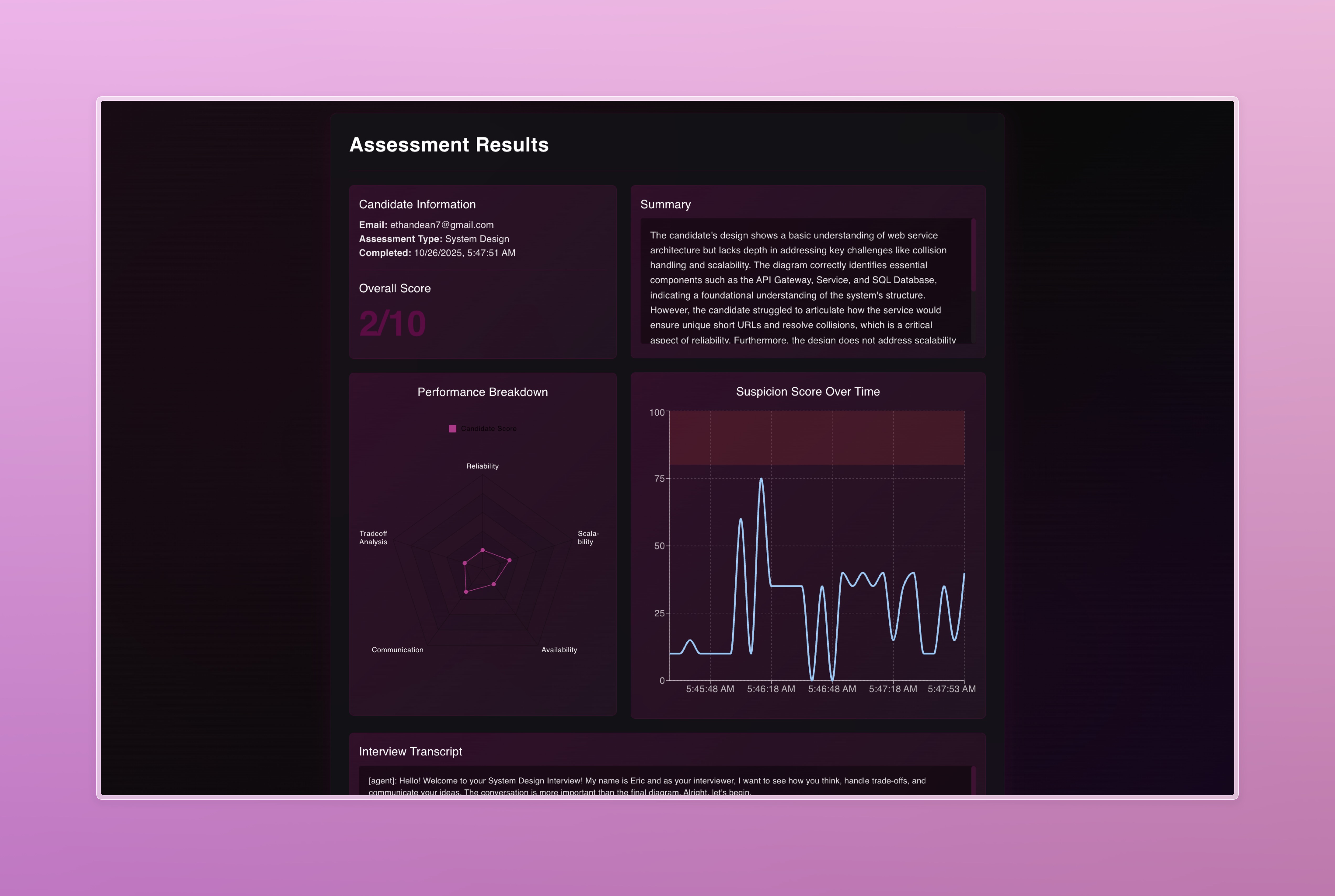
Recruiter Viewing Applicant Results
-
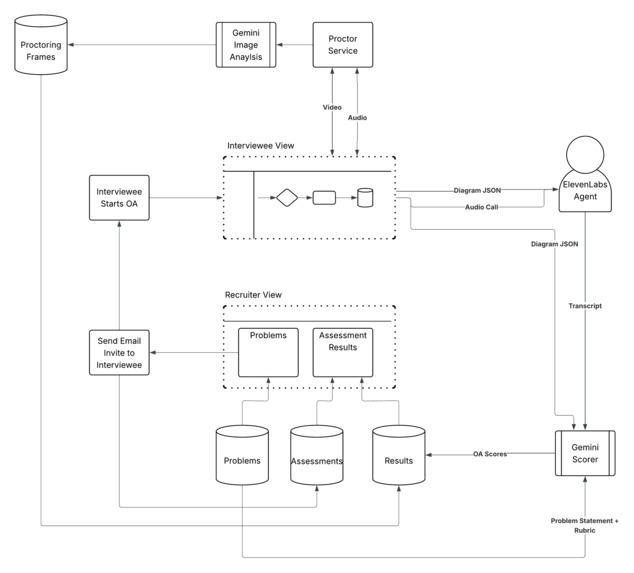
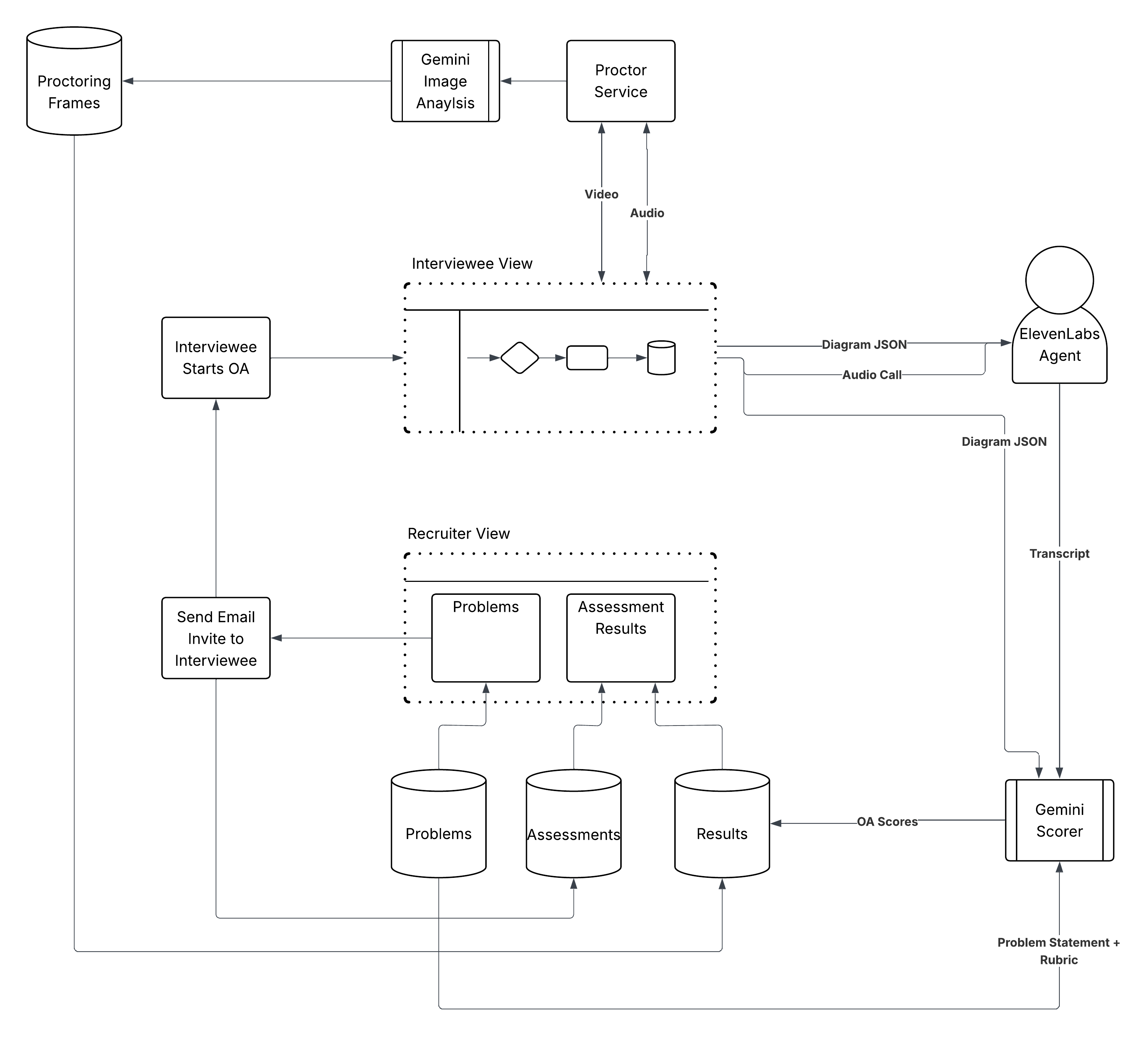
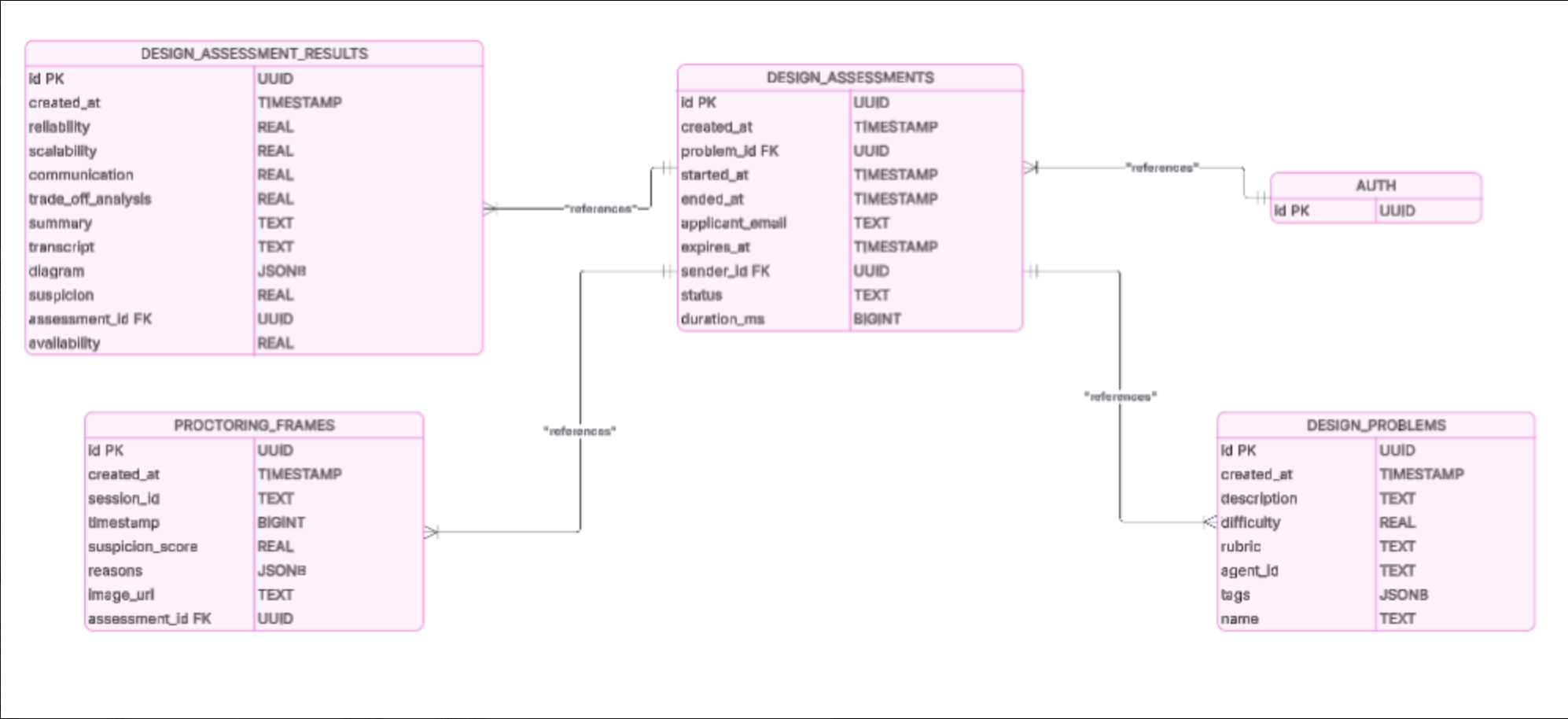
System Architecture
-
-
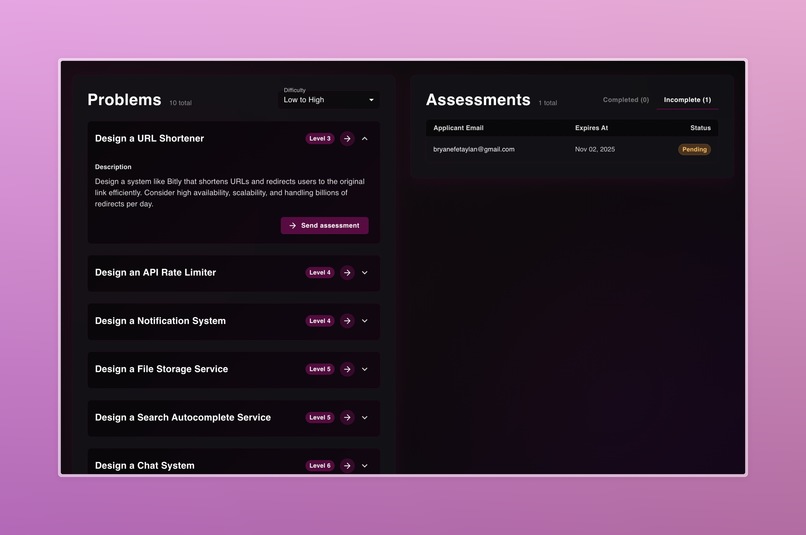
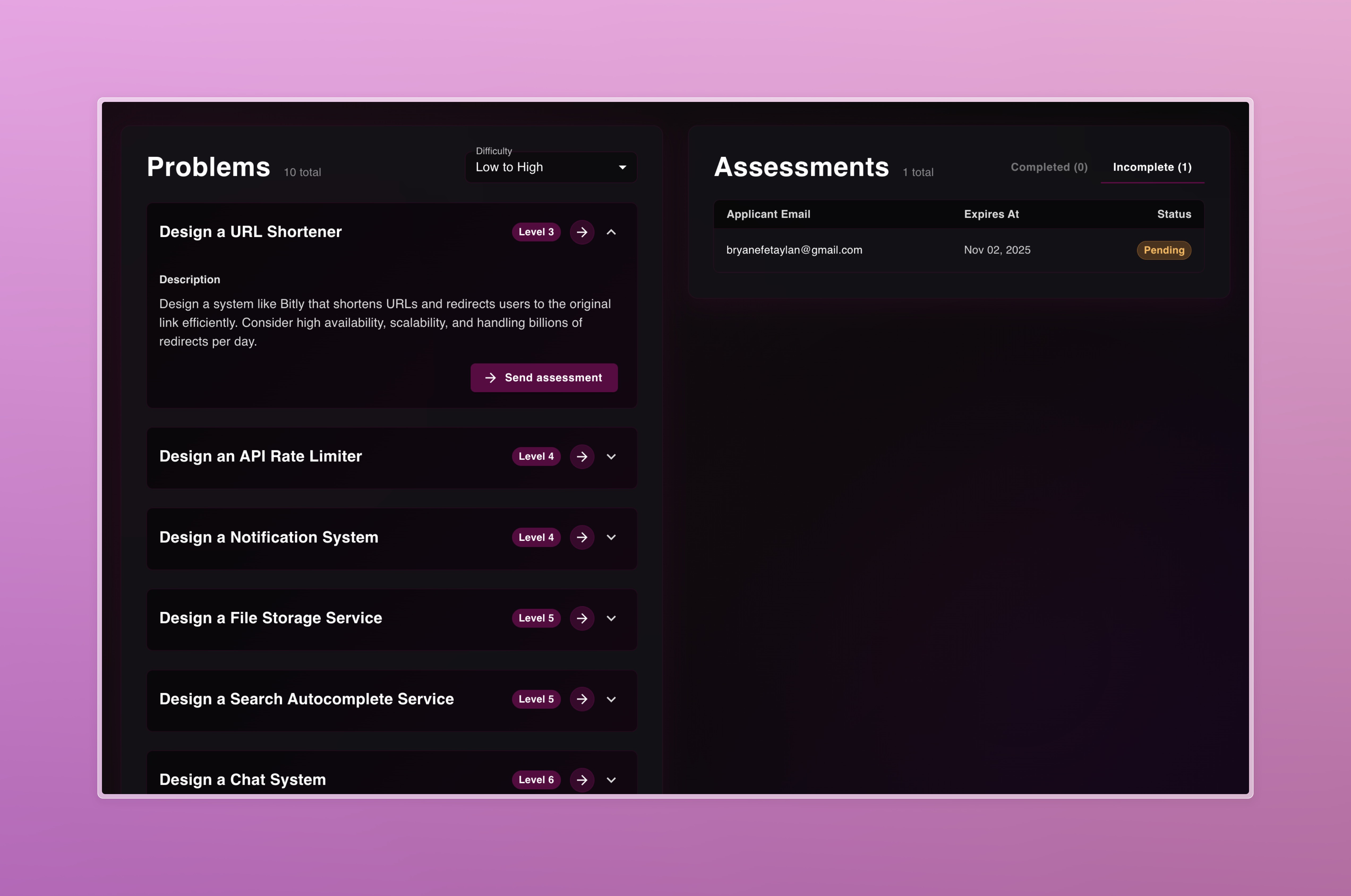
Recruiter Dashboard to Send OAs and View Applicant Results
-
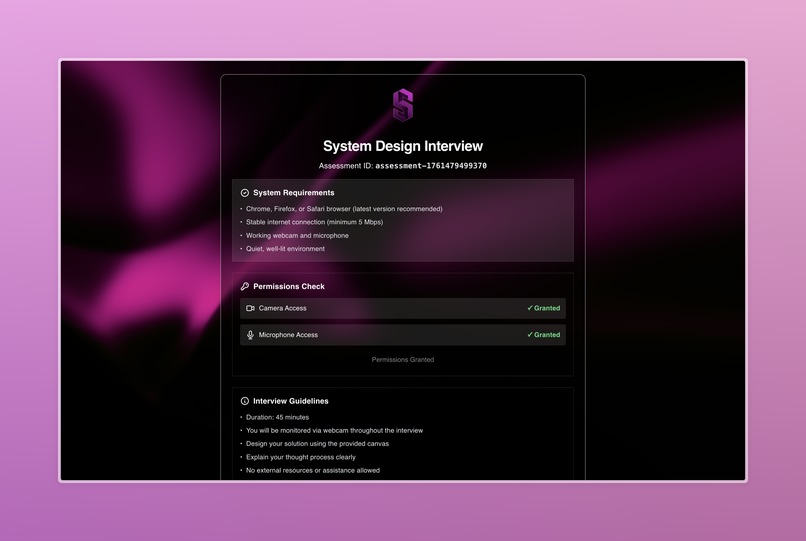
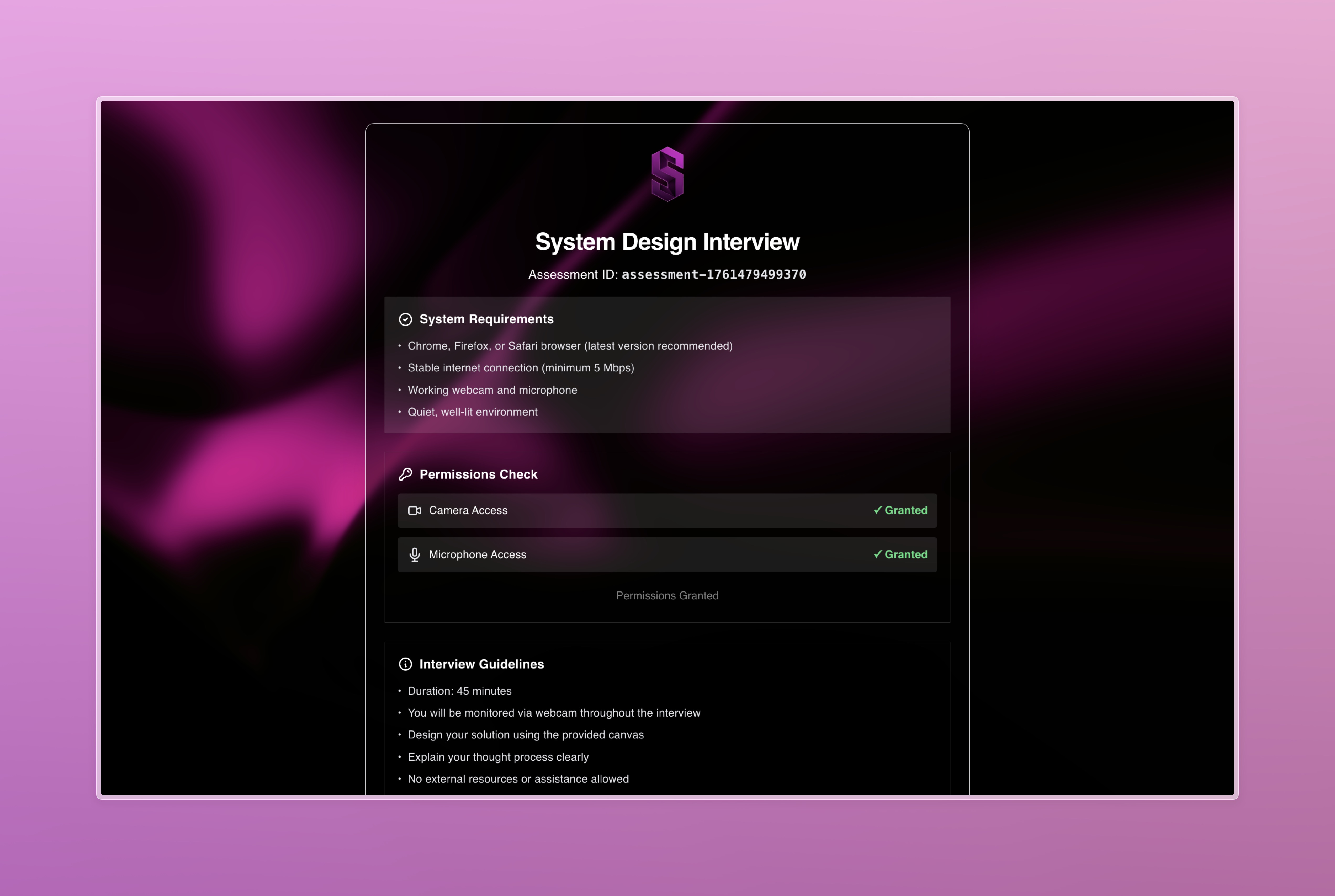
Applicant Validates and Prepares for OA
-
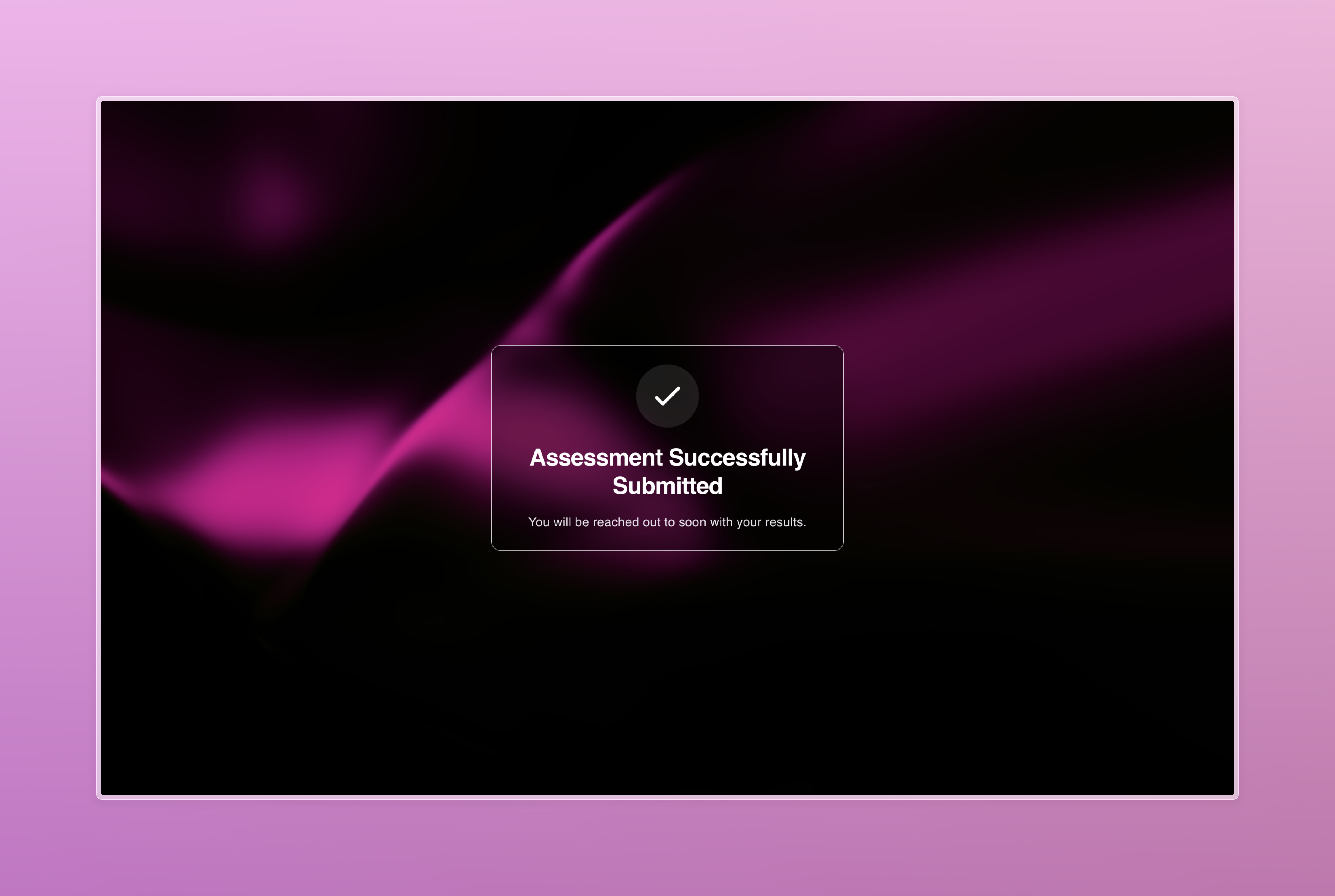
Applicant Submits the OA for Review
-
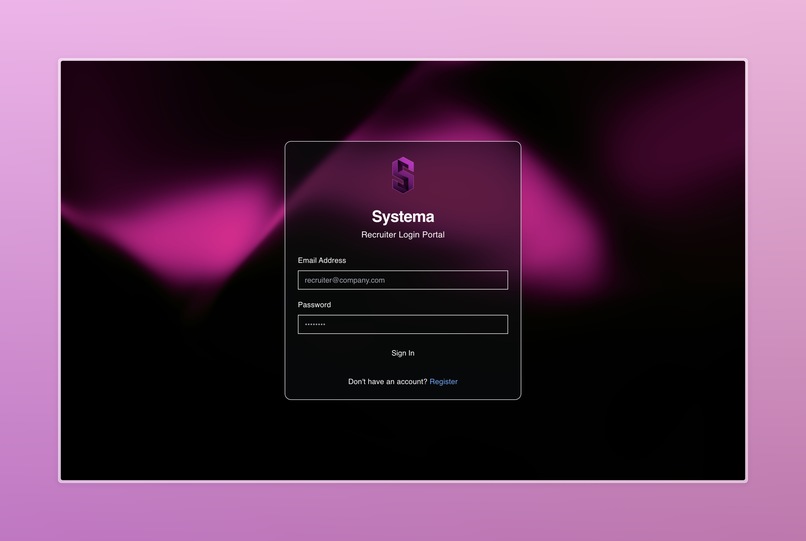
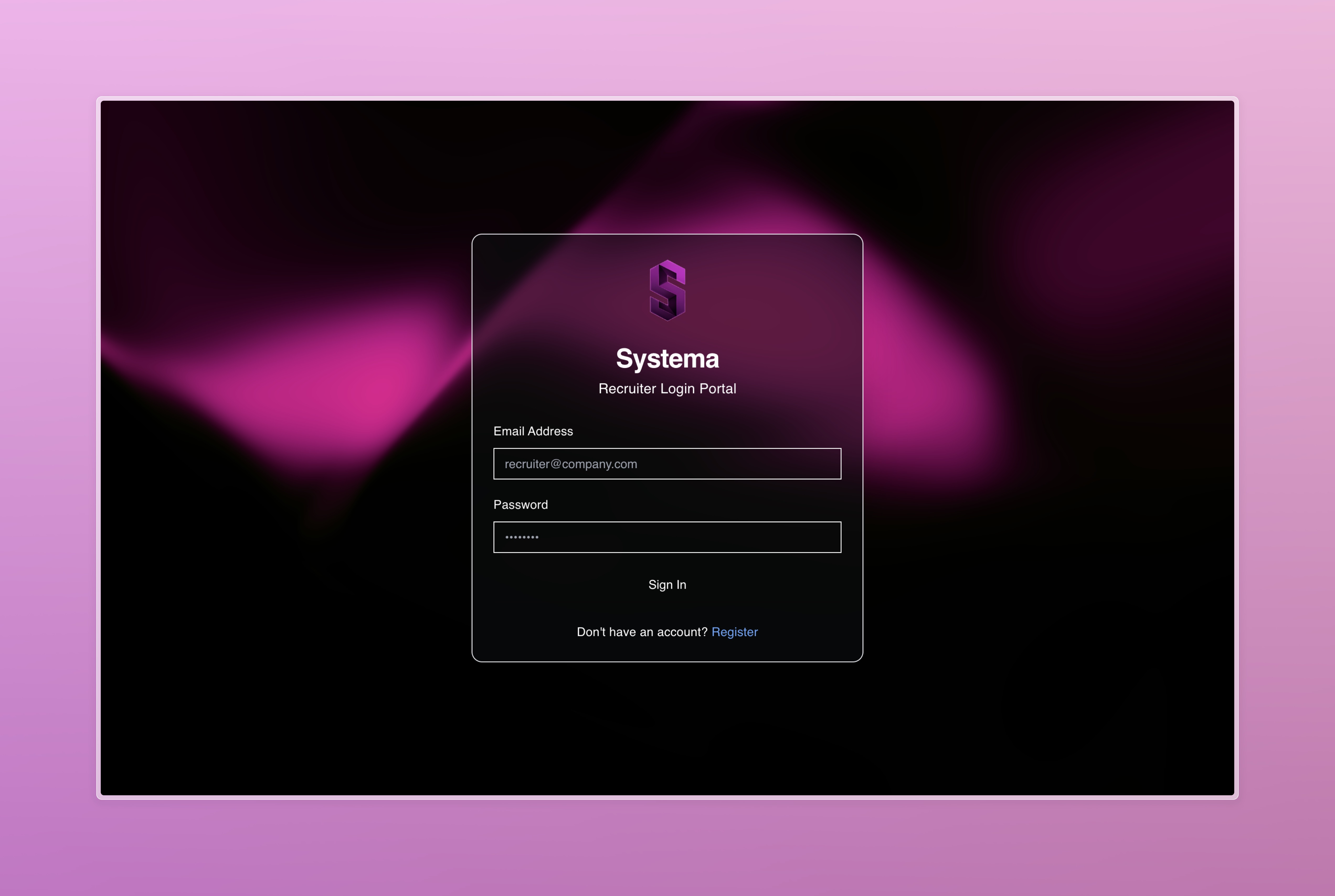
Recruiter Login Form
-
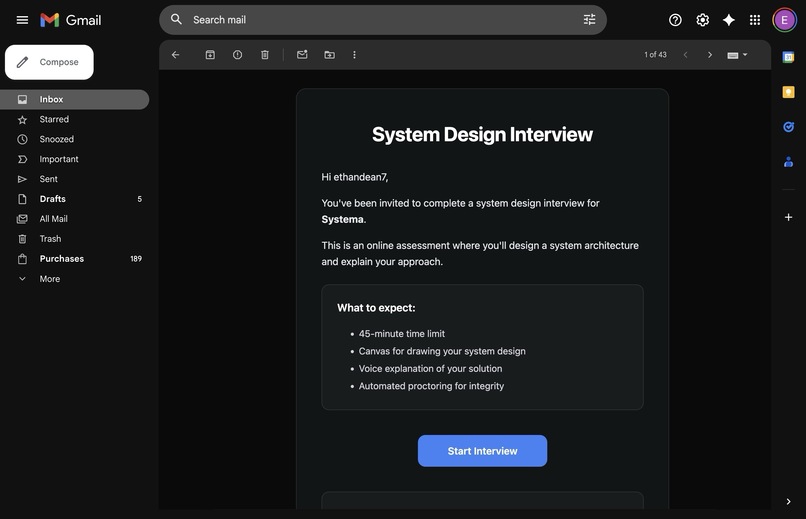
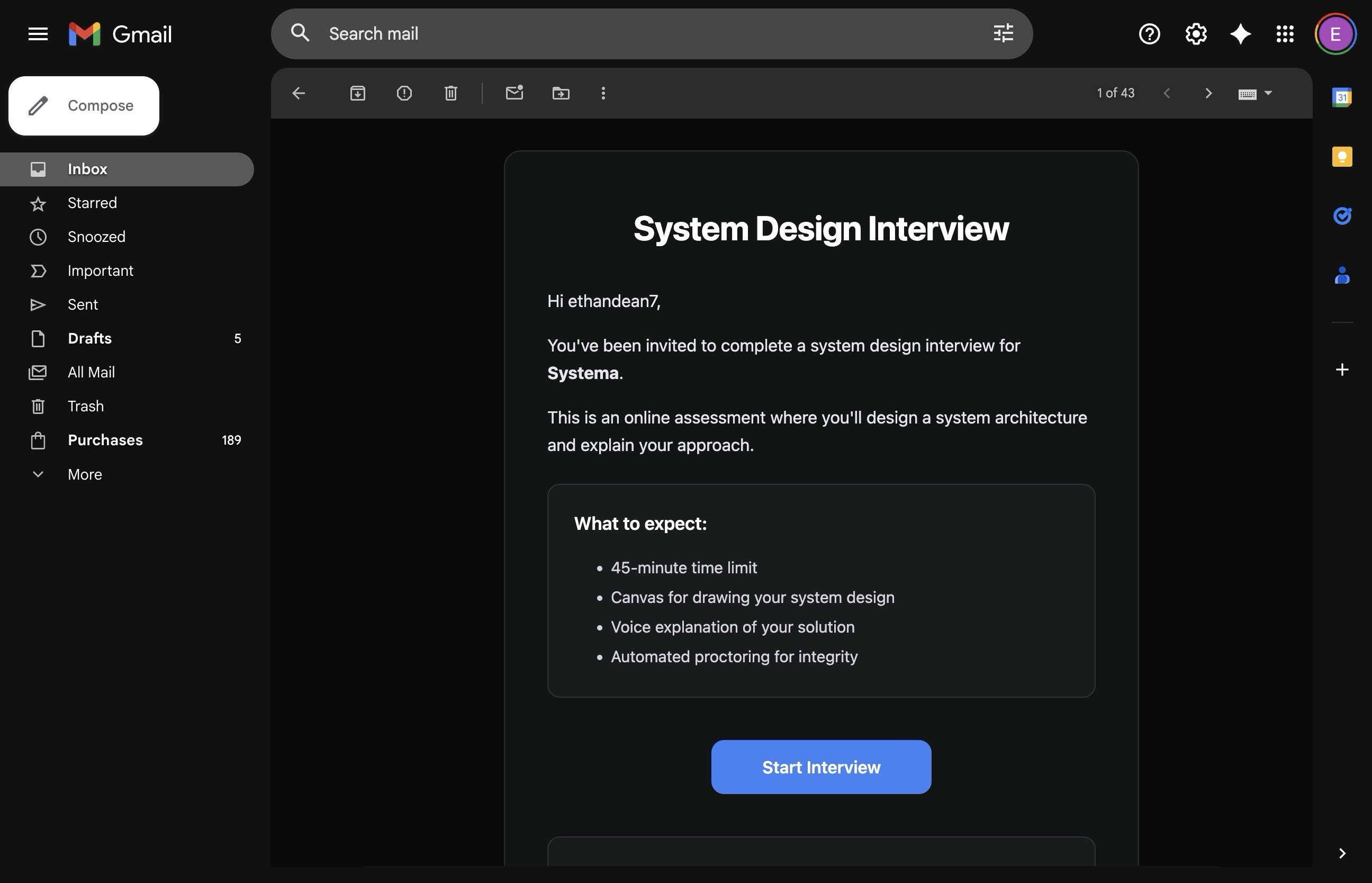
Applicant Receives Email Invitation for OA
Inspiration
The idea for Systema started with the frustration that system design is one of the most important skills for building great software and in our opinion, one of the best indicators for strong engineers, but most companies don't use it in interviews. So as four students who love software architecture and wanted to see more of it, we brainstormed it's three biggest problems and came up with its lack of consistentcy, scalability, and affordability.
System design interviews need senior engineers, take hours to grade, and the feedback is inconsistent. It just isn't worth the investment for most companies, but AI can understand system diagrams, follow rubrics, and grade as consistently if not more. Our goal is that Systema would allow any company to evaluate system design skills without spending a fortune or adding stress to their engineers.
What it does
Systema recreates the complete system design interview experience but automated and at scale.
At the core is an ElevenLabs AI agent that interviews candidates just like a real engineer would. We give it real-time updates from the candidate's canvas so it can ask follow-up questions, dig into design choices, and have natural conversations about the system being built. Computer vision monitors candidates through their webcam to prevent cheating. After the interview, Gemini grades it across the five dimensions of reliability, scalability, availability, clearness of communication, and trade-off analysis.
We're taking one of the most subjective tests in tech hiring and made it consistent, scalable, and affordable. Every candidate gets the same quality interview. Every company gets reliable results they can actually compare.
How we built it
We built Systema with Next.js, Typescript, React, and Supabase in the frontend and backend.
- The canvas lets candidates draw their system designs in real time while outputting the diagram as a JSON. As they work, we extract the diagram state and feed it to an ElevenLabs conversational AI agent that conducts the interview.
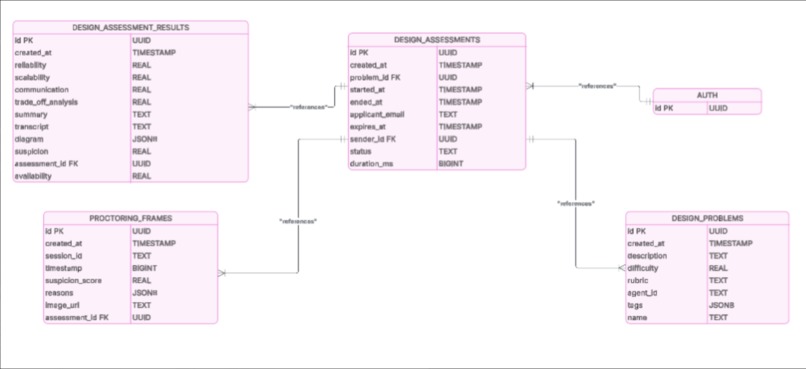
- For proctoring, we capture webcam frames every few seconds and use computer vision to analyze them for suspicious behavior like looking away, multiple people in frame, or phones nearby. All the proctoring data gets stored in Supabase along with the interview recordings.
- When the interview ends, we send the full transcript and diagram to Gemini with a detailed rubric covering the five dimensions we care about. Gemini returns structured scores and feedback that we can show to hiring teams and make recommendations.
Challenges we ran into
The biggest challenge was building a custom MCP server to connect our ElevenLabs agent to the live canvas data. MCP servers aren't incredibly well documented yet, and getting the agent to connect to the real-time diagram updates raised many issues.
We also struggled with the proctoring system at first because processing frames every few seconds without killing performance was tricky. We had to optimize how we encode and send frames to keep the interview experience smooth.
Accomplishments that we're proud of
We're really proud of getting the real-time diagram context insertion working with our ElevenLabs agent. The agent can actually see what the candidate is drawing and ask relevant follow-up questions based on their diagram.
We're also proud of how polished the proctoring system turned out. It catches suspicious behavior without being overly aggressive or creating false positives.
Also, just seeing the whole system work end to end, from a candidate starting the interview to getting consistent grades from Gemini, was incredibly satisfying. It actually reminds us of taking real system design interviews.
What we learned
We learned just how powerful conversational AI has become. ElevenLabs agents can hold genuinely natural technical conversations when you give them the right context. We also learned a ton about building real-time systems that connect multiple AI services together. Getting canvas updates, voice conversations, computer vision, and LLM grading to all work in sync taught us a lot about system architecture. On the technical side, we got deep into prompt engineering and realized how much the quality of your rubric affects the consistency of AI grading, small changes in how we phrased the rubric made huge differences in score reliability.
What's next for Systema
We want to expand Systema into an all-in-one interview platform.
The conversational AI approach works so well for system design that we think it could handle technical coding interviews and behavioral interviews too.
We also want to add a practice mode for every interview type we offer. Candidates could use Systema to prepare for real interviews, get feedback on their performance, and improve over time.
Built With
- elevenlabs
- gemini
- next
- postgresql
- react
- supabase
- typescript


Log in or sign up for Devpost to join the conversation.