-
-
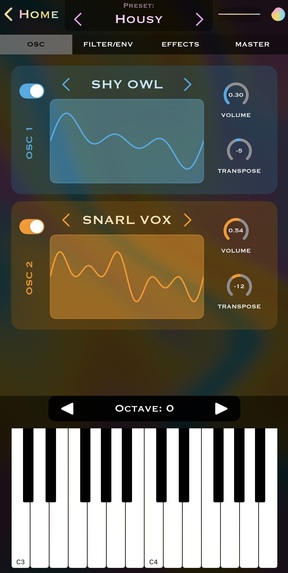
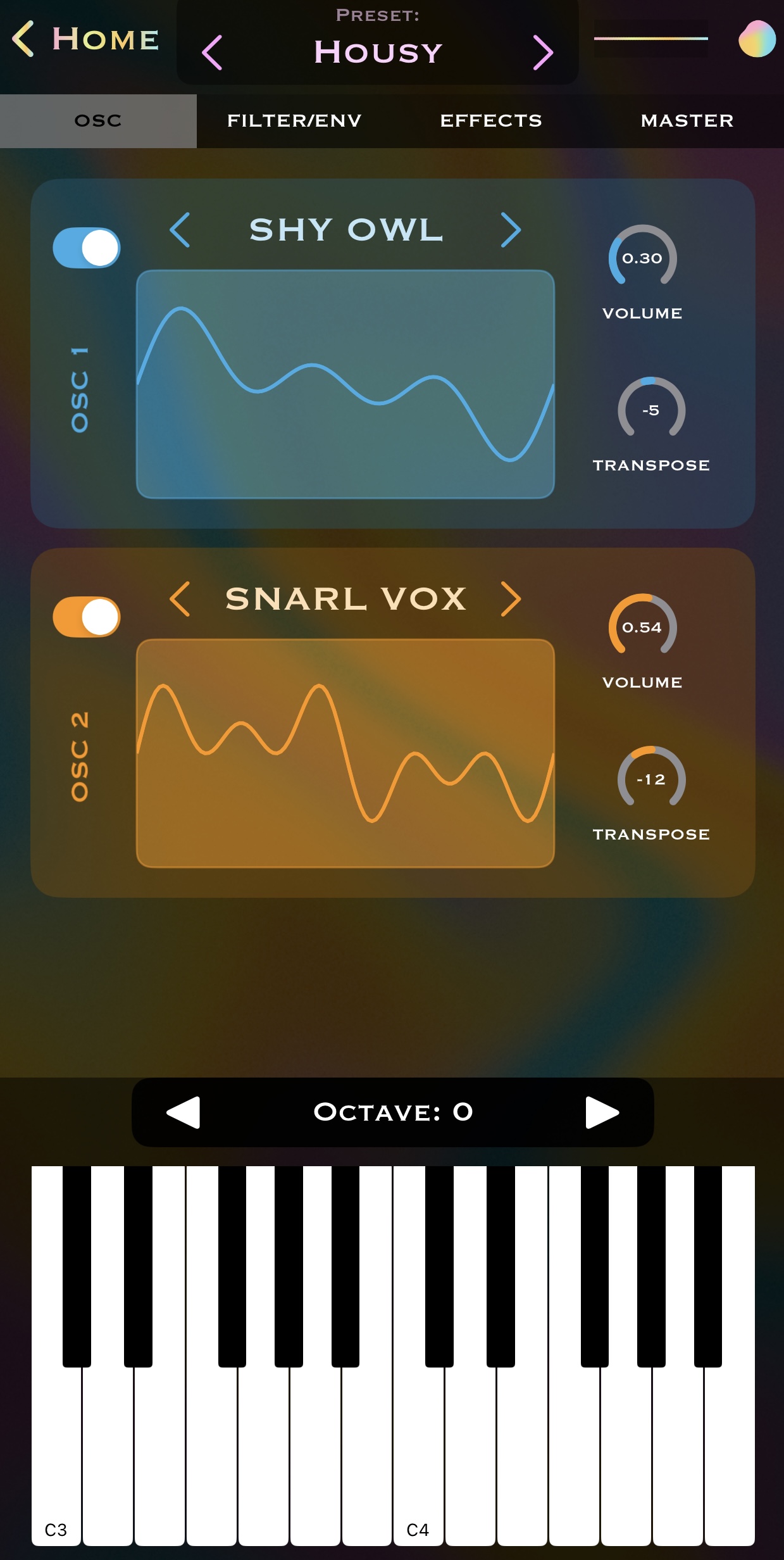
Oscillator Tab
-
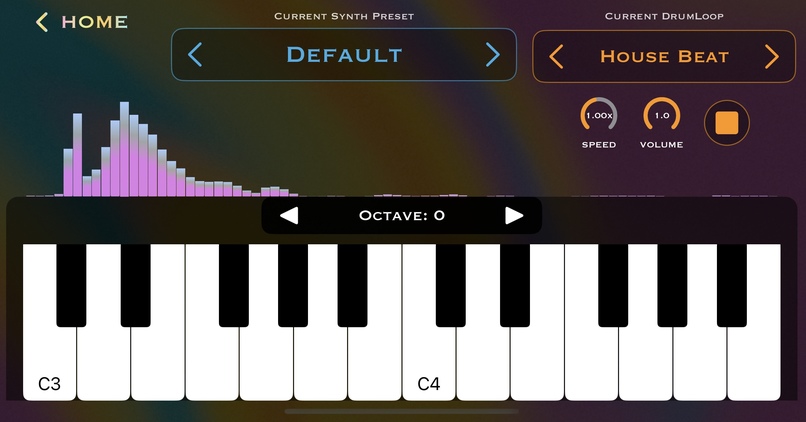
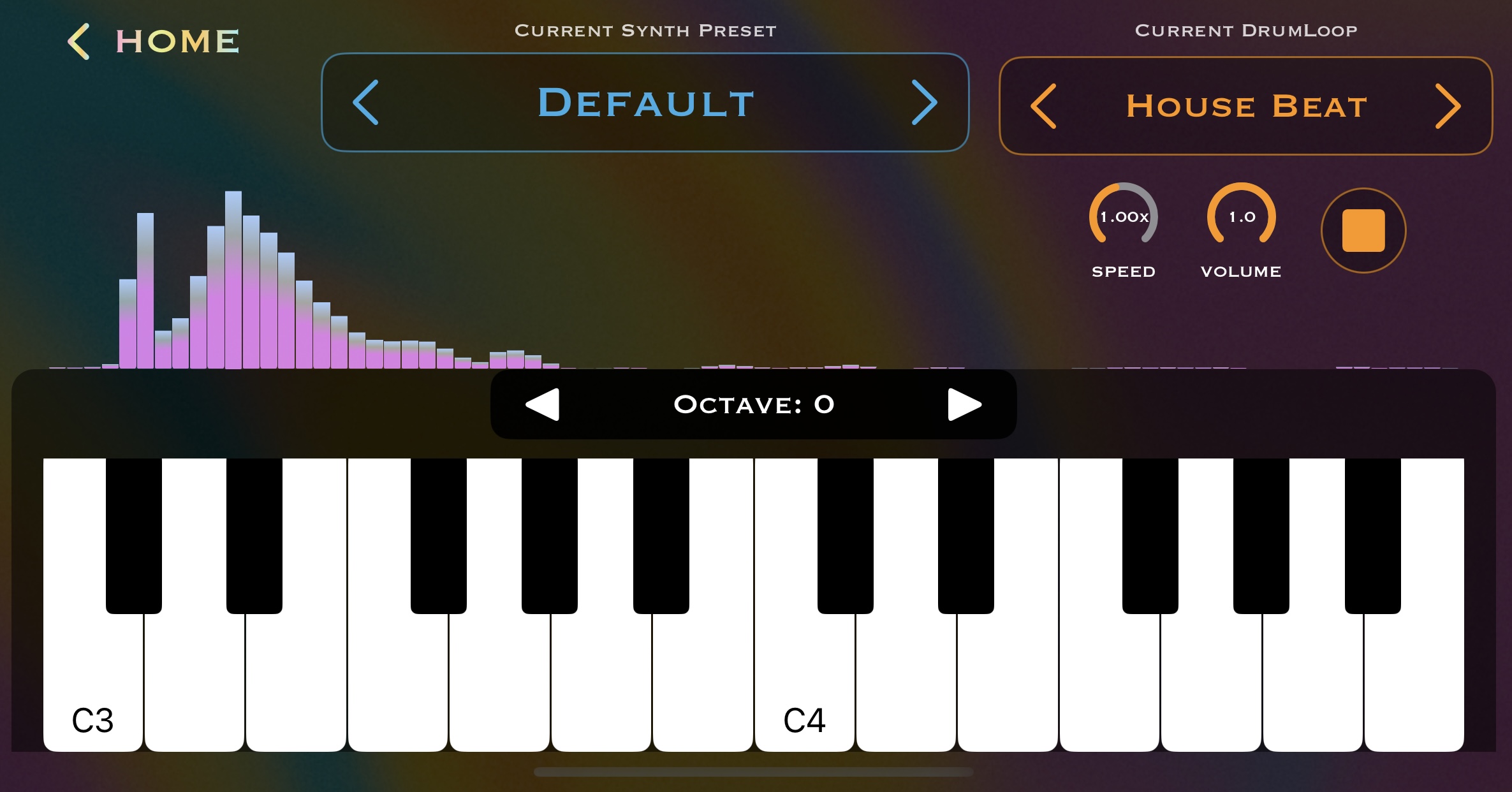
Jam Session
-
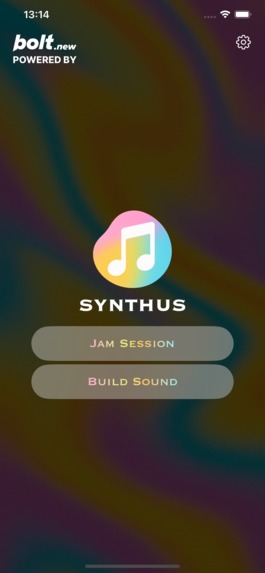
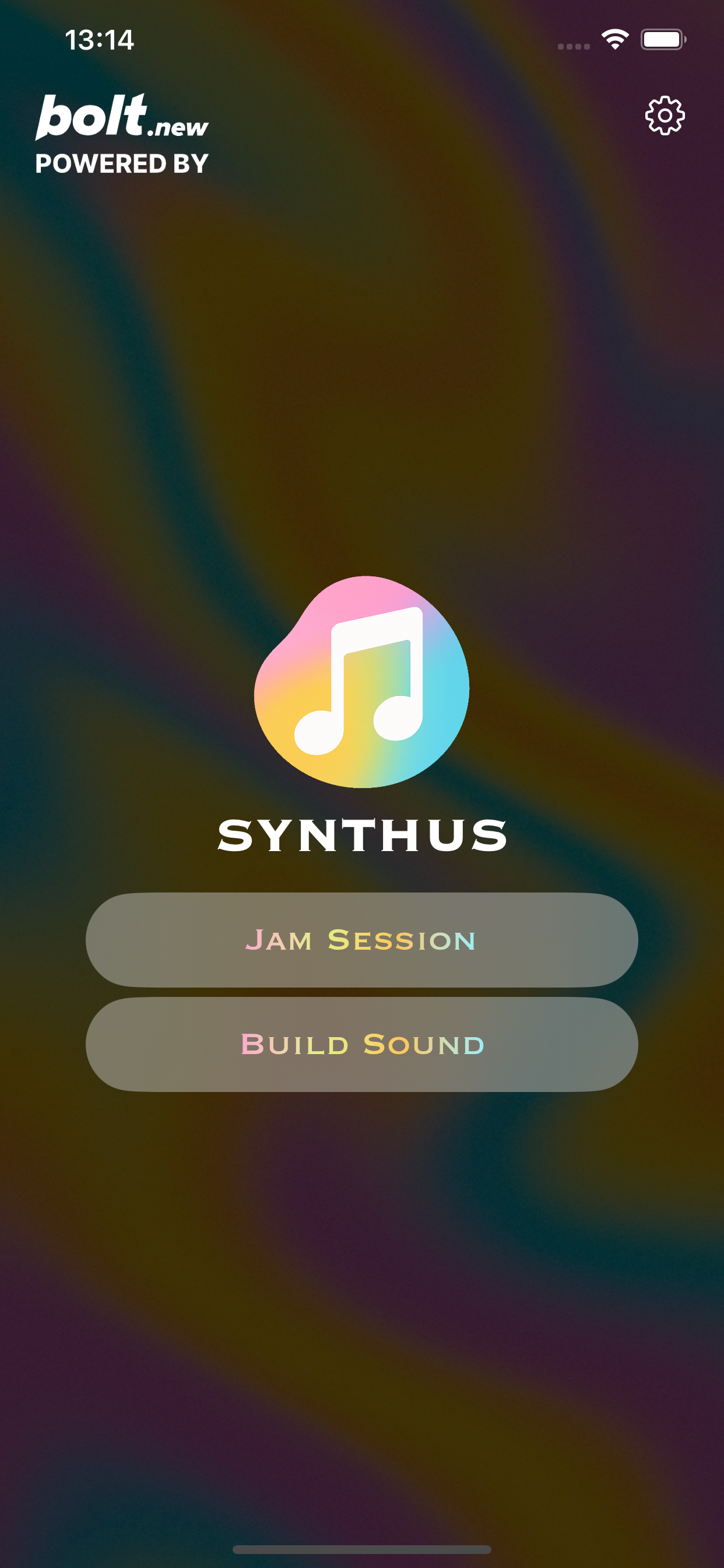
Home Screen
-
Scan to download the app on Iphone
🎹 SYNTHUS Building My Own Synthesizer App
How It Started
Music has always been a big part of my life. I took classical piano lessons as a kid, and when I turned 18, I started experimenting with FL Studio, making beats and electronic tracks. Pretty soon, I became fascinated with synthesizers. The way you can shape sound from scratch using oscillators, envelopes, filters, and effects - it felt like magic, but also super complicated.
When the Bolt Hackathon 2025 was announced, I initially wanted to build a completely different app. For that app, though, I needed a solid synthesizer component on iOS, and I quickly realized there weren't any good free options available that fit exactly what I needed.
So I asked myself:
"Why not build my own synthesizer?"
Why Another Synth App?
Most synthesizers for iOS are powerful but super cluttered - usually they're just desktop interfaces squished onto a phone screen. I wanted something made specifically for my iPhone, easy to use vertically, with a clean layout optimized for a small touchscreen. So, I went for it.
Tech Stack & Workflow
Initially, I wanted to use React Native for the app. But the big catch: React Native doesn't have any audio library powerful enough for real-time audio synthesis, especially with multiple oscillators and effects.
Luckily, AudioKit exists for Swift - it's packed with powerful audio components perfect for building synthesizers. The downside: you can't preview Swift apps directly in Bolt.new because Bolt only previews React Native directly. To work around this, I set up GitHub integration in Bolt. Every change Bolt made automatically got pushed to a GitHub repo, which I then pulled into Xcode to preview and test.
It wasn't quite as seamless as working exclusively Bolt, but honestly, the delay was minimal maybe just 5-10 seconds between generating code and previewing changes in Xcode. Pretty smooth workflow overall.
Toughest Challenges
The biggest hurdles during the project revolved around using AudioKit. While Bolt.new, powered by Claude, usually generated pretty decent Swift code, it often stumbled on very specific syntax details related to AudioKit functions. Sometimes the generated code was close but not quite right, so I had to dive into the official AudioKit documentation to find the exact syntax, then re-prompt Claude with the correct info.
Aside from syntax frustrations, I faced some classic software development struggles. There were times when I got stuck for hours on a single, obscure bug trying everything I could think of without making progress. Then, seemingly out of nowhere, the problem would resolve itself, and suddenly I'd be making great progress again. Just typical ups and downs of development.
What I Learned
This project ended up teaching me two big things:
1. Synthesizer Internals
- Before, synths always seemed incredibly complex, especially how each component (oscillators, envelopes, filters, effects) interacts. By actually building one, I now understand exactly how these parts work together. It's cool to finally grasp something I’ve been curious about for so long.
2. Better Prompt Engineering
- I also improved my prompt engineering skills dramatically. Learning how to clearly communicate with Bolt.new especially now powered by Claude 4 was surprisingly intuitive. Usually, Bolt nailed the features in one go. If not, a couple of refined prompts later, the feature was there.
The Retro Vibe
When it came to design, I asked ChatGPT to generate some inspiration images. It created this super cool 90s-retro synth UI bright colors, neon sliders, and knobs. I loved the vibe and tried to recreate that aesthetic in my app.
Next Steps
Synthus is just getting started. The plan is to eventually expand it into a complete music production app, including a full song arrangement mode with MIDI patterns, drum patterns, and playback essentially allowing you to create entire songs directly on your phone. This synthesizer started as a necessity for another idea but quickly became a passion project I want to keep pushing further.
Final Thoughts
Creating Synthus was intense but incredibly rewarding. I'm amazed by how quickly and smoothly this came together, especially considering I started mid-hackathon. It’s exciting to see a simple prompt in Bolt turn into something tangible something I’d actually use every day.
I’m looking forward to seeing how this evolves and where the next oscillator tweak might lead me!


Log in or sign up for Devpost to join the conversation.