-
-
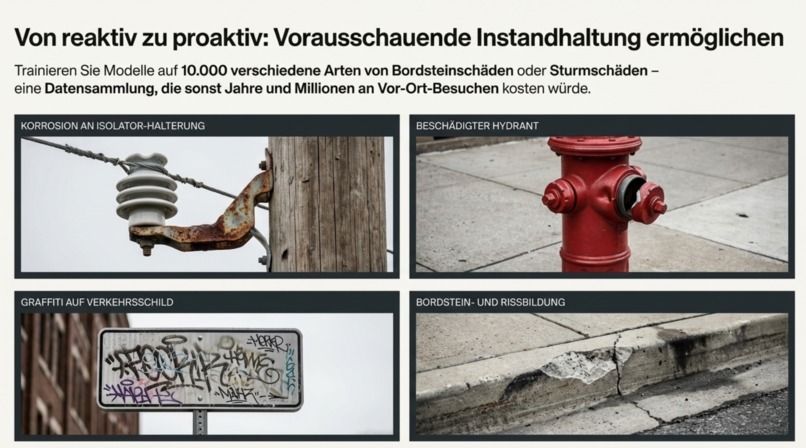
Examples 1
-
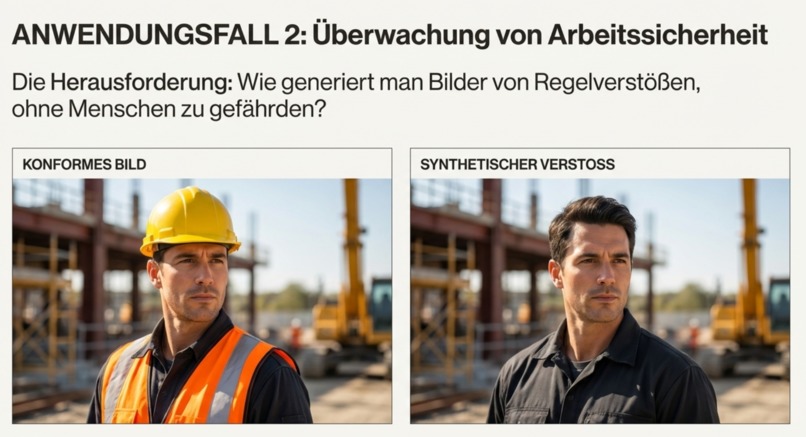
Examples 2
-
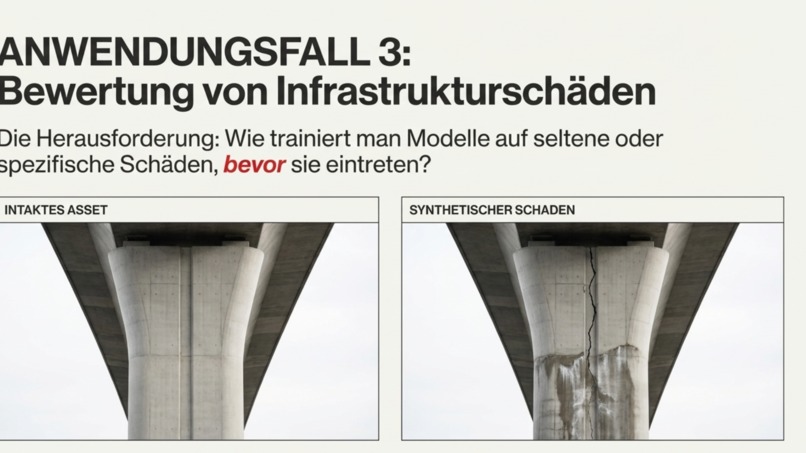
Examples 3
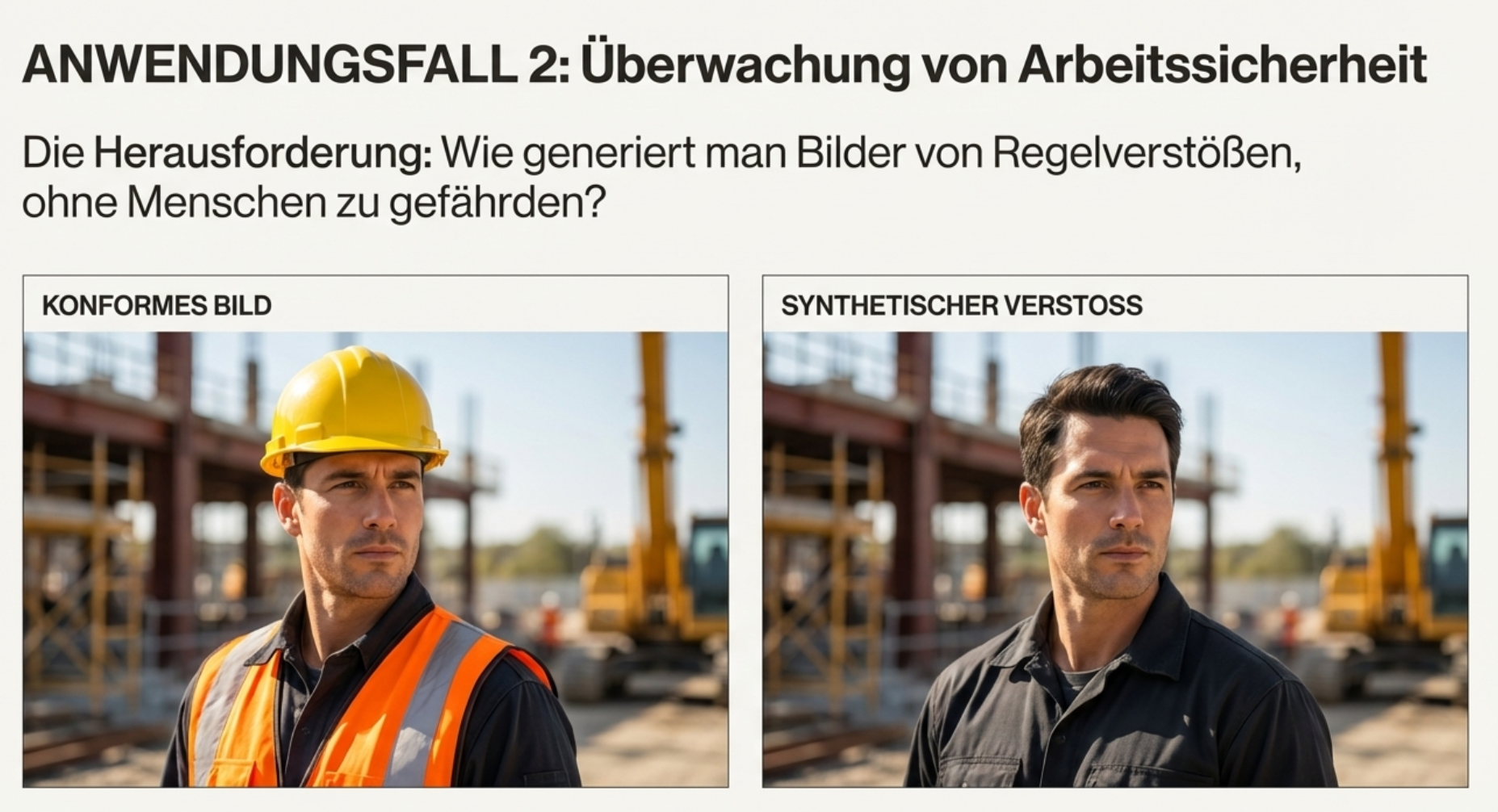
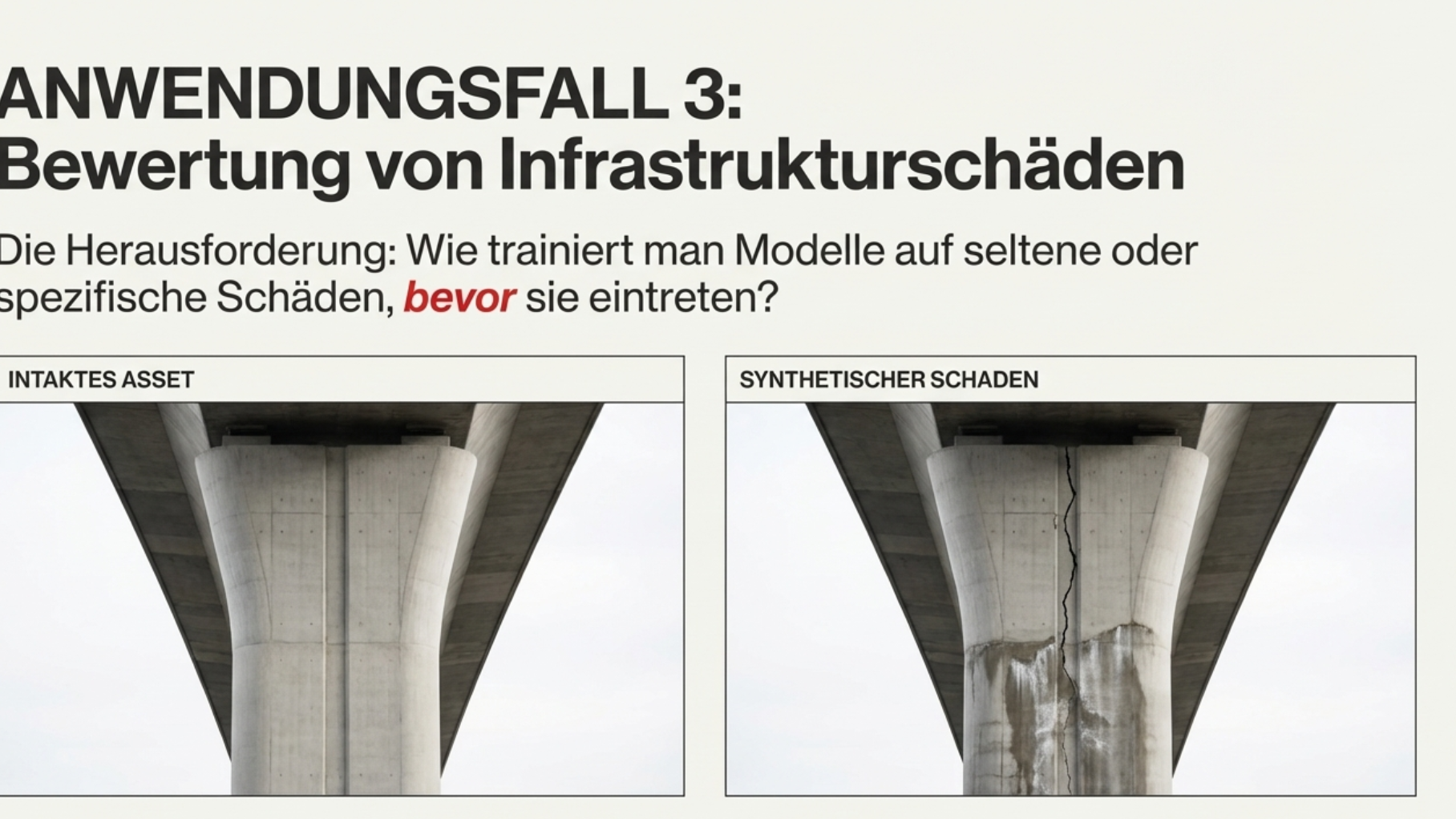
We were inspired by the "Billion-Dollar Blind Spot" in modern AI. While Computer Vision models are 99% accurate in standard conditions, they fail catastrophically in the 1% of scenarios that matter most: rare, dangerous, or "edge case" events.
Aviation: A single piece of debris (FOD) can destroy an engine, yet runways are clean 99.9% of the time, leaving AI with no training data to learn from.
Safety: We cannot ask factory workers to remove their helmets just to train a camera on what a safety violation looks like.
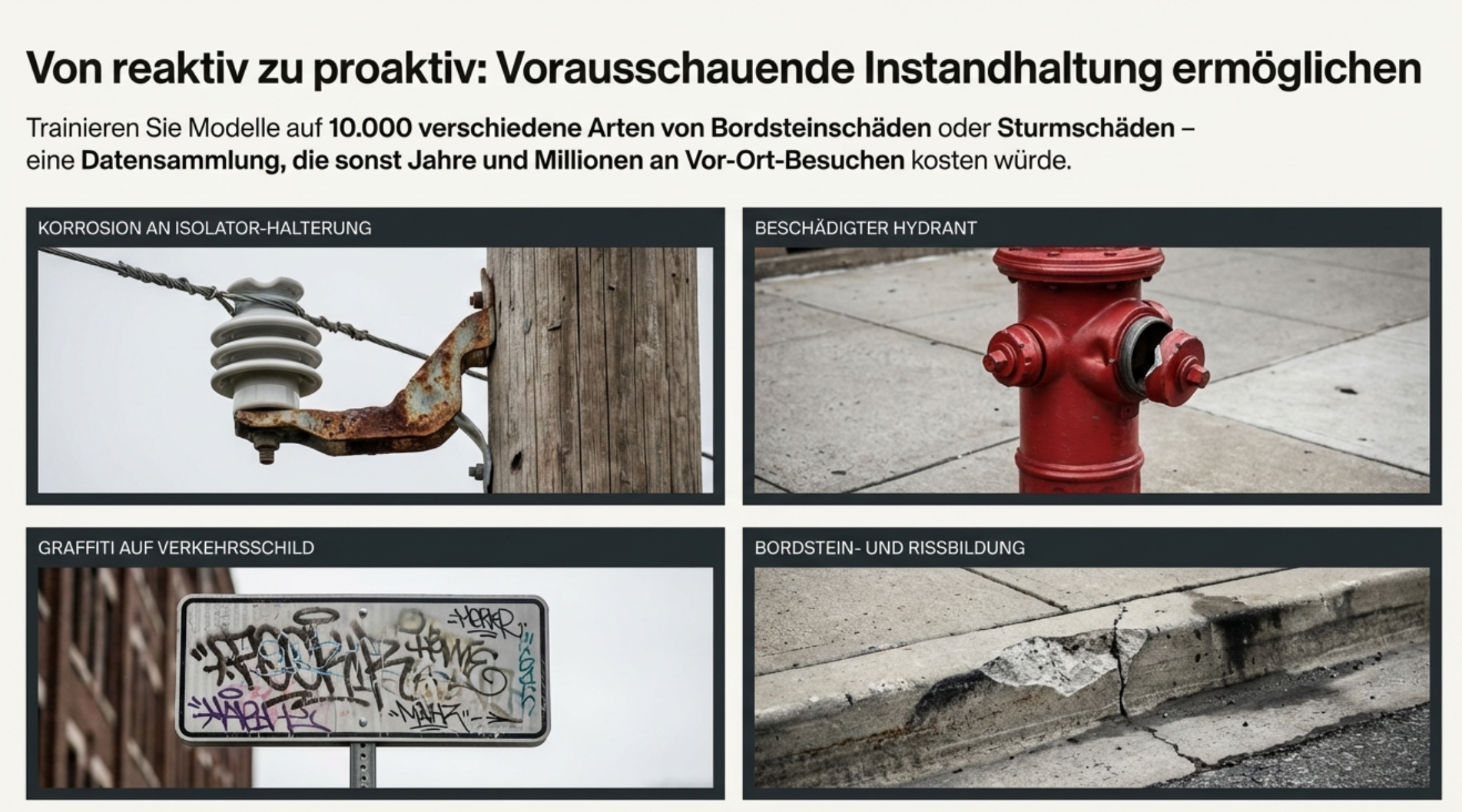
Adversarial Attacks: Autonomous vehicles can be tricked by simple stickers on a Stop sign, but collecting real-world "vandalism data" is illegal or impossible.
We realized that for high-stakes industries, scarcity is the enemy. We built SynthGuard to turn this scarcity into abundance using Generative AI.
⚙️ How we built it SynthGuard is a Synthetic Data Factory designed for enterprise compliance.
The Core Engine: We utilized Bria AI’s Text-to-Image API (Production & FIBO models) because it creates commercially licensed, copyright-safe data—a non-negotiable requirement for our enterprise use cases.
Precision Control: We implemented the VLM (Vision-Language Model) Bridge. Instead of guessing with simple text prompts, our app translates safety concepts into structured JSON schemas. This allows us to programmatically control specific variables (e.g., locking the camera angle while swapping a worker's gender) to ensure unbiased, diverse datasets.
The User Interface: We built an interactive Streamlit dashboard (Python) that allows non-technical Safety Officers to generate "near-miss" scenarios (e.g., "Rusty bolt on tarmac at night") in seconds, complete with a live ROI calculator.
🚧 Challenges we faced The "Paradox of Imagination": It is difficult to write a prompt for something you have never seen. Initially, our prompts for "vandalized signs" were too generic. We had to iterate deeply with Bria’s Refine and Structure capabilities to define exactly what "adversarial stickers" look like to a machine.
Structuring Chaos: Translating vague concepts like "unsafe behavior" into concrete visual instructions (e.g., "missing high-visibility vest," "standing in yellow zone") was tricky. Bria's JSON-native workflow was a game-changer here, allowing us to disentangle "person" from "equipment" to create accurate violations without hallucinating weird artifacts.
🧠 What we learned Licensed Data is a Feature, not a Bug: We learned that for B2B AI, "cool" images aren't enough; they must be legal. Bria’s attribution model gave us the confidence to pitch this as a real business solution, not just a toy.
The Power of Adversarial Generation: We discovered that we aren't just training AI to see; we are training it to survive. By generating "attack vectors" (graffiti, debris, bad lighting), we are effectively immunizing computer vision models against the unpredictability of the real world.
Built With
- ai
- bria
- python
- streamlit

Log in or sign up for Devpost to join the conversation.